How Long Can a Worm Live: Complete Guide to Lifespan and Care
How long can a worm live depends a lot on its species and surroundings. On average, worms live between 2 and 7 years. Your worm’s life can be shorter or longer depending on care and environment.
Worms live 2 to 5 years in compost bins. Some can reach 8 years. This happens when they get excellent care.
Wild worms usually live just a few months because outdoor dangers cut their lives short. Keeping temperature steady between 55°F and 80°F helps worms stay healthy and last longer.
Freezing temperatures can be survived for about a month if other needs like moisture are right. To help worms live longer, check their environment often. Avoid dryness or extreme heat.
Keep conditions steady for their health. That way, your worms can thrive for years, not just weeks. ===
Key Takeaways
- Most worms live 2 to 7 years on average, depending on species and care.
- Composting worms often live 2 to 5 years in well-maintained bins.
- Wild worms usually survive only a few months due to natural risks.
- Keep worm habitat temperature between 55°F and 80°F for best survival.
- Worms can survive freezing for up to one month if moisture is steady.
- Avoid dryness and overheating to extend your worm’s lifespan.
How Long Do Different Worm Species Typically Live?
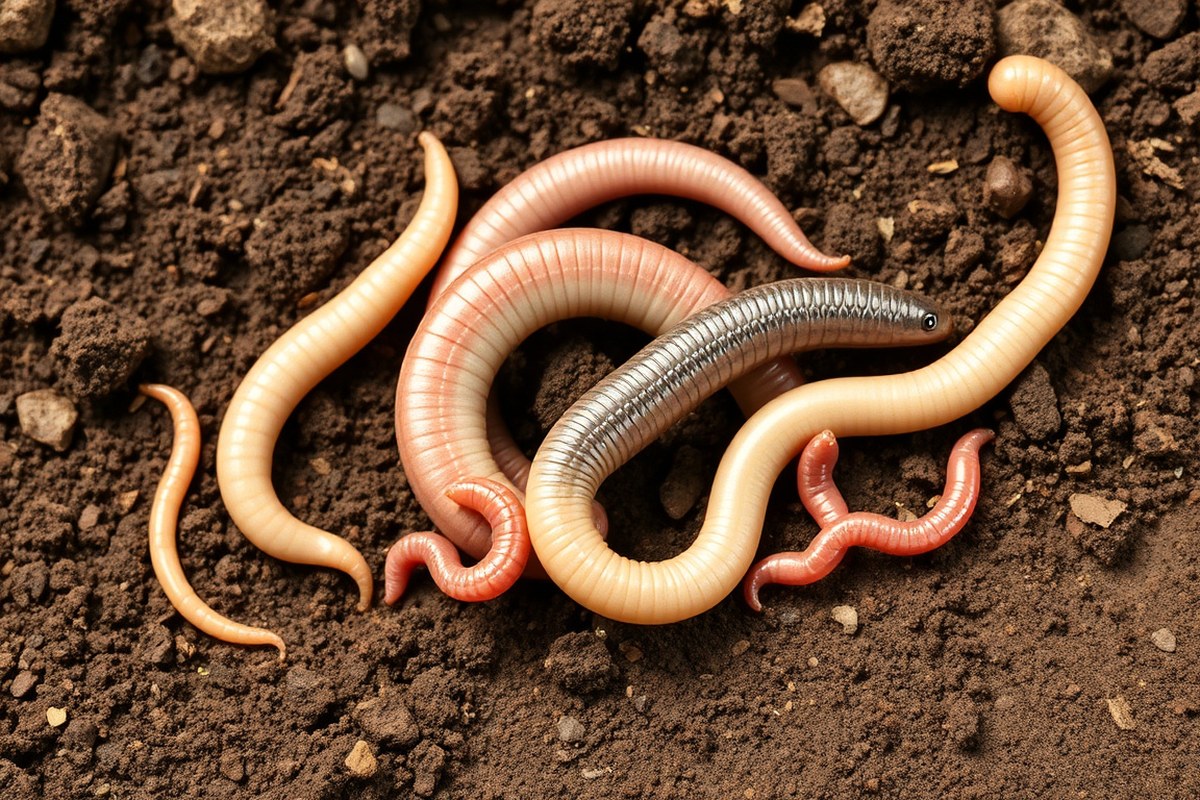
Different worm species have various lifespans. Knowing these helps you pick the right worm for your garden or compost bin.
Red Wigglers, popular for vermicomposting, live 2 to 5 years when cared for well. European Nightcrawlers usually live 1 to 3 years. Some can survive up to 5 years.
Their lifespan is a bit shorter than other worms. Common garden worms often live longer, reaching 6 years or more in good conditions.
| Worm Species | Average Lifespan | Maximum Lifespan |
|---|---|---|
| Red Wiggler (Eisenia fetida) | 2 to 5 years | 5 years |
| European Nightcrawler (Eisenia hortensis) | 1 to 3 years | 5+ years |
| Common Garden Worm (Lumbricus terrestris) | Up to 6 years | 6+ years |
| Tubifex Worms | 20 to 62 days | 4 to 6 years (some studies) |
Smaller worms like Tubifex have short lifecycles. They may live several years in some cases. Their lifespan varies by environment.
Garden worms can survive over 10 years. Still, this is rare and depends heavily on soil and climate quality.
These details let you plan how often to refresh your worm population. Worms with longer lifespans save time and money. You won’t need to replace them as often.
This suits gardeners who want low maintenance. Red Wigglers suit small indoor bins. Nightcrawlers and garden worms handle outdoor conditions better.
What Are the Key Stages in a Worm’s Lifecycle?
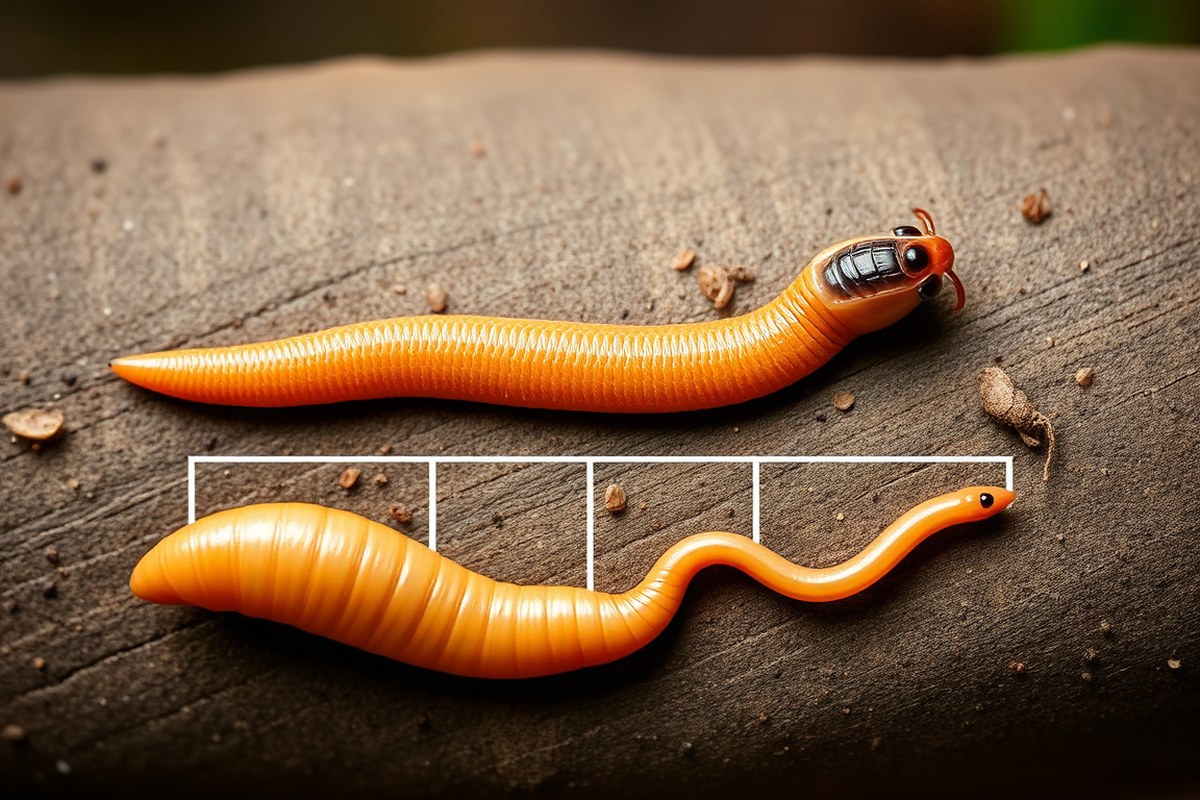
Worms develop through four main life stages: cocoon, hatchling, juvenile, and adult. Each stage lasts different amounts of time and has key changes. Understanding these stages helps you manage worms better in your bin or garden.
Cocoon Phase Duration and Conditions
Worm cocoons are small, oval cases where the embryos develop. They usually hatch in 1 to 2 weeks, though this depends on temperature and moisture. Warmer, moist conditions speed up hatching, while cold and dry slow it down.
The cocoon protects young worms during early development. Keep bedding damp in compost bins.
Keep the temperature between 55°F and 77°F. These conditions give the best results. Poor conditions can delay or stop hatching.
Hatchling and Juvenile Growth Stages
After hatching, worms are tiny hatchlings about 1 mm long with limited mobility. They grow quickly over 6 to 9 months in the juvenile phase. During this time, they develop segments, a clitellum (reproductive band), and their burrowing ability improves.
This phase is important because juveniles get stronger and prepare for adulthood. They don’t reproduce yet but eat a lot and help break down organic waste. Juveniles need a steady food supply and moist bedding to thrive.
Adult Phase and Reproduction Capacity
Adults are fully grown worms between 3 to 8 inches long, depending on species. This phase usually lasts 2 to 5 years. It depends on care in your worm bin.
It often takes the longest time. Adults have a visible clitellum and can produce cocoons regularly.
Worms start reproducing once the clitellum develops, usually around 6 to 9 months old. Adults continuously lay cocoons if food and conditions remain stable. Overcrowding or poor conditions can reduce reproduction.
Managing your worm bin well supports adults’ long life and steady cocoon production. Avoid sudden temperature changes and keep food scraps fresh but not spoiled. Follow these steps to manage your worms’ lifecycle efficiently:
- Keep worm bedding moist but not wet to protect cocoons.
- Maintain temperatures between 55°F and 77°F for quick hatching.
- Provide constant access to fresh organic matter for juveniles to grow.
- Avoid overcrowding to reduce stress in juveniles and adults.
- Check for developing clitellum in juveniles to estimate maturity.
- Harvest castings in stages to avoid disturbing cocoons and hatchlings.
- Monitor bin conditions regularly to keep worms healthy and reproductive.
Too dry or cold bedding can stop cocoons from hatching, so check moisture often.
How Do Environmental Conditions Affect Worm Lifespan?
The lifespan of worms depends heavily on the environment they live in. Temperature, moisture, air flow, and soil quality all affect how long worms survive. Keeping these factors in their ideal ranges helps worms live healthier, longer lives.
Ideal Temperatures for Worm Survival
Worms thrive best between 55°F and 77°F (13°C to 25°C). Beyond this range, extreme heat or cold causes stress.
Temperatures below 55°F slow worm activity, while above 77°F can lead to heat stress. Avoid sudden temperature swings, as they reduce lifespan.
To maintain proper temperature, keep worm bins indoors or in shaded areas. Room temperature generally works well.
In cold climates, consider insulating the bin or moving it indoors during winter. In hot weather, provide ventilation and shade to prevent overheating.
Moisture and Humidity Levels
Worms need moist but not soggy bedding with around 60% to 80% moisture. Too dry, and worms risk dehydration and death.
Too wet, and they can suffocate or develop mold. Maintaining this balance is critical for worm health.
Check moisture by squeezing bedding; it should feel like a wrung-out sponge. Add water little by little if dry.
Drain excess water or add dry bedding like shredded paper when too wet. Consistent moisture keeps worms active and extends their life.
Why Air Circulation Matters
Good airflow prevents harmful ammonia buildup and keeps bedding from becoming stale. Worms breathe through their skin, so oxygen-rich air promotes longevity. Poor ventilation causes stress and can shorten their lifespan by triggering toxic conditions.
Use containers with holes or mesh sides for airflow. Stir the bedding lightly every week to keep air moving.
Avoid sealed plastic containers that trap moisture and gases unless they have ventilation. This simple step supports a healthy worm habitat.
Soil and Bedding Quality
Worms in rich, balanced soil or bedding with greens and browns live longer. Nutrient-poor or contaminated soils can weaken them.
Aim for a pH between 6.5 and 7.5 for best health. Quality bedding encourages strong digestion and growth.
Feed worms a mix of kitchen scraps and shredded paper or cardboard. Avoid citrus, onions, and meat scraps.
Change bedding every few months to prevent toxins from building up. Healthy bedding supports worms through their full lifespan.
Handling Extreme Environments
Worms cannot survive dry deserts or freezing temperatures for long. In deserts, low moisture is fatal within days.
In freezing weather, worms go dormant, but extended cold kills many species. Protective insulation or bringing worms indoors is necessary.
If your garden soil freezes, move composting worms inside or provide thick mulch cover. During hot, dry spells, water bedding regularly and provide shade. These actions help avoid deadly extremes and keep worms alive longer.
How Long Can Worms Live in Captivity and Composting Bins?
Composting worms usually live between 2 and 5 years in well-managed bins. They often outlive wild worms because their environment is more stable and safe. Proper care can protect them from predators and harsh weather, which helps them live longer.
The best worms for home composting are red wigglers and European nightcrawlers. Red wigglers thrive in bins and tolerate a wide temperature range, from about 55°F to 77°F. Nightcrawlers live longer but prefer cooler, moist conditions. Providing the right environment based on species improves their lifespan.
Worms in a healthy bin can survive several weeks without food. They slow down their metabolism but still need moisture and air. Make sure the bin doesn’t dry out.
Dry conditions can harm your worms. Worms can die faster without moisture than without food. Feeding worms small amounts regularly, every few days, keeps them active and healthy.
To extend worm life, keep the bin’s bedding moist like a wrung-out sponge. Add cardboard, shredded paper, or coconut coir to balance food scraps. Keep the bin in a shaded spot between 60°F and 75°F. Avoid sudden temperature changes and strong sunlight to reduce stress and mortality.
Worms don’t die just because they get old or outgrow the bin. Overcrowding can cause problems, though.
Harvesting worm castings and thinning the worm population every few months keeps the bin healthy. This makes space for young worms to grow and prevents food shortages.
Adding crushed oyster shell or eggshell can help worms by lowering bin acidity. Worms live best when the pH stays near neutral, around 6.5 to 7.5. Regularly mixing the bedding adds air and prevents bad odors, which can also harm your worms.
What Factors Shorten a Worm’s Lifespan and How to Fix Them?
Toxic chemicals in soil or bedding can kill worms fast. Avoid pesticides, bleach, cleaning agents, and harsh soaps near your worm bin.
These substances disrupt their skin and gut, causing death. Instead, use natural products and keep chemicals out of your compost area.
Overfeeding worms leads to rotting food and foul odors. This harms the worms and attracts flies or pests.
Feed small amounts, about half a pound per pound of worms per week. Add more only when the previous food is mostly broken down.
- Use natural, chemical-free bedding and soil
- Feed worms slowly in small amounts
- Keep moisture around 70%, not soggy or dry
- Protect the bin from birds, rodents, and ants
- Keep bin in a shaded, cool spot (55°F, 77°F)
- Regularly check for signs of mold or food rot
Predators like birds, rats, moles, and ants often eat worms. Protecting your bin with a tight lid or wire mesh stops these visitors.
Place bins off the ground on a stand to reduce rodent attacks. Worms are soft and slow, so they need a safe spot to thrive.
Moisture matters a lot in worm care. Overwatering fills air pockets and drowns worms. Under-watering dries them out, causing stress or death.
Check moisture by squeezing bedding; it should feel like a wrung-out sponge. Add water or dry bedding slowly between checks.
Keep the worm bin’s temperature between 55°F and 77°F to prevent stress or death.
Can Worms Survive Without Food or in Extreme Temperatures?
Worms can survive several weeks without food if their bedding stays moist and rich in carbon. Moisture helps them breathe and keeps their skin from drying out. However, going too long without food weakens them and slows their activity.
Red wigglers grow best in compost bins at temperatures from 55°F to 77°F (13°C to 25°C). They can tolerate heat up to about 85°F (29°C) without serious issues.
Temperatures over 85°F cause stress and might lead to death. Colder temperatures below 50°F (10°C) slow their activity and may be fatal if prolonged.
Worms don’t hibernate like some animals, but they become very inactive in cold weather. When temps drop, they burrow deeper to avoid freezing. You can store worms in a refrigerator at about 40°F (4°C) for short times.
But not longer than a week. Otherwise, they risk dying from cold stress or lack of food.
Keeping worm bins in stable temperatures prevents shock and helps the colony survive. Store worms briefly by wrapping them in damp bedding.
Keep them in a cool spot above freezing. Avoid extreme heat by placing bins out of direct sun and away from heaters.
Worms need moist, mild conditions to thrive. Extreme cold or heat shortens their life and stops composting. Keep temperatures steady to help worms live longer.
Feed them often in their bedding. Regular care boosts their lifespan.
How Does Wild Versus Urban Environment Impact Worm Lifespan?
Worms living in wild habitats often outlive those in urban gardens. Urban worms usually face more hazards like pesticides, droughts, and human disturbance. These risks shorten their lifespan to about 1-3 years.
Wild worms sometimes live 4 to 7 years or longer. Their habitat has fewer chemicals and more stable conditions. Worms live longer because they face less pollution and soil disturbance.
Predators and weather are natural threats but have less impact. This helps keep their lifespan longer.
| Environment | Average Lifespan | Main Risks |
|---|---|---|
| Urban Gardens and Yards | 1, 3 years | Pesticides, drought, soil disturbance |
| Wild Natural Habitats | 4, 7 years | Predators, weather changes, flooding |
| Composting Bins (Careful) | 2, 5 years | Overheating, moisture loss |
City worms often get exposed to pesticides in gardens or yards. These chemicals harm their health and reduce reproduction rates quickly. Avoiding pesticide use helps soil worms live longer and keeps populations strong.
Wild worms live over 7 years with the right conditions. They need enough shelter, food, and moisture to survive. Without these, they don’t usually live that long.
These conditions limit exposure to harsh drought or floods, which usually kill worms sooner. Protecting soil and avoiding chemicals make a big difference in their lifespan.
What Is the Reproductive Lifespan and How Do Worms Have Babies?
Worms reach reproductive maturity within about 12 months. Mature earthworms produce cocoons regularly, often about one per week. Each cocoon hatches an average of two to three baby worms, though some species have more.
Worm Mating and Cocoon Production
Adult earthworms have a special band called a clitellum wrapping their neck area. During mating, this band collects sperm and then slides off to form a cocoon. The cocoon is where baby worms develop safely.
Mature worms can produce up to 80 cocoons per year if conditions suit them. This means they can quickly increase their population in the right environment. Regular moisture and temperature between 55°F and 77°F help worms breed well.
Here are the steps worms go through to produce cocoons:
- Two adult worms exchange sperm by aligning their bodies.
- The clitellum secretes a mucus ring to collect sperm.
- The worm slides the mucus ring forward to form a cocoon.
- The cocoon closes and is left in soil or bedding.
- Fertilized eggs develop inside the protected cocoon.
- The cocoon hatches into baby worms after several weeks.
Hatching Rates and Baby Numbers
Each cocoon usually has two to three eggs that hatch into baby worms. Some species can contain up to 20 eggs, but that’s less common. The baby worms are tiny and start burrowing right away.
Hatching takes about three to five weeks, depending on temperature and humidity. Warm, moist bedding supports faster development. Seeing small cocoons or baby worms in your worm bin shows your worms are healthy.
Keep bedding moist but not wet; dry conditions lower hatching success.
Impact of Reproduction on Lifespan
Reproduction uses energy, but healthy worms still live several years. Producing one cocoon a week does not drastically shorten their lifespan under good care. However, stress from poor food or bedding can affect both lifespan and reproduction.
Adult worms spend most of their lives breeding and creating cocoons. Rapid reproduction helps populations bounce back after stress but requires enough food. If worms don’t produce cocoons regularly, check their environment and adjust moisture or temperature.
Step-by-Step Action Plan to Help Worms Live Longer
Follow these steps to create the right home environment and boost your worms’ lifespan. Track progress by checking worm activity and health regularly.
- Before You Start: Choose the right worm species for your area and compost needs. Healthy worms last longer and help your garden better.
- Day 1: Set up a well-draining bin with moist bedding like shredded newspaper or coconut coir. Check that bedding stays damp but not wet.
- Week 1: Add small amounts of food scraps like fruit and vegetable peels. Watch for worms actively feeding and bedding warmth.
- Week 2: Monitor temperature to keep it between 55°F and 77°F. Use a thermometer and add shade or ventilation if needed.
- Month 1: Turn bedding gently to keep air flowing. Look for fewer foul smells and healthy worm movement.
- Month 2: Avoid adding acidic or salty food and separate any pests you see. Worms should stay active and reproduce.
- After 3 Months: Harvest worm castings and refresh bedding. The worms should be thriving and multiplying.
- Ongoing: Check moisture, temperature, and food type weekly. Healthy conditions maintain worm life and compost quality.
Frequently Asked Questions
How Long Do Composting Worms Usually Live in a Home Bin?
Composting worms typically live 2 to 5 years in a well-maintained home bin. Keeping their environment stable helps worms live longer.
Feed them regularly too. This lets them reach the upper end of their lifespan.
Can Worms Survive Freezing Temperatures Outdoors?
Earthworms can survive freezing temperatures for about a month. Other conditions like moisture must stay steady. They enter a sort of suspended state called cryptobiosis to make it through cold spells.
How Long Do Baby Worms Take to Mature and Start Reproducing?
Worms usually take about 2 to 3 months to mature enough to reproduce. This depends on temperature and food availability, with warmer and well-fed conditions speeding growth.
Do Worms Live Longer in Urban Gardens Compared to Wild Areas?
Worms in urban gardens may live longer due to stable soil and less predation. Wild worms often face harsher conditions leading to shorter lifespans.
Can Worms Live Without Food for Several Days?
Worms can survive up to a week without food by slowing their metabolism. Don’t let this happen often because it stresses the worms. Stress can shorten their life.
How Does Moisture Affect Worm Lifespan in a Compost Bin?
Proper moisture is important and helps worms live longer by keeping their skin moist for breathing. Too much water can drown them, and too little causes dehydration.
Wrapping Up
Worms live longer when you control their environment and food carefully. Start small and adjust conditions as you watch how they react. Keep tracking their behavior, it’s the best way to keep them healthy.