How Much Is a Pergola: Detailed Cost Breakdown and Smart Buying Tips
People usually spend between $2,100 and $6,400 for a pergola installation. Kits begin around $1,000.
Custom pergolas can cost $15,000 or more based on design and materials. The choice of wood, metal, or vinyl plays a big role in pricing.
The size and material you choose will heavily affect the cost. Also, expect to spend extra for features like adjustable roofs or lighting. Keep in mind that adding fans or curtains will raise the price too.
Getting three quotes helps you find a fair price. Contractor bids can change by 40% or more. Comparing helps protect your budget.
Starting with a clear budget and design plan helps avoid surprises later. Watch out for permit needs in your area, which might add costs or delay timelines.
Some cities require inspections that add time and fees. It’s smart to plan carefully before buying or building your pergola.
Key Takeaways
- Expect a standard 10×10 pergola to cost between $2,000 and $6,000 installed.
- Smaller prefabricated kits start around $1,000 and can save money.
- Material choices greatly impact price; aluminum costs less than wood or teak.
- Additional features like motorized roofs can add $10,000 or more.
- Get at least three contractor quotes to compare prices.
- Check local permit requirements before starting your project.
How Much Does a Pergola Cost on Average In 2026?
The typical pergola costs between $3,000 and $13,000 in 2026. This price is for materials only. Costs vary depending on size and style.
Labor usually adds $500 to $1,000 more. Most people pay around $4,500 for a standard cedar pergola with basic extras included.
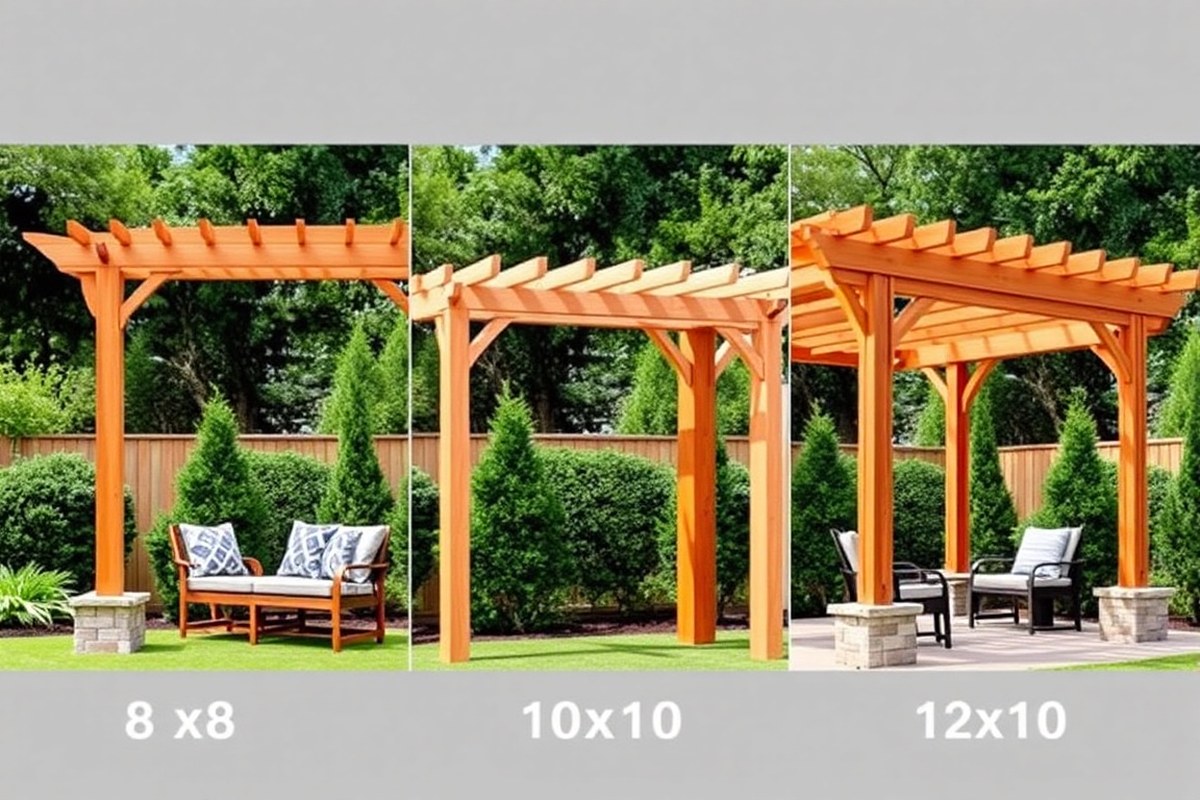
Size directly affects the price. Small pergolas (like 8×8 feet) cost less because they need fewer materials and simpler footings. Medium sizes (about 10×10 feet) cost more.
Large pergolas (12×14 feet or bigger) can push your project into the higher price range. Adding upgrades like lighting or motorized louvers also increases costs.
| Pergola Size | Material Cost Range | Labor Cost Range | Total Estimated Cost Range | Cost per Square Foot |
|---|---|---|---|---|
| Small (8×8 ft) | $1,000, $3,000 | $500, $800 | $1,500, $3,800 | $23, $59 |
| Medium (10×10 ft) | $3,000, $7,000 | $500, $1,000 | $3,500, $8,000 | $35, $80 |
| Large (12×14 ft) | $7,000, $13,000 | $800, $1,000+ | $7,800, $14,000+ | $46, $83+ |
For example, a 10×10-foot cedar pergola usually costs $3,000 in materials. Add about $750 for professional installation labor. Also include $800 for concrete footings designed for freestanding builds.
These figures bring the total to roughly $4,550. This price includes materials, labor, and basic site preparation. Most projects need site prep for safety and durability.
Basic pergolas stick to simple wood or metal materials with minimal extras. You might spend around $3,000 to $5,000 installed for those. Upgraded options include electrical features, larger footings, or custom shade systems.
These push costs up to $10,000 or more, depending on materials and complexity. Planning your budget around this range helps avoid surprises during installation.
How Do Pergola Sizes Impact Overall Pricing?
Your pergola’s size mostly controls how much material you need to buy. Larger footprints mean more wood or metal for posts, rafters, and beams. This naturally lifts the overall cost because more parts take more money and time to install.
Common pergola sizes start at 8 by 8 feet. They go up to 12 by 12 feet or bigger. As you add length or width, the area grows quickly, driving higher costs.
For example, an 8×8 pergola covers 64 square feet. A 12×12 pergola covers 144 square feet.
That more than doubles the space. That jump means you’ll need up to twice the lumber and hardware, plus extra labor hours.
| Size (ft) | Approx. Material Cost | Typical Total Cost (Installed) |
|---|---|---|
| 8×8 (64 sq ft) | $700, $1,500 | $2,100, $3,000 |
| 10×10 (100 sq ft) | $1,200, $2,500 | $3,000, $4,800 |
| 12×12 (144 sq ft) | $2,000, $4,000 | $4,800, $6,400 |
Picking your pergola size should balance your yard’s space with your budget. A smaller pergola costs less but gives you less shelter and room. Larger pergolas give you better shade and seating space.
But they cost more for materials and labor. Sometimes, these costs top $6,000. Also, some cities need permits for builds over 200 square feet, adding paperwork or engineering fees.
Labor costs go up with size because more time is needed to cut and assemble parts. A simple 8×8 pergola might take one or two days for a pro. A 12×12 pergola can take several days to build.
It takes longer on uneven ground. It also takes longer if attached to your home. Steep slopes or tricky footing might need a pro.
Hiring a professional helps make sure it stays safe. Don’t risk building it wrong.
Measure your outdoor space before buying materials. This avoids mistakes in size and fit. It can save you money and hassle.
What Materials Are Pergolas Made from and How Much Do They Cost?
Choosing a pergola material affects your upfront cost, maintenance, and lifespan. Wood offers natural beauty but needs more upkeep. Aluminum, steel, vinyl, and fiberglass cost more but last longer and require less care.
Wood Pergolas: Price and Maintenance
Wood pergolas range from $20 to $40 per square foot. Pressure-treated pine costs less but lasts only 7 to 10 years with regular upkeep. Cedar costs $25 to $40 per square foot.
It lasts 15 to 20 years. You need to maintain it well for this lifespan.
Wood needs annual sealing or staining to prevent rot and insect damage. Without maintenance, you risk warping, cracking, and a shorter lifespan. It’s best for projects where a traditional, natural look matters.
Aluminum and Steel Pergolas: Durability vs Cost
Aluminum pergolas cost about $25 to $50 per square foot and last 25 years or more. They resist rust and fading, so they need little maintenance beyond occasional cleaning. Steel costs $30 to $70 per square foot.
It is very strong. Over time, it may need rust protection.
These metals offer modern design options and can cover larger areas without extra support. They usually come prefinished, which saves time compared to wood treatment. Pick these materials for long-lasting strength.
They work well in humid or rainy areas. Wood might not last as long there.
Vinyl and Fiberglass: Low Maintenance but Pricier
Vinyl and PVC pergolas range from $10 to $25 per square foot for materials. But installed costs typically run $55 to $125 per square foot. Vinyl lasts 20 to 25 years and requires little more than cleaning with soap and water.
Fiberglass costs $50 to $60 per square foot. It offers great durability. Its finish is smooth too.
Both materials resist rot, pests, and moisture damage. They don’t need staining or painting, cutting long-term costs. Choose vinyl or fiberglass for clean looks.
They need little upkeep. Be ready to pay more at first.
Here’s a quick cost and care comparison to help you decide:
| Material | Price Range (per sq. Ft.) | Expected Lifespan | Maintenance Needed |
|---|---|---|---|
| Pressure-Treated Wood | $20, $30 | 7 to 10 years | Annual sealing, staining |
| Cedar Wood | $25, $40 | 15 to 20 years | Regular staining, insect check |
| Aluminum | $25, $50 | 25+ years | Occasional cleaning, rust check |
| Steel | $30, $70 | 25+ years | Periodic rust prevention |
| Vinyl / PVC | $10, $25 (material only) | 20 to 25 years | Cleaning with soap and water |
| Fiberglass | $50, $60 | 25+ years | Minimal, cleaning only |
Pick wood if you want a traditional look and are ready for upkeep costs. Metals like aluminum and steel suit moist climates and bigger structures due to low maintenance. Vinyl or fiberglass work for those who want minimal care and can spend more upfront.
What Are the Labor and Installation Costs for Pergolas?
How Professional Labor Affects Pergola Costs
Professional labor usually adds 20% to 30% of the total pergola price. For example, a $5,000 pergola could cost $1,000 to $1,500 for installation work. This covers skilled tasks like footing preparation, precise assembly, and securing posts safely.
Labor rates vary by region and pergola complexity. High-demand areas can charge $50 to $100 per hour.
Smaller towns might be around $40 to $60 per hour. Complex designs or uneven terrain boost labor time and costs.
Typical Steps in Pergola Installation
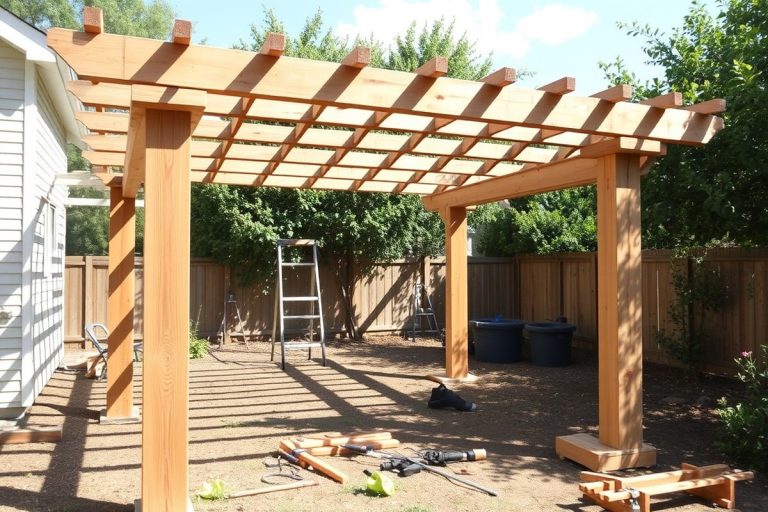
Installing a pergola involves several key steps that take time and skill. You start by preparing the site. This means clearing and leveling it.
Then you set the footings for your pergola. Next comes assembling the frame and securing all parts firmly.
Complex steps include pouring concrete footings or using engineered anchors if installing over an existing patio. Cleanup and final adjustments finish the job, ensuring safety and appearance.
- Clear and level the installation site for stability.
- Measure and mark locations for post holes accurately.
- Dig holes and pour concrete footings if needed.
- Set posts into footings or anchor onto slab securely.
- Assemble beams and rafters following the design plan.
- Tighten all bolts, screws, and fasteners firmly.
- Check for level, plumb, and structural soundness.
- Clean the site and remove debris after work ends.
Installation Time Estimates by Pergola Size
A standard 10×10-foot pergola usually takes a professional crew 8 to 12 hours to install. Smaller kits might take 4 to 6 hours.
Larger or complex designs need 16 hours or more. Weather and site conditions also impact timing.
DIY installation often takes longer, especially for novices, ranging from 12 to 20 hours or more. You should set aside a full weekend or more for a smooth build without rushing.
Labor Cost Variation by Location and Complexity
Labor costs depend on your region’s average rates and project factors. Urban zones with higher wages usually charge $60 to $100 per hour for pergola work. Rural areas often have rates under $60 per hour.
Complex designs with angled cuts or custom features increase labor time and price. Rough terrain or limited site access adds setup time, pushing costs higher. Always ask contractors for detailed quotes breaking down these factors.
Comparing Professional Installation with DIY Assembly
Choosing DIY assembly can save you $1,000 to $3,000 or more in labor costs. Trust your skills and have the right tools.
Kits make the job easier. However, mistakes can cause safety risks or require costly fixes later.
Professional installers bring experience, saving time and ensuring stable construction. They also handle concrete footings and permits if needed. DIY is best for smaller, simple pergolas with clear instructions and steady help.
Do You Need a Permit for Your Pergola Project?
Permits often depend on your pergola’s size and whether it attaches to your house. Small, free-standing pergolas under 150 square feet usually don’t need permits.
Larger ones or those connected to your home often require one. Checking with your local building department saves time and avoids fines or work delays.
Permit fees vary widely, typically between $50 and $500. The cost depends on your city and project size. A permit for a free-standing pergola might cost less.
Those attached to your home usually fall at the higher end. This fee adds to your overall project price and can affect your timeline.
Rules and exceptions differ by location. Neighborhood covenants or historic districts may require extra approvals.
Some areas have special regulations for wood versus metal structures. It makes sense to get clear info upfront to plan your budget and avoid surprises.
- Measure your pergola’s square footage and note if it’s attached or free-standing
- Gather detailed project plans or drawings, including materials and dimensions
- Check local building codes online or visit your local permitting office
- Ask about permit fees and inspection requirements
- Submit permit application with all documents and pay the fee
- Schedule inspections if required during or after construction
- Keep copies of your permit and approval for your records
Deciding if you need a permit comes down to some rules. If your pergola is under 150 square feet, you usually don’t need one. Also, no connection to the house means no permit is needed.
Anything larger or attached usually does. Prefab kits may come with guidelines but always confirm with local rules before building.
Skip the permit and your project could face fines, forced removal, or insurance trouble. Double-check before you build.
What Extra Features Affect Pergola Costs the Most?
Extra features like roofing styles, lighting, electrical work, and motorized systems add to pergola costs. Their prices vary widely depending on complexity and materials. Knowing how much each add-on costs helps you prioritize what fits your budget and needs.
Roofing Options and Price Differences
Open-rafter roofs are the least expensive option for pergolas. Adding louvered, polycarbonate, or shade-cloth roofs raises the cost by $500 up to $4,000. These roofs improve weather protection and comfort.
Custom louvered roofs cost between $2,000 and $8,000, depending on design and finish. Polycarbonate roofs come with clear or tinted panels.
They usually cost toward the lower end of the range. This lets you block rain but still let light through.
Electrical, Lighting, and Cooling Add-Ons
Installing lighting or electrical wiring can cost from $150 to $1,200, depending on the setup. Simple string lights cost less, while integrated LED systems add more ambiance and value. Misting systems to cool the space usually add about $2,500.
Adding retractable canopy shades runs $500 to $2,000, useful for extra sun protection. Privacy curtains or screens typically cost $300 to $1,500 and add a sense of enclosure. You should plan electrical work early to avoid higher retrofitting costs.
Motorized Pergola Systems: Costs and Benefits
Motorized louvered pergolas range from $8,000 to $14,000, with premium systems reaching $25,000 or more. These systems adjust slats automatically to control shade and rain protection. Adding motors and smart controls pushes costs beyond manual setups.
Expect to pay around $60 to $200 per square foot for motorized versions. They offer convenience and year-round comfort but can significantly raise your project budget. Consider whether you need smart features or if manual adjustment is enough for your use.
| Add-On | Typical Price Range |
|---|---|
| Open-Rafter Roof | Included in base pergola cost |
| Louvered Roof (Custom) | $2,000, $8,000 |
| Polycarbonate Roof | $500, $4,000 |
| Retractable Shade Canopy | $500, $2,000 |
| Privacy Screens or Curtains | $300, $1,500 |
| Lighting (String or Integrated) | $150, $1,200 |
| Misting System | About $2,500 |
| Motorized Louvered Pergola | $8,000, $25,000+ |
Pick add-ons that match how you’ll use the pergola most. For shade and rain, a polycarbonate or louvered roof is best.
Lighting helps extend use into evenings. Motorized systems suit those wanting high comfort and convenience, though they cost more.
DIY vs Professional Pergola Installation: Which Costs Less?
Doing a pergola yourself saves labor costs but requires tools, skills, and time. Buying a timber pergola kit costs about $2,300 to $3,000 in materials.
Professionals usually charge an extra $500 to $1,500 to assemble the same kit. So that part is your labor savings.
You’ll need saws, drills, and a level if you build it yourself. Basic woodworking skills like measuring, cutting straight, and fastening properly are musts. A mistake or weak connection may ruin the pergola’s strength or look.
Here’s what you weigh when choosing DIY or pro installation:
- Material cost: $2,300 to $3,000 for timber kits or $2,000 to $4,000 for brick pergolas
- Labor cost: $500 to $1,500 extra for professional assembly
- Time investment: Expect 20 to 40 hours DIY versus 1 to 3 days pros
- Tools needed: power saw, drill, level, measuring tape
- Skill level: woodworking basics or else risk mistakes
- Risk: Improper assembly may weaken structure or cause safety issues
- Finish quality: professionals usually provide cleaner, safer results
To see how much you save, say you buy a $3,000 timber pergola kit. Pros charge $1,000 to set it up.
Doing it yourself saves $1,000 but costs 30 hours of your time. You need the right tools and skills to avoid delays or errors.
If you don’t feel confident with power tools or framing, pro help can avoid costly mistakes. It generally ensures a sturdier, visually better pergola.
But if you know woodworking and have time, DIY offers clear savings. It also lets you control every detail and build at your own pace.
How to Identify and Budget for Hidden Pergola Costs
Pergola quotes often miss hidden expenses like permits, footings, or electrical work. These costs can add up and push your budget over the limit. You should plan for a 10% to 20% budget buffer to cover surprises or upgrades.
Permits vary by location but usually cost $50 to $300 for a pergola. Ask your contractor if permits are included in their quote. Footings are another hidden cost point.
A new concrete footing for each post runs $200 to $400. But if there’s an existing concrete pad, you’ll save that money.
Also, site preparation like clearing or grading may add fees that don’t show clearly upfront. Electrical hookups for lights or fans can cost several hundred dollars. Costs vary based on how hard the job is and local rates.
Contractor markup can vary a lot, often 20% or more. So get at least three quotes to compare prices and what’s included.
- Ask if the quote includes permits, footings, post anchors, and hardware
- Check if electrical prep or lighting installation is part of the price
- Confirm who handles site cleanup and old structure removal
- Clarify if staining, painting, or weatherproofing is included
- Discuss delivery charges and applicable taxes upfront
- Understand labor costs, especially for premium craftsmanship or tough sites
Sometimes seasonal demand affects pergola pricing too. Summer installations can be pricier due to high contractor workloads. Scheduling your project in late spring or early fall often saves money and ensures better availability.
Don’t just look at the total price when comparing quotes. Make sure each one clearly lists the same tasks and materials.
You can avoid unexpected bills by reviewing each quote line by line. Ask for written details on what the job covers. This is important if the site needs foundation work.
Also ask if you want electrical features included. Adding a 15% buffer generally protects you from most surprise expenses.
How Does Adding a Pergola Affect Your Home’s Value?
A well-built pergola can add to your home’s value and curb appeal. Real estate data shows outdoor structures recoup 50% to 80% of costs. This is the amount you might get back at resale.
These numbers come from home sales data. A $3,000 pergola might boost your home’s value by $1,500 to $2,400.
The exact amount depends on design and market demand. These factors affect how much value it adds.
The type of pergola affects the return on investment you can expect. Attached pergolas typically add more value than freestanding ones because they extend your living space. Attached pergolas often cost more to install than freestanding ones.
This is because they require changes to your home’s exterior. For example, attaching to a wall or garage needs extra work. Freestanding models, especially larger hardwood ones, appeal to buyers looking for a backyard centerpiece.
Professional installation plays a big role in value too. Pros ensure the pergola is level, secure, and built to last. A poorly installed pergola can turn buyers off due to safety concerns or visible flaws.
Installation costs usually range from $10 to $20 per square foot. But spending on expert labor helps protect your investment.
| Pergola Type | Typical Value Increase | Notes |
|---|---|---|
| Attached Pergola | 55% to 80% of cost | Boosts living area, may require home modifications |
| Freestanding Hardwood Pergola | 50% to 75% of cost | Strong visual appeal, stands alone in yard |
| Aluminum or Vinyl Pergola | 45% to 65% of cost | Low maintenance, modern look |
Maximize value by choosing quality materials and adding features like adjustable louvres. Louvres improve shade coverage to 90% to 95%. This lets you use the pergola more during hot seasons.
They adjust to block sun better than fixed roofs. Incorporate planning with your home’s style and landscape. Simple details like clean lines, matching colors, and durable finishes appeal to buyers.
Location and neighborhood matter a lot for resale value, too. High-demand markets with many outdoor living spaces tend to reward pergola upgrades better. Avoid building a pergola that’s too large or too costly for your area.
Overbuilding may not increase your home’s value enough. It’s best to match size and cost to local market. Match your investment to local trends and buyer expectations.
Step-by-Step Action Plan to Budget and Build Your Pergola
This simple plan helps you budget and move forward with your pergola project. Follow these steps to stay on track and make good choices.
- Before you start: Measure your space and decide on the pergola size. Check if your property needs a permit. You’ll know you’re ready when you have exact dimensions and local rules.
- Week 1: Choose the material based on your climate and budget. Look at wood, vinyl, or aluminum prices. Confirm your choice by comparing costs and upkeep needs.
- Week 2: Draft a list of extra features like lighting or retractable tops. Research how much they add to the price. Your list is ready once you know which features fit your budget.
- Week 3: Decide between DIY or hiring a pro. Get quotes from at least three installers if you go professional. You’re set when you get clear price estimates and services.
- Week 4: Plan for hidden costs like permits, delivery, or site prep. Add at least 10% extra to the pergola price for surprises. You’re prepared when your budget covers these unknowns.
- Before installation: Order your pergola and schedule installation day. Confirm all parts and features arrive on time. You know you’re ready when everything is on site.
- Installation day: Oversee the setup and check for damage or missing pieces. Make sure the installer follows your plan. Success means a safe, well-built pergola in your yard.
- After installation: Keep receipts and warranty info. Enjoy your new outdoor space and share feedback with your installer if needed.
Frequently Asked Questions
How Much Does It Cost to Repair a Pergola?
Repair costs vary depending on the damage type and material. Small repairs may cost $100 to $500, while major fixes can run higher. Getting a quote from a local contractor helps plan your budget better.
Can You Build a Pergola in a Weekend?
Yes, a basic DIY pergola kit can be built in a weekend. It usually takes one to two days if you have some experience and the right tools. Planning and prepping the site before starting saves time.
How Long Does a Pergola Last?
A well-maintained pergola typically lasts 10 to 20 years. Wood pergolas need periodic sealing to prevent rot, while metal ones resist weather better. Regular upkeep extends the life of your pergola significantly.
Does a Pergola Increase Home Cooling Efficiency?
Pergolas provide shade, which can help reduce direct sunlight on your home. This shading can lower indoor temperatures a few degrees during summer. While not a full cooling solution, it improves comfort and may reduce energy use.
What Is the Average Cost of a Pergola Kit?
Pergola kits usually range from $1,200 to $6,000 depending on size and material. Aluminum kits are often cheaper than wood or composite ones. Shopping around and comparing kits helps get the best deal.
How Much Does Pergola Maintenance Cost?
Basic maintenance like cleaning and sealing wood costs $50 to $200 annually. Metal pergolas need less upkeep but may require occasional painting. Regular maintenance keeps your pergola looking good and lasting longer.
Key Points to Remember
A pergola’s cost depends on size, material, permits, and extras. You can control these to fit your budget and needs. Start by measuring your space and checking local rules today.