What’s the Best Lawn Seed: Choosing and Planting for Lush, Green Lawns
What’s the best lawn seed depends mostly on your climate and sun exposure. Choose seed blends designed for your region to ensure good growth and durability. In northern areas, mixes with fine fescue and Kentucky bluegrass work well.
They handle shade and cold better than other grasses. These blends suit cooler climates.
Look for grass seed with less than 0.1 percent weed seeds on the label. That helps you get a lawn that’s fuller and needs less weeding. Also, consider how fast the seed germinates, most take about 7 to 14 days to sprout.
Start by testing your soil and picking seed that fits your lawn’s sunlight and wear levels. Using a spreader helps ensure an even application and better results. Watch watering carefully: too much washes seeds away, too little slows growth.
Key Takeaways
- Choose lawn seed blends tailored for your local climate and sunlight conditions.
- Use grass seeds with under 0.1% weed seeds for a cleaner lawn start.
- Expect grass seeds to germinate between 5 and 21 days, depending on type.
- Apply seed evenly with a spreader for best coverage and growth results.
- Test soil pH before planting to match seed type with soil needs.
- Water lightly and frequently until seedlings establish to avoid washing seeds away.
Which Lawn Seed Is Best for Your Climate and Lawn Type?
Start by matching your grass seed to your region’s climate zone. Cool-season grasses like Kentucky bluegrass, fine fescue, and perennial ryegrass grow well in northern areas. They do best with temperatures between 60 and 75°F and grow actively in spring and fall.
Warm-season grasses, such as Bermuda or zoysia, thrive in southern climates. They prefer temperatures above 80°F and go dormant in cooler months.
Look at how much sun your lawn gets daily. For full sun, choose seeds like tall fescue or Bermuda grass. These grasses handle direct sunlight and heat well.
Your yard has sun and shade. So try mixes like Pennington Smart Seed Sun and Shade. They need four to six hours of sunlight to grow well.
For mostly dense shade, pick grass blends designed for low light. Pennington’s Dense Shade mix uses fine fescues that survive with less than four hours of sun.
Think about your lawn’s use and traffic too. Tall fescue handles heavy foot traffic and recovers quickly. Kentucky bluegrass offers a dense, lush lawn but takes longer to establish.
Perennial ryegrass germinates fast, making it handy for quick repairs. Your lawn has bare spots or patches.
Use rapid growth mixes like Scotts Turf Builder Rapid Grass Tall Fescue Mix. Always check the seed label for low weed seed content, below 0.1 percent is ideal to avoid weeds taking over.
Plant your seed when soil temperatures stay above 50°F. Cool-season grass seeds do best when planted early spring or fall. Warm-season seeds should go down in late spring to early summer. Follow this timing closely to help seeds germinate and grow strong roots before extreme weather hits.
Cover the seed lightly and keep soil moist to get good results. Grass will sprout in 5 to 21 days depending on the variety.
Use seed mixtures that fit your lawn’s sun exposure and traffic needs. For cool-season lawns with sun and shade, use the right seed mix. Choose Kentucky bluegrass, fine fescue, and perennial ryegrass.
In warmer regions with full sun, go with Bermuda or zoysia. Shade-only spots need fine fescues.
Consider your lawn’s wear and how fast you want growth. Combining these factors will help you pick the best lawn seed for your home and climate.
Common Grass Seed Types and Their Strengths
Major lawn seed types include Kentucky bluegrass, tall fescue, perennial ryegrass, and fine fescue. Each type has strengths for different lawn needs like sun exposure, drought tolerance, and durability. Choosing the right seed depends on your lawn’s conditions and how much care you can give.
Kentucky Bluegrass Details and Uses
Kentucky bluegrass creates a dense, lush lawn with a rich green colour. It prefers full sun but can tolerate some shade when mixed with fine fescue.
This grass type spreads slowly through underground stems. So it repairs itself well over time.
It thrives in cooler climates and needs regular watering to stay healthy. Kentucky bluegrass grows best in mixes for sunny lawns. Use 85 to 90 percent bluegrass in the blend.
It helps lawns with full sun exposure thrive. It requires more care in drought or heat but offers excellent appearance for high-traffic yards.
Tall Fescue Strengths and Ideal Conditions
Tall fescue stands out for its ability to handle both sun and moderate drought. It has deep roots that help it survive dry spells better than Kentucky bluegrass. Tall fescue grows faster and thicker, making it popular for lawns needing tough, durable grass.
This variety also tolerates some shade but prefers sunny spots. It’s a good choice if you want less frequent watering and a resilient lawn. Tall fescue fits well in seed blends.
It often mixes with ryegrass and fine fescue. This mix creates a balanced lawn.
Perennial and Fine Fescue Benefits
Perennial ryegrass is fast to germinate, sprouting in about 5 days. This quick start helps control erosion and fill bare areas rapidly.
Ryegrass adds durability, especially in lawns with kids or pets. But it doesn’t spread like bluegrass.
Fine fescue offers great shade tolerance and grows well in less sunny areas. This grass type needs less water than bluegrass or tall fescue. It suits partial shade areas best.
It’s also good for dry spots. Fine fescue also mixes well with other cool-season grasses to balance lawn coverage.
When and Why to Choose Seed Blends
Grass seed blends combine types that suit different lawn needs. A sun and shade mix might have tall fescue, Kentucky bluegrass, ryegrass, and fine fescue. These blends grow thick, resist pests, and sprout in 7 to 14 days.
Blends give your lawn better drought tolerance, durability, and shade coverage than single-species seeds. They suit yards with mixed light conditions and moderate foot traffic. Fertilizer often comes included in blends, which helps seedlings grow fast and strong.
Pick a seed mix with tall fescue and fine fescue for lawns with sun and shade. These grasses adapt well to both conditions. They help your lawn stay healthy.
How Long Does Lawn Seed Take to Germinate and Establish?
Grass seed usually begins to sprout in about one to three weeks. Full lawn establishment can take six to eight weeks depending on the seed and conditions.
Several factors influence this timeline. So knowing them helps you set reasonable goals for your new lawn.
Typical Germination Times for Common Seeds
Perennial ryegrass sprouts quickly, often within 5 to 10 days, making it ideal for fast coverage. Kentucky bluegrass usually takes 14 to 21 days to sprout.
It grows slowly but creates a thick, dense lawn. Tall fescue seeds can start within 7 to 14 days and tolerate heat and drought well.
Some fast-germinating mixes claim sprouts in as little as 5 days. But expect 1 to 3 weeks more under average conditions.
Warm-season grasses like Bermuda usually germinate slower, sometimes beyond 3 weeks, especially in cooler weather. Patience is key for slower types since good roots build stronger lawns.
Environmental Factors Affecting Seed Growth
Soil temperature is important. Most cool-season grasses need 50°F to 65°F soil to germinate faster.
Too cold soil and germination can stall for weeks. Moisture also matters; seeds need constant dampness but not flooding to sprout properly.
Sunlight influences growth speed after sprouting. Lawns in full sun establish faster than those mostly shaded. Foot traffic can stress young seedlings.
So limit walking on new seed areas until grass is thicker. Mulch can help keep seeds moist and prevent wash-away during watering.
Monitoring and Caring for Seedlings After Germination
Once seedlings appear, keep watering lightly daily to maintain soil moisture. Overwatering can drown young roots and cause disease. Water gently with a fine spray early in the morning.
This helps reduce evaporation. It also lowers chances of fungal problems.
Use fertilizer made for new grass to help early growth. Apply it carefully following the package directions. Avoid using too much fertilizer.
Avoid mowing until grass reaches around 3 inches to allow roots to deepen. Expect full lawn coverage around 6 to 8 weeks if you stay consistent with care.
How Much Grass Seed Do You Need and When Should You Plant?
To find out how much grass seed you need, measure your lawn first. For example, a 1,200 square foot lawn requires about a 12-pound bag of grass seed. The best time to plant depends on your grass type and region’s climate.
Calculating Seed Requirements for Your Lawn Size
Start by measuring your lawn’s length and width in feet. Multiply those numbers to get the total square footage. For example, a 30-foot by 40-foot lawn equals 1,200 square feet.
Check the seed bag label for coverage information. One 12-pound bag often covers around 1,200 square feet, combining seed with fertilizer. If you have bare spots only, you may need less seed for overseeding.
Adjust amounts based on your lawn’s density needs. Thicker lawns require seeding rates toward the higher end of the bag’s coverage. Less seed can result in patchy growth and more weeds.
Optimal Planting Times by Grass Type and Climate
Plant cool-season grasses like Kentucky bluegrass or fescue in late summer to early fall. Soil temperatures should be between 55 and 60 degrees Fahrenheit. Air temperatures near 70 to 75 degrees help germination.
Warm-season grasses such as Bermuda or centipede do best when soil and air temperatures are warmer. Late spring through early summer is ideal, with temperatures ranging from 60 to 90 degrees Fahrenheit. This timing matches their active growth periods.
Adjust planting times for your climate zone. Colder regions need to plant earlier in summer to establish roots before frost. Warmer regions can plant warm-season grasses later in spring for good growth.
Preparing Your Lawn Before Planting Seed
Remove weeds, debris, and thatch before sowing seed for best contact with soil. Rake the soil surface lightly to loosen the top layer. This helps seed settle and improves germination.
Grade your lawn to smooth low and high spots. Uneven areas cause water pooling or runoff, which harms seed growth. A level surface aids uniform sprouting and root growth.
Water the soil a day before planting, aiming for moist but not soggy conditions. Moisture helps seeds start to grow quickly. After planting, keep soil consistently damp during the germination period.
Essential Soil and Watering Tips for Successful Lawn Seed Growth
Good soil preparation sets the foundation for lawn seed success. Begin by removing weeds, rocks, and old grass to clear the area. Loosen the soil to about 3 to 4 inches deep using a shovel or rototiller.
This helps seedlings take root. When soil is hard or compacted, mix in organic matter.
This improves drainage and adds nutrients. Use soil improvers if needed.
Soil type affects seed survival. Sandy soils drain quickly but hold fewer nutrients, needing more frequent watering and fertilizing. Clay soils hold water longer but can stay soggy, risking seed rot.
For clay, improve drainage by adding sand or compost. Test your soil’s pH with a kit.
Most grass likes a pH of 6.0 to 7.0. Adjust with lime if too acidic or sulfur if too alkaline, based on test results.
Watering is key to good germination. Water your seed gently after planting. Make sure to moisten the soil 1 to 2 inches deep.
Don’t flood the area. Keep soil evenly moist until seedlings appear. Water once or twice daily, depending on weather.
Avoid soaking the soil. Reduce frequency to once every few days once grass sprouts. But water deeply to encourage strong roots.
- Clear debris and loosen soil 3-4 inches deep.
- Add organic matter or soil improver if needed.
- Test and adjust soil pH to 6.0, 7.0 for most lawns.
- Water newly seeded soil daily, keeping it moist but not soaked.
- Adapt watering based on soil type: more for sandy, less for clay.
- Shift to deep, less frequent watering after seedlings form.
- Fertilize with a starter mix to support early growth.
Avoid overwatering soggy soil; it can cause seeds to rot before sprouting.
Good seed-to-soil contact improves germination. After spreading seed, lightly rake or press it into the soil surface. This prevents seed loss to wind or birds and ensures moisture reaches the seed.
Fertilizer mixed with seed saves time but choose one made for new lawns. Follow label directions for application rates and timing to avoid burning young grass. Lawns usually show green in 7 to 30 days.
This varies depending on your grass type. Watch for new growth signs.
Top Lawn Seed Mixes Compared: Features and Uses
Several seed mixes offer different benefits depending on what you need for your lawn. Quick germination is handy for fast coverage, while drought resistance helps in dry climates. Some mixes come with fertilizer included, which saves time but can cost more.
| Seed Mix | Coverage per Bag | Germination Time | Price Note | Special Features |
|---|---|---|---|---|
| Cool-Season Tall & Fine Fescue Blend | 580 to 1,400 sq ft | 7 to 21 days | Higher price per sq ft, fertilizer included | Coated seed, good for overseeding and new lawns |
| Pennington Smart Seed Bermudagrass Mix | Not specified | 16 days | Mid-range price | Drought, insect, disease resistant; for Southwestern sun |
| Jonathan Green’s Fast Grow | Not given, bag is 0.44 lbs | 7 days | No fertilizer, narrower use | Ideal for quick cover in challenging spots |
| Argentine Bahiagrass | Not given | Varies (not specified) | More affordable option based on seed type | Excellent heat and drought resistance, coarse blade |
Choosing a mix with fertilizer included saves you a step but raises the cost. It’s best if you want a simple, quick start for new lawns or repairs. The cool-season fescue blend shows quick germination and fits well for shady or temperate yards.
Pennington’s Bermudagrass is better if you live in hot, sunny places. Its resistance to drought and pests helps your lawn stay green longer. But it takes longer to grow, so it’s not for quick fixes.
Jonathan Green’s option germinates fast but doesn’t include fertilizer or cover large areas. This works well for small, urgent patches.
Argentine Bahiagrass suits full sun and dry spots. It offers durability but isn’t the fastest at sprouting.
Think about your lawn’s size, climate, and how fast you want grass. Using a lawn roller after seeding helps press the seeds into soil for better contact. If you have kids or pets, pick mixes labeled for high-traffic to avoid patchy lawns.
Common Mistakes When Planting Lawn Seed and How to Fix Them
One common mistake is spreading seed too thinly, which causes weak growth. Seed needs enough coverage to fill bare spots and compete with weeds. Use about 5 pounds of seed for every 1,000 square feet.
This rule works well for overseeding your lawn. It helps give the right grass coverage.
Planting at the wrong time of year also hurts germination. Cool-season grass seeds do best in early fall or spring. The ideal temperature is between 50 and 65 degrees Fahrenheit.
Planting then helps them grow strong. Warm-season seeds need late spring or early summer warmth, around 70 to 85 degrees.
Incorrect watering often spoils good seed. Right after planting, keep the soil moist with light watering 2 to 3 times daily. After your grass sprouts, water less often but deeper.
Water once a week for 25 to 30 minutes. This helps grass roots grow deep and healthy.
- Seed too thin: Use 5 lb per 1,000 sq ft to cover soil well.
- Wrong time: Plant cool-season seeds in early fall or spring only.
- Poor watering: Lightly water daily until sprouts, then deep weekly.
- Ignoring soil prep: Loosen soil and remove debris before sowing seed.
- Not repairing early: Reseed bare spots within 2-3 weeks if growth is sparse.
Poor germination can be fixed by overseeding or patching bad spots. Use repair mixes like Scotts EZ Seed Patch & Repair for small bare areas. Avoid using those for broad overseeding since they aren’t designed for whole lawns.
Try reseeding if your lawn still has slow growth or patchiness after 3 weeks. This can help fill in thin spots. Reseeding gives your lawn a better chance to look full.
Loosen the soil again gently, add a fresh layer of seed, and water well. This helps new seed get contact with soil and boosts sprouting.
Remember that cold-loving grasses can mix with annual ryegrass. This keeps your lawn green through winter.
Use overseeding to maintain color during cold months. This temporary cover doesn’t replace your regular lawn seed but fills gaps until warm weather returns.
How to Repair Bare Lawn Spots and Keep Grass Healthy
Small bare spots repair best with Scotts EZ Seed Patch & Repair. It works in sun and shade and lets seeds grow right into old turf. This mix also keeps moisture better.
So seeds stay damp longer, helping them sprout faster. For bigger patches, Scotts PatchMaster Lawn Repair Mix can fill the area well. Both mixes include mulch to protect seeds and help soil stay warm.
Pick a seed mix that fits your grass type. Match it to your lawn’s sun exposure. This gets the best results.
Overseeding keeps lawns thick and green especially in fall. For dormant Bermuda or Zoysia, spread ryegrass seed. Use perennial or annual ryegrass.
Target bare or thinning lawn spots. Use a spreader for even seed coverage. Apply about 5 to 10 pounds per 1,000 square feet.
Rake the lawn lightly after to make good seed-to-soil contact. Water lightly but deeply every day for two weeks.
Keep this up until new grass appears. This slows weeds and keeps your lawn full through winter months.
Maintenance after patch repair or overseeding matters a lot. Avoid mowing the new grass until it reaches at least 3 inches tall. Water about an inch per week once established, usually for a few weeks.
This keeps roots strong and soil moist. Be patient, patches can take two to four weeks to fully fill in.
Avoid heavy foot traffic on new seed areas to prevent seed loss and damage. Regular lawn feeding also helps keep repaired areas healthy and green.
Don’t skip lightly raking after overseeding. It helps seed make good soil contact and sprout faster.
Step-by-Step Action Plan for Planting Your Lawn Seed
Follow these simple steps to get your lawn seed growing strong. Each phase tells you what to do and a sign you’re on the right track.
- Before You Plant: Test your soil for pH and nutrients. Choose a seed mix that fits your soil and climate.
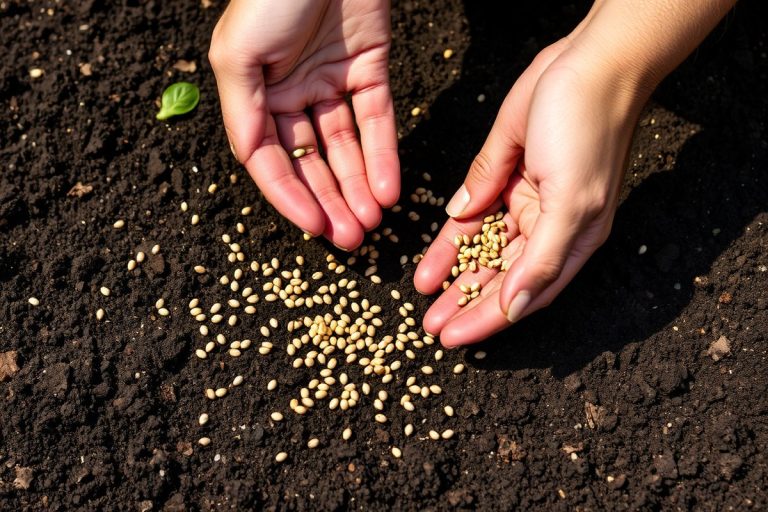
- Planting Day: Spread seed evenly at the recommended rate. Good coverage means you should barely see bare spots.
- First Week: Keep the soil moist daily but not soaked. Seeds look plump and start to swell.
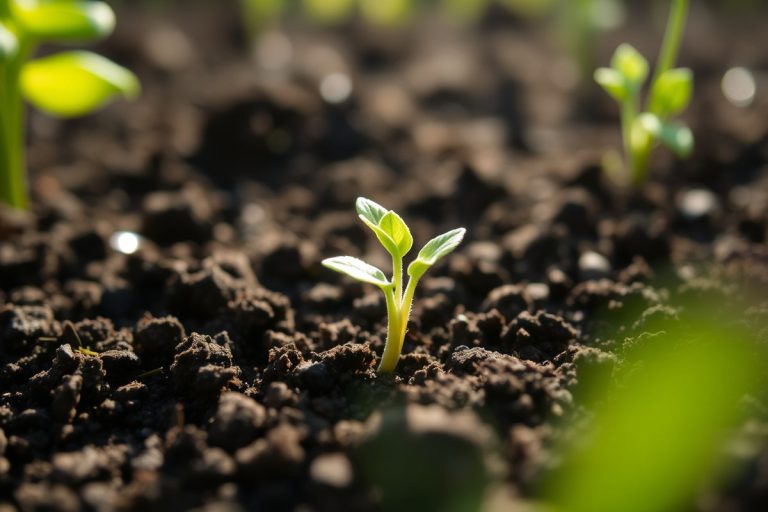
- Weeks 2 to 3: Water less often but deeper to encourage roots. New grass should be 1 to 2 inches tall.
- Week 4: Mow for the first time when grass hits 3 inches. Cut no more than one-third in height.
- Month 2 and Beyond: Fertilize with a slow-release product to boost growth. Grass should look healthy and thick.
- Ongoing: Monitor bare spots and overseed if needed. Grass stays green and strong with steady care.
Frequently Asked Questions
What Is the Best Grass Seed for Shaded Lawns?
Grass seed mixes with fine fescue thrive in shade. Fine fescue tolerates low sunlight better than many other grasses.
Can I Use Multiple Types of Grass Seed in One Lawn?
Yes, mixing seeds can help cover different lawn conditions. Use blends designed for sun, shade, and wear resistance.
Does Weed Seed Percentage Affect Lawn Seed Quality?
Yes, low weed seed percentage improves lawn purity. Look for less than 0.1% weed seed on the label.
How Quickly Should I Expect New Grass to Grow?
Most good seed shows growth in 5 to 21 days. Watering regularly helps speed up germination.
Will Adding Fertilizer with Seed Improve Lawn Growth?
Yes, seed mixes with fertilizer promote strong roots. Combining them saves time and supports early growth.
What Is the Best Seed for a Low-Maintenance Lawn?
Fine fescue blends are low maintenance and durable. They require less watering and mowing once established.
Before You Go
Picking the right grass seed depends on climate, soil, and lawn use. Start with a seed mix suited for your conditions. Take the first step today by testing your soil to get the best results.