Is a Worm a Decomposer? What Worms Really Do in Soil Ecology
Is a worm a decomposer? Not exactly.
Worms belong to a group called detritivores. They consume and physically break down dead organic material, without using chemical processes to decompose it.
Worms shred dead leaves and plant debris into much smaller pieces. This helps microbes access and digest the material more easily. Because of this, worms speed up the overall decomposition process but don’t replace microbes’ chemical work.
Besides breaking down organic matter, worms mix the soil by creating tunnels. Their movement and mucus secretions improve soil texture and nutrient distribution. This helps soil hold water better and increases oxygen levels for roots and microbes, making the soil healthier overall.
Worm activity supports a balanced ecosystem in your garden soil. Their role complements decomposers like fungi and bacteria, rather than substituting them. Healthy worms mean your soil stays fertile and productive for plants.
Key Takeaways
- Worms physically break down organic matter but don’t chemically decompose it.
- They eat dead plants and shred them into smaller, microbe-friendly bits.
- Worm tunnels improve soil water retention by up to 20% in sandy soil.
- Microbes rely on worm-processed material to complete nutrient cycling.
- Healthy soil needs both worms and microbial decomposers to thrive.
- Worm castings are rich in microbes and nutrients, helping plants grow.
Are Worms True Decomposers or Detritivores?
| Feature | Detritivores (Earthworms) | Decomposers (Fungi, Bacteria) |
|---|---|---|
| Action | Ingest and physically break down organic waste | Secrete enzymes that chemically dissolve organic matter |
| Process | Physical fragmentation inside the digestive tract | Chemical decomposition outside the organism |
| Role | Shredders that make waste easier to decompose | Chemists that convert waste into nutrients plants use |
| Result | Smaller pieces of organic matter and soil aeration | Inorganic nutrients like nitrogen, phosphorus, potassium |
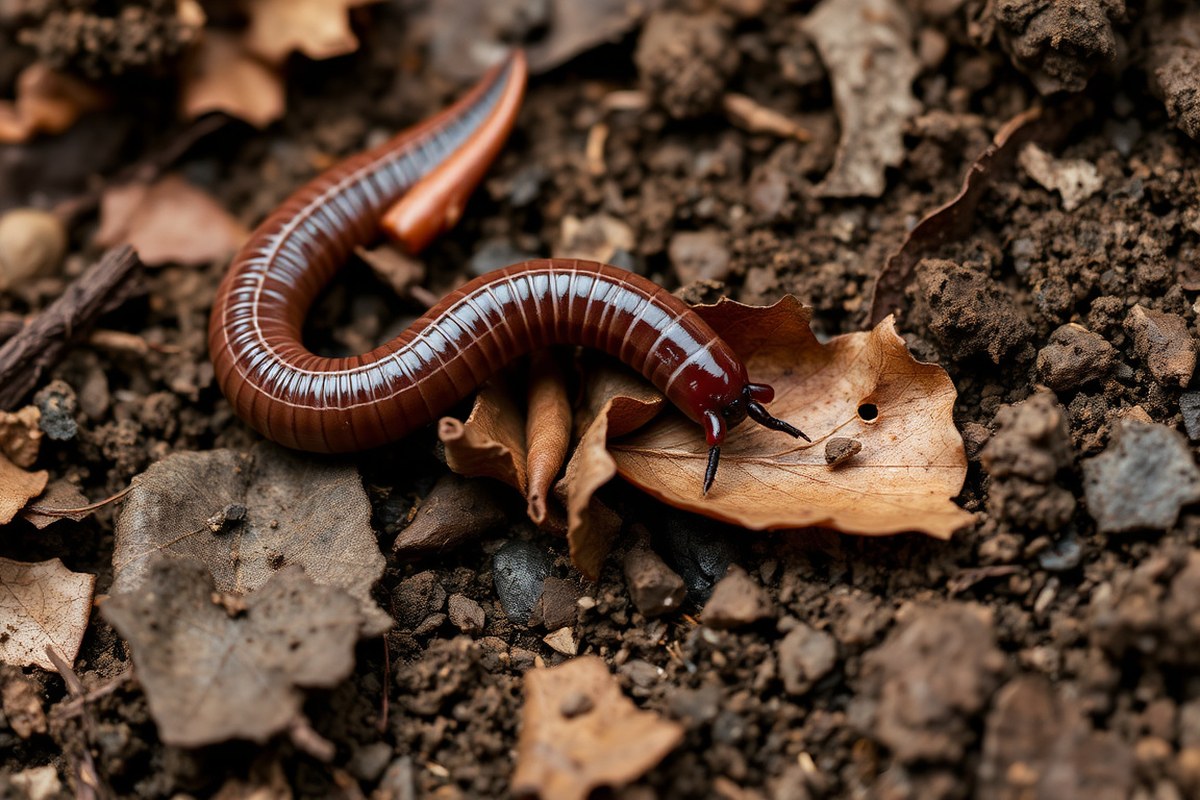
Worms are detritivores, not true decomposers. They eat dead material and break it down inside their bodies. This grinding helps physically break down the material.
It makes decomposition faster and easier for the soil. Their digestion fragments waste but doesn’t chemically change it into nutrients like fungi or bacteria do.
Decomposers like fungi and bacteria release enzymes that dissolve complex materials outside their bodies. This chemical process creates smaller molecules such as nitrogen or phosphorus that plants can absorb. Worms mainly prepare the waste for this chemical breakdown by other decomposers.
People often call worms decomposers because they play a key part in decomposition. However, worms act more like “shredders” that break organic matter into pieces. Then decomposers, the actual chemical “breakers,” mineralize that matter into plant nutrients.
This biological difference matters when you want to support soil health. To build fertile soil, encourage both worms and microbes.
Detritivores speed up waste fragmentation, improving aeration, soil structure, and water retention. Decomposers complete the nutrient cycle by converting fragments into plant-available forms.
For example, worms prefer a soil pH between 6.0 and 7.0, where they actively break down coarse waste. Fungi work best at slightly acidic pH 4.5 to 6.0. Bacteria thrive closer to pH 7.
Worms produce castings full of nutrients. These castings also have helpful microbes. They improve soil fertility after organic material breaks down.
Understanding these roles helps optimize your garden’s nutrient cycling. Feeding worms right coarse organic matter gives them what they need to grind down waste.
Moist, neutral pH soil supports their health. Meanwhile, encouraging microbes completes the process, ensuring your plants get the nutrients they require.
How Do Worms Break Down Organic Matter?
Swallowing and Grinding Organic Matter
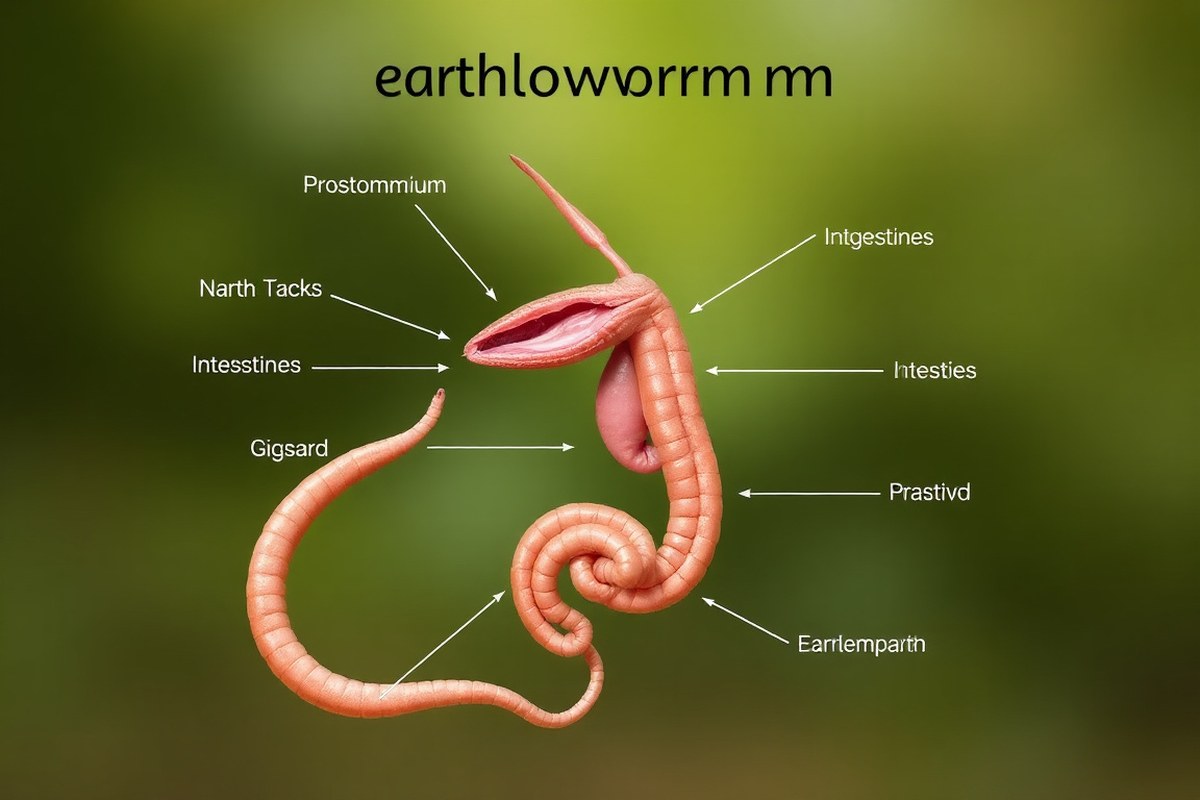
Worms use their mouths to swallow dead leaves, kitchen scraps, and soil mixed with organic material. Their muscular pharynx helps them pull in this waste efficiently. Inside, they swallow small bits of sand and grit along with the organic matter.
Grit is important because it enters the worm’s gizzard. The gizzard has strong muscles that grind the material. This grinding turns it into a fine paste.
This mechanical breakdown increases the surface area for microbes to work on later. By physically chopping and crushing waste, worms speed up the whole decomposition process.
Digesting Inside the Worm’s Gut
The worm’s gut is long and tubular, acting like a biological mixer. As the organic matter passes through, the digestive juices and muscles churn it continuously. This mechanical and chemical treatment softens tough materials like dead plant fibers.
In addition, the gut provides a warm, moist environment where helpful bacteria thrive. These microbes start to break down the organic matter chemically while it’s inside the worm. This internal digestion transforms complicated substances into simpler nutrients that plants can use later.
Role of Microbes in Worm Digestion
Worms don’t digest everything on their own. Their intestines carry many microbes that secrete enzymes, breaking down proteins and sugars. These enzymes speed up the decomposition of dead plants and food scraps.
The microbial community inside the gut complements the worm’s physical grinding. Together, they turn rough organic matter into nutrient-rich castings. That’s the material worms excrete, which enriches the soil naturally.
Excretion of Nutrient-Rich Castings
After digestion, worms excrete the processed material as worm castings. These castings look like small dark pellets mixed with mineral soil. They contain simple nutrients that plants easily absorb, improving soil fertility.
The castings maintain good soil structure by retaining moisture and providing aeration. This happens because worms mix organic materials with mineral particles during digestion. It creates healthy soil that supports plant roots and beneficial microorganisms.
What Happens When Decomposition Is Slow
Worms need enough grit and organic matter to break things down fast. Without it, the breakdown process slows.
Too dry or too cold soil can also reduce worm activity significantly. When that happens, dead material piles up, and nutrients become locked in unusable forms.
Keeping soil moist and adding varied organic waste helps. This ensures worms have enough food and the right environment to break down material effectively. Healthy worm activity is key to speeding up natural recycling in your garden.
Keep your soil moist but not soaked to help worms stay active. Moist soil helps worms decompose organic matter well.
The Role of Microbes in Worm Digestion and Soil Decomposition
Earthworms work closely with bacteria and fungi to break down organic matter faster. These microbes live inside the worm’s gut and in their castings. Worms eat dead leaves and plant parts.
They crush and mix them with microbes. This helps microbes release nutrients like nitrogen and phosphorus.
Bacteria and fungi produce enzymes that break complex fibers into simpler chemicals worms can use. This enzymatic activity speeds up decay and nutrient cycling in the soil. Worms digest the partly decomposed matter.
They deposit castings full of bacteria, fungi, and nutrients. These castings are fine and pH-neutral, so plants absorb them easily.
The microbes in worm castings also improve soil texture by creating a granular, moisture-holding structure. Worm movement spreads microbial spores deeper in the soil, planting these decomposers in new spots.
This partnership recycles nutrients efficiently and supports healthy plant growth. It also helps store carbon in the soil.
Different Earthworm Types and Their Decomposition Roles
Earthworms fall into three main types: epigeic, endogeic, and anecic. Each type lives in different soil layers and helps break down organic matter in unique ways. Knowing their roles helps you pick the right worms for your garden soil.
Epigeic Worms: Surface Dwellers
Epigeic worms live on or near the soil surface. They feed on fresh leaf litter and decaying plant material without burrowing deep. These worms thrive in compost piles and rich organic layers.
The red wiggler (Eisenia fetida) is a common epigeic worm. It needs high levels of decaying organic matter and does poorly in mineral soil. They speed up surface decomposition, making nutrients more available quickly.
Endogeic Worms: Soil Mixers
Endogeic worms burrow in the top 6-12 inches of mineral soil. They eat soil mixed with organic material and create horizontal tunnels. This activity helps mix nutrients and improves soil structure.
These worms work best for outdoor garden soil improvement. Letting native endogeic populations recover through mulching and no-till methods boosts your soil’s fertility. They don’t come to the surface often but keep the soil loose and aerated.
Anecic Worms: Deep Burrowers
Anecic worms create permanent vertical burrows deep in the soil. They pull surface leaves down into these tunnels to feed. Their deep burrowing helps water infiltration and root growth.
These worms help prevent erosion. Their burrows stabilize soil aggregates, making your garden less prone to washing away. Avoid tilling your soil, since machines can cut up their tunnels and kill them.
The table below compares the three earthworm types by their habitat, behavior, and role in decomposition:
| Earthworm Type | Habitat | Behavior | Decomposition Role |
|---|---|---|---|
| Epigeic | Top 2 inches, leaf litter, compost piles | Feeds on surface litter; doesn’t burrow deep | Speeds up decomposition of organic matter on surface |
| Endogeic | 6-12 inches in mineral soil | Creates horizontal tunnels; mixes soil and organic matter | Improves soil structure and nutrient mixing |
| Anecic | Deep vertical burrows | Pulls surface litter into soil; permanent burrow builders | Improve water infiltration and erosion control |
Introducing epigeic worms works great if you want fast composting in a bin. For garden beds, focusing on endogeic and anecic worms helps improve soil texture and fertility long-term. Avoid tilling to keep anecic populations healthy.
How Worm Castings Improve Soil Nutrition and Structure
Worm castings are rich in nutrients that plants need to grow strong. They contain nitrogen, phosphorus, potassium, calcium, magnesium, and trace minerals. These nutrients come from the worms’ natural digestion of organic matter like leaves and roots.
Besides nutrients, castings have beneficial microbes that boost soil life. These microbes help break down organic matter faster, making nutrients more available to plants. This microbial activity also improves soil health and resilience.
Castings improve soil structure by acting like a natural glue. They bind soil particles into aggregates that increase porosity and reduce erosion. This helps soil hold water better, reducing watering needs and preventing runoff in your garden.
- Nitrogen, phosphorus, and potassium for plant nutrition
- Calcium carbonate helps buffer soil pH near neutral 7.0
- Beneficial bacteria and fungi that improve nutrient cycling
- Improved soil aggregation for better air and water flow
- Increased water retention to reduce drought stress
- Natural fertilizer that supports healthy root development
Gardeners often call worm castings “black gold” because they boost soil fertility naturally. You can apply castings directly on garden soil or mix them in potting soil. Use about 1/4 to 1/2 cup per plant.
Spread a thin layer over the soil surface. This helps enrich the soil evenly.
Do not overapply worm castings; a thin layer supports plants without causing nutrient imbalance.
For larger areas, top-dress lawns or beds with 1/2 to 1 inch of castings. Lightly water it afterward. This helps the castings settle into the soil.
Over time, castings improve soil texture and increase earthworm activity, creating a healthy garden cycle. Their presence will naturally reduce the need for chemical fertilizers and improve plant growth consistently.
Environmental Conditions That Affect Worm Decomposition Activity
Worms work best when soil stays moist, around 80% water content. They also prefer temperatures between 65°F and 75°F. At these levels, a mature Eisenia fetida worm population can double every 60 to 90 days.
Too dry or too cold soil slows their activity and reproduction. Water helps worms move and digest organic matter.
Soil pH matters too. Worms like slightly acidic to neutral soil, about pH 6 to 7. Worms get stressed when soil becomes too acidic or too alkaline.
This stress lowers their ability to break down organic material and reduces their numbers. Testing soil pH with a simple kit can guide adjustments. You can add lime to raise pH or sulfur to lower it.
When conditions turn bad, worms retreat deeper or die off. That leaves organic matter to pile up without proper breakdown. Decomposition slows, which harms soil health and plant growth.
To keep worm activity steady, check soil moisture weekly. Avoid overwatering, which can drown worms and invite harmful bacteria. Adding mulch helps maintain moisture and protects worms from temperature swings.
To assess habitat quality, touch the soil and check its moisture. Soil should feel damp, not soggy or dry. Soil that crumbles easily but holds together shows good conditions.
Use a soil thermometer to monitor temperature during seasons. Soil outside 60°F to 80°F needs shade or mulch to cool it.
Maintaining these conditions may mean watering during dry spells and testing soil pH monthly in gardens. These small steps encourage worm population growth and faster organic matter decomposition.
Better worm activity leads to more humus and richer soil structure, feeding your plants naturally. Without regular care, expect slow decomposition and poor soil health over time.
Common Myths and Misconceptions About Worms and Decomposition
Worms do not eat live plant roots as some people think. They mostly consume decaying roots, leaves, and organic matter in the soil. This helps recycle nutrients but does not harm healthy living plants.
Worms are not the main decomposers in soil. Bacteria and fungi are the true decomposers that break down dead material chemically. Worms play a supporting role by physically breaking down and mixing soil organic matter.
Worms can’t survive without microbes either. They rely on bacteria and fungi in their guts to digest the material they eat. These microbes help convert organic matter into nutrients worms can absorb.
- Worms eat dead material, not live roots.
- True decomposers are bacteria and fungi.
- Worms depend on microbes to digest food.
- Worms improve soil by mixing organic matter.
- Without worms, dead leaves would pile up.
- Worm castings leave nutrient-rich soil behind.
Understanding these facts helps you care better for worms and your soil. Avoid damaging live roots by keeping worms where decaying matter is. Healthy soils need both decomposers and worms working together.
How to Encourage a Healthy Worm Population for Better Soil
Healthy worm populations need steady food, moisture, and safe conditions. Feed worms organic waste and keep soil moist but not soggy. Avoid harsh chemicals that can kill or drive away worms.
Providing Suitable Organic Matter
Adding the right organic materials feeds worms and speeds up decomposition. Use vegetable scraps, crushed eggshells, coffee grounds, and shredded leaves. Avoid meat, dairy, oily foods, and citrus, which irritate worms and attract pests.
Worms break down softer materials fast, while tougher bits take longer. Mixing materials helps balance nutrition and texture. Shredding or chopping food waste speeds up decay and makes it easier to digest for worms.
Maintaining Proper Moisture and pH
Worms need soil moist like a wrung-out sponge. Too dry or too wet soil stresses worms and slows their activity. Installing drip irrigation with a timer helps keep moisture steady without drowning worms or roots.
Optimal pH for worms ranges from 6.5 to 7.5. Use garden lime sparingly to raise pH if soil is too acidic. Test soil pH yearly to adjust as needed and keep worm habitats healthy and active.
Avoiding Harmful Practices
Using pesticides, synthetic fertilizers, or compacting soil harms worm populations. These chemicals kill beneficial microbes worms rely on for digestion. Heavy tilling or walking on soil destroys tunnels and disturbs worms’ homes.
Keep large debris and plastic out of worm beds. Avoid waterlogging soil or letting it dry out completely. Protect worms by handling compost gently during turning and avoid exposing them to direct sunlight.
Here’s a step-by-step guide to build and maintain a worm-friendly garden or compost area:
- Choose a shaded spot to keep soil temperature stable and cool.
- Start with rich, well-drained soil and mix in organic compost.
- Add chopped vegetable scraps and shredded leaves regularly as food.
- Keep moisture levels steady using drip irrigation or hand watering.
- Test soil pH every 6 to 12 months, adjust with lime if needed.
- Avoid using chemical fertilizers or pesticides near your worms.
- Turn compost or loosen soil gently to let air in without harming worms.
- Protect worm beds with mulch to retain moisture and regulate temperature.
Water your worm bed just enough to keep it damp. Avoid soaking it. Too much water can drown worms or make them leave.
Step-by-Step Action Plan for Boosting Worm Decomposition in Your Garden
Start using worms to improve your soil health with these clear steps. Follow this routine to see your soil get richer and more crumbly.
- Before you start: Choose a spot with moist, loose soil for your worm habitat. Check soil moisture by squeezing a handful; it should feel like a damp sponge.
- Day 1: Add organic waste like vegetable scraps or shredded leaves. Worms need fresh, non-toxic food to thrive, so avoid meat or oily items.
- Week 1: Introduce earthworms into the prepared soil or compost bin. Watch for worms burrowing actively within a few days for a good sign.
- Week 2: Keep the habitat moist but not soggy by watering lightly twice a week. Overly wet soil can harm worms and slow decomposition.
- Week 3: Monitor worm castings on the soil surface as evidence of active decomposition. Castings look like small, dark pellets and enrich soil.
- Month 1: Regularly add fresh organic matter weekly to feed the growing worm population. Check that worms stay active and don’t escape the area.
- Month 2: Turn or loosen the soil gently to aerate and support worm movement. Healthy aeration speeds up breakdown and keeps worms comfortable.
- After 3 months: Use the enriched soil for planting or mulch with worm castings. You should see improved soil texture and healthier plants starting.
Frequently Asked Questions
Is a Worm a Decomposer or Something Else?
A worm is considered a detritivore, which mechanically breaks down organic matter. It differs from microbes that chemically decompose dead material.
Do Earthworms Help Speed Up Decomposition in Soil?
Yes, earthworms speed decomposition by shredding organic matter and boosting microbes. Their activity improves soil health and nutrient cycling.
What Is the Difference Between Worm Castings and Raw Compost?
Worm castings are nutrient-rich and microbe-heavy with a fine texture. Raw compost is coarser and less nutrient-ready for plants.
Can a Worm Survive Only on Decomposing Leaves?
Worms can eat decomposing leaves but need varied organic matter. A mix of kitchen scraps and plant debris works best.
What Role Do Microbes Play in Worm Digestion?
Microbes in worm guts chemically break down food after worms shred it. This partnership speeds nutrient release for plants.
How Does Soil pH Affect Earthworm Activity?
Earthworms prefer neutral to slightly acidic soil. Too acidic or alkaline soils reduce their decomposition activity.
Final Thoughts
Worms play an important role in breaking down organic matter and enriching soil. You can encourage their work by keeping soil moist and feeding them regularly. Start adding worms and organic scraps today to help your garden thrive.