How to Plant Echinacea Seeds: Simple Steps and Proven Tips for Beginners
Knowing how to plant echinacea seeds starts with timing and preparation. Sow your seeds 2 to 4 weeks before the last frost date for direct outdoors planting. This helps the seeds get a head start in warming soil and stable weather.
Start seeds indoors 10 to 12 weeks before the last frost. This gives you an early advantage for growing. It helps your plants get a strong, healthy start.
Keep the soil temperature around 65°F or warmer to encourage sprouting. Soaking your seeds in warm water for 12 to 24 hours before planting also boosts germination.
Spacing is important when you plant echinacea seeds. Set them 12 to 18 inches apart to give each plant room to grow strong roots. Plant the seed or root bulb 1 to 2 inches deep.
Make sure the crown faces up for best results. This helps the plant grow properly and healthy.
Key Takeaways
- Plant echinacea seeds 2-4 weeks before the last spring frost outdoors.
- Start seeds indoors 10-12 weeks before frost for an early start.
- Soak seeds in warm water 12-24 hours to improve germination.
- Keep soil temperature at 65°F or higher for best sprouting.
- Space seeds 12 to 18 inches apart to avoid overcrowding.
- Plant seeds 1-2 inches deep with crowns facing upward.
How to Plant Echinacea Seeds for Best Germination
Planting echinacea seeds properly helps you get healthy seedlings. You can start seeds indoors or sow them directly outdoors. The key parts are seed depth, spacing, and gentle soil cover.
Soaking echinacea seeds before planting is not necessary. The seeds are quite small and need light to germinate. So, cover them lightly, about 1/8 to 1/4 inch deep, to keep some light reaching them.
Space seeds 12 to 18 inches apart outdoors. This gives each plant space to grow. Plants need room to grow strong and tall.
Starting seeds indoors is best done 8 to 12 weeks before the last frost date. Sow the seeds just under the soil surface using seed-starting mix. Keep the soil moist.
But not soggy, and place the pots where they get indirect sunlight. Plant outdoors 2 to 4 weeks before the last frost.
This lets seeds settle in the soil. Seeds start to sprout as weather warms.
- Fill seed trays or pots with moist seed-starting mix up to 1/2 inch below the rim. Press lightly to level it.
- Scatter the echinacea seeds on the surface evenly. Avoid piling seeds; spread thinly.
- Cover the seeds with 1/8 to 1/4 inch of soil or seed mix. Do not bury too deep to allow light through.
- Water gently using a spray bottle or fine mist to moisten soil without washing seeds away.
- Place containers in a warm spot, around 70°F, with indirect light. Keep soil moist during germination.
- Thin seedlings when true leaves appear. Pick the strongest ones. Space them 12 to 18 inches apart outside.
- Transplant outdoors after frost risk passes and seedlings reach 3 to 4 inches tall.
Covering the seeds properly matters, as too much soil blocks light and stops seeds from sprouting. Spaces between seeds stop crowding and let roots spread well.
Watch out for drying out or overwatering, which slows germination or rots seeds. Maintain steady moisture and light for best results.
When and Where to Sow Echinacea Seeds
Plant echinacea seeds indoors 6 to 10 weeks before your last frost date. Outdoors, sow directly after the last frost or in early fall in mild climates. Pick a spot that drains water well.
It should get 4-5 hours of sun each day. Afternoon shade is best if possible.
Optimal Sow Dates by Climate Zone
Different USDA zones have distinct frost dates and ideal sowing windows. Starting seeds indoors requires adjusting your timing based on local frost dates and stratification needs. Use the table below to find the right planting schedule for your zone.
| USDA Zone | Approx. Last Frost | Indoor Seed Start Window | Outdoor Transplant Window |
|---|---|---|---|
| 3, 4 | May 15, 30 | Jan 1, 15 (plus stratification) | After May 30 |
| 5, 6 | Apr 15, May 1 | Feb 1, 15 (plus stratification) | After May 1 |
| 7, 8 | Mar 15, Apr 1 | Jan 1, 15 (plus stratification) | After Apr 1 |
| 9+ | Minimal frost risk | Fall direct sow or transplant | Oct, Nov for spring growth |
Sow seeds indoors earlier in colder zones to give plants a head start. Mild zones let you sow outdoors in fall for spring blooms. Frost dates strongly affect your planting windows.
Selecting the Right Soil and Location
Echinacea prefers well-draining, loamy soil but tolerates average to poor soil if drainage is good. Avoid heavy clay or soggy spots to prevent root rot. Choose a site with at least 4-5 hours of sun and some afternoon shade if possible.
Good drainage and sunlight encourage strong, healthy plants with vibrant blooms. Check soil moisture after rain or watering; it should feel moist but not wet. Avoid low areas where water pools.
Plant seeds in soil with a temperature above 65°F for best germination chances.
Benefits of Indoor Seed Starting
Starting seeds indoors gives you control over temperature and moisture for better germination. It extends your growing season by producing stronger seedlings ready to transplant after frost. This method usually leads to earlier blooms.
However, indoor seed starting needs warmth, light, and some space. So it requires more effort and materials like seed trays and grow lights. Direct sowing is simpler for casual gardeners but may delay bloom by several weeks.
Stratify seeds in the fridge as needed during indoor prep to improve germination. Transplant seedlings outdoors only after the danger of frost has passed to avoid damage.
Understanding Cold Stratification for Echinacea Seeds
Most echinacea seeds need cold stratification to break dormancy. This process exposes seeds to cold, moist conditions to mimic winter. You can do it at home using your refrigerator or outdoor winter chill.
Which Echinacea Species Need Stratification?
Echinacea purpurea, the common purple coneflower, usually doesn’t need cold stratification. It often germinates well with no cold treatment or just 0 to 30 days of chilling. Other species like Echinacea angustifolia and Echinacea pallida require longer cold periods for better germination.
Echinacea angustifolia and pallida can stall without cold stratification. Angustifolia needs the longest time, about 90 to 120 days.
Pallida requires around 90 days. Echinacea tennesseensis falls in between and needs about 60 days of chilling to germinate well.
| Species | Common Name | Stratification Period | Planting Depth |
|---|---|---|---|
| Echinacea purpurea | Purple Coneflower | 0 Days | 1/8″-1/4″ (3-6 mm) |
| Echinacea pallida | Pale Purple Coneflower | 90 Days | 1/8″-1/4″ (3-6 mm) |
| Echinacea angustifolia | Narrow Leaf Coneflower | 90 Days | 1/8″-1/4″ (3-6 mm) |
| Echinacea tennesseensis | Tennessee Coneflower | 60 Days | 1/8″-1/4″ (3-6 mm) |
Methods for Cold Stratifying Seeds
At home, start by mixing your echinacea seeds with damp sand or a moist paper towel. Seal this mix inside a plastic bag or airtight container. Place it in the refrigerator where the temperature stays between 34°F and 41°F (1°C and 5°C).
This chilling simulates winter and breaks the seed dormancy. Another method is winter sowing outside in a protected container. The natural cold and moisture begin the stratification process for species that need it.
- Mix seeds with damp sand or paper towel.
- Use a sealed plastic bag or container.
- Keep seeds in refrigerator at 34-41°F.
- Check moisture weekly; add water if dry.
- Winter sow in protected outdoor pots for natural chill.
- Start seeds indoors after stratification ends.
The refrigeration method is easy and reliable. Outdoor sowing depends on your local winter climate and may take longer.
Timing and Duration Recommendations
The length of cold stratification depends on the echinacea species. Echinacea purpurea can germinate well with no chilling or under 30 days. For species like pallida and angustifolia, aim for 60 to 90 days or longer.
Shorter chilling times, like three weeks, still help but may lower germination rates. Outdoor climates with harsh winters can naturally stratify seeds over the entire cold season. You can start seeds indoors once stratification is complete.
- Purpurea: 0-30 days (optional).
- Pallida: 60-90 days.
- Angustifolia: 90-120 days.
- Tennesseensis: about 60 days.
- Short stratification still better than none for some species.
- Check your fridge temperature regularly during chilling.
- After chilling, sow seeds at 1/8 to 1/4 inch deep.
Timing also links to planting season. Stratify seeds early enough to plant outdoors after the last frost.
How Long Does It Take for Echinacea Seeds to Germinate?
Echinacea seeds usually take about 10 to 20 days to germinate. The ideal soil temperature for sprouting is between 65 and 75 degrees Fahrenheit. Keeping soil moist but not soaked helps speed up germination.
These seeds have a natural dormancy that stops them from sprouting right away. So, a cold period around 40°F can break this dormancy and improve germination chances. You can do this by refrigerating seeds for a week before planting.
Cover the seed tray to keep moisture in and darkness until sprouts appear. Plant seeds just under 1/8 inch deep because they need some light to wake up. Too deep planting may stop them from growing properly.
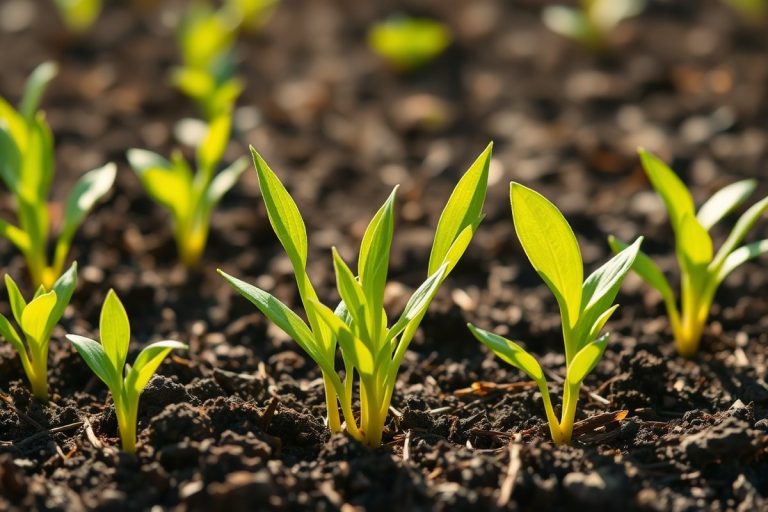
Healthy seedlings push up small, green shoots with two round leaves known as cotyledons. These leaves open in about two weeks after planting. Wait three weeks for sprouts; no growth might mean seed or soil problems.
Good soil drainage is key since wet, soggy soil can cause seeds to rot. Avoid letting soil dry out completely, as dryness slows sprouting. Moderate watering and a sunny spot in your home or greenhouse provide the best setup.
Soaking seeds in warm water for 12 to 24 hours before planting can improve germination speed. This helps soften the seed coat and jumpstarts the process. Keep in mind that some gardeners find stratification optional but useful if planting early in spring.
Collect your own seeds only after flower heads dry completely on the plant. Store them in a cool, dry place until ready to plant. Fresh seeds tend to sprout faster and stronger than older, poorly stored ones.
Caring for Seedlings and Transplanting Outdoors
Echinacea seedlings need steady care to grow strong before you move them outside. Give them enough light and water without overdoing either. Transplant them after they grow 3 to 4 weeks and you’ve hardened them off.
Seedling Care Basics
Keep young echinacea plants in a spot with at least 6 hours of sunlight. Your garden gets hot, so afternoon shade can ease plant stress. Use deep watering but do it less often to encourage strong roots.
Avoid wet soil and overwatering that might cause root rot or mold growth. Look for wobbly stems. Check for tiny holes too.
These signs show you might need to change watering or airflow. Ideal temperatures are between 65°F and 75°F for healthy growth.
When to Transplant Seedlings
Transplant seedlings 3 to 4 weeks after they sprout, when they show several mature leaves. Check your local frost date and plan to move seedlings after the last frost has passed. Starting in early spring or fall gives you the best bloom display.
To get blossoms in fall, plant seeds after the last frost. This usually happens around mid-May in many areas.
For a spring display, try planting seedlings in the fall. This timing helps echinacea settle in and bloom well.
Transplanting Steps and Tips
Before planting seedlings in the garden, you must harden them off. This process helps seedlings adjust to outdoor conditions and reduces transplant shock. Follow these steps to transplant echinacea seedlings safely:
- Place seedlings outside in a shaded spot for 1 to 2 hours daily.
- Increase their outdoor time by 1 to 2 hours every day over 7 to 10 days.
- Expose seedlings to morning sun, avoiding harsh afternoon rays initially.
- On the last day, leave them outside for a full day with sun exposure.
- Choose a planting site with full sun and well-drained soil.
- Dig holes slightly larger than seedling root balls and space them 12 to 18 inches apart.
- Plant seedlings at the same depth they grew in pots and firm soil gently around roots.
- Water deeply right after planting to help settle the soil.
Keep new transplants shaded if the weather turns hot or windy to prevent stress.
Sunlight, Watering, and Soil Needs for Growing Echinacea
Echinacea needs full sun to grow strong and healthy. Choose a spot with at least six hours of direct sunlight daily. Less sun can make plants weak and less likely to bloom well.
Water echinacea deeply but only when the soil feels dry about an inch down. This usually means watering once or twice a week.
Overwatering can cause root rot. So let the soil dry between waterings for best results.
Plant echinacea in soil that drains well, such as sandy or loamy types. Avoid salty soils as they can harm the plants. Adding compost or organic matter improves soil richness and drainage.
Fertilizing echinacea isn’t necessary if soil is rich. But you can help plants by feeding them in early spring. Use a slow-release fertilizer with balanced nutrients.
Choose one with equal nitrogen, phosphorus, and potassium. A 10-10-10 formula works well for this. Follow package directions, usually one or two tablespoons per plant around the base.
Space echinacea plants 18 to 24 inches apart to allow air circulation. Crowded plants suffer from pests and diseases more often. Good spacing helps them get enough light and moisture too.
To check your plant’s health, look for sturdy stems and vibrant leaves. Wilting or yellowing might mean too much or too little water. Brown leaf tips can signal poor drainage or too much fertilizer.
Common Seed Planting Mistakes and How to Fix Them
Planting echinacea seeds too deep or in poorly drained soil often slows germination. Seeds need light soil contact and moist but not wet ground.
Your seeds won’t sprout well if they stay dry or sink too low. Check soil depth; plant seeds about ¼ inch deep for good results.
Spots that get little sunlight cause weak seedlings or no sprouting. Echinacea thrives in full sun, needing at least 6 hours daily.
Moving seedlings to a sunnier place or thinning nearby plants can fix this. Watch for pale or leggy seedlings, they usually signal not enough sun.
- Plant seeds no deeper than ¼ inch
- Keep soil moist, not soggy
- Choose a spot with 6+ hours of sun daily
- Thin seedlings if they get crowded
- Use a soil mix that drains well
- Refrigerate seeds 30-60 days if germination stalls
- Replace old seeds if germination is less than 40%
Too much water creates damp soil that can rot seeds or cause mold. Water gently around seeds just enough to keep soil moist. Use a spray bottle or watering can with a fine rose to avoid washing seeds away.
Sometimes seeds won’t sprout because they lack a cold period, known as cold stratification. Seeds that don’t sprout after weeks need re-stratifying in a damp paper towel inside the fridge for 30 to 60 days. After that, plant them fresh in light soil.
Seeds older than 2 years often lose their ability to sprout well. Notice less than 40% germination?
It’s time to get new seeds. Using fresh, reliable seeds cuts down the wait and frustration.
Echinacea Species Differences Affecting Seed Planting
Different echinacea species vary in seed germination rates and their cold stratification needs. Echinacea purpurea is the easiest for beginners since it often germinates without any cold treatment. Other species might need a few weeks of cold stratification to break dormancy and encourage sprouting.
These species also differ in growth habits and bloom time. Some grow taller or wider, and some bloom earlier than others. Knowing these differences helps you choose the right species for your garden’s size and patience level.
Here is a simple comparison of a few common echinacea species:
| Species | Cold Stratification | Germination Rate | Growth Habit | Bloom Time | Beginner Friendly |
|---|---|---|---|---|---|
| Echinacea purpurea | None needed | ~90% | Medium height, upright | Mid summer | Yes |
| Echinacea pallida | 4 weeks cold stratification | 70-80% | Taller, slender stems | Early summer | No |
| Echinacea angustifolia | 4-6 weeks cold stratification | 60-75% | Low growing, bushy | Mid to late summer | No |
Choosing Echinacea purpurea means fewer steps before sowing. You just sow the seeds in the soil with pH around 6.0 to 7.0. Some species need you to chill seeds at 40°F. Do this for up to six weeks.
This helps the seeds sprout better. You can do this in the fridge inside a damp paper towel or sand.
Species with longer cold stratification produce fewer seedlings if skipped. Also, some have more delicate growth habits needing gentle care early on. Echinacea purpurea’s hearty nature suits most home gardeners who want good germination without fuss.
Cold stratify seeds exactly as the species requires to avoid poor germination and wasted time.
Step-by-Step Action Plan for Planting Echinacea Seeds
Follow these clear steps to grow echinacea from seed and get healthy plants.
- Before planting: Soak the seeds in water for 12 hours to boost germination.
- Seed sowing: Sow seeds ¼ inch deep in seed trays or pots with well-draining soil.
- Cold stratification: Put the seed trays in the fridge for 4 to 6 weeks. This helps the seeds sprout if you plant them indoors.
- After stratification: Move trays to a warm spot with about 70°F and keep soil moist.
- Week 2: Watch for seedlings to appear, which usually takes 10 to 20 days.
- Seedling care: Provide 6 to 8 hours of sunlight daily and water when soil feels dry.
- After 6 weeks: Harden off seedlings outdoors gradually and transplant to full sun with well-drained soil.
- Ongoing care: Water the plants deeply once every week. Don’t let the soil stay soggy to stop root rot.
Frequently Asked Questions
Can Echinacea Seeds Be Stored Before Planting?
Yes, echinacea seeds can be stored in a cool, dry place for several months. Keep them in an airtight container to maintain freshness and germination potential.
Do Echinacea Seeds Need Soaking Before Planting?
Soaking seeds for 12-24 hours in warm water can help speed up germination. It softens the seed coat for easier sprouting.
Is It Better to Start Echinacea Seeds Indoors or Outdoors?
Starting indoors gives you a head start on the season and protects seedlings. Direct sowing outside is simpler but depends on weather.
How Often Should I Water Echinacea Seedlings?
Water seedlings gently once or twice a week to keep soil moist but not soggy. Overwatering can cause root rot.
Can Echinacea Seeds Be Planted in Pots or Containers?
Yes, they grow well in pots with good drainage and quality potting mix. This lets you control conditions better.
What Is the Best Soil Type for Echinacea Seeds?
Echinacea prefers well-drained soil that is slightly sandy or loamy. Heavy clay soils can delay germination and growth.
The Bottom Line
Growing echinacea from seed takes patience but rewards you with strong, beautiful plants. Start soaking your seeds today to improve germination chances. Watch them grow steadily, and enjoy the bright blooms they bring to your garden.