How to Get Rid of Spider Mites on Indoor Plants: 8 Proven Natural Methods
Quickly dealing with spider mites on houseplants protects your green friends. Start by moving the affected plant away from others. Next, use a strong spray of water to wash most of the mites off the leaves.
After washing, treat the plant every 5 to 7 days with neem oil or insect soap. These options kill both mites and their eggs without using harsh chemicals. Keep applying for at least three weeks because one application won’t kill all eggs.
Watch for dry indoor air, which helps spider mites multiply. Running central heating drops humidity to 20-30%, perfect for their growth. Raising humidity helps slow spider mite outbreaks.
Check your plants often to spot problems early. Regular checks let you catch mites before they multiply too much.
Key Takeaways
- Isolate infested plants immediately to prevent mites spreading.
- Use a strong water spray to remove up to 70% of spider mites.
- Spray neem oil or insecticidal soap once every 5 to 7 days for about three weeks. This schedule slowly eliminates spider mites and their eggs. Consistent treatment helps achieve effective long-term control.
- Repeat treatments because spider mite eggs survive initial sprays.
- Keep indoor humidity above 40% to reduce spider mite reproduction.
- Check plants every 3-5 days for white or yellow leaf spots.
1. How to Remove Spider Mites from Indoor Plants Quickly and Safely
Act quickly to stop spider mites from spreading and damaging your indoor plants. These pests multiply fast, so immediate action is key. First, isolate the affected plant to prevent mites from moving to others.
Next, wash the plant leaves with water to remove mites, webs, and eggs. Avoid harsh chemicals that can harm your plants.
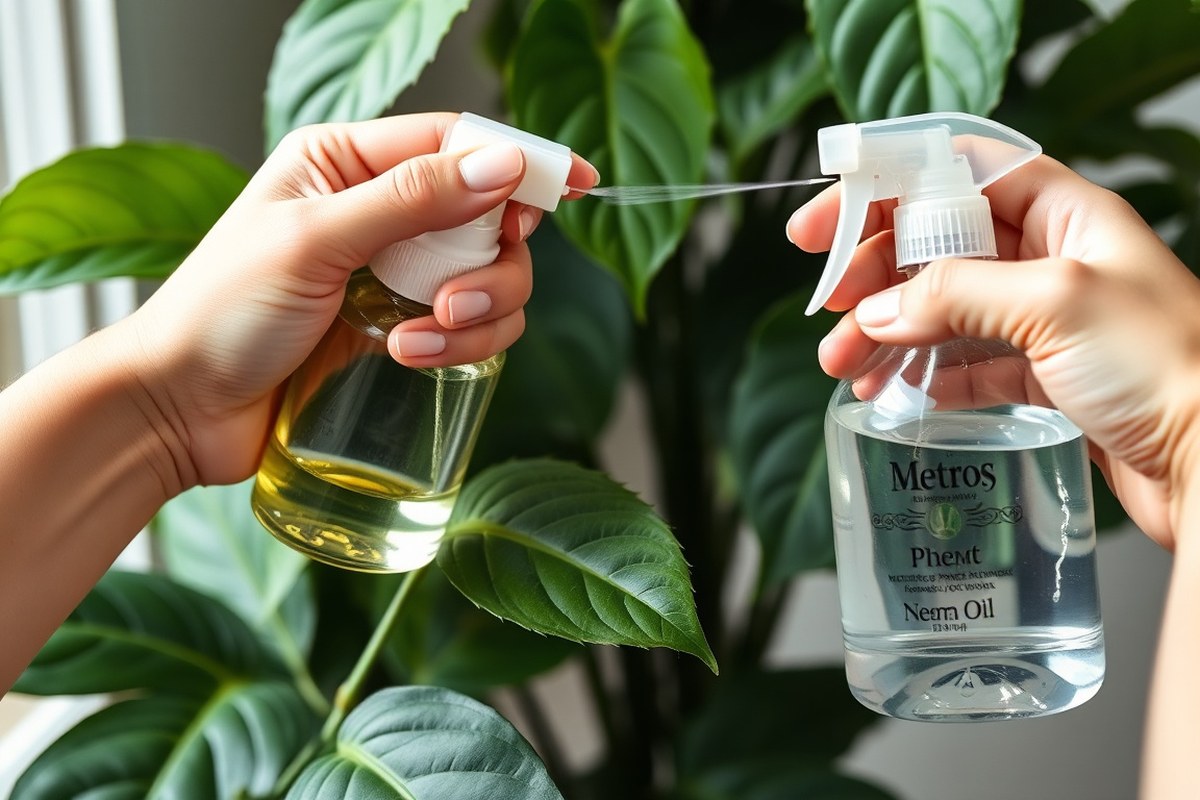
After cleaning, apply neem oil or insecticidal soap regularly. This helps fully get rid of the mites.
Follow these steps to get rid of spider mites fast and safely:
- Isolate the plant. Move the plant away from others to stop mites from spreading.
- Rinse the leaves.Use a strong spray of lukewarm water to clean all surfaces. Wash off mites, webs, and eggs.
- Dry the plant gently. Pat leaves with a soft towel or air dry it in a well-ventilated spot.
- Apply neem oil or insecticidal soap. Spray the whole plant, covering tops and undersides of leaves thoroughly.
- Repeat treatment every 5 to 7 days. Do this for at least three weeks to catch new mites hatching from eggs.
- Keep humidity higher around the plant. Spider mites dislike moist air, which helps reduce their survival indoors.
- Clean your tools and nearby surfaces. Wipe pots, shelves, and watering cans to avoid reinfestation.
- Monitor the plant regularly. Check leaves for signs of mites or damage even after treatment ends.
Neem oil or insecticidal soap costs about $10 to $15. You can buy them at garden centers or online. These treatments are safe for most houseplants when used as directed.
Watch for leaf wilting or yellowing. These signs show you might apply too much or too often.
Spider mites thrive in dry, warm indoor air. So raising humidity helps slow them down. Spray water lightly around your plant or use a humidifier nearby.
Treatments not working after a month? Contact a professional pest specialist. This is the safest next step.
2. Identifying Spider Mite Infestations on Houseplants
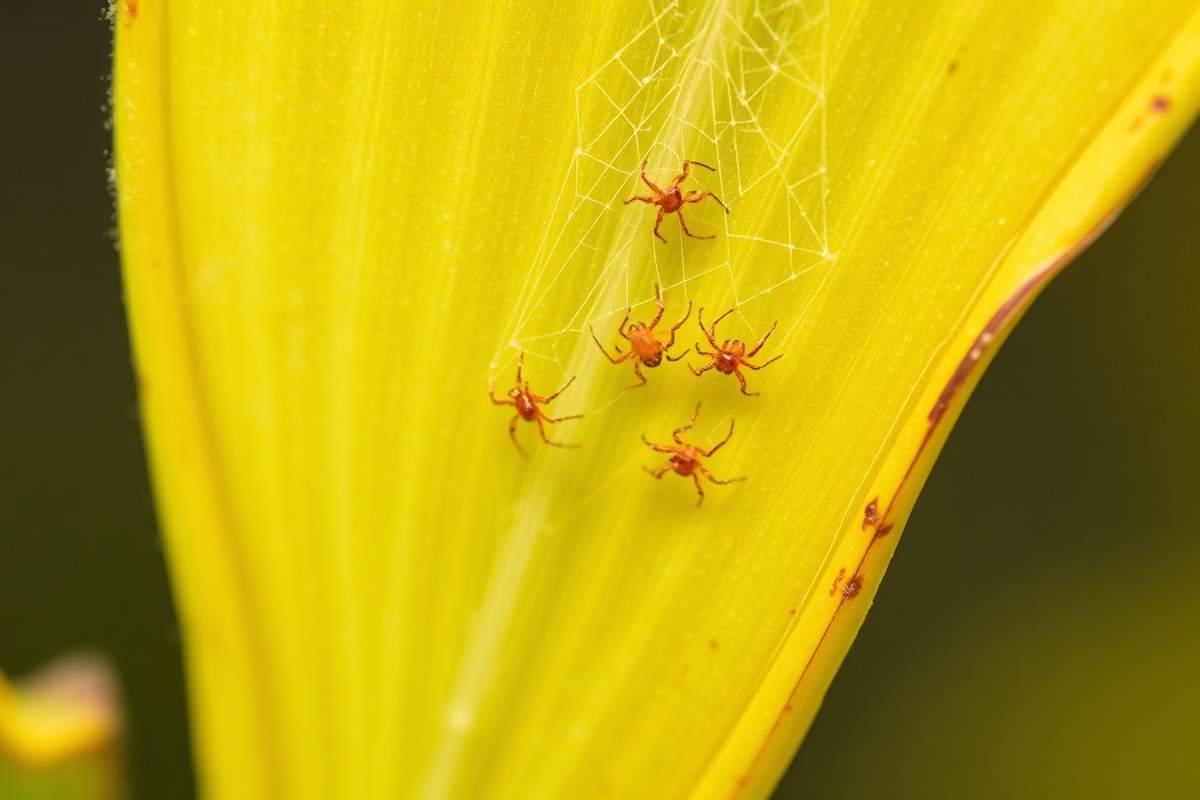
Spider mites are tiny pests that damage indoor plants by piercing leaves. You might spot their damage before seeing the mites themselves. Catching signs early helps protect your plants from serious harm.
Physical Appearance of Spider Mites and Webbing
Spider mites are about 0.02 to 0.08 inches long. So they’re hard to see without a magnifying glass.
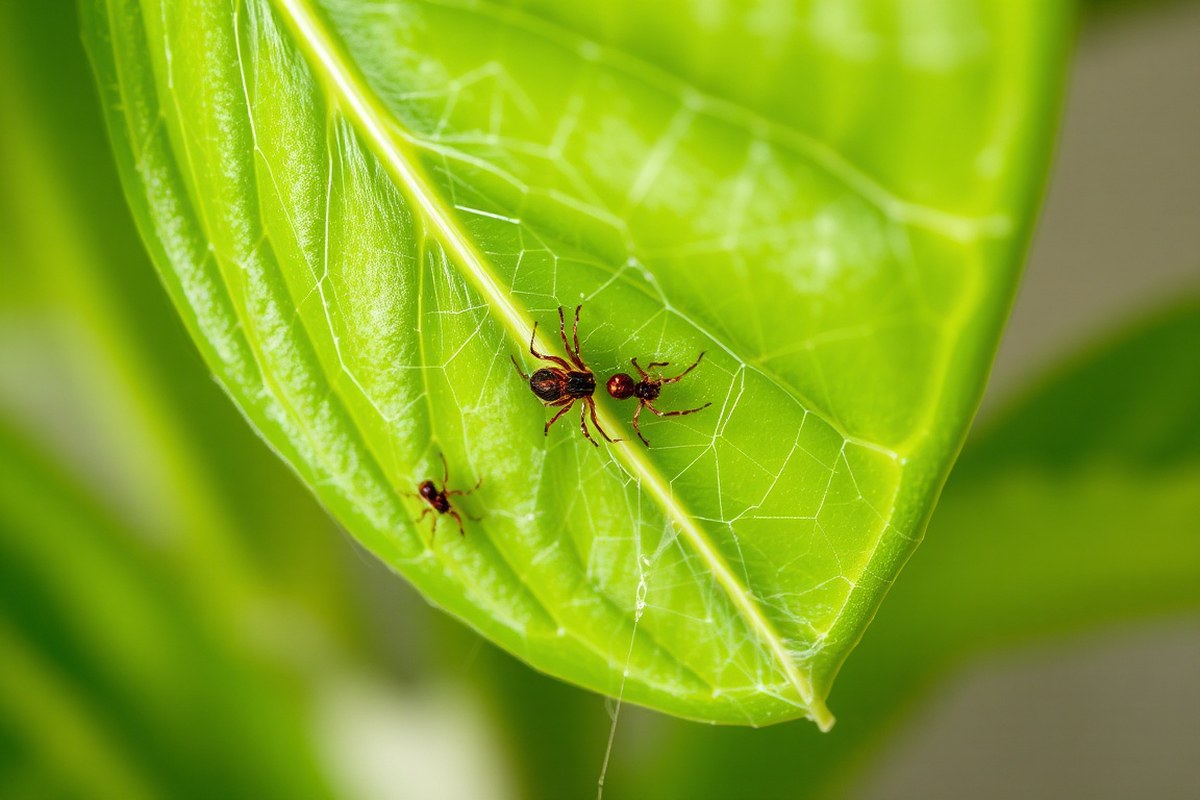
Two-spotted spider mites, common on houseplants, have two dark spots on their backs. They move slowly and often hide under leaves.
Look for fine, web-like silk on leaves and stems. This webbing is usually white and very thin. It helps spiders protect their eggs and can cover serious parts of the plant.
You might also spot tiny white or yellow bugs crawling near leaf veins or on undersides. Bright light or a flashlight helps spot the mites.
Leaf Damage Patterns and Discoloration
Spider mites have needle-like mouths that jab into leaves, sucking out the plant juices. This causes tiny yellow, white, or bronze spots called stippling. You’ll often see the damage before you see the mites.
Leaves may start to look speckled or dusty with these spots. Over time, leaves turn dry, curl up, and may fall off. The damage can look like a fungal disease or lack of water, which causes confusion.
To avoid mistakes, check for webbing and tiny bugs on leaf undersides. These signs confirm spider mites. Aphids and whiteflies don’t make webbing, so that’s a key difference.
- Look for fine white webbing between leaves and stems
- Spot tiny yellow or white speckles on leaf surfaces
- Check leaf undersides closely for tiny moving dots
- Leaves may curl, dry out, or become brittle
- Spider mites cause stippling, not chewing holes
Early detection of webbing and speckling helps stop spider mite damage fast.
Common Plant Locations for Spider Mites
Spider mites hide mostly on the undersides of leaves where it’s sheltered and humid. They often group near leaf veins or along leaf edges. Checking there helps catch them early.
You might find spider mites in leaf axils. These are where the leaf meets the stem. They also like new, tender growth.
These spots are easier for mites to feed. Inspect all parts of your plant, including hidden areas.
Cleaning dust off leaves helps you spot mites faster and keeps the plant healthy. Use a flashlight or magnifier for a better look at problem areas. Regular checks every few days prevent infestations from growing.
3. Why Spider Mites Thrive Indoors and Which Plants Are Most Vulnerable
3. Why Spider Mites Thrive Indoors and Which Plants Are Most Vulnerable
Spider mites grow quickly indoors because of warm, dry air and hungry plants. Low humidity and typical home temperatures create perfect conditions for these pests. Some houseplants are more likely to attract spider mites than others.
Low Humidity and Central Heating Effects
Central heating often drops humidity inside to 20, 30 percent, which helps spider mites multiply fast. These pests do best when the air feels dry and plants are a bit thirsty. Keep indoor humidity between 50 and 60 percent.
This stops spider mites from spreading. It also helps keep your plants healthier.
Drought-stressed plants attract more spider mites. Sometimes watering properly and raising humidity around your plants helps reduce mite problems. Dry winter air combined with heat makes indoor plants an easy target for infestations.
Indoor Temperature Ideal for Spider Mite Growth
Spider mites reproduce fastest around average room temperatures and slightly warmer air. Your home temperature around 70 to 80 degrees Fahrenheit lets spider mites breed fast. Cooler temperatures slow their breeding but usually don’t eliminate them.
When temperatures climb and humidity stays low, spider mite populations explode. These pests can spread quickly on multiple plants if the conditions stay favorable. Watching heat and moisture in the air helps you control their growth.
Houseplants Frequently Affected by Spider Mites
Palms draw spider mites like magnets because of their leaf structure and dryness. Calathea and English ivy often get spider mites. This is due to their popularity indoors.
Their growth habits also invite these pests. Philodendrons, Alocasias, and many flowering houseplants can become mite targets too.
Spider mites feed by sucking cells from leaves, damaging many plant types. Indoor vegetables and fruits like tomatoes and peppers can get spider mites too.
These pests pose risks to many indoor plants. Knowing which plants attract spider mites helps you watch for early signs and act fast.
4. Natural Treatments to Eliminate Spider Mites on Indoor Plants
Using natural treatments can effectively get rid of spider mites indoors without harsh chemicals. Neem oil and insecticidal soap are top choices because they kill mites without harming your plants. Regular application over three weeks usually breaks the mites’ life cycle and clears infestations.
Here’s a simple neem oil spray recipe for you. Mix 2 teaspoons of neem oil and 1 teaspoon of Castile soap. Add these to 1 quart (1 liter) of lukewarm water.
Use a spray bottle to apply the mix on leaves. Focus on the underside where spider mites hide.
Spray thoroughly to cover all affected areas. Repeat every 3 to 5 days for best results.
Insecticidal soap is another good option. To get a 2% soap solution, mix 2 tablespoons of liquid soap into 1 quart of water. Stir well before use.
This concentration is gentle enough for most plants. Spray plants thoroughly, targeting the undersides of leaves where mites cluster. Apply it weekly for several weeks.
Rinse your plants first to remove spider mite webbing and dust. Then apply neem oil or insecticidal soap. This step helps the treatment work better.
| Method | How to do it |
|---|---|
| Isolate and rinse | Keep the infested plant apart from your other plants. Gently wash the leaves with water to remove spider mites. This helps stop the bugs from spreading. |
| Wipe with alcohol | Dab 70% isopropyl alcohol on cloth and wipe leaves carefully |
| Insecticidal soap | Spray a soap solution thoroughly, especially under the leaves |
| Neem oil | Use diluted neem oil spray every few days on affected plants. This interrupts the spider mites’ growth cycle. Continue until mites disappear. |
| Raise humidity | Increase humidity, as mites prefer hot, dry air and avoid moist areas |
The homemade chili-garlic spray can help. But it is less consistent than neem oil or soap. It may irritate your plants if too strong.
Test it first on a few leaves and watch for damage. After applying natural sprays, avoid cold drafts or dry air. Warm, moist environments boost their effect against spider mites.
Neem oil works by suffocating spider mites and stopping egg laying. Insecticidal soap kills mites by breaking their outer shells. Both are effective but work differently.
Both must contact the mites directly, so heavy webbing blocks treatment. Repeat treatments every 5 to 7 days until you see fewer mites and no fresh damage. Predatory mites can be introduced but avoid using sprays that harm them.
5. Humidity and Environmental Control to Prevent Spider Mite Reinfestation
Spider mites can’t handle humidity above 50%. So raising moisture around your plants stops them from coming back.
Keep your indoor air moist by adding water carefully and cleaning your plants regularly. This creates an environment less friendly to spider mites and keeps your plants healthier overall.
Maintaining Humidity Above 50%
Spider mites thrive in dry air, especially below 40% humidity. Raising humidity to 50% or higher disrupts their breeding cycle and reduces their activity. Use a hygrometer to check humidity levels near your plants, aiming for consistent readings above 50%.
When humidity drops, spider mites multiply fast, especially in heated winter rooms. Try grouping plants together to create a microclimate with higher moisture. Moving plants away from direct heat sources also helps maintain steady humidity.
Using Humidifiers and Misting Techniques
A room humidifier is a simple way to raise moisture around your plants evenly. Place it close enough to benefit plants but not cause wet leaves, which can invite fungi. Set the humidifier to maintain 50%-60% relative humidity for several hours daily.
Light misting helps but must be done carefully. Water droplets can wash away mites and dust but avoid soaking leaves, which leads to mold. Use a spray bottle to mist leaves once or twice daily.
Do this in the morning. This lets the leaves dry out before night.
Humidity above 60% might promote fungal issues. So monitor plants closely if you go higher.
Routine Plant Cleaning and Health Boosting
Cleaning plant leaves removes dust and spider mite eggs, cutting down their numbers. Use a soft, damp cloth or a gentle shower every week to wipe or rinse leaves. This practice also improves photosynthesis and plant vigor.
Regular watering keeps plants healthy and less vulnerable to pests. Check soil moisture and water plants as needed, avoiding dry stress, which attracts spider mites. Feeding plants with light fertilizer monthly supports their defenses.
Follow these steps to keep your indoor plants safe:
- Check humidity levels near plants every few days using a hygrometer.
- Use a humidifier in rooms with dry air, especially during winter.
- Mist leaves gently in the morning to remove dust and discourage mites.
- Group plants together to raise local humidity naturally.
- Wipe leaves with a soft, damp cloth weekly to clean off eggs and webs.
- Water plants regularly, avoiding dry soil between waterings.
- Apply a balanced, diluted fertilizer about once a month.
- Keep plants away from direct heat or drafty spots.
6. Monitoring and Repeating Treatment Until Spider Mites Are Gone
Check your plants every three to four days while treating spider mites. Frequent inspections help catch surviving mites early and stop reinfestation. This routine lets you adjust treatments before damage worsens.
A typical treatment lasts two to three weeks for most indoor plants. Severe infestations or many plants can take longer. Beneficial predators might need that time to multiply and reduce mite numbers effectively.
Look for these signs to know the infestation is over:
- No new webs or spotting on leaf undersides
- Healthy, vibrant leaves with no yellow specks
- Absence of tiny moving spots about 1 mm long
- Improved plant vigor and growth after a couple of weeks
- No fresh leaf damage or brittle textures forming
Use a simple checklist during inspection. Examine the undersides of several leaves on every plant.
Spot any tiny dots or fine webbing. Feel the plant’s overall health, dry, stressed plants invite mites back.
Spider mites hide well due to their tiny size and fast breeding. If you miss a few, the infestation might return quickly. Keeping consistent treatment and monitoring for at least three weeks improves your chances of full removal.
7. Common Mistakes and How to Avoid Them When Treating Spider Mites
Many people rush to spray chemicals repeatedly on their plants. Too much pesticide use can stress your plants and increase resistance in spider mites. Instead, apply treatments carefully and space them out to avoid hurting sensitive houseplants.
Another common mistake is ignoring the signs of plant sensitivity. Some plants show leaf spots or yellowing after harsh treatments.
Use gentler methods like insecticidal soap or neem oil instead. Test any treatment on a small leaf first to check for damage.
Failing to clean the area around your plants lets spider mites return quickly. Mites can hide under pots or on nearby surfaces. Regularly wipe leaves and pot rims to remove eggs and bugs.
- Overusing sprays without breaks, wait 5 to 7 days between applications
- Skipping spot tests on delicate plants, try a small leaf before full treatment
- Neglecting cleaning, wipe leaves and pot edges to remove eggs
- Ignoring environmental factors, raise humidity to slow mite spread
- Treating only visible areas, check leaf undersides where mites hide
Choose treatments labeled safe for indoor use and follow all product instructions. Many insecticides contain strong chemicals that build up in your home air. Use sprays or solutions in a well-ventilated room and wear gloves to protect your skin.
Adjust irrigation and environmental conditions alongside treatments. Spider mites thrive in dry, dusty areas. Keep humidity above 40%.
Clean dust from leaves regularly. This helps weaken mites’ hold on plants.
8. When to Prune or Discard Plants and When to Call a Professional
Severe spider mite infestations usually mean it’s time to remove the plant. When over 30% of leaves have heavy damage or webbing, mites may hide deep inside.
Pruning can save a plant when damage is limited to small sections. Removing those infected leaves lowers the mite population enough to save the rest.
Pruning works best if you cut back to healthy growth without damaging the plant’s main stems. Use clean scissors and discard pruned parts in a sealed bag.
Always watch the plant for new signs of infestation over the next few weeks. Mites coming back could mean the whole plant needs removal.
Try home treatments. If mites return after 3 to 4 tries, call a pro. Pest pros have access to stronger miticides and can safely apply them indoors.
Calling a professional is smart if your plant is expensive or a cherished heirloom. Costs vary but expect $100 to $200 per visit, depending on your area.
Here’s a simple checklist to decide what to do next with your spider mite-infested indoor plant:
- Inspect the whole plant for leaf damage and mites after treatment.
- Prune all leaves with webbing and discoloration to reduce mites.
- Apply natural or chemical treatments as directed, repeating every 1-2 days.
- Increase indoor humidity to slow mites’ return; use a humidifier if needed.
- Watch closely for new signs for at least 2 weeks after pruning.
- Discard the plant if damage exceeds 30% or mites return rapidly.
- Call a professional pest controller if DIY methods fail after several tries.
Only prune during the morning when plants are dry to prevent spreading mites. Avoid overpruning, which stresses the plant and slows recovery.
Step-by-Step Action Plan to Get Rid of Spider Mites
Follow this plan to quickly control spider mites and protect your indoor plants. Check your plants regularly for signs of improvement.
- Day 1: Isolate infested plants to prevent spread. Look for fewer spider mite webs on leaves.
- Day 2: Spray plants with a strong stream of water. Notice mites dropping off and less webbing.
- Day 3: Apply a natural insecticidal soap or neem oil. Check leaves after 24 hours for reduced mite activity.
- Day 7: Increase humidity around plants using a humidifier or misting. Watch for improvements in leaf health.
- Week 2: Repeat cleaning and treatment steps if mites persist. Mite numbers should decrease noticeably by now.
- Week 3: Inspect all plants for new infestations or returning mites. Treat immediately as needed.
- Week 4: Consider pruning heavily damaged leaves if spider mites remain. Healthy new growth is a good sign.
Frequently Asked Questions
Can Spider Mites Spread to Other Indoor Plants?
Yes, spider mites can easily spread from one plant to another. You should isolate infested plants immediately to prevent cross-contamination.
Are Spider Mites Harmful to Humans or Pets?
Spider mites do not bite or harm humans and pets directly. However, heavy infestations can cause dust-like debris and allergens in the air.
How Often Should I Check My Plants for Spider Mites?
Check your plants thoroughly once a week for early signs of spider mites. Catching infestations early helps you act quickly and save your plants.
Does Using Chemical Pesticides Indoors Pose Risks?
Chemical pesticides can be harmful indoors, especially around pets and children. Use natural treatments or consult a professional for safe options.
Can Spider Mites Survive Without a Plant Host?
Spider mites need plants to live and feed on. Without a host, they usually die within a few days.
Is Neem Oil Safe for All Indoor Plants?
Neem oil is generally safe but can harm sensitive plants if overused. Test on a small leaf patch before full application.
The Bottom Line
Spider mites can harm your indoor plants. But you can control them safely at home.
Start inspecting your plants today for early signs of mites. Taking quick, natural action keeps your plants healthy and vibrant.