How to Stake a Leaning Tree: Simple Steps for Safe, Strong Support
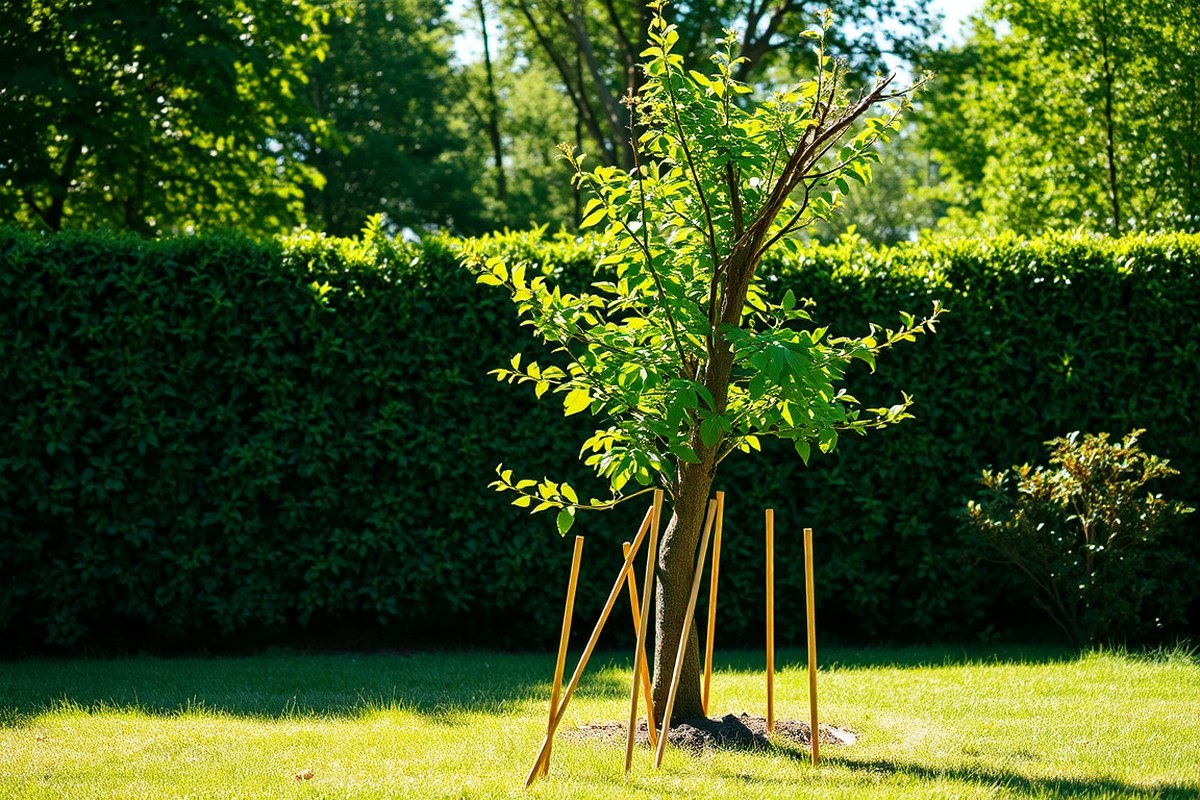
Knowing how to stake a leaning tree saves it from permanent damage. You need to brace the tree firmly but gently to straighten it. Use two or three stakes placed evenly around the tree.
Place them 18 to 24 inches from the trunk. Make sure they are stable in the ground.
Drive stakes at a 45° angle on the side facing the wind. This side is where the wind hits the tree most. Make sure the stakes are firm in the soil.
Attach strong cables or ties with turnbuckles around the trunk above the lowest branches. This method helps the tree regain stability without choking its growth.
Check the tension on the ties every month or two to avoid over-tightening. Remove the stakes once the tree holds straight, usually within 6 to 12 months after staking. These simple steps support safe, strong tree growth without damage.
Key Takeaways
- Stake trees leaning more than 15 degrees to prevent uprooting or crooked growth.
- Place stakes 18, 24 inches from the trunk and space them evenly around the tree.
- Drive stakes at a 45-degree angle for best ground hold and support.
- Use cables rated for 1,400 to 1,960 pounds with a turnbuckle for secure tension.
- Attach cables above the first branches to avoid damaging the tree trunk.
- Check ties every 1 to 2 months for proper fit and growth accommodation.
How to Stake a Leaning Tree: Step-by-Step Process
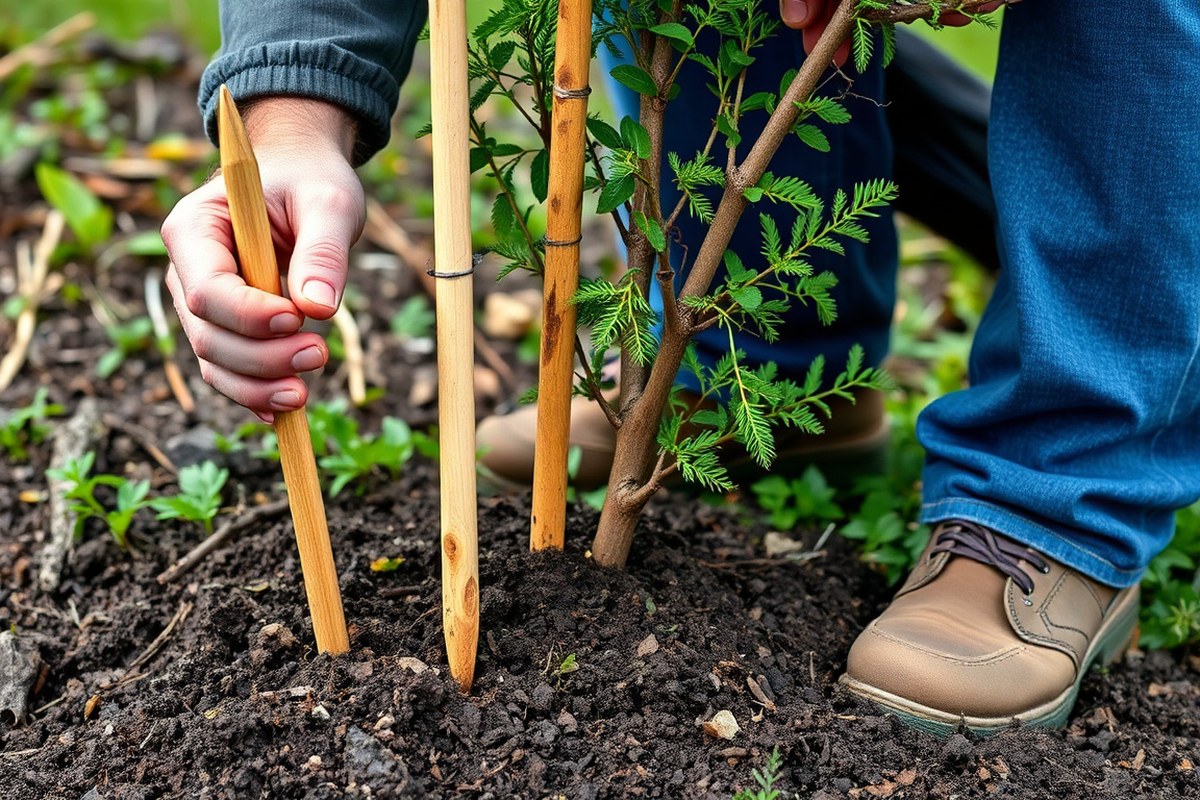
Staking a leaning tree starts with picking strong stakes that suit your tree. Place the stakes at the right distance and angle from the tree. Attach soft ties loosely around the trunk.
This prevents damage to the bark. Drive stakes deep enough to keep the tree steady during windy days.
Choosing Appropriate Stakes
Select stakes made from durable wood or metal that won’t bend easily. For small trees, use stakes about 2 to 3 feet long.
Bigger trees need stakes up to 4 feet. Avoid thin stakes that might snap or shift under pressure.
Use three stakes for tall or skinny trees to distribute support evenly in a triangle pattern. This setup is better for windy areas and prevents the tree from swaying too much.
You can buy ready-made tree stakes and straps at garden centers. They usually cost between $5 and $15 each.
Positioning and Installing Stakes
Place stakes on the side opposite the lean, about 18 to 24 inches from the trunk. Driving them in at a 45-degree angle toward the tree provides more stability. Make sure to hammer stakes in before straightening the tree to protect its roots.
Push stakes at least 18 inches into the ground so they hold firm during storms. For trees leaning over 15 degrees, use a turnbuckle or winch.
Attach it to a strong cable that holds at least 1,400 pounds. This helps gently bring the trunk upright without sudden stress.
Securing the Tree with Ties or Straps
Use soft, flexible tree straps wide enough to protect the bark from cuts and bruises. Avoid wire, thin ropes, or chains directly on the trunk, as they can cause lasting damage.
Leave some slack in the ties, about 1 to 2 inches. This lets the trunk move a bit and build strength.
Attach ties around the trunk just above the lowest branches where bark is thicker. Check the ties often.
Adjust or loosen them if they start to hurt the bark or girdle the tree. Secure ties firmly but never too tight; the goal is support, not restriction.
- Pick stakes strong enough to hold your tree upright and sized for the tree height.
- Position stakes opposite the lean, about 18, 24 inches from the trunk, spaced evenly.
- Drive stakes into the soil at a 45-degree angle, at least 18 inches deep for stability.
- Straighten the tree carefully before securing it, avoiding root damage during staking.
- Choose soft, wide straps or tree ties, avoiding thin ropes or wire on the bark.
- Attach ties loosely around the trunk above the lowest branches, allowing 1, 2 inches slack.
- Check ties every few weeks, adjusting to prevent bark damage or overly tight support.
When and Why You Should Stake a Leaning Tree
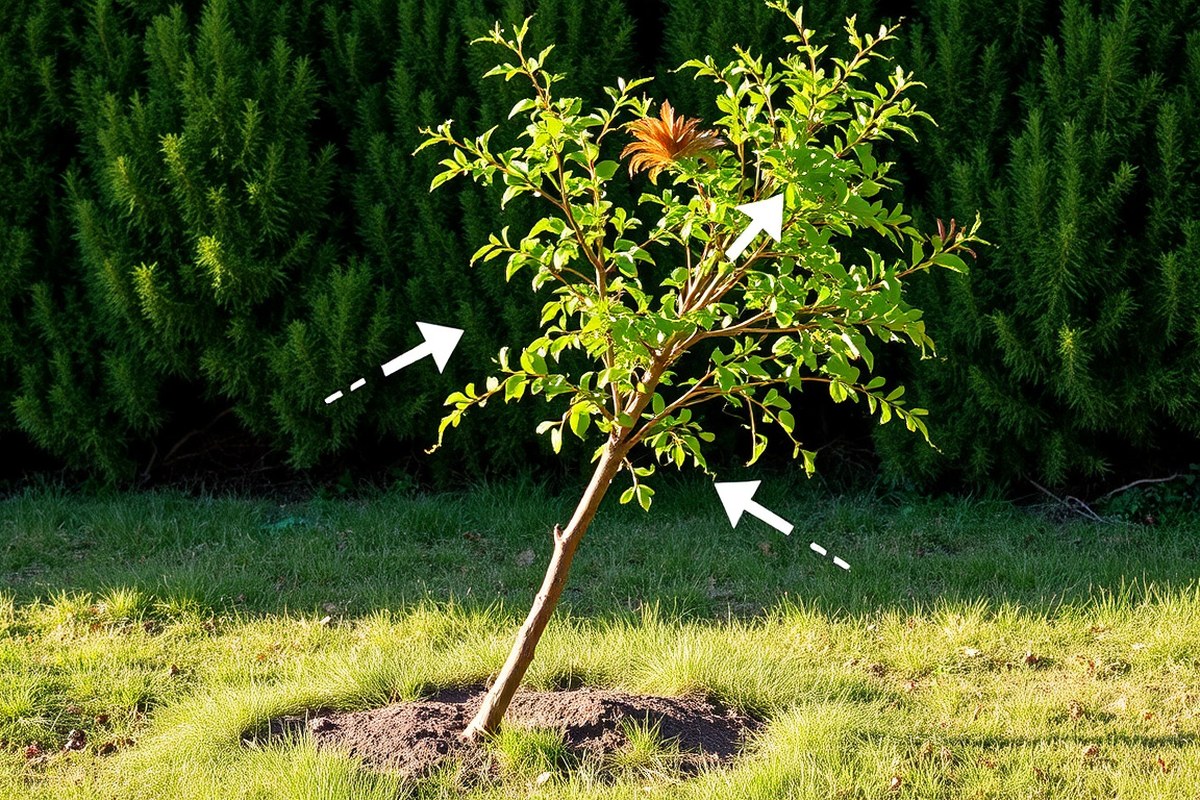
Not every leaning tree needs staking. A lean less than 10 degrees often fixes itself. This is true for small or newly planted trees.
It works best when root balls are stable. Trees leaning more than 10 degrees need staking fast.
Watch for signs of weak root systems too. These trees won’t correct their lean on their own.
Lean often happens after storms or strong winds push the tree. Newly planted trees can lean because their roots haven’t yet grown enough to hold them steady. Wind, loose soil, or heavy canopies on small roots raise the risk of leaning.
Staking is needed mostly when trees lean noticeably. It helps especially if the trunk is less than 3 inches thick. Larger trees usually don’t need staking.
Young trees with small root systems can’t resist wind as well as mature trees. Trees with bad lean or risk of falling need support.
This stops long-term damage to the tree. Don’t wait if the tree looks unstable.
Before staking, check what caused the lean. Staking helps if the soil is loose. It also works when the roots are damaged.
Support keeps the tree from shifting more. Trees leaning because of natural trunk shape or minor bends usually do not require staking.
Don’t stake trees that show severe trunk damage or large leaning angles over 30 degrees. Those problems often need a professional to check root health. Staking in those cases might stress the tree further or hide underlying serious issues.
Put stakes on the lean side and opposite it. This helps pull the tree upright. Stakes give balanced support to the trunk.
Tools and Materials Needed for Effective Tree Staking
To stake a leaning tree properly, you need sturdy stakes, soft ties, and basic handheld tools. Stakes should be 5 to 8 feet tall, made of wood or metal for strength. Use ties that protect the bark and allow some movement to avoid damage.
Types of Stakes: Wood vs. Metal vs. Plastic
Wooden stakes are popular for tree support because they are strong and easy to install. They usually measure 5 to 8 feet long, which is tall enough for most young trees.
Metal stakes last longer and resist wet soil better than wood. They can be tougher to handle.
Plastic stakes are less common. They often aren’t strong enough to hold a leaning tree well. They might be okay for very small trees or temporary staking.
But they tend to break or bend in strong wind. Stakes should be placed 15 to 18 inches from the trunk to avoid root damage.
| Stake Type | Strength | Durability | Ease of Use | Cost |
|---|---|---|---|---|
| Wood | Strong enough for most young trees | Can rot over time | Easy to drive and handle | Inexpensive ($5, $10 each) |
| Metal | Very strong and supportive | Highly resistant to weather | Requires effort to install | Moderate ($10, $20 each) |
| Plastic | Weak for heavy support | Can crack or bend | Lightweight and easy | Cheap ($3, $7 each) |
Wood and metal stakes work best for most young trees that need staking. Plastic stakes suit very light support or temporary fixes only.
Choosing Tree Ties: Materials and Safety
The best tree ties are soft, stretchy, and wide enough to protect the bark. Stretchy rubber or soft fabric strips prevent bark damage.
They let the tree move a bit in wind. Avoid stiff ropes or wires that can dig into the bark and kill the trunk tissue.
Wrap ties around the tree loosely, allowing 1 to 2 inches of slack. Ties should connect the stake to the tree at about halfway up the trunk. This level gives good support without restricting trunk growth.
Essential Tools for Tree Staking
You’ll need a mallet or hammer for driving stakes into the soil firmly. Wear gloves to protect your hands from splinters or sharp metal edges.
Use a measuring tape to find stakes tall enough for your tree. Stakes usually range from 5 to 8 feet.
A drill with the correct bit size helps make holes. These holes attach ties on wood or metal stakes. Burlap strips or old hose pieces can add padding under ties.
This protects bark from pressure damage. Keep a tarp or rope nearby. They help clear soil or carry materials easily.
Common Staking Mistakes and How to Avoid Them
Stakes placed too close to the trunk risk damaging roots or bark. Place stakes about 15 to 18 inches from the trunk, just outside the root ball. Stakes set too far won’t properly support the tree, letting it lean again easily.
Ties should allow the tree to sway 3 to 6 inches. This slight movement helps the tree grow strong and stable. Avoid tying the tree too tight or too loose.
Ties that are too tight can strangle the trunk and harm the bark. Check ties every 1 to 2 months and loosen them as the tree grows in girth.
Leaving stakes on for too long weakens the trunk by making the tree rely on support. Remove the stakes after one growing season or when the tree stands steady on its own. The tree might still lean after removal.
Reattach the ties for one to two months. This helps the tree stand straight over time.
Protect your tree by wrapping ties in rubber hose or using wide, soft materials. This prevents ropes or wires from digging into the bark and causing girdling. Drive stakes at a 45-degree angle toward the trunk for better hold without smashing roots.
The tree may lean or wobble after staking. Adjust or reattach the ties as needed. This supports the tree until it grows firm.
Sometimes a second season of staking is necessary for roots to fully establish. Check the trunk and stakes regularly for damage or looseness during this period.
- Set stakes 15 to 18 inches from the trunk, outside the root ball
- Use three stakes for skinny saplings, spaced evenly around the tree
- Allow 3 to 6 inches of slack in the ties for natural movement
- Wrap ties with rubber hose to protect bark from rubbing
- Drive stakes 2 feet deep at a 45-degree angle facing the trunk
- Remove stakes after one full growing season to prevent weakness
- Reattach ties if the tree leans again after stake removal
Failing to protect the roots and bark can slow tree growth or even kill it. Driving stakes too deep or too close may crush roots under the soil. Keep monitoring and adjusting stakes and ties as the tree gains strength and size.
Proper staking sets your leaning tree up for a straight, healthy future. Watch the tree’s condition and act quickly on any shifting or damage. This will save you from replacing the tree or needing professional help later on.
Monitoring and Maintaining Your Staked Tree
Check your tree’s ties and stakes every four to six weeks during the growing season. This helps catch any problems early before they harm the tree’s growth. Your tree on loose soil or slope needs frequent checks.
Shifting ground can loosen the supports. Check ties more often in these cases.
When inspecting, look at the bark where the tie touches. The tie should fit snugly but not tight. It shouldn’t cut into the bark or leave marks.
Keep it just firm enough to hold. If a tie feels too tight, loosen or replace it now. Also, replace it if the bark looks hurt.
Avoid damage to your tree. A loose tie lets the tree wobble too much.
Tighten it just enough to stop that wobble. The tree should still move a little in wind.
Adjusting the tension is key. Slight tree movement encourages stronger roots and trunk growth. Use soft, wide straps or ties designed for trees to avoid damaging bark.
After adjusting, check that the stake stays firm. Make sure it’s stuck in the ground properly.
It should not rub the trunk anywhere. Loose or broken stakes need replacement to maintain effective support.
Expect your tree to gradually straighten as roots grow stronger. Over six to twelve months, the root ball should anchor firmly. You can test this by gently pushing the trunk.
If it feels stable and doesn’t move, take out stakes. The tree can stand on its own then. Removing stakes helps it grow stronger.
If the tree still shifts, keep the support on. Support it for another growing season, watching ties and soil. Adjust often to prevent damage.
While monitoring, keep soil moist but well-drained, because wet soil weakens root grip. As the season goes on, look for firm roots. Watch for new roots growing beyond the original root ball.
This shows the tree is establishing well. Good root anchorage means your tree can stand on its own after you remove supports.
Never leave tree ties tight without rechecking. Constricted bark can cause damage and stunt growth.
How Long to Keep a Tree Staked and When to Remove Supports
Lean trees usually need staking for about 6 to 12 months. You should remove the stakes as soon as the tree stands firm without support.
The roots have grown strong enough to hold the tree upright. This can happen even during wind or rain.
Check if the tree stays straight when you gently push it. The roots are likely strong enough when the tree does not lean much.
Trees staked in spring often have supports removed by fall. Make sure they feel stable before removing.
Smaller trees may need staking for a shorter time since their root systems develop faster. Large trees usually need two or three strong stakes for support.
They may need this for nearly a full year. The exact time depends on soil type, tree species, and weather conditions.
Leaving stakes on too long can cause problems. The tree can grow attached or restricted by ties. This may damage bark and slow growth.
Leaving stakes after roots are strong can stop natural movement. This weakens the tree’s base.
Removing the stakes involves loosening ties and carefully pulling stakes out without harming roots. Watch for new root spread around the base as a sign of readiness. Avoid leaving stakes in the ground deeper than necessary to reduce root damage at removal.
Different tree species react differently to staking. Trees with shallow roots often need more care and a longer staking period.
Watch your tree every few weeks. This helps you know when to remove supports.
Staking Small Versus Large Leaning Trees: Key Differences
Small and large trees need different staking methods and materials. Small trees usually require fewer stakes and lighter materials. Large trees need stronger supports and more stakes to handle their weight and bigger root balls.
For small trees, 2 stakes often work fine. These stakes go into the ground near the root ball and support the trunk gently. You can use wooden or plastic stakes for your tree.
Drive them in with a hammer or mallet. Choose based on how hard the soil is. Place ties about 1 to 2 feet above the ground.
Let the trunk move a bit to help roots grow. This movement encourages stronger roots.
Large trees often need 3 or more stakes arranged evenly around the trunk. Metal or heavy-duty wooden stakes are better for these. Drive the stakes deeper for stability, sometimes as deep as 18 to 24 inches.
Attach ties higher on the trunk, near the middle. This gives better support as the tree grows.
It also lowers stress on the trunk. Use broader straps or special tree ties to avoid bark damage.
| Aspect | Small Trees | Large Trees |
|---|---|---|
| Number of Stakes | 2 stakes usually enough | 3 or more stakes recommended |
| Stake Material | Wood or plastic stakes | Heavy-duty wood or metal stakes |
| Stake Depth | 12 to 18 inches deep | 18 to 24 inches deep |
| Tie Placement | 1 to 2 feet above ground | Midsection of trunk, higher up |
| Tie Material | Nylon or soft straps | Broader straps or special tree ties |
| Growth Stage Consideration | Gentle support for flexible trunk | Stronger support for heavier growth |
Fast-growing small trees may need more frequent tie adjustments. Check often to prevent girdling and allow natural movement.
Large trees grow slower but need strong staking for longer periods. Remove ties gradually as roots strengthen to avoid trunk weakness.
Strong stakes and proper tie placement help the tree grow straight without damage. Too tight or poorly placed ties can harm bark or stunt growth. Buy good stakes and check them often.
This helps your leaning tree get strong again. Recovery usually takes a few growing seasons.
When Staking Isn’t Enough: Professional Help and Alternative Solutions
Leaning trees sometimes need more than staking to recover. You may not fix severe lean, root damage, or soil shifting by staking. Calling an arborist or choosing other methods is safer and more effective.
Signs That Staking Won’t Work
Trees leaning more than 15 degrees or uprooted usually won’t improve with staking. Staking works best for young trees with minor lean that can right themselves. Watch if the tree stays crooked or the lean worsens after staking.
Another clue is damaged or loose roots. Cracked or lifted soil near roots means the tree may need replanting.
Trees that pose risks to buildings, vehicles, or people need a pro check. Don’t stake risky trees without expert advice.
Professional Solutions for Severe Leaning
An arborist can evaluate root damage, soil stability, and leaning severity. They might suggest bracing, cabling, or soil stabilization to support the tree. These methods provide stronger support than typical stakes and prevent further damage.
If roots are badly damaged or the tree leans too far, replanting may be needed. This often means digging a new hole.
This involves digging up the tree carefully, correcting its angle, and resetting it firmly in soil. Professionals have the tools to handle this safely and reduce transplant shock.
Cost and When to Call a Tree Care Expert
Costs for professional care vary by tree size and damage extent. Simple consultations may cost $100 to $200.
Bracing, cabling, or replanting may cost several hundred to over a thousand dollars. These jobs need more work than simple staking.
Call a tree care expert when the lean is over 15 degrees, roots break, or soil lifts. These signs show serious problems. Get help if the tree endangers safety zones or your staking fails after weeks.
Don’t leave risks unchecked. Experts prevent accidents and increase the chance of saving your tree.
Don’t try straightening a large leaning tree alone. It’s dangerous without proper tools and skill.
Step-by-Step Action Plan for Staking Your Leaning Tree
Follow these simple steps to stake your leaning tree correctly. Check each step’s results to ensure the tree stays healthy and straight.
- Before you start: Gather stakes, soft ties, and a mallet. Choose stakes tall enough to support the trunk without rubbing the bark.
- Day 1: Drive stakes into the ground around the tree. Place them 6 to 12 inches from the trunk. Make sure they’re firm and stand straight.
- Day 1: Attach ties loosely to the trunk and stakes. The ties should hold the tree upright but allow slight movement to encourage strong roots.
- Week 1: Check the tree’s straightness and tie tightness. Adjust the ties if they are too tight or too loose to avoid damage or tipping.
- Week 2 and ongoing: Inspect the stakes and ties every week. Look for rubbing marks or wounds, and re-position ties as needed.
- After 6 months: Test the tree by gently shaking it. Check if it stands firm on its own. Remove the stakes carefully.
- After stake removal: Watch the tree for another month. Keep an eye on its lean and health to catch any problems early.
Frequently Asked Questions
What Is the Best Angle to Lean the Stake When Supporting a Leaning Tree?
The stake should lean slightly toward the tree at about a 10-15 degree angle. This positioning helps provide better support without stressing the tree or stake. Insert the stake about 6 to 12 inches from the trunk.
Can I Use Rope or String to Stake a Leaning Tree?
Avoid thin rope or string because it can cut into bark. Use wider straps or tree-friendly ties instead. This helps protect your tree from damage.
Use wide, flexible tree ties or straps that distribute pressure evenly. These protect the trunk while holding the tree stable.
What Type of Stake Works Best for Newly Planted Leaning Trees?
Wooden stakes are best for young trees because they are sturdy and gentle on roots. Metal stakes can work but might damage the tree if they rub. Use stakes about 1 to 2 inches thick and long enough to reach below the roots.
How Tightly Should I Tie the Tree to the Stakes?
Tie the tree firmly but not tightly to allow some trunk movement. Too tight can damage bark and stunt growth. The tree should sway slightly to build strength but stay upright.
At What Leaning Angle Should I Call a Professional for Help?
Your tree leans more than 15 to 20 degrees. Consider calling a professional to help fix it.
Severe lean risks uprooting or permanent crooked growth. Experts can assess root stability and recommend the safest fix.
Can I Stake a Tree If the Ground Is Frozen or Very Hard?
Staking in frozen ground can be hard but possible. Use a pointed metal stake and hammer. Take care not to hurt the roots or tree.
Ground too hard? Wait for it to thaw.
This stops damage to the tree’s roots. Always work gently to protect the base.
The Bottom Line
Staking a leaning tree helps it grow straight without damage. Start today by setting the stakes firmly and tying loosely. Keep checking often, and remove supports after the tree is stable.