Do Tulips Come Back? 8 Essential Insights for Successful Perennial Blooms
Do tulips come back year after year? The short answer is yes, but it depends.
Tulips need a cold period lasting 12 to 16 weeks below 45°F to bloom again. Without this chill time, they usually behave like annuals and won’t bloom the next year.
The type of tulip you plant also affects if it returns. Some varieties, like Darwin Hybrids and species tulips, are better at coming back yearly.
Plant bulbs 8 to 10 inches deep in soil that drains well. Make sure they get six or more hours of sunlight daily.
After tulips bloom, keep the leaves on for four to six weeks so bulbs gather food. This step helps bulbs store energy to push up flowers next spring. Remember, poor timing or soggy soil can stop tulips from returning well.
Key Takeaways
- Tulips need 12 to 16 weeks of temperatures below 45°F to bloom again.
- Choose perennial types like Darwin Hybrid tulips for better regrowth chances.
- Tulip bulbs should go into the ground during fall, not the spring. Plant them 8 to 10 inches down to grow best.
- Pick a sunny spot with well-drained soil to avoid soggy conditions.
- Keep tulip leaves for 4 to 6 weeks after blooming to feed bulbs.
- Amend heavy clay soil with compost and raise beds 4 to 6 inches.
Do Tulips Come Back Year After Year?
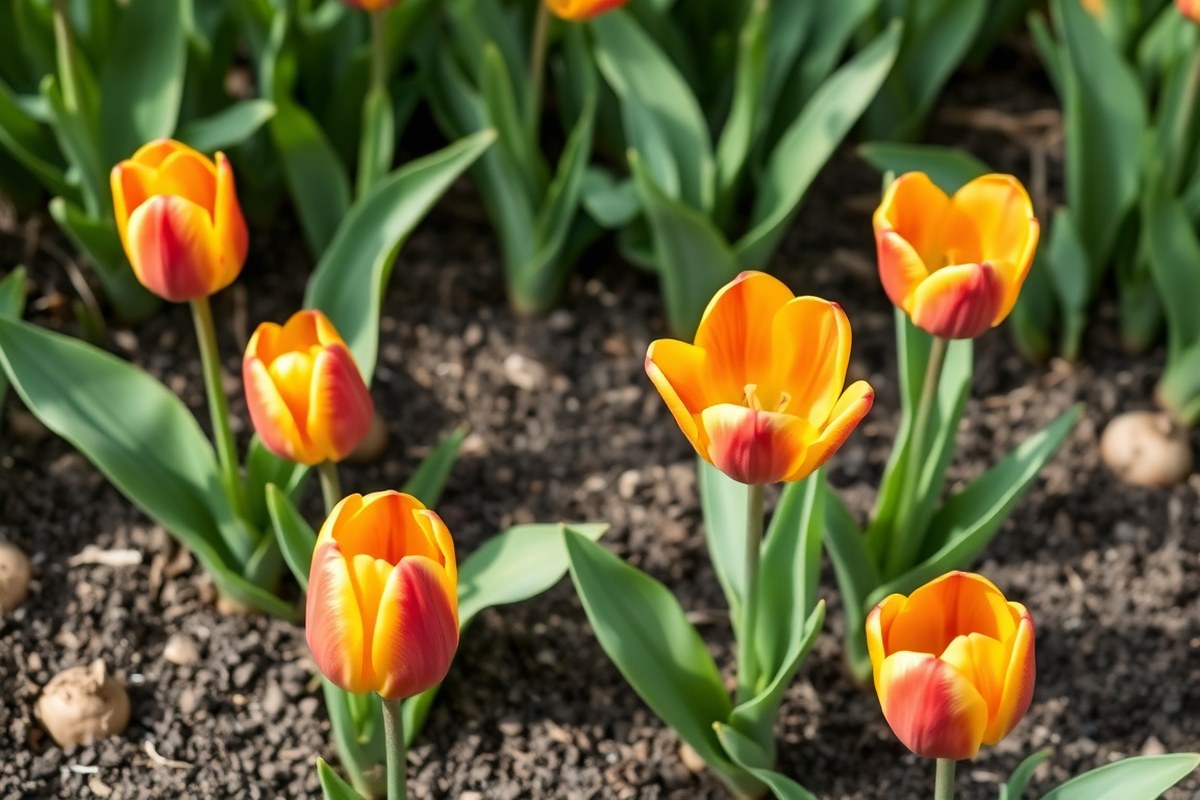
Tulips are technically perennials, meaning they have the ability to come back every year. Their bulbs store energy underground through winter to sprout new flowers in spring. However, many tulips act more like annuals in home gardens.
Some tulip types, like Darwin hybrids or species tulips, naturally return better than others. Many common store-bought tulips bloom once and then fail to regrow well. Proper care and growing conditions play a big role in whether tulips come back.
One reason tulips don’t return is bulb rot caused by waterlogged soil. Bulbs need well-draining ground to survive the cold months. Without this, the bulbs can rot and never sprout again the next spring.
You can help tulips come back by letting foliage die back naturally. The leaves feed the bulb for the next year’s growth. Digging up and storing bulbs in a cool, dry place until planting time also improves returns.
Annual tulips tend to have large, showy flowers that drain the bulb’s energy quickly. Perennial tulips usually have smaller blooms but store more resources to regrow. The type of bulb you pick affects if tulips come back.
How you care for your bulbs also matters for yearly growth. These two things decide if tulips return each year.
Which Tulip Types Are Most Likely to Return?

Choose species tulips and Darwin hybrids for the best chance of tulips coming back. These types can naturalize and bloom for several years with the right care. Some other hybrid varieties also return but may need more attention.
Species and Botanical Tulips
Species tulips, also known as botanical tulips, are wild varieties like Tulipa clusiana and Tulipa kaufmanniana. They tend to be smaller but come back reliably every year. Their natural growth habits help them adapt well to various climates.
These tulips are ideal for naturalizing in lawns or under trees. Plant them in groups and avoid disturbing the bulbs to encourage self-spreading. They require less care than showy hybrid tulips.
Darwin Hybrid Tulips and Their Benefits
Darwin hybrid tulips are tall and have large flowers, reaching up to 24 inches tall. They result from crosses between Fosteriana tulips and older Darwin varieties. These tulips bloom reliably for many years with proper care.
They often serve as the backbone of tulip plantings because of their durability. Their strong stems resist flopping and they hold color well for long periods. You can expect them to return for anywhere from 3 to 5 years.
Other Reliable Tulip Varieties
Besides Darwin hybrids and species types, Single Early and Single Late tulips also come back well. Fosteriana tulips are another group known for their longevity in the garden. Look for bulbs marked “naturalizes well” when buying.
These varieties work best when planted deeply and left undisturbed. Good soil drainage and adequate sunlight improve their chances of returning. Adding a slow-release fertilizer after blooming helps support regrowth.
| USDA Zone | Climate Type | What to Expect from Tulips | Tips for Success |
|---|---|---|---|
| 3, 5 | Very cold winters | Tulips come back easily for many years | Plant deep, choose perennial varieties |
| 6, 7 | Cold to mild winters | Tulips typically bloom again for 2 to 4 years when cared for properly | Good drainage and sun help bulbs thrive |
| 8 | Mild winters | Some tulips return, but not always reliably | Use pre-chilled bulbs or replant yearly |
| 9 | Warm winters | Most tulips won’t return without help | Chill bulbs before planting |
Matching tulip types to your USDA zone helps you set realistic expectations. Follow the tips like planting depth and pre-chilling bulbs for the best results. Proper care boosts your chances of seeing tulips return year after year.
Pick bulbs labelled “naturalizes well” to increase the chance tulips come back yearly.
How Does Climate Affect Tulip Regrowth?
Tulips need a cold winter to bloom again, which means they grow best in cooler zones. Zones 3 through 7 provide enough chill for tulips to come back year after year. In warmer zones, you must take extra steps like chilling bulbs in the fridge.
Why Winter Chill Matters for Tulips
Tulip bulbs require temperatures below 55°F to trigger their blooming cycle. This cold period resets the bulbs, preparing them for spring growth. Without this chill, bulbs stay dormant or produce weak flowers.
In their native regions, tulips experience cold winters and dry summers. These conditions help bulbs store energy and survive until the next season. Warm winters often mean bulbs don’t get the rest they need.
Which Zones Support Tulip Perennial Growth?
USDA zones 3 through 7 usually offer enough cold for tulips to return naturally. These areas have sustained periods of cold that tulips require. Living in these zones means you should plant tulips and leave bulbs in the soil after flowering.
Zones 8 and warmer rarely provide the chill tulips need. In these places, gardeners often treat tulips as annuals. That means planting new bulbs every fall instead of expecting regrowth.
Adjusting Tulip Care in Warm Climates
In warmer areas, bulbs benefit from six to eight weeks in the fridge but keep them away from fruit that releases harmful ethylene gas. Plant outdoors once chilled to improve blooms.
Summers in warm areas can be wet and rainy, which promotes bulb rot. You should dig up bulbs after flowering to dry and store them. Replant the bulbs in fall after chilling to avoid rot and boost bloom strength.
Decision Tips for Managing Tulips by Climate
First, check your USDA zone to decide if you can leave bulbs in the ground. In zones 3 through 7, with cold winters, bulbs can stay planted to regrow on their own. Expect less work and costs here since you don’t need extra chilling or lifting.
Warmer zones or wet summers require lifting bulbs each year to keep them healthy. Pre-chill bulbs indoors for six to eight weeks before fall planting. This approach costs time and storage space but helps tulips bloom well.
Also, avoid planting tulips in spots with poor drainage, especially in warm climates. Bulbs need a dry resting period to stay healthy. Adjusting where you plant can reduce the need for lifting and chilling bulbs.
What Good Tulip Regrowth Looks Like
Healthy tulips have strong, upright stems and large flowers in spring. Tulips that bloom again without chilling or lifting bulbs show your area’s cold time suits them. You’ll also notice healthy leaves that die back naturally after blooming.
Weak growth or failure to bloom signals the bulbs missed necessary cold or faced summer rot. This happens often in warm climates or poorly drained soils. Taking steps like pre-chilling or lifting bulbs can fix this.
When and How Deep Should Tulip Bulbs Be Planted?
Tulip bulbs should be planted in the fall, about 6 to 10 inches deep. Planting at this depth protects bulbs from frost and helps them develop strong roots. The soil needs to be loose and well-drained to prevent bulbs from rotting.
Spacing bulbs 4 to 6 inches apart gives them room to grow without crowding. Crowded bulbs compete for nutrients and water, which can stunt their growth. Planting too shallow can expose bulbs to temperature swings that harm their survival.
- Choose a spot with full sun and loose, sandy soil
- Dig holes 8 inches deep for average-sized bulbs
- Place bulbs pointed end up in the hole
- Space bulbs 5 inches apart for good air circulation
- Cover bulbs with soil and gently firm it down
- Water deeply after planting to settle the soil
- Mulch to keep the soil cool and moist
Before planting, loosen the soil to about 12 inches deep. Adding compost improves drainage and nutrient levels. Tulips want soil that drains well because soggy soil causes bulbs to rot quickly.
Planting bulbs deeply also helps them survive winter freeze and thaw cycles. Shallow bulbs risk heaving out of the ground in late winter. Proper depth and spacing provide a strong foundation for healthy, blooming tulips next spring.
How to Care for Tulip Foliage After Blooming
Don’t cut tulip leaves right after the flowers fade. The leaves keep working hard to send energy down to the bulb. This energy helps the bulb grow strong for next year’s bloom.
Let the green leaves stay for at least 6 weeks after the flowers are gone. You’ll notice leaves slowly turn yellow and dry out. That’s the signal it’s safe to remove them without hurting next year’s growth.
Cutting leaves too soon stops the bulb from storing enough food. A bulb without enough energy won’t produce good blooms again. Even if the leaves look messy, patience pays off.
Removing dead flower heads, or deadheading, is another helpful step. As soon as the petals fall, snip off the spent blooms. This helps the plant divert its energy to the bulbs instead of making seeds.
Leftover flowers waste the bulb’s energy, lowering the chance of strong returns. After deadheading, keep the leaves intact and let them fade naturally. The bulb uses that time to grow strong roots and store food.
You won’t harm the plant if you accidentally cut some green leaves. Let remaining leaves stay until they yellow. Tulip bulbs still get some energy, even if it’s not perfect.
Never cut tulip leaves while green, doing so weakens bulbs and hurts future blooms.
Soil and Watering Practices That Help Tulips Return
Tulips need well-drained soil to avoid bulb rot, especially in summer. These flowers come from dry-summer areas, where soil quickly drains water away. Do not keep the soil soggy.
Bulbs suffer from root rot this way. They may fail to come back in spring.
Check your soil’s drainage by digging a test hole about 8 inches deep. Fill it with water and see how fast it drains. Water should disappear quickly, under an hour.
Add coarse sand or compost to improve drainage. Good soil drainage keeps excess water away from bulbs.
- Plant bulbs 6 to 8 inches deep for cooler soil protection
- Use soil amendments like coarse sand to improve drainage
- Avoid watering in summer; too much moisture promotes rot
- Apply a layer of mulch to stabilize temperature and moisture
- Choose soil pH close to neutral, around 6.0 to 7.0, for best growth
- Water bulbs lightly in fall and spring during growth phases
- Do not let water pool around bulb areas during winter and summer
Tulips like soil with a pH between 6 and 7, which helps nutrient uptake. Avoid acidic soil or adding too many fertilizers that burn bulbs. Apply mulch to keep soil temperatures steady and stop bulbs from heaving out in winter.
Water tulips only when the soil dries in fall and spring. Avoid watering during summer dormancy, as wet soil invites rot. A firm bulb means good health.
Check for no soft spots in fall. Inspecting bulbs helps know their condition.
Should You Dig Up Tulip Bulbs or Leave Them in Ground?
Digging up tulip bulbs is necessary in some cases, like crowded beds or bad soil. You can leave bulbs in the ground if conditions suit them. Proper curing and storage after digging help bulbs stay healthy for next spring.
Indicators for Digging Up Bulbs
Dig bulbs when the soil is heavy and keeps water too long. Overcrowded bulbs also need digging to prevent smaller, weaker blooms. Moving tulips to a new spot is another good reason to lift bulbs.
Wait until tulip leaves and stems turn yellow and die back. This shows the bulbs gathered enough energy for next year’s growth. Digging too early can harm bulb development and reduce blooms.
How to Cure and Store Tulip Bulbs
After lifting, lay bulbs flat on bare soil with dry leaves still attached. Cover them with 2 to 3 inches of soil and wait until leaves dry completely. This curing step helps bulbs lose excess moisture and hardens them for storage.
Clean off any damaged bits after curing but avoid washing bulbs. Store them in a cool, dry place between 50 and 60 degrees Fahrenheit. Use mesh bags or boxes with holes for airflow, avoiding plastic bags.
- Lift bulbs only after foliage dies back fully
- Keep dry leaves attached during curing
- Cover bulbs with a few inches of soil for 1 to 2 weeks
- Store bulbs at 50-60°F in a dry, ventilated space
- Check stored bulbs regularly for mold or rot
Proper curing and storage takes about two weeks for curing plus several months until planting. Neglecting these steps raises the risk of mold, shriveling, or weak blooms next year.
When to Leave Bulbs in the Ground
Leaving tulip bulbs in the ground works well in areas with cold winters and well-drained soil. Bulbs benefit from natural chill periods that encourage strong flowering. Avoid leaving bulbs in soggy soil as they may rot or struggle to bloom again.
Choosing tulip types that naturally come back yearly reduces the need for digging. Check your soil drainage after winter rains.
Good drainage means digging might not be necessary. In mild climates, bulbs often do better when lifted and stored to avoid disease and pests.
Common Mistakes That Prevent Tulips from Returning
One common mistake is poor drainage. Tulips hate soggy soil because it leads to bulb rot. Make sure your soil drains well.
Raise the bed a little. This helps keep water moving away from bulbs.
Cutting tulip leaves too early can also stop bulbs from storing energy for next year. Allow leaves to yellow and die back naturally before trimming. This gives bulbs the food they need to bloom again.
Planting bulbs at the wrong depth often causes weak or no regrowth. Bulbs should sit about 8 inches deep, including mulch.
Too shallow, and they dry out. Too deep, and shoots struggle to reach the surface.
- Fix drainage by mixing in sand or planting raised beds
- Wait 6 to 8 weeks after flowering before cutting leaves
- Plant bulbs 8 inches deep, including mulch thickness
- Avoid watering bulbs during the hot summer to prevent rot
- Use fresh bulbs every 3 to 4 years to maintain strong blooms
Summer watering can keep soil too wet for tulips. Stop irrigating tulip beds once leaves die off. Tulips need dryer soil until fall planting season.
Don’t cut foliage until it is fully yellow and dry to help bulbs regrow next year.
Mulch helps keep soil temperature steady but must be included in planting depth. Use about 2 inches of mulch on top of soil. Too much mulch can hold excessive moisture and harm bulbs.
Step-by-Step Action Plan to Help Tulips Come Back
Follow this plan each year to encourage your tulips to bloom again. Watch your garden closely to see how they respond.
- Fall (Planting time): Set tulip bulbs 6 to 8 inches deep in soil that drains well. Make sure the pointed end faces upward before you cover them.
- Late Spring (After bloom): Let the foliage die back on its own. The leaves gather energy for next year, don’t cut them too soon.
- Summer (Dormant period): Keep soil mostly dry during dormancy. Too much water can cause bulbs to rot and fail to return.
- Early Fall: Add a layer of mulch to insulate bulbs and regulate soil temperature. Remove mulch just before growth starts in spring.
- Early Spring: Water as needed when shoots appear, ensuring soil stays moist but not soggy. This supports strong new growth.
- During Growth: Fertilize with a balanced, low-nitrogen fertilizer after shoots emerge. Avoid heavy feeding to prevent weak blooms.
- Yearly: Dig up bulbs every 3 to 4 years if you notice poor blooming. Replant healthy bulbs immediately to keep them vigorous.
Frequently Asked Questions
What Is the One Major Secret to Making Tulips Come Back Every Year?
The key is planting tulips in well-drained soil and letting foliage die naturally. Avoid soggy soil because it causes bulbs to rot and prevents regrowth.
Can Tulips Survive and Bloom for Many Years in the Same Spot?
Tulips can live for several years if planted deep and given proper care. Still, naturalizing types like Darwin hybrids usually last the longest.
Why Do Tulip Bulbs Fail to Regrow After the First Bloom?
Poor drainage is the top reason bulbs don’t come back. Waterlogged soil makes bulbs rot and the plants won’t recover next season.
Does Cutting Off Tulip Leaves Right After Blooming Affect Next Year’s Flowers?
Yes, cutting leaves too soon kills energy stores needed for next year’s bloom. Let the leaves brown and dry before removing them.
Are Yearly Fertilizers Necessary for Tulips to Come Back?
Fertilizer helps but is not always required if soil is healthy. A balanced fertilizer in fall can boost bulb strength for next spring.
How Can Nearby Plants Affect Tulip Regrowth Chances?
Taller or invasive plants can shade tulips and compete for nutrients. Keep tulip beds clear so bulbs get enough sunlight and water.
Before You Go
Tulips can come back each year with the right care steps. Paying attention to planting depth and leaf care makes a big difference. Start by watching your tulip leaves after blooming and let them die naturally.