How Long Do Peppers Take to Germinate? Complete Guide with Proven Tips
How long do peppers take to germinate? Most pepper seeds sprout within 5 to 14 days. Some varieties, like sweet bell peppers, usually appear a week or two after planting.
Patience is key because super hot peppers can take 4 to 6 weeks to germinate. These hotter varieties need more time and warmer conditions to wake up. Germination speed depends on seed type and growing environment.
Start by planting seeds in warm soil between 70 and 80 degrees Fahrenheit. Keep the soil moist but not soaked to encourage steady sprouting. Using a seedling heat mat helps maintain consistent warmth for better results.
Providing good air circulation and covering seeds lightly can also help. Avoid letting soil dry out or get waterlogged, which may stop germination. Watching seeds closely during this time improves success rates in your pepper garden.
Key Takeaways
- Most pepper seeds germinate within 5 to 14 days under good conditions.
- Super hot peppers, like Bhut Jolokia, can take up to 4 to 6 weeks.
- Keep soil temperatures between 70 and 80 degrees for faster germination.
- Moist but not soggy soil helps pepper seeds sprout well.
- Older seeds or certain chili varieties may need extra time to germinate.
- Using moist paper towels at room temperature can speed up germination.
How Long Do Pepper Seeds Take to Germinate?
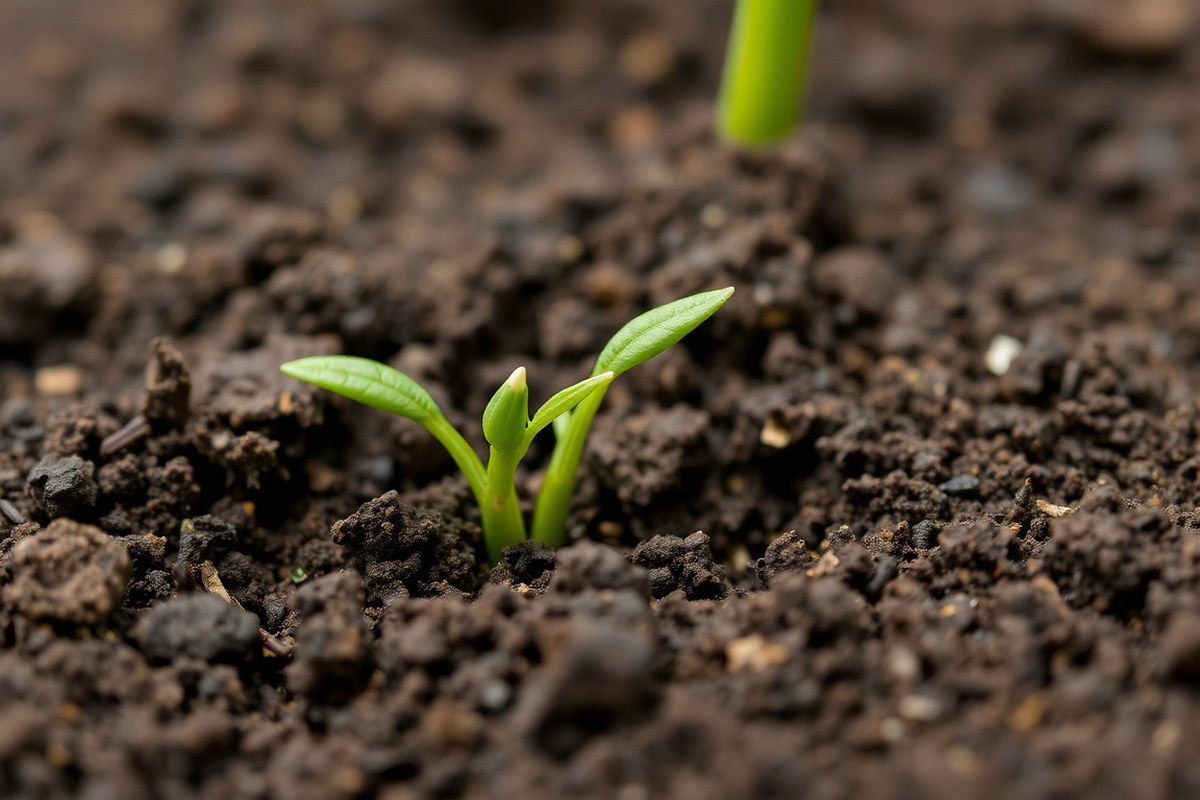
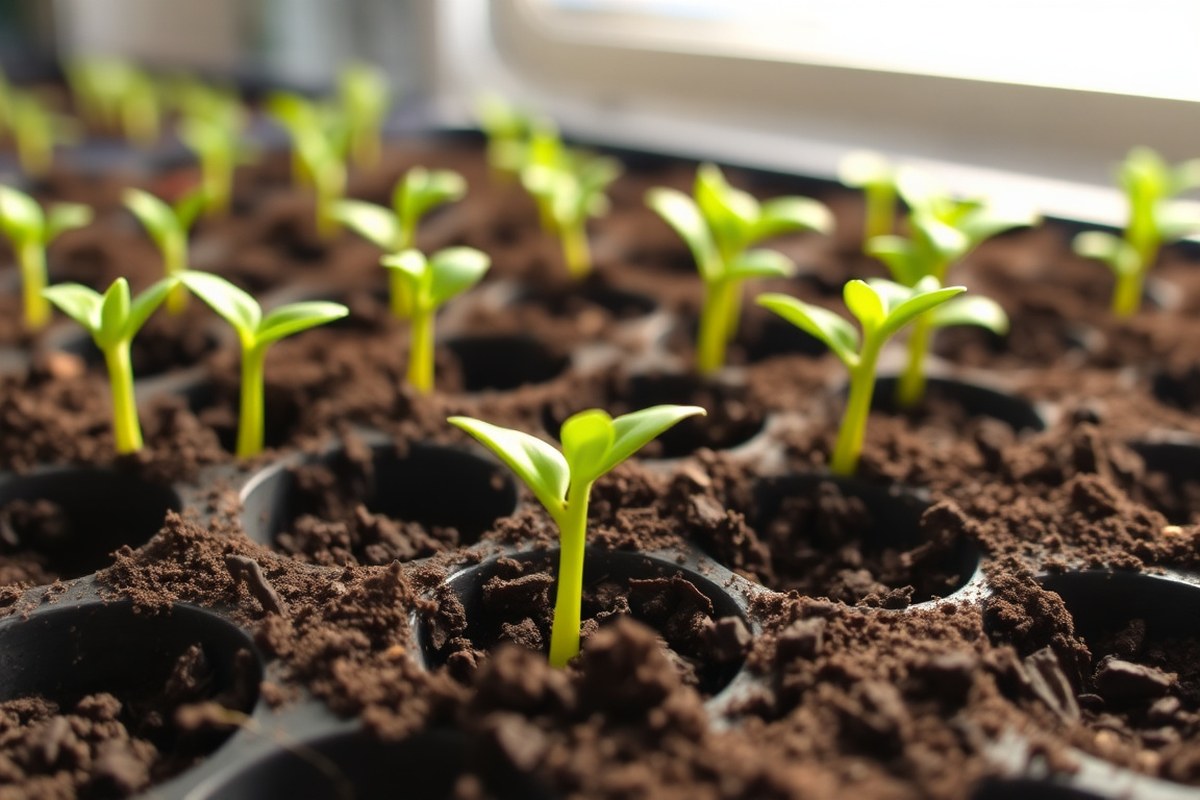
Pepper seeds usually take about 7 to 14 days to germinate. Sweet peppers like bell or Anaheim start sprouting within this window under good conditions. Hot peppers can take longer, with some super hot types needing up to six weeks.
Super hot peppers, such as Bhut Jolokia or Trinidad Scorpion, have slow germination. They might sprout in 2 to 3 weeks if kept warm.
But often take 4 to 6 weeks. Soil temperature in the 80s Fahrenheit with steady moisture helps speed this up.
Seeds can lose viability over time. So old seeds may never sprout, even with perfect care.
Many gardeners find 3 to 4 weeks a reasonable maximum to wait before discarding pepper seeds. Sometimes seeds within the same batch vary a lot in timing.
Here’s a table comparing germination times and days to harvest for common pepper types. It helps set expectations about germination and how long it takes until you get peppers.
| Pepper Group | Typical Germination Time | Days to Harvest |
|---|---|---|
| Sweet Peppers (Bell, Anaheim) | 7, 14 days | 70, 85 days after transplant |
| Hot Peppers (Jalapeño, Fresno) | 10, 21 days | 80, 90 days after transplant |
| Super Hot Peppers (Bhut Jolokia, Moruga Trinidad) | 21, 42+ days | 140, 165+ days from seed |
Sweet and standard hot peppers usually sprout within two weeks under warm soil. The time from seed to harvest is between 70 and 90 days. This count starts after you transplant the peppers.
For super hot peppers, expect several weeks waiting just for sprouts. Then, plan 140 days or more for growth.
Keep soil warm around 80°F and evenly moist to encourage faster germination. Cooler soil of about 60°F slows seeds down, especially sweet types.
Exceeding 4 to 6 weeks without sprouts means seeds may not be viable. Or the growing conditions need fixing.
What Environmental Factors Affect Pepper Seed Germination?
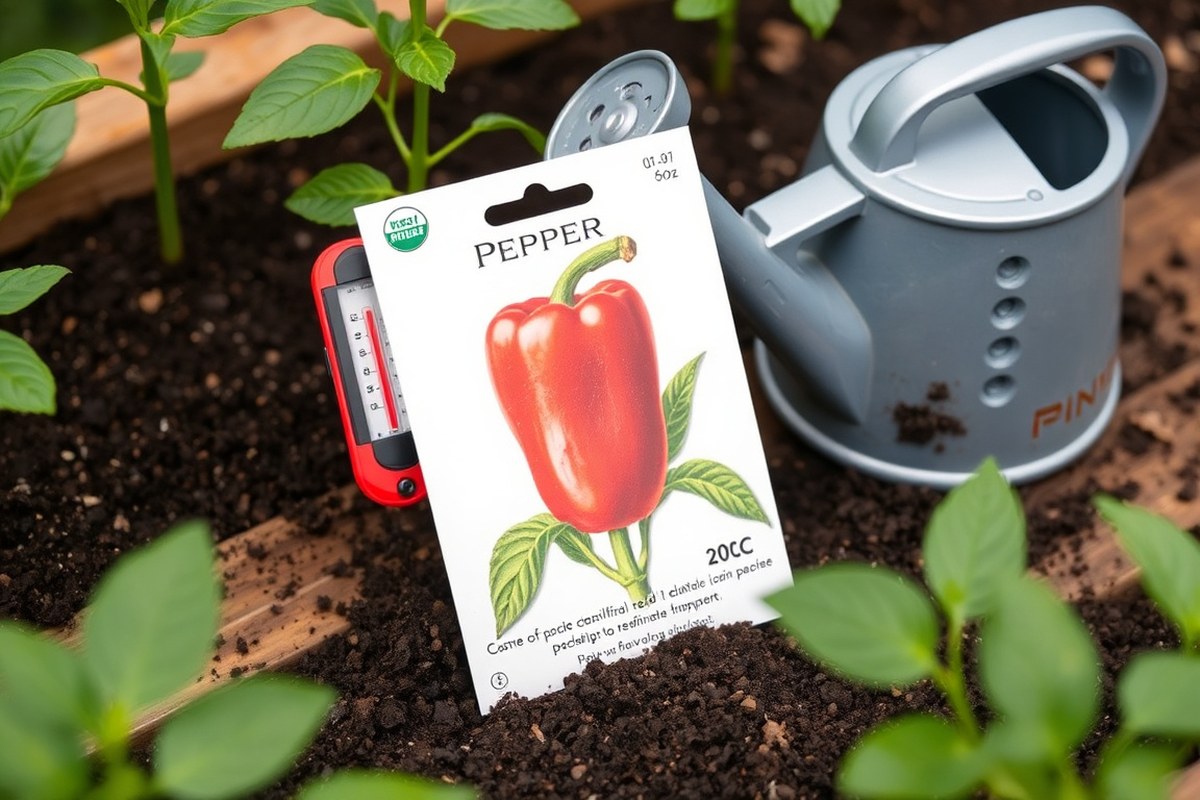
Pepper seeds sprout fastest when the soil temperature stays between 80 and 90°F (27 to 32°C). At this range, enzymes that trigger germination work best. The seeds may stop sprouting or grow much slower if soil is below 70°F (21°C).
Maintaining soil warmth can take some effort. Use a heat mat under seed trays.
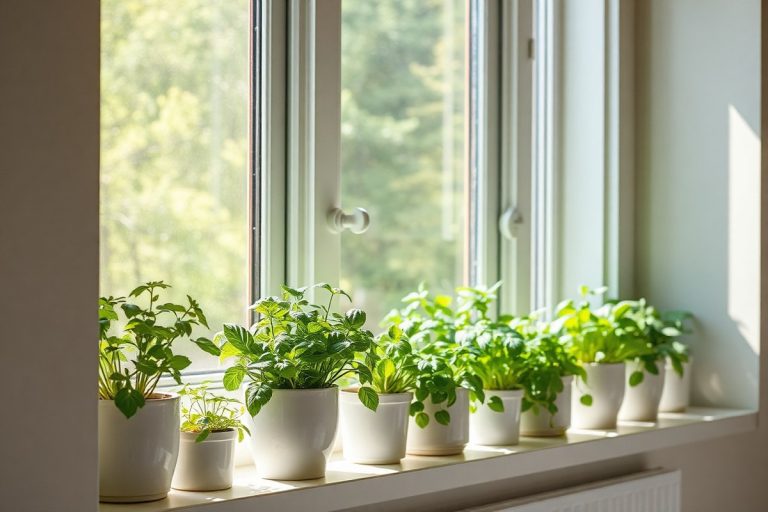
Put trays on a sunny windowsill. Avoid putting peppers in a drafty or cold room to keep the temperature steady and ideal.
Moisture is another key factor. The soil or medium must be moist but not soggy. Too much water can drown the seed, causing rot or mold.
Too little slows the sprouting process. Check daily and lightly mist the surface to keep it damp.
Most growers recommend starting seeds indoors between 70 and 80°F (21 to 27°C) air temperature. This helps keep humidity stable and avoids temperature swings. Cooler or warmer rooms may cause uneven germination or stress the seeds.
Light also affects seed development. Pepper seeds do not need light to sprout. After sprouting, give seedlings 12-16 hours of light daily.
This helps them grow healthy. You can use a grow light if natural light is limited.
Check soil moisture and temperature every day. Wet soil or cold roots slow germination.
How to Prepare Pepper Seeds for Best Germination Results
Preparing pepper seeds before planting helps get them ready to sprout faster. Soaking softens the seed coat and speeds water absorption. Checking seed quality avoids wasting time on seeds that won’t grow.
Soaking Pepper Seeds Correctly
Soaking pepper seeds for 8 to 12 hours in warm water softens their shell. Use water around 80 to 85 degrees Fahrenheit to help the seeds absorb moisture quickly. Avoid soaking longer than 24 hours to prevent seeds from rotting.
This step wakes the seed up for sprouting. Seeds swell as they take in water, making it easier for the root to break through. You’ll see better results when you keep seeds warm and moist.
Avoid soaking them too long. This helps seeds soak properly without damage.
Seed Viability Tests
You can test if pepper seeds still sprout before planting. The float test works well: put seeds in water, then let them rest for 15 minutes. Viable seeds usually sink, and seeds that float might not grow.
For a more sure test, try germinating seeds on a damp paper towel. Lay out 10 seeds inside a warm spot.
Check after a week to count how many sprouted. Fewer than 5 sprouts means your seeds may be old or weak.
Selecting Quality Seeds
Choose seeds that look full, firm, and clean for the best chance to grow. Avoid seeds that appear cracked, shriveled, or damaged in any way. Old seeds lose strength and take longer to start or may never sprout.
Buy fresh seeds from a trusted source each season. Keep them dry and cool until planting day. Good storage avoids early seed death and keeps germination rates high.
Follow these steps to prepare your pepper seeds:
- Fill a bowl with warm water around 80 to 85°F.
- Place your pepper seeds in the water to soak.
- Let the seeds soak for 8 to 12 hours, no longer than 24 hours.
- While soaking, check your seeds with a float test to remove floaters.
- Drain the water and lay seeds on a moist paper towel.
- Fold the paper towel over the seeds and place it in a warm spot.
- Check daily for sprouts over the next week before planting.
- Choose only those seeds or seedlings that show healthy growth to plant.
Using Heat Mats and Soil Temperature for Faster Germination
Peppers sprout most successfully when the soil temperature ranges from 75°F to 85°F (24°C to 29°C). Hot pepper varieties prefer warmer soil, about 85°F to 90°F (29°C to 32°C). Using a heat mat maintains consistent warmth, especially in cooler areas.
A heat mat sits under the seed tray and warms the soil evenly. This steady warm heat speeds up germination by helping seeds break dormancy faster.
Most heat mats hold temperatures from 68°F to 86°F, perfect for most pepper varieties. Avoid letting the soil go above 90°F (32°C), or the seeds can dry out and die.
Place the heat mat under your seed tray. Plug the mat into an outlet. It will warm the soil evenly.
Use a soil thermometer to check the heat. Keep soil between 75°F and 85°F for sweet peppers. Adjust heat mat settings if the temperature falls outside the range.
For hotter peppers, adjust the heat slightly higher but stay below 90°F. Warm rooms may not need you to use a heat mat. Check soil temperature first before adding extra heat.
But watch soil temperature closely. Seeds can germinate without extra heat but take longer and grow weaker.
| Situation | Heat Mat Use | Soil Temperature Target |
|---|---|---|
| Cool indoor space or early season planting | Use heat mat under seed tray continuously | 75°F to 85°F for sweet, 85°F to 90°F for hot peppers |
| Room temperature above 75°F (24°C) | Optional heat mat; monitor soil with thermometer | Maintain 75°F to 85°F, no extra heat if stable |
| Warm room or greenhouse setting | Usually no heat mat needed | Keep soil steady without overheating over 90°F |
Buying a quality heat mat usually costs $15 to $40 depending on size. Use it with a thermostat controller for best results and energy savings.
Also, start seeds in a light soil mix to let heat spread evenly. This setup helps you get faster germination with stronger seedlings ready for transplanting.
Best Soil and Moisture Practices for Pepper Seed Germination
Use a light, well-draining seed starter mix to give pepper seeds a good start. Keep the soil moist but not soggy and plant seeds shallowly. These steps help seeds sprout quickly and avoid rot or drying out.
Choosing a Seed Starter Mix
A soilless seed starter mix with good drainage works best for pepper seeds. This type of mix holds moisture without becoming waterlogged. It also lets air reach the roots, helping prevent mold and rot.
Look for mixes labeled for seed starting or seedlings. These often contain peat moss, vermiculite, and perlite. These ingredients keep soil light and airy, which peppers need as they begin growth.
Maintaining Proper Moisture
Water seeds thoroughly after planting to soak the mix evenly. Avoid making the soil soggy because pepper seeds dislike too much water. The soil should feel damp to the touch but not dripping wet.
Cover your seed trays with clear plastic or a humidity dome to hold moisture. Check the soil daily and mist it if the surface starts to dry out. Consistent moisture speed up germination without suffocating the seeds.
Correct Planting Depth
Plant pepper seeds about 1/4 inch deep in the seed starter mix. This depth protects seeds from drying out and from too much moisture. Planting deeper can cause seeds to rot or delay sprouting.
Press soil lightly over the seeds but don’t pack it down hard. Light soil coverage keeps seeds moist yet lets young sprouts break through easily. You’ll get better germination with shallow, careful planting.
Follow these steps for planting pepper seeds with good soil and moisture control:
- Fill your seed tray with a soilless starter mix, leaving 1/2 inch below the rim.
- Moisten the soil evenly until damp but not soaked.
- Make small holes about 1/4 inch deep using a pencil or finger.
- Place one seed in each hole and cover lightly with soil.
- Press down gently to secure soil around each seed.
- Water the soil gently again just to keep it moist.
- Cover the tray with a clear plastic lid or wrap to keep humidity in.
- Place the tray in a warm spot between 75°F and 85°F for best germination.
Keep soil moist but never let water pool; excess water leads to rotting seeds.
Common Issues and How to Fix Slow or Failed Germination
Poor pepper seed germination often happens because of wrong temperature, moisture, or seed quality. Pepper seeds need soil temperatures between 60 and 90 degrees Fahrenheit to sprout well. Cooler or hotter soil slows or stops germination, especially for varieties like habaneros that take longer.
Uneven germination usually results from uneven watering or inconsistent heat. Seeds sitting too wet or dry won’t sprout at the same time.
Also, planting seeds too deep or too shallow can cause scattered sprouting. Overwatering creates damp conditions that encourage fungus, causing seeds to rot or seedlings to die.
- Keep soil moist but not soggy; water when the top feels dry.
- Use a heat mat set to about 80°F for better warmth control.
- Plant seeds about ¼ inch deep to keep them at the right depth.
- Space seeds apart to improve air circulation and prevent mold.
- Use fresh seeds and test germination by soaking seeds in water for 24 hours first.
- Remove any moldy or dead seeds promptly to avoid spread.
- Sterilize your seed-starting mix by baking it at 180°F for 30 minutes. This helps stop mold if it keeps coming back.
Fungus, mold, and damping-off disease can wipe out seedlings fast. These happen when soil remains too wet or poorly drained. Good airflow helps, so don’t cover seedlings too tightly under plastic or a dome.
Mold appears, gently wipe it away. Cut back on watering until soil dries.
Using fresh sterile soil and not overcrowding pots lowers mold risks. Also, sterilizing containers and tools before use makes a big difference.
Avoid too much nitrogen fertilizer early on. It causes leafy growth and delays fruit setting.
Care After Germination: From Seedling to Transplant
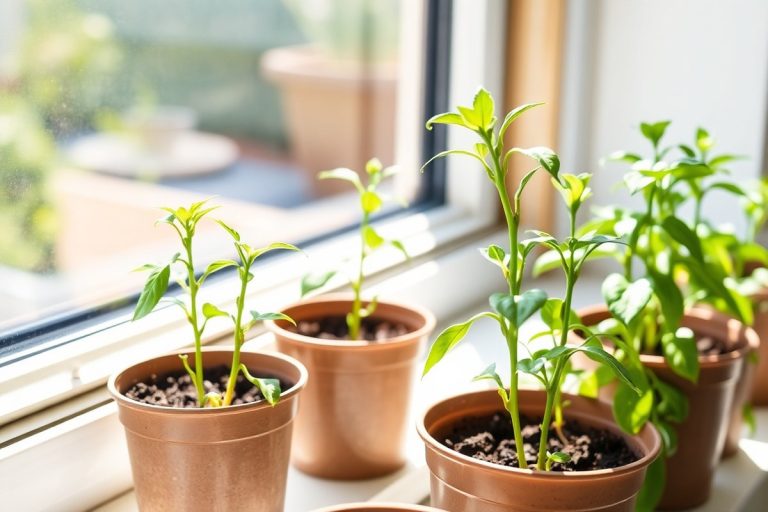
After pepper seeds sprout, keep the soil evenly moist but not soggy. Water gently using a spray bottle or a small watering can. Avoid disturbing the tiny seedlings by watering slowly.
Keep the surface moist but not soaked. Check the soil daily and water when the top half inch feels dry to the touch.
Seedlings need plenty of bright, indirect light to grow strong and stocky. Place seedlings near a south-facing window or under a grow light. They need 12 to 16 hours of light daily.
Turn on the light to mimic this schedule if needed. Avoid direct sun that can scorch young leaves or weak light that causes leggy growth.
Grow peppers indoors for 6 to 10 weeks before moving outside. The time depends on the pepper variety and the weather. Start them early enough for a full growing season.
Harden off seedlings by putting them in the shade outside for a few hours. Do this for about a week.
Gradually increase the time outdoors. Gradually expose them to full sun and cooler temperatures each day to prevent shock.
Move seedlings outdoors once they have 4 to 6 true leaves. Ensure the outdoor soil temperature stays above 60°F. This helps peppers adapt without shock. Space plants 18 to 24 inches apart in fertile soil with good drainage.
Dig a hole slightly bigger than the seedling’s root ball. Plant it at the same soil depth as indoors. Firm the soil gently around the roots.
During seedling care, watch for yellow leaves or wilt, signs of overwatering or poor drainage. Avoid overwatering by letting the soil surface dry slightly between waterings. Using a fan to circulate air helps reduce damping-off, a common fungal disease in peppers.
How Pepper Varieties Affect Germination and Growth Times
Peppers vary a lot by type in germination and maturity times. Sweet bell peppers start growing faster.
Many hot peppers take longer to sprout and ripen. Knowing the variety helps plan your seed-starting and harvest times more precisely.
Fast-Germinating Pepper Varieties
Bell peppers usually germinate within 7 to 10 days. Early jalapeño varieties also sprout quickly, often in 10 to 14 days. These faster seeds give you a jump on the growing season.
Anaheim and Shishito peppers also sprout relatively fast. They generally take about 10 days to start showing growth above soil. This suits gardeners who want a quicker turn from seed to plant.
These varieties often reach harvest in about 65 to 80 days. Their faster germination cuts some wait time for transplant and fruit development.
Slow or Difficult-to-Germinate Types
Highly hot peppers, like Bhut Jolokia and Naga Morich, take time to sprout. Their seeds can take 3 to 4 weeks before germinating. Be patient while waiting for the seedlings to appear.
Some habanero seeds also need 2 to 4 weeks before sprouting. Their thick seed coats and dormancy cause these delays.
Long germination means you need more patience starting these plants. The extra wait often reflects stronger seed dormancy and slower initial growth.
Slow germination can challenge control of moisture and temperature. Overwatering early or drying out seeds can kill slow starters.
Maturity Timelines Linked to Germination Rates
Seedlings that germinate faster generally reach maturity sooner. Bell peppers take about 80 days to harvest after planting. Jalapeños often mature between 65 and 90 days from sowing.
Hotter varieties usually need more time, taking 90 to 120 days or longer to harvest. Their later maturity fits with longer germination phases.
Using quick-germinating types suits growers with shorter seasons. Slow starters require long growing periods but yield rare and hotter peppers.
Keep temperature steady near 80°F to speed up pepper seed germination gently.
Step-by-Step Action Plan for Starting Pepper Seeds
Follow these steps to get your pepper seeds to sprout quickly and healthy. Each phase tells you what to do and what to watch for.
- Before You Start: Soak seeds in warm water for 8 hours to soften the seed coat. Seeds that swell slightly are ready to plant.
- Day 1: Plant seeds ¼ inch deep in moist, well-draining seed-starting mix. The soil should feel damp but not soggy.
- Day 1 to Day 7: Place seed tray on a heat mat set to 80-85°F. Check daily that the soil stays moist and warm.
- Day 5 to Day 14: Watch for seedlings emerging. Thin weaker seedlings, leaving the strongest to grow.
- Week 2: Move seedlings to a bright spot with 12-16 hours of light daily. Use a grow light if natural light is low.
- Week 3: Start feeding seedlings with diluted, balanced fertilizer once true leaves appear. Healthy green leaves show success.
- After 4 Weeks: Harden off seedlings by taking them outside for a few hours daily. Look for sturdy, vigorous growth before transplanting.
Frequently Asked Questions
Why Do Some Hot Pepper Seeds Take Longer to Germinate?
Hot pepper seeds, especially Chinense types, can take 4 to 6 weeks or more to sprout. They have naturally slower germination due to seed coat thickness and dormancy factors.
Can Germination Time Vary Within the Same Pepper Variety?
Yes, even seeds from the same pepper species can sprout at different times. This variation happens because of seed age and growing conditions.
What Is the Quickest Way to Know If Pepper Seeds Are Viable?
A germination test on a damp paper towel indoors helps. Seeds unlikely sprout after two weeks, so viability is low.
Should I Soak Pepper Seeds Before Planting?
Soaking seeds for 12 to 24 hours softens the coat and speeds germination. Don’t soak longer, or seeds can rot.
Can Pepper Seeds Germinate in Cooler Soil Temperatures?
They can, but germination slows dramatically below 70°F. Warm soil around 80°F speeds up sprouting.
How Can I Reduce the Waiting Time for Super Hot Pepper Seeds to Germinate?
Using a heat mat and shading from hot sun helps. Keep soil moist but not soggy for best results.
Wrapping Up
Pepper seeds usually take between one and three weeks to sprout under good conditions. Keep soil warm and moist for the best results. Start today with soaking and planting to see your pepper garden grow.