What Does Sod Mean? A Complete Guide to Meaning, Use, and Lawn Care
What does sod mean? In lawn care, sod is a thin layer of grass and soil held together by roots.
It comes ready to lay down and grows quickly into a healthy lawn. Sod is different from grass seed, which needs time to sprout and fill in.
Knowing what sod means helps you pick the right lawn option. Sod gives you instant green coverage and handles foot traffic soon after installation. It’s especially useful if you want quick results or have kids and pets running around.
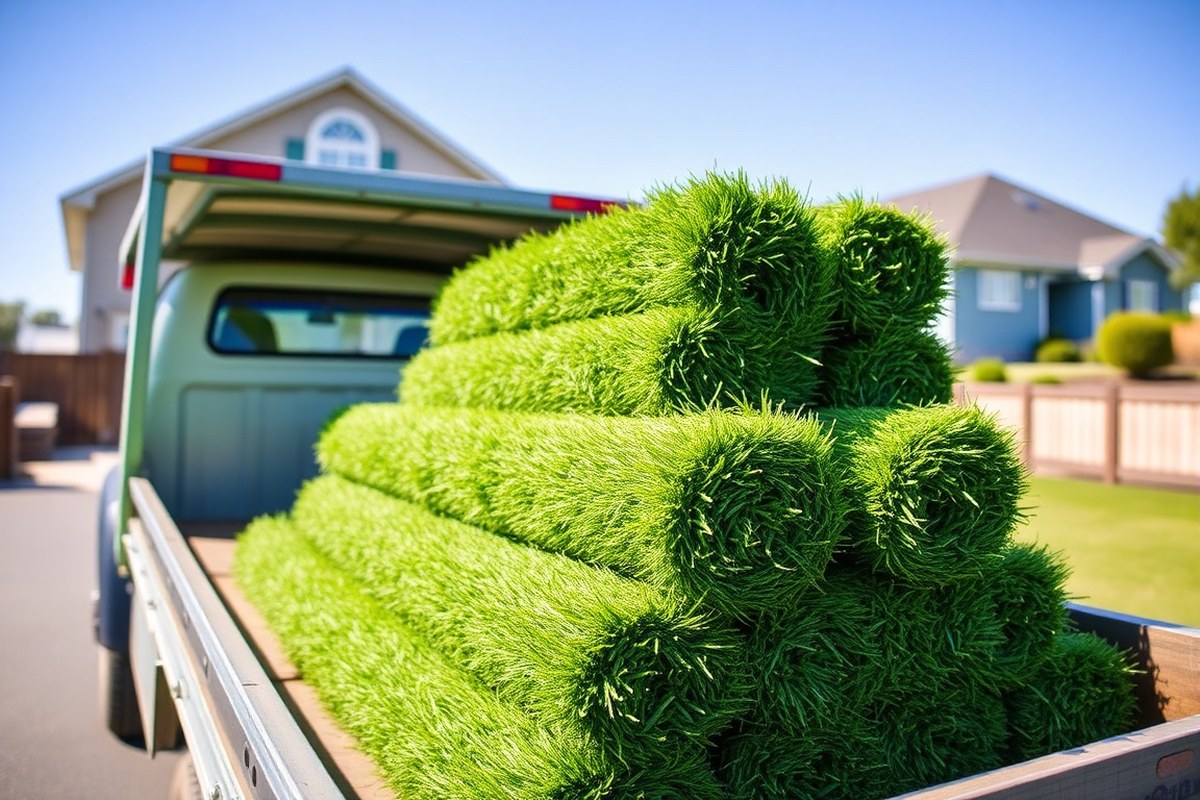
Sod rolls weigh about 35 to 50 pounds each. So be ready for some heavy lifting if you install it yourself.
Start by clearing and leveling the ground before laying the sod tightly side by side. This makes it easier for roots to grow and hold the soil well.
Key Takeaways
- Sod is grass and soil cut in squares or rectangles for instant lawns.
- Laying sod gives immediate lawn coverage, unlike seed that takes months.
- Sod supports foot traffic within 3 to 4 weeks, good for active yards.
- Heavy sod rolls require physical work to spread evenly by hand.
- Prepare your soil by clearing debris and leveling before installing sod.
- Place sod pieces tightly to prevent gaps and promote root growth.
What Does Sod Mean in Gardening and Lawn Care?
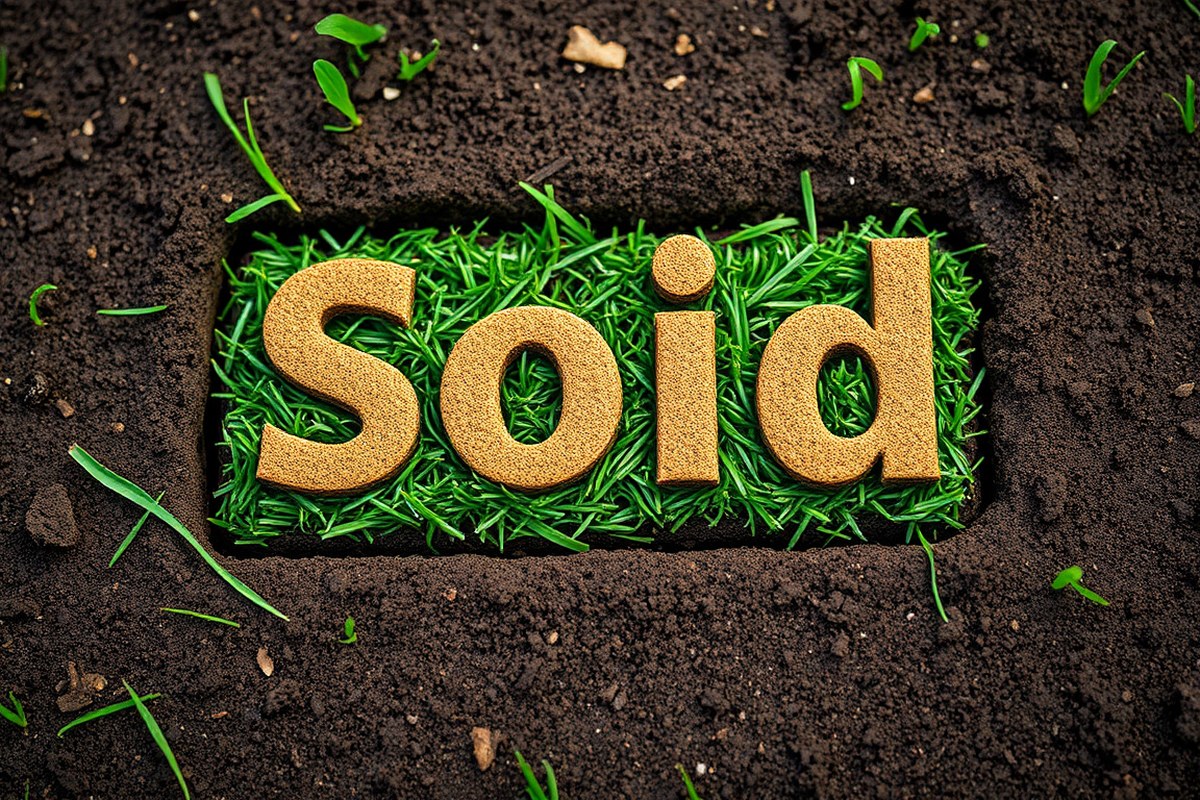
Sod is a thick layer of grass and the soil beneath it. It is grown as a whole piece with roots attached.
A thin layer of soil comes with it. You lay sod to create an instant lawn that looks green and healthy from day one.
Sod usually comes rolled or as slabs. Each piece weighs 35 to 50 pounds. This makes it heavy but handy for quick lawn installation.
After you lay sod, roots grow into your soil in 4 to 8 weeks. You get a usable lawn in 2 to 3 weeks.
In gardening, sod and turf are often used interchangeably. Turf can mean grass-covered soil or the surface of a lawn, just like sod.
When you hear “turf,” think of grass with a soil layer. It’s the same as sod.
Where Does the Word Sod Come from? Origins and History

The word sod comes from Middle English, used between 1150 and 1500. It originally meant a lump of grass and soil, like turf. This meaning still fits how you use sod today when laying down grass for a lawn.
The term appears in old poems and writings, showing its long history. In 1884, Swinburne wrote a poem about “the first sod was turned.” This phrase meant starting to build a school.
It marked the beginning of construction. This shows sod has been linked to breaking ground for new projects for over a century.
Sod also had other older uses. In the 1500s and 1600s, people called a clump of earth a sod.
Scottish and Irish English still hold on to some of these older meanings. The word’s sound and spelling stayed mostly the same as time passed.
By the 1800s, sod also took on new meanings beyond gardening. Around 1810 to 1815, it became a shortened form of a very different word.
But this use is rare now. When you see sod today, the gardening meaning is usually what people mean.
Handle sod with care to keep grass and soil moist. Drying out harms the roots. Avoid drying the sod before you install it.
How Is Sod Different from Grass Seed? Comparison and Costs
Sod is a layer of earth with live grass. Grass seed contains just the seeds. Sod gives you a lawn ready to use in 3 to 8 weeks.
Grass seed takes about 6 to 16 weeks to look good. It can take up to a year to fully grow.
Grass seed costs less per square foot but needs careful watering and good soil temperature. Sod usually costs between $0.25 and $0.50 per square foot including installation.
You save time with sod, but the upfront price is higher. Seed suits large areas or when you have more time.
Here’s a table comparing costs for different lawn sizes and options. Prices vary by region, grass type, and whether you do it yourself or hire a pro.
| Lawn Size | Seed (DIY) | Seed (Pro) | Sod (DIY) | Sod (Pro) |
|---|---|---|---|---|
| 500 sq ft | $50, $100 | $150, $250 | $200, $400 | $500, $1,000 |
| 1,500 sq ft | $100, $250 | $400, $700 | $500, $1,200 | $1,400, $3,000 |
| 5,000 sq ft | $300, $700 | $1,200, $2,000 | $1,500, $4,000 | $4,500, $10,000 |
Go for grass seed when you have time and want to save money on large yards. Use sod if you want a quick, thick, and uniform lawn.
Sod fits warm-season grasses like hybrid Bermuda or Zoysia. These grasses do not grow well from seed.
Sod roots in 2 to 3 weeks after planting. You can fully use the lawn in 4 to 8 weeks. Seed germinates in 7 to 21 days but needs months of care to stop patchiness.
You can plant seed in cool seasons like fall. Sod works best in spring or summer.
Choose sod if you need a lawn within eight weeks. Also use sod if you expect heavy foot traffic.
Cost matters more than speed and you have time, seed works fine. Also, choose sod for certain named grass types that only come in sod form.
What Does Sod Mean in British Slang and Common Expressions?
In British slang, “sod” is often used as an insult or a mild curse. Calling someone a “sod” suggests they are annoying or unpleasant.
But it’s usually less harsh than stronger swear words. It can refer to a person who has done something unwelcome or foolish.
You’ll hear “sod” also used in expressions like “sod off.Saying “sod off” is a blunt way to say “go away.” You use it to tell someone to leave you alone.
It sounds rude and direct. It’s similar to saying “buzz off,” but it sounds more annoyed or rude.
The phrase “poor old sod” shows some sympathy. It means the person is in a bad spot. People use it when feeling a little sorry for someone.
For example, someone loses their job. You might hear, “The poor old sod got the sack yesterday.” This means they were fired, and the speaker feels sorry for them.
Besides insults, “sod” can work as a general curse word in a sentence. People use it to express frustration or anger without using stronger language.
A farmer might say, “Oh Lord, send us a sod-soaker and not a gully-drencher.” This means they want good rain, not floods.
Knowing how to use “sod” depends on context. Use it with people who understand British slang, or it could confuse or offend. Saying “sod off” to someone casually might work with friends but cause problems with strangers.
Because “sod” is common in British media, you might hear it in TV shows and movies. It helps add realistic speech and character flavor.
Practice these expressions to sound more natural when copying British English. They help you speak more like a native.
Different Types of Sod Grass and Their Uses
Sod comes in different grass types made for various climates and yard needs. Choosing the right one affects your lawn’s look and durability. Three popular types are Bermuda, Zoysia, and Centipede grass.
Warm-Season Sod Types
Warm-season grasses thrive in hot weather and plenty of sun. Bermuda grass grows fast and handles heavy foot traffic well, making it great for busy yards. Zoysia grass grows more slowly but stands up well to drought and shade.
Centipede grass is easier to grow from seed than Bermuda or Zoysia. It needs warm soil between 70 and 85°F for germination in about 3 to 4 weeks. This grass is less fussy about soil and leaves a soft, low-maintenance lawn.
- Bermuda: fast-growing, excellent for sunny, high-traffic yards
- Zoysia: slow-growing, good in drought and some shade
- Centipede: easy to grow, needs warm soil, low maintenance
- St. Augustine: tolerant of shade and salt, popular in the Southeast
- Buffalo grass: drought-tolerant, suited for dry, open areas
Warm-season sod should be installed from spring through fall in hot regions for best results.
Cool-Season Sod Types
Cool-season grasses work best in cooler climates like the northern U.S. Kentucky bluegrass and fescue are popular types. They stay green longer in fall and spring. They slow down or go dormant during hot summers.
These grasses prefer soil temperatures below 70°F for healthy growth. They also need more regular watering during dry spells. Cool-season sod often requires overseeding to keep it looking good in hotter months.
Choosing Sod by Climate and Usage
Match your sod choice to your local climate for a lawn that thrives all year. Warm-season grasses fit southern states with hot summers, while cool-season grasses suit northern areas. Transitional zones need careful sod selection based on sun and shade conditions.
Also think about how much use your lawn gets. Bermuda handles kids and pets better.
Zoysia and Centipede are good for lower traffic. Budget matters too, sod for warm-season grasses usually costs more but establishes faster than seed.
How to Install Sod Correctly: Step-by-Step Process
Start installing sod as soon as you get it. Sod must go down within 24 hours to stay fresh. Prepare the soil well and have the right tools ready for smooth work.
Preparing the Soil for Sod
Clear the area by killing all existing grass and weeds. Use a herbicide or dig out old roots carefully. After clearing, loosen the soil at least 3 to 4 inches deep.
Use a garden fork or a tiller for this. These tools help break up the soil well.
Spread a 1- to 2-inch layer of topsoil or compost for nutrients. Level the soil with a rake so water won’t pool. Test soil pH; lawns do best at 6.0 to 7.0.
Laying and Staggering Sod Pieces
Start laying sod along a straight edge like a driveway. Fit pieces tightly to avoid gaps that dry out fast. Stagger joints like bricks, offsetting every other row to keep the lawn solid.
Use a sharp knife to cut sod around curves and edges. Walk on the sod lightly to set it down but avoid heavy pressure until roots grow. Roll the sod with a lawn roller to ensure good soil contact.
Watering and Initial Care After Installation
Water the sod immediately after installation with about 1 inch of water. Water daily for the first two weeks, especially if weather is hot. Keep sod moist but avoid puddles that drown roots.
After two weeks, reduce watering to every other day. Avoid heavy use or mowing until roots grow, usually 2 to 3 weeks. Light mowing is fine when grass reaches 3 inches tall.
Common Installation Mistakes and Fixes
Waiting too long to lay sod kills it. Plan delivery so you install within 24 hours. Using poor soil or not leveling leads to uneven sod and bare spots.
Not watering enough will dry out new sod quickly. Fix this by watering deeply and frequently at first. Avoid overlapping sod pieces; gaps cause drying and weeds.
- Kill or remove existing grass and weeds.
- Loosen and level soil, adding 1-2 inches of topsoil if needed.
- Check soil pH and adjust if necessary.
- Lay sod along a straight edge, fitting pieces tight and staggering seams.
- Cut sod neatly around edges with a sharp knife.
- Lightly walk and roll sod to ensure good contact.
- Water immediately, keeping sod moist daily for two weeks.
- Limit foot traffic and mow only when grass is 3 inches tall.
How Long Does Sod Take to Establish and What Affects Growth?
Sod usually takes about three months to be solid enough for regular use. Growth depends on soil, water, sunlight, and weather conditions. Walking or mowing the new sod too early can damage its roots.
Typical Sod Growth Timeline
After installation, sod starts rooting into the soil within one to two weeks. Around 90 to 105 days, it should reach about 95% coverage with strong roots. This is when the sod is ready to handle regular foot traffic and mowing without harm.
During the first month, sod looks patchy and fragile. You’ll see gradual greening and thicker grass over the next six to eight weeks. By three months, the sod blends with the rest of the lawn and feels firm underfoot.
Environmental Factors Affecting Sod
Sod growth slows if soil is compacted or poorly drained. Good soil contact and moisture are key to healthy root development. Shade and high temperatures can also delay strong establishment.
Weeds compete with sod for nutrients, light, and water. They can slow root growth and patch recovery for weeks or months. Controlling weeds during the first 90 days helps sod establish faster.
Frequent rain or overwatering leads to soggy soil and root rot. Dry soil stresses the grass and hinders rooting. Aim for even moisture without puddles to support steady growth.
Maintenance Tips During Establishment
Keep soil moist but not soaked for the first few weeks. Water daily or every other day depending on weather and soil type. Check moisture by feeling the soil below the sod.
Avoid heavy walking on sod for at least three to four weeks. Wait until roots are deeply anchored before regular foot traffic. Mowing should start after the grass reaches about 3 inches tall.
Set mower blades high at first to avoid pulling out roots or damaging the grass blades. Gradually lower the mower height as sod thickens and strengthens. Regular lawn care helps sod fully integrate with your yard.
When to Choose Sod over Grass Seed: Pros and Cons
Sod offers an instant green lawn. It grows quickly because you’re transplanting mature grass, not waiting for seeds to sprout. This advantage matters if you need quick results for new homes, high-traffic zones, or erosion control.
Sod generally costs more upfront, around $0.30 to $0.80 per square foot including installation. Installing sod can take just a day. It becomes usable for light walking in two to three weeks.
Grass seed costs less, roughly $0.05 to $0.15 per square foot. Seeds usually take 2 to 3 weeks to start growing. They need months to fully cover the area.
Growth is slower than other planting methods. Seed works well if you have time and a tight budget. It also allows choosing from a wider variety of grass types.
Seeded lawns need more care and attention. You must water them often and protect them. Keep pets and heavy foot traffic away while growing.
For lawns with dogs or heavy use, sod is usually more durable. Established sod withstands wear better and recovers faster than new grass from seed. Seed can fail if pets dig or urinate on it, especially early on.
Sod also holds soil better on slopes or loose ground. Budget limits often point to seed, unless soil erosion or traffic is a big concern.
Water new sod daily for the first two weeks to avoid drying out and patchy growth.
Choosing between sod or seed depends on timing, budget, and lawn use. Pick sod if you need a cared-for lawn right away or expect lots of activity. Seed suits slower projects and tight budgets with less foot traffic during growth.
Check local climate too: sod shipped long distances needs care to stay fresh. Seed can be better in cooler seasons when sod won’t root quickly. Consider these factors together to decide which fits your yard best.
Step-by-Step Action Plan for Laying and Growing Sod
Follow these steps to install sod successfully and grow a healthy lawn. Each step helps you check if you’re on track.
- Before you start: Clear the area of weeds and rocks. Make sure the soil is loose and level for good sod contact.
- Day 1: Lay the sod tightly edge to edge. Press it down firmly to avoid air pockets.
- Day 2 to 7: Water the sod daily in the morning. Check that the soil stays moist but not soggy.
- Week 2: Water your sod every other day now. Do this only if the roots hold the sod firmly when lifted gently.
- Week 3 to 4: Start mowing once the grass reaches about 3 inches. Use a sharp blade and cut only the top third.
- After 4 weeks: Fertilize lightly with a balanced lawn fertilizer. Watch for new growth and green color.
- Month 2: Move to a regular watering schedule based on seasonal rain and temperature. The sod should root well by now.
Frequently Asked Questions
What Does Sod Mean in Construction?
Sod in construction refers to grass with its soil layer for quick lawn coverage. It’s used to prevent erosion and establish landscaping fast.
Can Sod Be Recycled or Reused?
Sod can be reused if you cut it carefully and keep it moist. Its success depends on how well it matches your soil.
Make sure the soil fits the sod for best results. It’s best to replant sod soon after removal for good results.
How Do Weather Conditions Affect Sod Installation?
Weather plays a big role; cool, moist weather favors sod root growth and settling. Avoid laying sod in very hot or dry conditions to prevent stress.
Is Sod Environmentally Friendly Compared to Artificial Turf?
Sod is biodegradable and supports local ecosystems better than artificial turf. It also helps cool the environment and improves air quality naturally.
What Tools Do I Need for Laying Sod?
Basic tools include a sod cutter, rake, sharp knife, and lawn roller for good soil contact. Having these handy makes installation smoother and more effective.
Can Sod Be Installed on a Slope?
Yes, sod can stabilize slopes and prevent erosion if laid properly with staggered seams. Extra care like edging or straw mulch may be needed for steep areas.
Final Thoughts
Sod means fresh grass grown on soil and ready to lay for a quick lawn. Installing it right helps avoid bare or patchy spots. Get your tools and start with soil prep today to see fast results.