Do Pothos Flower? A Complete Guide to Their Blooming and Care
Do pothos flower? The short answer is yes, but very rarely when kept indoors.
These vines must grow very long, around 35 to 40 feet, to produce blooms. They only flower naturally in tropical outdoor settings, not inside your home.
Pothos plants need warm, humid conditions, typically above 60°F, to thrive. It can take several years for the vine to reach the size and maturity required for flowering. That’s why most indoor pothos never show flowers and stay leafy instead.
Growing a pothos outdoors in a tropical or subtropical climate is the best way to see flowers. Indoor conditions usually don’t provide enough heat, humidity, or space for blooms to develop.
Keep an eye on your plant’s growth. But don’t count on flowers if it stays inside.
Key Takeaways
- Pothos naturally flower only outdoors when they grow 35 to 40 feet long.
- They need sustained warm temperatures above 68°F and high humidity.
- Indoor pothos usually stay under 10 feet and rarely flower.
- Pothos plants require 10 to 20 years outdoors to flower from seedlings.
- Flowering needs tropical soil, heat, humidity, and minimal seasonal changes.
- Applying gibberellic acid (GA3) can stimulate flower buds indoors in research.
Do Pothos Plants Naturally Produce Flowers?
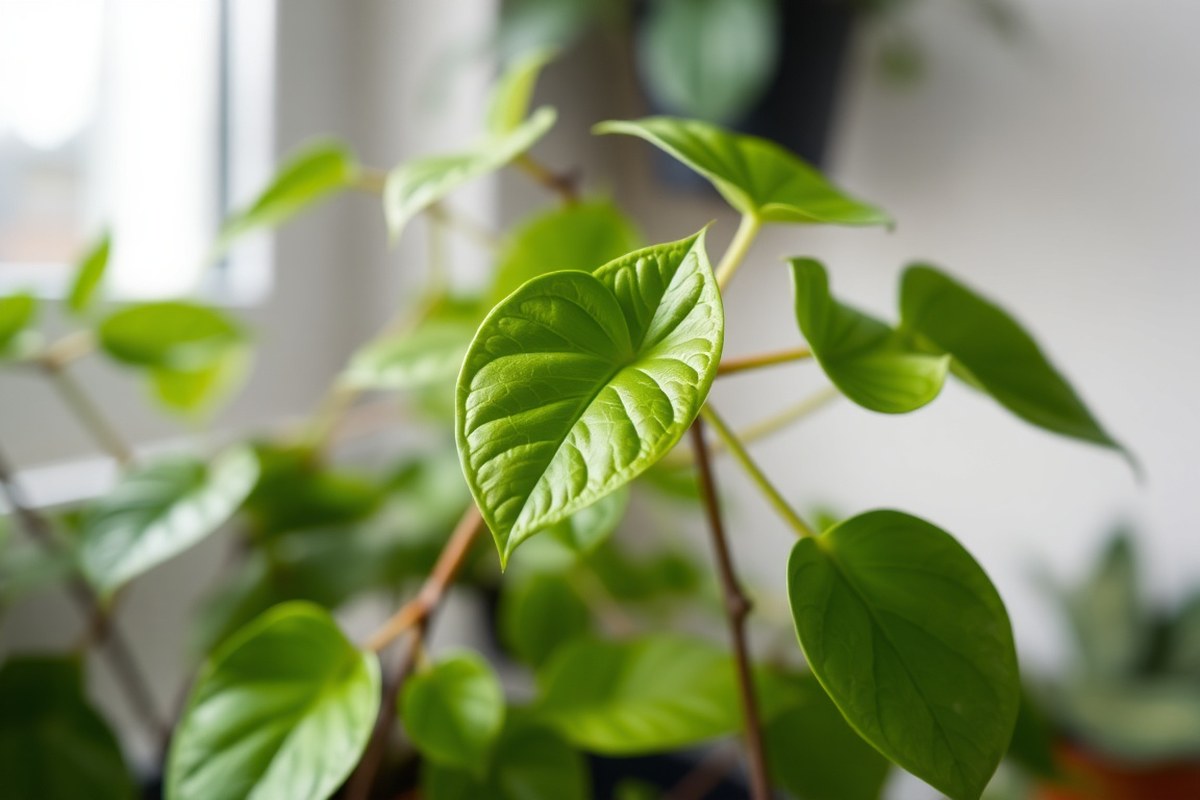
Pothos plants do naturally produce flowers, but it is extremely rare indoors. These tropical vines usually flower only when they are mature.
They often grow 35 to 40 feet long outdoors. Indoors, they rarely grow large or old enough to enter the flowering phase.
The main reason indoor pothos don’t flower is that they remain in their juvenile phase. The Wisconsin Horticulture Extension explains that pothos houseplants are almost always juvenile.
Flowering only happens once the plant matures. This phase change depends on size and age, which indoor conditions typically don’t provide.
Another factor is the limited root growth inside pots. Roots inside containers don’t grow big enough to trigger hormones. Hormones like gibberellin are needed for flowering.
Low hormone levels explain why mature indoor pothos rarely bloom. These plants can live about 10 years without flowers.
Indoor pothos also rarely flower because vines don’t climb high enough inside homes. Climbing helps signal flowering often, but many indoor vines trail or stay small. Without vertical growth, the plant stays in a juvenile state, avoiding the flower-producing phase.
What Do Pothos Flowers Look Like in the Wild?
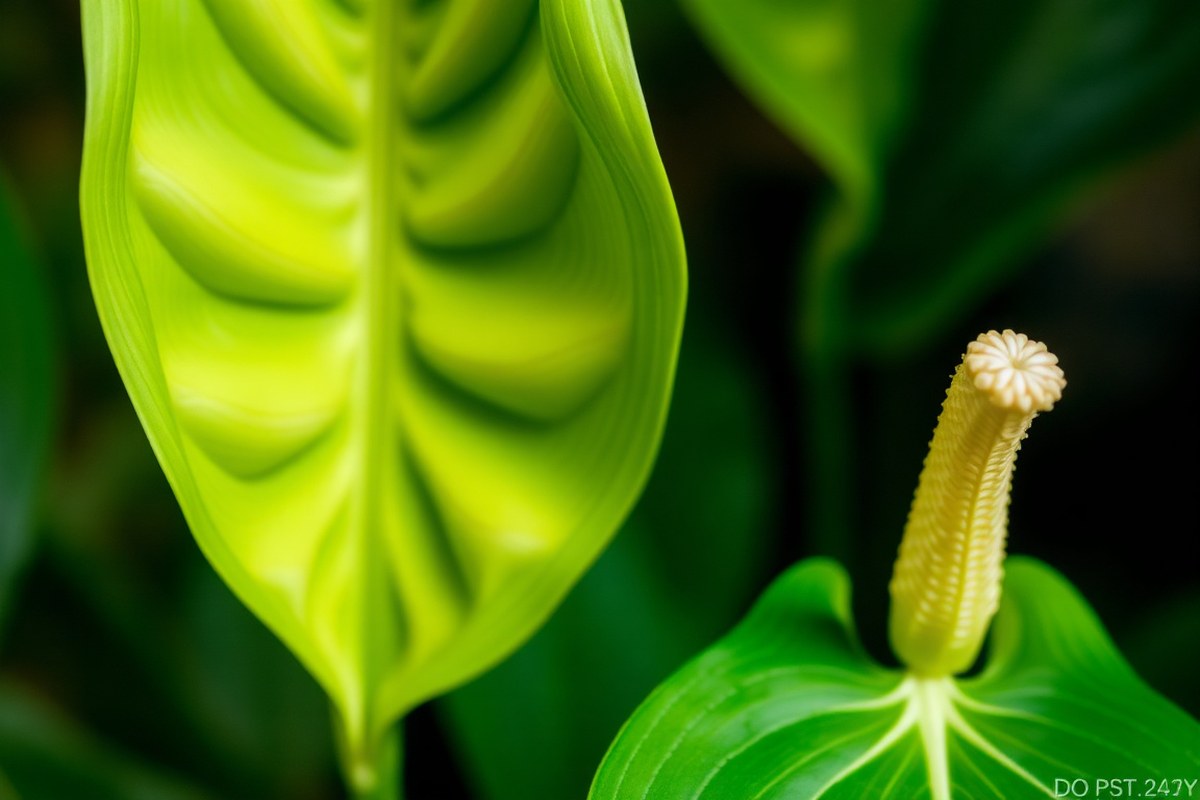
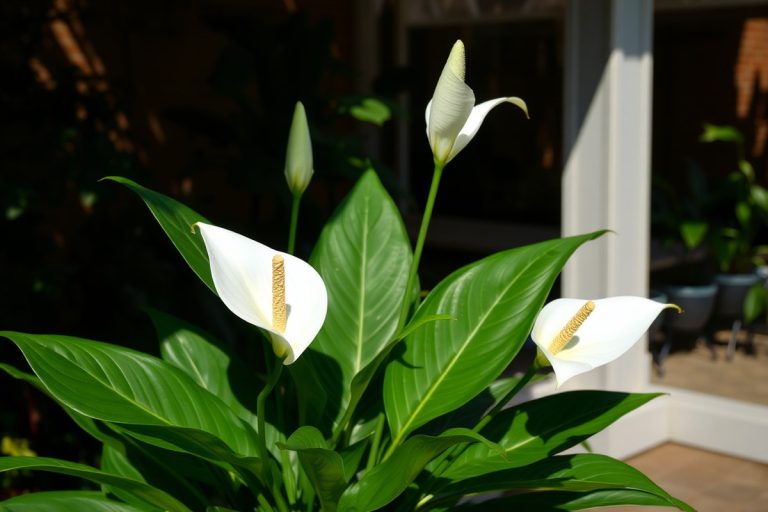
Pothos flowers in the wild are small and modest. They appear as a pale cream or white spathe surrounding a spadix. The spathe looks like a boat.
It can be yellow, green, or purple. It’s not a bright, showy flower as you might expect.
The flowers don’t last long, usually only a few days. They appear only after the plant fully matures. This can take years.
The plant climbs in tropical forests during this time. This flowering is rare and tied to very specific growing conditions found outdoors.
These plants grow massive vines up to 65 feet long in their natural habitat. Their leaves also grow large, sometimes reaching 30 inches wide. The plant’s root system spreads wide, supporting this long growth and the ability to flower.
Keep pothos outdoors in warm, humid climates above 60°F (15°C) if you want to see flowers.
Pothos vines grow thick on trees in tropical rainforests. You find them in French Polynesia, Australia, and Southeast Asia.
Only then do they produce flowers, often triggered by seasonal changes in light and humidity. This environment is tough to replicate indoors.
It’s important to know that pothos flowers are toxic. They contain calcium oxalate crystals harmful to people and pets. Avoid letting children or animals chew on any part of the plant, especially near flowers.
How Long Does It Take for a Pothos to Flower?
Pothos plants typically take 10 to 20 years to flower under ideal outdoor conditions. They must reach a mature size of about 30 to 40 feet long before blooming. Indoor pothos almost never bloom because they stay small and juvenile.
Juvenile Phase Length Explained
Pothos stay in their juvenile phase indoors almost indefinitely. This phase means smaller leaves around 4 to 8 inches and no flower production. Outdoor tropical conditions are needed to trigger maturity and blooming.
Most indoor pothos won’t live long enough or reach maturity to flower. Their average lifespan indoors is 5 to 10 years.
This is shorter than the decade or more needed to bloom. The lack of growth hormone gibberellin indoors also stops flowering.
Typical Size Requirements for Flowering
A pothos must grow to 30 to 40 feet before it flowers in the wild. Such size supports the energy needed for blooms. Indoor plants stay under a few feet and lack space for such growth.
Reaching this size takes many years outdoors with ample climbing room. Pothos that do flower outdoors often need to be at least 10 years old. Both age and size matter because the plant must be physiologically mature.
Effects of Indoor vs Outdoor Growth Speed
Outdoor pothos grow faster due to high humidity and bright light. These conditions help them mature and produce flowers within 10 to 15 years. Indoor conditions keep the plant in the juvenile stage, stopping flowering.
Low light or fluctuating temperatures indoors delay or prevent flower development. Even high humidity rarely triggers blooms without other tropical factors. Limited root space and smaller size indoors also slow growth.
Which Environmental Conditions Trigger Pothos Flowering?
Pothos plants need very specific conditions to flower, which rarely happen indoors. They require consistent warmth, ideally between 75 and 85°F, and humidity levels above 80%. These conditions mimic their tropical habitat and help trigger the complex signals for flowering.
Light also matters but only as part of the whole environment. The plant needs bright, dappled light, not direct sun, to keep healthy and mature. Simply adding more light indoors won’t start flowering without the right temperature, humidity, and maturity.
- Maintain steady temperatures from 75 to 85°F year-round
- Keep humidity consistently above 80%
- Provide bright, indirect sunlight or dappled shade
- Use fast-draining soil that stays moist but not soggy
- Allow the vine to grow vertically with support
- Ensure the plant is several years old, often over seven
- Grow in the ground outdoors if possible for best results
Pothos needs well-drained soil to flower. The soil must hold moisture but not stay wet. Soil quality plays a big part in flowering.
Fast drainage prevents root problems, which could stress the plant and stop blooming. This soil should also support a mature root system able to sustain flowering.
Humidity impacts pothos flowering by supporting healthy leaf and stem growth. Humidity above 60-70% boosts overall plant health. Flowering begins when humidity reaches above 80%.
Keeping humidity in this range helps pothos bloom. Indoor air is often too dry. So using a humidifier or misting helps, though it usually won’t trigger flowers on its own.
Why Indoor Pothos Almost Never Bloom and What Biology Says
Pothos plants grown indoors rarely flower because they stay in a juvenile stage. The plant needs to grow much larger to support blooming. Indoor pots limit root growth and overall size, keeping the plant too small to produce flowers.
The biology of pothos restricts flowering until it reaches maturity. Indoors, low humidity below 50% and cooler temperatures near 18 °C harm flower buds.
These conditions make buds die or stay dormant. These conditions stop the plant’s natural blooming cycle.
Root and pot size also matter. A small pot restricts root spread and reduces nutrient uptake. Root restriction stops the pothos from growing flower buds.
This happens even with good light and water. Larger pots might help but rarely lead to flowering inside.
Keep humidity above 50% around your pothos to support growth. But don’t expect flowers indoors.
Because of these conditions, seeing a pothos flower indoors is extremely rare. Experts call it a botanical anomaly.
Outdoor plants usually grow bigger and have better conditions, so they bloom more often. Indoor pothos stay juvenile and focus on leaf growth instead.
Can You Make a Pothos Flower Indoors? Myths and Realities
You can make a pothos flower indoors, but it’s not easy or natural. Pothos lacks a key gene needed to produce the hormone gibberellin, which triggers flowering. Without this hormone, the plant won’t bloom under normal house conditions.
Some claim fertilizers or hormone sprays make pothos flower. Only very high doses of gibberellin cause flowering in tests.
Lab-grade doses start at 2,500 mg/L. These amounts are much higher than usual. Regular store-bought fertilizers or growth hormones won’t cut it and could harm your plant over time.
Many shortcuts and tricks don’t work. Changing the planting time, indoor humidity, or light usually won’t cause blooms. Even mature pothos indoors rarely flower because their hormone system doesn’t activate fully.
Here’s a table with myths about forcing pothos to bloom. It shows the real facts from science and experience. Check it to learn the truth.
| Myth or Method | Expected Effect | Actual Result |
|---|---|---|
| Plant cuttings in spring to flower by summer | Bloom in 2-3 months | No flowering indoors |
| Use store-bought fertilizer or hormone spray | Trigger flowering | No effect or plant stress |
| Increase light or humidity | Promote blooms | Only healthy leaves, no flowers |
| Apply lab-grade gibberellin at 2,500 mg/L | Flowering triggered (research only) | Possible bloom under strict conditions |
Trying to flower pothos for decoration can take lots of patience with little chance indoors. When they do bloom, flowers last just a few weeks and aren’t very showy. Some indoor growers focus instead on healthy, lush leaves for beauty.
In rare cases, you might try forcing blooms on pothos. Ask a plant science lab for advice first. Use carefully controlled environments if you do.
Applying gibberellin yourself indoors without proper knowledge can damage your plant. Healthy care, not flowering, is the safer goal for your houseplant.
Practical Steps to Encourage Pothos Flowering Outdoors
To get your outdoor pothos to flower, choose the right spot. Keep watering steady. Watch humidity and temperature carefully.
You’ll need to balance light, moisture, and nutrients. Caring well helps your pothos grow strong.
Mature plants may develop flower buds. Keep a regular care routine.
Choosing the Right Outdoor Location
Place your pothos where it gets bright, indirect sunlight. Direct sun can burn the leaves and stress the plant. Find a shaded spot under trees or by a building.
It should block harsh light during the hottest hours. This protects your pothos.
Choose a location protected from strong winds and temperature swings. Pothos prefers warm, stable conditions, ideally between 65°F and 85°F. Avoid places that cool down drastically at night or have cold drafts.
Watering and Fertilizing Routine
Keep the soil consistently moist but never soggy. Water when the top 1 inch of soil feels dry to the touch. Too much water can cause root rot, which stops flowering efforts.
Feed your pothos monthly with a balanced fertilizer. Use one with equal nitrogen, phosphorus, and potassium.
Make it water-soluble. This supports healthy growth, which is needed before any flower buds form.
Managing Humidity and Temperature
Pothos thrives in high humidity, above 50%. Outdoor locations in tropical or subtropical zones can meet this naturally. Humidity below 40% stresses the pothos.
This can stop its buds from growing. Keep humidity higher to avoid stress.
Misting leaves every few days helps during dry spells. Use a humidifier in a greenhouse.
Both keep moisture levels up. Keep night temperatures steady, large temperature swings can revert budding back to leaf growth.
Follow these steps to prepare your pothos for flowering outdoors:
- Pick a spot with bright, indirect light and protection from wind.
- Check soil moisture regularly; water only when the top inch feels dry.
- Feed monthly with a balanced fertilizer to promote mature growth.
- Maintain humidity at 50% or more by misting or using a humidifier.
- Keep outdoor temperatures between 65°F and 85°F, avoiding cold drafts.
- Prune occasionally but avoid cutting new growth that might become flower buds.
- Watch for flower stalks and reduce pruning if you spot any buds forming.
- Be patient, mature plants in the right conditions may flower after 1 to 3 years outdoors.
How to Identify Flower Buds and When to Stop Expecting Blooms
True flower buds on pothos plants are rare indoors and look different from normal growth bumps. You can spot real buds by their shape and texture. But most lumps on indoor vines are just aerial roots or leaf nodes.
You won’t see flower buds after about 6 months of growth. Stop expecting blooms if you don’t notice clear buds by then.
Visual Characteristics of True Flower Buds
True pothos flower buds appear as small, rounded cones often near the leaf axils. They usually have a smooth, shiny surface and are firmer than nearby growths. You might notice a tiny pointed tip where the bloom will open later.
Unlike leaves or aerial roots, flower buds don’t have a hairy or rough texture. Their color tends to be pale green, cream, or slightly yellowish depending on light and maturity. The bud size typically stays under one inch until just before blooming.
Common Mistakes in Bud Identification
Many confuse aerial roots or swollen nodes for flower buds. These often look like small bumps but feel stringy or soft when touched. Leaf scars and new leaf shoots also create bulges that are easy to mistake for flowers.
Check the position carefully. Flower buds usually form at the joint where leaves meet stems. But nodes and aerial roots also appear there.
Testing firmness and shape helps. True buds are round and firm, not elongated or sticky.
Don’t pinch or pull bumps too early. Aerial roots help the plant climb and stay healthy.
Signs That Flowering Is Unlikely Indoors
Your pothos might not bloom if there are no buds by six months. Healthy vines don’t guarantee flowering if buds don’t appear.
Indoor lighting and temperature rarely trigger flowering in pothos. The plant uses its energy to grow vines instead.
Flowering fails when the plant doesn’t get what it needs. It needs high humidity like outdoor conditions. Bright indirect sunlight is also required.
Even after applying plant hormones indoors, buds forming that later wither signal failure. Watch for buds that stay tiny or turn brown without opening.
- No firm cone-shaped buds after 6 months
- Only soft, fuzzy, or stringy bumps appear
- Light stays below 3000 lumens for most of the day
- Temperature consistently under 65°F or over 85°F
- Low humidity under 40%
- Buds form but shrivel within 4 weeks
- Plant focuses on vine growth instead of flower nodes
Step-by-Step Action Plan to Encourage Pothos Flowering
Make sure you set realistic goals for seeing pothos flowers. Focus on creating the right conditions first.
- Before You Start: Select a mature pothos plant, ideally several years old. Check its leaves are healthy and firm.
- Week 1: Place the plant outdoors in a warm spot with indirect sunlight. Watch that it avoids direct afternoon sun to prevent leaf burn.
- Week 2-4: Keep soil moderately moist, not soggy. Test soil with your finger to feel dampness about an inch down.
- Week 4-6: Feed the plant with a balanced, diluted fertilizer once every two weeks. Look for new growth and sturdier stems.
- Week 6-8: Monitor temperature and humidity. Aim for 70 to 85°F and humidity above 50%. Use a humidifier if indoors near a window.
- Week 8 and Beyond: Be patient and observe buds forming near leaf joints or stem tips. When buds appear, don’t move your plant around too much.
- After 3 Months: If no buds form, reassess conditions. Flowering outdoors depends on age and weather, so don’t get discouraged.
Frequently Asked Questions
Can a Pothos Flower Indoors Without Special Treatment?
No, pothos rarely flower indoors unless treated with special hormones in labs. Indoor plants stay juvenile and don’t mature enough to bloom naturally.
How Tall Must a Pothos Grow to Start Flowering?
Pothos need to reach around 35 to 40 feet to flower naturally outdoors. Such height usually takes many years and enough space to climb.
Why Do Pothos Flowers Only Appear Outdoors?
Outdoor conditions like heat, humidity, and space allow pothos maturity and bloom. Indoor environments lack these key factors, preventing flowering.
Does Soil Quality Affect Pothos Flowering Chances?
Yes, good soil outdoors helps pothos grow strong and reach flowering stage. Poor soil or potting limits nutrients needed for flowering development.
How Long Does It Take for a Pothos to Flower Outside?
It takes about 10 or more years for outdoor pothos to mature and flower. Constant care and suitable climate speed up this slow process.
Can You Speed Up Pothos Flowering with Garden Chemicals?
Only lab-grade gibberellin at high doses can induce flowering under controlled conditions. Typical garden chemicals or fertilizers won’t make indoor pothos bloom.
Final Thoughts
Pothos plants rarely flower indoors, but they can bloom outdoors with the right care. Most indoor owners enjoy their vibrant leaves and vines instead.
Move your pothos outside for a few months to encourage flowers. Watch closely for buds during this time.