What Causes Powdery Mildew: Causes, Conditions, and Proven Controls
What causes powdery mildew on your plants is a mix of weather and plant conditions. This fungus loves moderate temperatures between 60 and 80 degrees Fahrenheit. It also thrives in high humidity, especially during cool, muggy nights that follow a dry day.
Powdery mildew spreads through tiny spores, called conidia, which float easily through the air. Once these spores land on shaded, crowded plants with poor air flow, they start to grow. Powdery mildew often shows up in late summer.
Nights get cooler then. Mornings turn steamy, helping mildew grow.
To catch powdery mildew early, watch for white or gray powdery spots on leaves. Avoid watering late in the day and keep plants spaced to improve air circulation. These simple steps cut down the fungus’s chance to take hold and spread fast.
Key Takeaways
- Powdery mildew grows best at temperatures between 60 to 80°F with high humidity.
- Cool, muggy nights after dry days create perfect conditions for spores to germinate.
- Most powdery mildew spores are airborne and infect shaded, crowded plants easily.
- Early signs include white or gray powder on leaves and stems.
- Keep plants spaced apart to improve air circulation and reduce mildew risk.
- Water plants in the morning to avoid high humidity at night.
What Causes Powdery Mildew on Plants?

Powdery mildew is caused by several species of fungi, each attacking different plants. These fungi produce tiny spores you can’t see without a microscope. The spores land on leaves, stems, or flowers.
They start growing there. This forms the powdery spots you see.
Unlike many fungi, powdery mildew doesn’t need wet surfaces to infect plants. It grows best in dry places with high humidity at night. The temperature range is between 60 and 80°F (15 to 27°C).
This mix gives just enough moisture for spores to grow. It happens without rain or dew. The spores can still thrive.
The fungi spread easily in crowded gardens where plants block airflow. Shade worsens the problem by keeping leaves cool and moist enough for spores to develop.
Different species target specific plants. So the fungus on your squash won’t infect your roses, for example.
Once spores settle on a plant, they begin forming a network of threads that draw nutrients. This growth weakens the plant over time, affecting its health and yield. Powdery mildew fungi can also release new spores into the air to infect nearby plants.
Warm, humid nights followed by dry days create ideal conditions for outbreaks. Powdery mildew often appears in spring and fall. Temperatures during these seasons stay in that moderate range.
This favors its growth. Hotter days above 90°F (32°C) or drought-stressed plants reduce fungal growth. So the disease slows down then.
Knowing these causes helps you spot powdery mildew early in your garden. The fungal spores build up slowly.
So catching the first white patches allows you to stop spread. Managing humidity and spacing plants helps reduce the chance of infection before it even starts.
Which Environmental Conditions Promote Powdery Mildew Growth?
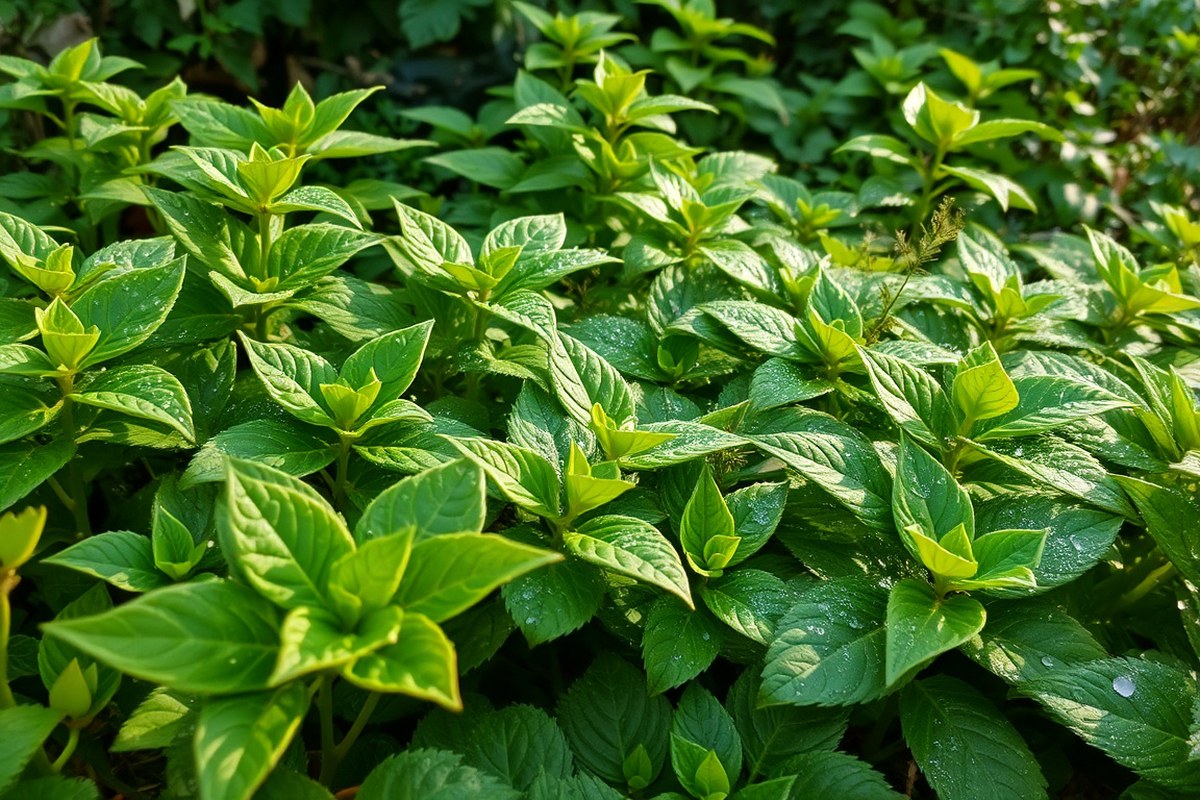
Powdery mildew grows best in mild temperatures between 60 and 80 degrees Fahrenheit. It prefers high relative humidity but does not need wet leaves to spread. Dry leaves with damp air provide an ideal environment for this fungus to thrive.
Direct sunlight and temperatures over 90 degrees slow down powdery mildew. You’ll often see the fungus appear late in summer when mornings become cool and humid. Shady, crowded spots with poor airflow invite mildew on plants.
These conditions let mildew take hold fast. Keep areas airy to stop it from spreading.
Good air circulation helps reduce humidity around leaves, drying out spores quickly. You increase mildew risk by keeping plants too close. Dense shade also raises mildew chances.
Give them room and light to reduce this. Space plants apart to improve airflow.
Prune crowded areas to aid breathing. This helps reduce mildew growth on your plants.
| Environmental Factor | Effect on Powdery Mildew |
|---|---|
| Temperature | Thrives at 60 – 80°F; slows above 90°F |
| Humidity | High relative humidity favors growth |
| Leaf Wetness | Not required; dry leaves can still get infected |
| Light | Shade encourages growth; direct sun inhibits it |
| Airflow | Poor airflow increases risk; good airflow reduces it |
| Plant Crowding | Crowded plants increase humidity; promote mildew |
Greenhouse plants often get powdery mildew because warm temperatures and moist air build up inside. Outdoor plants may avoid it if you keep them spaced and in sunny spots. You can reduce mildew risk by trimming crowded branches and avoiding heavy shade.
Make sure your plants have plenty of airflow and sunlight to keep powdery mildew at bay.
Humidity stays high longer in greenhouses or dense gardens. This encourages mildew spores to germinate quickly. Young leaves get infected more often there.
Young, fast-growing plant tissue is especially vulnerable to mildew infection. Avoid too much fertilizer late in the season to prevent excess tender new growth.
Watch for cooler, muggy mornings in summer or fall, that’s when powdery mildew often starts showing. Managing environmental conditions helps keep mildew from spreading, protecting plant health and growth.
How Does Powdery Mildew Spread and Infect Plants?
How Does Powdery Mildew Spread and Infect Plants?
Powdery mildew spreads through tiny fungal spores that travel easily on air currents. These spores land on leaves or stems and start infections without needing wet surfaces. From spore arrival to visible mildew can take just a few days under right conditions.
Spore Production and Dispersal
The fungus produces spores on infected leaves and stems as a fine white dust. These spores are light and can blow in the wind for miles. Splashing rain or nearby plant debris can also carry spores to fresh plants.
Humidity above 40% supports spore production though water on the leaf surface slows infection. Plants growing close together trap humid air and make spreading easier. Specialized spores rarely infect plants outside their host family, helping the fungus target familiar hosts.
Infection and Colonization Process
Once spores land, they germinate and produce threads called hyphae that grow over plant surfaces. These hyphae use small organs called haustoria to absorb nutrients from leaf cells. The fungus blocks sunlight by coating leaves with powder and disrupts photosynthesis.
Infected tissues may twist or curl as the fungus spreads. It can also dry out in stems, tendrils, or pods.
Powdery mildew can quickly move through multiple parts of the same plant and nearby hosts. Removing infected leaves early limits its spread in your garden.
Disease Life Cycle Timeline
Powdery mildew starts when spores land on a plant. The fungus grows and spreads. It ends by producing new spores to spread again.
This cycle often takes five to seven days when temperatures stay between 60°F and 80°F. Warmer conditions speed growth. Cooler slow it down.
Understanding this life cycle helps time treatments or pruning to interrupt further spores. The continuous production of new spores makes repeated management necessary during warm, dry spells. Here’s the typical progression of powdery mildew infection:
- Spore lands on leaf or stem surface.
- Spore germinates, forming hyphae on the plant.
- Hyphae penetrate tissue using haustoria to absorb nutrients.
- White powdery fungal growth becomes visible within 3 to 5 days.
- Fungus produces new spores on infected areas.
- Spores release and disperse by wind or physical contact.
- Cycle repeats with spores infecting new plants or areas.
Which Plants Are Most Susceptible to Powdery Mildew?
Powdery mildew fungi target many common garden plants, each with its own mildew species. Vegetables like cucumbers, squash, and peas often get powdered leaves early on. Old roses, phlox, and zinnias are also frequent targets, making flowers a regular concern.
Some mildew species stick to one type of plant. Others jump across similar hosts.
Plants differ in how prone they are to powdery mildew. Some resistant varieties, such as the “Seville” squash or “Knock Out” roses, handle mildew better.
Choosing these varieties can cut down on mildew problems, especially in humid or crowded spots. Grouping susceptible plants near more resistant ones may reduce infection spread.
- Cucurbits (cucumbers, melons, pumpkins, squash)
- Peas and beans
- Roses
- Phlox and zinnias
- Eleagnus and lilac shrubs
- Maple and oak trees
- Some fruit trees, like apple and pear
For example, apple trees get powdery mildew from certain fungi. These fungi infect only their buds and leaves. Powdery mildew fungi produce a white or gray powder on leaves, flowers, or stems.
You’ll see fuzzy patches spread from one leaf to others. This happens between leaves or plants of the same species.
The mildew species target specific plants only. This is why not all garden plants get affected.
To avoid mildew, use resistant varieties and plant spacing to improve airflow. It takes just one infected plant to start a mildew outbreak in a close cluster.
The mildew thrives on living tissue, so keeping plants healthy slows its growth. Choosing less susceptible plants or mildew-resistant breeds is often the simplest way to cut your risk.
How to Identify Powdery Mildew Early on Plants
Spotting powdery mildew early on your plants helps you stop it quickly. Look for tiny, white powdery spots on leaves and stems. Checking your plants during watering is the best time to catch these signs.
Early Visual Signs on Leaves and Stems
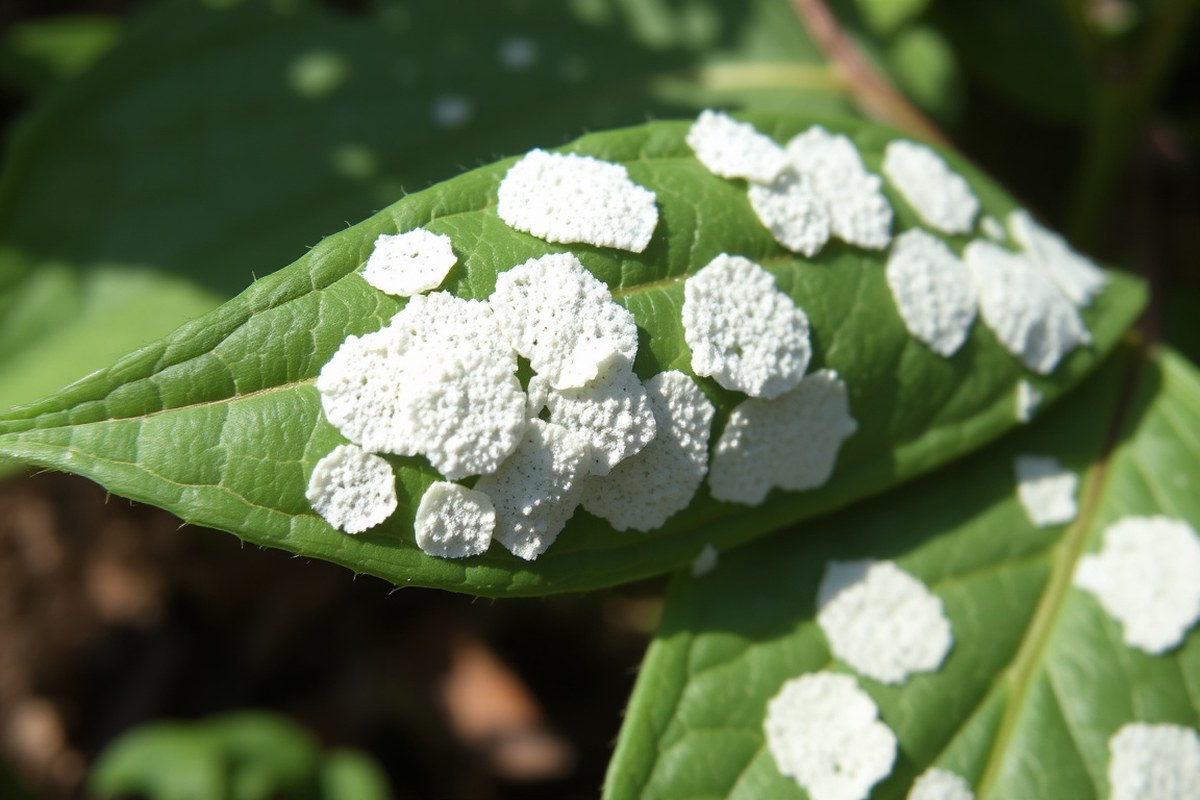
At first, small white patches that look like flour appear on leaf surfaces. These spots grow slowly and may show up on stems or new growth as well. You might notice these fungal spots even in winter or early spring.
Sometimes new leaves get distorted or look scabby with faint white dusting. Early infection can also cause reddish or purple spotting without obvious powder. Check both sides of leaves since mildew can grow on either side.
How Symptoms Evolve over Time
Over days, the white patches thicken and spread across the plant, covering larger leaf areas. Leaves may curl, yellow, or drop if the infection worsens. Stems can become discolored, with rustlike scabs or spots forming.
Severe mildew weakens plants, slowing growth and making them prone to other problems. Early detection lets you act before damage spreads too much. Keep an eye out for changes in color or leaf shape along with the powdery coating.
Differentiating from Other Leaf Diseases
Powdery mildew stands out because of its floury white patches on smooth leaf surfaces. Other diseases like downy mildew or rust usually produce fuzzy, gray, yellow, or rusty spots. Mildew appears powdery, while rust looks bumpier and more textured.
You can use this checklist to tell powdery mildew apart:
- White powdery or floury patches visible on both leaf sides
- Growth can occur even in cool and dry weather
- Leaves distort and yellow as mildew spreads
- No fuzzy or moldy growth like in other fungal infections
- Reddish or purple spotting may happen without visible powder
Look closely to avoid confusing mildew with leaf dust or dirt. Clean leaves gently to see if white powder wipes off easily. Powdery mildew usually rubs off, while other spots remain fixed.
Check plants often, especially on new leaves. So you catch mildew early before it spreads. Early action is key.
Common Mistakes Gardeners Make with Powdery Mildew
The first mistake many gardeners make is rushing to apply treatments without checking the plant’s condition. You should avoid spraying fungicides or home remedies on wet or stressed plants. Applying treatments during hot midday sun can scorch leaves, causing more harm than good.
Watering habits also play a big role. Overhead watering in the evening or late afternoon creates dampness, encouraging powdery mildew.
Water plants in the mid-morning instead, so leaves dry quickly. This simple change lowers infection risks without extra effort or cost.
Pruning errors can worsen or spread powdery mildew. Avoid cutting back plants when the disease is active without cleaning your tools between cuts.
This helps prevent moving spores from one leaf or plant to another. Also, remove only affected parts instead of heavy pruning, which can stress plants.
- Apply treatments early in the morning or late afternoon only
- Water plants at ground level or in mid-morning to reduce leaf wetness
- Clean pruning shears between cuts with rubbing alcohol or bleach solution
- Remove infected leaves carefully without disturbing healthy ones
- Choose sulfur-based fungicides that are labeled safe for your plants
- Limit treatment frequency to avoid chemical build-up and plant damage
Repeated use of the same chemical can cause resistance and plant damage. Rotate between fungicide types, such as organic sulfur and neem oil.
Always follow label instructions carefully to avoid overdosing, which leads to leaf burn or stunted growth. Remember that powdery mildew often doesn’t need treatment on ornamentals unless it becomes severe.
Good results show healthier leaves regaining normal color and no new white powder spots. Stop treatment immediately when leaves turn yellow or start wilting. Water your plants well to reduce stress and help recovery.
Good air flow helps keep powdery mildew away. Check your plants often. This lowers treatment needs and keeps gardens healthy.
Effective Prevention Methods for Powdery Mildew
Preventing powdery mildew relies mostly on good garden habits. You want to improve airflow and reduce leaf wetness wherever your plants grow. Choosing the right plants and watering carefully helps you fight mildew before it starts.
Pruning and Spacing for Airflow
Pruning keeps plants open and airy, which stops mildew spores from settling. Removing crowded branches lets air move freely and dries leaves faster. You should space plants so they are not touching or blocking each other.
This simple action cuts humidity around leaves, slowing mildew growth. Thin out dense spots early in the season, not after mildew appears. It also helps to avoid overhead watering since wet leaves attract mildew.
Choosing Resistant Plant Varieties
Resistant plants lower your chance of powdery mildew, saving time and effort. Check plant tags or seed catalogs for mildew-resistant kinds before you buy. These varieties usually cost the same but give you better protection.
For your garden, pick resistant plants like certain squash, roses, or cucumbers. If powdery mildew is a repeated problem, resistant varieties can make a big difference. Don’t expect them to completely stop mildew but they limit damage.
Watering and Mulching Best Practices
Water plants at the base early in the morning to keep leaves dry all day. Avoid overhead watering, which spreads spores and keeps leaves wet longer. Morning watering gives sunlight time to dry plants before evening.
Mulching helps by keeping soil moisture steady and reducing splashes that spread fungi. Use organic mulch like straw or wood chips about 2-3 inches deep around your plants. Mulch also cuts down on weeds that can harbor mildew.
- Water at the plant base, not overhead
- Water early in the day to dry leaves quickly
- Use 2 to 3 inches of organic mulch near plants
- Keep mulch away from plant stems to prevent rot
- Check soil moisture regularly to avoid overwatering
- Space plants to improve airflow and reduce humidity
- Prune early to keep plants open and healthy
Following these steps lowers mildew risk and helps your plants grow strong. You want leaves dry and air moving well to slow mildew before it starts. Mulching and careful watering add protection at the base where roots need it most.
What Are Proven Treatments for Powdery Mildew?
Chemical fungicides often work faster than most home remedies against powdery mildew. Organic options like neem oil and potassium bicarbonate offer good control without harsh chemicals. You can safely apply either type by following label instructions carefully.
Wear gloves and avoid spraying on windy days. These precautions keep you and plants safe.
Baking soda solutions can help reduce powdery mildew at home. They usually require more frequent applications to work well. Keep an eye on the affected plants.
Repeat treatments every 7 to 14 days until the mildew stops spreading. Avoid spraying during the hottest part of the day to prevent leaf burn. Test sprays on a small area first.
| Treatment | Active Ingredient | Recommended Use | Repeat Frequency |
|---|---|---|---|
| Neem Oil | Natural plant extract | Spray on all leaf surfaces | Every 7 to 14 days |
| Potassium Bicarbonate + Sulfur | Fungicidal salt and mineral | Effective for organic control | Every 7 to 10 days |
| Baking Soda Solution | Sodium bicarbonate | Use as a foliar spray | Every 7 days |
| Commercial Fungicide | Varies (check label) | Follow product directions | Usually every 7 to 14 days |
Apply treatments carefully, covering tops and bottoms of leaves. For best results, treat at the first signs, usually when powdery spots appear.
Using organic products often suits edible gardens better and helps keep beneficial insects safe. Some chemical fungicides can be harsher and might need longer wait times before harvesting. Check product labels for any restrictions.
Always spray treatments in the early morning or late afternoon to reduce leaf damage.
Repeated treatments help stop powdery mildew spreading. Try switching your treatment method after three weeks without improvement.
Keep monitoring your plants for better results with the new approach. Preventing the problem with resistant plants and good airflow will improve your chances for lasting success.
Step-by-Step Action Plan to Manage Powdery Mildew
Follow these steps to spot, stop, and control powdery mildew on your plants. Each step is timed to help you see results quickly.
- Before planting: Choose mildew-resistant plant varieties to reduce infections. Check for healthy seeds or plants without signs of mildew.
- Week 1: Space your plants for good air flow. Watch for any white powdery spots after watering.
- Week 2: Apply a preventative fungicide or homemade spray, like neem oil. Reassess in three days for less powdery residue.
- Week 3: Remove and dispose of infected leaves right away. Inspect nearby plants for early signs of spread.
- Month 1: Adjust watering to avoid wet leaves and water early in the day. Check leaves for dryness by afternoon.
- Monthly ongoing: Mulch and clear garden debris regularly. Healthy soil and clean space discourage mildew.
- Seasonal review: Replace any heavily infected plants next season. Note which plants struggled and plan replacements.
Frequently Asked Questions
What Garden Conditions Directly Cause Powdery Mildew?
Powdery mildew grows best in crowded, shady areas with poor airflow. Keeping plants spaced and well-pruned helps reduce humidity around leaves, lowering mildew chances.
Can Soil Type Influence Powdery Mildew Development?
Soil type doesn’t directly cause powdery mildew because it affects only roots. However, poor soil drainage can raise humidity near plants, indirectly encouraging mildew growth.
Do Certain Garden Tools Spread Powdery Mildew?
Yes, contaminated tools can spread powdery mildew spores between plants. Cleaning tools regularly with alcohol or bleach helps prevent spreading this fungus in your garden.
Is Powdery Mildew Caused by Plant Stress?
Plant stress doesn’t cause powdery mildew but weak plants are more vulnerable. Keeping plants healthy with proper watering reduces mildew risk and promotes better resistance.
Can Powdery Mildew Survive Winter in a Garden?
Yes, powdery mildew spores can overwinter on plant debris and survive mild winters. Removing fallen leaves and cleaning up helps reduce repeat infections next season.
Does Applying Fertilizer Influence Powdery Mildew Risk?
Over-fertilizing with nitrogen can boost soft leaf growth, attracting powdery mildew. Use balanced feeding based on soil tests to keep plants healthy and less susceptible.
Wrapping Up
Powdery mildew grows on many plants in damp, shady spots. Catching it early with regular checks helps you manage it better. Start with good air circulation and clean plants to keep your garden thriving.