How to Grow Marigolds: A Complete Guide for Fast, Vibrant Blooms
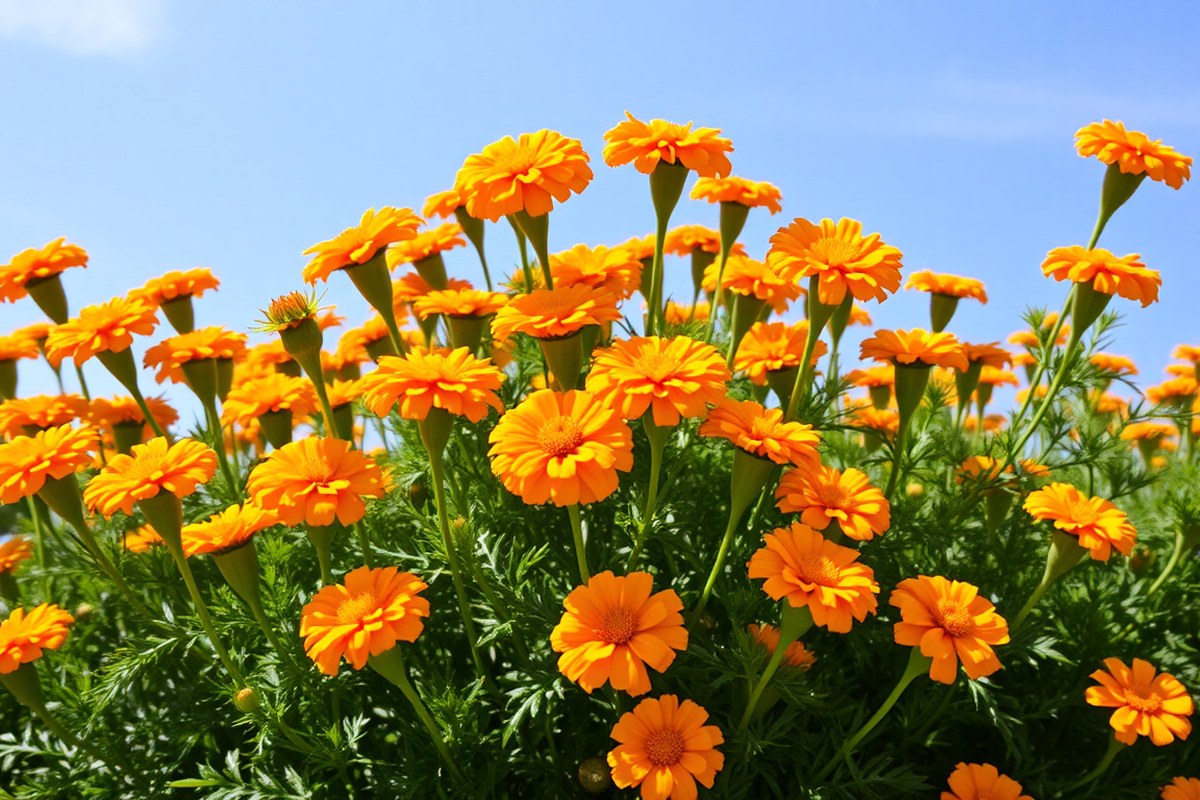
Figuring out how to grow marigolds isn’t hard. But a few key tips help you get bright, fast blooms. Start seeds indoors 6 to 8 weeks before the last frost.
You can also sow seeds directly in the garden after frost danger passes. Marigolds grow best in full sun with good spacing and well-draining soil for healthy roots.
These flowers need 6 to 8 hours of sunlight daily. The sun helps them produce lots of blooms.
Water marigolds regularly but avoid overwatering to prevent root rot. Applying a balanced fertilizer every 4 to 6 weeks will support strong growth and vibrant flowers.
Thin seedlings when they reach about 2 inches tall. This keeps only the strongest plants growing.
Deadhead spent flowers to encourage continuous blooming throughout the season. This setup gives your marigolds the best chance to grow dense, colorful flowers through summer.
Key Takeaways
- Sow marigold seeds indoors 6 to 8 weeks before the last frost date.
- Plant marigolds in a sunny spot with at least 6 hours of direct sunlight daily.
- Thin seedlings to leave only the strongest plant per cell at 2 inches tall.
- Space African marigolds 10 to 12 inches apart for good air circulation.
- Marigolds grow fast and usually begin blooming in about 8 weeks.
- Use well-draining soil to keep marigold roots healthy and avoid rot.
How to Plant and Start Marigolds Successfully
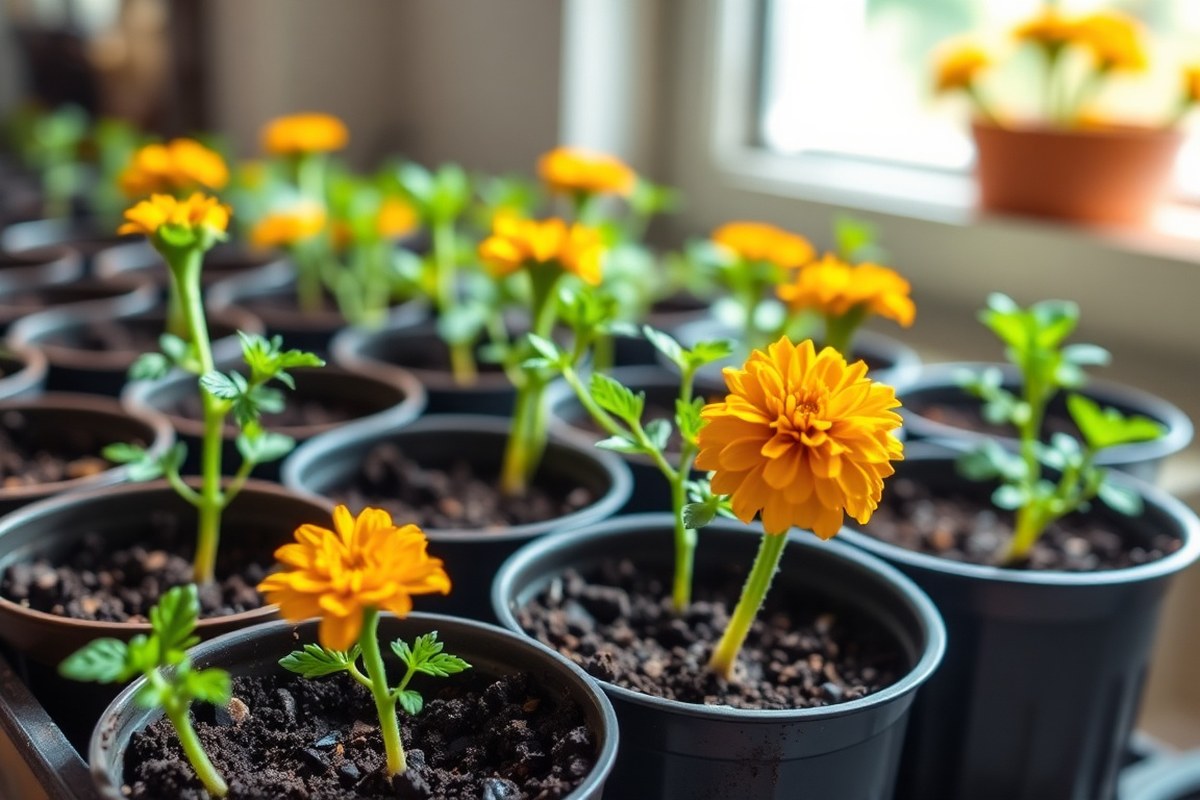
Marigolds grow fast from seed and are easy to start. Start seeds indoors 6 to 8 weeks before the last frost date. You can plant seeds outside once the frost has passed.
Timing depends on your local climate. Starting indoors helps you enjoy blooms earlier. But direct sowing works well in warmer climates.
Choose soil that drains easily and has a pH between 6 and 7.5. Blend 3 inches of Miracle-Gro® Garden Soil for Flowers into the top 6 to 8 inches. Allow the soil to dry a bit between waterings to avoid marigold diseases.
Spacing depends on your marigold type. Space African marigolds about 10 to 12 inches apart for best growth. These marigolds grow taller and have larger flowers.
Leaving enough room helps flowers bloom fully. Plant French marigolds 8 to 10 inches apart since they grow compactly. They produce many blooms close together.
This spacing supports healthy growth and full flowering. Proper spacing avoids crowding and helps air circulate.
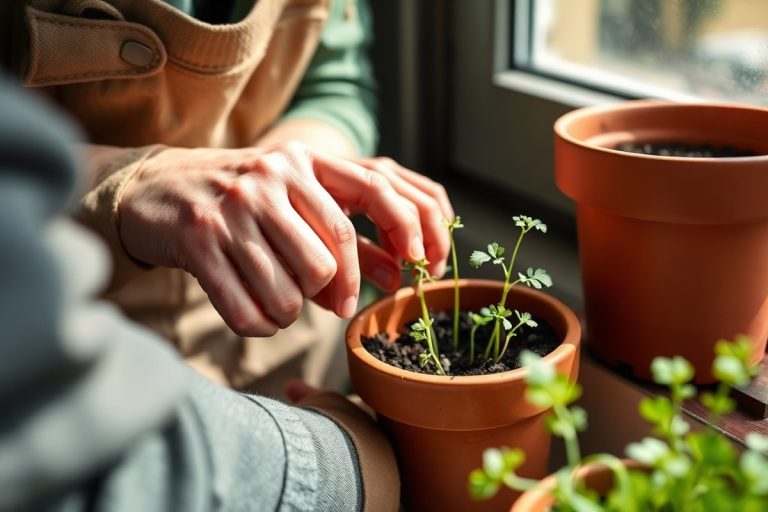
Here’s how to start marigold seeds indoors step-by-step:
- Fill seed trays or small pots with Miracle-Gro® Seed Starting Potting Mix.
- Sow seeds thinly about 0.5 cm deep in the moist soil.
- Keep the soil temperature between 18 and 25°C for about 8 days until seeds germinate.
- Place the tray in a warm, well-lit area or under grow lights.
- Thin seedlings to one plant per 20 cm pot once they have 2, 3 true leaves.
- Harden off young plants by gradually exposing them to outdoor conditions for a week.
- Transplant seedlings outdoors after the last frost, spacing according to variety size.
Choosing the Right Marigold Varieties for Your Garden
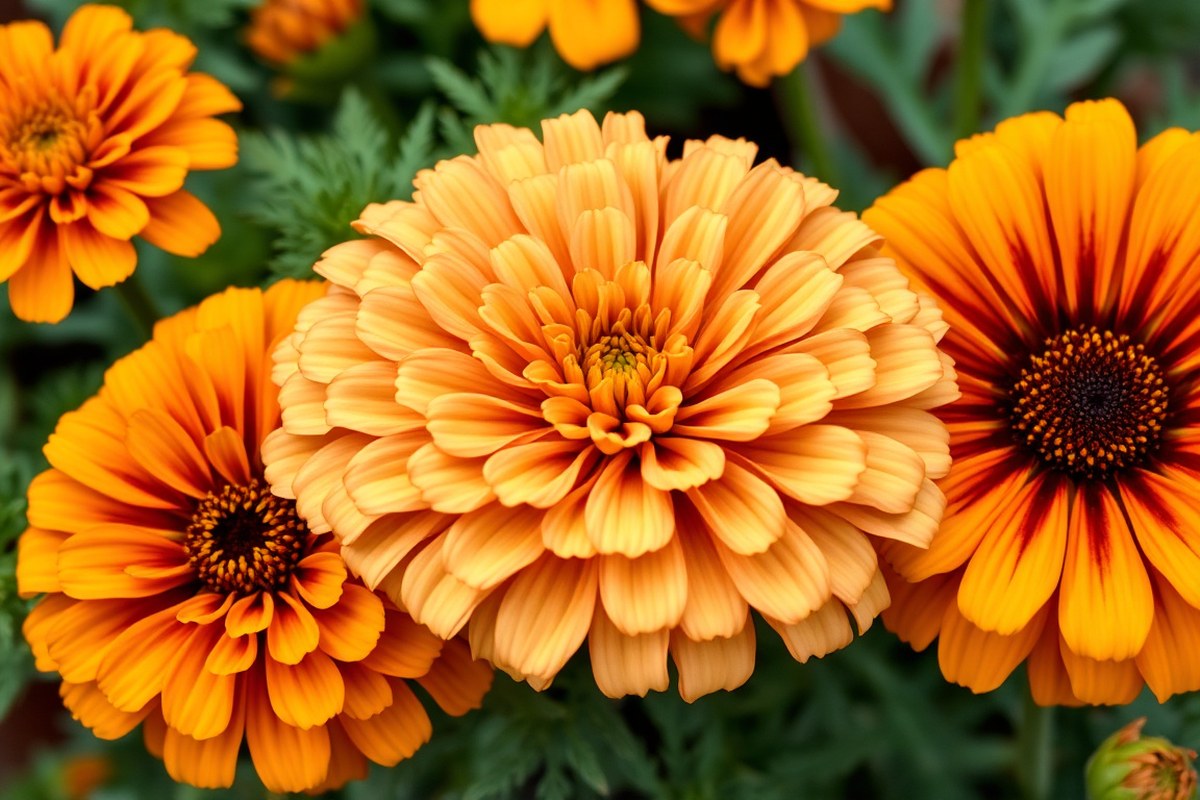
Marigolds come mainly in three types: African, French, and Signet. They differ in size, flower shape, and growing habits. Choosing the right variety depends on your space and purpose, like garden beds or pots.
African Marigolds: Tall with Large Blooms
African marigolds (Tagetes erecta) grow tall, between 10 to 36 inches. Their large flowers can reach up to 5 inches wide, making them great for fresh-cut bouquets. They bloom later than other marigolds, needing about 70 to 100 days to flower.
These marigolds stand out in garden beds due to their height and big blooms. Their solid flower heads add a bold look to borders and background plantings. They need a large space or a pot at least 10 inches wide if container-growing.
French Marigolds: Compact and Bushy
French marigolds (Tagetes patula) stay much smaller, usually 6 to 12 inches tall. They have smaller double flowers with colors ranging from orange to yellow and bronze. These marigolds bloom faster, around 50 to 60 days after planting.
Their bushy shape fits well in small garden beds, edges, or containers. You can plant them in 6-inch pots to brighten patios or balconies. The smaller size helps if you want lots of flowers in a limited space.
Signet Marigolds: Small, Single Flowers
Signet marigolds (Tagetes tenuifolia) reach about 18 inches high. Their small, single flowers are lemon-scented and edible, adding a unique touch to gardens. They produce many blooms that appear more delicate compared to African or French types.
These are good for adding texture and fragrance near herbs or vegetables. Signets grow well in garden beds or containers but usually prefer garden beds for spreading. Their subtle flowers attract pollinators and beneficial insects.
Pot Marigolds and Edible Varieties
Pot marigolds (Calendula officinalis) are different from Tagetes species, with bright daisy-like flowers. They also produce edible petals used in salads and teas. They grow well in pots and cooler climates, blooming almost all season.
Choose these if you want edible flowers and herbs alongside your marigolds. They prefer well-drained soil and full sun, similar to other marigold types. Pots for pot marigolds can start at 6 inches wide and up.
Here’s a quick comparison of the main marigold types to help you pick:
| Variety | Height | Flower Size | Flower Type | Colors | Best Use | Container Size |
|---|---|---|---|---|---|---|
| African (Tagetes erecta) | 10-36 inches | Up to 5 inches | Large, double | Orange, yellow | Garden beds, bouquets | 10-inch pot or larger |
| French (Tagetes patula) | 6-12 inches | 1-2 inches | Small, double | Orange, yellow, bronze | Containers, garden beds | 6-inch pot |
| Signet (Tagetes tenuifolia) | 12-18 inches | Up to 1 inch | Single, small | Yellow, orange | Garden beds, herb gardens | 6-inch pot or garden bed |
| Pot Marigold (Calendula officinalis) | 12-18 inches | 2-3 inches | Single, daisy-like | Orange, yellow | Edible flower beds, pots | 6-inch pot or larger |
Picking the right marigold fits your garden’s size and style. This saves time. It also helps you get fuller blooms.
African marigolds are best for tall borders, and French types brighten small spaces well. Signet marigolds add a delicate scent and edible flowers to mixed beds.
Use a pot at least 10 inches wide for African marigolds. This prevents root crowding. It also avoids weak growth.
Watering, Feeding, and Soil Care for Healthy Marigolds
Marigolds need careful watering, light feeding, and well-prepared soil to thrive. Water them deeply but not often. Feed only if soil is poor.
Use soil that drains well and has medium fertility. Avoid wet leaves and soggy soil to prevent root issues and fungi.
Marigold Watering Best Practices
Water young marigolds regularly to keep the soil moist but not soaked. After they are established, you can cut back watering to once or twice a week. Let the soil dry out somewhat between waterings because marigolds do not like constant wetness.
Water at the base to keep leaves dry and reduce fungus risk. Overhead watering can cause fungal problems, especially if you also have weeds. Here’s a basic watering checklist by growth stage:
- Seedlings: Keep soil evenly moist daily for the first 2 weeks
- Young plants: Water deeply 2 to 3 times per week
- Established plants: Water once or twice a week depending on rainfall
- During hot, dry spells: Increase frequency, but soak less often
- Avoid watering in evenings or late afternoons
Watch for wilted or yellowing leaves; these can signal underwatering or overwatering. Root rot is a risk if soil stays soggy for long periods.
Fertilizing Schedule and Recommendations
Marigolds grow well in moderately fertile soil and often don’t need extra fertilizer. Your soil may be very poor. Use a balanced, all-purpose fertilizer once or twice.
Do this during the growing season. Avoid high-nitrogen feeds; too much nitrogen produces lots of leaves but fewer flowers.
Apply fertilizer when the first true leaves appear and again after the first bloom cycle fades. Water the fertilizer in well to prevent root burn. You might like liquid feeding better.
Use a water-soluble fertilizer at half strength. Feed every 3 to 4 weeks.
Ideal Soil Types and Amendments
Marigolds do best in well-drained, loamy or sandy soils with moderate fertility. Poor drainage holds water, which causes root rot. Adding organic matter like compost helps improve texture and nutrition without holding too much water.
Slightly acidic to neutral soil pH between 6.0 and 7.0 suits marigolds well. You can test soil with a simple kit. Add lime to raise soil pH when needed.
Add sulfur to lower soil pH when needed. Always mix amendments thoroughly into the soil before planting.
- Mix 1 to 2 inches of compost into top 6 to 8 inches of soil
- Use sandy soil or add sand to improve drainage in heavy clay
- Avoid waterlogged spots or raised beds to prevent soggy roots
- Test soil pH with a kit before planting
- Adjust pH gradually using lime or sulfur as recommended
- Keep soil weed-free to reduce moisture competition and diseases
Soil prep mainly costs your time. You might spend up to $20 per cubic yard.
This covers compost or soil amendments. Proper soil care leads to healthier plants with more abundant blooms and fewer watering problems.
Maximizing Blooms: Deadheading and Pruning Techniques
Deadheading means removing spent blooms from your marigolds. You do this to keep the plant focused on producing new flowers instead of seeds. It also stops mold from growing on old flowers, which can happen in humid weather.
To deadhead properly, snap off faded flowers right under the flower head. Use your forefinger and thumb to pinch the stem gently. This keeps the plant neat and encourages it to bloom again soon.
Pruning helps shape your marigold plants and boosts flower size. Pinch off the first flush of buds early in the season. This makes the plant send out more branches and grow fuller, with bigger blooms later.
You should prune throughout the growing season as needed. Keep an eye on how the plant grows and trim to keep it bushy. Removing weak or leggy stems also directs energy to healthy shoots, helping flowers get bigger.
Here’s a simple step-by-step guide to deadheading marigolds:
- Look for flowers that are wilted or fading.
- Hold the flower stem gently between your thumb and forefinger.
- Pinch or snap off the flower head just below the bloom.
- Remove any dead or yellowing leaves near the base of the flower.
- Check the plant every week and deadhead regularly to encourage new blooms.
Regular deadheading usually means every week or two during bloom season. After pruning, marigolds often grow denser and produce more flowers. Taller types like African marigolds can be pruned.
Their big flowers are fragile, so be gentle when trimming. A well-pruned marigold looks full without stretched-out stems.
The tradeoff with deadheading and pruning is spending a few minutes each week clipping spent blooms. You won’t harm the plant.
The result is more abundant, longer-lasting flowers and a tidier garden. Not deadheading lets plants focus on seed production, shortening flowering time.
Pests, Diseases, and How to Protect Your Marigolds
Marigolds naturally help repel many pests with their strong scent. Common pests include aphids, whiteflies, spider mites, and nematodes.
These bugs damage leaves and stunt growth. So watch for curled or spotted leaves, sticky residue, or white webbing.
Marigolds can develop diseases like powdery mildew and root rot. Powdery mildew looks like a white, dusty coating on leaves.
Root rot causes wilting despite moist soil and brown, mushy roots. Good drainage and air circulation reduce these problems.
Blast aphids and spider mites with a hard spray of water. Use insecticidal soap for stubborn bugs to keep chemicals away. Save chemical insecticides for last since they can kill helpful insects like syrphid flies.
- Check plants twice a week for early pest signs.
- Keep marigolds at least 12 inches from vegetables.
- Use neem oil or insecticidal soap for natural pest control.
- Remove and dispose of diseased or heavily infested parts immediately.
- Water plants at the base to prevent leaf diseases.
- Rotate planting spots yearly to avoid soil diseases.
Plant marigolds with good airflow and keep soil well-drained to prevent fungal diseases.
Marigolds attract helpful pollinators and predator insects that prey on pests. These beneficial bugs help keep your garden balanced. Avoid broad-spectrum pesticides, so you don’t kill these natural helpers.
Healthy marigolds resist pests better. Feed them with balanced fertilizer and water regularly for firm leaves. Deadhead flowers to encourage new blooms and avoid overcrowding to reduce disease risk.
Growing Marigolds in Pots vs Garden Beds
Marigolds grow well both in pots and garden beds. Growing them in containers works great if you lack garden space or want flexible placement. Garden beds offer more room and usually less daily watering than pots.
The right pot size depends on the marigold type. Smaller French marigolds do fine in 6-8 inch pots.
Larger African or signet marigolds need pots at least 10-12 inches wide. Use pots with drainage holes to avoid waterlogged roots.
| Growing Factor | Pots/Containers | Garden Beds |
|---|---|---|
| Pot Size | 6-8 in (small types), 10-12 in (larger types) | No pot size needed |
| Soil Mix | Use well-draining potting mix (Miracle-Gro® Potting Mix) | Use nutrient-rich garden soil or Miracle-Gro® Garden Soil for Flowers |
| Watering | Daily watering needed. Containers dry faster. | Water 1-2 times a week depending on weather |
| Fertilizing | Diluted liquid fertilizer occasionally | Slow-release fertilizer or periodic feeding |
| Drainage | Drainage holes necessary to prevent root rot | Natural soil drainage usually fine |
| Maintenance | Watch moisture levels, avoid waterlogging | Regular watering and feeding, less moisture control needed |
For pots, use a high-quality potting mix with good drainage. Avoid garden soil alone since it compacts and holds water.
Adding perlite or sand helps keep the mix loose. Water pots daily during warm weather to prevent dryness.
In beds, regular garden soil works if amended with organic matter or flower soil. Reduce watering to once or twice a week depending on rainfall.
Applying mulch helps retain soil moisture and keep roots cool. Fertilize both pots and garden beds to keep marigolds blooming throughout spring to fall.
Using Marigolds in Vegetable Gardens and Companion Planting
Marigolds are popular companion plants because they repel certain garden pests. Their strong scent discourages whiteflies, aphids, and beetles that often bother vegetables. Plant marigolds near tomatoes, cucumbers, or peppers to help protect these crops naturally.
Marigolds also combat root-knot nematodes, tiny worms in the soil that harm plant roots. Some marigold varieties release chemicals harmful to these nematodes, reducing their numbers. This helps keep your vegetable plants healthier without using chemicals.
Plant marigolds 6 to 12 inches away from your vegetable plants. This spacing ensures the marigolds’ scent spreads well without crowding your crops.
Marigolds usually grow 10 to 12 inches tall and spread about 8 inches. So leave enough space for air and light to reach all plants.
- Plant marigolds around tomatoes and cucumbers for better pest control
- Marigolds work well with beans, eggplants, and squash as companion plants
- Keep 6-12 inches between marigolds and vegetables to avoid crowding
- Remove infected plants quickly to prevent disease spread in the garden
- In shady spots, place marigolds where they get afternoon sun for best growth
Marigolds won’t stop all pests, so check plants regularly for bugs or damage. They can deter deer but won’t keep hungry ones away completely. Use marigolds alongside other pest controls for the best results in your vegetable garden.
End of Season Care and Seed Saving for Marigolds
At the end of the growing season, collect marigold seeds. Get your garden ready for winter by cleaning and tidying.
Saving seeds is easy and lets you grow marigolds again next year. You can also tidy up your plants and soil to keep your garden healthy.
Harvesting and Drying Marigold Seeds
Marigold seeds come from the flower heads after they dry on the plant. Collecting seeds before frost helps keep them viable.
Let the seed heads dry fully on the plant first. Or pick them when they feel dry to the touch.
Follow these steps to harvest and dry seeds correctly:
- Wait until flower heads are brown and dry before collecting.
- Pinch or cut the heads off and bring them indoors.
- Break open the seed heads to find the slender, black-brown seeds.
- Separate the seeds from debris by rubbing gently between your fingers.
- Spread seeds in a single layer on a paper towel or plate.
- Keep seeds in a warm, dry area for 1 to 2 weeks to finish drying.
- Check seeds regularly for moisture or mold and discard any damaged ones.
Don’t store wet seeds because they can mold and fail to germinate.
Storing Seeds for Next Season
Dry seeds store best in a cool, dark place. Use an airtight container like a glass jar or sealed envelope to protect them from moisture. Label your container with the date and marigold variety for easy identification.
Stored seeds can last for 2 to 3 years if kept dry and cool. Avoid exposure to heat or sunlight to keep seeds strong. When you’re ready to plant, test a few seeds by germinating them to check viability.
Preparing Plants and Soil for Winter
Before winter, remove dead marigold plants from your garden. Digging plants into the soil avoids unwanted volunteers next year and adds organic matter. Avoid composting plants with seeds, so seedlings don’t pop up in the wrong spots.
Loosen the soil with a garden fork or tiller to improve drainage. Add compost or aged manure to enrich the soil for the next planting season. Cover the bed with mulch or leaves to protect soil from freezing and erosion.
Don’t leave heavily seeded plants in compost piles, as they sprout uncontrollably later.
Step-by-Step Action Plan to Grow Marigolds
Follow these steps to grow marigolds successfully and enjoy bright blooms all season.
- Before you plant: Choose marigold varieties that suit your space and climate. Check seed packets for bloom time and height.
- Day 1: Plant seeds or seedlings in well-draining soil with full sun exposure. Keep the soil moist but not soggy.
- Week 1: Water your marigolds gently in the morning. Watch for new leaves as a sign of growth.
- Week 3: Begin feeding plants every two weeks with a balanced, diluted fertilizer. Look for healthy green leaves.
- Weeks 4 to 8: Deadhead spent flowers weekly to encourage more blooms. Check regularly for pests and remove them by hand.
- After 8 weeks: Thin crowded plants to improve air circulation. Healthy plants should have plenty of flowers and fewer leaf spots.
- End of season: Collect seeds from dried flower heads. Save these seeds to grow marigolds next year. Store seeds in a cool, dry place.
Frequently Asked Questions
Can Marigolds Grow in Shady Areas?
Marigolds need at least 4 to 6 hours of sunlight daily. They don’t flower well in full shade.
Choose a sunny spot. Sun helps blooms grow fully.
How Tall Do African Marigolds Typically Grow?
African marigolds can grow 3 to 4 feet tall with large flowers. They make great cut flowers due to their size and bold blooms.
When Should I Start Marigold Seeds Indoors?
Start seeds indoors about 6 to 8 weeks before the last frost date. This gives seedlings a good head start on the growing season.
What’s the Best Temperature for Marigold Seed Germination?
Marigold seeds germinate best between 65°F and 77°F. Keep soil warm and moist for about 8 days to see sprouts.
Can Marigolds Become Woody If Not Pruned?
Yes, their stems may get woody, reducing bloom quality. Regular deadheading and trimming keep marigolds bushy and flower-rich.
Are Marigolds Annuals or Perennials?
Marigolds are annuals in most zones, completing their life cycle in one season. They won’t survive frost and need replanting yearly.
Key Points to Remember
Growing marigolds adds bright color and natural pest protection to your garden. Start with good soil and sunlight, then keep your plants healthy with proper care. Next, try planting a few marigolds in pots or garden beds and enjoy their cheerful blooms.