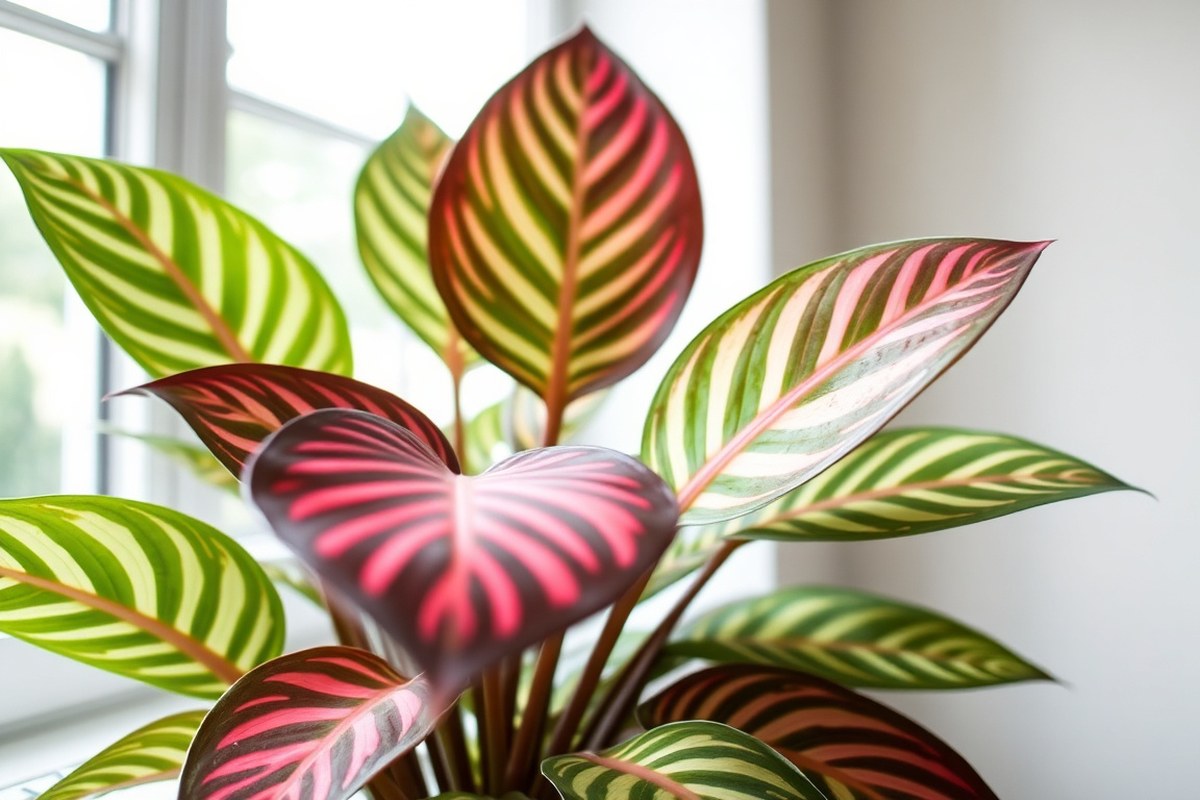
How to Care for Maranta Plant: Simple Steps for Thriving Prayer Plants
Knowing how to care for Maranta plant means giving it the right light, water, and humidity. These plants like indirect sunlight and evenly moist soil, but not soggy roots.
Water when the top inch of soil feels dry. Use room-temperature, filtered water for best results.
Maranta plants thrive in warm rooms between 65 and 85°F. Keep humidity around 50 to 60 percent to stop leaf edges from turning brown. You can boost humidity by grouping plants or using a nearby humidifier.
Choose a well-draining potting mix with a slightly acidic pH near 6.0. Fertilize every two to four weeks during the growing season with balanced plant food. Watch for cold drafts or temperatures below 55°F, which can stress your prayer plant’s leaves.
Key Takeaways
- Place Maranta in bright, indirect light to keep its colors vibrant.
- Water your Maranta only after the soil’s top inch feels dry.
- Use filtered or rain water at room temperature to avoid shock.
- Maintain indoor temperatures between 65°F and 85°F for best growth.
- Raise humidity to 50-60% with a humidifier or pebble tray.
- Pick well-draining, slightly acidic soil with pH around 6.0.
Essential Care Tips to Keep Your Maranta Healthy
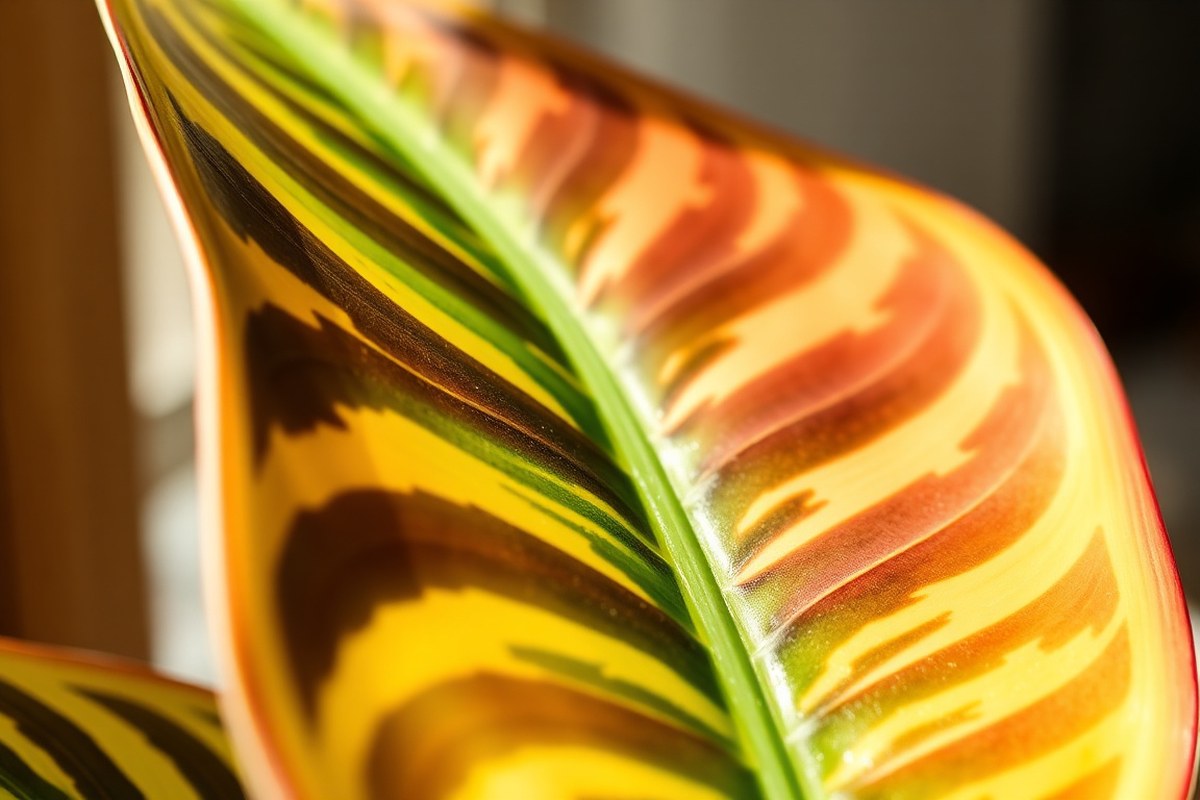
Maranta plants need bright, indirect light to stay healthy. Avoid direct sunlight because it can burn the leaves. Keep your plant near a north or east-facing window to get the right amount of light.
Water your Maranta when the top half-inch of soil feels dry. Use distilled, rain, or filtered water if possible.
Tap water often contains chemicals like chlorine. These can damage leaves and cause tips to brown.
Maranta plants like temperatures from 65°F to 85°F (18°C to 29°C). Keep your room between 65°F and 75°F. Temperatures under 60°F may harm the plant.
Humidity is critical for Marantas. They thrive best at 50% humidity or higher.
You can increase humidity using a small humidifier near the plant. Another way is to place the plant on a tray filled with water and pebbles.
Make sure your pot has good drainage to prevent waterlogging. Marantas like soil that stays moist but not soggy.
Waterlogged soil often causes yellow leaves or root rot. So empty any excess water from the saucer.
Dry indoor air, especially in winter, makes humidity low. Place your Maranta with other plants to boost humidity around it.
This natural cluster increases moisture in the air. Another option is to mist the leaves lightly every few days.
Lighting Requirements for Vibrant Maranta Foliage
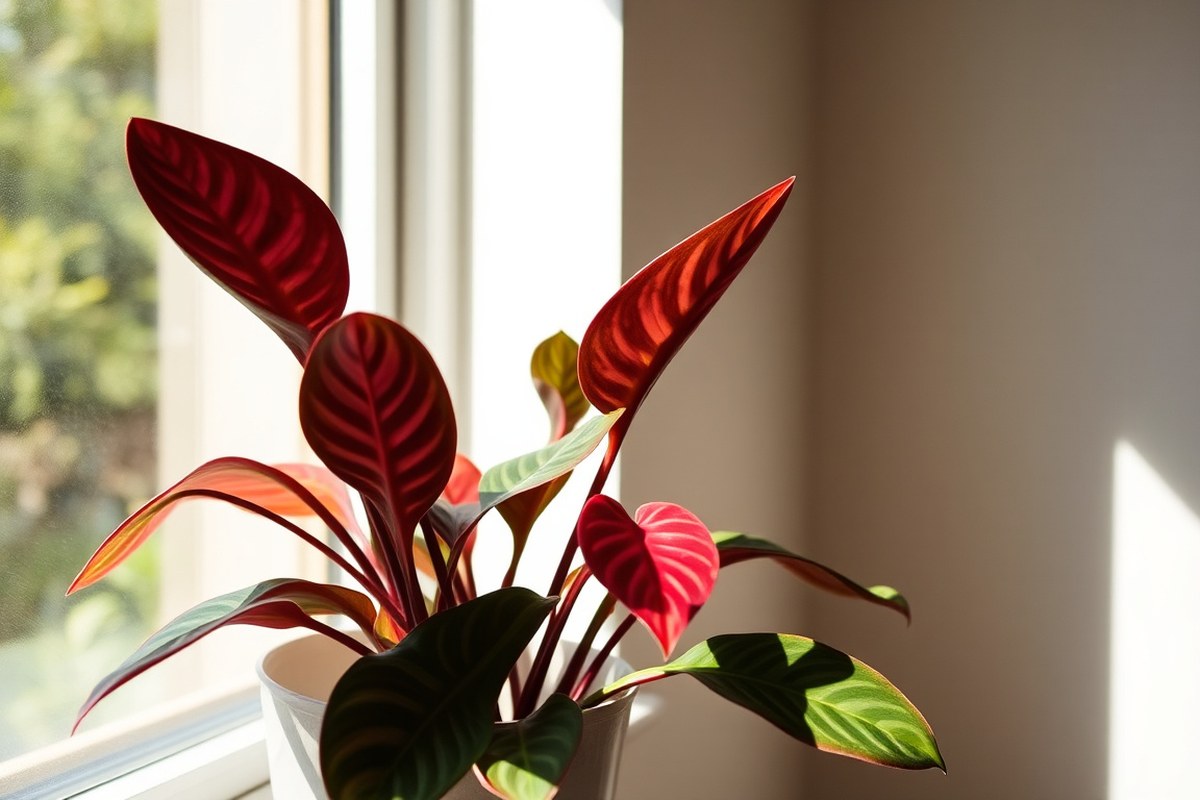
Ideal Light Conditions for Maranta Plants
Maranta plants thrive in bright, indirect light. Direct sunlight can burn their delicate leaves, causing brown and yellow spots.
Low light conditions reduce their vibrant leaf patterns and slow growth. Aim to place your plant near a window but shield it from sun rays.
Effects of Too Much Light
Too much direct sunlight scorches the leaves, leaving brown centers that spread. This leaf damage can worsen quickly if not fixed.
Notice yellow or faded colours? Move your Maranta to a shadier spot.
Choose a place with indirect light for best results. This helps restore healthy foliage over time.
Effects of Too Little Light
Too little light makes the plant’s colors dull and muted. Growth slows and leaves may lose their patterned appearance.
Maranta can handle low light better than some plants do. It still needs moderate brightness.
This helps it stay colorful and healthy. Avoid dark corners.
Adjusting Placement by Home Lighting
Bright homes with south-facing windows need care. Put your Maranta several feet from the window.
Or place it behind sheer curtains to filter light. This filters harsh sunlight.
Dimmer rooms or north-facing windows need a different approach. Put the plant closer to the light source.
Avoid direct sun rays to prevent damage. You may need supplemental grow lights.
Practical Tips for Light Care
Rotate your Maranta weekly to ensure even light on all leaves. This prevents uneven growth and leaning toward the window.
Observe your plant daily for signs of too much or too little light. Yellow patches mean too much sun; faded leaves mean too little.
Never place your Maranta in direct sun for long periods. It damages the leaves quickly and is hard to reverse.
Watering Your Maranta: How Much, How Often, and What Water to Use
Water your Maranta whenever the top inch (2-3 cm) of soil feels dry. Check the soil moisture every few days. Stick your finger gently into the soil.
Feel if it’s dry or damp below the surface. The soil should stay slightly damp, not soggy or bone dry, to keep your plant healthy.
Use filtered water for best results. Tap water often contains chlorine and fluoride. These chemicals can build up in the soil.
They can harm your prayer plant over time. Filtered or rainwater avoids these chemicals. Also, avoid hard water because minerals can leave deposits on the leaves and soil over time.
Here’s a simple watering checklist to help you keep your Maranta happy:
- Check soil moisture every 3 to 5 days.
- Water when the top inch of soil feels dry.
- Use filtered, rain, or distilled water.
- Water slowly until excess drips from the pot’s drainage holes.
- Empty saucer to prevent waterlogging.
- Reduce watering frequency in cooler months.
- Place in a well-draining pot to avoid root rot.
Watering mistakes can hurt your Maranta quickly. Overwatering causes soggy soil, leading to root rot and yellowing leaves.
Underwatering makes the leaves curl inward to save moisture. Watch your plant’s leaves, they tell you when the watering is off.
During spring through fall, water more often because the plant grows actively. In winter, cut back watering because the plant rests. Keep humidity at 50-60% to help soil hold moisture.
This level matches your prayer plant’s tropical origins. It keeps the plant happy and healthy. Adding a humidity tray or misting can assist during dry indoor months.
Understanding Temperature and Humidity Needs
Maranta plants prefer temperatures between 65°F and 75°F (18°C to 24°C). You want to keep your home warm enough and avoid cold drafts. Temperatures below 55°F (13°C) can stress the plant and slow growth.
When your house gets chilly at night, move the Maranta away from windows or vents. This helps avoid cold damage and keeps leaves healthy.
Humidity is just as important for your prayer plant as temperature. Average indoor humidity is around 30% to 40%. But Marantas thrive at 50% or higher.
Low humidity causes brown leaf edges and dry-looking tips. You can raise humidity by misting the leaves daily. But do not overdo it to prevent mold.
A better way is using a humidifier near the plant. This keeps moisture steady without constant spraying.
Another easy trick is to place your Maranta on a humidity tray. Fill a shallow tray with pebbles and water. Set the pot on top, making sure the bottom does not touch the water directly.
As the water evaporates, it raises humidity right around the plant. This method costs very little and only takes minutes to set up.
Move the plant away from dry heat sources like heaters. Doing this can quickly help leaf health improve.
Dry air makes Maranta’s leaves curl or stay tightly folded. You might notice slow new growth too. Increasing humidity helps leaves open fully and keeps them vibrant.
A humidifier runs around $30 to $60. Misting and humidity trays are free or cost just a few dollars.
Check humidity by watching the plant’s leaf tips and edges. Healthy leaves stay smooth and free of brown spots.
Choosing Soil and Fertilizing Your Prayer Plant
Maranta plants need well-draining soil that stays moist but not soggy. A mix with peat moss, potting soil, and perlite works best. Peat moss holds moisture while perlite keeps the soil airy to prevent root rot.
You can make a simple soil mix at home by combining these ingredients. Use about 2 parts potting soil, 1 part peat moss, and 1 part perlite. This mix balances moisture retention and drainage for healthy roots.
| Soil Ingredient | Role | Ratio in Mix |
|---|---|---|
| Potting soil | Base material | 2 parts |
| Peat moss | Retains moisture | 1 part |
| Perlite | Improves drainage | 1 part |
Good soil helps keep roots moist without waterlogging them. Too much water makes roots rot and turns leaves yellow. Dry soil can stunt growth and cause sparse leaves.
Feed your prayer plant from spring through early fall. Use a balanced liquid fertilizer diluted to half strength every 2 to 4 weeks. A fertilizer with equal nitrogen, phosphorus, and potassium helps all-round growth.
Stop feeding your plant in late fall and winter. The plant’s growth slows down then and forcing extra nutrients can harm it.
During feeding times, watch the leaves. Pale or slow growth can mean your plant needs more nutrients.
Over-fertilizing harms your Maranta, causing leaf burn and drooping leaves.
Balanced care of soil and fertilizer keeps your prayer plant green and vibrant. Using the right soil mix prevents problems with watering. Feeding on schedule supports healthy leaves and strong roots.
Propagating Maranta: Stem Cuttings vs Root Division
Propagating your Maranta works well with stem cuttings and root division. Stem cuttings grow roots in water or soil.
Root division splits the whole plant. Both methods take a few weeks and need gentle care during rooting.
Preparing Stem Cuttings for Rooting
Choose healthy stems with at least two or three leaves and one node. Trim a 3- to 5-inch cutting just below a node, where roots will form. You can root cuttings in water or soil, with a rooting hormone for better results.
- Cut a healthy stem with 2, 3 leaves and 1 node using clean scissors.
- Remove the lowest leaf to expose the node for rooting.
- Optional: Dip the cut end in rooting hormone to help root growth.
- Place the cutting in a glass of clean water. Or plant it 1 inch deep in moist potting soil.
- Put the cutting in indirect light and keep humidity high.
- Change water every few days if propagating in water to avoid stagnation.
- Wait 2 to 4 weeks for roots to form before transplanting into soil.
Root Division Process Explained
This method involves gently splitting the root ball to make new plants. Take the plant out of its pot and carefully separate the roots without causing damage. Each division should have roots and some stems to thrive on its own.
- Remove the Maranta from its pot and loosen the soil around the roots.
- Gently pull apart the root ball into smaller sections with roots and stems.
- Trim any damaged roots or stems to encourage healthy growth.
- Plant each division separately in fresh, well-draining potting soil.
- Water lightly to settle soil around the roots.
- Keep divisions in a warm, humid spot with indirect sunlight.
- Watch new growth appear in 3 to 6 weeks, signaling successful division.
Care Tips During Propagation
Keep Propagating Maranta in warm, shaded spots with steady humidity. Avoid direct sun which can dry out cuttings or divisions quickly. Mist leaves regularly or place a clear cover over cuttings to keep moisture.
Don’t overwater; soil should feel damp but not soggy. When you propagate in water, watch for cloudy water.
Change the water often to stop rot. Both methods need patience, rooting can take between 2 to 6 weeks depending on conditions.
| Propagation Method | Pros | Cons | Timing | Best For |
|---|---|---|---|---|
| Stem Cuttings | Easy, good for sharing, space-saving | Needs humidity, careful watering, slower for bigger plants | 2, 4 weeks for roots to form | Creating new plants from a single stem |
| Root Division | Quick growth, larger new plants, good for crowded pots | Risk of root damage, requires larger plant | 3, 6 weeks to show new growth | Separating mature plants to multiply |
Repotting Your Maranta: When and How to Do It Right
Your Maranta needs repotting when its roots crowd the pot or growth stalls. Choose a pot 1 to 2 sizes bigger with a drainage hole to prevent soggy soil. Repot your plant in spring or early summer for the best results.
Use careful steps to avoid shocking your plant during repotting. Taking it slow helps the plant adjust well to its new home.
Signs It’s Time to Repot
Check if roots peek out from the drainage holes or circle the surface. Your plant may grow slower or dry out too fast despite regular watering. These signs show the root system has run out of room.
Repotting can help if the soil dries out too fast. Also, try this if your plant wilts soon after watering.
This gives the roots more space and better soil. Marantas that sit too long in small pots often lose vigor and develop brown leaf edges.
Choosing the Right New Pot
Pick a pot that is one to two sizes larger than the current container. For example, pick a new pot around 8 to 10 inches wide. This works well if your current pot is 6 inches wide.
It gives the roots room to grow comfortably. Avoid huge pots that hold excess moisture and cause root rot.
Choose a new pot with at least one hole for drainage. Adding a thin layer of pebbles or gravel helps extra water drain. Don’t block the drainage holes when adding materials at the bottom.
Step-By-Step Repotting Guide
Follow these steps to move your Maranta safely into its new pot without stress.
- Water your Maranta a day before repotting to keep roots moisturized.
- Gently remove the plant by tapping the pot sides or coaxing the root ball out.
- Loosen the roots if they are tightly bound, carefully teasing them apart.
- Remove some old soil around the edges without damaging roots.
- Fill the new pot with fresh, well-draining soil mix, leaving space for the root ball.
- Place your Maranta in the new pot, centering it at the previous soil level.
- Fill around the plant with more soil and gently firm it down to remove air pockets.
- Water the plant well to settle the soil and hydrate roots.
Post-Repotting Care
Keep your Maranta in indirect light for a week after repotting to reduce stress. Avoid fertilizing for at least a month to let it settle. Water when the top inch of soil feels dry, usually after a few days.
Don’t move the plant too much after repotting. Stable conditions help it recover faster. You should notice new growth within a few weeks if care is right.
Common Problems and How to Fix Them Quickly
Brown or yellow leaf edges often show your Maranta has mineral buildup. Tap water pushes minerals to the leaf margins, causing crisp, discolored tips. Using filtered or rainwater reduces this problem and keeps leaves healthier.
Yellow leaves usually mean your plant needs more light. Move it closer to a window but avoid direct sun, which can scorch the foliage. Gradually increase light over a week to avoid shocking the plant.
Leaf curling occurs from cold air or low humidity. Keep room temperature above 55°F and use a humidifier or pebble tray with water. This raises moisture levels near the plant and smooths leaf edges.
| Problem | Symptom | Cause | Fix |
|---|---|---|---|
| Brown leaf edges | Crispy brown or yellow tips | Minerals from tap water | Switch to filtered/rainwater |
| Yellow leaves | Pale, yellowing foliage | Too little light | Move to brighter spot gradually |
| Leaf curling | Leaves curl upwards | Cold temperature, low humidity | Keep >55°F, raise humidity |
| Leaf drop | Leaves fall off plant | Cold drafts or overwatering | Remove drafts, adjust watering |
| Pests | Speckled, distorted leaves; webbing | Spider mites, mealybugs, aphids | Wipe leaves, spray insecticidal soap |
| Leaf spots | Brown spots on leaves | Leaf spot disease | Remove spots, improve air flow |
Pests prefer dry, fine-textured leaves. Spider mites create webbing and mottled leaves.
Regularly wipe leaves and spray insecticidal soap if you spot pests. Early treatment avoids serious damage.
Diseases like leaf spot cause brown patches. Remove infected leaves and improve ventilation. Avoid overhead watering to keep leaves dry and reduce fungus risks.
Always check your plant under leaves and at nodes for pests, they hide in small spaces.
Leaf drop can result from cold drafts or inconsistent watering. Keep your Maranta warm and water evenly. Dropped leaves should be pruned to help new growth thrive.
Increasing humidity especially helps with brown tips and curling leaves. Try grouping plants or using a humidifier. Consistency in temperature and moisture keeps your Maranta happy and vibrant.
Step-by-Step Action Plan for a Thriving Maranta
Follow these practical steps to keep your Maranta healthy and vibrant indoors.
- Day 1: Place your Maranta in bright, indirect light. Check if leaves are bright green, not faded or brown.
- Day 2: Water with room-temperature, filtered water until soil is moist but not soaked. Soil should feel damp, not wet.
- Week 1: Mist the leaves daily or use a humidity tray. Leaves will look fresher and less crispy.
- Week 2: Fertilize with a diluted balanced houseplant fertilizer once. Leaves should appear fuller and greener in weeks.
- Month 1: Watch for leaf curling or spotting as signs of pests or watering issues. Treat problems early.
- Every 6 to 12 months: Check if roots circle the pot. Repot using well-draining soil if roots grow through holes.
- Soon after repotting: Propagate by stem cuttings to expand your plant collection. Roots should grow within 2, 3 weeks.
Frequently Asked Questions
How Often Should I Mist My Maranta Plant?
Mist your Maranta 2-3 times weekly to keep humidity up. This helps prevent leaf edges from browning, especially in dry air.
Can I Grow a Maranta Plant in Low Light?
Maranta tolerates low light but prefers bright indirect light. Too little light slows growth and dims leaf colors.
Why Are My Maranta’s Leaves Curling?
Leaf curling often signals underwatering or low humidity. Check soil moisture and mist more to fix this common issue.
What Is the Best Type of Room for a Maranta?
A warm, humid room with indirect sunlight suits Maranta best. Bathrooms with windows can be great spots if conditions stay consistent.
Should I Prune My Maranta Plant?
Prune your Maranta lightly to remove dead leaves and promote fullness. Use clean scissors and trim at the stem base.
Can I Keep My Maranta Plant Outdoors During Summer?
You can place a Maranta outside in summer with shade and regular misting. Bring it indoors before temperatures drop below 60°F (16°C).
The Bottom Line
Now you have clear steps to care for your Maranta successfully. Start with light and water checks today. Your prayer plant will reward your care with vibrant, healthy leaves.