Do Robotic Lawn Mowers Work? What Actually Works and How to Choose
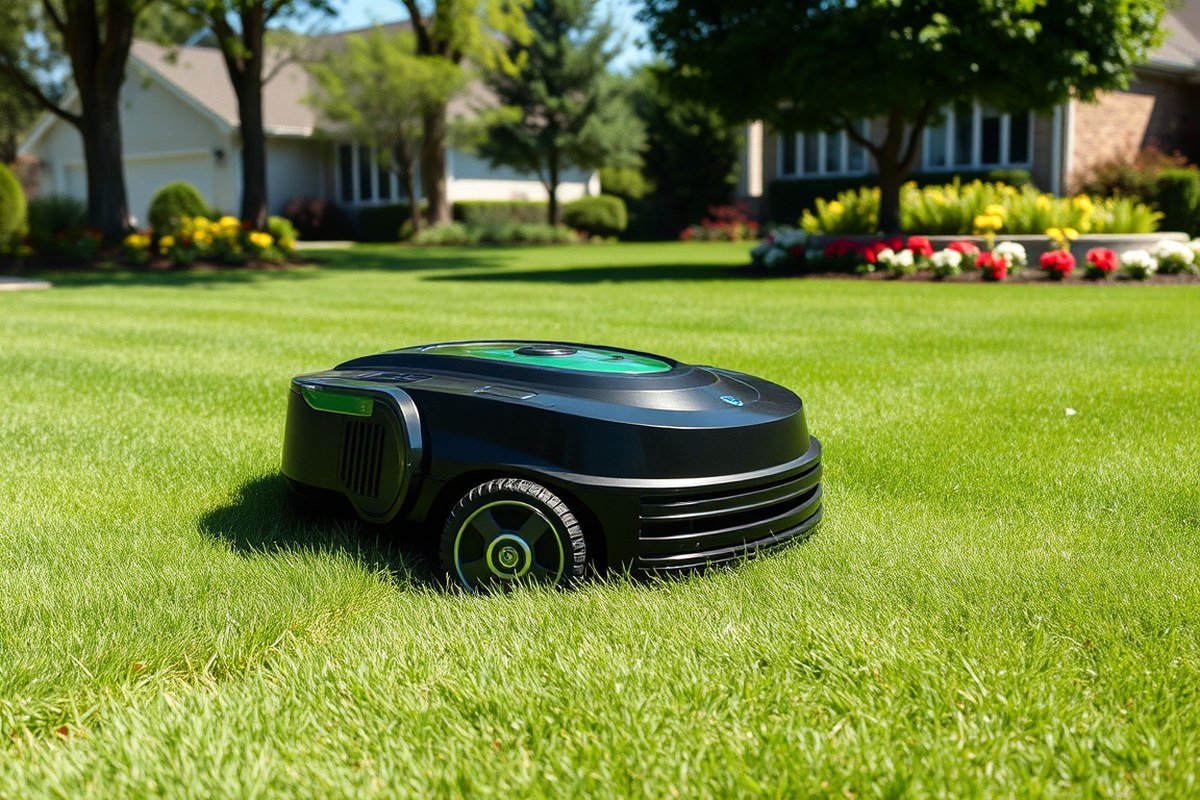
Do robotic lawn mowers work to keep your grass trimmed? Yes, they do a solid job if used right.
These machines mow your lawn regularly. So grass stays short and healthy without much effort from you.
Most robotic mowers cut grass under 3 inches tall and can handle most typical yards well. They use boundary wires or GPS tech to know where to mow. So they don’t stray into flower beds or fences.
You need to prep your lawn before using the mower. Choose the right model for your yard’s slope. Also, consider any obstacles in your yard.
Safety is key: keeping kids and pets away while it runs helps avoid accidents. The mower will run about an hour before recharging. You will need to change the blades sometimes.
Plan for these maintenance tasks ahead. Proper setup and maintenance keep your robot mower working smoothly.
Key Takeaways
- Pick a model rated for the slopes and size of your yard.
- Install boundary wires or set up GPS guides properly for accurate mowing.
- Keep kids and pets away while the mower operates to ensure safety.
- Expect 60 to 90 minutes of mowing time before the mower recharges.
- Replace sharp blades every 1 to 2 months for the best grass finish.
- Prepare your lawn by clearing sticks and debris before use.
Do Robotic Lawn Mowers Really Work to Keep Your Lawn Trimmed?
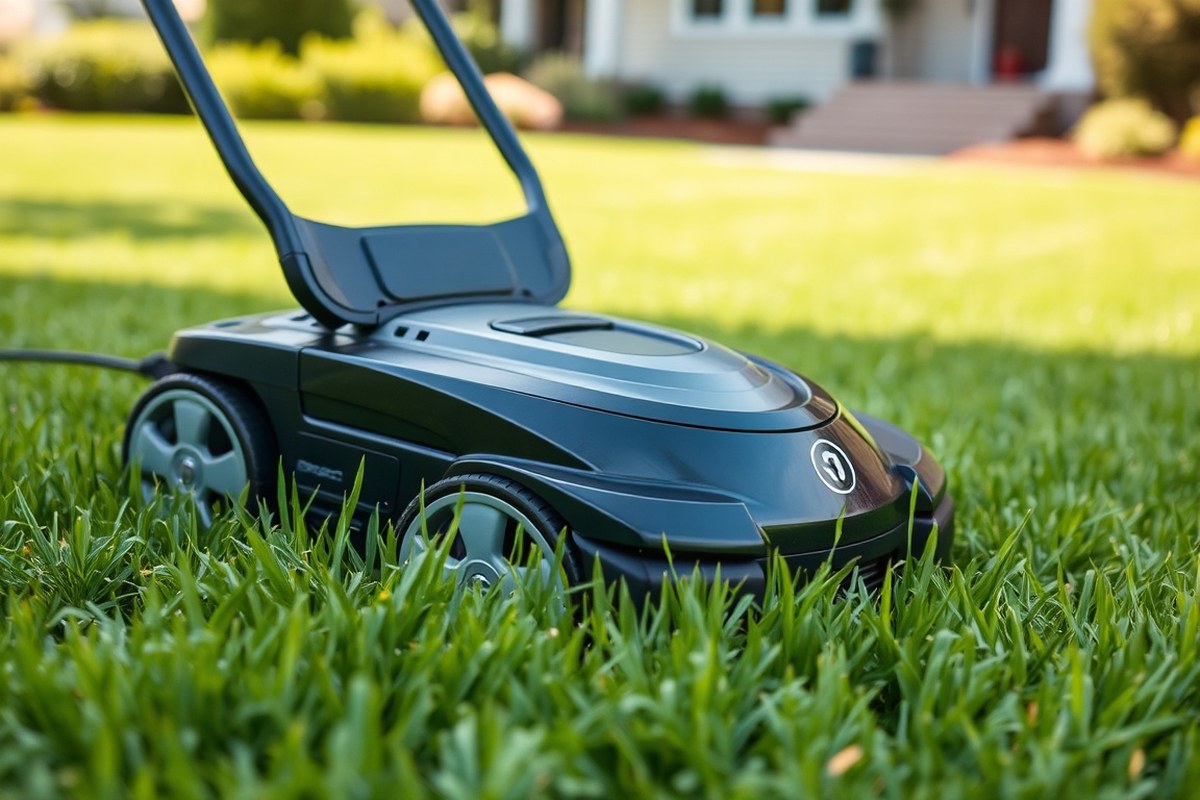
Robotic lawn mowers work by cutting a small amount of grass very often. Their blades shave the grass regularly, typically keeping it under 3 inches tall. This frequent trimming keeps your lawn short and healthy all the time.
It avoids big clumps left behind by occasional mowing. Your lawn looks neat and well cared for.
These mowers work on yards about a quarter to half an acre. They run for one to three hours before needing a recharge. This suits many average-sized home lawns well.
They move slowly and carefully, overlapping their paths to make sure no areas get missed. They cut narrower strips than traditional mowers do each pass.
But they make up for it by mowing more often. This regular trimming keeps the lawn even and neat.
The quality of cut from robotic mowers often looks neater than push or gas mowers. They use sharp, centrally mounted blades that create a fine cut rather than tearing the grass. The mower passes over your lawn many times each week.
This stops tired or uneven spots from forming. Less frequent mowing can leave those rough patches.
Because they trim so frequently, robotic mowers don’t handle very tall grass well. You may need to use a traditional mower first if your lawn is overgrown. First, you make a normal cut manually.
Then the robot mows regularly to keep it neat. This approach greatly reduces the work you need to do.
These mowers can’t cut very close to edges or obstacles. Their limited ability means some grass near borders may stay longer. That can leave a less polished look near the edges.
Many people keep a string trimmer or push mower nearby. They use these tools to tidy edges and tricky spots. This helps maintain a clean, finished lawn overall.
For main lawn areas, robotic mowers work on their own well. They offer regular trimming that beats occasional manual mowing. The convenience and look often improve with these machines.
How Do Robotic Mowers Navigate and Find Their Way?
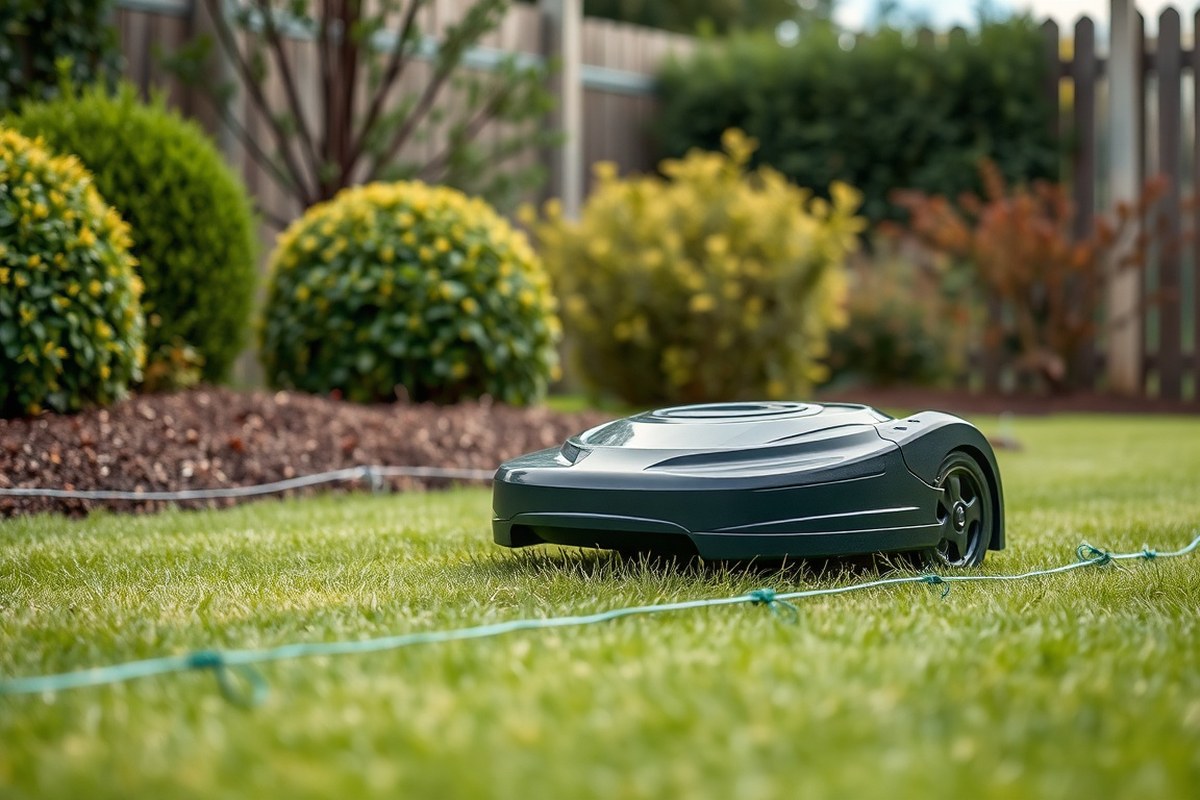
Robotic lawn mowers find their way using several navigation technologies. The oldest and most common method uses boundary wires.
These are physical wires placed around your lawn edges, either buried or pinned to the ground. The mower detects the wire’s signal and stays inside that perimeter, avoiding flower beds and driveways.
Another method uses guide wires laid between the charging station and the lawn. The lawn mower follows these guide wires back and forth for more efficient mowing. This method suits complex yard shapes and ensures a quick return to charge.
Newer robots use GPS and advanced sensors like LiDAR and cameras for navigation. GPS alone can be off by 5 to 10 feet. This is not precise for small lawns or tight edges.
RTK-GPS uses satellite triangulation and a base station. It narrows errors to less than an inch.
| Navigation Type | How It Works | Best For |
|---|---|---|
| Boundary Wire (Perimeter) | Wire buried or pinned emits a signal mower detects. | Lawns with trees, obstacles, and complex shapes. |
| Guide Wire | Wire leads mower between charging station and lawn. | Yards with tight spaces for quicker returns. |
| Wireless (RTK-GPS + LiDAR/Vision) | Base station fixes position; mower uses GPS and sensors. | Open lawns without wire installation and large properties. |
| Vision Systems (AI Cameras, vSLAM) | Mower scans area to detect obstacles and map the lawn. | Lawns with frequent obstacles and furniture. |
Vision systems use AI and LiDAR to actively scan objects such as trees, furniture, and debris. This help keeps the mower from crashing into obstacles. They excel in lawns with clutter or uneven terrain.
Models like the ECOVACS GOAT A3000 use LiDAR. This helps them work even when GPS is weak.
Choosing the right navigation depends on your lawn’s shape and size. Boundary wires cost less but take time to install. Wired setups offer the safest control for yards with lots of trees and flower beds.
Wireless GPS models cost more but save you installation effort in open areas. RTK-GPS and vision systems give great precision for large or complex yards. They also detect obstacles well.
Some models combine multiple navigation methods. The Automower tracks boundary and guide wires plus onboard GPS.
It finds the fastest way back to recharge. This multi-approach handles difficult lawns better and reduces missed spots.
Test your boundary wire signal before the final install. This helps avoid blind spots where the mower might wander.
Which Lawns and Terrains Can Robotic Mowers Handle Well?
Robotic lawn mowers work well on lawns with clear edges. They handle slopes up to 15 degrees easily. These mowers suit lawns with mild complexity.
They handle uneven ground if it is not too steep or rocky. How well they navigate obstacles depends on the model.
Some designs handle narrow spaces better. Others do well with complicated yard shapes.
Slope and Gradient Capabilities
Most robotic mowers can manage slopes up to 15 degrees safely. Some premium models handle steeper slopes around 20 degrees.
But anything over 25 degrees usually causes trouble. Steep hills make the mower work harder and risk tipping or slipping.
Check your lawn’s steepest slope with a smartphone app or an angle finder tool. Avoid using a robot mower on slopes greater than the model’s recommended limit. Significant dips, cliffs, or ditches can block the mower and damage it.
A basic checklist to confirm slope suitability:
- Measure steepest slope angle; keep it below 15 degrees for standard models.
- Confirm mower specs if slopes approach 20 degrees.
- Avoid very uneven terrain, deep ditches, and exposed rocks.
- Consider premium models for hills or small ridges.
- Plan mowing paths to avoid steep or risky areas.
Managing Obstacles and Narrow Passages
Robots use sensors and boundary wires to detect most obstacles like garden furniture and flower beds. Thin roots or rocks might obstruct small wheels or cause the mower to stop. Large tree roots can damage blades or the chassis if not cleared.
Navigation around narrow passages is better with models featuring guide wires. Some can handle paths as narrow as 24 inches (60 cm). Basic robots may struggle or refuse to pass if spaces are tight.
To ease obstacle management, clear debris and trim low branches. Avoid leaving toys or small tools outside before mowing.
Lawn Size and Coverage Limits
Robotic lawn mowers suit lawns from about 0.1 acres up to 1.25 acres. Choosing a model should start with knowing your exact lawn size. Larger yards may need models with longer battery life and wider cutting decks.
Most consumer robotic mowers cost from $600 to $2,500. Prices often rise with larger lawn areas.
Smart features also add to the cost. Models designed for bigger lawns maintain schedules better and navigate longer without recharging.
Do not expect to use a small robot for vast or fragmented lawns. Complex or multi-zone yards might require multiple units or a more advanced machine.
Preparing Complex Lawns for Robots
Clear your yard to help the mower cover all areas efficiently. Pick up sticks, rocks, and garden tools, and trim areas with heavy grass growth. Narrow or irregular spaces benefit from boundary and guide wires installed according to the mower’s manual.
Divide your lawn into zones for better mower coverage. This helps with complex yard shapes. Also use zones for patches far apart.
You might need to program schedules for each zone separately. Consider models with triple-search technology for yards with many obstacles and narrow paths.
Remove or clearly mark features like birdbaths, small flower beds, and play structures. This improves navigation and prevents damage or missed spots during mowing.
What Safety Features Ensure Robotic Mowers Are Safe to Use?
Robotic lawn mowers move slowly and have safety features. These features stop their blades very quickly. That makes them generally safe for kids and pets.
Sensors detect when the mower is lifted or tilted. They also notice obstacles nearby. These sensors stop the blades right away.
The blades shut off fast to avoid injury. This happens if a child or pet gets close. Also, the blades stop if someone tries to pick it up.
Here’s a list of common safety features found on consumer robotic lawn mowers:
- Mowers include sensors that stop blades almost instantly when lifted or tilted.
- Collision detection sensors that slow or stop the mower on impact
- Emergency stop button owners can press to halt operation instantly
- Pin code or app-based locking systems to prevent unauthorized use
- Boundary wire or virtual fence limits that keep the mower inside safe zones
- GPS tracking or alarms for theft protection and easy recovery
- Blade guards around the cutting discs to reduce contact risks
Anti-theft features work by locking the mower when not in use. Some models require a pin code or phone app to start.
Others use GPS tracking to locate the mower if stolen, sending alerts to your phone. These protections are useful if you can’t always watch the mower closely.
You should supervise the mower while it’s working, especially if kids or pets play nearby. Create physical barriers or fences to keep unauthorized people and animals off the lawn during mowing.
Always lock the mower in its charging station or storage shed when you’re not home. Doing this keeps it safe and avoids damage or theft.
How Long Do Robotic Mowers Take to Mow and Recharge?
Robotic lawn mowers typically run for 60 to 90 minutes on a full battery. After that, they automatically return to their charging dock. Charging usually takes between 45 minutes and 90 minutes, depending on the model and battery size.
Most robotic mowers start mowing again from where they stopped once recharged. The mower cuts grass, then returns to charge. After charging, it starts mowing again.
This cycle keeps your lawn trimmed all day. This can stretch out over several sessions to cover your entire lawn.
The time to mow your lawn depends on its size and complexity. For example, a Husqvarna Automower 410iQ, designed for up to 0.5 acres, takes about 8 hours to mow 0.16 acres. Fully mowing half an acre may take about 24 hours.
This time spreads over several recharge cycles. The mower doesn’t run nonstop.
Schedule your mower to run many short sessions a day. This helps manage mowing time better. It’s easier than one long session.
Robotic mowers are quiet. So mowing early morning or late evening often works without noise issues. Setting your mower’s program helps balance charging needs with your lawn’s size and growth rate.
Divide your lawn size by mower’s hourly coverage to find daily needs. This gives a rough time estimate. You can adjust it as needed.
Then multiply by the battery runtime per session. Your mower runs 75 minutes per charge and cuts 0.01 acres per minute, it can handle about 0.75 acres per session before charging.
Here’s how to plan your mower’s daily schedule:
- Measure your lawn’s total area in acres or square feet.
- Check the mower’s runtime per session, usually 60, 90 minutes.
- Estimate the mowing rate using manufacturer data or approximate 0.01 acres per minute.
- Calculate how much lawn the mower handles per session by multiplying runtime by cutting rate.
- Set the mower’s schedule to run several sessions throughout the day.
- Let the mower return to its dock to recharge automatically between sessions.
- Adjust the schedule as your lawn grows faster or slower with the seasons.
Robotic mowers can’t cut very tall grass at once. You might need to trim manually first. Tall grass can block the mower.
What Maintenance Is Needed to Keep Robotic Lawn Mowers Working Well?
Robotic lawn mowers need regular care to stay efficient and last long. You should replace blades often, clean the mower regularly, and maintain the battery properly. Following a simple routine helps avoid costly breakdowns and keeps your lawn looking neat.
Blade Care and Replacement Schedule
Replacing the blades every one to three months keeps cutting sharp and effective. Blades work more evenly because robotic mowers follow planned paths, which slows wear. Dull blades tear the grass instead of cleanly cutting it, risking lawn health.
Some models, like Husqvarna, suggest changing blades regularly. Do it every 1 to 2 months. How often depends on how much you mow.
Smaller, razor-sharp blades weight less, which reduces motor strain but wears out faster. Keep extra blades on hand for quick swaps without downtime.
Battery Maintenance and Replacement
Batteries usually recharge in 30 to 60 minutes, depending on the model. Most last about three years before losing capacity and needing replacement. Some robotic mowers have removable batteries, making swapping easier and extending mowing time.
To prolong battery life, avoid letting it fully drain regularly and keep charging contacts clean. Charge the mower soon after use and store it indoors through winter. Expect professional replacement costs of $100 to $300 or more, based on battery type.
Cleaning and Sensor Checks
Regular cleaning prevents grass clippings and dirt buildup that can block sensors and blades. Remove debris from underneath the deck and around wheels for smooth movement. Clean charging contacts to ensure reliable power connection.
Check sensors weekly in heavy use seasons to spot dirt or damage affecting navigation and safety. Wipe sensors with a soft cloth and mild soap if needed. Keep the mower dry and covered when not in use to reduce wear.
- Remove grass and dirt after each mow
- Use a brush or cloth, not high-pressure water
- Inspect blade sharpness and replace if dull
- Clean charging contacts monthly
- Check sensor function weekly in peak seasons
- Store mower indoors during winter months
When to Seek Professional Help
Simple maintenance tasks like blade swaps and cleaning you can do yourself. Call a professional if the battery fails to charge or if sensors stop working. Repairs involving motor issues or electronic components often require expert care.
Annual servicing by an authorized dealer includes blade replacement and software updates. This keeps your mower running well up to 6 years or more. Troubleshoot common issues like poor cutting by checking blade sharpness and sensor cleanliness first.
What Common Problems or Disadvantages Should You Expect?
Robotic lawn mowers come with some common drawbacks you should expect. They often miss spots, especially in complex yards with many obstacles or uneven terrain. The mower might also get stuck on slopes or near garden features, requiring manual rescue.
Perimeter wires set boundaries but can break from pets or tools. Weather can also damage these wires. Broken wires cause navigation mistakes for the mower.
These mowers are quiet but some still make a soft hum. That hum might wake light sleepers nearby. Not all models are perfectly silent.
Robot mowers cost more upfront than regular mowers. You also spend more on upkeep. These costs could strain your budget.
Missed spots usually happen when the mower’s navigation system struggles with tight corners or narrow passages. Installing guide wires or virtual boundaries based on satellite mapping helps improve coverage. Hills or slippery grass can cause the mower to slip.
Using grip accessory kits helps prevent stalling. These kits improve traction on tricky ground. Regular checks of the perimeter wire keep the boundary intact.
You can repair wire breaks by splicing or replacing wire parts. Fixing the wire usually takes just a few minutes. This keeps the boundary working properly.
Clearing debris from the mower’s blades and sensors ensures smooth operation. Robot mowers are much quieter than gas models.
They run around 60 decibels or less. This makes them a top choice for noise-sensitive yards.
- Missed spots: improve coverage with guide or virtual wires
- Getting stuck: add grip kits or clear obstacles regularly
- Boundary wire damage: inspect monthly and repair breaks quickly
- Noise: quieter than gas mowers but may hum softly
- Upfront cost: $800 to $2,000 depending on lawn size and tech
- Maintenance: blade replacements every few months and battery care
Consider the cost versus your time saved. Spending up to $2,000 upfront might pay off if you avoid weekly mowing chores. Still, robotic mowers don’t replace all lawn care tasks like edging or dealing with thick weeds.
Choosing the right model for your yard’s size and complexity can reduce most operating issues. Regular upkeep and monitoring wire boundaries keep your mower running smoothly for 5 to 10 years.
How to Prepare and Set Up Your Lawn for the Best Robot Mower Results
Getting your yard ready means setting boundaries and placing a charger. You also need to clear obstacles and manage grass height.
These steps ensure the mower works smoothly, covers the right area, and avoids damage. Let’s break down how to set up your lawn for the best robot mowing.
Installing Boundary and Guide Wires
Boundary wires mark the mower’s limits and keep it from wandering off or hitting obstacles. Lay wires around your lawn edges. Put them around trees, flower beds, or objects to avoid.
Some models use a guide wire to help find the charging base. This is useful in bigger yards.
Installing the wire is not hard but requires care for good results. Start at the charging station and run the wire around the perimeter. You can peg the wire to the ground.
Or bury it lightly with an edging tool to prevent snagging. The wire should be tight and flat to avoid trips or shorts.
- Choose the path for the wire around your lawn and obstacles.
- Attach the wire to the charging station terminals securely.
- Lay the wire flat along the chosen path, keeping it tight against the ground.
- Use lawn pegs or bury the wire about 1 inch deep with an edging tool.
- Loop the wire around trees or beds to create no-go zones.
- Connect wire ends back at the charging station, forming a closed circuit.
- Check wire continuity and adjust any loose sections before powering on.
Make sure the wire is fixed firmly. Keep it flat to prevent errors or wire breaks.
Choosing and Setting Up the Charging Station
The charging station should sit on a level, firm spot near a power outlet. Avoid slopes or muddy patches to keep the mower stable while docking.
Place the charging station where there’s open space. This helps the mower find and enter easily.
Position it where the mower’s guide wire or sensors can clearly lead it back. Leave about 3 feet of clear space in front of the station.
This space allows the mower to approach at different angles and dock smoothly. Check that the charger is shielded from direct water and sun for longer life.
Clearing Obstacles and Lawn Tidying
Remove garden tools, toys, rocks, and any debris from the mowing area. The mower will struggle with objects that block its path or damage its blades.
Trim low-hanging branches and secure loose hoses or wires. This step lowers the chance of mower jams or unexpected stops.
Add extra boundary wire to protect flower beds or narrow paths in complex lawns. For large lawns, break the space into zones and set boundaries accordingly. This setup helps the mower cover all areas without confusion or missing spots.
Adjusting Grass Height for Optimal Cutting
Keep your grass at roughly 2 to 3 inches tall before letting the robot mow. Let the mower trim tall grass gradually over a few days in spring or summer.
Robotic mowers chop small amounts daily. So starting with overly tall grass may slow them down or result in uneven cuts.
During slow growth in fall or dry periods, mow less often. This helps avoid scalping the lawn.
Check and clear grass from blades and wheels regularly. This keeps trimming smooth and even.
Step-by-Step Action Plan for Your Robotic Lawn Mower
Use this plan to start and get good results fast with your robotic mower.
- Before you start: Clear your lawn of sticks, toys, and obstacles. This stops the mower from getting stuck.
- Day 1: Set up the boundary wire carefully around your yard. Test it to make sure the mower stays inside.
- Day 2: Charge the mower fully before its first run. A full charge helps it work longer and better.
- Week 1: Let the mower run daily on the set schedule. Check it cleans evenly and adjust the mowing height if needed.
- After 2 weeks: Clean the mower’s blades and wheels. Keep it sharp and smooth for better cutting.
- Month 1: Inspect the boundary wire and mower for any damage or wear. Fix any issues before they get worse.
- Monthly: Remove grass clippings from under the mower to stop clogs. This keeps the machine running smoothly.
- After 3 months: Check your mower’s software for updates. Updates can fix bugs and improve navigation.
Frequently Asked Questions
What Are the Disadvantages of a Robotic Mower?
Robotic mowers work well but cut a narrower path, so they take longer. They can also pause to figure out obstacles and need proper lawn setup for best results.
Are Robotic Lawn Mowers Worth Buying?
Yes, if you want to save time over the growing season while keeping grass neat. They offer hands-free mowing and produce consistent, even cuts with less effort.
What Is the Lifespan of a Robotic Lawn Mower?
Most robotic mowers last about 5 to 10 years with regular maintenance. Battery replacement may be needed every few years to keep them running efficiently.
What Happens to Grass Clippings with a Robot Lawn Mower?
Robotic mowers mulch grass clippings finely and leave them on the lawn as natural fertilizer. This helps feed your lawn without needing to bag or rake.
How Often Do Robotic Lawn Mowers Mow Your Grass?
They usually mow frequently, often daily or every few days, trimming small amounts each time. This keeps grass consistently tidy without heavy cutting sessions.
Can Robotic Mowers Handle Lawns with Slopes?
Yes, but most models work best on slopes up to about 20-25 degrees. Steeper hills can reduce mowing quality and battery life.
Key Points to Remember
Robotic lawn mowers work well to keep your grass trimmed with less effort. Start by setting up your lawn properly and keeping the mower clean. Your next step is to schedule regular mowing times and watch your lawn stay neat.