When Are Peas Ready to Harvest: A Complete Guide for Gardeners
Peas are ready to harvest about 60 to 70 days after planting. This usually happens around three weeks after the plants flower. Check your peas between 18 and 21 days after flowers bloom to pick at the right time.
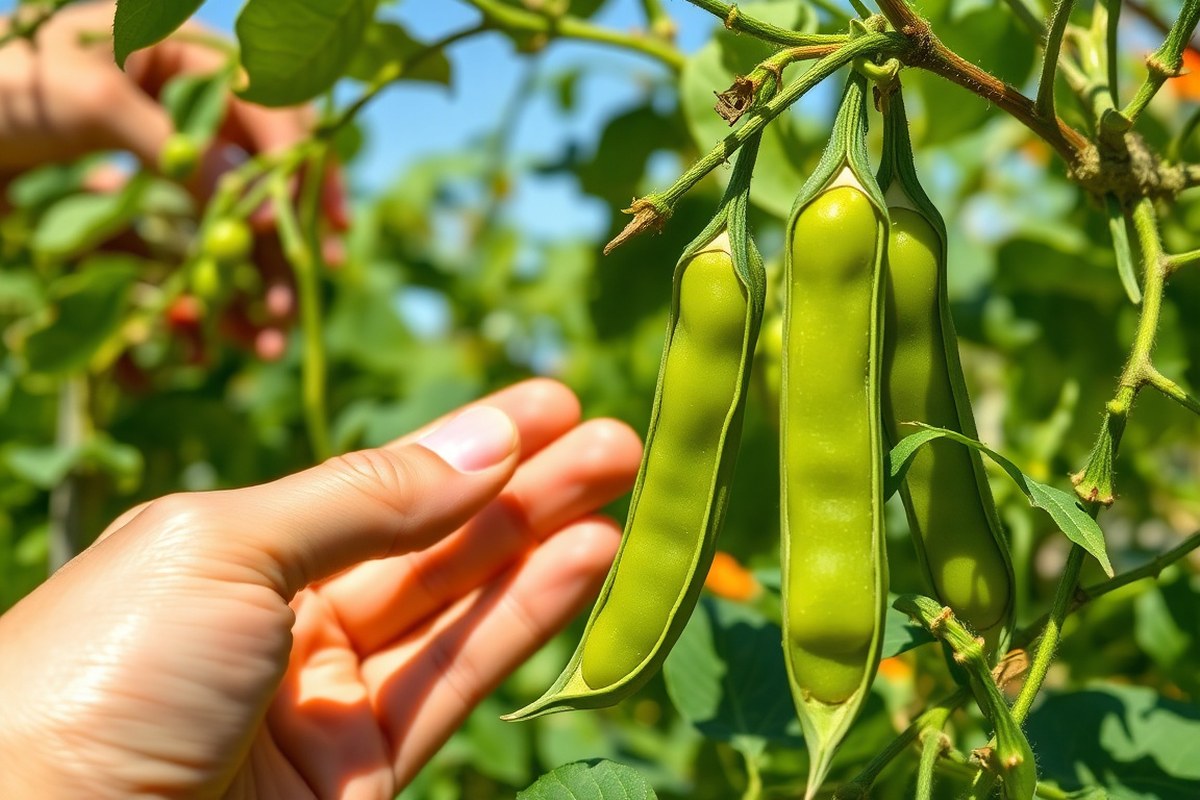
Pods that are plump, bright green, and full mean peas are almost ready. For shelling peas, wait until pods look rounded from inside. Pick them before the outer shine fades to keep pea quality high.
Pick snow peas when pods are about two inches long and still firm. This timing keeps them crisp and tasty. Start checking your peas often since pods mature at different rates.
Regular checks help you catch peas at their freshest, with the best taste. Cooler weather between 55°F and 75°F slows maturity, while heat speeds it up.
Key Takeaways
- Peas usually reach harvest 60 to 70 days after planting or 3 weeks after flowering.
- Harvest shelling peas when pods look plump, bright green, and filled with peas.
- Pick snow peas once pods reach about 2 inches and remain firm.
- Check your pea plants every 2 to 3 days to catch pods at peak freshness.
- Cool weather helps peas mature evenly and taste best at harvest.
- Plump pods with a glossy sheen usually mean the peas inside are ripe.
How to Tell When Peas Are Ready to Harvest
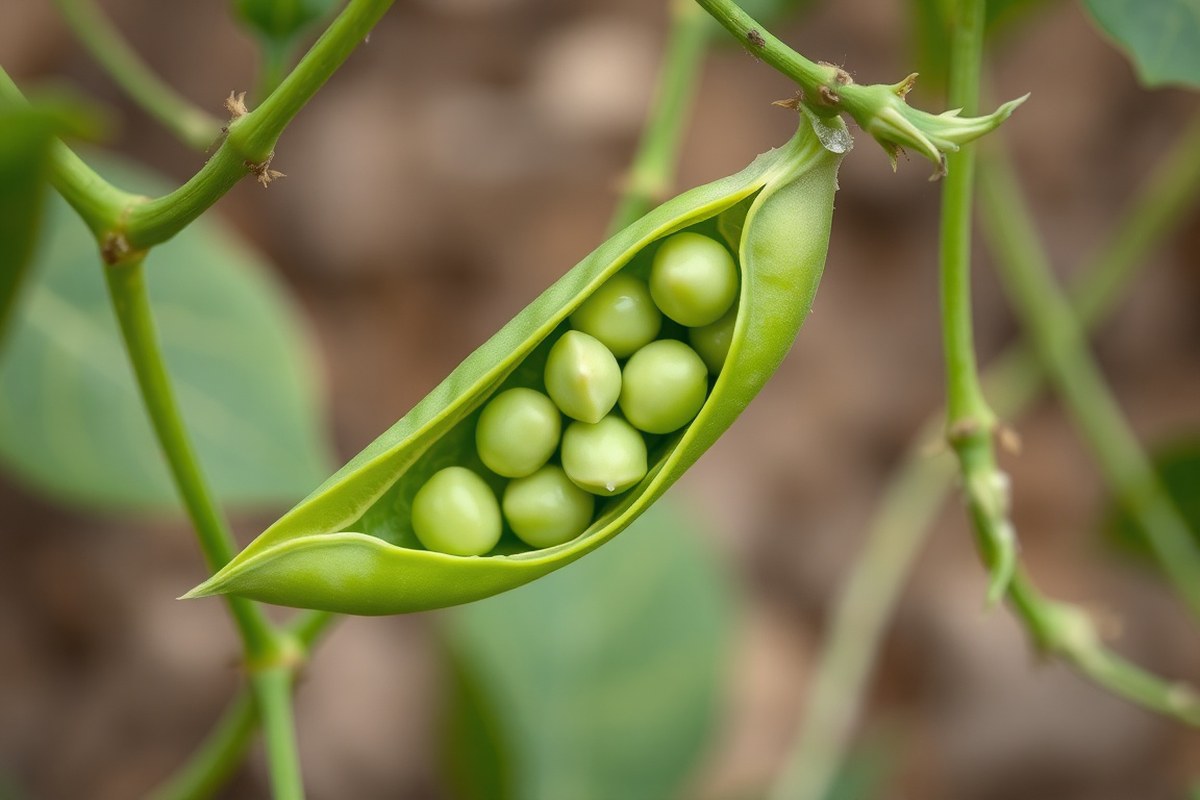
Look for pods that are bright green and firm to spot mature peas. Garden peas usually show fully filled pods about 18 to 21 days after flowering.
Snap peas have crisp, glossy pods that snap easily. Snow peas are flat and tender, with seeds barely visible.
Feel the pods to check their texture for readiness. Mature garden pea pods feel firm and bulky because the peas inside are plump.
Snap peas should feel crisp but not swollen. Snow pea pods stay flat and tender to the touch.
Check the pea seeds inside the pods by gently squeezing or opening one pod. The peas should be round and well-formed without being overripe.
For garden peas, the pods look full when seeds fill the pod. The peas taste sweet at this stage too.
Take care not to harvest too early when pods look pale or soft. Underripe pods feel flaccid. The seeds inside won’t fill out, leading to less sweet peas.
Avoid pods that have yellowed or split. These pods are overripe. They may taste woody or have dark seeds.
Use a simple rule: pick when pods are plump, bright green, and firm for shelling peas. Snap peas should have small seeds and snap cleanly. Pick them about five to eight days after flowering.
Snow peas are ready once pods reach about two inches long. They stay flat with tiny seeds inside.
Pea Harvest Timing by Variety and Growth Stage
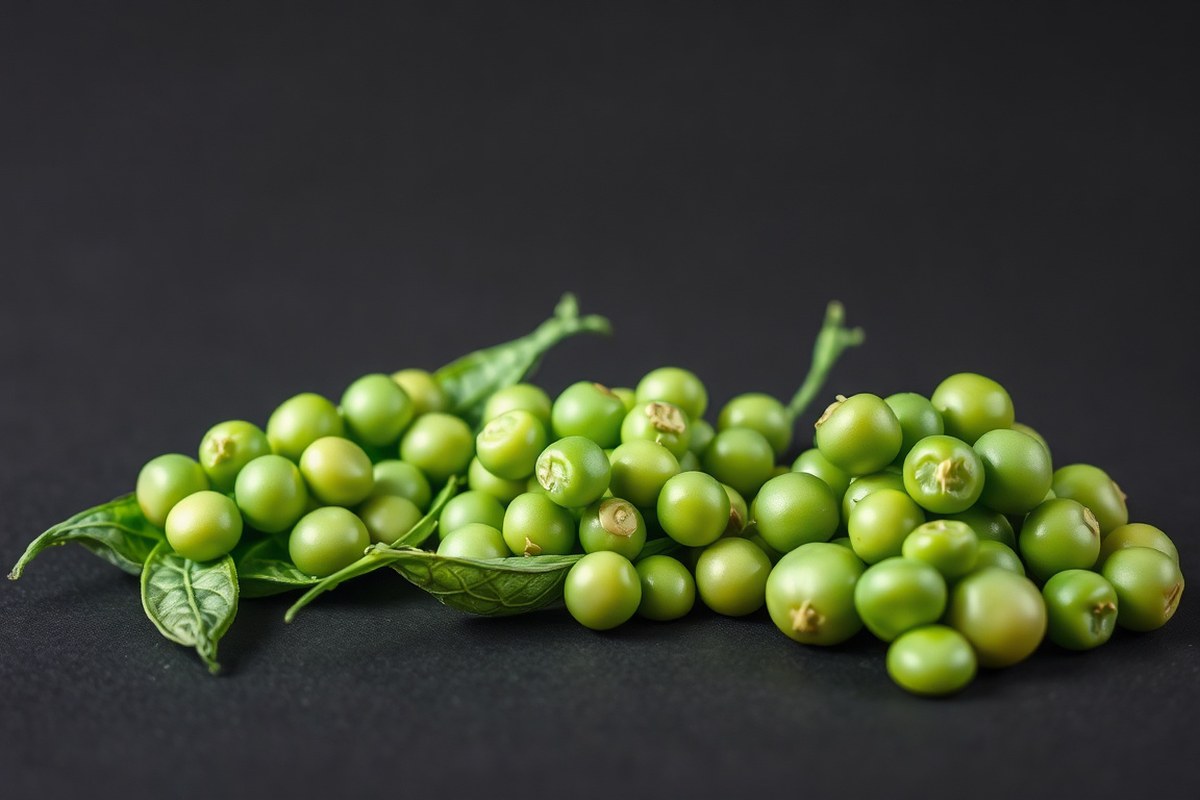
Peas harvest timing varies by type: garden peas, snap peas, and snow peas. Garden peas mature around 65 to 75 days, with pods full of round seeds. Snap and snow peas mature earlier and have edible pods you pick often.
Garden Peas Harvest Characteristics
Garden peas, also called shelling peas, need about 65 to 75 days to mature. Their pods are fibrous and not eaten, so you shell the peas inside. Pods are ready when seeds inside bulge but pods stay firm and not dry.
At harvest, pods show round, full seeds but remain slightly soft. This stage ensures peas are sweet, fresh, and not starchy. Waiting too long causes seeds to harden, and pods become tough and dry.
Snap Peas Maturity Guidelines
Snap peas, or edible-pod peas, usually mature earlier than garden peas. They take roughly 60 to 70 days from planting, depending on variety. Their pods are plump but still tender, with immature seeds inside for the best taste.
Pods should snap crisply when bent, indicating ideal maturity. You can harvest snap peas continuously every three to five days. Picking early keeps the plant producing more pods for a longer season.
Snow Peas Optimal Picking Stage
Snow peas also mature around 60 to 70 days but differ in pod appearance. Their pods are flat, thin, and edible without fibrous membranes. Harvest snow peas when pods fully form but before seeds swell noticeably.
Pods should be crisp, flat, and bright green at picking. Harvesting frequently encourages fresh pod growth and extends harvest time. These peas lose sweetness quickly if left on the vine too long.
The table below compares the key harvest traits and timing for each type:
| Pea Type | Days to Maturity | Pod Appearance | Pod Edibility | Harvest Frequency |
|---|---|---|---|---|
| Garden Peas (Shelling) | 65-75 days | Plump pods with full round seeds | No, pods are fibrous and discarded | Harvest all at once when mature |
| Snap Peas | 60-70 days | Firm, plump pods with immature seeds | Yes, crisp and tender pods | Every 3-5 days for continuous harvest |
| Snow Peas | 60-70 days | Flat, thin, bright green pods | Yes, thin edible pods without fibers | Every 3-5 days for fresh pods |
Recognizing these differences prevents waiting too long or harvesting too soon. Regular checks during hot weather help pick peas at peak quality. This approach keeps your pea plants healthy and productive.
Check pod texture by snapping one; a crisp snap shows it’s time to pick.
Typical Time Frames: From Planting to Harvest
Peas usually take about 60 to 70 days to mature from planting. After flowering starts, pods often mature in roughly 18 to 23 days. These time frames can shift based on your pea variety and local climate.
Days to Maturity Across Pea Varieties
Most peas mature between 60 and 70 days after you sow the seeds. Early varieties can be ready as soon as 54 days. Some types, like summer-sown peas, might take longer, ripening close to late July.
Growing peas in containers can speed up maturity a bit. Warmer soil in containers helps pods develop sooner than those planted in the ground. Still, check pods for size and firmness to time your harvest right.
Effect of Flowering Date on Harvest Time
Pods usually reach maturity about 18 to 23 days after flowering begins. Flowering marks the starting point for pod development. You can use this timing to estimate when pods will be ready.
Not all pods mature at the same speed, even on the same plant. Pick pods every two to three days to catch the sweetest, freshest peas. This keeps the plant producing more pods for longer.
Climate and Zone-Based Adjusted Timelines
Pea maturity shifts with weather and location. Daytime temps between 70 and 80 °F can speed up pod readiness by about a week. Cooler or wet conditions slow growth, making you wait longer to harvest.
Heavy rain can cause pods to split, so pick peas right after rains stop. Dry spells may also bring on woody pods.
So pick earlier when conditions are dry. Watch local frost dates, since late freezes can damage pods.
| Weather Condition | Harvest Implication |
|---|---|
| Consistent 70, 80 °F days | Pods can mature about a week ahead, so monitor often. |
| Prolonged cool temps below 55 °F | Development slows; wait 5, 7 extra days |
| Heavy rain (>1 inch/24 hours) | Pods can split; harvest right after rain stops |
| Extended dry spell (>10 days) | Pods become woody earlier; pick ahead of schedule |
| Late spring frost forecast | Harvest before freeze to avoid pod damage |
Adjust your harvest schedule based on these weather effects. Timing your pea picking with the local climate helps get the best flavor and texture.
How Weather Affects Pea Maturity and Harvest Timing
Peas grow best in cool weather between 55°F and 75°F. Cooler temperatures slow pod filling. So wait an extra five to seven days if it’s below 55°F. Warmer days above 90°F stress the plants and reduce sugar in the peas. So harvest earlier to keep them sweet.
Heavy rain can fill pods with water, making them bland and more prone to splitting. Dry spells might shrink pods and toughen peas inside. After heavy rain, check your pea pods every day.
Pick them as soon as they look bright green. Choose pods that feel plump and full.
Adjust your harvest timing when weather swings happen. In cool spells, hold off picking until pods feel full to avoid underdeveloped peas.
During heat waves, harvest more frequently to stop sugar loss and stress damage. This means you might pick twice in a few days.
Expect pods to dull and lose shine if you wait too long after peak ripeness. This dulling signals starch building up instead of sugar, which lowers flavor. Keep an eye on pods in warm weather.
Pick them when they look shiny and crisp. This helps you avoid overripe peas.
Harvest peas in the morning when it’s cool to preserve sweetness and freshness. Picking early helps you enjoy tender peas or store them well for later. After harvesting, try to eat or freeze peas within six months for the best taste.
Best Practices for Frequent and Extended Harvesting
Checking pea pods every two or three days works well to catch them at peak flavor. You don’t need to pick peas daily. But checking often helps avoid letting pods get overripe.
Peas lose sweetness quickly once they start maturing. So frequent checks keep your harvest tasting fresh and sweet.
Picking peas in the morning, after dew dries but before heat builds, preserves their crispness. Harvest peas early in the morning. This stops them from drying out.
The cooler air keeps moisture in the peas. To freeze lots of peas, harvest early morning. This locks in their freshness for later.
Successive plantings stagger your harvest and keep pods coming for weeks. Plant seeds every 10 to 14 days in early spring. This plan extends when you can pick peas.
Staggered planting lets you get fresh peas for 4 to 6 weeks. The harvest lasts longer after the first pods ripen.
- Plan new plantings every two weeks for a longer harvest period.
- Pick pea pods when they feel full but still firm to the touch.
- Stop harvesting if a freeze is forecast to protect the peas’ flavor.
- Harvest all pods promptly to encourage more flowering and pod production.
- Don’t wait too long to pick or peas will get tough and lose sweetness.
- Wear gloves if plants have rough stems to protect your skin.
- Use scissors for hard-to-reach pods to avoid damaging the plant.
A typical harvest window for each planting lasts about 3 to 4 weeks. Pods mature over a few weeks. Most should be ready in 10 to 14 days.
After 10 to 14 days, fewer pods grow. Older pods lose quality, so finish picking soon.
Watch the peas closely once pods start swelling. Delays of even a few days can cause flavor loss.
Recognizing and Avoiding Common Harvesting Mistakes
Harvest peas at the right time to avoid poor taste and texture. Pods picked too early are small and taste bitter or grassy. Too late, and the peas turn starchy, tough, and lose their natural sweetness.
Underripe pods are bright green but feel hard or flat when squeezed. Overripe pods lose their fresh green colour and seem dull or slightly yellowed. The pods also get tough and may split open, which wastes peas and attracts pests.
To stop poor timing from ruining your peas, use this checklist before you pick:
- Look for plump pods full of round peas inside, not flat or stringy ones.
- Check pod colour; it should be a fresh, vibrant green without dull spots.
- Feel the pod’s firmness. A slight give is good. Too hard means underripe, too soft means overripe.
- Taste one pea; it should be sweet with no bitterness or starchiness.
- Harvest in the cool morning or evening to keep peas crisp and sweet.
- When picking, hold the pedicel firmly and snap the pod off to avoid plant damage.
- Watch for pod splitting, a sign of overripe peas; pick before they burst.
Pick peas at the right stage. This keeps them tender and tasty. They become perfect for fresh eating or cooking.
Peas harvested too early often need longer cooking and lose their best flavour. Waiting too long makes peas tough and dry.
This makes them less enjoyable. They also become harder to digest.
Pods can split if you leave them too long on the vine. This lets moisture escape, causing shriveled peas inside. Regularly checking pods and harvesting once plump avoids this problem.
For best results, start checking your peas around 55 days after planting. Look closely as pods fill out. Catching the signs early lets you pick just as peas reach peak flavour and texture.
Harvesting Tools and Techniques for Healthy Pea Plants
Use your hands or small scissors to harvest peas gently. Scissors or garden snips make the work faster but choose ones with sharp, slim blades. This lets you cut the pea stem without twisting or pulling the vine.
Climbing peas grow tall and need careful handling. Support them with stakes or trellis before harvesting. Hold the vine near the pea pod gently.
Pinch or cut the stem carefully. Avoid hurting nearby buds or flowers. For bush peas, clip each pod near the stem base.
They grow low and are less tangled. It’s easier to harvest this way.
Damaging vines can stunt plant growth and reduce your next harvest. Avoid snapping pods off roughly. Pick peas just before they fully mature.
This keeps them tender and sweet. Avoid waiting until they get starchy. Leaving some pods on the plant to finish drying helps if you want dried peas.
- Use sharp scissors or garden shears with slim blades
- Hold the vine near the pod when cutting
- Support climbing peas with stakes or trellis before picking
- Harvest just before peas fully mature for best texture
- Clip bush peas near their stem base
- Leave some pods to dry for seed saving or dried peas
Check your harvesting setup every few days during peak season. It takes only a few minutes to pick peas carefully without harm. Fresh, plump pods snap clean from the stem with a slight pinch.
Pod damage or broken vines means rough handling. You may have missed providing support. Handle the plants more gently next time.
How to Store and Preserve Freshly Harvested Peas
Fresh peas need quick care after you pick them to keep their sweet taste. Use or cool them shortly after harvest to preserve quality. Proper storage and freezing help extend freshness and flavor for weeks or months.
Immediate Cooling and Refrigeration Tips
Peas should be cooled as soon as you pick them to slow down spoilage. Try to harvest peas in the morning when they are coolest. Put freshly shelled peas into a bowl of cold water or a refrigerator within an hour.
Keep peas in a perforated plastic bag inside the fridge to maintain moisture. Use refrigerated peas within three to five days for the best flavor and texture. Avoid washing peas before storing as excess moisture can cause spoilage.
Blanching and Freezing Instructions
Blanching peas stops enzymes that cause the peas to lose flavor and texture. Boil peas in water for about 2 minutes, then transfer them immediately to ice water. This cools them fast to keep their bright color and sweetness.
Drain peas well after cooling, then spread them in a single layer on a tray. Freeze peas this way first before moving them to airtight containers or freezer bags. Freezing peas properly lets you keep them fresh for up to 12 months.
Optimal Storage Temperatures and Durations
Store fresh peas in the fridge near 32°F (0°C) for best shelf life without freezing. Use chilled peas within 3 to 5 days because they start losing sweetness past that time. Frozen peas kept at 0°F (-18°C) or below maintain good quality for about one year.
Watch for signs of freezer burn if the bag isn’t sealed tightly. Peas that thaw and refreeze can become mushy or lose flavor quickly. Always label bags with the freeze date to track freshness easily.
Never let freshly picked peas sit at room temperature for longer than one hour. It speeds spoilage and sweetness loss.
Step-by-Step Action Plan for Harvesting Peas
Follow these steps to pick your peas right and keep your plants healthy for more pods. Each step helps you know when and how to harvest.
- About 60-70 Days After Planting: Start checking pods daily. Look for full, rounded pods that feel firm but not hard.
- Every 2-3 Days During Peak Harvest: Pick peas when pods are full. Do this before the seeds harden. Check and harvest every two to three days. Pods should still be bright green and crisp.
- After Each Harvest: Inspect plants for damage. Keep plants healthy by watering and removing old pods promptly.
- Use Your Fingers or Small Scissors: Gently snap or cut the pea pods off. Avoid pulling to protect the vine and future pods.
- Store Immediately: Chill harvested peas in the refrigerator. Use or freeze peas within 24-48 hours for best flavor.
- Continue Harvesting Regularly: Check every couple of days to extend your pea harvest for several weeks.
Frequently Asked Questions
How Can I Tell If Peas Are Ready to Harvest Just by Touch?
Peas feel plump and well-formed inside the pod when ready. Gently squeeze pods to check for rounded peas before picking.
When Should I Harvest Snap Peas Compared to Other Pea Types?
Snap peas are ready five to eight days after flowering. They’re picked younger, while pods are still tender but peas are defined.
Are There Signs Peas Are Overripe and Should Be Picked Quickly?
Overripe peas have tough pods and peas that feel hard or dry. Pick them promptly to avoid dull flavor and poor texture.
Does Harvesting Peas Early Affect the Plant’s Ability to Produce More?
Frequent harvesting encourages more new pods to grow. Picking peas as soon as they’re ready helps extend your harvest period.
How Does Soil Temperature Impact Pea Maturity and Harvesting Time?
Cooler soil slows growth, delaying harvest by several days or weeks. Keep soil moist and warm to promote timely pea development.
Can I Harvest Peas on a Rainy Day or Should I Wait?
It’s best to pick peas on dry days to prevent mold and rot. Wet pods can spoil quickly or invite disease after picking.
Final Thoughts
Peas taste best when picked fully grown but still tender. Watch the pods and pick often. Start harvesting now to enjoy sweet, fresh peas straight from your garden.