Do Jade Plants Flower? What Actually Works to Get Them Blooming
Do jade plants flower indoors or outdoors? Yes, they do bloom but only under the right conditions.
These plants need a few years to mature before expecting flowers. Usually, jade plants flower when they are between 3 and 5 years old.
Sunlight plays a big role in getting jade plants to bloom. They need at least 4 to 6 hours of bright light each day. This applies to both inside and outside.
Bright light helps them grow well. Cooler nights in fall also trigger flower bud growth. So a change in season helps.
Keep your jade plant healthy and stable with good watering, proper soil, and occasional repotting. Avoid overwatering, which can stop flowering because the plant gets stressed. Remember, patience pays off since some jade plants bloom as late as after 5 years.
Key Takeaways
- Jade plants typically start flowering at 3 to 5 years of age.
- Provide 4 to 6 hours of bright, direct sunlight daily for blooms.
- Cool, long nights in fall help jade plants produce flower buds.
- Water jade plants moderately; avoid soggy soil to encourage flowering.
- Repot every 2 to 3 years to support growth and healthy roots.
- Keep indoor jade plants in spots with bright, indirect light.
Do Jade Plants Really Flower Indoors and Outdoors?
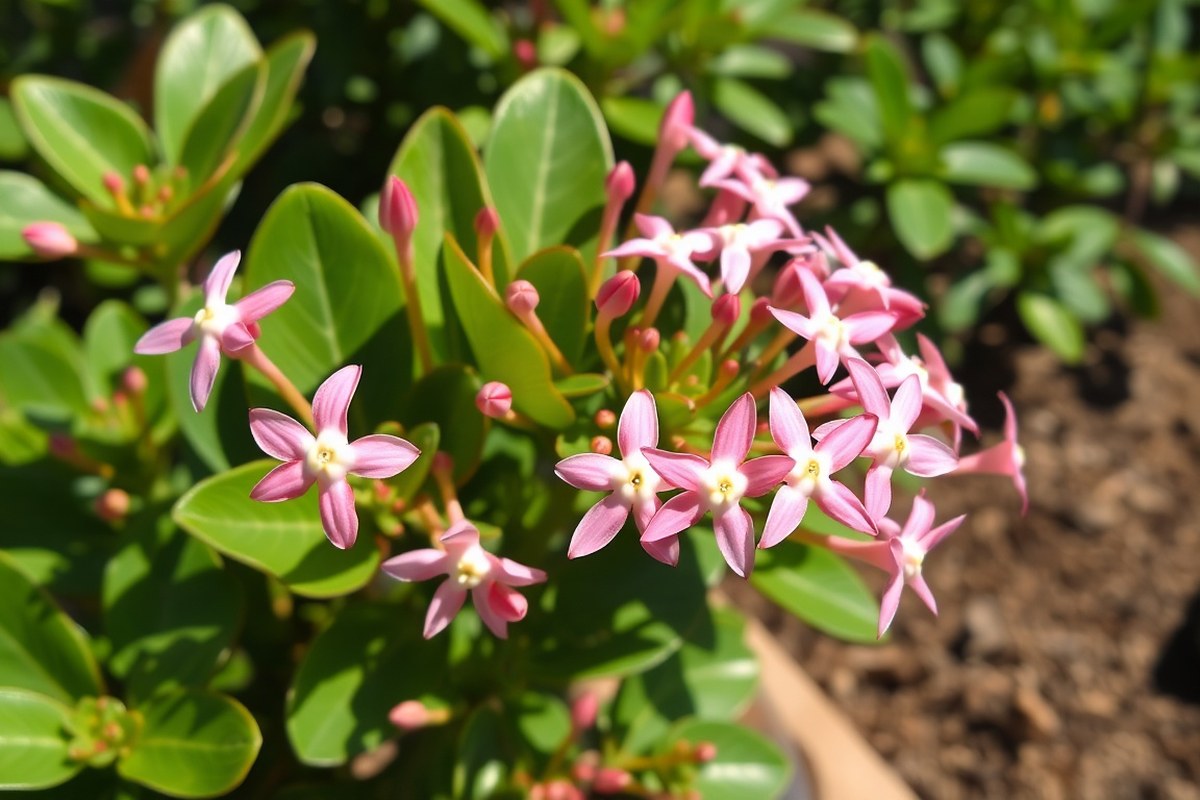
Jade plants can flower both indoors and outdoors, but blooming is more common outside. Outdoors, they receive brighter light and a clearer change of seasons, which helps trigger flowers. Indoors, limited light often stops flowering, making blooms much rarer.
Outdoors, jade plants thrive when placed outside during summer months. Make sure to bring them indoors before night temperatures dip below 50 degrees Fahrenheit.
This warming and cooling pattern copies their Southern Africa home. It helps increase the chance of flowering.
Jade plants inside rarely flower because sunlight is weak. They need 4 to 6 hours of strong sun daily. Bright, indirect light for most of the day is common.
But it might still lack outdoor light intensity. A drop in night temperature to about 50 to 60 degrees Fahrenheit in fall also helps. But it can be tricky to control indoors.
Flowering jade plants are a rare sight in the wild, too. Jade plants need to be 3 to 5 years old. They must get warm days, cool nights, and strong light to bloom.
Without these cues, the plant focuses on growing leaves rather than flowers. So don’t get discouraged if your jade stays green for a while.
How Old Should Jade Plants Be to Bloom?
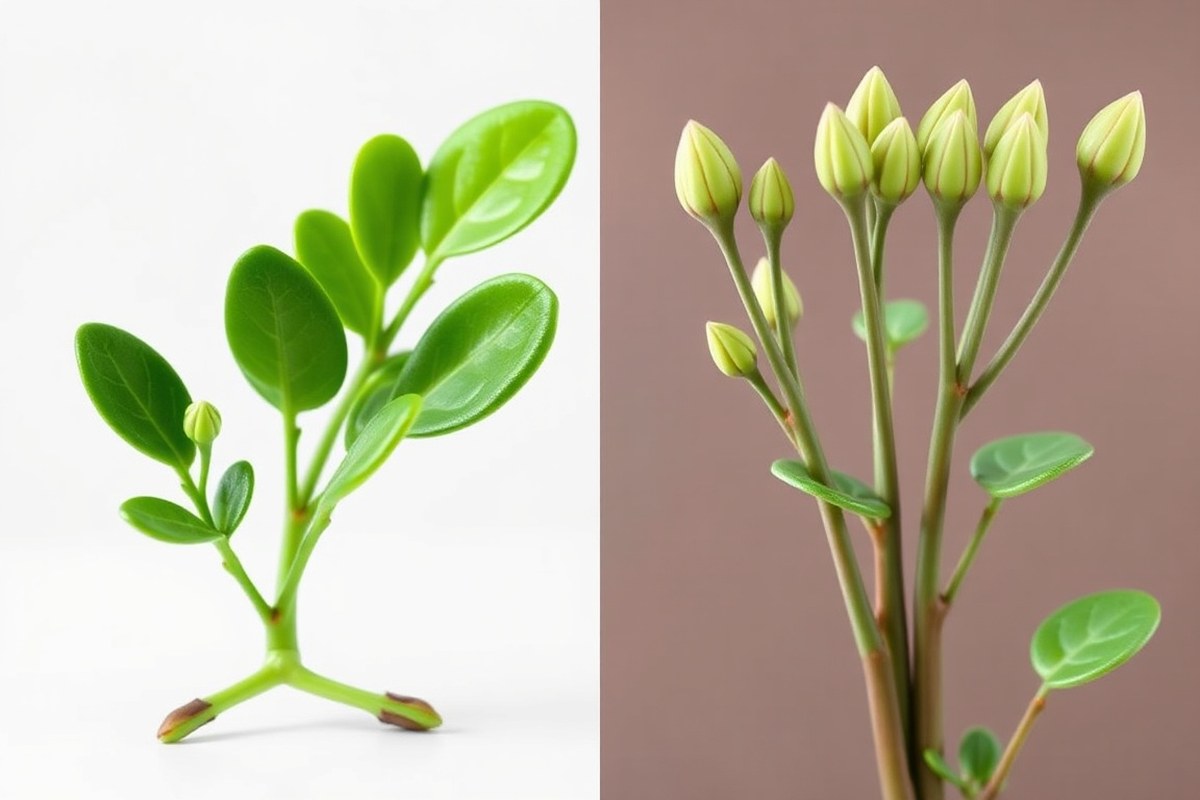
Jade plants usually start to bloom when they are 3 to 4 years old. They need time to grow and develop a strong root system before flowering. Young plants under three years often focus their energy on growing rather than producing flowers.
The plant’s maturity level also affects flower development. Mature jade plants have thicker stems and more leaves, which support flower bud formation. Some jade plants can take 5 years or more to flower.
This happens especially if conditions aren’t ideal. Be patient with your plant’s growth.
Older plants don’t always bloom, even after 10 years. Flower buds may not form if light is too weak. Poor temperature changes can also stop blooming.
Overwatering affects flower development too. A jade plant may stay healthy without ever flowering.
It needs right seasonal triggers or some stress to bloom. Otherwise, it just grows leaves.
Let your jade plant grow for 3 to 4 years. Watch for strong, woody stems as it matures. These signs indicate it’s ready to flower. Without maturity, it won’t bloom properly.
To help your jade plant bloom, give it cool nights. About two months of long, cool nights in late fall works best. This encourages flowering.
This rest period signals the plant to form flower buds. Make sure it gets at least 4 to 6 hours of bright sunlight. Light helps the plant mature and triggers flowering.
Buying a mature plant can speed up blooming. Choose a 3- or 4-year-old jade plant for flowers sooner. Older plants bloom faster than young ones.
This saves you waiting time. Jade plants grow slowly, about 2 inches per year.
This means you need lots of patience for blooming. Slow growth is normal.
Maturity isn’t just about age, but also about growth conditions. Jade plants flower better with temperatures between 65 and 75°F. They need proper rest in cooler conditions too.
Steady temperatures help blooms form. Without these cues, even older plants might not produce blooms.
What Do Jade Plant Flowers Look Like and How Long Do They Last?
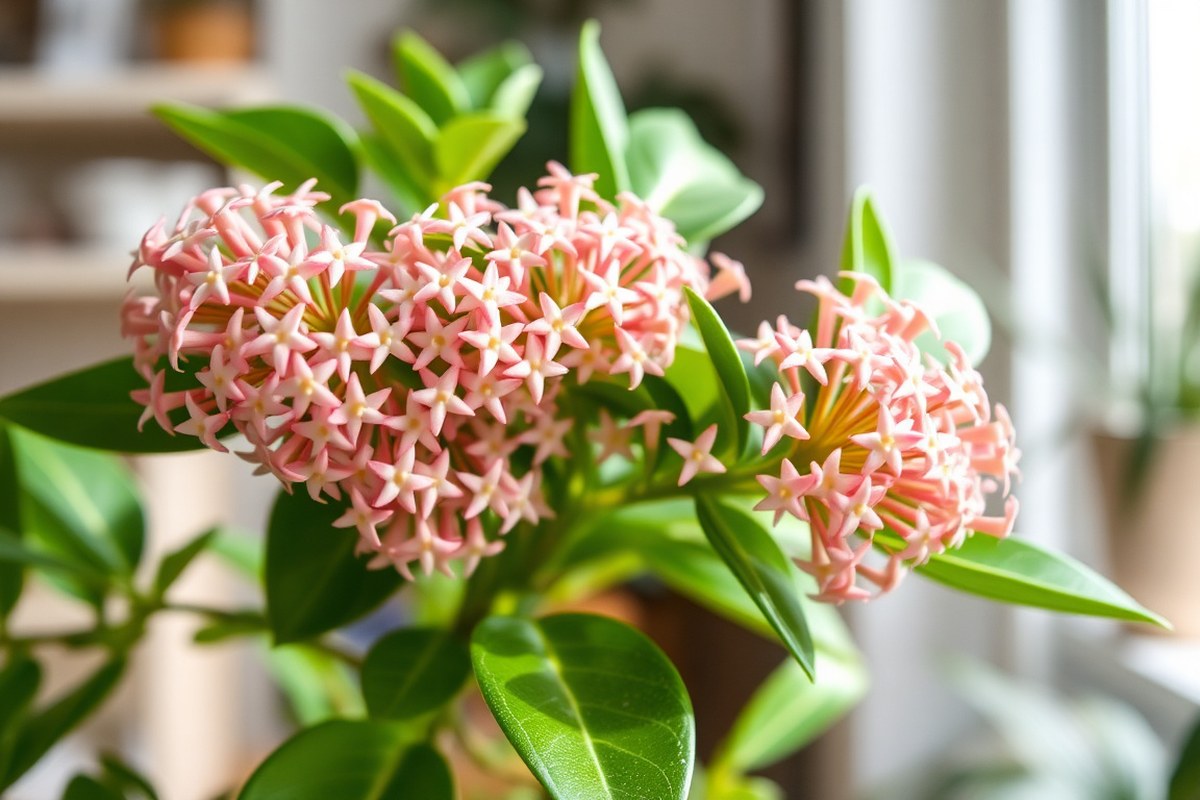
Jade plant flowers are small, star-shaped blossoms. They usually measure about 1/4 to 1/2 inch across. These flowers grow in clusters.
They form a lovely bunch. This bunch stands out from the thick, shiny leaves.
Typical colors for jade flowers range from white to pale pink. The soft shades add a delicate touch to the plant’s sturdy appearance. Each flower cluster can contain several blooms, making the overall look more eye-catching.
Once a jade plant blooms, its flowers don’t last very long. They usually stay fresh for just a few days to several weeks, depending on conditions. Proper sunlight and care help keep the flowers healthy during this time.
Light Requirements: How Much Sun Does a Jade Plant Need to Flower?
Jade plants need plenty of sunlight to flower. They do best with at least 4 to 6 hours of direct sun each day. Indoors, bright indirect light may work, but direct light boosts blooming chances.
Minimum Sunlight Hours Needed
Jade plants require 4 to 6 hours of direct sunlight daily to encourage blooms. Less than this, and the plant might survive but not flower. For flowering, giving the plant lots of bright, natural sunlight remains key.
Besides direct sun, jade plants also need about 8 hours of indirect light daily. Some bloom experts suggest up to 10 or 12 hours of indirect light. This amount helps with flower growth.
Indirect light is best for your jade plant. Too little light simply stops the flower buds from forming.
Indoor vs Outdoor Light Intensity
Outdoor jade plants usually get more intense light, helping them bloom more easily. Outside, jade plants do well in full sun or partial shade. They need at least 4 to 6 hours of bright light.
Both sun and shade can work for them. Indoors, light intensity is lower, so flowering is trickier.
A southern or western-facing window indoors is best for jade plants. These spots offer the brightest light for jade plants. They get 8 to 12 hours of indirect sun.
This helps your plant grow and bloom. Indoors, the plant often needs to move outdoors in summer for direct sun to flower well.
Best Placement for Optimal Light Exposure
Place your jade plant where it gets at least 4 hours of direct sun. Direct sunlight encourages better blooming. This daily sun time is key.
South and west-facing windows typically offer the best light intensity inside. Avoid north-facing windows because they provide only weak light, not enough to flower.
Homes without bright windows can use a sunroom or balcony. These spots offer better light during summer months. Move your jade plant there in summer.
Moving your plant outside to filtered sun can help blooms. Provide some afternoon shade in hot weather.
This mix boosts your jade plant’s flowers. Just be sure to gradually acclimate the plant to full sun outdoors.
Seasonal Light Adjustments
In spring and summer, jade plants benefit most from 4 hours of direct sun. During fall and winter, aim for 8 to 10 hours of bright indirect light indoors. They also need 10 to 12 hours of darkness at night to trigger bloom cycles.
As days shorten, move your jade plant closer to light. Use grow lights during darker months if needed. This keeps your plant healthy and blooming.
Reduce watering and cool the nights in fall to signal blooms. Make sure the plant has enough light too.
These changes help your jade flower. Adjust light hours slowly to avoid shocking your plant.
Temperature and Seasonal Triggers for Jade Plant Blooming
Jade plants need cooler temperatures and a change in seasons to bloom. Jade plants flower best when nights drop to 50, 55 °F. This happens in fall and winter.
Cooler nights help trigger their blooms. This cooler period, along with less water, encourages their flower buds to form.
Ideal Daytime and Nighttime Temperatures
During the day, jade plants like bright sunshine with warm temperatures around 65 to 75 °F. At night, temperatures should fall to between 50 and 55 °F to encourage flowering. Keeping this day-night temperature difference helps the plant prepare for blooms.
Temperatures consistently above 70 °F at night can stop blooming. Cooler nights closer to 50 °F help buds develop better. This temperature drop mimics the natural desert environment where jade plants grow.
Effect of Fall and Winter Cool Periods
In fall and winter, jade plants naturally get cooler nights and less water. This rest period triggers their flowering process. Lower watering during these months avoids overhydration, which stops bloom formation.
A cool, dry environment between October and February creates the perfect bloom conditions. Indoor plants often miss this if kept in constant warmth and moisture. Simulating fall and winter helps your jade bloom even indoors.
Dormancy Period and Darkness Requirements
Jade plants don’t have a true dormancy like some other succulents. They still need a rest with cooler temperatures and longer nights. Around 10 hours or more of darkness supports proper bud development.
This rest period means less water, shorter daylight, and cooler nights for at least six weeks. Lack of these conditions can delay or prevent flowering. Dark and cool fall and winter conditions help this plant bloom.
They stop growing and start flowering. The switch happens with less light and lower temps.
How Temperature Affects Timing of Flower Buds
Flower buds start forming naturally in fall when nights cool down to about 55 °F. Buds may not grow if it stays warm or watering is too high. Cool nights slow growth, redirecting energy into making flowers instead.
The timing of blooms usually falls between late fall and early winter. Without these seasonal cues, jade plants often don’t flower indoors. Move jade plants to a cooler place in winter.
Water them less during these months. These steps help buds form better.
Keep nighttime temps steady at 50 to 55 °F for six weeks in fall. This steady cool triggers jade plants to bloom.
Watering and Soil Conditions That Encourage Flowering
Watering plays a big part in helping a jade plant flower. During spring and summer, water your jade every 10 to 14 days. Check the top 2 to 3 inches of soil.
It should feel fully dry before watering again. This dryness prevents root rot, which can kill the plant or stop blooming.
In fall and winter, cut back watering to every 3 to 4 weeks. Let the soil dry deeper, which simulates jade’s natural arid rest period. Reduced watering and cooler temperatures around 55˚F help trigger flowering.
Keep in mind, your jade will never fully go dormant. But it does slow down and focus on blooming.
Jade plants need well-draining soil to thrive and flower. A special soil mix keeps water from pooling around roots.
Too much moisture will cause root problems and prevent buds from forming. You should look for or make a mix that drains freely and dries out between watering.
- Use a cactus or succulent potting mix for good drainage
- Add perlite or coarse sand to improve airflow and quick drying
- Avoid heavy garden soil or mixes that hold water
- Check soil moisture regularly with your finger before watering
- Reduce watering frequency when the top 1 inch feels dry in warm months
- Water less in cooler months, letting soil dry 2 inches or more
- Always use pots with drainage holes to avoid water buildup
Letting the soil dry out between waterings matters because jade plants store water in their leaves. They can handle dry spells better than wet roots. Overwatering is the most common mistake, leading to root rot and flower failure.
You might see soft, wrinkled stems or leaves dropping. The plant could be too wet or underwatered.
Helping jade plants with proper watering and good soil takes patience. This care rewards you with blooms. Withholding water in cooler months and using soil that drains well creates the right conditions.
This care copies the plant’s natural environment. It tells the plant to bloom in late fall and winter.
Fertilizing, Repotting, and Humidity Tips to Boost Blooms
Fertilizing with the right formula, repotting carefully, and managing humidity each help jade plants flower. Balanced fertilizer fuels blooms, repotting refreshes soil without disturbing roots, and moderate humidity prevents leaf damage. Follow specific steps to boost your jade’s chance of flowering.
Types of Fertilizer for Jade Plants
Use a balanced fertilizer with a 5-10-5 NPK ratio to promote new growth and blooms. The higher middle number, phosphorus, encourages flower development in jade plants. Avoid fertilizers with too much nitrogen, as it promotes leaves but lowers bloom chances.
You can buy liquid or slow-release fertilizers at garden centers. They cost about $10 to $15. Look for the formula with .
Always dilute liquid fertilizer to half strength when feeding jade plants to prevent root burn. Organic options, like fish emulsion, are gentler but less focused on encouraging flowers.
Fertilizing Schedule to Encourage Flowers
Feed jade plants during their active growth season, typically spring through summer. Apply fertilizer once every four to six weeks for steady nutrient supply. Avoid feeding in fall and winter, when the plant rests and won’t use the extra nutrients.
Use a half-strength liquid fertilizer solution. Soak the soil once a month. Do this from March through September.
Slow-release pellets only need adding at the season’s start. Over-fertilizing can cause leaf drop or weak growth, limiting blooms instead of helping.
When and How to Repot for Best Bloom Potential
Jade plants prefer to be lightly crowded. So repot only every three years or when soil degrades.
Fresh soil improves nutrition and drainage, which supports healthy flowering. Choose a pot just one size larger to avoid excess moisture buildup.
Repot outdoors or in a well-ventilated space to reduce stress on the plant. Gently loosen only a few root tips. Don’t disturb the entire root ball.
This will keep the plant happy. Repotting usually costs just the price of new cactus mix soil, around $10 per bag.
Recommended Humidity Levels
Keep humidity between 40 and 50 percent for jade plants. This prevents leaf damage from too much moisture. High humidity can cause fungal problems that reduce blooming chances.
In hot weather, place a small humidifier nearby. Or set the pot near water. This keeps humidity moderate.
Jade plants naturally thrive in drier climates. So avoid rooms that feel stuffy and moist. Use a dehumidifier when your home feels too humid.
Or move the plant to a drier spot. Monitoring humidity with a hygrometer helps keep it in the ideal range for better blooms.
Common Mistakes That Prevent Jade Plants from Flowering and How to Fix Them
Poor flowering often comes from simple care mistakes like too much water or not enough light. Jade plants like their soil to dry out between watering. Overwatering causes root rot.
It makes leaves turn yellow. Drooping stems stop flower buds from forming.
Light is another key factor. Jade plants need bright, indirect sunlight daily, or they won’t bloom.
Here are common problems to check and how to fix them:
- Water only when top 1-2 inches of soil feel dry to touch.
- Use well-draining soil to prevent water buildup and root damage.
- Place near a south- or west-facing window for strong but indirect light.
- Keep indoor temperatures between 65°F and 75°F. Allow drops to low 50s at night in winter.
- Inspect regularly for pests like mealybugs and spider mites, which stress plants.
- Remove damaged or yellow leaves to encourage healthy growth and flowers.
- Fertilize sparingly in spring and summer with balanced succulent fertilizer.
Signs of stress from bad care include wrinkled or shriveled leaves that don’t plump after watering. Use insecticidal soap when pests appear.
You can also use a cotton swab dipped in rubbing alcohol to remove them carefully. Jade plants need patience; some take years before flowering, even with perfect care.
Always check soil moisture before watering to avoid root rot and missed bloom chances.
Step-by-Step Action Plan to Encourage Jade Plant Flowering
Follow these steps to help your jade plant bloom. Check each step’s results before moving on.
- Start now: Move your jade plant to a spot with bright, indirect sunlight. Look for stronger leaf colors and firm, plump leaves within two weeks.
- After 2 weeks: Cut back on watering to let the soil dry out between sessions. Confirm the soil dries out by touch before watering again.
- Month 1: Use a balanced fertilizer once a month, especially during spring and summer. Watch for new, healthy growth to confirm it’s working.
- Month 2: Keep the temperature steady between 65°F and 75°F. It should be cooler at night. Avoid big temperature swings during this time. Check your room temperature after several days using a thermometer.
- Month 3: Repot your jade plant if roots crowd the pot or soil drains slowly. Confirm success by seeing new roots or fresh growth 1-2 months later.
- Fall and winter: Water your plant less than before. Keep it in a cooler spot. Make sure it stays frost-free all winter. Look for signs of buds forming in the cooler months.
- Ongoing: Avoid overfertilizing and overwatering throughout the year. Healthy, firm leaves without yellowing indicate you’re on the right track.
Frequently Asked Questions
Can Jade Plants Bloom Multiple Times a Year?
Jade plants usually bloom once a year during late fall. They need about two months of cool, long nights to trigger blooming again.
Does Pruning Affect Jade Plant Flowering?
Pruning won’t stop a jade plant from flowering but can help shape it. Removing older branches might encourage new growth and better light exposure for buds.
Are Jade Plant Flowers Edible or Toxic?
Jade plant flowers are mildly toxic if eaten and can cause stomach upset. Keep them away from pets and children to avoid risks.
Can Pot Size Affect a Jade Plant’s Ability to Flower?
Yes, a pot that’s too big can reduce blooming. Jade plants flower better when slightly root-bound. But repot when top-heavy or every 2-3 years.
Do Jade Plants Need a Dry Period Before Flowering?
Jade plants benefit from a drier rest in winter to encourage flowering. Slightly reducing water helps mimic their natural seasonal cycle.
Does Jasmine Affect Jade Plant Flowering When Planted Nearby?
Jasmine does not affect jade plant flowering. Both plants have different needs and don’t interfere with each other’s bloom cycles.
Key Points to Remember
Jade plants can flower with the right conditions and care. You just need patience and a bit of attention to light, water, and temperature. Start giving your plant more bright light today.
Watch closely for signs it’s ready to bloom. Adjust light as needed to encourage flowering.