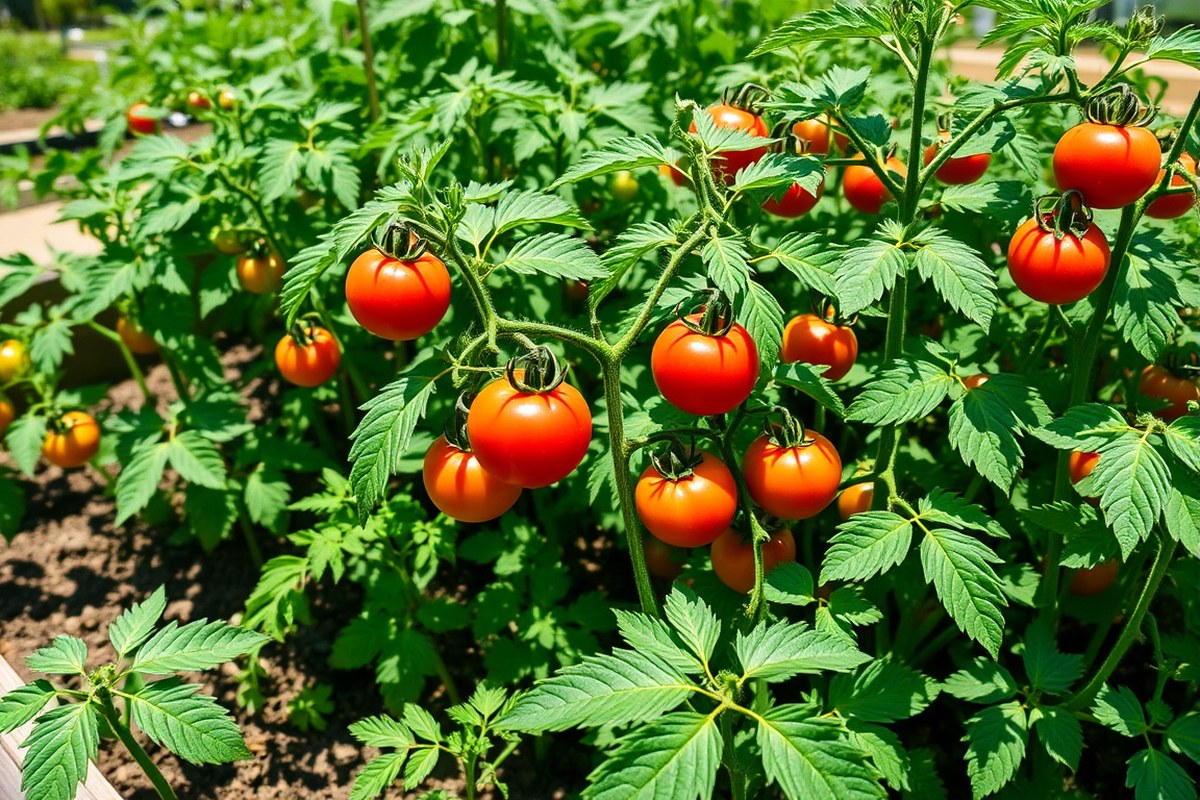
How to Grow Tomatoes in a Raised Bed: A Complete Guide for Best Results
How to grow tomatoes in a raised bed starts with picking the right bed depth. Aim for at least 15 inches deep so roots get plenty of space. Raised beds with good depth help roots grow strong and healthy for better fruit.
You want the soil in your raised bed to drain well but hold nutrients. Mix 60 percent topsoil with 30 percent compost and 10 percent aeration materials like perlite. This mix gives your tomatoes the perfect balance of air, water, and food.
Place your raised bed where it gets full sun most of the day. Tomatoes need warmth and light to grow their best. Keep the bed no wider than four feet.
This helps you reach your plants easily. Watering and pruning will be much simpler.
Key Takeaways
- Build your raised bed at least 15 to 18 inches deep for strong tomato roots.
- Use a soil mix of 60% topsoil, 30% compost, and 10% perlite or vermiculite.
- Choose a sunny spot that gets full sun at least six hours daily.
- Limit raised bed width to 4 feet for easy plant care and harvesting.
- Plant determinate tomatoes 18 to 24 inches apart for proper air circulation.
- Wait to plant until daytime temps stay above 60°F and nights above 50°F.
Choosing and Building the Ideal Raised Bed
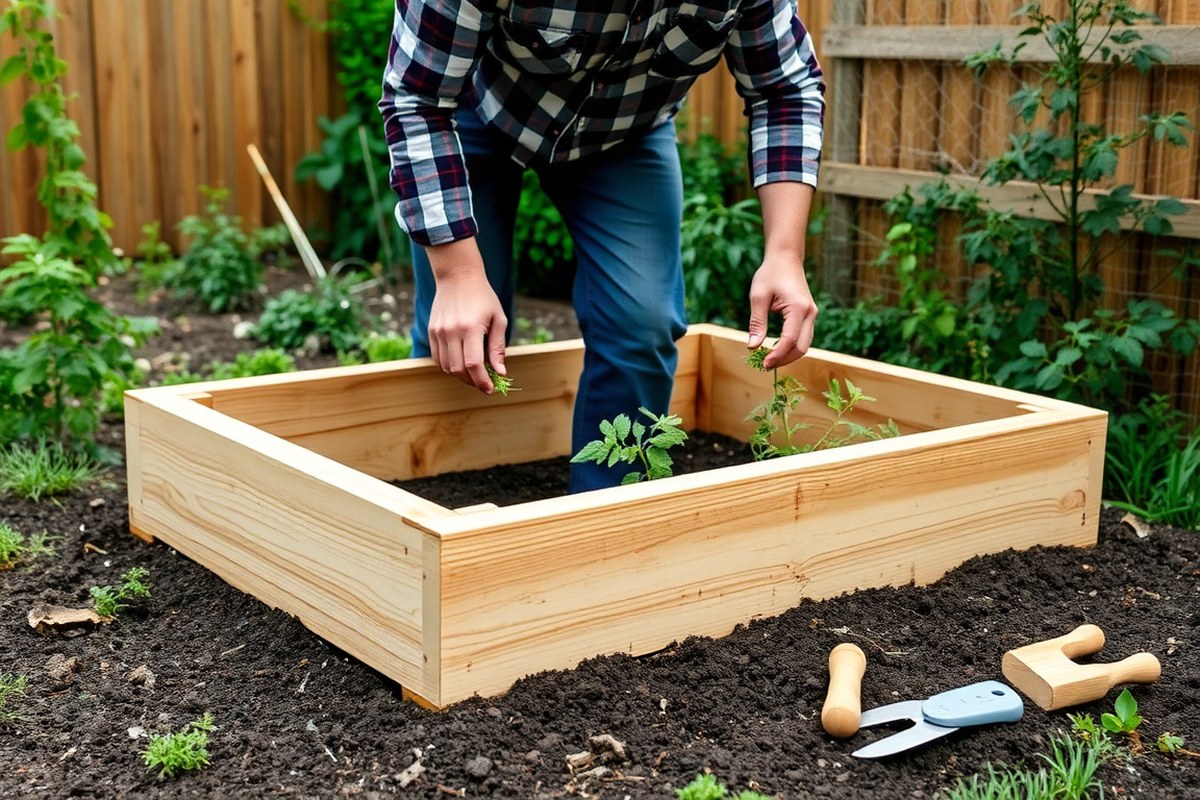
Tomatoes thrive in raised beds with soil that’s at least 12 to 18 inches deep. This depth gives roots enough room to grow strong and absorb water well. Shallower beds can stunt growth and reduce fruit size.
Ideal raised bed width is about 3 to 4 feet. This size lets you reach the middle easily. You won’t need to step in the bed.
That keeps your soil loose and healthy. For length, you can go longer, but keep width manageable for care and harvest.
Wood is a popular material, balancing cost, durability, and look. Cedar resists rot the best but costs more.
Pine is cheaper but may need replacing every few years. Avoid treated wood with chemicals that might hurt the plants.
- Depth: 18 inches ideal, 12 inches minimum
- Width: 3 to 4 feet for easy reach
- Length: can vary, just keep access in mind
- Materials: cedar for durability, pine for budget
- Avoid treated wood to protect soil and plants
- Ensure good drainage holes or gaps
- Build with sturdy corner supports for stability
Adding drainage is key. Drill a few holes or leave small gaps at the bottom.
This stops water from pooling and drowning roots. Raised beds also warm faster in spring, giving your tomatoes a healthy early start.
Build your bed 6 to 12 inches off the ground. This helps with drainage. It also limits weeds.
Use strong screws or brackets to hold corners tight. Frame height between 12 and 18 inches fits most soil delivery bags, make filling easier.
Preparing Optimal Soil for Raised Bed Tomatoes
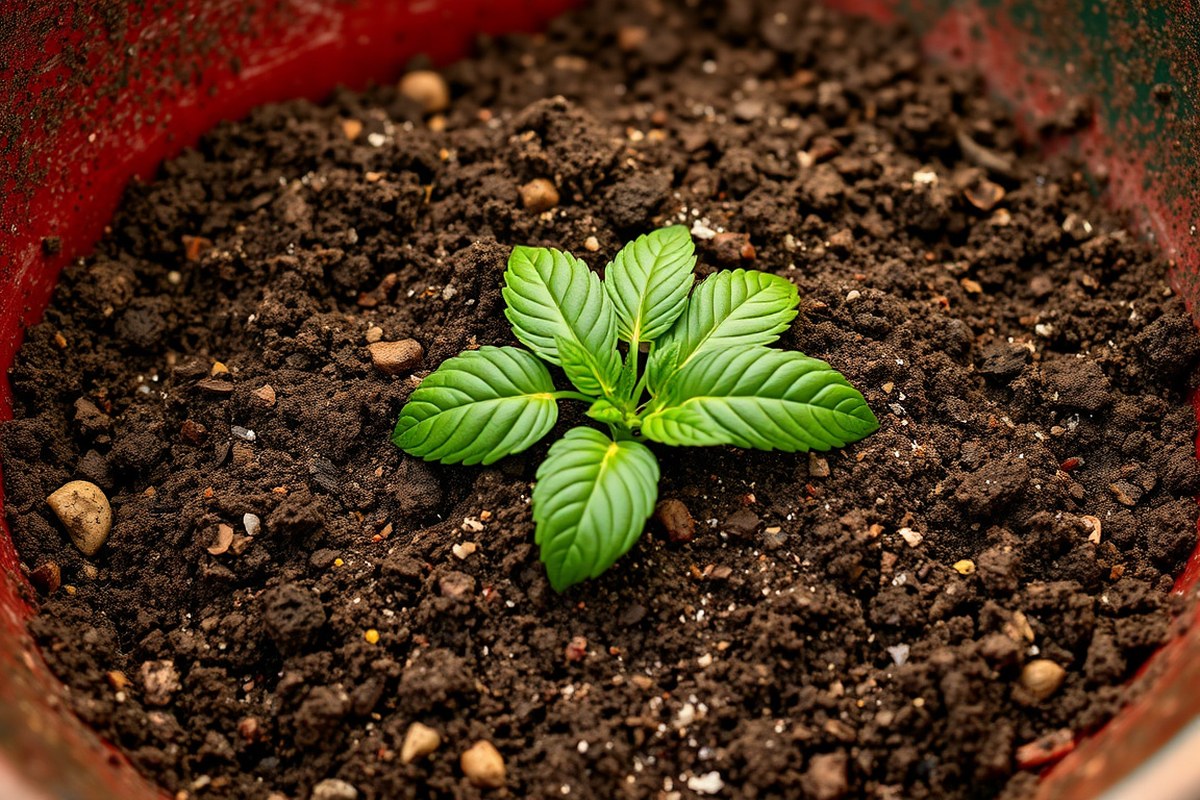
Tomatoes grow best in loose, well-draining soil with a slightly acidic pH between 6.0 and 6.8. This range helps tomato roots absorb nutrients efficiently. Good soil mix combines rich organic matter and airy materials.
It keeps the soil light. This mix works well for gardening.
Clay and compacted soil block roots and hurt growth. Raised beds let you start fresh with soil free from clay, rocks, and diseases. Your mix should feel crumbly and moist, not soggy or hard.
Reusing soil is possible but needs care. Old soil can lose nutrients and may contain disease. Remove old roots from used soil before reusing it.
Add fresh compost to improve soil quality. Rotate plants to prevent problems.
Mix equal parts of three main ingredients for your raised bed soil. This supports healthy tomato roots. Proper mix helps plant growth.
- Mix high-quality compost to add nutrients and improve texture.
- Blend in peat moss or coconut coir to maintain moisture without heaviness.
- Stir in coarse sand or perlite to improve drainage and prevent waterlogging.
- Test soil pH using a simple kit from a garden center or online.
- Add lime to raise pH if soil is too acidic, or sulfur to lower it.
- Use a garden fork or tiller to turn soil deep. Turn the soil to at least 12 inches. This helps roots grow better.
- Water the soil thoroughly and let it settle for several days before planting.
- Top with fresh mulch to keep moisture and reduce weeds once plants are in.
This mixture creates a warm, well-drained environment that tomato roots love. Deep soil space supports roots and avoids crowding. It also prevents disease by avoiding soil compaction and poor drainage.
Check soil pH before planting and adjust it gradually. Sharp changes can stress tomato plants.
Selecting Tomato Varieties for Raised Beds
Raised beds fit both determinate and indeterminate tomato varieties well. Determinate types take less space and need less pruning. Indeterminate tomatoes grow taller and require staking and more care but yield longer.
Indeterminate vs Determinate Tomatoes
Indeterminate tomatoes grow as vines and can reach 6 to 8 feet tall. They keep producing fruit through the season but need staking or cages for support. Pruning is important to improve air flow and fruit size.
Determinate tomatoes grow as bushes and usually stop at 3 to 4 feet tall. They produce all their fruit in a shorter period, so they need less pruning. These work well if space or time is limited.
Space your plants 18 to 24 inches apart to keep air moving and avoid disease. Raised beds about 4 by 8 feet hold 2 to 4 indeterminate plants. They also fit 4 to 6 determinate plants comfortably.
| Variety Type | Plant Height | Spacing in Raised Bed | Number per 4×8 Bed | Pruning Needed | Support Needed |
|---|---|---|---|---|---|
| Indeterminate | 6-8 feet | 18-24 inches | 2-4 | Yes, highly recommended | Yes, staking or cages |
| Determinate | 3-4 feet | 18-24 inches | 4-6 | Optional | Minimal or none |
Choosing between these depends on how much space you have and how much work you want. Indeterminate tomatoes provide a steady harvest but take up more room and effort. Determinates suit smaller beds or easier care.
Compact Varieties for Small Beds
Compact or dwarf tomatoes work best if your raised bed is small. They stay smaller than 3 feet and don’t spread much. This keeps your bed tidy and lets you fit more plants.
For small spaces, pick determinate or dwarf tomato varieties that grow well in 4×8 beds. You can grow up to six compact bushes spaced 18 inches apart. These types limit overcrowding and reduce disease risk.
Vining indeterminate types grow in raised beds too. They need strong support in the center or back.
You must prune and stake plants often. This keeps them healthy and under control.
Recommended Seed and Seedling Sources
Buy tomato seeds or seedlings from local garden centers to get varieties suited to your climate. They usually carry types that grow well in raised beds or small spaces.
Reliable online seed suppliers offer a wide selection of determinate, indeterminate, and dwarf tomatoes. Check reviews for good germination rates and disease resistance. Expect to pay $3 to $6 for packets of 20 to 30 seeds.
Seedlings cost about $3 to $5 each in garden stores. They help start the growing season early.
Look for healthy plants with no yellow or wilting leaves. Avoid plants with broken stems or crowded roots.
When and How to Plant Tomatoes in Raised Beds
Plant tomatoes in raised beds after the last frost date, when soil is 60°F or warmer. Space them widely and plant deeply to encourage strong roots. Follow simple steps for transplanting to improve growth and yields.
Ideal Timing and Soil Temperature
Tomatoes do best in soil that stays above 60°F. Soil warmer than 55°F can support tomato growth, but slower. Use a soil thermometer to check temperature before planting.
Plan to plant tomatoes outdoors 1 to 2 weeks after the last spring frost. This timing avoids cold damage and gives plants longer to fruit in warm weather.
Planting Depth and Orientation
Plant tomatoes deeply in raised beds about 12 to 18 inches deep. Set plants so the stem is buried up to the first true leaves. The buried stem will grow new roots and help plants stay strong.
Orient plants upright and avoid bending stems. Cover the stem well with soil, leaving the top leaves just above the soil surface. This method supports better root systems and water uptake.
Recommended Plant Spacing in Raised Beds
Space tomato plants 24 to 36 inches apart in rows. Indeterminate tomato varieties especially need 24 inches or more because they grow wider and vine. Keep walkways between rows for airflow and care.
Here is a spacing guide based on the tomato type and bed width:
| Plant Type | Spacing Between Plants | Plants in an 8-Foot Bed |
|---|---|---|
| Indeterminate (vining) | 24 inches | 3 to 4 |
| Determinate (bush) | 18 to 24 inches | 4 to 5 |
Use these steps to transplant tomato seedlings into your raised bed:
- Check soil temperature to confirm it is at least 60°F.
- Dig planting holes deep enough to bury the stem up to the first true leaves.
- Gently remove tomato plants from their pots, keeping roots intact.
- Plant seedlings upright in the holes with stem buried deeply.
- Space plants 24 to 36 inches apart according to type and bed size.
- Fill holes with soil and press firmly around the stem base.
- Water plants immediately with about 1 to 2 inches of water to settle roots.
- Add a layer of mulch to conserve moisture and reduce weeds.
Watering and Fertilizing for Maximum Tomato Health
Tomatoes in raised beds need about 1 to 2 inches of water each week. Water deeply two to three times weekly during warm weather. This helps the roots grow strong and prevents dry spots or overwatering.
During hot spells, increase watering to once a day to keep soil moist. Avoid frequent, shallow watering because it makes roots shallow and weak. Use a soaker hose or drip irrigation to deliver water slowly at the base.
Fertilize tomatoes regularly to support healthy growth and heavy fruiting. Start feeding one week after planting with a balanced fertilizer high in phosphorus. Then switch to a fertilizer higher in potassium once flowers appear.
- Apply a balanced fertilizer (10-10-10) one week after planting
- Use a potash-rich fertilizer (5-10-10) when flowers start forming
- Feed every two weeks with liquid fertilizer or compost tea
- Add a handful of compost or aged manure monthly
- Mulch around plants to keep moisture consistent
- Adjust water and feeding during heat waves to daily watering
Tomatoes show signs when they need water. Wilting leaves that perk up by morning mean watering is right.
Limp leaves that stay droopy usually mean underwatering. On the other hand, yellow leaves or cracked fruit can result from watering too much.
Water your tomatoes early in the morning to reduce evaporation and fungal risks.
Raised beds have good drainage but lose moisture quickly compared to garden soil. Test soil moisture by pressing your finger 2 inches down.
Water the soil when it feels dry at that depth. Regular watering and feeding help tomatoes grow well and taste better throughout the season.
Supporting and Pruning Tomatoes for Better Yield
Supporting and pruning tomatoes in raised beds helps improve fruit yield and plant health. Use tall, sturdy supports for indeterminate types and smaller cages or stakes for determinate plants. Regular pruning removes suckers and lower leaves, allowing better airflow and energy use.
Types of Support Structures
Indeterminate tomatoes grow tall and can reach over 6 feet. They need strong, tall supports like cages or stakes. These should be at least 6 feet tall.
Trellises also work well for support. Determinate tomatoes grow to about 3 or 4 feet and stop growing once fruit sets. So shorter cages or stakes work well.
Cages offer 360-degree support but can be pricey at $10 to $20 each. Stakes are cheaper but need tying plants often.
Trellises require upfront work but provide good airflow and easy pruning. Choose based on space, budget, and plant type.
Pruning Suckers and Leaves
Remove suckers (small shoots between main stem and branches) regularly on indeterminate tomatoes. This focuses energy on fruit instead of extra leaves. For determinate tomatoes, pruning suckers is optional because they produce fruit all at once.
Trim lower leaves to at least 6 inches above soil. This cuts disease risk and improves airflow.
Use clean, sharp pruners or pinch suckers off with fingers when small. Start pruning once plants reach 12 inches tall and repeat every week.
- Find suckers in the “V” between main stem and branch.
- Pinch or cut suckers off when they are 2-4 inches long.
- Remove any yellow or damaged leaves near the base.
- Keep lower leaves at least 6 inches above soil level.
- Check plants weekly for new suckers and prune again.
- Dispose of removed material away from the garden to avoid disease.
- Clean pruners with rubbing alcohol before and after pruning.
Training Techniques for Vine Tomatoes
Train indeterminate tomatoes on vertical supports to save space and keep fruit clean. Tie the main stem loosely to stakes or trellises. Use soft ties every 6 to 12 inches.
This helps keep the tomato plant secure. Avoid tying too tight to prevent stem damage.
For good results, start training when plants reach about 12 inches. Wrap side branches carefully around cages or tie them loosely to trellis wires. Determinate tomatoes usually need less training because of their bushy habit.
Managing Common Problems in Raised Bed Tomatoes
Tomatoes in raised beds often face leaf spot diseases. These show up as dark or yellow spots with rings on leaves. Regularly check your plants and remove affected leaves to slow spread.
Improving air flow by spacing plants helps cut disease risks. Avoid overhead watering to keep leaves dry, reducing fungal growth.
Pests like aphids, tomato hornworms, and whiteflies also attack tomatoes. Use organic pest control by handpicking caterpillars early. Spray plants with insecticidal soap or neem oil every week.
Encourage beneficial insects like ladybugs by planting flowers nearby. Keep your raised bed free of weeds where pests hide.
Blossom end rot looks like a dark, sunken patch at tomato bottoms. It happens when plants lack calcium or face uneven watering. Prevent it by watering tomatoes daily, keeping soil evenly moist.
You can add crushed eggshells or gypsum to raise calcium in soil. Avoid letting soil dry too much between waterings to avoid fruit damage.
Cracked tomatoes often result from sudden water changes or heavy rain. Keep soil moisture steady by mulching your raised bed. Use 2 to 3 inches of mulch like straw or shredded leaves to retain water.
Monitor soil moisture with your fingers; it should feel damp but not soggy. Consistent watering cuts down on fruit cracking later in the season.
Check your raised bed soil monthly for signs of trouble. Look for yellow leaves, which may signal nutrient problems or overwatering. Use compost tea or balanced organic fertilizer if plants look weak.
Strong tomato plants resist many diseases better, making regular feeding key. Avoid chemical pesticides to keep your garden safe and eco-friendly.
Extending the Tomato Growing Season in Raised Beds
Raised beds warm up faster in spring, helping you start tomato plants earlier. You can plant young tomato plants once nighttime temperatures stay above 50°F. Use row covers to protect plants from early frost or cold nights. A low hoop house over your raised bed also works well.
Both keep your tomatoes warmer during chilly weather. These covers trap heat and keep the soil warmer.
They cost about $20 to $50 depending on size and material. You can remove them once temperatures rise.
For a longer tomato season, stagger your plantings. Plant your first tomatoes in early summer. Save 25% of your bed space for plants that grow mid-season.
This helps spread out your harvest and keeps the soil used well. This means planting seeds or starts about 3 to 4 weeks after your first batch. It allows you to replace early plants as they stop producing fruit, giving you tomatoes continuously.
Temperature management is key. Tomatoes do best when night temperatures stay above 55°F. Using covers during cool nights prevents stress and fruit drop.
In fall, leave covers on until night temperatures drop below 45°F. Be sure to remove covers during the day to avoid overheating your plants. Hot days under plastic or fabric can cause leaf damage or poor fruit set.
Use lightweight row covers to protect your tomatoes on cold nights. But take them off during sunny days to avoid overheating your plants.
Step-by-Step Action Plan for Growing Tomatoes in Raised Beds
Follow these steps to plant and care for your tomatoes in a raised bed. This plan helps you check that your plants grow well from start to fruit.
- Before planting: Prepare your soil mix with compost and balanced fertilizer. You’ll know it worked when the soil feels loose and smells fresh.
- Planting day: Set tomato seedlings 18 to 24 inches apart in your raised bed. Healthy-looking new leaves show you planted at the right depth.
- First week: Water new plants deeply every 2 to 3 days. Keep soil moist but not soggy. Check soil often to avoid overwatering. Check soil moisture daily by touching the top inch.
- Weeks 2 to 4: Add tomato cages or stakes to support plants. You’ll see plants stay upright and grow straight with support.
- Month 2: Start pruning suckers and removing lower leaves. When airflow improves under the plant, you’re doing this right.
- Throughout season: Fertilize every 2 weeks with tomato fertilizer high in phosphorus and potassium. Watch for strong stems and healthy fruits.
- End of growing season: Pick ripe tomatoes regularly. Your fruits are firm and richly colored when you harvest properly.
Frequently Asked Questions
How Deep Should a Raised Bed Be for Growing Tomatoes?
Tomatoes grow well in raised beds at least 15 to 18 inches deep. This depth supports a strong root system and healthy plant growth.
Can I Grow Indeterminate Tomatoes in a Raised Bed?
Yes, you can grow indeterminate tomatoes in a raised bed. Give them sturdy support in the center or back of the bed for best results.
What Soil Mix Is Best for Tomatoes in Raised Beds?
Use about 60% topsoil, 30% compost, and 10% aeration material like perlite. This mix drains well and provides nutrients for tomatoes.
How Often Should I Water Tomatoes in a Raised Bed?
Typically, raised bed tomatoes should be watered daily. The soil dries faster than in-ground gardens, so check moisture regularly.
Are Companion Plants Helpful for Growing Tomatoes in Raised Beds?
Yes, some companion plants like basil and marigolds can help repel pests and improve tomato growth. Choose plants that don’t compete for space.
Why Do Tomatoes Grown in Raised Beds Taste Better?
Raised beds have better drainage and sun exposure, which benefits flavor. The soil quality is easier to control too.
Before You Go
Growing tomatoes in raised beds needs care at every step, from soil to harvest. Watch plants closely and adjust water and support as needed. Now, plan your next tomato planting date to keep your garden productive.