When Do Alliums Flower? A Detailed Guide to Timing and Varieties
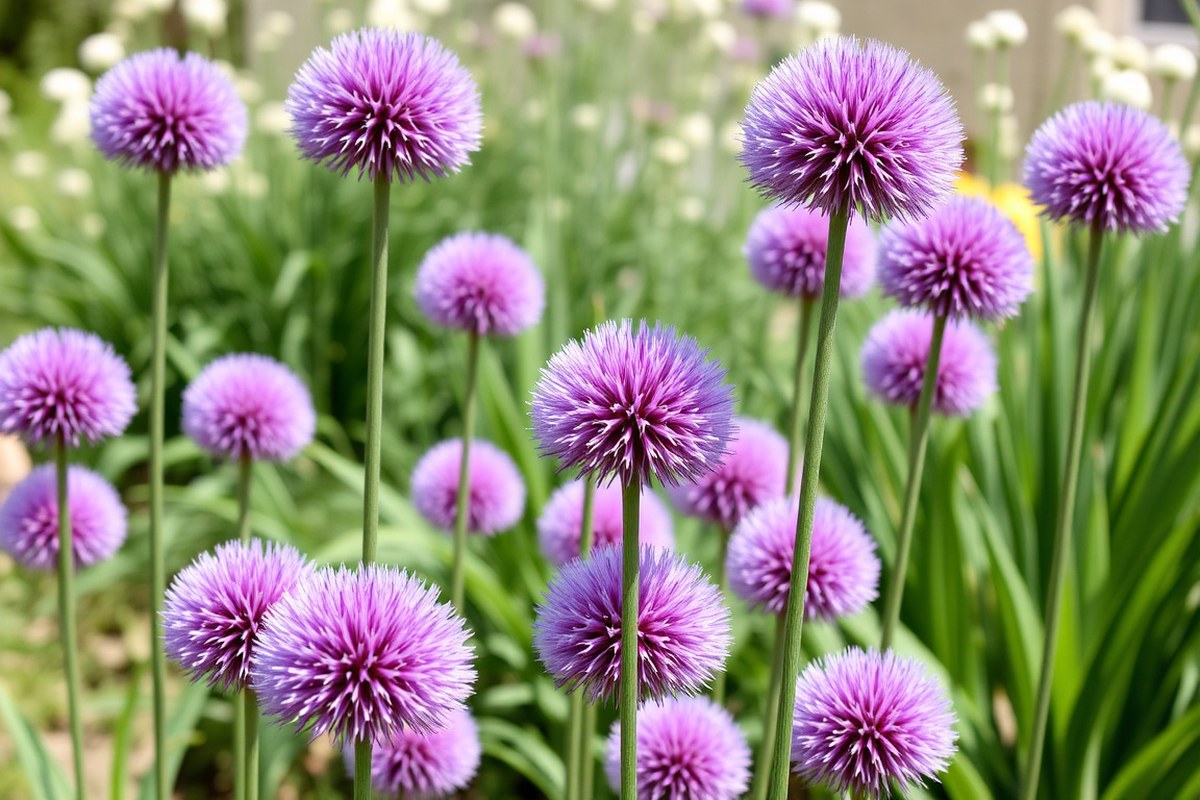
When do alliums flower? Most alliums bloom in late spring, between May and June.
Their flowering usually lasts around 2 to 3 weeks, producing colorful globe-shaped heads. Timing depends on the variety and growing conditions.
Early-blooming alliums can appear in early May, especially in cool rock gardens. Tall varieties like Allium stipitatum ‘Mount Everest’ flower later, adding height to your borders. Usually, you’ll see peak blooms in late May through mid-June.
Soil type also impacts flowering time. Well-drained soil warms faster, encouraging earlier blooms. Clay soils may delay flowering by a week or more.
Planting depth and spacing affect when alliums bloom. Larger bulbs go deeper, around 5 to 6 inches.
Small ones only need 3 inches. Proper planting helps bulbs develop right and bloom on time.
Key Takeaways
- Most alliums flower from late May to mid-June in average gardens.
- Early varieties flower in early May, extending the bloom season.
- Larger allium bulbs need deeper planting for better bloom timing.
- Tall alliums often bloom a little later than smaller, low-growing types.
- Flowering lasts about 2 to 3 weeks, then seed heads add interest.
- Spacing bulbs properly prevents overcrowding and delayed blooms.
When Do Alliums Typically Flower in the Garden?
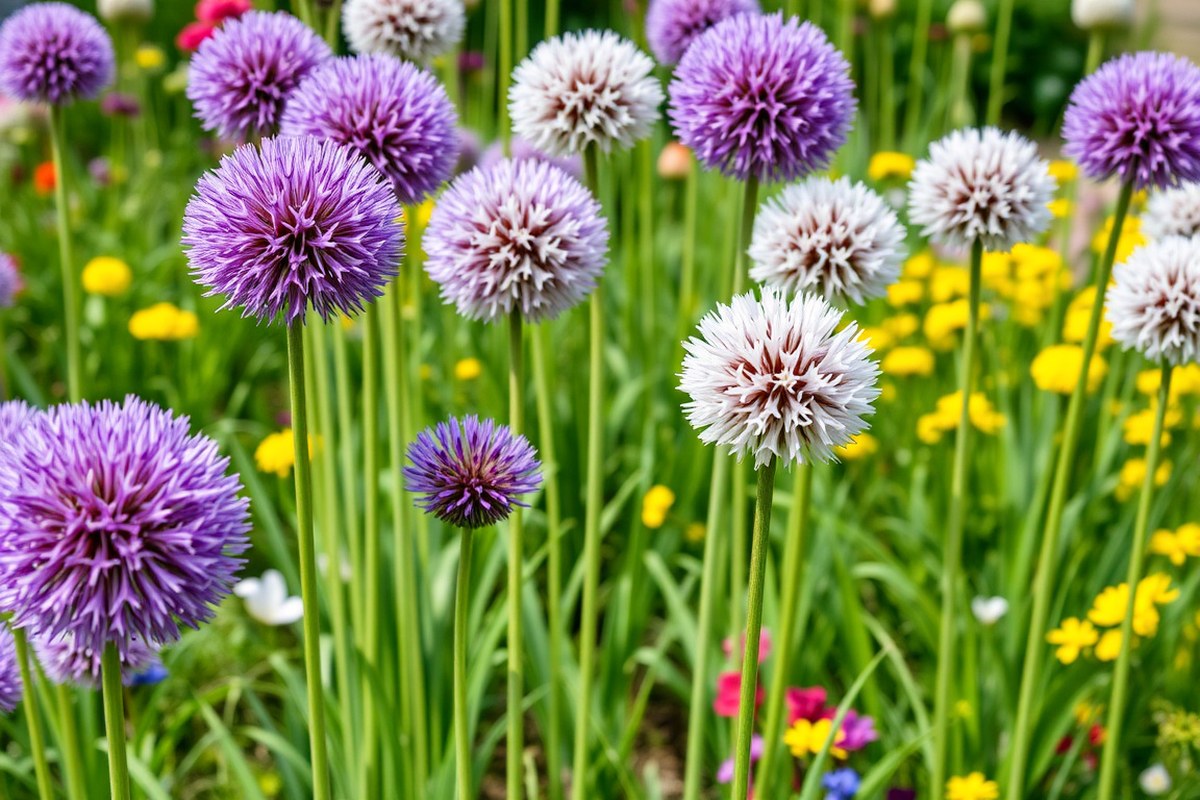
Alliums typically flower from spring through early fall, depending on the type you grow. Most bloom in late spring, around May and June, with flowers lasting two to three weeks. After the flowers fade, their seed heads can add garden interest for several more weeks.
Spring-blooming alliums like chives (Allium schoenoprasum) bloom from mid-spring to early summer. Their flowers are pink to pale purple. Giant types such as Allium giganteum bloom a bit later.
They flower from June into August. Their flower heads are large and purple. Drumstick alliums bloom the latest, from July to September, with apricot-colored flowers.
The exact bloom time shifts based on your climate zone. You might see alliums bloom earlier in warmer areas and later in cooler or high-altitude gardens.
Spring onions (Allium fistulosum) bloom between March and May in warm areas. They produce white flowers early in the season.
How Flowering Times Differ Between Popular Allium Species
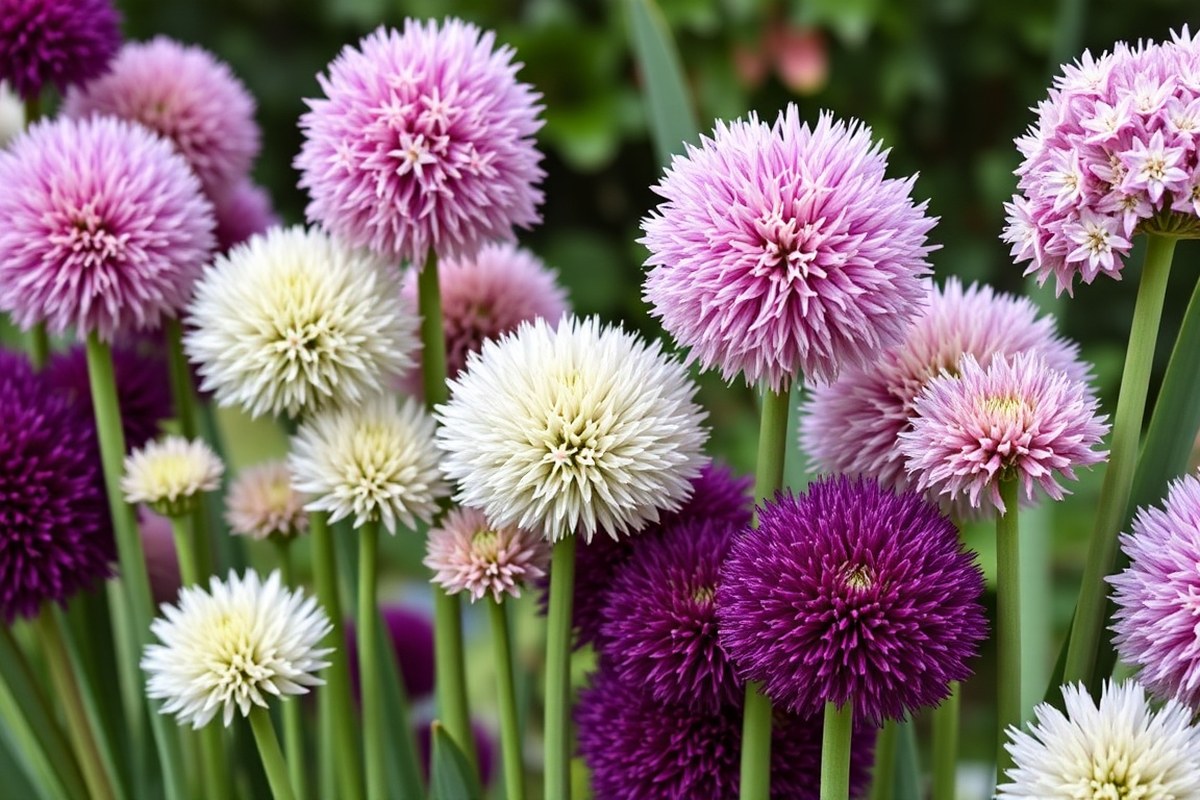
Alliums bloom at different times, depending on their species and cultivar. Early bloomers appear in late spring, while some can flower into early fall. This timing helps you plan for a garden with constant color and variety.
The size of allium flowers varies a lot. Some species have small flower heads about the size of a ping-pong ball. Others, like the Star of Persia, produce large globes up to 12 inches across.
Height also differs among varieties. Some alliums grow just 5 inches tall. Taller types can grow 4 or 5 feet tall.
They create strong vertical accents in garden beds. This adds height and interest to your space.
| Species or Cultivar | Bloom Time | Flower Color | Flower Diameter | Height |
|---|---|---|---|---|
| Allium ‘Purple Sensation’ | Late Spring to Early Summer | Dark Purple | 3-4 in (7-10 cm) | 3-4 ft (90-120 cm) |
| Allium giganteum | Early Summer | Purple | 6-7 in (15-18 cm) | 4-5 ft (120-150 cm) |
| Star of Persia (Allium cristophii) | Late Spring | Silvery Lavender | 12 in (30 cm) | 2.5 ft (75 cm) |
| Allium ‘Gladiator’ | Early Summer | Purple | 6 in (15 cm) | 4-5 ft (120-150 cm) |
| Allium flavum (small species) | Spring | Yellow | 1-2 in (2.5-5 cm) | 6-12 in (15-30 cm) |
| Allium sikkimense (small species) | Late Spring | Pink/White | 2-3 in (5-7 cm) | 8-10 in (20-25 cm) |
Your choice of alliums will shape the look and flow of your garden’s bloom season. Pick early types to enjoy spring color, then add tall giants for the summer’s dramatic effect. Smaller species work well for front borders or container gardens and bring delicate color.
Many gardeners like planting allium varieties with staggered bloom times. This keeps your garden colorful longer without large gaps. Different flower sizes and colors add texture and interest at various heights.
Plant taller alliums in spots where their height doesn’t block smaller plants’ sunlight.
Keeping flower sizes and heights in mind helps you place alliums correctly. You want to see them all, and their blooms should not crowd each other. Mixing these traits offers an elegant, balanced garden display that changes over months.
Environmental Factors That Influence When Alliums Flower
Alliums need well-draining soil that is not soggy to thrive. Soil that holds too much water causes their bulbs to rot, which delays or stops flowering.
You can improve drainage by adding sand or organic matter like compost to heavy soils. Soil with balanced moisture helps buds develop on time and leads to stronger flowers.
Temperature affects when alliums begin to bloom. They usually start flowering when soil temperatures reach about 50 to 60°F. In colder zones like USDA 3 and 4, blooms come late. These zones have a shorter growing season.
Zones 7 or 8 see earlier blooms. Any sudden cold snaps can push back bloom start by several days or weeks. Consistent warmth speeds it up.
Alliums also need full sunlight for at least six hours daily to bloom well. This light helps their bulbs store energy and triggers flowering signals. Planting alliums in shade lowers flower size.
Harsh afternoon shade makes blooms worse. Bright spots give the best flowers. Your garden has limited sun?
Choose alliums that handle part shade. This will boost your flower results.
Local climate and recent weather influence overall bloom timing and how long flowers last. Windy or rainy stretches can damage tall flower spikes and shorten the blooming period. Shelter your plants from heavy wind by planting near fences or shrubs.
Steady mild weather keeps flowers fresh longer than usual. No extreme heat helps blooms last 2 to 3 weeks or more.
Hardiness zones matter because most alliums grow best in USDA zones 4 through 9. These zones have long seasons. Bulbs can grow and bloom in spring or early summer.
Later-blooming types thrive in slightly warmer zones where summers arrive early. Knowing your zone helps you pick the right alliums. It also tells you the best planting time.
How Planting Time, Depth, and Spacing Affect Bloom Dates
Planting alliums at the right time, depth, and spacing controls when they bloom. Fall planting after the first frost gives bulbs time to settle.
Planting deeper slows sprouting and delays bloom. Proper spacing lets flowers grow fully without crowding.
Optimal Planting Months by Region
Plant allium bulbs from September to November. Select a spot after the soil cools and the first frost hits. Avoid planting too late, since frozen ground blocks bulb setting.
In colder climates, focus on early to mid-fall planting. Mild regions can wait until late fall but should not delay past November. This timing ensures bulbs develop roots before winter.
Planting bulbs in spring is possible but reduces bloom size and timing accuracy. Fall planting remains the best choice for garden-quality flowering.
Depth Guidelines Based on Bulb Diameter
Plant bulbs at a depth three times their height for best bloom timing. Larger bulbs like Globemaster require 5 to 6 inches depth. Smaller types like drumstick alliums need only 3 inches.
Deeper planting delays shoots because bulbs warm slower underground. Shallower bulbs bloom earlier but risk drying out or frost damage. Adjust depth if you expect heavy rain or poor drainage.
Measure your bulbs, then multiply by three to find planting depth. Follow pack instructions if they differ. Consistent depth encourages even bloom dates across your planting.
Spacing Strategies for Continuous Bloom
Keep bulbs 4 to 6 inches apart within clusters. This distance lets each flower head fill out without crowding. Space groups 12 to 18 inches apart to avoid shading between blooms.
Smaller alliums like drumsticks grow well 3 to 4 inches apart. Taller types need 8 inches between bulbs to spread stems and flowers. Tight spacing delays or weakens blooming.
For longer displays, plant bulbs in stages two weeks apart. Container growers can use staggered planting dates to add an extra week of flower show. Follow these steps to plant alliums for the best bloom timing:
- Choose a sunny spot with well-draining soil or raised beds.
- Mark your planting area and space bulbs 4 to 6 inches apart in groups.
- Dig holes three times the bulb height. For large bulbs, dig 5 to 6 inches. For small bulbs, dig 3 inches deep.
- Place bulbs pointy side up in the holes for proper growth orientation.
- Cover bulbs with soil and firm gently to remove air pockets.
- Water the site lightly to settle soil and encourage root growth.
- Apply a balanced fertilizer after blooming to support next year’s bulbs.
How to Extend the Allium Blooming Season in Your Garden
To enjoy allium blooms over many weeks, plant bulbs in groups with different bloom times. Use a mix of early, mid-season, and late-flowering varieties. Plant bulbs a few weeks apart to keep flowers blooming.
Group Planting Intervals for Staggered Flowering
Plant bulbs in separate batches spaced two to three weeks apart in the fall. This helps each group flower at different times. You can also space groups in clusters about 12 inches apart to avoid crowding.
Planting intervals depend on your climate and soil. In warmer zones, fall is best.
In colder climates, wait until after the last frost in spring. Bulbs need time to establish roots before blooming.
- Choose healthy bulbs of various allium species.
- Prepare well-drained soil with consistent moisture.
- Plant the earliest bloomers first, two to three weeks before others.
- Space groups 12 inches apart to allow room to grow.
- Water after planting to settle bulbs into the soil.
- Add mulch to retain moisture and protect bulbs in cold weather.
- Monitor soil moisture but avoid overwatering to prevent rot.
Delaying planting by too long can reduce bloom quality and timing.
Mixing Early, Mid, and Late Bloomers
Combine early bloomers like Egyptian Walking Onions that flower from May to July with mid-season types. Mid-season alliums bloom as early varieties fade, giving a nice overlap. Late bloomers like the ‘Globemaster’ extend color into early summer.
Using hybrids such as ‘Globemaster’ provides dramatic blooms on tall stems around late spring. Mix smaller alliums in borders with giant types for texture and variety. Their flowering periods combine for continuous garden interest.
Planting these together in layers helps spread color from late spring through early summer. Avoid planting only one type to prevent gaps once a group finishes blooming.
Using Smaller Fast-Bloom Bulbs as Fillers
Smaller allium bulbs bloom more quickly and can fill gaps between larger varieties’ flowering times. They often bloom in late spring and continue into early summer. This keeps your garden lively even if big alliums are still developing.
For quick results, plant these smaller bulbs in front of taller varieties. They add color at different heights and prevent empty spaces. Be mindful not to overcrowd; plant smaller bulbs 6 to 8 inches apart.
Smaller or younger bulbs may skip their first year’s bloom if they lack stored energy. Plant larger bulbs or those known for early bloom for a reliable display.
How Allium Flower Size and Color Relate to Flowering Time
Alliums with bigger flower heads tend to bloom later in spring or early summer. A large, globe-shaped flower often measures 3 to 6 inches across and signals a fuller bloom. Giant alliums like Allium giganteum usually flower later than smaller types.
They take more time to grow their dense flower clusters. This means you can expect a longer wait before blooming.
Flower color also gives clues about bloom timing. Pale pink and lilac alliums usually appear in mid-spring. White and deep purple varieties often bloom earlier.
These colors can align with the plant’s seasonal needs. Lighter colors reflect heat and may extend bloom duration in warmer weather.
Flower size influences stem height and bloom length too. Bigger flower heads usually grow on taller stems, providing better garden presence and more cut-flower value. Larger blooms often last several weeks.
This lets you plan when to cut them. You can also enjoy their beauty for a longer time.
For you, selecting alliums means thinking about bloom timing, color, and size together. For example, pairing early-blooming small white alliums with tall late bloomers creates continuous garden interest. Bigger alliums need space and deep planting to grow well.
Plant them 6 to 8 inches deep for best results. This helps them reach their full potential.
Warm climates can speed up blooming, causing some large alliums to flower earlier than usual. To manage this, plant bulbs in fall as soon as soil cools to protect their development. Planting bulbs too shallow or too late causes smaller flowers.
These flowers may also bloom later than normal. The problem is weak roots from poor planting.
Using flower size and color as a guide helps you predict bloom times and care needs. Smaller, darker flowers tend to bloom earlier. Bigger, lighter flowers usually appear later and last longer.
This helps you pick which alliums to grow and when. This approach improves your garden’s look and flowering schedules without guesswork.
Common Mistakes That Delay or Prevent Allium Flowering
Alliums need the right planting and care to bloom well. Bulbs planted too shallow may dry out or face frost damage, stopping flower development.
Plant bulbs at least 2 to 3 times as deep as their size. For example, a 2-inch bulb should go 4 to 6 inches deep.
Poor soil also delays flowers. Alliums like well-drained soil with some organic matter. Heavy clay or soggy spots can cause rot or weak growth.
Improve drainage by adding compost or planting on a raised bed. Avoid soaking bulbs before planting since it can cause rot.
Watering is another factor. Too little water makes flower stalks thin or stops the bloom. Too much water also leads to rot.
Water when the soil dries on top, especially in early growing season. After blooms, reduce watering so bulbs rest properly.
- Plant bulbs 4 to 6 inches deep, not shallower.
- Choose a sunny spot with well-drained soil.
- Add compost to heavy or poor soil before planting.
- Water moderately, avoiding soggy or very dry soil.
- Do not soak bulbs before planting to prevent rotting.
- Feed with balanced bulb fertilizer early spring for strong blooms.
- Remove spent flowers to redirect bulb energy.
Planting at the right time matters. Plant alliums in fall for spring bloom, so roots can grow before winter. Too early planting risks bulb rot in wet soil.
Too late can reduce bloom size or delay flowers. Watch sunlight too. Alliums need at least 6 hours of sun daily.
Fertilizing in early spring helps alliums build strong stems and buds. Use a balanced fertilizer or bulb-specific food.
Avoid overfeeding in late summer since it can encourage leaf growth over flowers. Also, divide overcrowded clumps every few years to prevent weak blooms.
Best Post-Flowering Care to Ensure Future Allium Blooms
Cut flower heads once blooms fade to stop seed growth. Leave the foliage until yellowing to feed bulbs. Feed and water bulbs carefully to support energy storage for next year.
Cutting Flowers and Managing Seed Heads
Cut flower heads right after the blooms start to fade. This prevents the plant from wasting energy on seed production. Seed heads look nice in winter but stop bulb regeneration.
Keep leaves green for 6 to 8 weeks after flowering. The leaves help bulbs store sugars for next spring’s growth. Cut foliage only when it turns yellow and dries out.
Watering and Fertilizing After Bloom
Water bulbs regularly after blooming, especially if rain is scarce. Keep the soil moist but not soggy to avoid rot risks. Proper watering helps bulbs recharge with nutrients.
Fertilize with a low-nitrogen, high-phosphorus feed 2 to 3 weeks after flowering ends. This encourages bulbs to store energy instead of making leafy growth. Avoid high-nitrogen feeds or feeding too early.
Preparing Bulbs for Winter Storage or Mulching
Dig up bulbs only if your winter is harsh or wet. Let bulbs dry for a week in shade before storing. Store bulbs in a cool, dry place around 50°F (10°C).
If you leave bulbs in the ground, cover them with 2 to 3 inches of mulch. Mulch protects from frost and temperature swings. Remove mulch in early spring before new growth starts.
Follow these steps for after-bloom allium care:
- Cut flower heads as soon as blooms fade.
- Leave foliage intact until yellow and dry.
- Water bulbs moderately during the fall.
- Apply low-nitrogen fertilizer 2 to 3 weeks post-bloom.
- Dig and dry bulbs only in harsh winter zones.
- Store bulbs cool and dry if lifted.
- Mulch bulbs left in the ground to protect from frost.
- Remove mulch in early spring before shoots emerge.
Cut flowers promptly but never trim leaves while green. It weakens bulbs and reduces blooms next year.
Step-by-Step Action Plan for Timing and Caring for Your Alliums
Follow these steps to help your alliums flower on time. Keep them healthy through every season. Proper care makes a big difference.
- Fall (planting time): Plant bulbs 4 to 6 inches deep. Space them 6 to 8 inches apart. This gives them room to grow well. Check the soil is well-drained to prevent rot.
- Late winter/early spring: Watch for green shoots emerging. This means bulbs are coming out of dormancy and will bloom soon.
- Spring (before bloom): Apply a balanced fertilizer once shoots appear. Healthy shoots mean the plant is ready to bloom.
- During bloom: Water the plants regularly but avoid waterlogging. Flowers that stay upright and colorful show you’re doing it right.
- After bloom: Leave the foliage until it yellows and dies back naturally. This lets bulbs store energy for next year’s flowers.
- Late summer: Pull off dead leaves carefully. If digging bulbs, store them in a cool, dry spot. This keeps them safe until next planting. Firm and plump bulbs indicate good storage.
- Throughout growing season: Keep an eye on pests and diseases and treat problems promptly. Healthy leaves and stems mean fewer issues.
Frequently Asked Questions
How Soon After Planting Do Allium Bulbs Flower?
Allium bulbs typically flower one growing season after planting. Larger bulbs like Globemaster may bloom faster due to their size.
Can Alliums Flower Indoors, and What’s the Schedule?
Yes, alliums can flower indoors if properly chilled first. They often bloom about 12 weeks after chilling in cool, dark conditions.
Do Allium Flowers Attract Pollinators?
Yes, alliums attract bees and butterflies with their spherical flower heads. This helps increase garden biodiversity and supports pollination.
Can Alliums Rebloom in the Same Year?
Most alliums flower once per year and do not rebloom. Deadheading spent flowers supports bulb energy for the next season instead.
Does Cutting Allium Flowers Affect Future Blooms?
Cutting flowers won’t stop future blooms if bulbs stay healthy. Don’t cut leaves until they turn yellow to let bulbs recharge.
Are Alliums Deer or Rabbit Resistant?
Alliums are generally deer and rabbit resistant because of their strong onion scent. This makes them good choices in pest-prone gardens.
Final Thoughts
Alliums flower mostly in spring and early summer, depending on species and care. Plant bulbs at the right depth and time for best blooms. Start with planting this fall to enjoy their colorful flowers next spring.