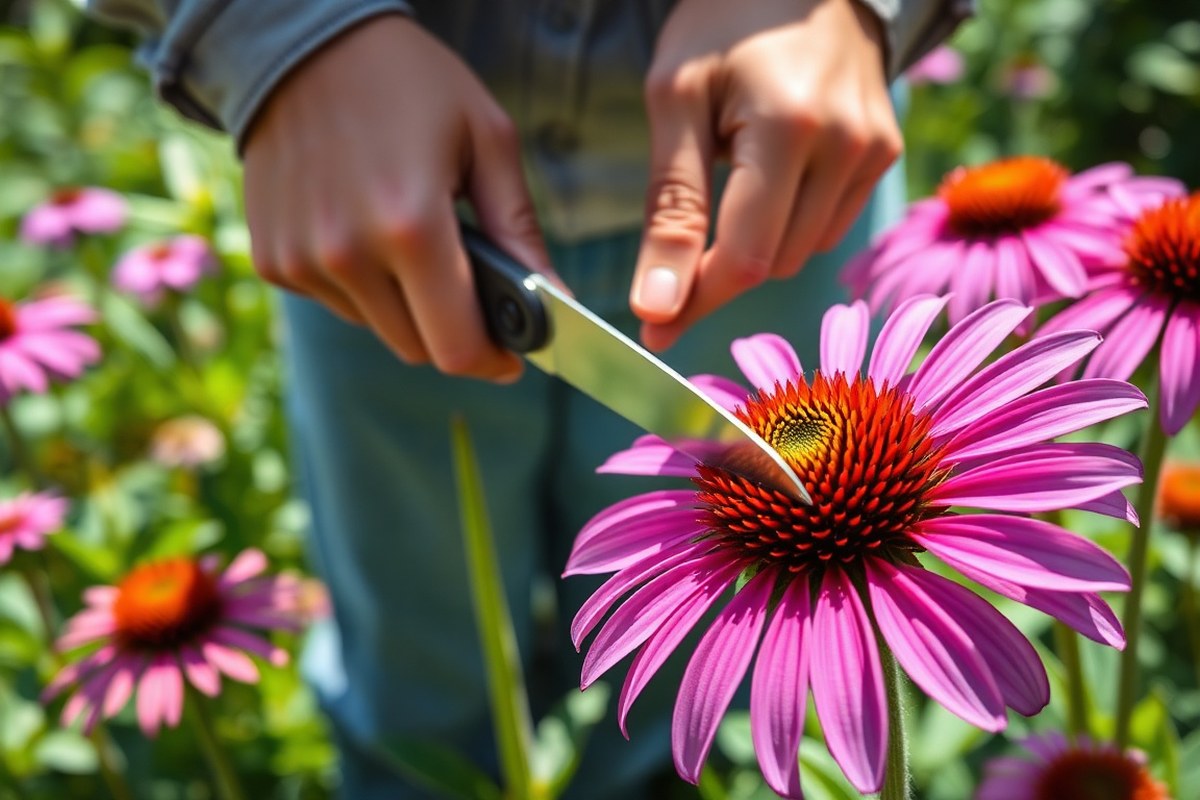
How to Harvest Echinacea: Complete Guide for Best Yield and Quality
How to harvest echinacea starts by knowing the right parts to pick and the best timing. You harvest leaves and flowers when they fully bloom, usually mid to late summer. Roots come next, ideally after the plant is two or three years old.
Dig echinacea roots by making a wide circle about 1.5 feet from the plant’s base. This avoids damaging the plant and helps it keep growing. Harvest only about 20% or less of the roots each year to protect the plant’s health.
Use fresh leaves and flowers for teas. Steep them five to seven minutes in hot water.
For stronger extracts, dry the plant parts and soak them in alcohol to make tinctures. Careful drying below 100°F preserves the plant’s beneficial compounds well.
Key Takeaways
- Harvest echinacea leaves and flowers when fully open in mid to late summer.
- Dig roots 1.5 feet from the plant’s base to avoid harming it.
- Only harvest up to 20% of roots annually to keep plants healthy.
- Use fresh or dried flowers and leaves to steep in hot water for tea.
- Dry echinacea parts below 100°F to keep their medicinal compounds intact.
- Make tinctures by soaking dried echinacea in alcohol for 4 to 6 weeks.
When and What Parts of Echinacea to Harvest
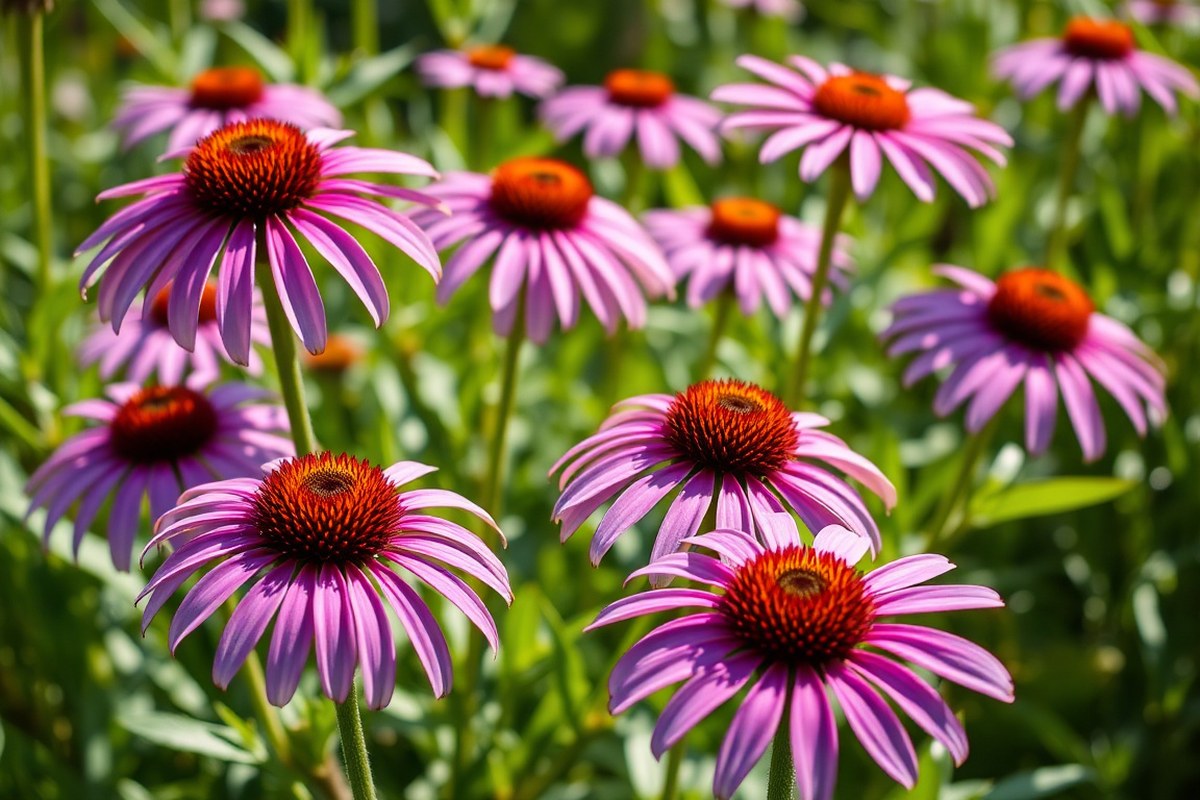
Harvest echinacea parts at different times for the best quality and plant health. The flowers and leaves come in late summer when the flowers fully bloom.
For roots, wait until fall after plants stop blooming and leaves wither. Always let plants grow for two or three years before digging roots to keep them healthy.
Different parts of echinacea give you different benefits. So you’ll want to choose your harvest time based on the part you plan to use. Flowers and leaves contain certain compounds at peak bloom that make them more potent.
Roots grow slowly. They get strongest medicine when the plant rests in fall.
| Plant Part | Best Harvest Time | Age of Plant | Notes |
|---|---|---|---|
| Flowers | Late summer, fully open bloom | At least 1 bloom cycle | Harvest before flowers wilt for best potency |
| Leaves | Same time as flowers, late summer | At least 1 growing season | Use fresh or dry quickly to preserve compounds |
| Roots | Fall, after foliage dies back | 2 to 3 years old | Harvest only 20% or less of roots per plant yearly |
Be sure to leave enough roots for the plant to regrow next year. Dig a circle 1.5 to 2 feet wide from the drip line to avoid damage.
Harvesting too early or too much can harm your plants and lower medicine quality. Your timing and care help keep your echinacea healthy while you enjoy its benefits for years.
Tools and Preparation Needed for Harvesting
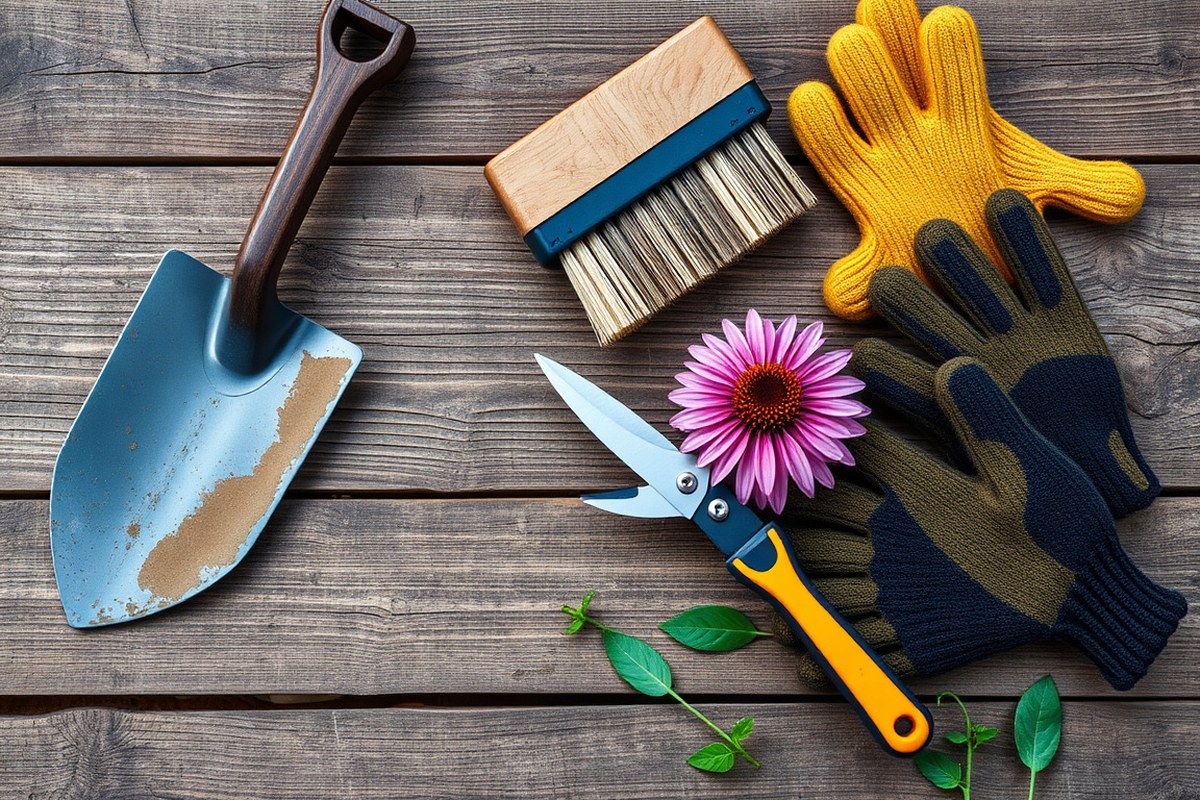
Before you start harvesting echinacea, gather the right tools. You’ll need sharp garden snips or pruning shears for clean cuts. Avoid pulling stems; it can damage the roots or stalks.
Make sure your tools are clean and sharp to prevent plant damage and disease spread. Sterilize blades with rubbing alcohol or a diluted bleach solution before and after use. This step keeps your plants healthy and stops pests and fungi from spreading.
Prepare the area by clearing weeds and debris around your echinacea plants. Check the soil moisture.
Harvesting is easier when the ground is moist, but not wet. Time your harvest for when flowers are fully open and roots mature.
- Sharp garden snips or pruning shears for cutting stems
- Rubbing alcohol or diluted bleach to sanitize tools
- Gloves to protect your hands from rough stems
- Clean basket or container to hold cut plant parts
- Cloth or paper towels to gently wipe roots if harvesting
- Sharp knife for digging and trimming roots
- Water source nearby to rinse tools and clean hands
Keeping tools sharp makes cutting easier and neater. Dull blades crush plant tissue, which can lead to rot or slower healing. Use gloves to avoid scratches or irritation from the rough stems and leaves.
Before cutting any part, inspect the plant for pests or damage. Skip any leaves or flowers with spots or holes to avoid spreading trouble. Harvest only a third of the plant’s parts to keep it growing strong.
Avoid tugging at stems. Always use clean, sharp tools for cutting to protect the plant’s health.
How to Harvest Echinacea Flowers and Leaves Correctly
Use clean, sharp scissors to cut echinacea flowers and leaves in the morning. Leave around 6 inches of stem when cutting flowers and trim leaves close to their stems. This method helps protect the plant and supports its continued growth.
Choosing Flowers at Peak Bloom
Pick echinacea flowers when they are fully open but before petals start to wilt. Mid to late summer offers the best timing to catch their vibrant colors and active compounds. Harvesting too early means less potency, too late risks losing the flower’s benefits.
Check flowers daily during blooming to spot peak bloom. Choose those with firm petals and bright cones. Avoid flowers that look dried or have started dropping petals to get the strongest herbal properties.
Proper Cutting Technique Using Sharp Scissors
Use sharp scissors or pruning shears for clean cuts above a set of healthy leaves. Cutting just above the lowest leaves keeps stems healthy and supports regrowth. Leave about 6 inches of stem on flowers for easier handling and drying.
For leaves, cut close to the stem but avoid the youngest leaves at the top. Older leaves hold more active compounds and harvesting younger ones can stunt plant growth. Always use clean tools to reduce infection risk.
Avoiding Damaged or Diseased Foliage
Skip any leaves or flowers that show discoloration, spots, or holes. These signs could mean disease or insect damage that lowers medicinal quality. Harvesting only healthy plant parts helps keep your echinacea plants strong.
Look for bright green, firm leaves without wilting or dryness. Damaged leaves may spread disease to healthy parts if picked.
Widespread damage calls for cutting the damaged stems all the way back. This helps safeguard the rest of your garden from further harm.
Follow these steps to harvest echinacea flowers and leaves safely:
- Wait until mid to late summer when flowers are fully open.
- Use sharp, clean scissors for cutting to prevent harm and infection.
- Select flowers with bright cones and firm petals, avoiding wilted ones.
- Cut flower stems about 6 inches above the lowest healthy leaves.
- Snip mature leaves close to their stems, leaving young top leaves intact.
- Discard any parts that show signs of disease or insect damage.
- Harvest in the morning after dew dries, before the heat starts.
Techniques for Harvesting and Cleaning Echinacea Roots
Harvest echinacea roots by digging carefully around the base with a garden fork. Dig about 12 to 18 inches deep and 6 to 8 inches away from the stem. Clean them gently with cool water and a stiff brush to keep the skin intact.
Locating Roots and Digging Technique
The roots grow widely around the plant’s base. Dig with a spade or garden fork 6 to 8 inches away from the stem. Go 12 to 18 inches deep to reach thick root parts below the crown.
Start by loosening the soil in a circle around the plant. This avoids cutting into the main root mass too close to the crown. Digging too close can harm the plant’s ability to regrow.
Washing and Brushing Roots Carefully
Gently shake the roots to remove loose soil over a bucket or outside. Next, rinse them with a steady stream of cool water. Avoid using high-pressure water, which bruises the delicate root skin.
Use a stiff brush to clean stubborn dirt from the root’s crevices. Be firm but gentle to avoid scraping off the thin outer layer that holds nutrients. Finally, lay roots on a clean towel and pat dry before storage or use.
Harvest Limits to Ensure Plant Survival
Never remove all the roots from a single plant to protect its life. Take no more than one-third of the root system at a time. Leave enough roots and the crown intact to allow the plant to regrow the next season.
Plan your harvest for fall, after the first frost. The roots hold most of the plant’s energy at this time. This helps the plant survive digging.
It regrows quickly and strongly afterward. Protect the crown and replant it at the same soil depth.
- Use a garden fork to loosen soil 6 to 8 inches from the stem.
- Dig down carefully about 12 to 18 inches to find thick roots.
- Lift the roots gently without disturbing the crown.
- Shake the roots over a bucket to remove loose dirt.
- Rinse roots with a gentle stream of cool water.
- Scrub stubborn dirt with a stiff brush carefully.
- Pat roots dry on a clean towel before use or storage.
- Leave at least two-thirds of the root system to regrow.
Best Methods for Drying Echinacea to Preserve Potency
Drying echinacea keeps its medicinal power after harvest. You want low heat under 100°F (38°C) to stop heat damage. Too much heat breaks down active compounds and ruins the plant’s potency.
Common drying methods include air drying, dehydrators, and ovens. Air drying is simple but takes longer, usually 1 to 2 weeks depending on humidity.
Dehydrators dry faster, typically in 6 to 12 hours. Ovens work too, but you must watch temperatures carefully.
| Drying Method | Temperature Range | Drying Time | Best Use |
|---|---|---|---|
| Air Drying | Below 80°F (27°C) | 7 to 14 days | Small batches, low cost |
| Dehydrator | 95°F to 100°F (35°C to 38°C) | 6 to 12 hours | Faster drying, preserves potency |
| Oven Drying | Less than 100°F (38°C) | 3 to 8 hours | Quick drying, requires attention |
Air drying is perfect when you have time and good airflow. Hang echinacea bunches upside down in a dry, dark spot.
Check daily for mold or softness. Make sure the room isn’t humid or the plant will rot.
A dehydrator gives you temperature control and speed. Lay leaves, flowers, or roots in single layers. Keep the machine below 100°F and check progress every few hours.
This stops over-drying or burns. Ovens dry faster but can dry unevenly.
Always keep drying temperatures under 100°F to protect echinacea’s natural compounds.
Roots take longer to dry fully, often up to 48 hours in a dehydrator. Thin slices help speed this.
Leaves and flowers dry much faster, usually within hours. Store dried echinacea in airtight containers away from heat and light.
When echinacea is properly dried, it should snap easily and feel brittle. Avoid drying too fast or hot, which can make the herbs lose aroma and healing power. Remember that patience is key, slow, low heat retains its medicinal value best.
Proper Storage Practices for Dried Echinacea
Store dried echinacea in airtight containers to keep it fresh. Dark glass jars work best because they block out light. This protects the herb from breaking down and losing potency.
The ideal storage place is cool and dark with low humidity. Aim for temperatures below 70°F, ideally around 60°F or less. Too much heat or moisture can cause mold or reduce medicinal strength quickly.
Label containers clearly with the plant part and the harvest date. This helps you track how long the echinacea has been stored. It generally stays good for about one to two years under these conditions.
- Use dark glass jars with tight-fitting lids
- Keep jars in a cool, dark cabinet or drawer
- Keep humidity low, under 50% if possible
- Avoid plastic containers that aren’t airtight
- Label each jar with contents and harvest date
If your storage spot gets warm in summer, consider a sealed container inside a cooler area. Check jars regularly for moisture or mold. Remove any damp material immediately to save the rest.
Storing echinacea right keeps it ready for teas, tinctures, or other remedies. Proper care helps retain its medicinal benefits longer.
Fresh leaves and flowers can be used too. But they spoil faster than dried herb.
How to Harvest and Store Echinacea Seeds for Propagation
Harvest echinacea seeds when the flower heads dry and turn brown. Collect the seed heads carefully, then dry them to extract the seeds without damage. Store seeds in a cool, dry place to keep them viable for planting later.
Identifying Mature Seed Heads
Look for flower heads that have fully bloomed and started to dry out. The petals will fall off and the central cone turns brown and firm. Seeds are mature when they are loose inside the dried cone and easy to shake out.
Seed heads are best harvested in mid to late summer after the bloom has faded. Avoid collecting heads that are still green or moist, as their seeds won’t be ripe. You will notice seeds dropping naturally when the head is ready.
Separating and Drying Seeds
After cutting the dry flower heads, let them air dry for a few more days. This ensures seeds separate easily from debris. Handle the seed heads gently to avoid crushing the seeds.
To clean the seeds, shake the cones over a paper bag. Tap the cones gently to release loose seeds. Collect all the seeds in the bag carefully.
Remove any chaff, twigs, or empty husks by blowing lightly or using a fine sieve. Proper cleaning prevents mold during storage.
- Cut dry seed heads from the plant using scissors or pruners.
- Place the heads in a dry, airy spot for 3 to 5 days to finish drying.
- Shake or tap each seed head over a clean paper bag to collect seeds.
- Lightly blow or sift to remove debris like leaves and empty husks.
- Spread seeds on paper towels to air dry another day if still damp.
- Label the seeds with the harvest date and plant variety if known.
Storing Seeds for Short-Term and Long-Term Use
Store cleaned, fully dry seeds in airtight containers like glass jars or zip-lock bags. Keep them in a cool, dark place with temperatures around 40 to 50°F (4 to 10°C). A refrigerator works well for short to medium storage.
For longer storage, place the container in a freezer. Seeds can keep viability for several years under these conditions. Avoid moisture and temperature fluctuations, as both reduce seed germination rates.
Start planting echinacea seeds indoors 6 to 8 weeks before your last frost date. You can sow them directly outside after the frost threat ends, usually late spring. Proper storage keeps seeds ready for these timing options.
How to Replant and Propagate Echinacea After Harvest
Dividing echinacea plants every 3 to 4 years keeps them healthy and productive. You can also replant the crowns after harvesting roots to keep your garden vibrant. Growing new echinacea from seeds helps maintain a steady supply of plants without extra cost.
Division helps spread the plant’s energy to new roots. Crowns and roots put back in the garden grow new shoots quickly.
Seeds need consistent warmth and light for best germination. You want strong plants ready to bloom in 1 to 2 years.
Follow these steps to divide, replant crowns, and grow echinacea from seeds properly:
- Use a garden fork to loosen soil around the echinacea carefully. Then, dig up the whole plant after harvest. Handle it gently to avoid damage.
- Pull apart the root clumps and crowns into small sections. Each section should have one healthy shoot or bud. This helps the plant grow well.
- Trim damaged roots or leaves to encourage healthy regrowth and reduce disease risk.
- Plant the divisions or crowns in soil that drains well. Give them full sun and space them 12 to 18 inches apart. This helps them grow strong.
- Water thoroughly after planting to settle the soil and avoid drying out the root crowns.
- Pick mature seed heads in late fall when brown and dry. Do this before the seeds scatter on the ground. That keeps the seeds safe for harvesting.
- Start seeds indoors 8 to 12 weeks before the last frost. You can also sow seeds outside after frost danger is over. This gives them a good start.
- Keep soil moist and warm around 70°F (21°C) until seeds sprout. After sprouting, thin seedlings to keep only the strongest plants. This helps them grow better.
Dividing echinacea too often or in poor weather stresses the plant and slows growth. Choose a mild, dry day for best results.
Step-by-Step Action Plan for Harvesting and Storing Echinacea
Follow these steps to harvest and store echinacea properly. This plan helps you get the most from your plants safely.
- Before flowering: Prepare your tools by cleaning and sharpening them. This prevents damage to plants and infection.
- Peak bloom: Cut echinacea flowers and leaves in the morning after dew dries. Check petals are fully open but not wilted.
- Late fall: Dig up roots after plants die back. Look for firm, healthy roots without rot or damage.
- Immediately after harvest: Rinse roots and leaves gently with cool water. Remove dirt but avoid soaking to preserve herbs.
- Drying phase: Arrange parts in a single layer in a dry, dark, and ventilated place. Check daily for brittleness or mold.
- After drying: Store herbs in airtight containers away from heat and light. Label each with the date and part type.
- Seed collection time: Gather seeds when brown and dry on heads. Store in paper envelopes in a cool, dry spot for planting.
- Post-harvest season: Replant strong young echinacea from seeds or root divisions. Keep soil moist and watch for growth.
Frequently Asked Questions
How Deep Should I Dig to Harvest Echinacea Roots?
Dig about 1.5 to 2 feet out from the drip line. This distance protects the plant’s core while allowing you to access mature roots safely.
Can I Harvest Echinacea Roots from a Two-Year-Old Plant?
Yes, but only if the plant is at least two to three years old. Harvesting less than 20% of the roots yearly helps keep the plant healthy.
What’s the Best Weather to Harvest Echinacea?
Early morning or late afternoon when it’s cooler. These times preserve essential oils and reduce plant stress.
Should I Harvest Echinacea Flowers Before or After Full Bloom?
Harvest the flowers while fully open and vibrant. This timing ensures peak medicinal properties.
Is It Better to Harvest Echinacea Seeds When the Heads Are Green or Brown?
Harvest seeds when the coneflower heads turn dry and brown. Fully matured seeds have better germination rates.
Can I Harvest Echinacea from Wild Plants?
Yes, only if you have permission from the landowner. Responsible harvesting helps protect wild echinacea populations.
Before You Go
Harvesting echinacea carefully helps keep its medicinal qualities strong. Start by choosing the right time to cut flowers and roots. Next, dry and store each part correctly to enjoy the benefits later.