Is Calibrachoa a Perennial Plant? What Actually Works for Longevity
Is calibrachoa a perennial plant? Not really, it is mostly an annual.
Calibrachoa plants usually live for one season before dying off. You can keep them alive longer only in warm climates without frost.
These plants prefer temperatures between 55°F and 65°F but can tolerate heat and drought. Cold weather below 55°F will damage or kill them fast. For best results, plant calibrachoa outdoors in late spring after frost risk passes.
Look for calibrachoa varieties with better perennial potential in milder zones. They’ll need rich, moist soil and full sun of 6 to 8 hours daily. Spacing plants about 6 to 12 inches apart helps their growth and health.
In colder climates, calibrachoa usually won’t survive the winter outside. You can try to bring them indoors before frost to extend their life. Regular watering and occasional feeding keep them blooming longer in pots.
Key Takeaways
- Calibrachoa is usually grown as an annual, not a true perennial.
- It cannot survive freezing temperatures and dies back after frost.
- Plant after the last frost when temperatures stay above 55°F.
- Choose full sun spots with rich, moist soil for best growth.
- Space plants 6 to 12 inches apart to prevent crowding.
- Look for vigorous varieties like ‘Superbells Dreamsicle’ for longer flowering.
Is Calibrachoa a Perennial or Annual Plant?
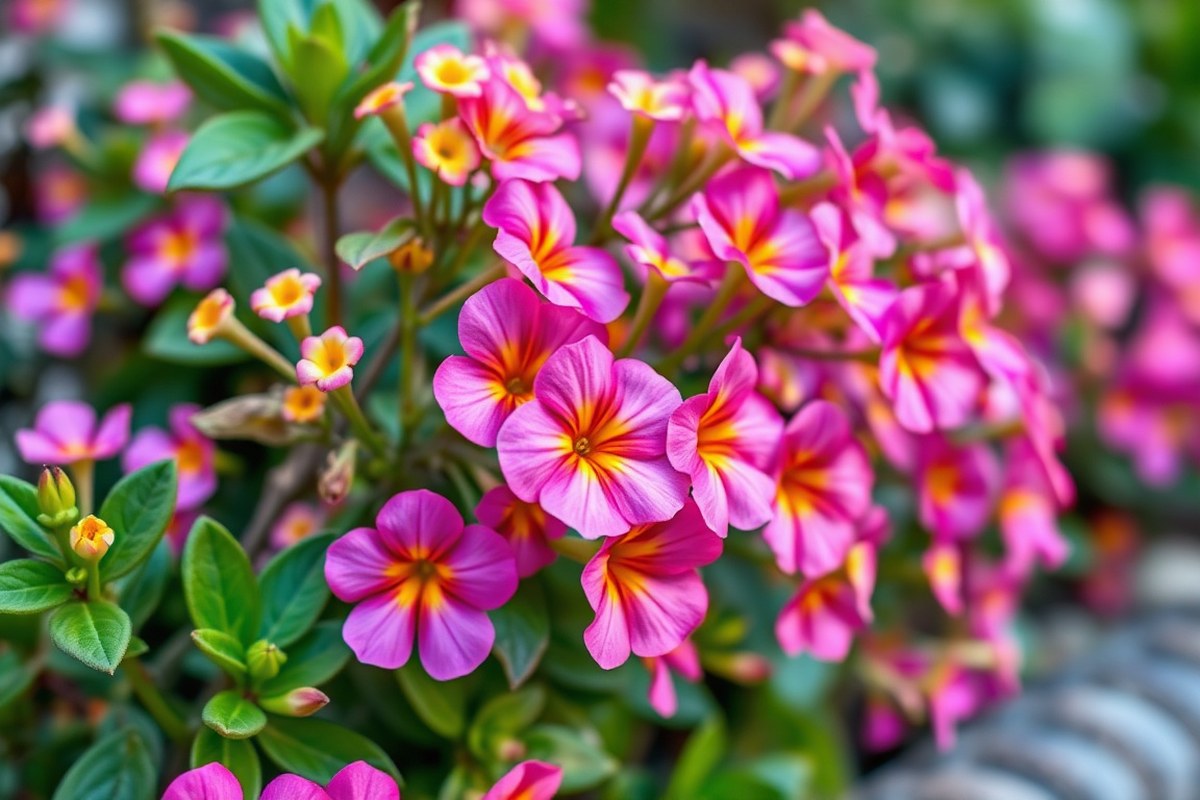
Calibrachoa is technically a perennial plant, but it’s often grown as an annual. It belongs to the Solanaceae family. It grows as a tender perennial.
It thrives in USDA zones 9 through 11. These zones offer mild winters where frost is rare, allowing Calibrachoa to survive and bloom year-round.
In colder zones, Calibrachoa can’t survive frost, which is why gardeners treat it like an annual. Once the temperature drops below freezing, the plant dies off.
So growers replace it every spring. This approach avoids issues with frost damage and keeps gardens looking fresh each year.
Gardeners in warmer areas can plant Calibrachoa outside once the soil is workable in early spring. Keeping it protected from unexpected cold snaps helps the plant thrive as a perennial. In cooler zones, start seedlings indoors.
Use containers you can move inside. This protects them during winter. But many still prefer to treat it as an annual for convenience.
Understanding Calibrachoa’s growth habits helps you decide the best approach for your climate. You can enjoy this plant as a long-lasting perennial in USDA zones 9 to 11. Elsewhere, replant yearly after frost.
Also replant if the plant declines. This is easier than overwintering frost-sensitive plants.
USDA Hardiness Zones and Calibrachoa’s Lifespan
Calibrachoa can live as a perennial only in USDA hardiness zones 9 through 11. It survives winters where the coldest temperatures stay above its frost threshold. Frost or temperatures under 45°F (7°C) can harm the plant.
It may even kill it in colder zones. So, the plant acts like an annual there.
Zones 5 through 8 are too cold for Calibrachoa to survive the winter outdoors. In these areas, it behaves as an annual and must be replanted each spring. In zone 8, some plants might survive as tender perennials if protected carefully.
The plant prefers mild to warm climates. It thrives where temperatures range from 59°F to 81°F (15°C to 27°C). This range supports the continuous growth Calibrachoa needs to stay healthy as a perennial.
| Specification | Attribute |
|---|---|
| USDA Hardiness Zones for Perennial Growth | 9-11 |
| USDA Hardiness Zones for Annual Growth | 5-8 |
| Minimum Temperature for Survival | Above 45°F (7°C) |
| Temperature Range Where It Thrives | 59-81°F (15-27°C) |
| Frost Tolerance | Low; frost damages foliage and flowers |
| Growth Habit | Compact mound, 4-12 inches tall, spreading |
Plant Calibrachoa in zones 9-11. Use mulch to keep roots warm during mild winters.
Climate shapes whether Calibrachoa can regrow each year or must be replanted. Frost kills the leaves quickly and stops growth, forcing an annual life cycle in cooler zones. Continuous mild warmth and high light keep the plant producing flowers year-round in warmer zones.
Using a frost cloth or moving containers indoors can protect Calibrachoa in borderline zones. However, the plant’s shallow roots and fast growth make it vulnerable to even brief freezes. Selecting your zone carefully helps you avoid replanting every year.
How to Successfully Overwinter Calibrachoa by Zone
Calibrachoa plants need different winter care depending on your zone. In warmer zones 9 to 11, occasional covers help during cold snaps. Cooler zones require bringing plants indoors or extra protection outdoors to survive winter.
Indoor Overwintering Setup and Care
Indoor overwintering works best in zones 7 and 8, where outdoor winters are too cold. Choose a bright spot that gets at least six hours of indirect light daily. The temperature should stay between 55°F and 65°F. This keeps the plant healthy and stops it from getting leggy.
Maintain soil moisture without overwatering. Water when the top inch feels dry. Avoid fertilizing until spring starts because growth slows in winter indoors.
To prepare your Calibrachoa for indoor life, follow these steps:
- Choose a pot with drainage holes to avoid soggy roots.
- Check for pests and prune any dead or weak branches.
- Move the plant to a cooler but well-lit area indoors before frost.
- Water moderately, allowing soil to dry slightly on top.
- Keep humidity up by misting or placing a water tray nearby.
- Stop fertilizing until new growth appears in spring.
Outdoor Protections Like Frost Cloth and Mulch
In zones 9 through 11, Calibrachoa can stay outdoors with some protection. When temperatures drop near freezing, cover plants with frost cloth to block sudden chills. Frost cloth lets air and light through but keeps frost off leaves.
Mulching around the base with straw or shredded bark helps keep roots warmer. Use light-colored mulch to reflect sunlight and help maintain soil warmth. Avoid heavy mulch because it may trap moisture and cause rot.
Move potted plants close to a warm wall indoors. The leftover heat there raises temperature by 5 to 8 degrees.
This helps the plants stay warm. Covering with frost cloth in these spots gives extra frost protection without overheating.
Timing the Transition Before First Frost
Start preparing Calibrachoa about three weeks before your area’s last expected frost. This lets plants slowly adjust to indoor conditions or protective outdoor spots. Don’t move plants indoors on the first warm day; gradual acclimation reduces shock.
Begin reducing your watering and fertilizer after September to slow growth. Changing fertilizer to one with higher potassium helps plants harden off before winter. Slow release fertilizer in May and minimal feeding in fall supports root health through colder months.
Watch the calendar closely to have success overwintering Calibrachoa. Acting too late risks cold damage or stress on your plant. This lowers its chance to survive until spring.
Calibrachoa Varieties with Better Perennial Potential
Some Calibrachoa varieties handle the cold and perennial growth conditions better than others. The trailing types often spread more, which helps them survive mild winters. Compact types grow denser but may not spread as well for winter survival.
Trailing vs Compact Varieties
Trailing Calibrachoa varieties tend to have longer stems that spread out wide. This helps the plant cover more ground and resist cold stress by staying low and insulated. For example, ‘MiniFamous Double Blush’ has vigorous trailing stems about 10 inches long.
Compact varieties, like ‘MiniFamous Compact Dark Red,’ grow denser and shorter, reaching roughly 8 inches tall. They work well in containers but might not spread enough to survive harsh winters. They also need more protection because they don’t hug the ground as closely.
Trailing plants typically flower longer across more surface area. Compact ones may flower heavily but for shorter periods. Your choice depends on the space you have and how cold your winters get.
Hardiness Ratings by Cultivar
Hardiness varies among Calibrachoa cultivars but is generally modest. They do best in mild microclimates or protected spots in USDA Zones 9 to 11. Some varieties tolerate cooler temperatures better because of their vigorous growth and spreading habits.
Here’s a comparison of popular cultivars with notes on growth and winter potential:
| Cultivar | Growth Habit | Stem Length | Flower Color | Winter Hardiness Notes |
|---|---|---|---|---|
| MiniFamous Compact Dark Red | Compact | 8 inches trailing | Rich red | Less spreading; needs shelter in cold |
| MiniFamous Double Blush | Vigorous trailing | 10 inches trailing | Double pink | Better spread helps mild winter survival |
| Cabaret Hot Pink | Trailing | Up to 8 inches trailing | Bright pink | Tolerates some chill if given good care |
More vigorous trailing types like ‘MiniFamous Double Blush’ handle cool seasons better due to their spread. Compact versions need more attention or indoor overwintering.
Flowering Patterns Related to Longevity
Trailing Calibrachoa varieties are often self-cleaning. This means they keep flowering longer without deadheading. That trait helps them maintain bloom through seasonal changes.
Compact plants sometimes bloom heavily but can fatigue faster. Their dense form may restrict airflow and increase disease risk, limiting lifespan outdoors. Attention to light and watering can extend their flowering period.
Colors don’t strongly affect hardiness. But vigorous growers like those with double blooms (e.g., ‘MiniFamous Double Blush’) tend to live longer. Bright pinks and reds bloom well across all cultivars when conditions are right.
Planting and Growing Conditions for Long-Life Calibrachoa
Plant Calibrachoa outdoors when temperatures stay above 55 degrees F. Spring is the best time for most areas. In frost-free spots, autumn planting can also work well for longer growth.
Choose a spot with at least 6 hours of full sun each day. This amount supports strong growth and abundant blooms. Shadier areas tend to slow growth and reduce flowering.
The soil should be rich, slightly acidic to neutral, and well-draining. A mix that keeps moisture but doesn’t stay soggy helps prevent root rot. Adding compost improves soil fertility and structure, which supports healthy roots and fast growth.
- Space plants 3 to 6 inches apart in pots to avoid crowding.
- When planting in beds, leave about 25 inches between plants for full spread.
- Apply slow-release granular fertilizer or tablets at planting time.
- Keep soil evenly moist but not waterlogged.
- Use a balanced fertilizer with steady nitrogen for active growth.
- Feed lightly and regularly during spring and summer growth.
- Stop or reduce feeding as the plant enters dormancy in cooler months.
Good drainage is essential to reduce root diseases and keep plants healthy. Raised beds or adding sand to heavy clay soil can help water drain faster. Avoid low spots where water pools after rain.
Calibrachoa grows quickly, so providing enough space and nutrients improves longevity. Overcrowding or poor soil often results in smaller, stunted plants. Watch for soggy soil signs, and improve watering habits if needed.
Check soil moisture regularly; soggy soil can kill Calibrachoa roots fast.
Propagation Methods to Extend Calibrachoa’s Life
Propagating calibrachoa by stem cuttings is the easiest way to extend its life. The best time to take cuttings is during the warm growing season. Doing this helps keep your plant going year after year by producing true-to-type new plants.
Choosing Healthy Stems for Cuttings
Select firm, healthy stems about 3 to 5 inches long. Avoid woody or damaged stems; pick those with fresh growth. Look for stems with several leaf nodes, as roots will form there.
If you see any mottled or distorted leaves, discard that stem. Calibrachoa can carry mosaic viruses, and infected stems will not root well. Always wash your hands before handling healthy plants to prevent spreading viruses.
Preparing and Rooting the Cuttings
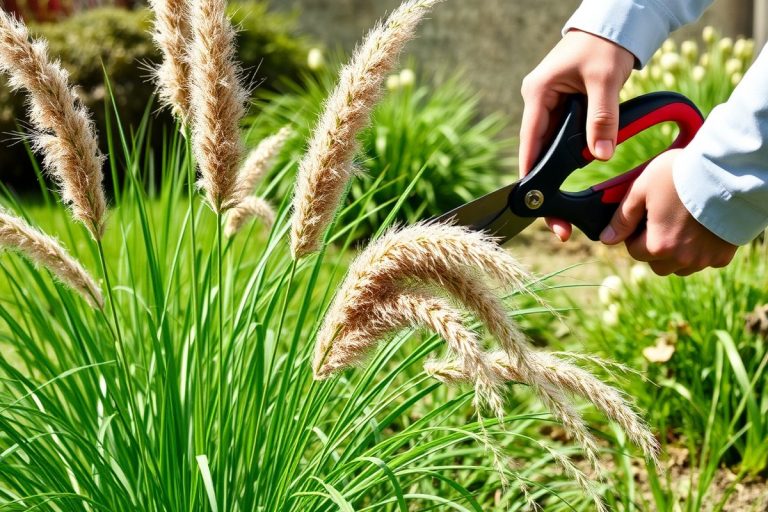
Snip just below a leaf node using clean, sharp scissors or pruning shears. Remove the lower leaves to expose at least two nodes. This helps the stem focus on root development instead of supporting leaves.
Insert the prepared cutting into moist, well-draining potting mix. Keep the soil lightly damp but not soggy. Place cuttings in bright, indirect light, avoiding direct sun that could dry them out too fast.
Rooting usually takes two to three weeks. You can mist the cuttings occasionally to keep humidity up. Avoid overwatering, which can cause stem rot.
- Cut a 3-5 inch healthy stem just below a leaf node.
- Remove leaves from the bottom 1-2 inches of the cutting.
- Dip the cut end into rooting hormone powder (optional for better success).
- Insert the cutting into moist, well-draining potting soil.
- Place cuttings in bright, indirect light with temperatures around 65-75°F.
- Keep soil lightly moist, mist occasionally to maintain humidity.
- Check for root development after 2-3 weeks by gently tugging the cutting.
- Once rooted, gradually increase sunlight exposure before moving outside.
Transitioning Propagated Plants Outdoors
After roots form, move your new plants to larger pots. Harden them off by exposing them to outdoor conditions a little each day over 7-10 days. This helps reduce transplant shock.
Plant them outside only when nighttime temperatures stay above 50°F. Warmer nights prevent stress and help continued growth. Keep an eye on moisture from this point to avoid drying out or overwatering.
Common Problems That Prevent Perennial Growth
Calibrachoa faces a few common problems that reduce its perennial potential. Aphids can weaken the plant by sucking sap and spreading diseases. Root rot often occurs if the soil stays too wet, killing roots and stunting growth.
Yellowing leaves signal stress from pests, diseases, or poor care. Keeping foliage healthy is key because it supports flowers and overall plant vigor.
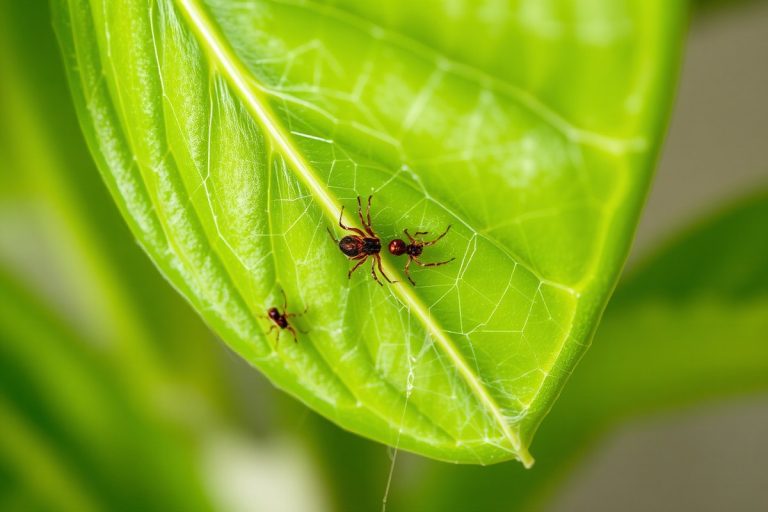
Pests harm Calibrachoa by reducing its ability to grow and bloom over multiple seasons. Aphids are the main sap-sucking pest, causing leaves to yellow and curl. You can spot them as tiny green or black bugs on new growth.
Treat aphids early by spraying with insecticidal soap or washing them off with water. Avoid harsh chemicals that may stress the plant, especially in warm weather.
Wrong care routines also shorten Calibrachoa’s life as a perennial. Overwatering leads to root rot, which shows as soggy soil and wilting leaves. Let soil dry between waterings and use pots with drainage holes.
Underfeeding can cause leaves to yellow and growth to slow. Hold off on fertilizer during cold, dormant months and resume feeding only when new growth starts. Excess fertilizer causes leaf burn and weak stems.
- Check for aphids on new growth weekly and wash off if spotted
- Water only when soil feels dry about 1 inch deep
- Use well-draining soil to prevent root rot
- Stop feeding during winter rest; resume when growth restarts
- Trim yellow or damaged leaves to boost plant health
- Place plants in spots with morning sun and afternoon shade
Ignoring these details leads to poor vigor and early death of Calibrachoa. Healthy leaves appear rich green and stand upright. Roots feel firm and white inside healthy soil.
Regular, gentle care prevents pests and disease from taking hold. This helps your Calibrachoa live longer and bloom better year after year.
Seasonal Care to Maintain Calibrachoa as a Perennial
Pruning Calibrachoa encourages fuller growth and more flowers. Pinch the tips of young plants to build branches. For mature plants, shear back leggy stems every few weeks to keep a compact shape.
Use a balanced, water-soluble fertilizer after each bloom flush or mid-season trim. This gives the plant nutrients for new growth and more blooms. Feed lightly, especially during hot weather, to avoid nutrient overload or root stress.
Water Calibrachoa deeply but let the soil dry slightly between waterings. More water is needed during active growing and blooming seasons. Reduce watering in cooler months when growth slows to prevent root rot.
- Pinch growing tips weekly to promote branching and dense growth
- Shear back leggy stems once or twice mid-season for shape
- Feed with a complete balanced fertilizer after bloom cycles
- Water thoroughly but allow soil to dry between sessions
- Keep watering minimal in cooler or dormant periods
- Provide at least 6 hours of sunlight daily to support growth
- Use gentle, indirect light for seedlings indoors
Combining proper pruning with regular feeding keeps the plant healthy and blooming. Make sure to avoid petunia fertilizers or verbena watering routines; these can harm Calibrachoa. Adjust care based on your area’s temperatures and plant responses.
Overwatering can cause root rot; only water when soil surface feels dry. Remove plants that fail to recover after watering to protect others.
Step-by-Step Action Plan to Grow Calibrachoa Perennially
Follow these steps to help your Calibrachoa survive past its usual season. This plan fits most climates but adjust for your zone.
- Before planting: Choose a Calibrachoa variety suited for your USDA zone. This boosts its chance to live through winter.
- Planting time: Plant Calibrachoa in well-drained soil with full sun. Check soil drains quickly to avoid root rot.
- Weeks 1, 4: Water regularly but avoid waterlogging. The leaves should look lively, not yellow or droopy.
- Month 2: Fertilize monthly with a balanced, water-soluble fertilizer. You’ll see steady new growth if feeding worked.
- Before first frost: Bring potted plants indoors or cover outdoor plants with mulch. Check plants after cold spells to spot any damage.
- Winter months (zones 9+): Keep plants in a bright, cool spot if indoors. Leaves should stay green and firm.
- Early spring: Prune back old stems to encourage fresh growth. New leaves and flowers show it’s recovering well.
- Growing season: Repeat watering and feeding cycles and watch for pests. Healthy plants look full and bloom often.
Frequently Asked Questions
Is Calibrachoa a Perennial Plant?
Calibrachoa is a perennial in zones 9 through 11. Outside these zones, it grows as an annual because it can’t survive frost. Protecting it from cold helps it live longer.
How Long Will Calibrachoa Last?
Calibrachoa typically lasts through one growing season unless winter is mild. In warm USDA zones, it can bloom year-round. Regular deadheading encourages longer blooming.
How Do You Keep Calibrachoa over the Winter?
You can overwinter calibrachoa indoors to keep it alive through cold months. Move it to a bright, cool spot and reduce watering. Avoid frost exposure to prevent damage.
What Are the Common Problems with Calibrachoa?
Calibrachoa often struggles with root rot from overwatering and pests like aphids. Good drainage and inspecting plants help avoid these issues. Drought tolerance means less frequent watering is safer.
Are Calibrachoas Better Than Petunias?
Calibrachoa blooms more profusely and trails nicely compared to petunias. It also handles heat and drought better. However, petunias may tolerate cooler temperatures more easily for short seasons.
Can You Grow Calibrachoa from Cuttings?
Yes, Calibrachoa roots well from stem cuttings taken in spring or summer. This method helps extend its life beyond the typical growing season. Use clean, sharp scissors and moist soil for best results.
Final Thoughts
Calibrachoa can act as a perennial with proper care, especially in warmer zones. Adjust your care based on your climate and plant health. Start with picking the right variety and location for your garden.