Is Lavender an Annual or Perennial? A Complete Guide for Gardeners
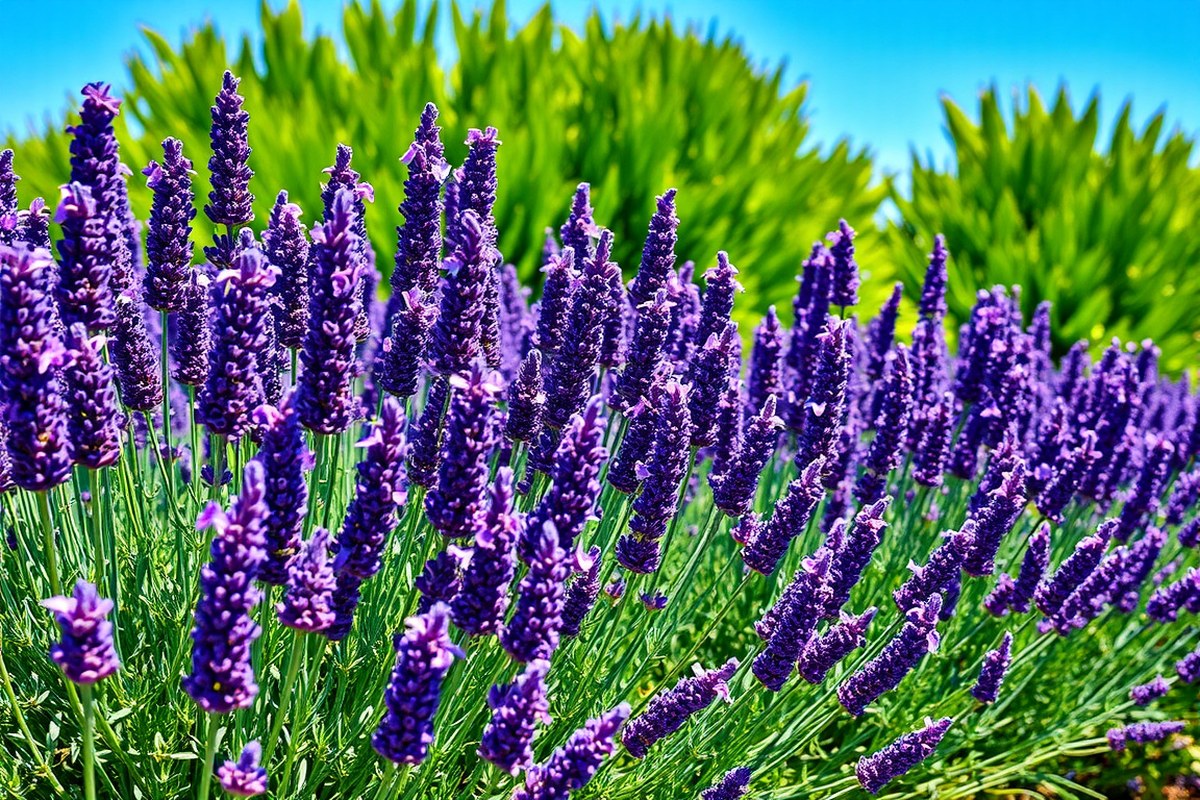
Is lavender an annual or perennial? Lavender is typically a perennial plant.
It usually comes back year after year with the right care. You can expect it to live for up to 10 years, sometimes longer in good conditions.
Lavender grows as a woody shrub in most U.S. Climates, especially in USDA zones 5 through 9. The cold-hardiest types, like English lavender, even survive freezing temperatures. Keep in mind that lavender needs full sun and well-drained soil to thrive as a perennial.
Start by planting lavender where it gets at least six hours of sun daily. Watch for soggy soil, which can harm the roots and shorten its life. Water your lavender only when the top two inches of soil are dry.
This helps the plant last through many seasons. Check the soil moisture regularly before watering.
Key Takeaways
- Lavender is mostly a perennial in USDA zones 5 through 9.
- English lavender withstands cold better than many other varieties.
- Plant lavender in full sun and well-drained soil for best results.
- Water lavender only when the top 2 inches of soil are dry.
- Lavender can live up to 10 years or more with proper care.
- Proper pruning helps maintain lavender as a healthy perennial shrub.
Is Lavender an Annual or Perennial Plant?
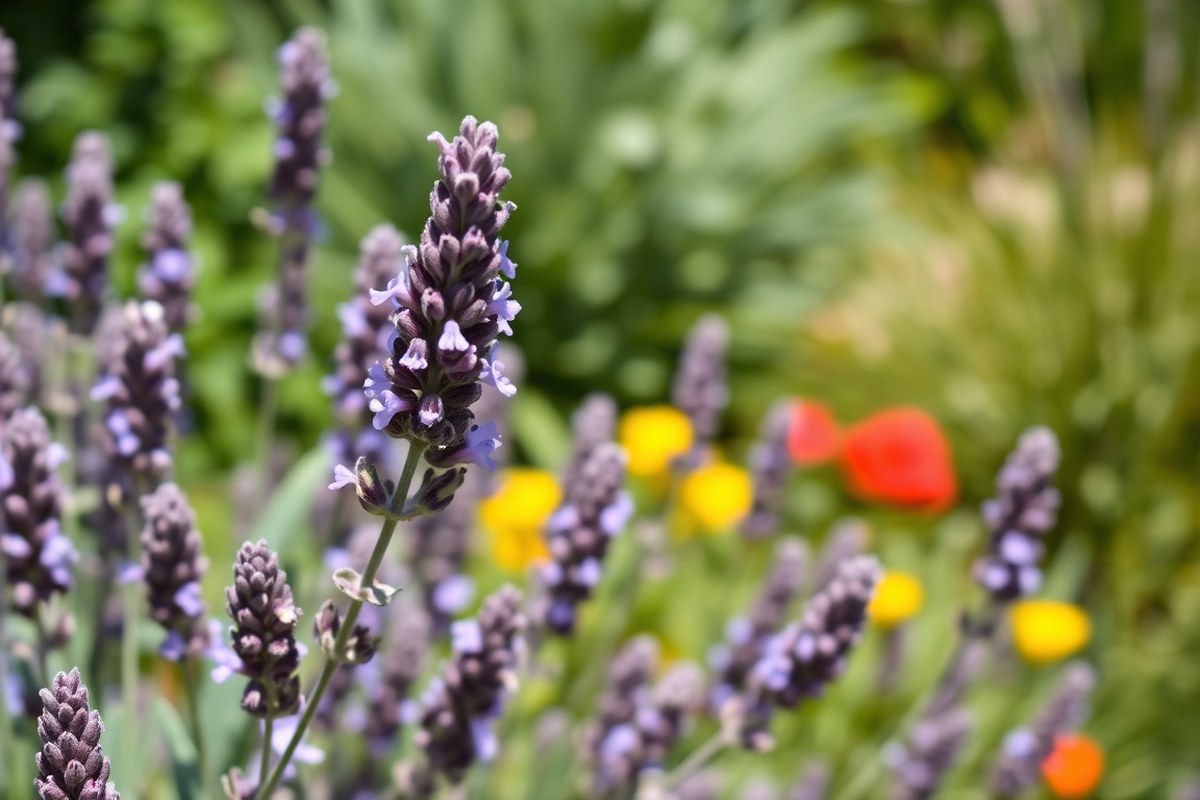
Lavender is naturally a perennial plant, which means it grows back year after year. Lavender can live for several years with the right care. It needs well-drained soil and plenty of sun.
Good conditions help it thrive. Lavender only returns each season in the right climates.
It grows back as a perennial when conditions suit it. Knowing this is key.
Lavender acts as a perennial or annual based on climate. The variety you choose also affects how it grows. Lavender often grows as a perennial in zones 5 to 9.
Winters there are mild enough for roots to survive. This zone range suits it well.
You might lose lavender in cold zones outside that range. It may only last as an annual in freezing areas.
Gardeners in cold places treat lavender as an annual. They plant it fresh each spring or bring pots indoors in winter. Keeping lavender indoors during winter helps it live through cold.
This lets it act like a perennial in colder areas. Lavender is perennial if your climate supports it. Proper care is also needed for it to survive year to year.
How Climate and USDA Zones Affect Lavender’s Lifespan
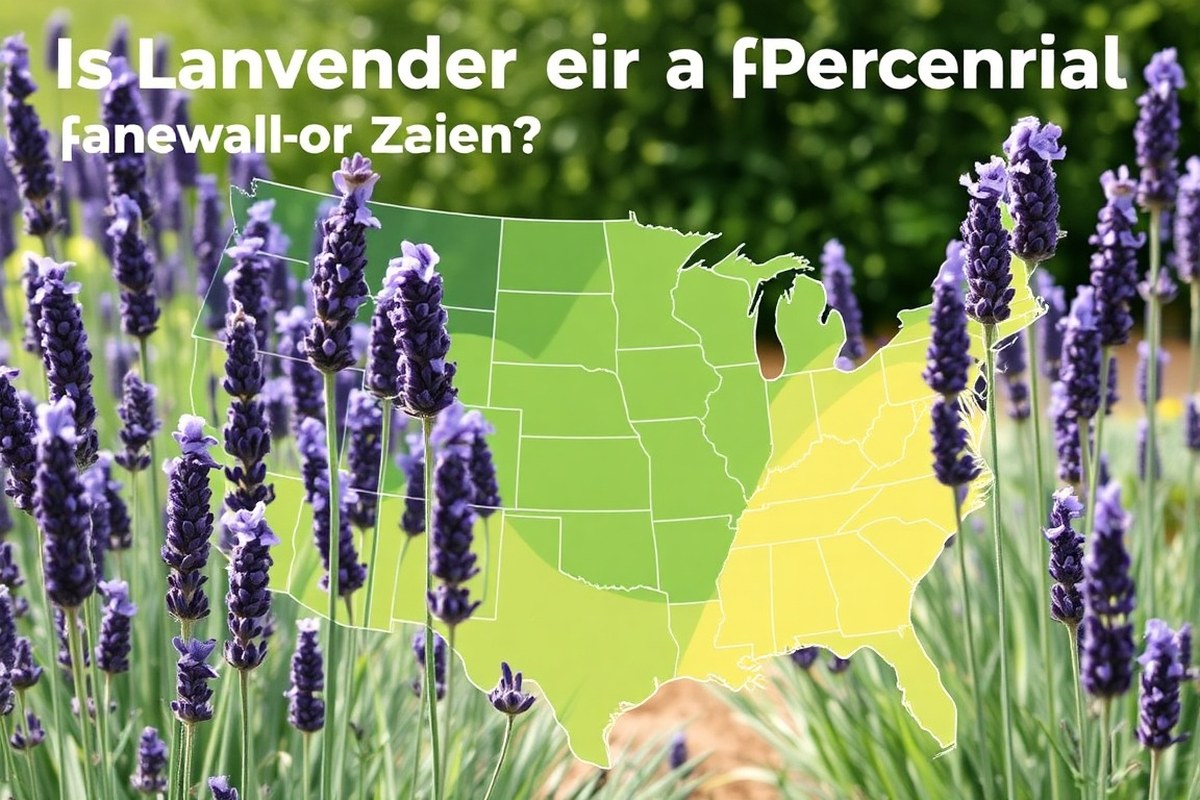
Lavender’s ability to live for several years depends heavily on your area’s climate and USDA zones. It grows well as a perennial in zones 5 to 9. Winters here are cold but not too harsh.
Lavender can survive these weather conditions. Temperatures colder than zones 5 to 9 can harm lavender plants.
They might die or need yearly replanting. Treat them as annuals in colder spots.
Harsh winters can harm lavender, especially when excess moisture collects around roots. Cold alone does not spell trouble, but soggy soil during freezing weather usually does. Proper drainage and some winter protection help lavender survive in marginal zones.
| Lavender Species | USDA Hardiness Zones | Average Lifespan (Years) | Winter Survival Rate (%) |
|---|---|---|---|
| English Lavender (Lavandula angustifolia) | 5, 9 | 10, 15 | 85 |
| Lavandin (Lavandula x intermedia) | 6, 9 | 8, 12 | 75 |
| Spanish Lavender (Lavandula stoechas) | 7, 10 | 5, 8 | 60 |
| French Lavender (Lavandula dentata) | 8, 10 | 4, 6 | 45 |
Understanding your zone helps you choose lavender types that will last. English lavender does best in colder zones. French and Spanish lavenders prefer warmer areas.
People in colder areas may grow tender lavender as annuals. Another way is to bring pots inside during winter months. This keeps the plants safe.
Zones 5 to 8 are generally ideal for perennial lavender because winters stay harsh but manageable. Your lavender might die back or not survive in cold zones. They struggle when temperatures drop too low.
Protecting them indoors helps. Warmer zones enable a longer lifespan but may reduce overall hardiness.
Check your soil drainage carefully. Wet soil in winter often kills lavender faster than cold does.
Major Lavender Varieties: Annuals vs. Perennials
Lavender types differ in hardiness and lifespan. English lavender is a true perennial and the hardiest. French and Spanish lavenders often behave like short-lived perennials or annuals in cooler climates.
English Lavender (Lavandula Angustifolia)
English lavender is the most cold-tolerant type, often lasting over 10 years. It grows well in USDA zones 5-8, surviving winter temperatures as low as -10°F (-23°C). This makes it the best choice for long-term planting in cooler gardens.
You can expect it to return year after year with minimal fuss. Its woody stems hold up through winter.
The blooms usually appear mid to late summer. Regular pruning after flowering supports its perennial habit.
French Lavender (Lavandula Dentata and Lavandula Stoechas)
French lavender is more tender than English lavender. It usually thrives in zones 7-10 but struggles in colder areas. In zones below 7, it may act like an annual and often needs replacing.
Both L. Dentata and L. Stoechas can live 4 to 8 years in warm conditions. They have softer, less woody stems that may not survive hard freezes. Gardeners in colder spots might grow them as annuals for summer color.
Spanish Lavender (Lavandula Lanata and Others)
Spanish lavender is known for its vibrant blooms but less cold hardiness. It does well in zones 8-10 and often acts as a tender perennial there.
Outside these zones, it rarely lives more than a season. So most growers treat it as an annual.
This type blooms eagerly in the first year. It prefers warmer climates and well-drained soil. Expect a lifespan of about 4 to 8 years where winters are mild.
These differences shape your expectations and care plans. Choosing English lavender helps if you want a long-lasting perennial. French and Spanish types require warmer conditions or annual replanting.
Here’s a helpful table comparing the main lavender species:
| Type of Lavender | USDA Hardiness Zones | Perennial or Annual | Typical Lifespan |
|---|---|---|---|
| English Lavender (Lavandula angustifolia) | 5-8 | Perennial | 10-15 years |
| Lavandin Hybrids (Lavandula intermedia) | 5-10 | Perennial | Varies, often 5-10 years |
| Spanish Lavender (Lavandula stoechas) | 8-10 | Tender Perennial/Annual | 4-8 years |
| Portuguese Lavender (Lavandula latifolia) | 6-8 | Perennial | Varies |
| French Lavender (Lavandula dentata) | 7-10 | Tender Perennial/Annual | 4-8 years |
Use this table to pick lavender suited to your zone and garden plans. English lavender offers the best perennial performance where winters drop below freezing. French and Spanish types work well as annuals or in mild climate zones.
Key Growing Conditions That Help Lavender Return Year After Year
Soil Type and pH for Lavender
Lavender grows best in soil that drains well, like sandy or gravelly soil. Heavy clay or soggy soil can cause root rot and kill your plant. You want soil with a pH between 6.5 and 7.5 to keep lavender healthy and blooming.
Before planting, test your soil’s pH with a simple kit from a garden center. Add lime or sulfur to fix the soil if it’s too acidic or alkaline. Good drainage prevents water from pooling around roots and reduces disease risk.
Sunlight: How Much Lavender Needs
Lavender needs full sun to thrive, at least 6 to 8 hours every day. Sunlight fuels flower production and keeps the plant growing strong. Your lavender might be weak or not bloom in shady spots.
Choose a south-facing location or the sunniest area in your yard. Avoid planting near tall trees or structures that block sunlight late in the day. Reflective surfaces like light walls can improve light exposure.
Watering Practices for Perennial Growth
Water lavender sparingly to mimic its dry native habitat. Overwatering is the main cause of dying lavender. Water your plant deeply.
Let the soil dry for 24 hours. Then water again.
During summer, water about once every 7 to 10 days, depending on rainfall. In winter, reduce watering drastically because the plant enters dormancy. Keep the soil barely moist but not wet during cooler months.
Checklist for Ideal Lavender Growing Conditions
Getting the basics right helps lavender come back year after year:
- Plant in sandy or gravelly soil, avoid clay or water-logged spots
- Test and adjust soil pH between 6.5 and 7.5 as needed
- Choose a location with 6 to 8 hours of full sun daily
- Water deeply but infrequently, let soil dry between watering
- Provide good air circulation to prevent fungal diseases
- Use raised beds or mounds if your ground tends to hold water
- Mulch with gravel or small stones to keep soil dry and warm
This checklist keeps your lavender happy and growing across seasons. This stops root rot and weak growth. Poor sites cause these issues.
Site Selection and Microclimate Effects
Proper site selection affects lavender’s long-term health. It thrives in dry, airy spots and dislikes shady, humid areas. Those conditions encourage fungal infections and slow growth.
Raised beds help if your soil drains poorly. A slight slope can improve drainage naturally.
Avoid spots where water collects after rain. Locations near walls that reflect heat keep plants warmer in cool zones.
Pruning Techniques to Maintain Lavender as a Perennial Shrub
Prune lavender in early spring to keep your plant healthy year after year. Cut back about one-third of last year’s growth. But avoid severe pruning if wood is old.
Also, a light trim in summer can extend flowering. Fall pruning helps shape the plant without risking new growth damage.
Spring Pruning Best Practices
Start pruning once you see new green shoots in early spring, usually March or April. This timing lets the plant wake up and directs energy into fresh growth. Remove dead stems and old wood to keep air flowing and reduce disease risk.
Don’t cut too far into the old wood because lavender struggles to regrow from bare stems. Stick to trimming about one-third of last year’s growth to encourage a fuller shape. Wear gloves and use clean, sharp shears to make neat cuts and prevent damage.
Summer Cutting to Extend Bloom
Lightly deadhead lavender during summer to promote new flowers until late August. Cut just above a pair of healthy leaves or side shoots to keep the plant flowering. Avoid heavy pruning since stress can harm blooms and overall health.
Removing spent flower stalks helps the plant focus on fresh buds instead of seed production. This step does not replace the main pruning but adds weeks to your lavender’s flowery season. Use scissors or garden shears, and trim sparingly to protect leaf growth.
Fall Maintenance Pruning Tips
In early fall, trim lavender lightly to shape the plant and control size. Avoid heavy cuts after September to prevent soft new shoots that frost can kill. Keep pruning gentle, focusing on removing only dead or thin growth.
This late pruning helps tidy your shrub for winter while preserving its woody base. In zones 7 to 10, where lavender stays evergreen, a small fall trim improves air circulation. Always wait until after the first frost risk for best results.
Follow these steps for proper pruning each season:
- Check your lavender in early spring for new green shoots.
- Cut back one-third of last year’s growth, avoiding bare wood.
- Remove dead or broken stems to improve air circulation.
- In summer, snip spent flower stalks above healthy leaf pairs.
- Avoid heavy summer pruning; keep cuts light and selective.
- In early fall, trim lightly to shape and remove weak growth.
- Stop pruning before late September to avoid frost damage.
- Use clean, sharp tools and gloves to prevent plant injury.
Pruning late in the season can cause tender new growth that won’t survive winter. Avoid heavy cuts after mid-September.
Five Mistakes That Cause Perennial Lavender to Die Early
Lavender can die early when you overwater or plant it in poorly drained soil. It needs soil that drains quickly to avoid root rot, especially before winter. Adding gravel or sand helps improve drainage near the plant’s roots.
Use it within a foot around the plant. This stops water from standing too long in the soil.
Another common mistake is not protecting lavender during harsh winters. In zones below 5, temperatures can drop below what lavender tolerates. Put a thin layer of straw over plants to protect them.
You can also cover them with burlap. These covers stop cold and frost from harming your plants.
Too much shade or crowded planting also harms lavender’s health. The plant thrives best in full sun with plenty of air circulation. Avoid overcrowding to prevent fungal diseases and help the plant dry faster after rain or watering.
- Overwatering and poor drainage: mix soil with sand or gravel, water only when dry
- Ignoring winter protection in cold zones: use straw or burlap cover before frost
- Planting in shade: choose a sunny spot with at least 6 hours of sunlight
- Crowding plants: space them 2 to 3 feet apart for good airflow
- Skipping regular pruning: cut back after flowering to keep plants healthy and bushy
Fertilizing too much can encourage soft growth that freezes easily and attracts pests. Use a low-nitrogen fertilizer once in spring. Overfeeding costs time and money and often shortens lavender’s lifespan.
By fixing these mistakes, your perennial lavender can come back strong every year. Healthy seasons have fuller blooms and no signs of rot or fungal spots. The right care helps avoid lavender acting like an annual that dies off after one season.
How to Prepare Soil and Plant Lavender for Long-Term Growth
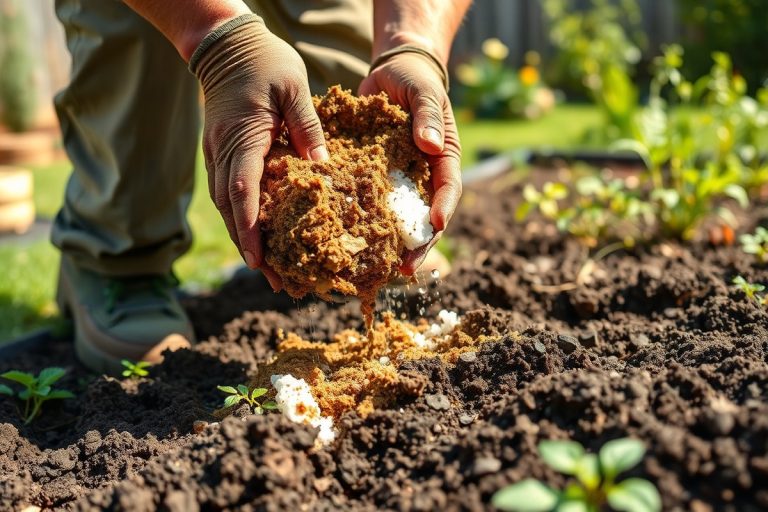
- Test your soil’s drainage by digging a 6-inch hole. Fill it with water and watch it drain in 30 minutes or less.
- Mix coarse sand or fine gravel into the top 6 to 12 inches of soil. Use about 1 part sand to 2 parts soil for better drainage.
- Add peat moss or compost to improve soil texture and nutrient content. Blend in about 1 inch of organic matter to the soil layer.
- Loosen the soil to at least 12 inches deep with a garden fork or tiller. This gives lavender roots room to grow deep and spread out.
- Create raised beds or mounds if your garden soil is heavy clay. Elevating the soil helps water drain quickly and prevents root rot.
- Plant lavender crowns slightly above the soil line. Avoid burying them too deep, which can cause stem rot.
- Space lavender plants 18 to 24 inches apart. Good air flow helps dry soil faster and lowers disease risk.
Lavender loves well-drained soil, so you want to avoid soggy spots. Adding sand, gravel, or organic matter makes the soil lighter and more breathable. This improves root health and helps your lavender come back year after year.
Digging and mixing the soil 6 to 12 inches deep is key. It breaks up compacted soil and gives roots space to spread. Roughly 12 inches depth allows roots to anchor deeper while accessing more nutrients and water.
Raised beds or mounds help when your garden soil feels sticky. They are good if soil stays wet after rain. This method improves drainage for your plants.
This extra height helps moisture drain away quickly, which lavender prefers. Space plants a couple feet apart to keep soil drier.
It also improves airflow around the plants. This helps lower fungal problems in your garden.
Setting the plant crown just above the soil surface avoids water buildup at the stems. You’ll notice healthier growth when the base isn’t wet or rotting. Lavenders planted too deep often struggle to survive their first winter.
Protecting Lavender in Cold Winters and Less Hardy Zones
Lavender can handle some cold, but hard frost below 20°F (-7°C) may harm it. In USDA zones 5 to 8, varieties like English lavender survive winter if you protect them. When frost threatens, shielding the plant can stop damage to leaves and stems.
Bringing lavender indoors works well for zones colder than 5. Potted lavender can stay inside a bright spot with about 50°F (10°C) temperature. Avoid moist or humid rooms; a dry place with good air circulation prevents mold.
Mulching adds insulation around outdoor lavender bases and roots. Use straw, pine needles, or dry leaves 3 to 4 inches deep. Mulch keeps cold air away and traps soil warmth, which helps roots survive frigid nights.
- Move container lavender indoors before the first hard frost.
- Apply 3, 4 inches of dry mulch around the plant’s base.
- Wrap outdoor lavender branches with burlap or frost cloth for extra shelter.
- Use raised beds or gravelly soil to improve drainage and reduce root freezing risks.
- Prune plants lightly in late fall to remove any dead wood.
Wrapping plants in frost cloth blocks wind and reduces rapid chilling. Burlap works for smaller plants, but don’t seal too tight. Air circulation matters to avoid fungal problems when temperature bounces above freezing during day.
Lavender’s best winter protection requires simple prep done before consistent frost. Bringing plants indoors early, mulching well, and using frost covers are key steps. Without these, you may see twig death or the plant dying back to the ground.
Don’t wait for freezing weather to protect lavender. Act as soon as temperatures dip below 40°F (4°C).
Step-by-Step Action Plan to Grow Lavender as a Perennial
Follow these steps to help your lavender thrive year after year. Each step includes how to check your progress.
- Before planting: Choose a sunny spot with well-drained soil. Test soil drainage by digging a small hole and filling it with water. It should drain within an hour.
- Planting time (spring or early fall): Plant lavender seedlings or cuttings. Space them 2 to 3 feet apart. Look for healthy, green stems and no signs of wilting after the first week.
- Week 1 to 3: Water your new plants deeply but only once or twice a week. Check soil moisture by sticking your finger 2 inches deep. It should feel dry before watering again.
- Month 2: Put a thin layer of mulch around lavender. It stops weeds but keep mulch away from stems. Confirm mulch hasn’t trapped moisture against the plant base after rain.
- End of first growing season: Prune lavender back by one-third after flowering. New growth starting within two weeks means pruning worked well.
- Fall prep: Cut back dead or weak stems and stop watering as weather cools. Ensure your plant looks healthy and isn’t soggy or rotted.
- Winter protection (if you’re in a cold zone): Cover plants with breathable frost cloth or straw. Check under the cover occasionally to avoid mold buildup.
- Early spring: Remove winter covers and watch for new buds. Healthy new shoots show your lavender is ready to grow again.
Frequently Asked Questions
Is Lavender Actually an Annual Plant Anywhere?
Lavender is mostly perennial, but can act as annual in very hot, dry climates. In those areas, it may not survive cold winters or heavy rains.
Can I Grow Lavender Indoors to Keep It Perennial?
Yes, indoor lavender can live perennial with enough light and proper care. Use a sunny window and well-drained soil to help it thrive.
Does Lavender Need Full Sun to Stay Perennial?
Lavender needs at least 6 hours of direct sun daily to stay healthy and perennial. Shade reduces its lifespan and flower production.
Can Lavender Come Back Perennial If I Grow It from Seed?
Lavender grown from seed is slow to establish but can be perennial with good care. Transplant seedlings carefully and allow a full growing season.
Does Lavender Die After Flowering Like an Annual?
Lavender does not die after flowering. It blooms yearly as a perennial if pruned properly. Cutting spent flower stems helps keep the plant vigorous.
How Long Can a Lavender Plant Live as a Perennial?
Lavender can live 5 to 10 years or more with proper soil, sun, and pruning. Regular care greatly influences its lifespan.
Final Thoughts
Lavender is a perennial that can live many years with the right care. Start by planting it in good soil and a sunny spot. Check your lavender often to help it bloom season after season.