Do You Plant Potatoes Eyes Up or Down? Complete Guide for Best Growth
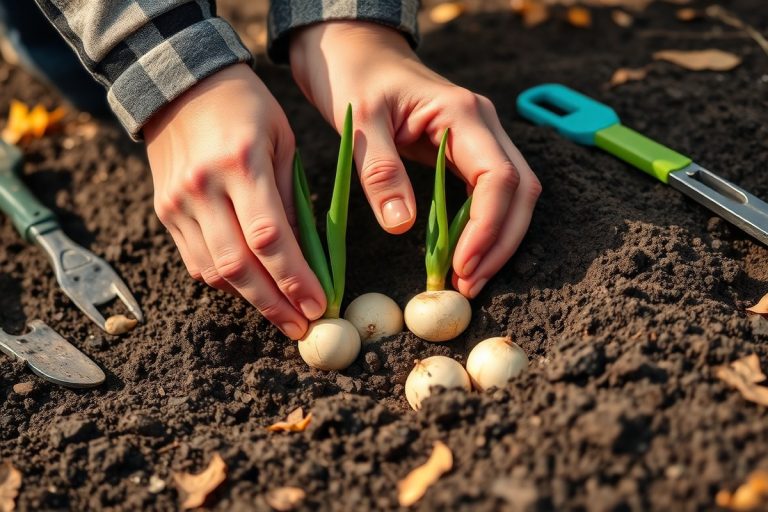
Do you plant potatoes eyes up or down? Plant your seed potatoes with the eyes facing up. This helps the shoots grow straight up toward the sunlight without any struggle.
Planting eyes up gives your potato plants a better start and faster growth. The shoots push through the soil easily when the eyes are pointing up. Dig holes or trenches about six inches deep to set the seed potatoes.
Make sure the soil is loose and moist but not soggy. A depth of two to four inches works for most varieties.
So adjust depending on your potato type. Proper planting depth gives roots room and protects sprouts from drying out.
Key Takeaways
- Plant seed potatoes with the eyes facing up for straight shoot growth.
- Dig holes or trenches about six inches deep for planting.
- Adjust planting depth to 2-4 inches depending on your potato variety.
- Use loose, moist soil to help sprouts break through easily.
- Avoid planting eyes down, which can delay shoot growth and weaken plants.
- Plant in soil warmed to at least 45 degrees Fahrenheit for best results.
Do You Plant Potatoes Eyes Up or Down?
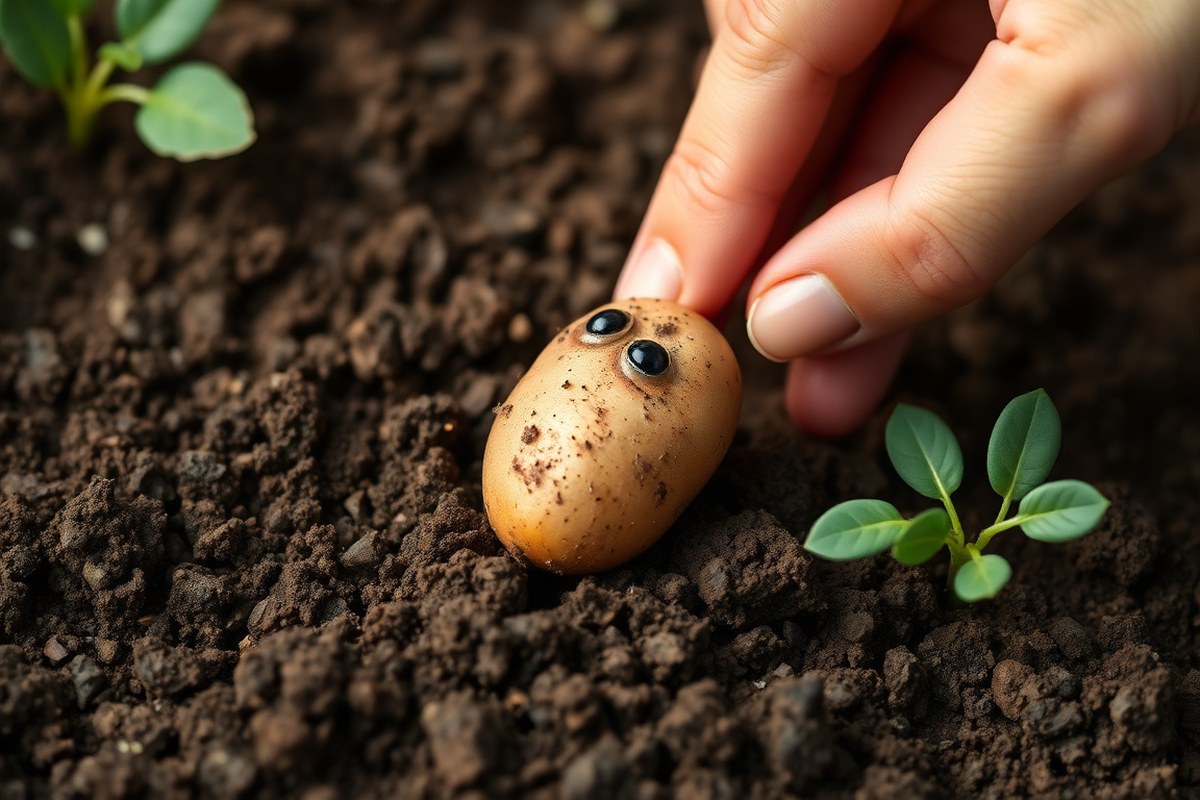
Plant seed potatoes with their eyes facing up. This orientation helps the sprouts grow straight up toward the soil surface.
The eyes or buds are where the new stems start. So planting eyes up saves energy and time.
Eyes down means the sprouts must first change direction, bending upward after they grow down. The plant works harder to correct this, delaying sprout appearance and early growth. This extra work can reduce early vigor and slow tuber development.
Potato plants respond to gravity by growing roots down and stems up, a process called geotropism. When eyes face up, sprouts grow down with gravity, then up toward light. When planted eyes down, the sprouts grow downward before bending up, which wastes energy.
Plant eyes about 2 to 4 inches deep in loose soil. This depth balances protecting the seed from frost and encouraging quick sprouting. Shallow planting can expose seeds to cold, while planting too deep delays emergence.
For example, plant eyes up at 3 inches deep. Sprouts appear in 2 to 3 weeks.
In contrast, eyes down can delay sprouting by several days. This difference affects your growing season length and harvest timing.
Still, potatoes can grow even when planted eyes down. The tubers adapt by redirecting growth, but it costs time and energy. To optimize yield and speed, planting eyes up is best and easiest.
How to Prepare and Cut Seed Potatoes Correctly

Cut seed potatoes into pieces that each have at least two eyes. Use a clean, sharp knife to make the cuts. Cure the pieces in the sun for 3-5 days to prevent rot.
Choosing the Right Seed Potato
Select firm seed potatoes, not soft or wrinkled ones. Smaller potatoes under the size of a golf ball should be planted whole. Larger potatoes need to be cut into pieces before planting.
Look for potatoes with healthy eyes or sprouts. Eyes are small indentations where new shoots grow. Seed potatoes that have been “chitted” will have clear, dark green sprouts for easier cutting.
Cutting with a Sharp, Sterilized Knife
Use a sharp knife to make clean cuts through the potato. Wash the knife with soap or rubbing alcohol before cutting to reduce infection risk. Leave each piece with at least two eyes to ensure good sprouting.
Cut the potato into pieces that weigh about 1.5 to 2 ounces each. Avoid cutting too small; small pieces may dry out or rot. Larger pieces with multiple eyes produce stronger plants.
- Wash seed potatoes thoroughly and dry them.
- Clean and sterilize your cutting knife.
- Cut the potato into sections, ensuring 2+ eyes per piece.
- Handle pieces carefully to avoid bruising.
- Set the cut pieces aside in a warm spot for curing.
Never plant freshly cut seed potatoes; they need curing first to prevent rot.
Curing Cut Pieces Before Planting
Place the cut seed pieces in a sunny, dry spot for 3 to 5 days. This hardens the cut surfaces and helps prevent rot in the soil. The ideal temperature for curing is between 60 and 70 degrees Fahrenheit.
Turn the pieces occasionally during curing to expose all sides to air. After curing, the cuts will form a thin callus that protects the tuber. Avoid planting before curing to reduce seed piece loss.
Best Soil, Depth, and Spacing for Planting Potatoes
Potatoes grow best in loose, well-draining soil with a slightly acidic pH between 5.0 and 6.0. The soil needs to be warm enough for planting, at least 45°F. Before planting, loosen the soil to about 8-12 inches deep. Mixing in organic, slow-release fertilizer helps provide steady nutrition as the tubers develop.
Plant seed potatoes in trenches 4 to 6 inches deep. This depth protects the eyes from frost but lets shoots easily reach the surface. Plant pieces about 12 to 18 inches apart within the row.
Keep rows 24 to 36 inches apart. This gives air good flow. It also makes hilling and harvesting easier.
| Planting Factor | Recommended Range | Details |
|---|---|---|
| Soil Type | Loose, well-draining, slightly acidic | PH 5.0 to 6.0; sandy or loamy preferred |
| Planting Depth | 2 to 4 inches deep | Seed potato eyes should sit below soil surface |
| Spacing Between Seed Pieces | 12 to 18 inches | Allows room for tuber growth |
| Row Spacing | 24 to 36 inches apart | Allows airflow and ease of maintenance |
| Soil Temperature | At least 45°F (7°C) | Ensures sprout growth and reduces rot risk |
Use a garden fork or tiller to break up heavy soil before planting. Adding compost improves texture and drainage.
In clay soils, consider planting eyes down to reduce rot risk. But in sandy or loose soil, either direction works well.
Spacing prevents overcrowding. Crowded seed potatoes compete for nutrients and water. Proper spacing also reduces disease risk by improving air flow.
Dig a trench 2 to 4 inches deep. Place seed pieces 12 to 18 inches apart.
Then cover them with soil. Make sure to keep rows wide enough to walk between for care and harvesting.
When and How to Chit Potatoes Before Planting
Chitting means letting seed potatoes sprout before planting. You do it to get strong, green shoots ready for the soil. The best way is to keep potatoes in a cool, bright spot.
Let them sit there for two to three weeks. This helps prepare them for planting.
Understanding the Chitting Process
Chitting helps potatoes start growing before you plant them. You place seed potatoes in a spot with light and cooler air. This encourages sprouts to form on the eyes without growing long or weak.
When sprouts reach about a half-inch long, they are ready to plant. You can cut large seed potatoes into smaller pieces after sprouts appear.
This makes it easier to plant. Each piece should have at least one eye with a sprout for best results.
Ideal Temperature and Light Conditions for Chitting
Keep the potatoes between 60 and 70 degrees Fahrenheit during chitting. This temperature range prevents sprouts from getting too long or pale. It also avoids premature sprouting that is weak and spindly.
Place the potatoes where they get bright, indirect light but no direct sun. Bright light helps the sprouts turn green and sturdy. Avoid total darkness, or sprouts will be pale and weak, which is less healthy for planting.
Good airflow helps stop mold and moisture buildup. Use a breathable container like a burlap sack or mesh bag. Check regularly for healthy, stocky green sprouts as chitting goes on.
Timing Planting After Sprouts Appear
Chitting usually takes two to three weeks for sprouts to reach half an inch. At this point, the seed potatoes are ready for planting. Waiting longer will produce stronger, green sprouts about 1 to 2 inches long.
You should plant potatoes as soon as sprouts reach the right length. Over-chitting beyond three weeks can cause long, fragile sprouts that break easily. Starting this process about three weeks before planting works best.
Chitting does not change how you plant potatoes eyes up or down. It just gives the eyes a head start. When you plant, place seed pieces with sprouts facing up for better growth.
How Potato Plants Grow from Eyes and What to Expect
The eyes on a potato are small bumps where sprouts begin to grow. These buds break through the skin and grow upward toward the soil surface. Sprouts usually appear within 1 to 3 weeks after planting, depending on soil temperature and moisture.
Once sprouts emerge, they develop into shoots that grow leaves above ground. You’ll see leafy stems reach a few inches tall about 3 to 4 weeks after planting. These leaves start photosynthesizing, feeding the growing plant below the soil.
As the plant grows, it produces roots and underground stems called stolons. Tubers form at the ends of these stolons, swelling into the potatoes you harvest. Flowering usually starts around 6 to 10 weeks, showing healthy aboveground growth and tuber production.
Keeping soil moist and warm, around 60 to 70°F, speeds sprout development and leaf growth. Too cold or dry soil delays emergence and weakens plants. You want sturdy green leaves and strong stems by mid-growth to boost potato size.
Make sure soil isn’t too wet or too dry after planting. Sprouts could rot before they come up if conditions are wrong. Keep soil balanced for healthy sprouting.
Common Mistakes When Planting Potatoes and How to Avoid Them
Planting potatoes with eyes facing down risks slower growth. The sprout must grow upward toward the light. Eyes facing the soil can slow down sprouting.
It may cause rot too. This happens if the soil stays very wet.
Spacing too close crowds the plants, limiting airflow and sunlight. That increases disease risk and reduces your harvest size. Space seed potatoes about 12 inches apart.
Leave 2 to 3 feet between rows. This allows room for growth.
Soil that’s too wet causes tubers to rot instead of sprouting. Plant in soil that drains well and isn’t soggy. Avoid planting right after heavy rain or irrigation to keep tubers healthy.
- Always plant seed potato eyes facing upward to speed growth.
- Space pieces 12 inches apart to prevent overcrowding and rot.
- Plant at a depth of 3 to 4 inches, not too deep or shallow.
- Use well-drained soil to avoid overly damp conditions that cause rot.
- Check soil moisture and temperature when potatoes don’t sprout in 3-4 weeks.
- Consider moving containers if indoor grow potatoes fail to emerge in time.
- Keep temperature between 45 to 70°F for best sprouting and growth.
Planting too deep can slow shoots, making them struggle to reach light. Too shallow planting risks tubers drying out or being exposed to sunlight. Plant seed pieces about 3 to 4 inches deep to find the best balance.
Test soil moisture if no sprouts appear after a few weeks. Dry soil can stall shoots. Adding water can trigger sprouting.
Cold soil below 45°F will also delay growth. So wait until the soil warms up in spring or use chitted seed potatoes.
Planting Potatoes in Containers or Small Spaces
You can grow potatoes in containers or small raised beds without much trouble. The eye orientation doesn’t have to be perfect since eyes adjust to grow upward. Adjust planting depth and spacing to fit your small space.
This helps keep plants healthy. It also maximizes how many you can grow.
Choosing Appropriate Containers
Choose containers with at least 12 inches of depth for potato growing. This gives roots and tubers enough space to develop properly. Containers should have drainage holes to keep soil from soaking and causing rot.
Large plastic pots, wooden boxes, or grow bags work well for potatoes. Pick a container that holds about 5 gallons of soil per seed potato. That helps avoid overcrowding and helps water drain away.
Potato Placement and Soil Filling
Place potatoes with their eyes facing up to speed sprout growth, but it isn’t important. Eyes will grow upward even if you plant tubers on their side. They do the same when slightly downward.
Plants naturally find their way up. Set potatoes about 4 inches deep in the soil to start.
Fill the container with loose, well-draining soil, covering the seed potatoes fully. As plants grow, mound more soil around thickening stems to protect tubers and encourage more growth. Keep a spacing of 10 to 12 inches between seed pieces in containers to avoid crowding.
Watering and Care in Small Spaces
Water potatoes regularly to keep the soil evenly moist but not soaked. Containers dry out faster than garden beds.
So check moisture every day in warm weather. Avoid letting soil completely dry or stay soggy for long stretches.
Use a balanced fertilizer every 3 to 4 weeks once plants establish. This feeds the roots and helps make bigger potatoes. Keep containers in a sunny spot, receiving at least 6 hours of direct sunlight daily.
Follow these steps to plant potatoes in small spaces:
- Choose a container at least 12 inches deep with drainage holes.
- Fill the container halfway with loose, fertile soil.
- Place seed potatoes 4 inches deep, eyes preferably facing up.
- Space seed pieces 10 to 12 inches apart in the container.
- Cover potatoes with soil and water well after planting.
- Add soil periodically around stems as plants grow to hill.
- Water consistently to keep soil moist but not wet.
- Fertilize every few weeks after sprouting starts for best yield.
Expert Tips to Maximize Yield from Potato Planting
Start by mixing plenty of compost or aged manure into your soil. Potatoes need rich, loose soil with good nutrients and moisture retention. Adding organic matter before planting improves both fertility and water-holding capacity.
Fertilize twice during the growing season for best results. Apply a balanced fertilizer high in phosphorus at planting to encourage strong roots. Once plants sprout, use a nitrogen-rich feed every four weeks to promote healthy leaves and tubers.
Water potatoes consistently but avoid soggy soil. Aim for about 1 to 2 inches of water per week, depending on rainfall. Water deeply once or twice a week, especially during flowering when tuber formation begins.
Hilling means piling soil around the plant stems as they grow. Do this two or three times during the season to protect tubers from sunlight. Hilling also keeps soil loose around roots, encouraging more potatoes to form.
Skipping hilling can cause potatoes to turn green and bitter or limit your harvest size. Use a hoe or shovel to gently pile soil around each stem. Make the mound 6 to 8 inches high.
This helps protect and support the plant. This should start when shoots reach about 6 inches tall.
Time your planting to avoid late frosts and overly hot periods. Early spring works well in most regions since cool soil helps tubers develop. When the first flowers appear, lower the nitrogen fertilizer.
This stops too much leaf growth. It helps the potato tubers grow better.
Watering too little causes small potatoes. Too much leads to rotting, keep soil moist, not wet.
Step-by-Step Action Plan for Planting Potatoes Eyes Up
Follow these steps to plant your potatoes correctly. This will help you get healthy sprouts and a good harvest.
- Before planting: Choose seed potatoes with firm, plump eyes. This means they are healthy and ready to sprout.
- One week before planting: Cut large seed potatoes into pieces with at least one eye each. Let them dry to form a callus and prevent rot.
- Day of planting: Prepare loose, well-drained soil with compost. Dig holes 3-4 inches deep.
- Planting time: Place seed pieces with eyes facing up. This helps shoots grow straight up and get more light.
- Right after planting: Cover with soil and water gently. Soil should be moist but not soaked.
- Two weeks after planting: Check sprouting. Small green shoots should start coming up, signaling growth.
- When shoots reach 6 inches: Hill soil around plants to protect tubers and support stems.
- During growing season: Keep soil moist and remove weeds. Healthy care leads to bigger potatoes.
Frequently Asked Questions
Should You Plant Seed Potatoes Whole or Cut?
Cutting seed potatoes into pieces with one or two eyes speeds up growth. Use a clean knife and cut 1-2 days before planting to prevent rot.
How Deep Should You Plant Potato Eyes?
Plant the eyes 2 to 4 inches deep depending on the potato variety. This depth helps protect tubers and encourages strong sprout shoots.
Can You Plant Sprouted Potatoes Directly?
Yes, plant sprouted potatoes with eyes facing up. Sprouts need light to grow stems that reach the soil surface.
Will Potatoes Grow If Eyes Face Down?
Potatoes can still grow with eyes down, but growth is slower. Planting eyes up helps shoots emerge faster.
What Does “Chitting” Potatoes Mean?
Chitting means pre-sprouting seed potatoes indoors before planting. It gives plants a head start by encouraging strong sprouts.
How Long After Planting Do Potato Sprouts Appear?
Sprouts usually show up in 2 to 4 weeks after planting. Warmer soil speeds up sprouting and early growth.
Key Points to Remember
Planting your potatoes with the eyes facing up gives shoots the best chance to grow strong. Start by picking good seed potatoes and prepare them right. Watch for sprouts in about two weeks after planting.
Care for your plants carefully. This helps you grow a great crop.