Where Do Hornworms Come from? A Complete Guide for Gardeners
Wondering where do hornworms come from in your garden? Hornworms start as tiny eggs laid on the undersides of host plant leaves. These eggs hatch in about seven days.
The caterpillars grow fast. They can devour tomato and tobacco plants quickly.
Adult hornworms come from moths that can fly to nearby gardens. These moths are active during the night and drawn to lights. They live for just a few weeks but lay many eggs to keep the cycle going.
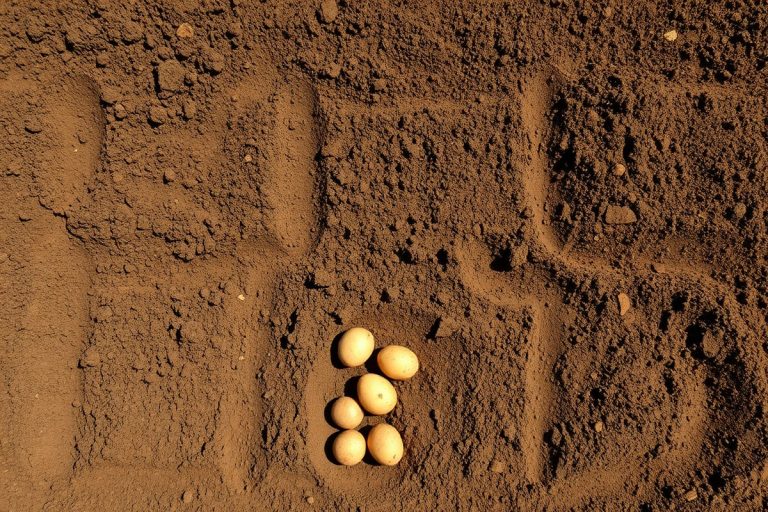
Hornworms survive winter by burying themselves as pupae in the soil. When spring warms the ground, they emerge as moths and start the process again fast.
Tilling soil in fall or early spring helps kill many soil pupae. This step reduces your hornworm problems.
Key Takeaways
- Hornworms come from eggs laid on the undersides of leaves.
- The eggs hatch in about one week, starting the caterpillar stage.
- Adult moths fly at night, attracted to lights near gardens.
- Pupae overwinter in soil, emerging as moths in spring quickly.
- Two or more hornworm generations can happen during a single season.
- Tilling soil after harvest helps kill overwintering hornworm pupae.
Where Do Hornworms Originate and How Do They Spread?
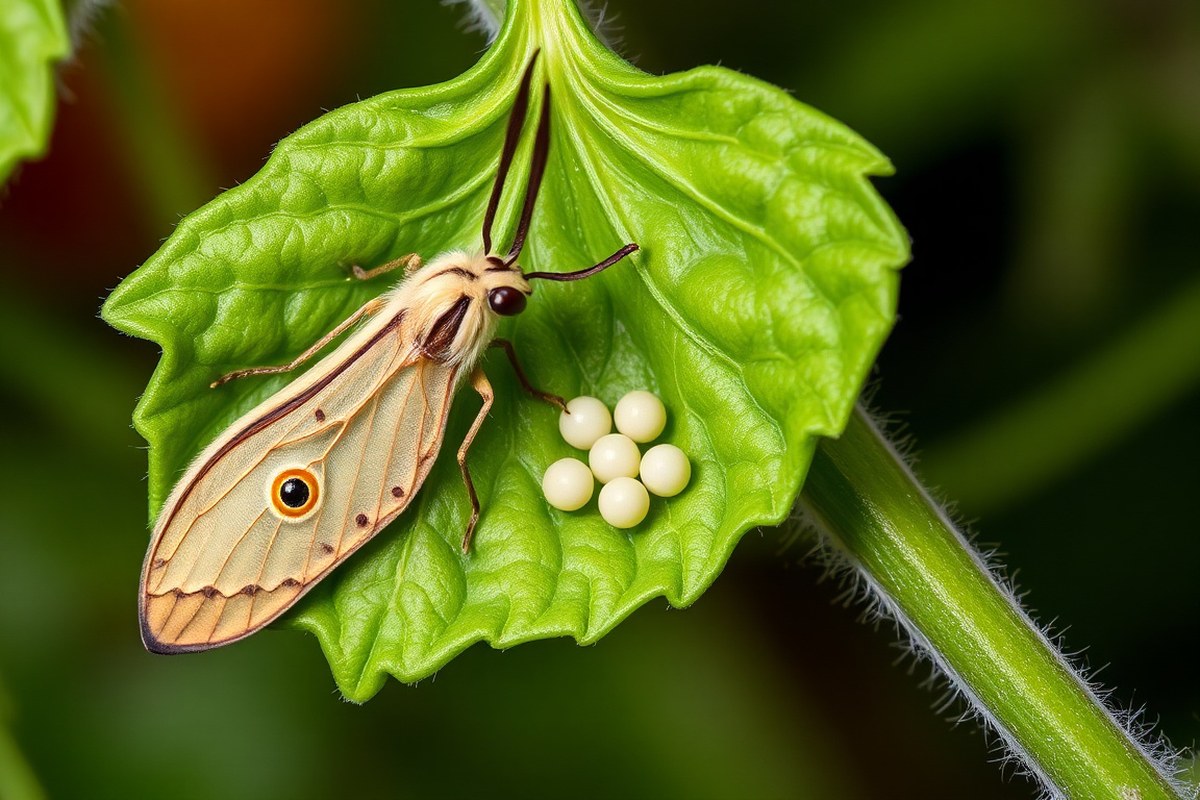
Hornworms start as eggs laid by female hawk moths in late spring. These moths emerge from pupae that overwinter in your garden soil. The pupae develop underground during the cold months.
Warm weather then triggers their change into adult moths. This process happens as temperatures rise.
Female moths mate, then search for young tomato, pepper, or tobacco plants. They lay eggs one by one on the top or bottom of leaves near new growth. Each female can lay as many as 2,000 eggs in one season.
The eggs hatch into tiny caterpillars that feed on the host plants. The moths themselves are pollinators, but their eggs become the source of garden damage. Hornworm eggs show up in your garden because moths live nearby.
These moths prefer places where their food plants grow. That’s why eggs appear near leaves and shoots.
Those pupae overwinter underground, safely insulated by soil. They do not survive harsh winters if deeply frozen. But mild temperatures in the upper soil layers help them stay dormant.
Tilling your garden early in spring can break open plenty of pupae underground. This exposes them to predators and dry air, which can kill many. It helps lower the number of moths that appear later.
Beneficial parasitic wasps also affect hornworm populations by laying their eggs inside them. These wasps live in the same garden space as hornworms. They use this habitat to finish their life cycles.
This fact is not about hornworm origins but relates to the ecosystem. Leaving some caterpillars with wasp cocoons can help naturally reduce future hornworm batches.
How Hornworm Eggs Hatch and Caterpillars Develop
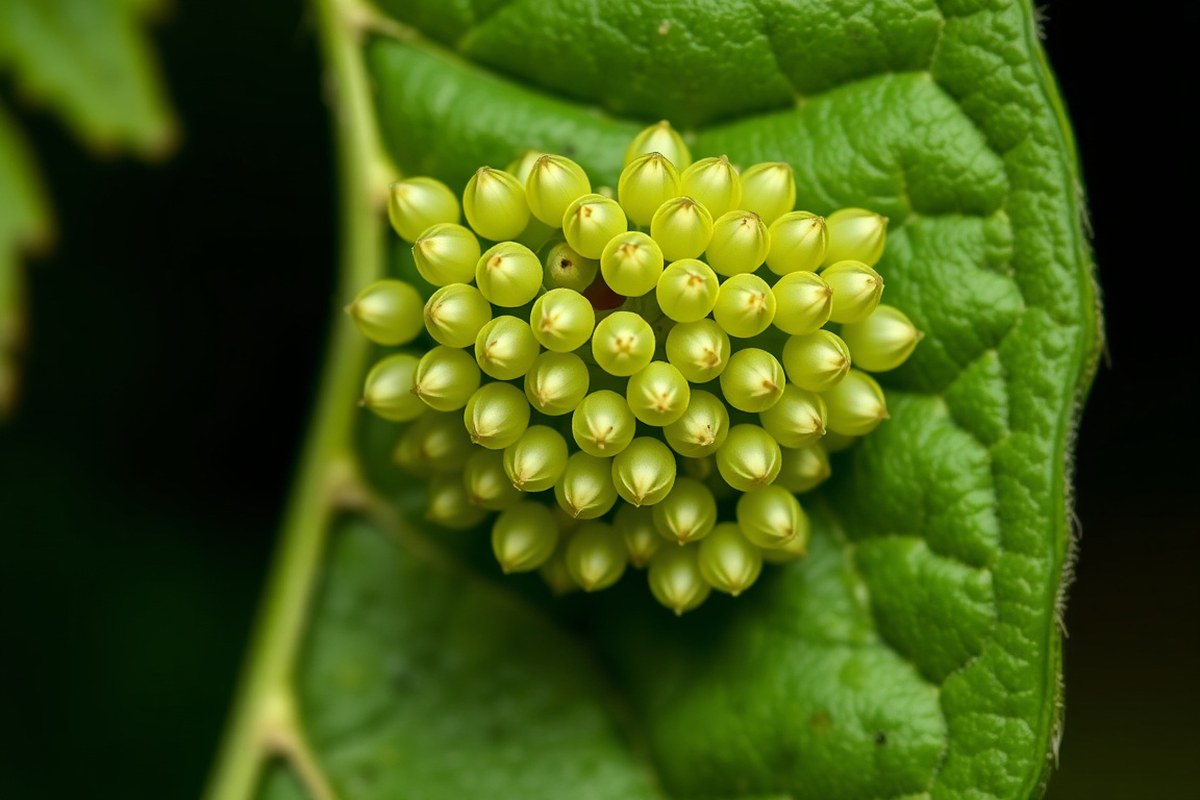
Hornworm eggs hatch in a few days, starting the caterpillars’ growth. The young larvae eat plant leaves rapidly and grow for about three to four weeks. During this time, the caterpillars molt several times before reaching their full size.
Egg Stage Duration and Identification
Hornworm eggs are small, round, and usually pale yellow or white. Females lay solitary eggs on the underside of leaves where young caterpillars can feed right away. The incubation period lasts about three to five days, depending on temperature and humidity.
The eggs often blend into the leaf surface, making them hard to spot. Checking leaves carefully and regularly helps you catch eggs before they hatch. Early detection is key to preventing widespread plant damage.
Larval Growth Stages and Molting
Hornworm caterpillars grow through five main stages called instars. After each instar, they shed their skin in a process named molting. This allows them to get bigger and develop new colors and markings.
The entire larval period lasts around three to four weeks. During this time, each molt signals a bigger, more voracious caterpillar. The last instar causes the most damage to plants as they consume large amounts of leaves.
Appearance of Caterpillars by Instar Stage
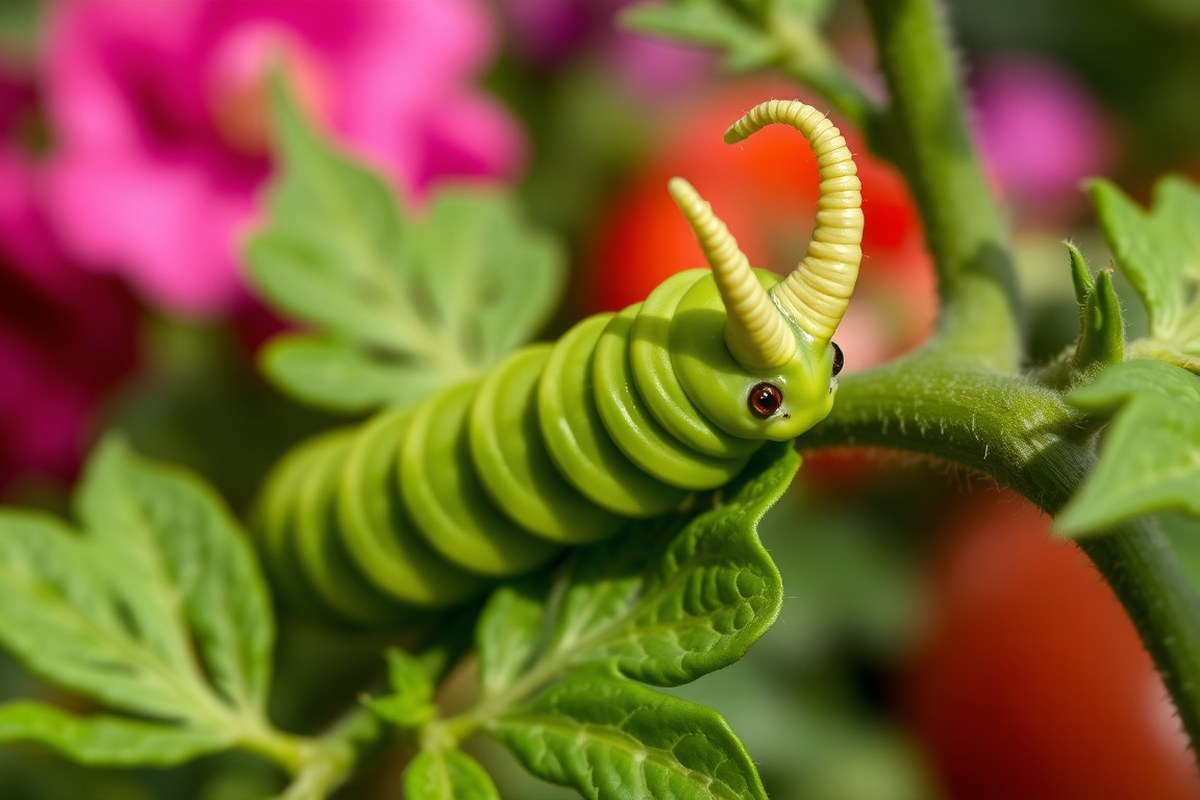
Young hornworms are light in color, often yellow or white, with few markings. As they grow, hornworms turn green. They get white or black stripes.
A curved horn appears at their rear. By the final instar, they reach 3.5 to 4 inches long and have a bright horn.
Early instars are smaller and harder to spot but still cause noticeable leaf damage. Larger caterpillars are obvious because of their size and the defoliated plants. Gloves or tongs can protect your hands when handling them.
Follow these steps to monitor and manage hornworm development:
- Inspect the underside of leaves for small, pale eggs daily during growing season.
- Look for young, light-colored larvae starting to chew on leaves after eggs hatch.
- Watch caterpillars grow through molting stages, noting increased size and markings.
- Spot large, green caterpillars with horns in the last instar before they cause major damage.
- Remove hornworms by hand with gloves or garden tongs for safety.
- Keep records of infestation timing to predict and prepare for future hatch cycles.
Handle hornworms carefully; they can be slippery and blend into plants easily.
Differences Between Tomato and Tobacco Hornworms
Tomato and tobacco hornworms look similar but differ in key features. Tomato hornworms have diagonal white lines. Tobacco hornworms show those lines as diagonal dashes.
Tomato hornworms have a solid dark horn. Tobacco hornworms have horns with red sides. This is the best way to tell them apart.
Both hornworms feast on plants in the nightshade family, including tomatoes, peppers, and eggplants. Tobacco hornworms prefer tobacco plants, which tomato hornworms usually avoid.
Growth areas overlap, but tomato hornworms are more common in northern gardens. Tobacco hornworms tend to dominate southern regions.
Here’s an easy comparison to spot which pest you’re dealing with and which plants they prefer. Use this quick table during garden checks to catch the right pest early for effective control.
| Feature | Tomato Hornworm | Tobacco Hornworm |
|---|---|---|
| Scientific Name | Manduca quinquemaculata | Manduca sexta |
| Horn Color | Solid dark green or black | Green with red sides |
| Body Markings | White lines | White diagonal dashes |
| Common Host Plants | Tomato, potato, pepper, eggplant | Tobacco, tomato, potato, pepper, eggplant |
| Region Prevalence | More common in North | More common in South |
Knowing these details helps you identify which hornworm species you face. Correct ID guides your garden care decisions. It’s easier to choose companion plants that repel the right pest or focus handpicking efforts effectively.
For example, planting basil and marigolds near tomatoes works well against tomato hornworms. These plants produce smells that deter them. Since tobacco hornworms lean toward tobacco plants, you might prioritize different companion plants or spot treatment.
How Hornworms Locate and Infest Garden Plants
Hornworms locate tomato and pepper plants by sensing chemicals these plants release. They are drawn to plants in the nightshade family, like eggplants and potatoes too. These caterpillars rely mainly on plant smell to find their preferred hosts quickly.
You can spot hornworm trouble early by inspecting your plants regularly. Look for chewed leaves or missing foliage, especially on tomato stems that become leafless. Hornworms are big green caterpillars with a horn at the back.
They blend in well with leaves. Their size makes them easy to spot once you know what to look for.
Infestations can escalate fast since hornworms grow quickly and eat a lot. By the time you notice a few holes, dozens of caterpillars might already be feeding. Regular checks help catch these pests before they cause serious damage to your crops.
- Check under leaves for eggs or small caterpillars in the morning or evening.
- Flip over stems and branches carefully to avoid missing hidden hornworms.
- Watch for sudden leaf loss or ragged edges on tomato and pepper plants.
- Inspect nearby plants like potatoes or eggplants for similar damage signs.
- Use a flashlight for night checks since hornworms feed mostly at dusk.
- Note any green waste or droppings beneath plants indicating caterpillar presence.
Spend a few minutes daily walking through your garden. Doing this with your morning coffee helps. It really makes a difference in spotting problems early.
Removing hornworms by hand as soon as you find them stops their spread. This simple habit reduces damage and saves your vegetables from widespread infestation.
Natural Predators and Biological Controls for Hornworms
Natural predators like parasitic wasps, ladybugs, and lacewings help control hornworm populations effectively. You can attract helpful insects by planting certain flowers and herbs. These plants provide food and shelter for these insects.
This keeps them coming back to your garden. This biological approach keeps pests down without chemicals.
Parasitic Wasps and Their Impact
Parasitic wasps are among the top natural enemies of hornworms. They lay eggs on or inside hornworm caterpillars. Their larvae consume the hornworms from within.
Over time, the hornworm gets covered with small white cocoons. These cocoons hold baby wasps that will hatch and attack more hornworms.
Letting hornworms with cocoons stay in your garden helps pest control. These cocoons hatch into insects that eat hornworms. This natural army lowers future hornworm problems.
Ladybugs, Lacewings, and Predatory Beetles
Ladybugs and green lacewings feed on hornworm eggs and young caterpillars. Their presence reduces how many hornworms grow to damage your plants.
Other predatory insects, like lady beetles, also hunt hornworm stages and keep populations balanced. These insects are safe and helpful in home gardens.
Attracting and Supporting Beneficial Insects
You can bring more natural predators to your garden by planting the right flowers and herbs. Dill, parsley, and daisy-like flowers attract parasitic wasps, ladybugs, and lacewings.
Making a friendly garden helps keep hornworms away. It also invites predators that eat hornworms.
This balance protects your plants naturally. Adding diverse plants supports insect biodiversity and helps birds that eat hornworms too.
- Plant dill and parsley around tomatoes and peppers.
- Include flowers like daisies or yarrow for pollinators.
- Avoid broad-spectrum insecticides that kill helpful bugs.
- Leave wasp cocoons on hornworms in the garden.
- Provide small water sources like shallow dishes for insects.
- Allow some leaf litter or mulch for insect shelter.
Allow hornworms with white wasp cocoons to stay until wasps emerge.
This approach takes time but reduces pest damage naturally. Patience lets you see fewer hornworms next season as beneficial insects multiply.
Effective Cultural and Organic Methods to Prevent Hornworms
Rotating your crops is a solid way to throw hornworms off. They tend to target the same plants year after year, like tomatoes or tobacco. Move these crops to different spots each planting season to break up the hornworms’ life cycle.
Companion planting also helps keep hornworms away. Plants like basil, marigold, and nasturtium can confuse or repel these caterpillars. Strong-smelling herbs work well because hornworms dislike the scents, making your garden less attractive to them.
Mulching plays a quiet but helpful role. A thick layer of organic mulch blocks hornworm pupae in the soil. This keeps fewer adults from emerging to lay eggs on your plants later.
- Rotate crops yearly, keeping tomatoes and tobacco 100 feet apart
- Plant basil or marigolds near your tomato and pepper plants
- Apply 2 to 3 inches of straw or wood chip mulch around plants
- Till soil deeply in fall to expose and kill hornworm pupae
- Avoid planting host plants in the same spot more than two seasons
- Remove weeds and garden debris where hornworms might hide
Tilling the soil deeply right after harvest helps reduce hornworm numbers. It exposes pupae to cold or predators, cutting down next year’s moth population. Be sure to till when temperatures dip below 50°F for best pupae kill.
These methods cost little besides your time and a few materials like mulch or seeds. Results show as fewer holes and less defoliation on leaves. If hornworms still appear, double-check your crop rotation and companion planting spots to improve protection.
Safe Handpicking and Inspection Techniques for Hornworm Removal
You can safely remove hornworms by hand without hurting your plants or beneficial bugs. Checking your plants regularly helps catch these pests early. Using the right tools and disposing of the worms properly keeps your garden healthy.
When and How to Inspect Plants
Check your plants during daylight when hornworms are easiest to spot. Focus on leaves, stems, and the undersides because hornworms hide there. Look for signs like chewed leaves and dark droppings to find where they feed.
Regular inspections help catch hornworms before they do serious damage. Inspect every few days, especially during warmer months when caterpillars grow fast. Moving slowly and scanning leaves closely makes detection easier.
Tools and Gloves Recommended
Wearing gloves protects your hands and helps you stay clean. Tomato hornworms don’t bite or sting, so gloves are mainly for comfort and hygiene. Use a small garden hand trowel to handle the caterpillars.
You can also use tweezers. This helps if you don’t want to touch them directly.
Having a bucket of soapy water nearby lets you quickly dunk the hornworms once picked. This method kills them safely without chemicals. Use bright colors or a viewable container to track captured caterpillars easily.
Disposal of Removed Hornworms
Drop the picked hornworms into a bucket of soapy water immediately after removal. This prevents escape and is the safest way to kill them without harming your garden. Dispose of the dead hornworms with your compost or trash after a day.
Alternatively, you can place hornworms in a sealed container and remove them from your yard. Avoid releasing them near other gardens to stop spreading. Regular disposal controls population and protects your plants effectively.
- Wear gloves to protect your hands and keep clean.
- Inspect leaves and stems for hornworms and signs like droppings.
- Use your fingers or tweezers to gently pick off each hornworm.
- Place the hornworm immediately into a bucket of soapy water.
- Repeat the process across all infested plants thoroughly.
- Empty and refill the soapy water bucket as needed to maintain effectiveness.
- Dispose of dead hornworms away from your garden after 24 hours.
Chemical Controls and When to Use Them Responsibly
Chemical insecticides can reduce tomato hornworm populations fast but handle them carefully. Some options include Bacillus thuringiensis (Bt) and spinosad. Both target young larvae effectively without much harm to your edible plants when applied right.
Bt is a natural bacteria you spray on leaves. Hornworm larvae eat it and stop feeding within a few hours. Spinosad works similarly and can also target slightly older larvae.
Both break down quickly in sunlight, so apply late afternoon or early evening. This timing keeps the pesticide on leaves when hornworms feed at night.
Use chemical controls only when natural methods fail or infestations grow large. Apply insecticides following label instructions strictly, especially about how often to spray and pre-harvest intervals.
Pre-harvest intervals mean how many days to wait after spraying before picking your tomatoes or peppers. These wait times keep pesticide residues low and safe for eating.
Table: Comparison of Common Hornworm Insecticides for Edible Plants
| Insecticide | Target Stage | Safety for Edible Crops | Application Tips | Typical Cost |
|---|---|---|---|---|
| Bacillus thuringiensis (Bt) | Small larvae | Safe, breaks down quickly | Apply late afternoon, repeat every 7, 10 days | $10, $20 per quart |
| Spinosad | Small to medium larvae | Safe if following label | Use at dusk, avoid on hot days | $15, $30 per pint |
| Synthetic insecticides (varies) | All stages | Use with care, may harm pollinators | Only if severe infestation; avoid bloom time | $20, $40 per quart |
Overusing chemical treatments risks killing helpful beneficial insects like bees and ladybugs. Avoid spraying when plants are flowering to protect these pollinators. Using a UV black light at night helps you find hornworms while they feed.
So you can target spray spots instead of whole plants. Nighttime scouting also lets you handpick without chemicals.
Spraying on cool, calm evenings reduces drift and evaporation, improving effectiveness. Avoid applying right before rain, which washes away the insecticide. Multiple treatments spaced about a week apart usually knock down hornworm numbers in a small garden.
Always check the label for pre-harvest intervals before picking tomatoes. Follow these instructions to keep your tomatoes safe. It helps avoid eating any harmful residues.
Step-by-Step Action Plan to Manage Hornworms in Your Garden
Follow these steps to spot and control hornworms quickly. You’ll see fewer hungry caterpillars and healthier plants.
- Before planting: Clear garden debris and remove old tomato plants. This stops leftover eggs and larvae from hatching near new crops.
- Week 1 after planting: Check leaves daily for small white eggs on tomato and tobacco plants. Successful if you find and remove eggs early.
- Week 2: Inspect plants for hornworm caterpillars. Handpick any you find. Keep plants damage-free by doing this regularly.
- Week 3: Introduce natural predators like parasitic wasps or ladybugs. Watch for fewer hornworms after a week.
- Week 4: Use Bacillus thuringiensis (Bt) if caterpillars persist. Apply early morning or late evening for best results.
- Week 5 and onward: Rotate crops each season to reduce hornworm buildup. Confirm by fewer pests the next season.
Frequently Asked Questions
Where Do Hornworm Eggs Usually Appear in the Garden?
Hornworm eggs appear on the undersides of tomato and pepper leaves. Check leaves closely during warm months for tiny, pale green eggs to catch infestations early.
Can Hornworms Survive in Garden Debris over Winter?
Hornworms can overwinter as pupae in garden soil or debris. Cleaning up plant waste reduces their survival chances and lowers next year’s pest risk.
Do Certain Herbs Repel Hornworms Naturally?
Some herbs like basil and mint may repel hornworms a bit. Planting them near your tomatoes might keep hornworms away in small amounts.
How Often Should You Inspect Plants for Hornworms?
Inspect plants every few days during summer for hornworms. Early detection limits leaf damage and makes handpicking easier.
Can Hornworms Fly to New Gardens or Do They Crawl Only?
Adult hornworms are moths and can fly to new gardens. The caterpillars crawl but the moths spread the next generation further.
Do Hornworms Prefer Any Specific Tomato Plant Varieties?
Hornworms don’t strongly prefer one tomato variety over others. They feast on all kinds but vigorous plants recover faster from damage.
Before You Go
Hornworms come from eggs laid on your plants and grow into caterpillars that eat leaves. You can stop them by checking plants often and using natural control methods first. Start by scouting your garden every few days for eggs or caterpillars today.