What Do Worms Taste Like? A Complete Guide to Flavor, Prep, and Safety
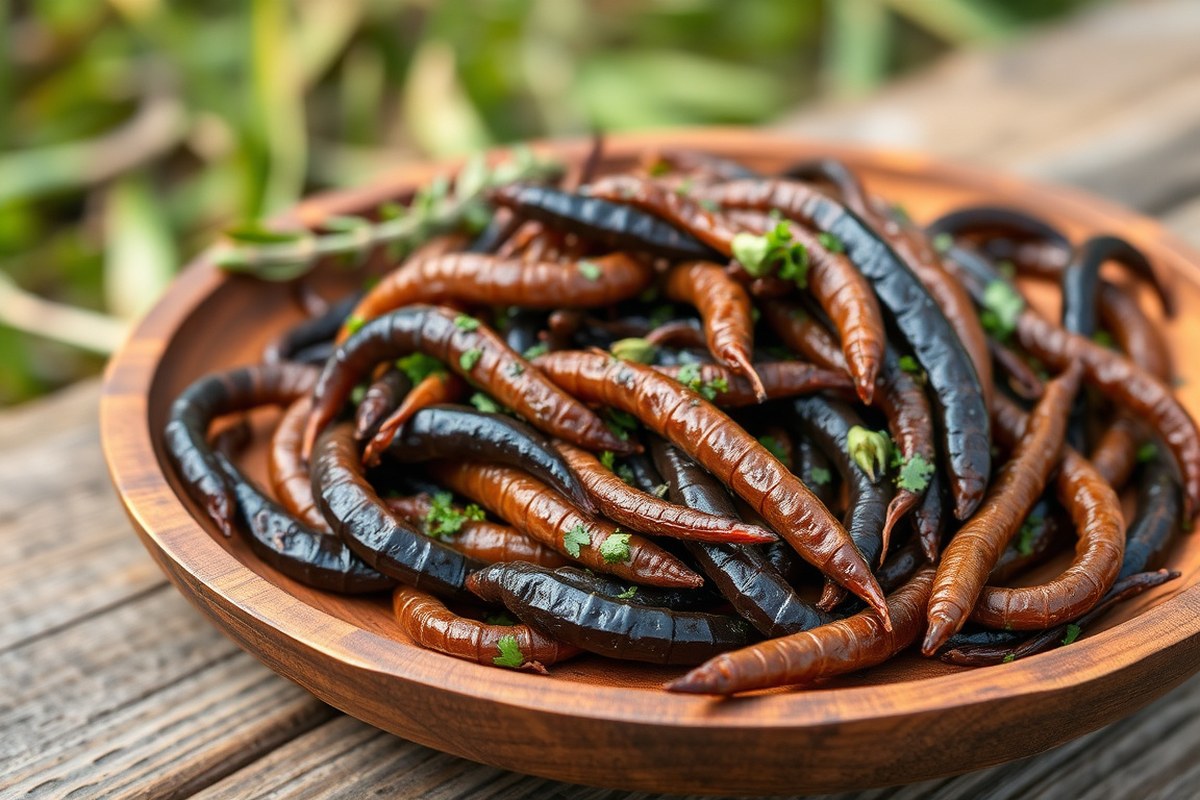
Worms usually have a mild, earthy flavor with some nutty undertones. Their taste depends on the species and what they eat. Earthworms can taste a bit like mild mushrooms or nuts when cooked right.
Cleaning them well removes bitter or grassy notes. Boiling a few times helps reduce these flavors, making them more enjoyable. Different worm types have subtle taste differences based on their diet and environment.
Soil quality and organic matter influence their flavor noticeably. These factors make worms taste more or less earthy or nutty. Worms also change texture depending on how you prepare them, from soft to crunchy.
Simple seasonings like cumin or curry bring out their flavor without overwhelming it. Light roasting can add a pleasant crispness as well.
Key Takeaways
- Earthworms have a mild, earthy taste that varies with their diet.
- Boil worms and change water multiple times to reduce bitterness.
- Season worms with cumin or curry for a balanced flavor.
- Preparation method affects worm texture from soft to crunchy.
- Worms high in protein, so they’re both tasty and nutritious.
- Worm taste isn’t like bacon, it’s more subtle and natural.
What Do Worms Taste Like and How Does Flavor Vary?
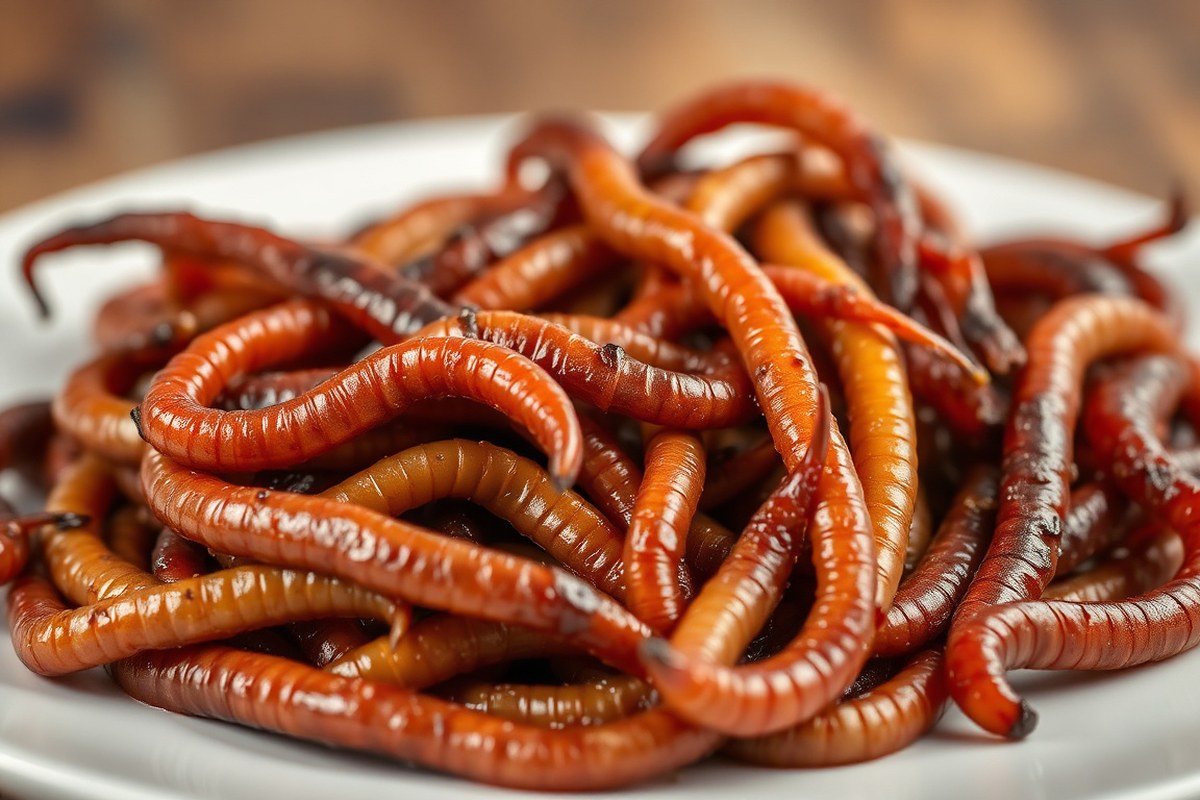
Earthworms have a distinctly earthy taste because they eat soil and organic matter. This earthiness is often stronger and less pleasant for some.
People describe them as tasting similar to grasshoppers. But with a dirtier note that feels more natural and raw.
Sago worms, found in some tropical regions, have a very different flavor profile. When raw, they are mild and creamy. But roasting them turns their fat into a crispy, savory shell.
Many say roasted sago worms taste like bacon. They also taste like fatty pork. That’s why people call them “the bacon of bugs.””
Bamboo worms offer a lighter taste, often compared to corn puffs. Their mild sweetness makes them a popular snack in some Asian cuisines. Mealworms are another common edible worm.
They have a nutty flavor that many like. This taste appeals to people new to edible insects. Their texture is soft and creamy when cooked, somewhat like mild cottage cheese.
| Worm Type | Basic Flavor | Texture | Key Notes |
|---|---|---|---|
| Earthworm | Strongly earthy | Firm, slightly chewy | Similar to grasshoppers, dirt-like |
| Sago Worm | Sweet and savory when roasted | Crispy outside, soft inside | Tastes like bacon or fatty pork |
| Bamboo Worm | Mildly sweet, corn puff-like | Light and crunchy | Lighter flavor, easy to snack on |
| Mealworm | Mildly nutty | Soft, creamy when cooked | Nutty, mild like cottage cheese |
Worm size affects both flavor and texture. Smaller worms, like bamboo worms, tend to be crispier and milder.
Larger worms, such as earthworms, have a stronger taste and chewier mouthfeel. This size difference changes how the fat content cooks and the flavor develops.
Some worms, like mopane worms, carry an earthy, smoky taste similar to dried tea leaves. These distinct flavors come from what the worms eat and their natural fats.
The wide variety of worms means taste can vary greatly. So trying different species gives the best sense of their flavors.
How Preparation Methods Affect Worm Taste and Texture
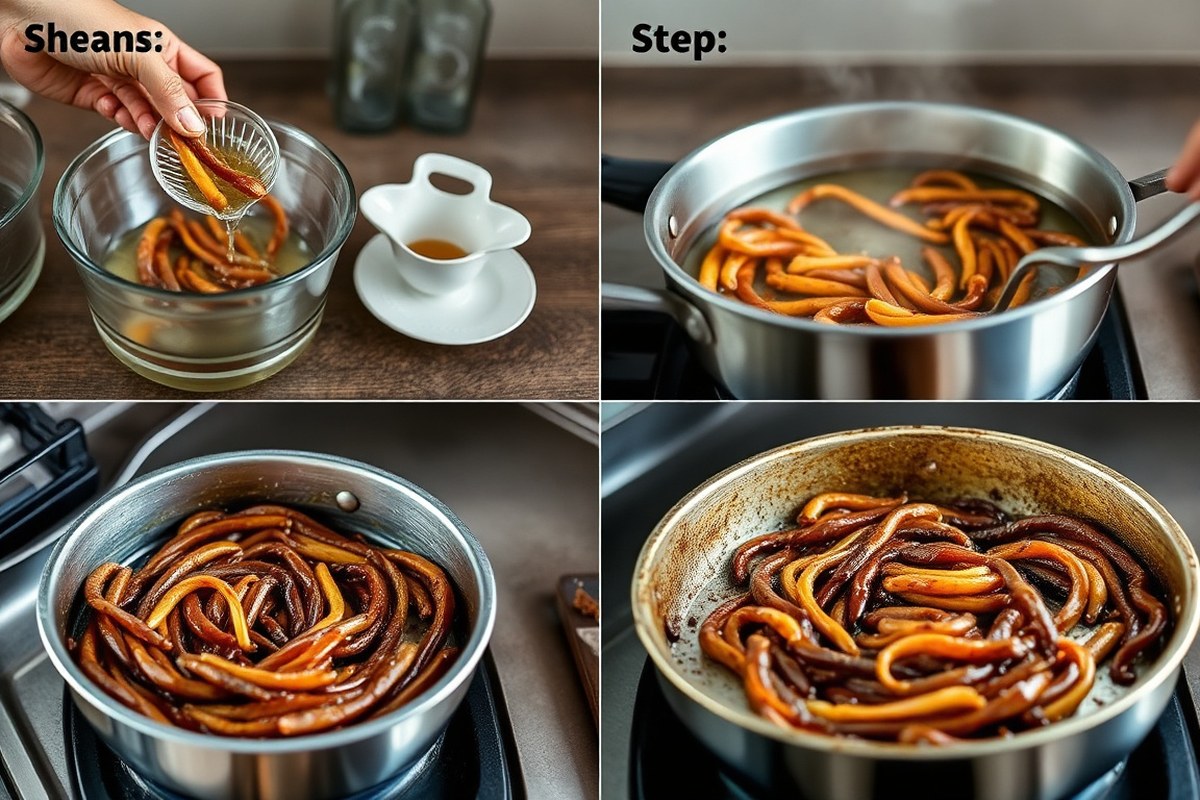
Worm flavor and texture change a lot depending on how you clean and cook them. Boiling, frying, roasting, and seasoning all shape their taste in distinct ways. Preparing them right removes dirt and bitterness, improving the overall experience.
Cleaning and Purifying Worms Before Cooking
Removing dirt and grit is key before you cook worms. Let worms purge by feeding them clean, plant-based foods for a day or two. This process flushes out soil and waste, so your worms taste cleaner.
Rinse worms thoroughly under cold water before cooking. Sorting out any dead or unhealthy worms avoids off flavors and health risks.
- Collect worms from a clean source like a worm bin with known feed.
- Place them in a container with moist, clean lettuce or vegetable scraps.
- Wait 24 to 48 hours to let worms purge dirt and toxins.
- Rinse worms multiple times in cold water to remove residual dirt.
- Pick out dead worms and debris by hand.
- Drain worms well before cooking to avoid soggy texture.
Never skip purging worms; dirt and grit cause bitter and earthy flavors.
Popular Cooking Techniques for Worms
Boiling gently cooks worms, softening texture and mellowing flavors. The taste dries out more when you roast or fry, adding crunch. Roasting triggers caramelization and Maillard reactions, making worms taste richer and nutty.
Frying usually crisps up worms quickly. This draws out a buttery, slightly smoky flavor, like fried butter or nuts. Baking worms with little oil also improves texture by keeping them crisp outside while soft inside.
- Boil worms in salted water for 1 to 3 minutes; avoid overcooking.
- Dry boiled worms on paper towels to remove moisture.
- Heat a pan with 1 to 2 tablespoons of oil over medium-high heat.
- Add worms and fry for 3 to 5 minutes until crispy.
- Alternatively, spread worms on a baking sheet and roast at 375°F for 8 to 12 minutes.
Boiling too long makes worms mushy and reduces their mild flavor.
Recommended Seasonings and Flavor Pairings
Worms have a mild taste that picks up seasonings well. Herbs like thyme or rosemary add earthiness without masking natural flavor. Bright citrus juice or zest can cut through any heaviness or bitterness.
Try paprika, garlic powder, or chili flakes to add smoky, spicy notes. Marinate worms briefly in lemon juice with herbs before roasting to combine tartness with herbal fragrance. Avoid overpowering spices that hide subtle worm flavors.
- Mix worms with 1 tablespoon lemon juice and 1 teaspoon olive oil.
- Add ½ teaspoon each of paprika, garlic powder, and dried thyme.
- Let worms marinate for 15 to 20 minutes in the fridge.
- Roast or fry as preferred to lock in herbs and spices.
- Serve with fresh lemon wedges for extra brightness.
Limit heavy seasoning; it steals the delicate worm taste or makes it bitter.
Avoiding Common Preparation Mistakes
Feeding worms unhealthy scraps like onion or human waste leads to off smells and unsafe foods. Always check for and remove dead worms before cooking. Overcooking dries worms out and ruins their slight crispiness.
Not cleaning worms well leaves dirt and bitterness. Skipping seasoning or using too much can create unpleasant flavors. Stick to light marinating and short cooking times to keep worms tasty and appealing.
- Only source worms from safe, clean environments.
- Discard any worms that look slimy or smell bad.
- Wash worms under running water thoroughly before cooking.
- Avoid cooking worms longer than 5 minutes frying or 3 minutes boiling.
- Adjust seasoning to taste, starting mild and adding slowly.
Never eat worms that haven’t been properly cleaned or cooked to avoid health risks.
Are All Worms Safe to Eat? Health and Safety Tips
Edible Worm Species to Know
Not all worms you find are safe to eat. Earthworms are the most common edible species worldwide. Some mealworms, which are larval beetles, are edible too but differ from true worms.
Parasitic worms or those living inside animals can carry diseases. Avoid these completely. Stick to species you can verify are safe like earthworms from clean soil.
Spotting Safe Worms
Look for worms that come from clean, pesticide-free areas. Earthworms from your garden or worm farms are usually safer. Avoid worms near waste, sewage, or chemical runoff zones.
Healthy, shiny, firm worms are better. Thin, dried out, or discolored worms might be unhealthy or contaminated. Worms eating cooked veggie scraps or leafy greens are safer than wild-caught ones.
Risks of Wild-Caught Worms
Wild traps often expose worms to pesticides, parasites, and pollutants. They might carry bacteria from soil or animal waste. Eating these worms raw or poorly cooked can cause stomach illness.
Worms from toxic sites can accumulate heavy metals or poisonous chemicals. This risk varies by location. Testing or sourcing from trusted worm farms lowers risk.
Worm Storage to Stop Spoilage
Use a cool, humid place to store worms after harvesting. A small container with damp soil or paper works well. Avoid airtight containers that trap moisture and cause rot.
Keep worms in the fridge at about 40°F (4°C) to slow metabolism and spoilage. Use within 48 hours for best freshness. Freeze only if you plan to cook them later to avoid texture loss.
Checklist for Worm Safety
Follow these steps before eating worms to stay safe:
- Choose known edible species like earthworms or mealworms.
- Harvest from clean, chemical-free areas or trusted farms.
- Inspect worms for healthy appearance and avoid dried or discolored ones.
- Rinse worms thoroughly to remove dirt and microbes.
- Cook worms well to kill pathogens; avoid eating them raw.
- Store in cool, damp conditions and use quickly.
- Stay clear of worms from polluted or unknown sites.
Following this checklist lowers health risks. Cooking worms thoroughly is the key final safety step. Use fresh worms only for best results.
Nutritional Benefits of Eating Worms
Worms provide a strong protein punch. They are about 60 to 70 percent protein by dry weight. This makes them a good protein source.
They compare well with many insects. This high protein content supports muscle repair and overall health.
They also deliver healthy fats, especially omega-3 fatty acids. Omega-3s help your heart by reducing inflammation. They also lower the risk of heart disease.
These benefits are well proven. Eating worms could add these healthy fats to your diet.
Compared to other edible insects, worms stand out for their omega-3 levels. Many insects offer protein but fewer pack omega-3s.
Worms also have important minerals like calcium, especially when fed on eggshells. This adds to their nutritional value.
| Nutrient | Worms | Typical Edible Insects |
|---|---|---|
| Protein (% dry weight) | 60, 70% | 50, 65% |
| Omega-3 Fatty Acids | Rich | Low to Moderate |
| Calcium | Moderate (if fed eggshells) | Low |
Feeding worms right changes their nutrition and taste. Food scraps and veggies grow their protein and fat levels.
Adding eggshells for calcium works well too. This nutrition boost costs little but takes care.
Worms are versatile and sustainable. They use waste like veggie scraps, reducing your kitchen trash. Their nutrients make them a smart food choice.
They cost little to produce and help the planet. This makes them practical for you.
Traditional and Modern Culinary Uses of Worms
Worms and insect larvae have long been part of traditional diets worldwide. In Mexico, for example, larvae are cooked thoroughly, spiced, and served as popular snacks. The “hormiga culona” is a well-known delicacy in Colombia’s Santander region.
People eat it roasted or fried. These ants have big bottoms, which is why they got their name.
Earthworms also appear in various cultures under many names, though they are less common on menus. Some cooks sauté worms in butter, which brings out a flavor compared to mushroom or bacon. This simple technique helps highlight their unique taste and makes a satisfying dish without complicated steps.
Modern chefs experiment more with worms and larvae in high-end cooking. They use black soldier fly larvae in their recipes. These larvae have a mild taste that depends on their food.
People add them to salads, sauces, or use them as crunchy toppings. Some combine worms with familiar flavors like garlic, butter, or chili to attract adventurous eaters.
Worms and similar insects even appear in snacks and desserts. Spiced larva chips are a street treat in Mexico.
Chefs incorporate insect protein powder into cookies and smoothies for added nutrition. These options offer a new texture and earthiness without overpowering sweet or salty notes.
Make sure to cook worms thoroughly to avoid harmful bacteria and improve taste.
Cooking worms is quick and easy. You can use a hot pan or oven set to 300°F. Cook them 8 to 10 minutes until they become crispy.
Avoid overcooking, or they become too tough. Proper cleaning beforehand is essential, especially removing any soil or organic matter.
Costs can vary. But sourcing edible worms online or from specialty farms averages $15 to $30 per pound.
This makes them a cost-effective protein compared to some meats. Recipes adapt well to various cuisines, from grilling and frying to baking and blending into doughs.
How Worm Diet Influences Their Taste
Worms eat mostly decaying plant material and small organic bits in soil. Their diet often includes leaves, fruit scraps, and paper, which shape their taste. Worms eating fresh, rich material taste milder and nuttier.
They taste different if they eat poor or tainted stuff. Fresh feeding results in a better flavor.
You can control worm flavor by feeding them certain foods yourself. Just like other animals, worms absorb some flavors from what they eat. Offering a balanced diet of green and brown materials improves their taste and health.
- Give equal parts green (fresh leaves, fruit scraps) and brown (dry leaves, shredded paper).
- Add coffee grounds, which worms enjoy and which can deepen flavor.
- Avoid oils, spicy foods, and meat, as they harm worm health and taste.
- Stay away from processed foods like sweets and chocolate, which can kill worms.
- Skip salty or preserved items; they irritate worms and reduce flavor quality.
Worms breathe through their skin. So spicy or harsh foods can irritate them and harm their health.
This stress can turn their flavor bitter or off-putting. Feeding worms soft, natural scraps allows them to thrive and taste better.
Changing the worm diet won’t cost much. Use kitchen scraps or yard waste you already have.
Avoid feeding anything toxic or artificial to keep worms alive and tasting clean. This simple diet balance improves flavor for cooking or eating directly.
Flavor Pairings and Cooking Ideas to improve Worm Taste
Worms have an earthy, mildly sweet flavor. You can brighten this with spices, citrus, and herbs.
Combining these ingredients helps balance their natural taste and makes them more inviting. Both savory and sweet dishes work well with worms if you match flavors carefully.
Spices That Pair Well with Worms
Cumin and curry powder are excellent with worms because they complement the earthy notes nicely. Use about half a teaspoon of spices per cup of worms. This boosts flavor without overpowering it.
Add a pinch of smoked paprika for subtle smokiness. It matches the worm’s natural fattiness well.
Garlic powder and black pepper also work well to add depth to worm dishes. You can sprinkle them on roasted worms before cooking or fold them into batters.
These spices are simple and affordable. A typical kitchen bottle usually costs under a few dollars.
Using Citrus and Herbs to Balance Flavor
Fresh lemon or lime juice adds a bright punch that cuts through the earthy taste. Squeeze about one tablespoon of citrus juice over cooked worms or mix it into a marinade. Herbs like parsley, cilantro, and thyme add fresh, green aroma and taste.
Mix finely chopped herbs with olive oil and lemon juice for a simple dressing. Toss warm, sautéed worms in this to add lively brightness. Using herbs not only balances flavor but also adds easy color contrast on your plate.
Savory Recipes Featuring Worms
Try sautéing worms with onions, garlic, and cumin for a quick savory dish. Heat two tablespoons of olive oil in a pan.
Add a cup of washed, pre-cooked worms, half a cup of diced onion, and a teaspoon of cumin. Cook for 5 to 7 minutes until golden and fragrant.
For something heartier, toss cooked worms into low-carb pasta alternatives like spiralized zucchini or cauliflower rice. Add a tomato-based sauce with herbs like oregano and basil to complement the worms’ hearty taste. It takes about 15 minutes to prepare and serves as a simple, balanced meal.
Sweet or Dessert Ideas Using Worms
Some worms taste mildly sweet. Pair them with honey or maple syrup for desserts. Roast worms lightly.
Then drizzle one to two teaspoons of honey for a sweet treat. This option works best with smaller, sweeter worms that have a natural sugar water diet.
Another approach is folding roasted worms into chocolate desserts, like brownies or chocolate bark. The worms add a slight crunch and earthy depth reminiscent of malt, improving chocolate’s flavor.
Use about a quarter cup of worms per dessert batch. This adds flavor without overwhelming.
Common Misconceptions About Worm Taste Debunked
Not all worms taste like bacon; this is mostly true for sago worms. They contain more fat, which gives them a flavor similar to bacon. Earthworms taste earthy and slightly nutty.
Some people don’t mind it. Others find it less pleasant. They mostly taste like the soil they inhabit.
Many people think earthworms are dirty. But their cleanliness depends on how you prepare them.
Purging earthworms before cooking removes the soil and grit inside their digestive systems. This step makes them cleaner and improves their taste significantly.
Cooking worms is usually necessary to avoid bad taste and make them safe to eat. Heat kills bacteria and changes their texture to something more enjoyable. However, some edible worms can be consumed raw or dried, depending on the species and source.
- Rinse earthworms in clean water to remove dirt.
- Allow worms to purge for 24 hours with a light diet.
- Do not feed worms meat products to avoid bad flavors.
- Cook worms at 350°F for 5 to 10 minutes to ensure safety.
- Try sago worms if you want a fatty, bacon-like flavor.
- Only eat worms from clean, controlled sources.
- Avoid wild worms from contaminated soil for health reasons.
Not all edible worms share the same flavor or safety profile. Some species taste better and are safer depending on how they are raised and prepared.
Earthworms can carry harmful bacteria if not cleaned well. Farmed worms tend to be safer.
Always purge worms before cooking to remove grit and reduce any unpleasant taste.
Step-by-Step Action Plan to Taste Worms Safely and Enjoyably
Try worms as food with this plan to get safe, tasty results. Follow each step and check the result before moving on.
- Before you start: Choose edible worms like mealworms or earthworms from a reliable source. Avoid wild worms unless you’re sure they are safe.
- Day 1: Rinse the worms in clean water to remove dirt and grit. Look for clear water after rinsing.
- Day 2: Blanch worms in boiling water for 1-2 minutes to kill bacteria. Worms should turn firmer and lose slime.
- Day 3: Dry the worms on paper towels. They should feel dry to avoid soggy taste.
- Day 4: Roast or sauté worms with simple seasonings like salt and garlic. They should crisp slightly and smell nutty.
- Day 5: Taste a small amount to check texture and flavor. Adjust cooking times or seasonings for better taste.
- After 1 week: Experiment with adding worms to dishes like salads, tacos, or stir-fries. Make sure you enjoy the combined flavors.
- After 2 weeks: Try drying worms for crunchy snacks or grinding them into protein powder. Confirm you like these preparations before using often.
Frequently Asked Questions
Do Earthworms Taste Different from Mealworms?
Yes, earthworms have a milder, earthier taste, while mealworms taste nuttier and crunchier. The cooking method can also highlight these differences quite well.
How Does Worm Freshness Affect Their Taste?
Fresher worms taste cleaner and less bitter than older ones. Stale worms can develop off-flavors similar to spoiled seafood.
Can Worm Taste Vary by Season?
Yes, seasonal changes affect the worms’ diet and flavor. Worms may taste sweeter or richer depending on what they eat in different seasons.
Do Cooked Worms Have a Different Texture from Raw Worms?
Cooked worms feel crispier or chewier, while raw worms are slimy or soft. You usually want to cook them to improve texture and taste.
How Does Worm Size Influence Their Taste?
Smaller worms tend to have a milder taste and softer texture. Larger worms often taste earthier and have a firmer bite.
Does Soaking Worms in Water Change Their Flavor?
Soaking can reduce earthiness and grit but might also dilute the flavor. Many people rinse but avoid long soaking to keep good taste.
Wrapping Up
Worms taste earthy with a nutty or mild meaty note once cooked properly. You can safely prepare and enjoy them using simple steps. Start by tasting a few cooked worms to see how you like their flavor and texture.