What Does Annual Plant Mean? A Complete Guide with Key Growing Tips
What does annual plant mean? An annual plant completes its entire life cycle in just one year.
It grows from seed, develops leaves and stems, flowers, produces seeds, then dies all within a single growing season. You usually plant it in spring and it finishes growing by fall or early winter.
Annual plants differ from other plants because they don’t survive beyond one season. Unlike perennials, which come back year after year, annuals need to be replanted each spring. This makes them ideal for adding quick color or harvesting a fast crop.
Start annual plants in well-drained soil that’s warm, preferably above 60°F. Cold, wet soils can cause seeds to rot or develop damping-off disease. Monitoring soil temperature helps you get healthy seedlings and strong, growing plants.
Key Takeaways
- Annual plants grow, flower, and die all in one growing season.
- Perennials live many years; annuals must be replanted annually.
- Choose a soil temperature of 60°F to 80°F for planting annual seeds.
- Avoid planting annual seeds in cold, wet spring soil below 60°F.
- Annuals produce seeds that you can save for next year’s planting.
- Use annuals for quick blooms and continuous garden color each year.
What Exactly Defines an Annual Plant?
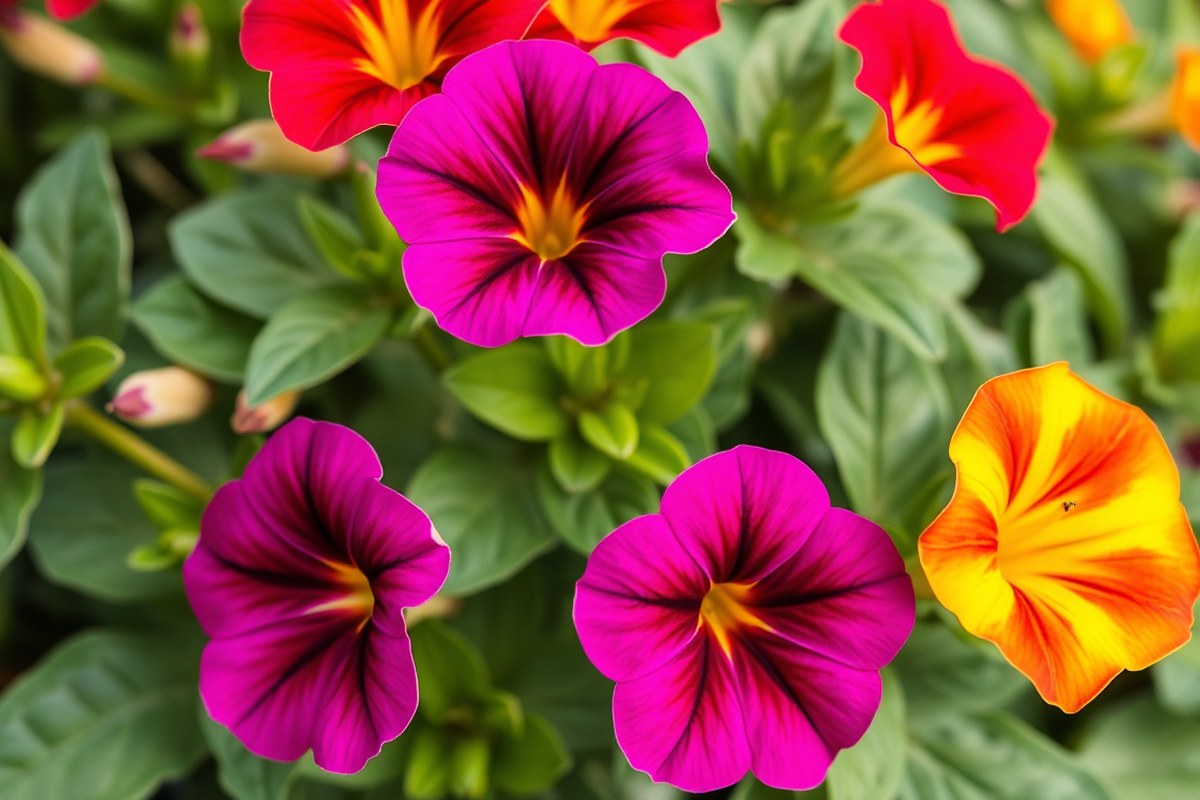
An annual plant lives for only one growing season. It goes from seed to flowering and seed production in that time. After finishing its life cycle, the plant dies within the year.
The life cycle starts when the seed sprouts in the soil. The plant then grows, forming stems and leaves to collect sunlight and make food through photosynthesis. After it matures, flowering happens, which leads to seed production.
Once the seeds form, chemical changes in the plant signal the end of its life cycle. The plant dies after dropping its seeds to start the next generation.
Annual plants complete their life cycle in one year. Gardeners usually plant these in early spring. This timing helps them grow during the full season.
These plants often brighten a garden quickly since they bloom the same season they are planted. You must plant new seeds every year for annual plants.
The old plants do not live past the season. That means no reusing last year’s plants.
How Do Annual Plants Differ from Perennials and Biennials?
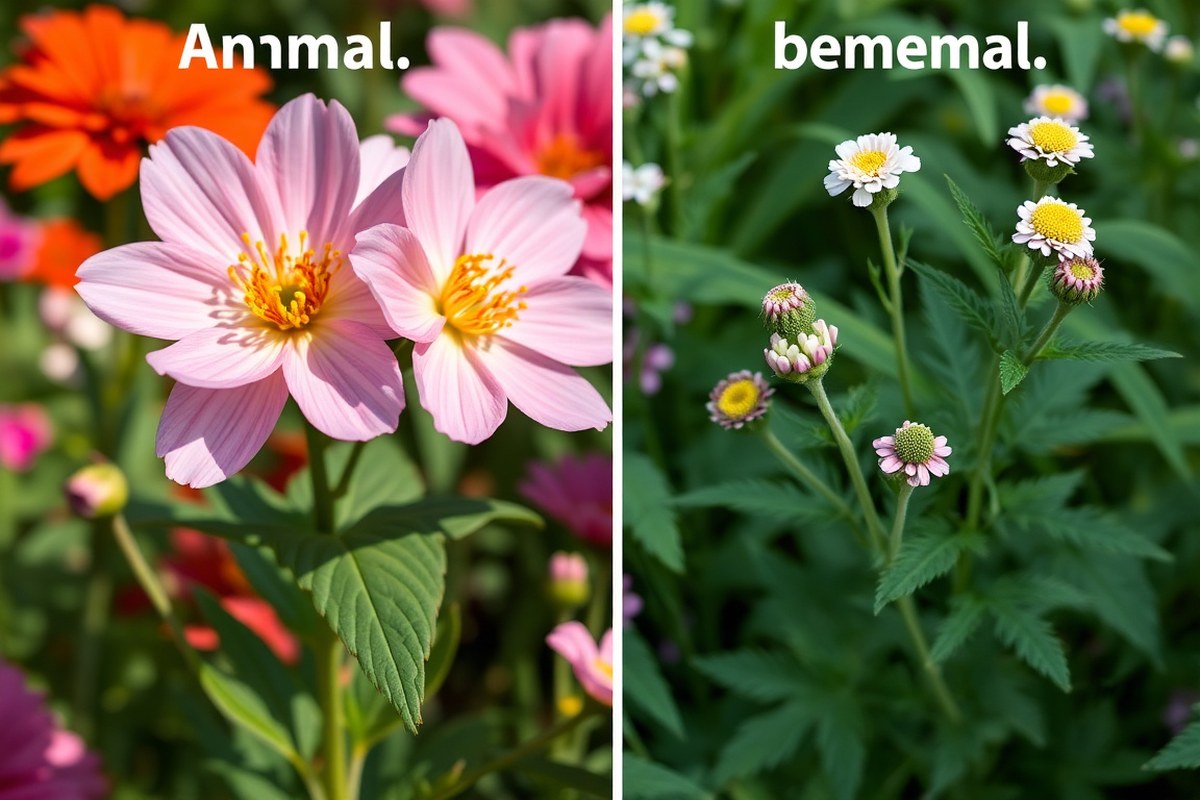
Annual plants complete their life cycle in one growing season. They sprout, bloom, produce seeds, and then die within a single year. This means annuals won’t come back next year unless you plant seeds you saved.
Perennials live for three or more years. They grow and bloom during their growing seasons but then die back in winter. Their roots or woody stems stay alive underground, letting the plant return each year.
Biennials live for two years. In the first year, they grow leaves and roots but do not bloom. The second year is when they flower, make seeds, and then die.
| Category | Botanical Reality | Native Hardiness | Common Examples |
|---|---|---|---|
| True Annuals | Die after one seed cycle | Varies, often temperate | Zinnias, Marigolds, Sunflowers, Cosmos, Sweet Peas |
| Tender Perennials | Can live years if not frozen | Zones 9-11 (Tropical/Subtropical) | Geraniums, Impatiens, Begonias, Coleus, Lantana |
| Biennials Grown as Annuals | Require two years naturally but bred to flower in year one | Zones 4 | Some varieties of foxglove, hollyhocks |
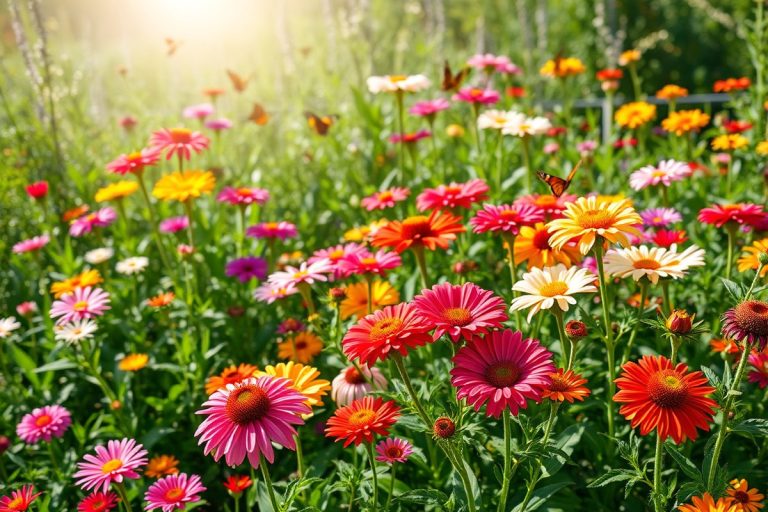
Annuals are usually showier and bloom almost nonstop during their life. This is why gardens full of annuals often look colorful and vibrant all season long. Perennials bloom less continuously and can have staggered flower times throughout the year.
In colder areas, some tender perennials are treated like annuals. They cannot survive freezing temperatures, so gardeners replant them each year. This can cause confusion about whether a plant is really perennial or annual in your climate.
Always check your plant tag to see if it matches your zone. Some plants are treated as annuals because of cold weather. This means they won’t survive the winter where you live.
Biennials provide flowers only in their second year. So they don’t give the instant color annuals do. They fall between annuals and perennials in plant life cycles.
These plants can grow seeds for next season on their own. You won’t need to replant them every year. Knowing plant life cycles helps you plan for steady blooms all year.
It also keeps your garden growing well season after season. This way, you avoid empty spots and surprises.
Popular Types and Examples of Annual Plants
Annual plants grow, bloom, and die in one season. They include many flowers and vegetables.
They fall into warm-season and cool-season types based on when and how to plant them. Many tender perennials are also grown like annuals because they can’t survive cold winters.
Common Warm-Season Annuals
Warm-season annuals thrive in soil above 60°F and need planting after the last frost. Plant seeds too early in cold, wet soil.
This can cause seed rot and damping-off disease. These plants often create bright garden displays and include vegetables that fill summer dishes.
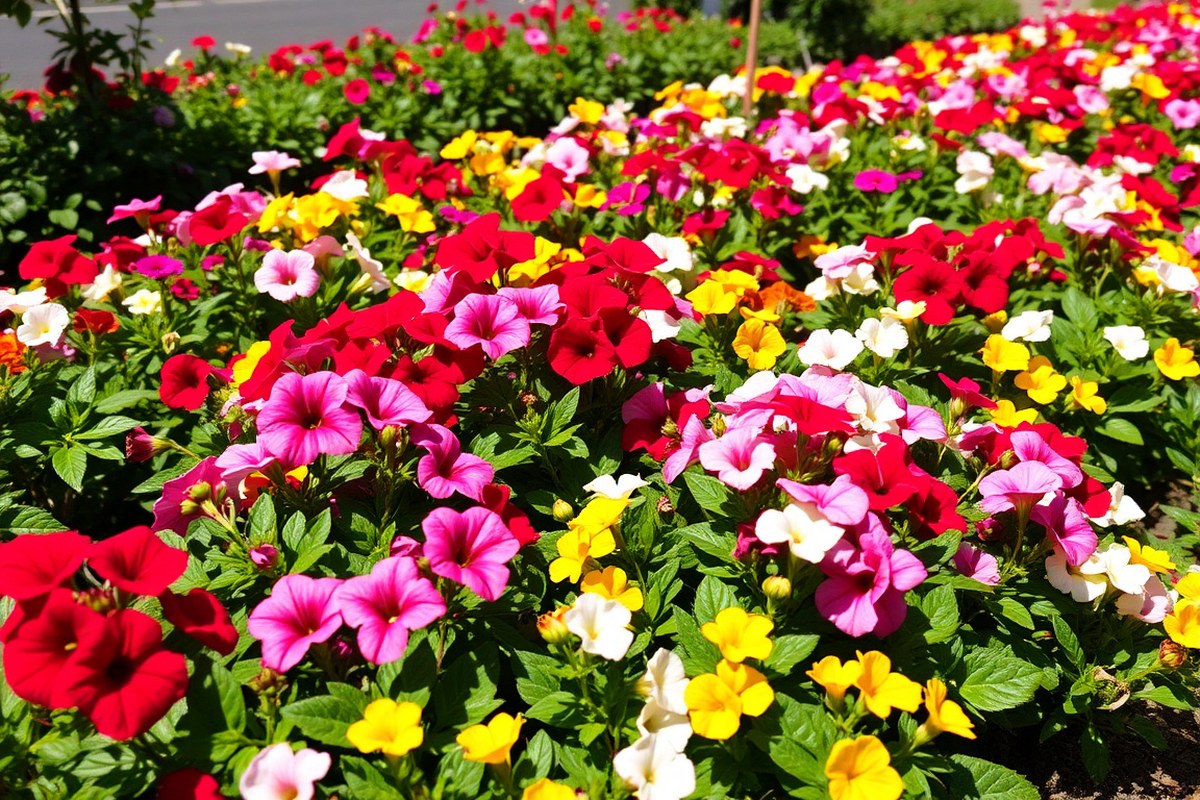
- Petunias and marigolds for vibrant garden color
- Zinnias that attract butterflies and bloom all summer
- Corn and watermelon as popular warm-season vegetables
- Impatiens for shady spots with plentiful blooms
- Peppers grown as tender perennials but treated as annuals
- Lantana, which adds heat and color to sunny beds
Keep warm-season annuals well-watered and fertilized for best growth. Plant them after danger of frost passes to avoid damage.
Cool-Season Annuals You Can Plant Early
These annuals like cooler soil and tolerate some frost. They are usually sown early in spring or fall for color when temperatures are mild.
Timing matters: late planting can cause heat stress. Edible plants may bolt or taste bitter.
- Pansies and snapdragons that brighten spring beds
- Arugula and cilantro, herbs sensitive to heat stress
- Sweet peas, which prefer cooler growing conditions
- Calendula, a bright flower that handles cool weather
- Violas, which offer winter to early spring color
Start these plants indoors or sow outside when soil is above 40°F but below 70°F. Avoid planting too late to keep them from bolting.
Tender Perennials Sold as Annuals
Tender perennials normally live several years in warm climates but die in cold winters. Many nurseries sell them as annuals since they won’t survive frost. This lets gardeners enjoy tropical or semi-tropical plants for just one season.
- Geraniums and begonias, popular for colorful containers
- Lantana, a heat-loving shrub often treated as an annual
- Impatiens, a shade-loving plant sensitive to cold
- Fuchsias, known for their delicate flowers and hanging baskets
You can save money by overwintering tender perennials indoors if you have space. Otherwise, treat them as annuals and replant fresh next spring.
How to Plant and Care for Annual Plants Successfully
Growing annual plants successfully means giving them the right soil, water, light, and care. Start by preparing soil that drains well and is loose. Plant seeds at the right time.
Put them at the right depth. Water evenly and prune spent flowers to keep blooms longer.
Preparing Soil and Site for Annuals
Annual seeds need light, loose soil that drains well. Avoid garden soil or heavy potting mixes, which can keep seeds too wet. Use a fine seed-starting mix or well-drained garden soil amended with compost.
Prepare your planting site by removing weeds and breaking up the soil with a rake. Add a handful of compost per square foot.
Work it into the soil well. This adds nutrients and improves texture.
- Choose a sunny spot with at least 6 hours of direct light daily
- Avoid low-lying, waterlogged areas to prevent root rot
- Loosen soil to about 6 inches deep before planting
- Mix in compost or balanced slow-release fertilizer
- Remove stones and debris to create a smooth seedbed
Good preparation creates a healthy start and helps annuals take root fast. Poor soil can make seeds rot or produce weak sprouts.
Sowing Seeds: Timing and Depth
Plant annual seeds in spring after the last frost date for your area. Check seed packets for exact timing.
Some small seeds need light to germinate. So just press them onto surface soil without covering.
For deeper planting, follow packet instructions closely. Most annual seeds go one to two times their width deep. That is usually about a quarter inch.
Plant seeds at this depth for best growth. Keep seeds moist but not soaked until they sprout in 7 to 14 days.
- Sow seeds in trays indoors 6-8 weeks before last frost, or direct sow outside after frost
- Cover seeds lightly with fine soil or vermiculite unless they need light to sprout
- Keep soil consistently moist until germination
- Thin seedlings to avoid crowding once they have true leaves
- Transplant seedlings outdoors on a calm day when they are strong enough
Planting too deep slows germination. Planting too shallow can dry seeds out. Timing helps ensure seedlings grow warm and strong.
Watering and Light Tips for Annual Growth
Annual plants thrive with steady moisture and plenty of light. Water when the top inch of soil feels dry to the touch. Too much water causes root rot; too little slows growth.
Place annuals where they get at least six hours of sun. Use grow lights if indoors.
This helps plants grow strong and healthy. Monitor for wilting or pale leaves, signs plants need more water or light.
- Water deeply but infrequently to encourage strong roots
- Use a watering can or gentle spray to avoid disturbing seedlings
- Keep soil moist but never soggy
- Ensure plants get 6-8 hours of sun daily
- Shift pots as sun angle changes with seasons
Good watering and light keep annuals healthy and encourage long blooming. Watch for drooping as an early warning.
Pruning and Deadheading for Longer Blooms
Cut back faded flowers by pinching or snipping them off. Use your fingers or scissors.
This keeps plants blooming longer and healthier. Remove dead or yellow leaves to improve air flow and appearance.
Some annuals benefit from light pruning or trimming to stop them from getting leggy. Don’t prune more than half the plant at once, especially if growing indoors.
- Deadhead regularly to encourage more flowers
- Use sharp scissors or pinch off spent blooms by hand
- Remove any diseased or damaged leaves promptly
- Prune to shape plants or reduce size if needed
- After pruning, water plants lightly to help recovery
Pruning keeps annuals tidy and encourages constant flowering. Ignoring dead blooms lets plants waste energy.
How Climate and Season Affect Annual Plant Growth
Annual plants do best when planted outside 2 to 4 weeks early. This timing relates to your area’s last average frost in spring. Planting at this time helps them grow well.
Soil temperatures should reach between 60°F and 80°F for good seed germination. This timing lets them grow and bloom fully before cold weather arrives.
Frost dates have a big impact because annuals cannot survive frost. In USDA Zones 3 to 8, the first fall frost ends annuals’ life. The frost kills them and stops their growing season.
This happens in temperate zones. You’ll enjoy blooms all summer until frost stops growth. So aim to plant early enough for a long flowering period.
Warmer climates often allow for extended or even multiple planting periods. In mild zones, you can plant annuals late summer for colorful fall displays. In colder areas, finish planting by late spring to avoid frost damage.
Snow cover can also harm young plants if you plant too late. Plant early to protect your annuals.
Annuals have shallow, fibrous roots that quickly take up nutrients to grow fast in one season. This root system doesn’t withstand freezing soil, so planting too early can harm them. Wait for the soil to warm and frost danger to pass.
This ensures the healthiest plants and best flowers. Planting too early can hurt growth.
Don’t plant annual seeds in soil colder than 60°F. They won’t sprout well and may rot.
To lengthen blooming, sow annual seeds indoors 6 to 8 weeks early. Start before your last frost date. This gives plants a head start.
Transplant seedlings outdoors once the soil and air reach safe temperatures. This method can give you a jumpstart and longer display of flowers.
Knowing local frost dates and soil temperatures helps you grow annuals well. These factors affect your plants’ success. Planning around them improves results.
Planting too early risks frost damage and slow growth. Too late, and plants may not flower much before frost ends the season.
Saving Seeds and Propagating Annual Plants
You can save seeds from annual plants to grow them again next year. Collect mature seeds after they dry on the plant. Store them in a cool, dry place until you’re ready to plant.
Identifying Mature Seeds to Harvest
Look for dry, brown seed pods or capsules before you pick seeds. The pods should feel dry and brittle rather than green and soft.
Money plant flowers turn into flat, round seed pods by late summer. These pods dry on the plant during this time.
Wait until the seed pods change color and start to crack open. Collect seeds just before they naturally fall off to avoid losing them. Don’t harvest seeds too early.
Immature seeds might not sprout well. Wait until seeds fully mature.
Seed Cleaning and Storage Tips
Once seeds are harvested, clean off any plant debris to prevent mold. Spread seeds on a paper towel and let them air dry for a few days.
Only wash seeds if the pods are very dirty. Moisture can make seeds rot during storage.
Store clean, dry seeds in labeled envelopes or small containers. Store seeds in a cool, dry place.
Basements or refrigerators around 40 to 50°F work well. Proper storage can keep seeds viable for a year or two.
- Choose fully dry and mature seeds only
- Clean seeds gently to remove debris
- Label envelopes with plant name and date
- Store seeds in a cool, dry, dark place
- Check seeds for mold or pests before storing
- Use airtight containers to prevent moisture
Storing seeds properly helps maintain their ability to sprout in the next season. Seeds exposed to heat or humidity tend to lose viability quickly and may not germinate well.
Starting Seedlings from Saved Seeds
Begin planting saved seeds indoors 6 to 8 weeks before your last freeze date. Use seed-starting trays or small pots with light, well-draining potting mix. Keep the soil moist but not soggy to encourage germination.
Seeds saved from true annual plants usually grow true to the parent. But some plants may show variation. Growing several seedlings ensures you keep the strongest ones.
When seedlings have a few leaf sets, start outdoor exposure slowly. This helps them adjust before transplanting.
Common Challenges and Mistakes with Annual Plants
Annual plants are prone to diseases like powdery mildew, root rot, and leaf spot. These often appear in damp or overcrowded conditions. Good air flow and careful watering help stop these problems early.
Overwatering can drown roots and invite fungal infections. Water annuals when the top inch of soil feels dry. For most, that means watering thoroughly once or twice a week.
Planting too deep can cause stems to rot or stunt growth. Set seeds or seedlings about as deep as their original container. This helps roots spread properly and supports healthy leaves and flowers.
Aphids, spider mites, and whiteflies often attack annual flowers and vegetables. These pests suck sap and can carry diseases.
Look under leaves for tiny bugs or sticky residue. Wiping leaves or spraying with insecticidal soap controls many infestations.
One common mistake is crowding plants too close. Crowded plants compete for water and light and trap humidity.
Space annuals according to seed packet instructions. This reduces disease risk and makes for stronger plants.
Failing to remove faded flowers keeps annuals from blooming more. Deadhead regularly with scissors or fingers. That lets plants focus energy on new buds and extends the flowering period.
Fertilizer shortages can cause weak growth or yellow leaves. Use a balanced, slow-release fertilizer as directed. Feeding monthly during the growing season supports vibrant blooms and healthy foliage.
If leaves turn yellow and drop, check watering and drainage first. Poor drainage often means watering less or improving the soil with compost. These steps boost root health and prevent rot and disease.
Indoor annuals need steady humidity around 40% to 50%. Dry air can stress plants and cause leaf edges to brown. Using a humidifier or misting leaves daily can keep plants happy inside.
When and How to Overwinter Annual Plants Indoors
Annual plants usually die off after one growing season outdoors. They can survive winter only if you move them inside before frost arrives. Keeping them in a bright, cool spot will help them last until spring comes again.
To overwinter annuals successfully, pick healthy plants without pests. Trim back any leggy growth by about one-third so it uses less energy. Cut off any flowers too, since blooming uses a lot of the plant’s resources.
- Place plants where they get at least 6 hours of indirect sunlight daily
- Keep indoor temperatures between 55°F and 65°F for most annuals
- Reduce watering frequency; let soil dry slightly between waterings
- Avoid fertilizing during winter since growth slows down
- Watch for pests indoors like spider mites and aphids
- Use a humidity tray or mist leaves to prevent dryness
- Re-pot if roots are crowded before bringing plants inside
Annual plants often struggle with low light and dry indoor air in winter. Using a grow light for 10 to 12 hours a day can keep them healthy. Grouping plants together also raises humidity around their leaves, which helps.
Bring plants inside before the first frost hits to avoid shock. Sudden temperature drops outdoors kill annuals fast.
Some tender perennials grow like annuals in colder zones because they can’t survive freezing. In mild zones, these might keep growing indoors through winter.
Indoor care costs little besides watering and a sunny spot. Expect slower growth and fewer blooms until spring warmth returns.
Step-by-Step Action Plan for Growing Annual Plants
Follow these steps to grow your annual plants successfully from start to finish. Each step helps you check if your plants are healthy and thriving.
- Before planting: Choose annual seeds or seedlings suited to your climate. Check local frost dates to pick the right planting time.
- Day 1: Prepare the soil by loosening it and mixing in compost. Soil should drain well and feel loose to the touch.
- Week 1: Plant your seeds or seedlings at the recommended depth and spacing. Watch for sprouts or new leaves after about a week.
- Week 2, 4: Water regularly but avoid soggy soil. Soil should stay moist, not wet. Look for steady leaf growth as a good sign.
- Week 3, 6: Start feeding your plants with a balanced fertilizer every two weeks. Notice stronger stems and more leaves.
- After 6 weeks: Watch for flower buds or blooms. Remove any dead flowers to encourage more blooms.
- Season end: Collect seeds from mature flowers if you want to save them. Dry seeds fully before storing in a cool, dry place.
Frequently Asked Questions
What Does It Mean When a Plant Is Called an Annual?
An annual plant lives and dies in one growing season. It grows, flowers, produces seeds, and then dies within that time. You’ll need to replant annuals each year for the same blooms.
Can Annual Plants Survive Frost or Freezing Temperatures?
Most annual plants cannot survive frost or freezing weather. Cold will kill them, so you usually plant annuals after the last frost date. Some annuals may be grown indoors to avoid frost damage.
Can Annual Plants Bloom Multiple Times in One Season?
Yes, many annual plants bloom repeatedly during their single season. Deadheading spent flowers helps encourage new blooms. This keeps your garden colorful longer until the plant dies.
Do All Annual Plants Produce Seeds for Next Year?
Most annuals produce seeds by the end of their season. These seeds can grow new plants the next year. Collect seeds before frost and store them in a cool, dry place.
Are Annual Plants Better for Beginners Than Perennials?
Annuals tend to be easier for beginners since they grow fast. You see quick results and don’t need to care for them over winters. But they need to be replanted each year.
Why Are Some Plants Annuals in One Climate but Perennials in Another?
A plant’s survival depends on climate, especially winter cold. Some plants are perennial in warm areas but die in cold zones. In colder places, they are treated like annuals because they won’t return.
Wrapping Up
Annual plants live and grow in one season, making quick changes from seed to flower. Getting your timing and care right helps you enjoy a full season of color. Try planting your first batch now and watch your garden come alive.