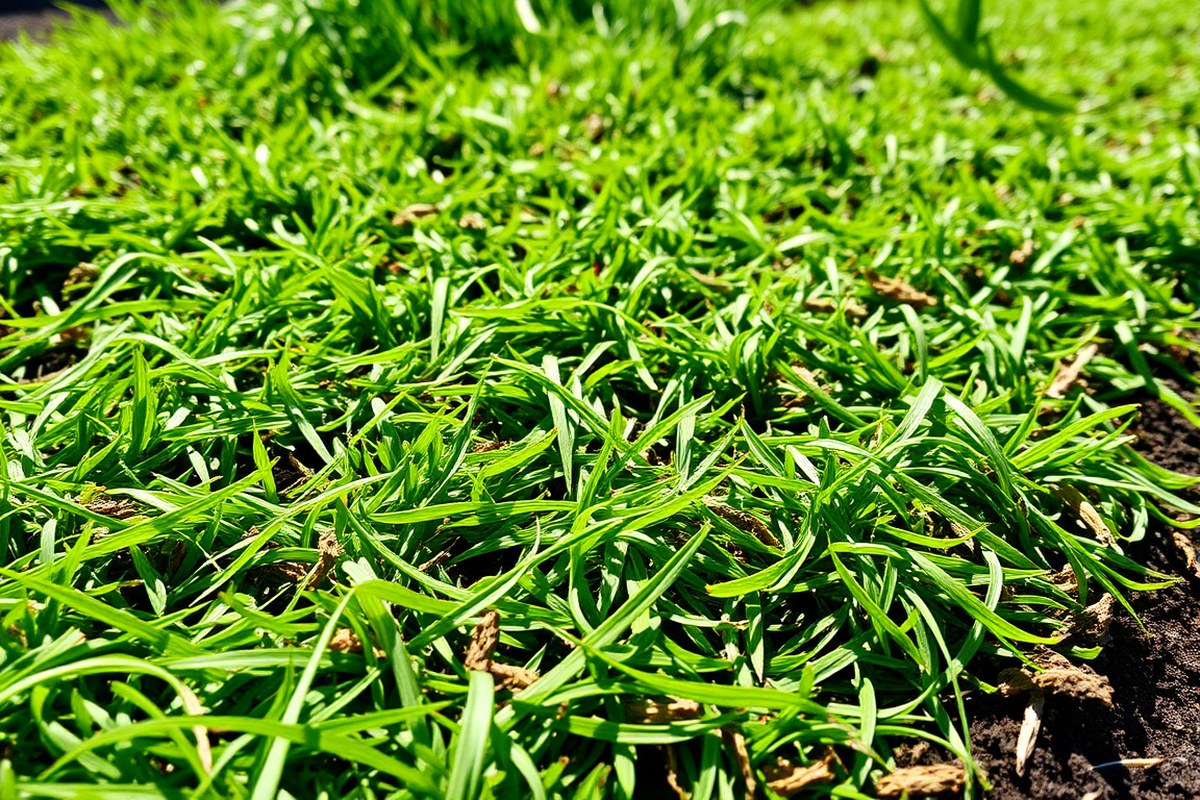
Can Grass Cuttings Be Used as Mulch? A Complete Guide That Works
Can grass cuttings be used as mulch? Yes, they work well for many garden needs.
Fresh grass clippings cool the soil and keep moisture locked in. They also add back some nutrients that plants take from the soil as they grow.
Before applying, let the clippings dry for about 24 hours on a tarp. Use a layer about 1 to 3 inches thick to keep the soil moist. Avoid piling them too thick at once because wet clumps can turn slimy and smell bad.
Grass clippings are close to neutral pH and break down quickly. Applying them correctly can boost soil health over time. They’re a free and natural mulch option you can try today.
Key Takeaways
- Let grass clippings dry for 24 hours before using them as mulch.
- Apply a mulch layer 1 to 3 inches thick for best moisture retention.
- Use grass clippings to cool the root zone and conserve soil moisture.
- Fresh clippings can return up to 25% of nutrients plants remove.
- Don’t apply thick, wet layers to avoid bad odors and mold growth.
- Mix clippings with other organic materials for better soil structure.
Can Grass Cuttings Be Used as Mulch Effectively?
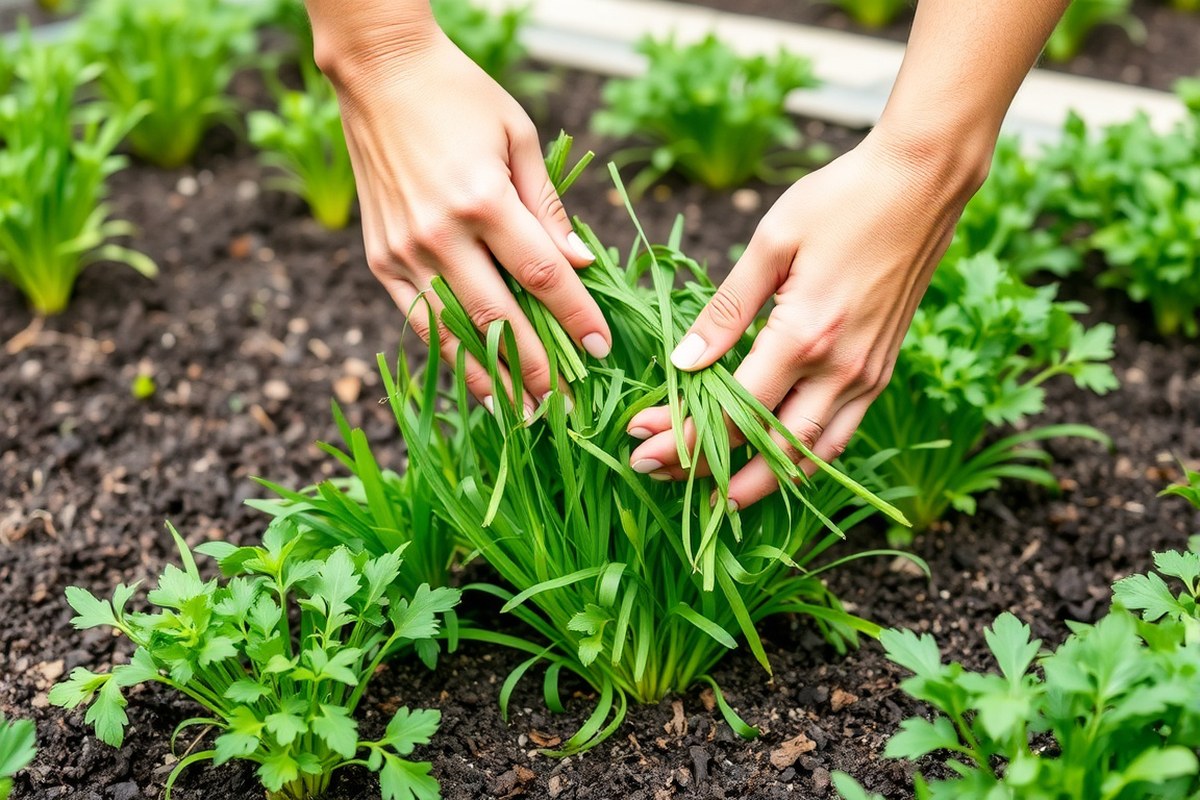
Yes, you can use grass cuttings as mulch effectively. Fresh grass clippings cool the root zone and keep the soil moist. They return up to 25 percent of nutrients that plants use.
This makes them a good, free mulch for your soil. Nutrients get recycled back to help plant growth.
This mulch suits vegetable gardens and rows well. Apply it thinly and spread it evenly. Doing this helps keep the soil healthy.
Grass clippings should come from untreated lawns, free of weed seeds and disease. Applying a thick, wet layer can cause clumping and unpleasant odors.
| Benefit | Grass Clippings |
|---|---|
| Cooling the roots | Yes |
| Moisture retention | Yes |
| Nutrient addition | Up to 25% |
| Weed control | Short-term |
| Longevity | 4-8 weeks |
| Risk | Grass Clippings |
| Potential odor | Too thick or wet mulch can cause problems. It can trap moisture and lead to rot. Keep mulch light and dry for best results. |
| Clumping | Yes, if not spread thin |
| Weed seeds/disease | Possible if lawn untreated |
Using grass clippings saves money since they are free and rich in nitrogen. Apply them in a thin, airy layer for best effect. Let the mulch dry out a bit between waterings.
This keeps the soil healthy and prevents mold. Avoid piles or thick mats to prevent smelly spots and mold.
Grass clippings break down faster than wood mulches, lasting about a month or two. This means you’ll likely need to add more mulch regularly.
They’re not the best choice for long-term weed control. But they support healthy soil and plants.
Benefits and Nutrient Contributions of Grass Clipping Mulch
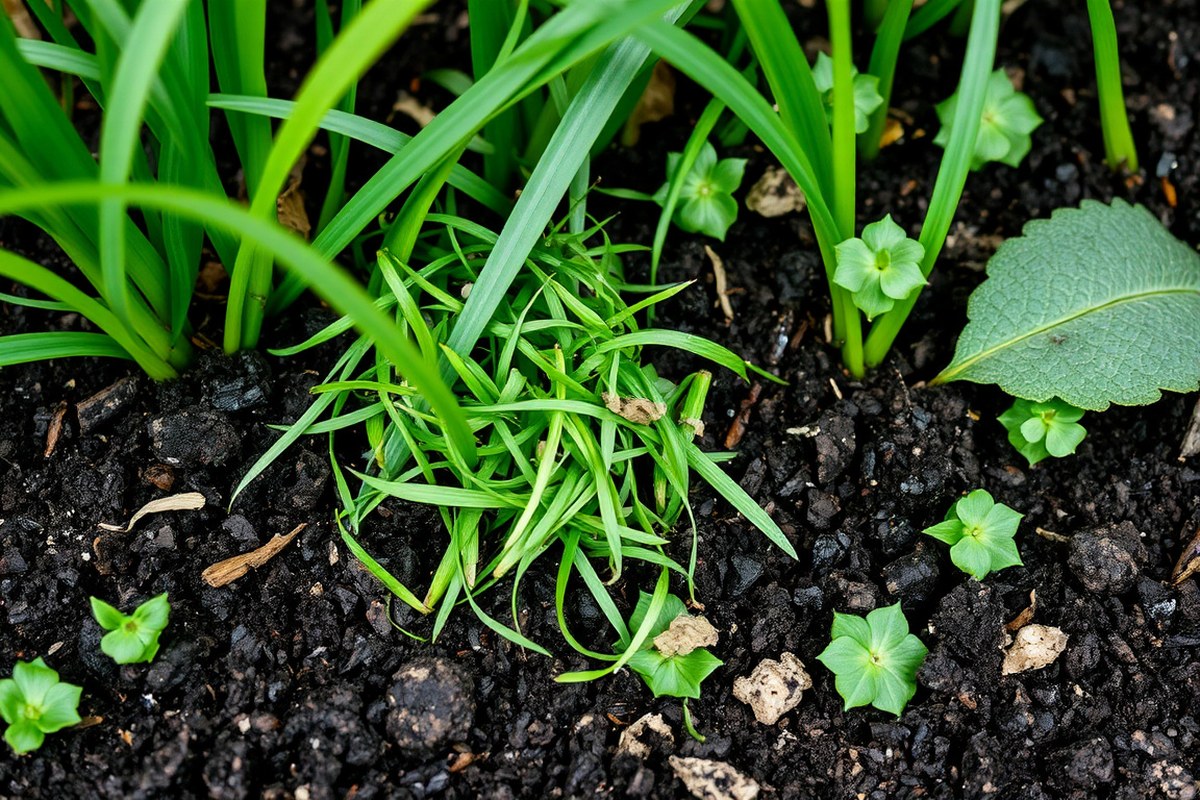
Nutrient Content and Soil pH Effects
Grass clippings are rich in nitrogen, supplying about 4 percent nitrogen by weight. They also provide potassium and phosphorus at roughly 2 percent and 1 percent respectively. These nutrients feed your soil and help plants grow strong without extra fertilizer.
Though grass clippings provide nutrients, they don’t significantly change soil pH. They break down relatively fast, cycling nutrients back into the soil with minimal pH shifts. This means you don’t have to worry about them making your soil more acidic or alkaline.
Grass clipping mulch can add nutrients back to your lawn. It replaces up to 25 percent of nutrients plants use.
This helps your garden stay healthy. This replenishment supports soil fertility over time and cuts costs on chemical fertilizers.
How Grass Clippings Retain Moisture
Grass clippings form a natural mulch layer that slows water evaporation from soil. This keeps the ground moist longer, especially useful in dry spells or hot weather. As a result, you can water less often and keep plants healthier.
The clippings cool the soil surface, reducing heat stress on roots. When moisture stays locked in, your garden needs less daily care. This shield also benefits vegetable rows where moisture is key to steady growth.
Applying a 1- to 2-inch layer evenly spreads the clippings. Avoid thick patches that can mat down and block air. Well-applied mulch lets water soak through while reducing surface dryness.
Weed Suppression Through Mulch
Grass clippings create a barrier that slows weed seeds from sprouting. Their shading effect blocks sunlight, which many weeds need to germinate. You can expect moderate weed control, mainly for annual weeds, not strong perennials.
Grass mulch breaks down fast, about 4 to 8 weeks. Because of this, you need to add more often. Regular mulch keeps weeds from growing.
It works well in vegetable gardens where you renew mulch often during the growing season. For perennial beds, other mulches with longer life might help more.
Persistent weeds like bindweed usually grow through grass mulches. Spot-treat these weeds separately to avoid overrunning your garden.
Soil Structure Improvement over Time
Living microbes feast on decomposing grass clippings, improving soil health gradually. This breakdown process helps soil particles clump together, known as better soil structure. It boosts water drainage and aeration in poor soils after 1 to 3 years of mulching.
Grass clippings supply organic matter that supports beneficial soil life. Microbial activity breaks down the clippings and cycles nutrients back to plants. This natural process makes soil more fertile and resilient.
Improved structure means plants grow stronger roots and use water and nutrients more efficiently. You might notice harder soil loosens and holds moisture better after repeated mulching seasons.
Don’t pile grass clippings thick or wet; moist mats block oxygen and harm roots.
Risks and Common Problems with Grass Clipping Mulch
Grass clippings can cause mold and odor if applied too thickly. When you pile them more than an inch thick, the clippings mat down, blocking airflow.
This traps moisture and creates a black, carpet-like layer that smells like rot. To avoid this, spread clippings in thin layers no more than 1 inch thick.
Matted grass clippings limit air circulation and slow decomposition. This can lead to fungal growth and attract pests.
Break up mats by fluffing the clippings or removing excess layers. Keep the mulch loose and moist to help it break down properly and prevent problems.
Herbicide residue in clippings is a big risk for garden mulch. Chemicals sprayed on your lawn can remain in the grass and harm nearby plants. Use clippings only from untreated lawns, or wait several weeks after chemical use before mulching.
When unsure about herbicide contamination, skip fresh clippings. Compost clippings first to lower chemical residues. This helps protect your garden soil better.
Grass clippings can attract pests such as slugs and rodents if left damp and dense. Pests hide in thick mulch layers, harming your plants.
Using thin, dry layers and turning the clippings occasionally reduces pest shelter. Keep mulch away from plant stems and avoid piling clippings directly against trunks or crowns.
Common mistakes include dumping thick piles straight from the mower. This causes matting and a smelly mess in days.
Instead, spread the clippings thinly and water them lightly before and after applying. Thin layers also let sunlight reach soil, which limits weed growth without trapping too much moisture.
Sometimes thicker layers between 2 to 4 inches suppress weeds better. But this can cause matting and airflow problems. Use thicker layers only in low-traffic areas and watch for signs of mold or rot.
Pull back mulch if it turns dark or smells bad. Let the mulch dry well before putting it back. Apply a thin layer for best results.
Grass clipping mulch works best as a temporary cover since it breaks down quickly. Avoid using it where you want long-lasting mulch protection. Keep it away from young seedlings.
Extra nitrogen can slow seed growth there. Applying clippings too thickly can harm your garden.
Using clippings with herbicides increases this risk. This may hurt plants more than help them.
Best Practices for Applying Grass Clippings as Mulch
Use dry, thin layers of grass clippings to mulch your garden. Apply about 1 inch thick and avoid piling too much at once. This prevents matting and keeps air and water flowing to the soil.
Prepare and Dry Clippings
Fresh cuttings hold moisture that can cause rotting and odors under mulch. Let clippings dry for about 24 hours before spreading them out. Spread them thinly on a tarp in the sun to speed up drying.
Plan ahead and collect clippings only from untreated lawn areas. Avoid clippings from lawns recently treated with herbicides for 3, 4 mowings. This prevents toxic chemicals from harming garden plants.
Apply Thin, Even Layers
Thin layers of about ½ to 1 inch work best for garden beds and paths. Thick layers block airflow and cause clumping, harming plant roots. Spread clippings evenly to cover the soil surface without smothering plants.
Mix the grass clippings with other mulch types like shredded leaves or straw. This adds bulk and prevents the clippings from compacting into a dense mat. Mixing also improves insulation and water retention around plants.
Maintain Mulch Throughout Season
Check mulch regularly and add fresh, dried clippings in thin layers as needed. Applying often in small amounts avoids thick builds that trap moisture. Remove any clumps or smelly patches to maintain airflow and avoid mold.
Allow each layer to dry before adding more clippings on top. This helps prevent odors and mats from forming. Rake gently between applications to loosen the mulch and improve soil contact.
Avoid Layering Too Thickly
Thick layers over 2 inches cause grass to decompose slowly and turn slimy. They may also block air and water from reaching plant roots. Thick mats increase the risk of pests and fungal growth.
Spread no more than 1 inch at a time, then wait for drying. Thin, frequent applications keep mulch light and fluffy. This approach protects soil health and maintains effective weed control.
- Cut grass from untreated areas only, avoiding chemical residue.
- Spread clippings thinly on a tarp to dry for 12 to 24 hours.
- Mix dried clippings with leaves or straw for better texture.
- Apply a ½ to 1 inch layer evenly over soil or garden beds.
- Let each layer dry for a day before adding more mulch.
- Rake gently to break up any clumps or mats weekly.
- Repeat thin layers throughout the growing season as needed.
Where to Use Grass Clippings Mulch and Where to Avoid It
Grass clippings work well in certain garden spots but not all. They provide free, nutrient-rich mulch for vegetable gardens, helping soil stay healthy. You want to keep clippings off tree trunks and flower beds.
This helps prevent moisture buildup and stops pests from gathering. Avoid piling clippings too close to plants.
Vegetable beds benefit most because you replant every season. Spread a 2- to 4-inch layer between rows to stop weeds. It adds 1 to 2 pounds of nitrogen per 1,000 square feet.
This boosts plant growth and soil health. Grass clippings on permanent plants can trap too much moisture.
This often causes rot and attracts insects to the base. Avoid this with fruit trees and ornamentals.
| Garden Location | Use Suitability | Key Reasons |
|---|---|---|
| Vegetable Gardens (between rows) | Good | Easy to replant annually; adds nitrogen; weed control |
| Permanent Flower Beds | Poor | Clumps trap moisture; can cause rot and pests |
| Fruit Trees and Shrubs | Poor | Grass clippings touching stems invite disease and bugs |
| Garden Paths | Moderate | Keeps mud down; can suppress weeds; may mat if too thick |
For garden paths, spread thin layers of grass clippings to reduce mud and weeds. Avoid thick piles because they might become slimy and block water drainage. Mixing clippings with wood chips on paths helps balance moisture and texture.
Make sure grass clippings do not directly contact plant stems or tree trunks. Leaving a small gap prevents disease problems. Only use fresh clippings from lawns not treated with herbicides.
These keep young plants safe from chemical damage. Avoid clippings from treated or unknown lawns.
Don’t pile grass clippings against plant stems. Leave a 2-inch space to stop rot and pests.
Comparing Grass Clippings with Other Common Mulches
Grass clippings work well as a nutrient-rich mulch but break down fast. Bark mulch lasts longer and provides better weed control. Straw mulch offers good weed suppression and moderate longevity but less nutrient value.
Compost supplies nutrients and conditions soil but lacks the weed barrier bark gives. Mixing dry grass clippings with leaf litter or paper helps balance nutrients and slows decomposition. The best mulch depends on your garden goals like feeding soil or blocking weeds.
| Mulch Type | Weed Control | Supply of Nutrients | Appearance | Longevity | Notes |
|---|---|---|---|---|---|
| Grass Clippings | Low to Moderate | High | Greenish, fresh | Weeks | Decomposes quickly; best mixed with other materials |
| Bark Mulch | High | Low | Brown, natural wood look | Several months to a year | Lasts longest; strong weed barrier |
| Straw | Moderate to High | Low | Light yellow, coarse | Weeks to months | Better weed control than grass; less nutrient value |
| Compost | Low | High | Dark, soil-like | Short | Great for feeding soil but poor weed barrier |
Grass clippings add nutrients but need regular topping or mixing. Bark mulch suits permanent beds where you want lasting weed control. For quick soil feed, grass or compost works well, but you must reapply often.
Handling Herbicide Risks and Safety Precautions
Using grass clippings from treated lawns can be risky due to herbicide residues. Wait at least two to four weeks after applying herbicides before collecting clippings for mulch. Always take precautions to avoid spreading chemicals to other plants or vegetable gardens.
Identify Herbicide Use
Know if your lawn was treated with selective herbicides like clopyralid. These chemicals can stay in grass clippings and harm sensitive plants. Check the product label or ask your lawn care provider to understand what was applied recently.
Herbicide residues can remain active in the grass for several weeks. This matters because clippings may transfer these chemicals to your garden when used as mulch. Keeping track helps you avoid damaging flowers, vegetables, or other plants.
Observe Waiting Periods
Most herbicides need two to four weeks to break down in grass clippings. During this time, avoid using those clippings as mulch anywhere in your garden. Waiting longer improves safety but depends on the specific product used and weather conditions.
Rain and sunlight help degrade herbicides faster. But it’s safest to follow the product’s recommended waiting time.
Make a calendar reminder for when you can safely collect clippings for mulch. This reduces risks of herbicide damage.
Use Untreated Clippings Only
Keep clippings from herbicide-treated lawns separate from untreated ones. Use treated clippings only in non-edible garden areas or dispose of them properly. Avoid mulching around food plants until you’re sure the clippings are safe.
Composting clippings from treated grass can help but needs several months to reduce chemicals. Combine these with carbon-rich materials like dry leaves or shredded paper. Turn the compost regularly to speed up breakdown and reduce herbicide residues.
Test Small Areas First
Before spreading clippings widely, try a small patch in your garden. Watch for any signs of plant stress or damage over two to three weeks. This approach detects herbicide risks without harming large areas or valuable plants.
Keep a close eye on test spots for yellowing or wilting leaves. If damage appears, stop using those clippings as mulch. Testing helps you avoid costly garden mistakes.
Follow these steps before using grass clippings as mulch around your garden:
- Check your lawn’s herbicide treatment history carefully.
- Note the herbicide product and its recommended wait time.
- Wait at least two to four weeks after treatment before mowing.
- Separate clippings from treated and untreated lawn sections.
- Avoid using treated clippings around edible plants.
- Consider composting treated clippings for several months, mixing with carbon materials.
- Test a small garden area with the clippings first.
- Observe plants for stress or symptoms for at least two weeks.
Tips for Troubleshooting and Maintaining Grass Clipping Mulch
Grass clippings can turn slimy or smelly if they form thick layers that trap moisture. Thin, loose layers dry faster and stop bad odors from developing. Adding clippings one-quarter to one-half inch thick helps air flow well.
This thickness stops the mulch from becoming one solid mat. It keeps your soil healthy and breathing.
Clumps happen when too many clippings pile up, blocking airflow and causing decay. To prevent this, spread fresh clippings evenly and rake the mulch lightly every week. Clumps may form sometimes.
Gently break them apart or take them out. This helps the soil get enough air.
Knowing when to add or remove clippings depends on mulch thickness and plant needs. Add fresh clippings when you see thin or bare spots. Keep the total thickness near one-half inch.
This keeps the mulch working well. Remove mulch if it becomes dense, soggy, or smells bad to avoid root problems.
Keeping mulch in good shape means regular checks and adjusting as needed. Stir the clippings occasionally, especially after rain, to prevent compacting. Pests like insects or rodents can show up.
Remove the mulch in that area first. Replace it with fresh, dry clippings or a different mulch.
- Use only clean, herbicide-free clippings to avoid plant damage.
- Spread clippings thinly and loosely around plants, leaving stems clear.
- Water mulched beds gently to help nutrients soak in without drowning the mulch.
- Rake or fluff mulch once a week to maintain airflow and prevent matting.
- Add fresh clippings every 1 to 2 weeks during growing season for steady nutrients.
- Remove any thick, smelly, or moldy mulch layers promptly to stop disease.
Don’t let grass clippings pile up thick, thin layers dry fast and avoid rot.
Keeping grass clipping mulch fresh takes a bit of work but keeps plants healthy. Check mulch often, especially after storms or hot spells, and adjust thickness to keep air flowing. A well-maintained mulch layer feeds your garden and protects soil without causing issues.
Step-by-Step Action Plan for Using Grass Clippings as Mulch
Follow these steps to start using grass clippings as mulch safely and effectively in your garden.
- Before you start: Check that grass clippings come from untreated lawns without herbicides. This avoids chemical risks for your plants.
- Day 1: Mow your grass when it is dry to avoid clumps. Spread a thin layer of clippings about 1-2 inches thick around your plants. This helps moisture retention.
- Day 3: Lightly water the mulch to settle it and prevent it from blowing away. Healthy mulch stays moist but not soggy.
- Week 1: Check the mulch layer for compacted areas. Fluff or rake it lightly to keep air flowing to the soil.
- Week 2: If the first layer breaks down or gets thin, add a fresh thin layer of clippings. Layering keeps your mulch effective.
- Every 4 weeks: Watch your lawn and garden for pests or fungus. Change mulch thickness based on what you find.
- At season’s end: Take away thick or old clipping layers. This stops matting and helps soil breathe over winter.
Frequently Asked Questions
Can Grass Cuttings Cause Fungus When Used as Mulch?
Yes, thick layers of wet grass clippings can cause fungal growth. To prevent this, apply thin layers and allow them to dry between applications.
Do Grass Cuttings Attract Pests When Used as Mulch?
Fresh grass clippings usually don’t attract pests significantly. However, decaying clippings left too thick may attract insects or rodents. So keep the layer light.
Can Grass Clippings Mulch Be Used Around Fruit Trees?
Yes, grass clipping mulch can work around fruit trees if applied carefully. Avoid piling grass directly at the tree base to prevent rot and pests.
How Long Does Grass Clipping Mulch Typically Last in the Garden?
Grass clipping mulch breaks down fast, lasting about 4 to 8 weeks. Refresh it regularly for effective moisture retention and weed control.
What Is the Best Time of Day to Spread Grass Clippings as Mulch?
Spread grass clippings when they are dry, usually mid-morning or afternoon. Dry clippings mulch better and reduce the chance of clumping or smelly spots.
Can Grass Clippings Mulch Help Reduce Watering Needs?
Yes, grass clippings mulch helps retain soil moisture, cutting watering frequency. Keep a thin layer so water passes easily to the soil below.
Final Thoughts
Grass clippings make practical and nutrient-rich mulch when you apply them the right way. Start with small, dry layers and watch how your garden thrives. Begin today by collecting clean clippings from your next mow.