How to Grow a Pomegranate Tree: Proven Steps for Healthy Trees and Rich Harvests
Knowing how to grow a pomegranate tree means starting with the right spot and soil. These trees love full sun and well-drained soil to thrive and produce fruit. Plant seedlings when they reach 6 to 8 inches tall for the best start.
Pomegranates usually begin to fruit two to three years after planting, so patience matters here. Keep the soil moist but not soggy.
Use a balanced fertilizer every few weeks. Avoid overwatering since pomegranates are drought-tolerant and prefer a dry rest period.
Choose a sunny location with at least six hours of direct sunlight every day. Protect young plants from cold and frost in winter. Move them indoors when possible.
Use covers to protect them outdoors. These steps help you grow healthy trees and enjoy rich fruit harvests.
Key Takeaways
- Plant pomegranate seedlings outdoors only after they reach 6 to 8 inches tall.
- Provide full sun with at least 6 hours of direct light daily.
- Use well-drained soil and keep it moist but not waterlogged.
- Apply a diluted balanced fertilizer every 2 to 3 weeks during growth.
- Expect fruit production between 2 to 3 years after planting.
- Protect young trees from frost by moving indoors or covering outdoors.
How to Grow a Pomegranate Tree from Planting to Fruit
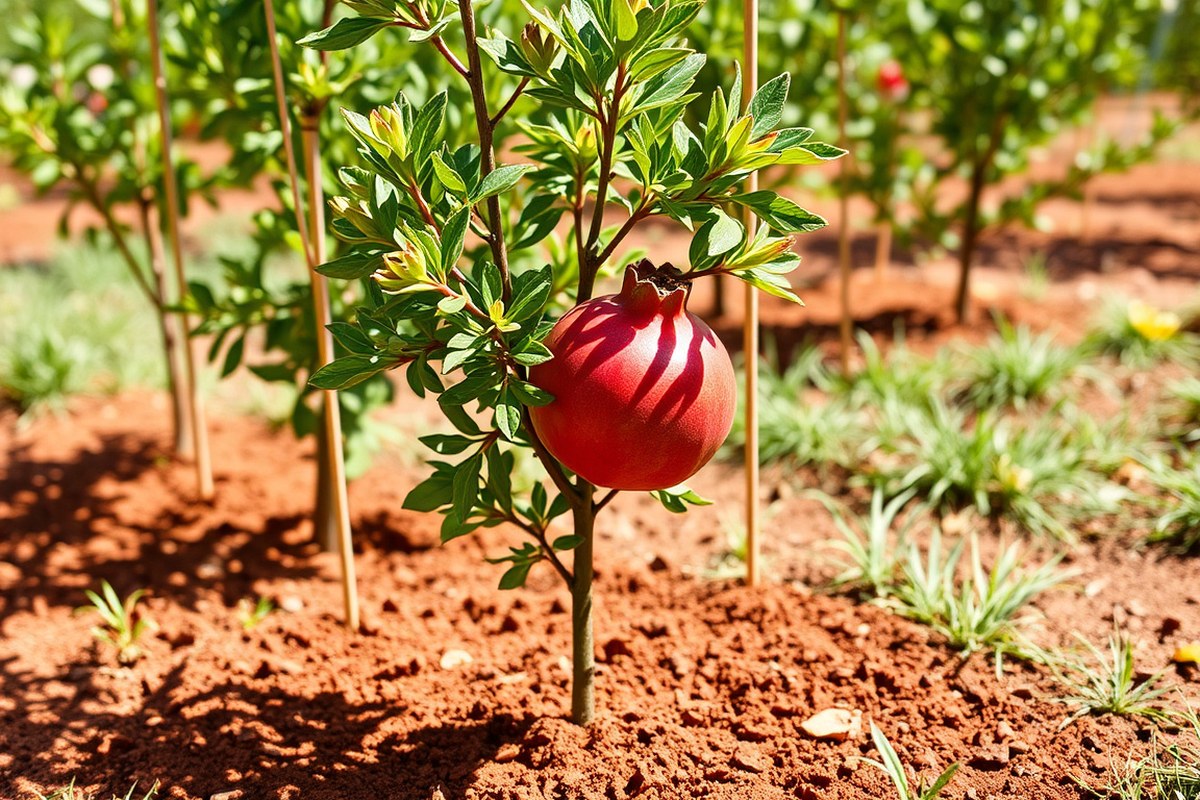
Pomegranate trees prefer full sunlight and soil that drains well. They thrive in loam or sandy loam with a pH from 5.5 to 7.0. Pick a sunny spot with at least six hours of direct sun every day.
Make a big hole for the roots to spread quickly. The hole should be twice as wide and deep as the root ball. Usually, dig a hole about 2 to 3 feet wide and 1 to 2 feet deep.
Plant bare-root and container trees similarly, but container trees need careful root ball treatment. Loosen roots gently before planting. Don’t bury the graft union deeper than half an inch.
Plant in early spring if you live in a cooler climate. Warmer zones, like USDA 7-11, need planting from late winter to early spring. This timing helps the tree grow well.
Follow these steps to plant your pomegranate tree for a healthy start and early fruiting:
- Choose a sunny spot with well-draining soil and prepare to dig a large hole.
- Dig a hole twice the size of your tree’s root ball. It should be 2 to 3 feet wide and just as deep. This gives roots space to grow.
- Mix some organic compost or aged manure into the native soil to improve nutrients and drainage.
- Remove the tree carefully from its container. Tease roots gently if they’re circling the root ball.
- Set the tree so the root flare is just above the soil. It should sit about half an inch above ground. This avoids planting too deep.
- Backfill the hole with the soil mix. Lightly firm the soil to remove air pockets without compacting it.
- Water thoroughly right after planting to settle soil and hydrate roots.
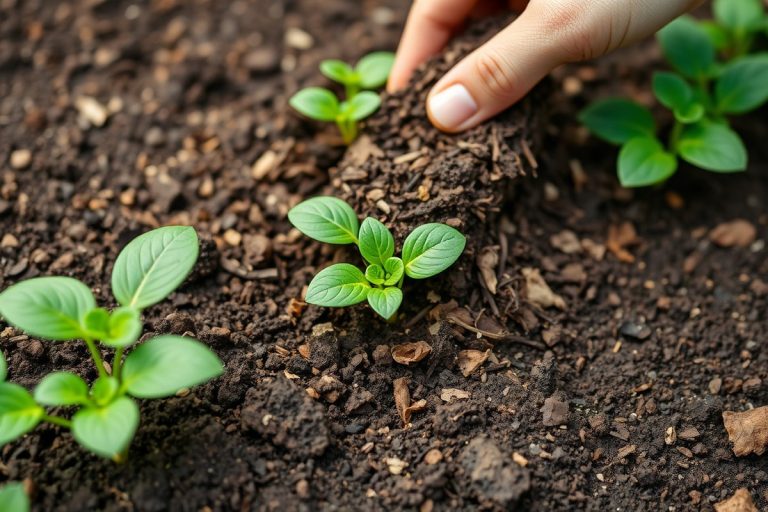
- Spread 2 to 3 inches of mulch around the tree’s base. Keep the mulch a few inches away from the trunk to prevent rot. This helps keep moisture in the soil.
Using good soil and planting right helps build strong roots. Your tree should start producing fruit in 2 to 3 years. Healthy roots support good growth and fruiting.
Don’t plant the tree too deep or in heavy clay soil. Clay holds water and can cause roots to rot. Pick loose soil that drains well instead.
Space your pomegranate trees 10 to 20 feet apart for best air flow. This also helps sunlight reach the trees for good fruit. Proper spacing keeps trees healthy.
Choosing the Best Pomegranate Varieties for Your Climate and Space
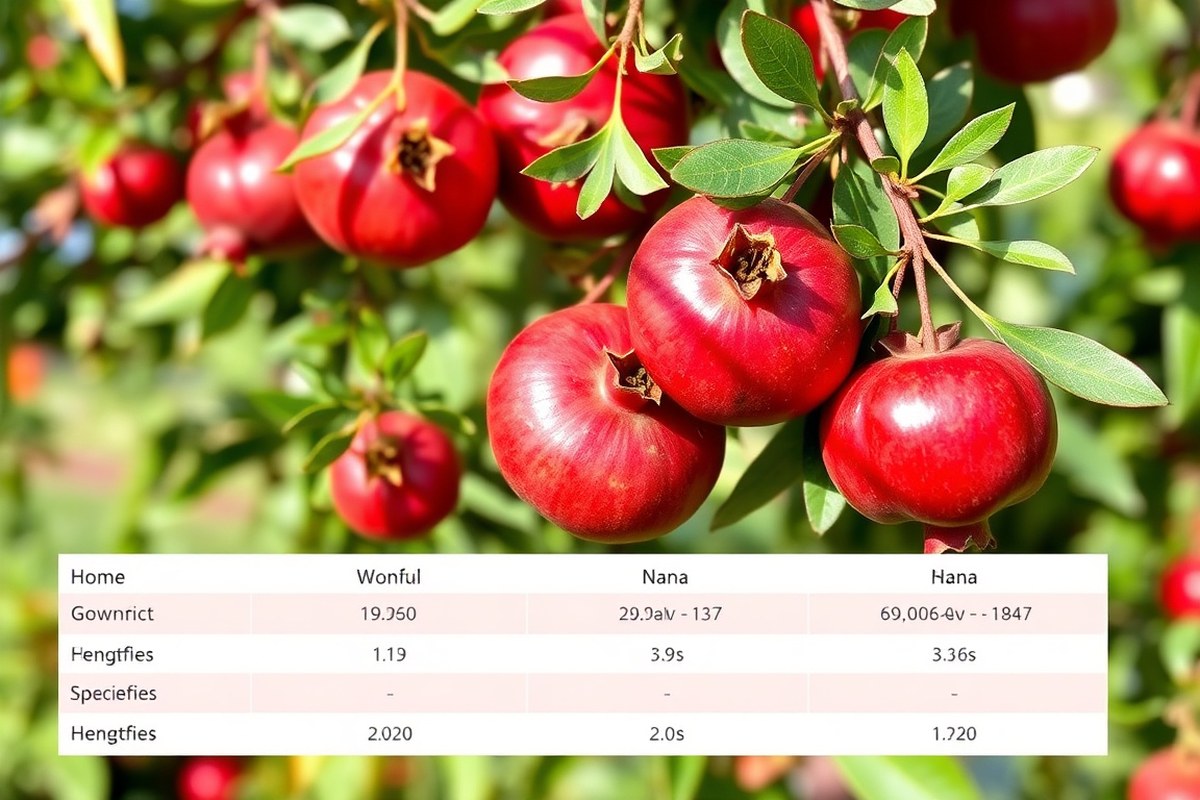
Choosing the right pomegranate variety depends on your climate and space. Full-size trees often grow taller than 15 feet. They do well in warm zones 8 to 11.
These trees fit nicely in large gardens. Dwarf cultivars grow about 6 to 8 feet tall.
They work great in containers and small yards. Their size makes them easy to manage.
Hot, dry regions with summer temps from 70 to 90°F suit pomegranates well. ‘Wonderful’ and ‘Angel Red’ thrive there. These varieties produce large, tasty fruit. These are commonly grown in California and Texas.
Cooler spots near hardiness zones 7 and 8 need cold-hardy types. Varieties like ‘Russian 26’ and ‘Salavatski’ tolerate brief freezes. They still produce good fruit.
Fruits vary widely in flavor, size, and color. For example, ‘Wonderful’ offers large, dark red fruit with sweet-tart juice. ‘Parfianka’ ripens earlier than many other types. It’s loved for its mix of sweet and tart flavors.
The seeds are soft, making it easier to eat. Smaller fruit varieties like ‘Nana’ do well in containers or indoors. They have smaller fruit sizes and lower yields.
Still, they fit limited spaces nicely. Early-maturing cultivars begin ripening in late August, while late-maturing ones can continue into November.
| Variety | Fruit Color | Fruit Size | Climate Suitability (USDA Zones) | Growth Habit | Ripening Time |
|---|---|---|---|---|---|
| Wonderful | Dark red | Large (3-5 inches) | 8-11 (warm, dry) | Full size (15-20 ft) | Late (Oct-Nov) |
| Angel Red | Bright red | Large | 8-11 (warm, dry) | Full size | Mid (Sept-Oct) |
| Russian 26 | Red | Medium | 7-9 (cold-hardy) | Full size | Late (Oct) |
| Parfianka | Red | Medium | 8-10 | Full size | Early (Aug-Sept) |
| Nana (Dwarf) | Red | Small | 8-10 (container-friendly) | Dwarf (6-8 ft) | Mid (Sept) |
For container growing, dwarf varieties like ‘Nana’ or smaller forms of ‘Parfianka’ perform best. Use large pots (at least 15 gallons) with well-draining soil.
Move containers indoors before temperatures drop below 40°F. Proper sun exposure, around 6 to 8 hours daily, keeps fruit healthy. Full-size trees need room and are less flexible for moving.
Cold-hardy varieties can boost fruit yield by about 50% in borderline zones. Wrapping trunks or covering plants reduces frost damage by up to 80%. Pomegranates with later ripening fruit might not fully mature in cooler climates.
Early ripening cultivars are safer bets where fall freezes come fast. Cross-pollination between different cultivars can also improve fruit set by 20 to 40 percent.
Keep in mind: pomegranates fruit on old wood. So avoiding heavy pruning helps maintain good yields.
Growing Pomegranate Trees: Watering, Fertilizing, and Sunlight Needs
Sunlight Needs for Healthy Growth
Pomegranate trees need at least 6 to 8 hours of direct sunlight daily. More sunlight improves flower and fruit production significantly. Place your tree where it gets full sun without shade interruptions.
Indoor trees require at least 6 hours of sunlight near a bright window. Lack of sufficient sunlight causes weak growth and poor fruit set. Sunlight helps the tree produce energy for flowers and fruit.
Watering Requirements by Growth Stage
Young pomegranate trees need regular watering to establish roots. Water deeply once or twice a week, keeping soil moist but not soggy. Overwatering can cause root rot and stunt growth.
Once established, reduce watering to every 7 to 10 days, depending on weather. Pomegranates tolerate some drought but perform best with consistent moisture. During flowering and fruit development, water steadily to avoid fruit drop.
Fertilizing for Maximum Fruit Production
Feed pomegranate trees from spring through autumn with a balanced fertilizer, like 10-10-10. Apply fertilizer in early spring when buds break, and again in midsummer. Using a potassium-rich fertilizer encourages more flowers and fruit.
Organic options such as pelletized citrus and fruit food work well for home gardeners. Avoid overfeeding; too much nitrogen promotes leaf growth but reduces fruit yield. Follow package instructions for amount and frequency.
Risks of Insufficient Light and Improper Watering
Without enough light, trees become leggy and produce few flowers or fruit. Poor sunlight also invites fungal diseases by keeping foliage damp longer. Watering errors like drought stress cause flower and fruit drop, reducing yield.
Overwatering leads to soggy soil, oxygen shortages, and root disease. This weakens the tree and lowers fruit quality.
Early signs include yellowing leaves and slowed growth. Adjust watering based on soil moisture and weather.
Adapting Care to Your Location
Pomegranates thrive in warm, dry climates with long, hot summers. If you live in cooler or humid areas, place your tree in the sunniest, driest spot possible. Protection from frost and excessive wetness improves success in marginal zones.
In dry regions, mulching helps retain soil moisture between watering. Avoid watering in the late afternoon to reduce fungal risk. Watch local weather and adjust watering, sunlight exposure, and fertilizing accordingly.
Pruning Techniques to Promote Fruit Production and Manage Size
Pruning your pomegranate tree during its dormant season helps keep it healthy and fruit-producing. Trim dead or crossing branches while preserving old fruiting wood. Control size by removing suckers and shaping the tree carefully.
Timing for Best Pruning Results
Prune your pomegranate tree once a year in late winter, before buds show. This timing avoids cutting away fruit buds, which lowers yields. Avoid summer pruning when the tree carries young fruit to reduce stress and loss.
Removing branches during dormancy lets the tree focus energy on new growth come spring. You do not need to prune heavily, only enough to keep it manageable and healthy. Consistent yearly pruning works better than occasional heavy cuts.
Pruning Cuts to Avoid Fruit Loss
Never remove too much old wood, where your pomegranate forms fruit buds. Only cut back up to 25% of old growth in one session. This helps protect the tree’s fruiting ability.
Avoid removing more than a quarter at once. Take out dead, broken, crossing branches, and suckers from the base.
Light pruning promotes bushier growth but heavy cuts can reduce harvest drastically. Use sharp, clean pruning shears, and make cuts just above a bud or branch junction. Avoid cutting into young flowering shoots or you lose fruit that year.
Pruning for Dwarf and Container Trees
Dwarf and container pomegranate trees need frequent pruning to control size. Remove suckers and clipped growth annually to keep the plant shape compact. Train your tree early into a single or multi-trunk form for easier maintenance.
Because container trees grow in limited space, pruning encourages better light inside the canopy. This helps fruit develop evenly. Don’t prune too late in the season to avoid interfering with fruit set.
Follow these steps for effective pruning:
- Wait until late winter, before buds open, to start pruning.
- Remove dead, broken, or diseased branches first.
- Cut suckers growing from the base to maintain tree shape.
- Thin crossing branches that crowd the canopy for light and air.
- Trim up to 25% of old fruiting wood without removing flower buds.
- Make cuts just above outward-facing buds or branch junctions.
- Use clean, sharp pruning shears to avoid damaging wood.
- Discard pruned branches and clean tools to prevent disease spread.
Common Pomegranate Problems: Pests, Diseases, and Fruit Issues
Pomegranate trees face a few common pests like aphids and fruit flies. Aphids cause curled, yellowing leaves and sticky residue. Spray plants with insecticidal soap early in the morning, repeating every 7 to 10 days.
Fruit flies lay eggs inside the fruit, causing it to rot. Hanging traps and removing dropped fruit help reduce this problem.
Fungal diseases such as leaf spot or fruit rot cause dark spots and leaf drop. Applying fungicides after harvest and keeping fallen leaves cleared stops spread. Good airflow around your tree lowers humidity and fungal risks.
Prune off any damaged or unripe fruit from the tree. Leaving it can harbor pests. It also spreads disease over winter.
Fruit splitting happens when moisture is uneven during the season. Letting the soil dry out too much causes problems. Heavy watering then makes fruit swell and crack open.
Water your tree evenly, providing around 10 gallons weekly during fruit development. Mulching helps hold soil moisture steady and prevents rapid swings that lead to splitting.
Leaves with yellowing or browning edges can signal nutrient shortages or environmental stress. Yellow leaves often point to nitrogen deficiency, which you fix by adding balanced fertilizer in spring.
Browning and leaf drop might mean drought stress or salt build-up from over-fertilizing. Check soil moisture routinely and avoid fertilizing in late summer or fall.
Stress signs like leaf drop or stunted growth can also come from weather extremes. High heat or cold snaps shock the tree, causing it to drop leaves or fruit prematurely. Provide shade cloth in intense summer heat.
Wrap trunks or use frost cloths during freezing weather. Proper watering during these times reduces stress effects significantly.
Remove all fallen fruit and diseased leaves promptly to prevent pests and fungi over winter.
How to Harvest Pomegranates and Store Seeds for Later Use
A pomegranate is ripe when its color deepens and the skin feels firm but slightly soft. The fruit should sound metallic if tapped gently. Harvest in late summer to early fall before the skin starts cracking, which signals overripeness.
To avoid bruising, use pruning shears or twist the fruit off the branch carefully. Handle gourds gently since rough picking causes seed juice to leak and stain. Harvest on dry days to reduce the risk of mold or rot.
Extracting seeds is easier if you open the fruit underwater. This stops red juice from splattering and makes seeds separate more cleanly. Rinse seeds after removal to wash away the white pulp, which tastes bitter.
Store whole pomegranates in a cool, dry place or refrigerate them to last longer. They will keep for a few weeks at room temperature. Store them up to two months in a plastic bag in the fridge.
Seeds stored in airtight containers stay fresh about one week in the fridge. You can also freeze them to last for months.
You can save seeds for planting. Let seeds dry fully first. Keep them in a cool, dry spot or the fridge.
Wrap in paper towels inside a jar for best results. Seeds usually sprout in 6 to 8 weeks once planted in warm soil.
- Check the fruit color and firmness; harvest when the skin is rich and firm.
- Cut or twist the fruit gently to avoid damaging it or the tree.
- Fill a large bowl with water, then submerge and break the fruit apart underwater.
- Remove the seeds with your fingers, letting the white pulp float to the top.
- Skim off the pulp, then drain and rinse the seeds with fresh water.
- Dry seeds on a paper towel if saving for planting or freeze them in airtight containers.
- Store whole fruit in a cool place or fridge, inside plastic bags to keep moisture.
Propagating Pomegranate Trees from Seeds and Cuttings
You can grow pomegranate trees from seeds, cuttings, or by transplanting seedlings. Seeds take longer and don’t always produce the same quality fruit.
Cuttings root faster and keep the parent’s traits. Seedlings offer a good balance but need careful timing outdoors.
Seed Sowing Conditions and Timeline
Starting pomegranates from seed is simple but slow. Plant seeds about 1 cm deep in a seed raising mix like Yates Specialty Potting Mix Cuttings & Seeds. Keep the soil moist and warm, ideally between 70°F and 85°F.
Seeds usually germinate within two to three weeks. The young plants need consistent water and light but avoid direct harsh sunlight initially. Note that trees grown from seeds rarely match their parent’s fruit variety.
Taking and Rooting Cuttings Properly
Cuttings give you new plants identical to the parent, making them preferable for true-to-type growth. Take 25 cm long cuttings from new spring growth. Use healthy, disease-free shoots that haven’t hardened off fully.
Remove all leaves except a few at the top. Dip the cut end in rooting hormone. Plant the cutting in well-draining soil or a mix specially for cuttings.
Keep the soil moist. Place it in a warm, shaded spot. Roots usually form in 4 to 6 weeks.
Transplanting Seedlings Outdoors
Move seedlings outside once they reach 6 to 12 inches tall. Wait until after the last frost.
Choose a sunny, well-draining spot, as pomegranates like heat and dry soil. Water regularly but allow the soil to dry slightly between times.
Young plants need extra care during their first summer. Mulch around the base to keep moisture in and prevent weeds. Avoid overwatering because pomegranates dislike soggy roots and can develop diseases.
Here’s a table to compare main propagation methods. It helps you pick what fits best.
| Method | Time to Root/Germinate | True to Parent | Care Needed | Best Use |
|---|---|---|---|---|
| Seed Sowing | 2-3 weeks germination, years to fruit | No | Warm soil, moist, light shade at first | Experimenting, large number of plants |
| Cuttings | 4-6 weeks rooting | Yes | Moist soil, warm and shaded spot | True-to-type plants, faster fruiting |
| Seedling Transplant | Grow indoors for months, transplant after frost | Variable | Sunny, well-draining soil, moderate watering | Starting small plants, less effort than grafting |
Using cuttings requires patience for roots to develop but gives reliable results. Seed growing takes longer and lacks consistency in fruit quality. Transplanting seedlings needs good timing and care but is less technical than rooting cuttings.
Winter Protection and Climate Adaptations for Pomegranate Trees
Pomegranate trees handle temperatures down to about 20°F before damage occurs. They tend to suffer if frost hits or temps drop below this point.
You can grow pomegranates in USDA zones 7 through 10 with some protection. In colder regions, winterizing helps prevent cold injury and keeps your tree healthy.
To prepare for winter, wrap the trunk in burlap or a frost blanket. This shields it from freezing winds and temperature swings. Planting near a south-facing wall also offers warmth and shelter.
When frost warnings are out, move your tree indoors or somewhere protected. Indoor spots should get plenty of sun and avoid drafts.
Some varieties like ‘Russian’ can tolerate colder zones better. They survive at slightly lower temperatures, making them fitter for marginal climates. Dwarf pomegranate types work well in pots and small spaces, making moving them indoors possible.
Use a large pot with drainage and good potting soil. Put it where the winter sun is strong.
Keep an eye on forecasts; bring container plants indoors before the first freeze hits. This simple step saves your pomegranate tree in colder zones.
Winter protection includes checking the tree regularly for wind damage or drying out. Moist soil protects roots better, so water a few days before cold spells.
After frost passes, return pots outside gradually so the tree adjusts without shock. Avoid pruning during or right after winter to reduce stress and damage.
Your First Steps: A Quick-Start Plan for Growing Pomegranate Trees
Follow these key steps to get your pomegranate tree thriving from the start. Check each step carefully to see how your tree responds.
- Before planting: Choose a sunny spot with well-draining soil. Your tree should get at least 6 hours of sun daily.
- Day 1: Plant your tree so the root crown is level with the soil. Water deeply right after planting to settle the roots.
- Week 1: Keep the soil moist but not soggy around the base. Your goal is steady, gentle moisture without puddles.
- Month 1: Watch for new growth on branches and leaves. Remove any damaged or weak shoots to focus energy.
- After 3 months: Start a light fertilizer routine with balanced nutrients. Too much nitrogen slows fruit development.
- After 6 months: Begin pruning small branches that cross or crowd the center. This opens the tree to light and air.
- End of first year: Look for pests like aphids or scales. Treat them quickly using safe methods to protect your tree. Healthy leaves mean you’re doing well.
- Start of second year: Look for flower buds to appear. This signals that fruit production is about to begin.
Frequently Asked Questions
When Should I Start Pruning a Young Pomegranate Tree?
Begin pruning when the tree is 2-4 years old and 3-4 feet tall. This helps the tree develop a strong framework for healthy growth and fruit production.
Can I Grow a Pomegranate Tree Indoors?
Yes, with enough sunlight, at least 6 hours a day, you can grow it indoors. Place it near a south-facing window and use a well-draining potting mix to prevent root rot.
Is It Better to Grow Pomegranates from Seeds or Cuttings?
Cuttings produce fruit faster and keep true to the parent plant. Seeds take longer and might not match the original fruit variety you saved them from.
How Long Does It Take for a Pomegranate Tree to Bear Fruit?
Expect fruit in 3-5 years if grown from seed. Trees from cuttings usually fruit sooner. Proper care speeds this process.
What Are Signs My Pomegranate Tree Is Stressed?
Look for leaf yellowing, dropping fruit, or slow growth. These often mean watering or nutrient problems, pest attacks, or too much shade.
Can I Eat Pomegranate Seeds Stored from Last Year?
Yes, but seed viability drops over time. Store seeds in a cool, dry place and plant fresh ones for best germination.
Key Points to Remember
A healthy, well-cared-for pomegranate tree will reward you with fruit for years. Keep your care consistent and watch your tree adapt to your garden. Pick the best spot for your tree today.
Make sure it gets planted securely in the ground. Start growing your pomegranate right away.