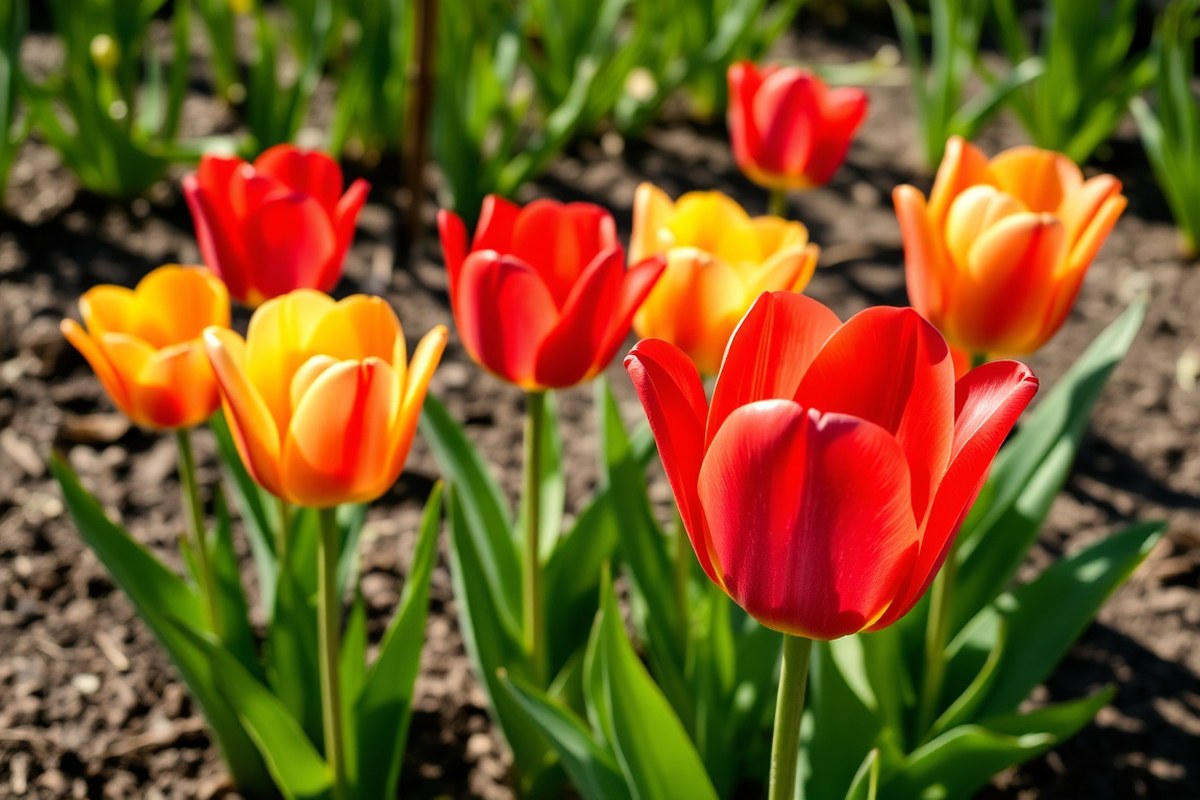
When Does a Tulip Bloom? Complete Timing Guide for Best Results
When does a tulip bloom? Tulips usually bloom in spring, about one to three weeks after the ground warms up. The bloom starts when soil temperatures reach about 50 degrees Fahrenheit and keep rising.
Cool spring weather between 45 and 55 degrees helps tulips bloom longer. It often extends their blooming to one or two weeks.
The exact bloom time changes by tulip variety and local weather conditions. Some types open earlier while others take longer to flower. You’ll see tulip blooms mostly from early April to mid-May in many places.
Start by planting bulbs in the fall when soil temperatures are between 63 and 68 degrees. This warmth lets roots grow well before winter. Watch soil temperature in spring to know when your tulips will begin blooming.
Key Takeaways
- Tulips bloom about 1 to 3 weeks after soil warms to 50°F or higher.
- Cool spring temperatures (45, 55°F) help extend tulip bloom time to about two weeks.
- Plant bulbs in fall with soil temps at 63, 68°F for best root growth.
- Different tulip varieties bloom at different times during spring.
- Monitor soil temperature in spring to predict tulip bloom timing.
- Tulip flowers usually last between 7 and 14 days depending on weather.
When Do Tulips Typically Bloom During Spring?
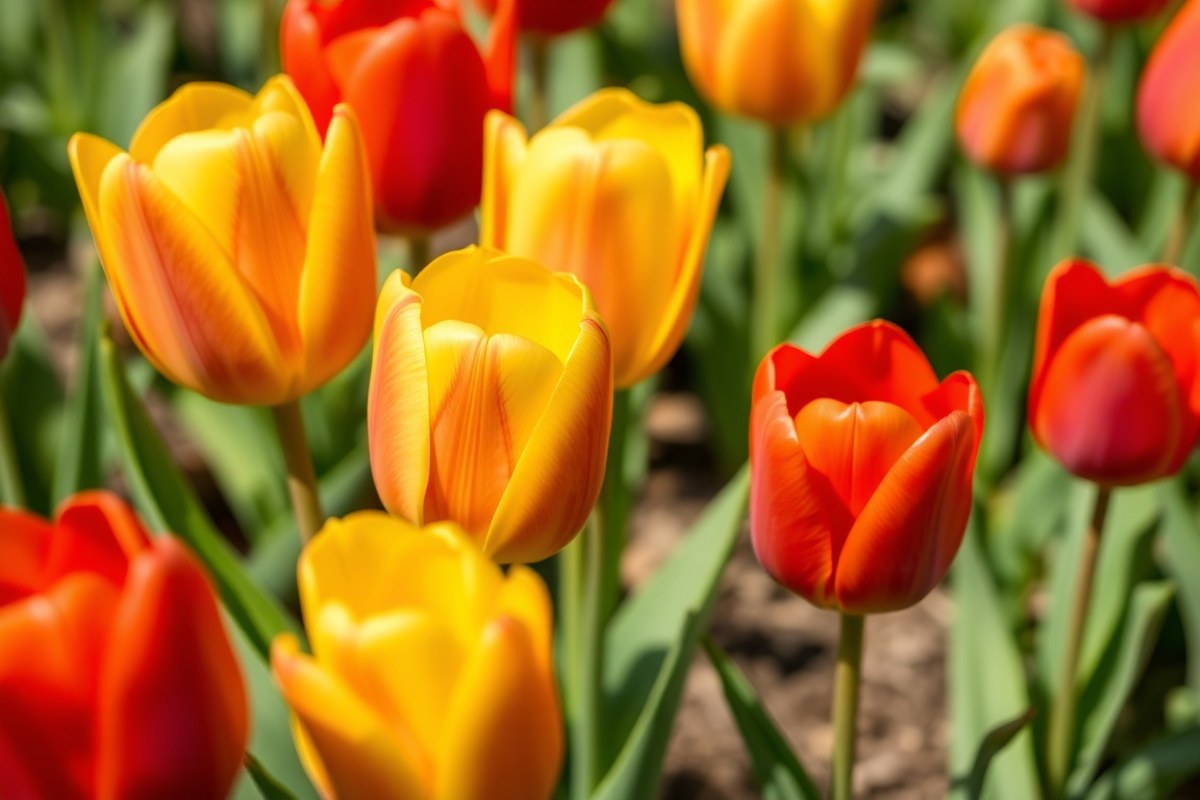
Tulips typically bloom in early to mid-spring, once the soil warms to about 50 degrees Fahrenheit. This usually happens between March and May, depending on your climate.
Cooler springs with temperatures near 45 to 55 degrees help tulips bloom longer. The blooms often last one to two weeks in these conditions.
In warmer springs, tulip blooms shrink to just a few days. A single tulip flower usually blooms for 7 to 14 days.
Some types can keep blooming up to 21 days. What you see in gardens and parks during the season combines blooming across many varieties.
Famous tulip festivals like Keukenhof happen in spring. These festivals show tulips during a peak 8-week period. In the US, displays often peak April through early May.
Watching when tulips bloom where you live helps you see them at their best. Flowers start to look old and lose appeal as they age.
Plant tulips in spots with afternoon shade to help blooms last longer. This is helpful in areas with warm, changing spring weather.
Pay attention to regional climate trends each year to know the typical bloom timeline. Keeping the soil temperature rising steadily after winter encourages strong flower development.
How Tulip Varieties Affect Bloom Timing and Duration
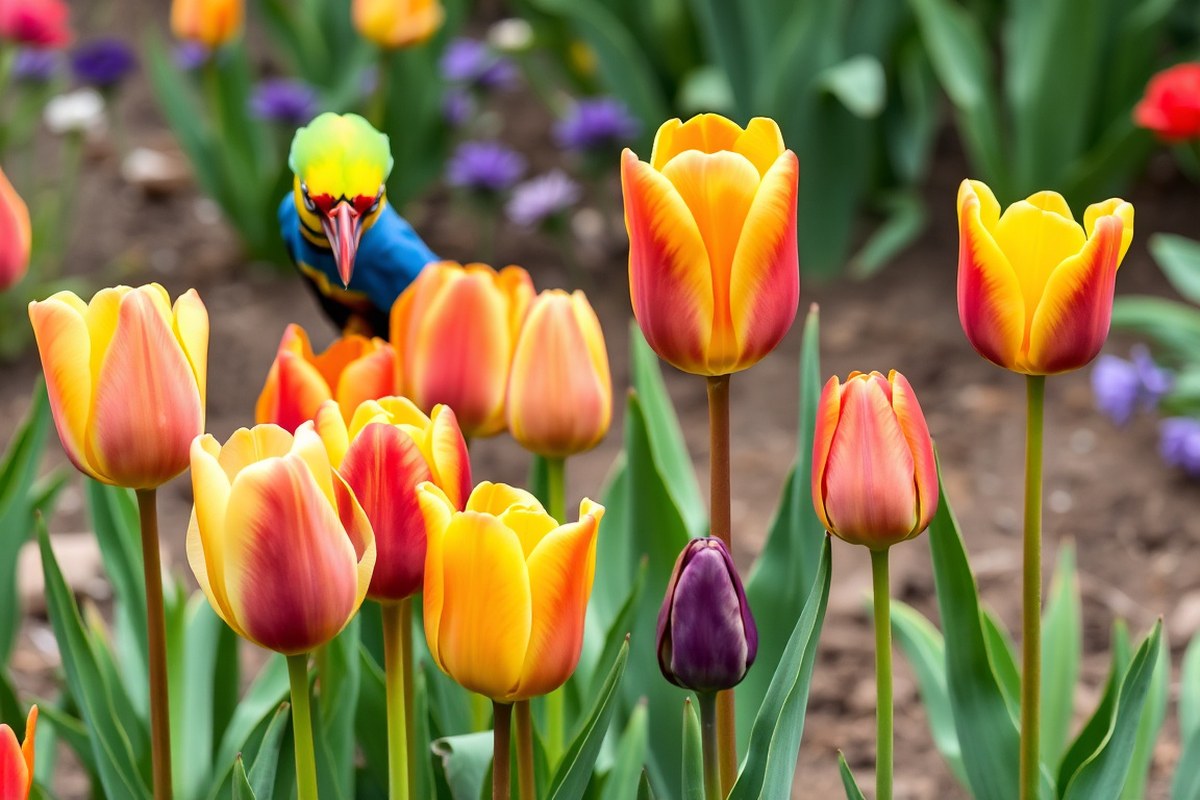
Different tulip types bloom at distinct times in spring. Early varieties usually flower in March through early April.
Midseason ones, like Darwin hybrids, bloom in mid to late April. Parrot tulips and other late types flower from late April into May.
The bloom length also varies. Early tulips tend to open and fade quicker. Midseason tulips, especially Darwin hybrids, hold their flowers a bit longer.
Parrot tulips grow on tall stems and bloom last. Their bloom lasts shorter because warm weather ends it fast.
| Season | Divisions | Varieties | Timing | Bloom Features |
|---|---|---|---|---|
| Early | 1, 2, 12, 13, 14 | Single Early, Double Early, Kaufmanniana, Fosteriana | March to early April | Short stems, 6 to 18 in tall |
| Midseason | 3, 4 | Triumph, Darwin Hybrid | Mid to late April | Strong stems, popular cut flowers |
| Late | 5, 6, 7, 8, 10, 11 | Single Late, Lily-flowering, Fringed, Viridiflora, Parrot | Late April to May | Tall stems, elaborate petal shapes |
Darwin hybrids are a key part of midseason blooms. They have large, rounded petals and sturdy stems.
Parrot tulips stand out with their feather-like edges and bright colors. You’ll see these late bloomers adding drama as spring fades toward summer.
To get a long blooming season, pick a mix of these types. Plant early, mid and late tulips together.
This lets you enjoy blooms from March into May. By spreading out bloom times, your garden keeps color longer without gaps.
Choose tulip varieties by their bloom season to stagger flowering times effectively.
How Temperature and Weather Influence Tulip Bloom Time
Tulip blooming time depends heavily on temperature and weather. Soil and air temperatures set the pace for growth and flowering. Watering habits also affect whether blooms come early or late.
Ideal Soil and Air Temperature Ranges
Tulip bulbs need soil temperatures below 55°F to avoid premature sprouting. Planting bulbs while the soil stays under this limit helps develop strong roots.
Tulips need vernalization to bloom. This happens when air stays between 40°F and 50°F. It must last 8 to 10 weeks.
In fall, soil should stay around 63°F to 68°F. This temperature helps roots grow well. It also prevents early shoots from appearing.
You can protect bulbs by covering the soil with a 2-3 inch layer of organic mulch. Mulching keeps soil temperature steady and prevents freeze injury during warm spells or cold snaps.
Effects of Warm and Cool Springs on Bloom Length
Cool spring days between 45°F and 60°F slow down petal aging and help blooms last longer. When temperatures rise too quickly, tulips bloom early.
This causes their flowers to last shorter times. Hot spells can cause flowers to fade faster and drop petals sooner than expected.
Long, cool springs extend bloom time, sometimes up to three weeks. Warmer weather speeds up the bloom cycle but shrinks the flowering window to about one week. Watching local forecasts can help you anticipate how long your tulips might shine.
Watering Tips to Avoid Premature Wilting
Keep soil moist but never soggy during tulip bloom. Overwatering can cause bulbs to rot and flowers to wilt early. Underwatering dries out tulips and shortens the blooming period too.
Water tulips deeply once a week if rainfall is light. Avoid watering late in the day to prevent fungal growth. A steady moisture balance supports healthy buds and fuller bloom length.
When and How to Plant Tulip Bulbs for Optimal Bloom
Plant tulip bulbs in the fall for vibrant spring blooms. Plant them 6 to 8 inches deep with the pointy end up. Bulbs need 12 to 16 weeks of cold before planting.
In warm places, get bulbs already chilled. This helps bulbs grow well.
Choosing the Right Planting Time
You should plant tulip bulbs after soil temperatures drop below 60°F. This usually happens in mid to late October in most US regions. The goal is to give bulbs at least 12 weeks of cold before they sprout.
Cold is important because tulip bulbs need a chilling period to start blooming properly. Without it, flowers may be weak or not bloom at all. Living in a warm area means you should refrigerate bulbs.
Keep them cold for 12 to 14 weeks. This lets bulbs grow strong.
Preparing Soil and Bulbs
Loosen soil to about 12 inches deep to improve drainage and root growth. Mix in compost or aged manure for nutrients. Well-drained soil prevents bulbs from rotting through winter.
Check bulbs before planting. They should feel firm and healthy with no mold or soft spots. Avoid bulbs that look shriveled or damaged because they won’t bloom well.
Proper Planting Depth and Spacing
Planting depth affects bloom size and timing. Bulbs should be buried at three times their height, usually 6 to 8 inches deep. This protects them from temperature swings that harm buds.
Space bulbs 4 to 6 inches apart to give roots room to grow. Crowded bulbs can stunt each other and reduce flower size. Place bulbs pointed end up for the best growth.
Follow these steps for planting tulip bulbs:
- Choose a location with full or afternoon sun and well-drained soil.
- Prepare the soil by digging down 12 inches deep. Blend in compost or old manure well. This adds nutrients and loosens soil texture.
- Check bulbs for firmness and discard any soft or damaged ones.
- Dig holes 6 to 8 inches deep, about three times the bulb height.
- Place bulbs pointy end up and space them 4 to 6 inches apart.
- Cover bulbs with soil and gently press down to remove air pockets.
- Water the area thoroughly to settle soil and start root growth.
Extending Tulip Bloom Season by Combining Different Varieties
Plant a mix of early, mid, and late blooming tulips. This helps your garden bloom longer. You get flowers over more weeks.
Early types can start flowering in March. Mid-season ones follow, and late varieties finish the show in May. Layer your tulips to get color for six to eight weeks.
Most tulips bloom only for about two weeks. This layering keeps your garden bright longer.
Choosing bulbs that bloom sequentially takes some planning but changes how your bed looks through spring. Early blooms tend to be shorter-lived, so mid-season varieties keep things going. Late-blooming tulips keep their flowers for a longer time.
They give a strong finish to your tulip season. Your garden stays colorful at the end.
- Select early-blooming types like ‘Princeps’ or ‘Apricot Beauty’ for March blooms.
- Add mid-season varieties such as ‘Jennifer’ or ‘Strong Gold’ to flower in April.
- Finish with late-bloomers like Single Late tulips, which bloom in May.
- Plant bulbs at recommended depths, usually 6 to 8 inches deep.
- Space bulbs about 4 to 6 inches apart for good airflow and growth.
- Choose a sunny spot with well-draining soil to avoid delays or rot.
- Water bulbs well after planting to help root development.
This plan costs a bit more since you buy multiple varieties. But it rewards with weeks of color. Make sure you label your bulbs so you don’t mix up bloom times.
Many people plant just one tulip type. This cuts your bloom time to a few days. Avoid this for a longer show.
Don’t plant all bulbs at the same depth. Matching depth to variety ensures proper bloom timing.
Planting a mix of tulip types also adds depth and texture to your garden bed. Bulbs bloom at different heights, 10 to 14 inches tall, giving a layered look. Avoid overcrowding your bed or planting in heavy clay soil, which slows growth and blooms.
Common Causes of Early Drooping and Wilting in Tulips
Tulip drooping or wilting often happens because of watering mistakes. Overwatering causes bulb rot, which weakens the stem and can’t hold up the flower. On the other hand, underwatering during bloom makes petals wilt and drop faster.
Hot weather also speeds up wilting. Temperatures above 70°F make tulips open faster, shortening the bloom to just a few days.
To avoid this, water tulips deeply but let soil dry out between watering. Mulch can help keep the soil cooler and moist.
Freezing temperatures during bloom are another common cause of drooping and damaged petals. Tulip petals and leaves develop white or yellow patches when freeze damage happens. To protect tulips, cover them with frost cloths or blankets at night if cold weather threatens.
Plant tulips where they get morning sun so they warm up quickly after cold nights. Avoid planting in low spots where cold air settles. Raised beds or containers can reduce freeze exposure.
In USDA Zone 8 or warmer, tulips can bloom early. They still need protection if frost occurs. Keep an eye on the weather for frost risk.
Dead leaves or old flowers blocking sunlight can weaken tulips too. Remove these promptly so new flowers get enough light to stay healthy. Weak sunlight can reduce blooming and cause drooping stems.
Here’s a quick checklist to prevent early drooping: water regularly but don’t overdo it. Mulch to keep soil cool. Cover plants on cold nights; plant in sunny, well-drained spots.
Clear away dead foliage; and watch the forecast for hot spells or freezes. Taking these steps helps tulips bloom longer and stronger.
How to Care for Tulips After Blooming to Promote Next Year’s Flowers
Tulips can bloom more than one year with proper care after flowering. Let the leaves die naturally to help bulbs recharge their energy. Water the bulbs correctly, giving enough but not too much.
Know the right time to dig bulbs to avoid damage. These steps increase your chances of seeing tulips again next spring.
Allowing Foliage to Die Back Naturally
Leaving the tulip leaves after bloom is key to next year’s flowers. The green foliage makes food through photosynthesis, storing sugars in the bulb. Removing leaves too soon stops this process and weakens the bulb.
Keep the leaves until they turn yellow and brown, usually 6 to 8 weeks after blooming. This gives bulbs time to store enough energy for another blossom. You can tie the leaves loosely if they look messy but don’t cut them off early.
Watering and Soil Care After Bloom
Water tulips carefully after flowers fade to avoid rot but keep bulbs hydrated. Soil should drain well to prevent waterlogging, which harms the bulbs. Your goal is moist, not soggy, soil while the foliage is still green.
Fertilize lightly if your soil lacks organic matter, ideally with a balanced bulb fertilizer. Stop watering once leaves have died back naturally. Tulips in full sun with rich, well-drained soil grow stronger bulbs for next season.
When to Dig and Divide Bulbs
Dig up tulip bulbs only if overcrowded or soil conditions cause problems. Wait until all foliage is completely dead, usually late June or early July. Bulbs that stay in the ground too long may rot or weaken in heavy soil.
Splitting bulbs prevents overcrowding and encourages bigger flowers. Look for bulbs that feel solid and throw away any soft spots. Plant the healthy bulbs right away or keep them cool and dry until fall.
Follow these steps for reliable post-bloom care to help tulips return for 2 to 3 years:
- Let the tulip foliage stay until fully yellowed and wilted, about 6-8 weeks.
- Water bulbs moderately during this time, ensuring soil drains well.
- Add fertilizer if soil lacks nutrients, ideally after flowering stops.
- Stop watering when the leaves die back completely.
- Wait until late June or July to dig bulbs if the bed is crowded.
- Inspect bulbs, discarding any soft, damaged, or rotting ones.
- Store healthy bulbs in a cool, dry place if not replanting immediately.
- Plant bulbs properly in the fall, 6-8 inches deep in well-draining soil.
Forcing Tulip Bulbs Indoors: Timing and Temperature Guide
Forcing tulip bulbs indoors means making them bloom off-season by mimicking winter cold. Tulips need a chilling period to trigger flower growth. Without enough cold, they may only grow leaves and no flowers, a problem called “blindness.”
To force tulips, you must chill the bulbs, then bring them to warmth indoors to bloom. The chilling period usually lasts 12 to 16 weeks at temperatures between 35°F and 48°F. After chilling, tulips should be moved to a warmer spot around 60°F to 70°F for blooming.
- Choose healthy tulip bulbs at least 2.5 inches around for better blooms.
- Place bulbs in a breathable container, cover with damp peat moss or sand.
- Store bulbs in a fridge or cold garage at 35°F to 48°F for 12, 16 weeks.
- After chilling, plant bulbs in pots with fresh potting soil near a window.
- Move pots to a room with 60°F to 70°F temperature for growth.
- Keep soil slightly moist but not soaked during the forcing period.
- Watch for shoots in about two weeks. Flowering follows in 2 to 3 more weeks.
Do not expose tulip bulbs to temperatures above 70°F right after chilling. It can damage flower development.
Using a fridge makes chilling simple at home. But avoid storing bulbs near fruits like apples.
Fruits emit ethylene gas that harms bulbs. Forcing tulips indoors takes around 4 months in total, including chilling and blooming.
Good results mean strong stems and bright flowers inside your home. These will show by late winter or early spring.
Wilting or no flower usually comes from too short chilling or storing at the wrong temperature. You can repeat forcing bulbs year after year if stored well between uses.
Step-by-Step Action Plan to Time Your Tulip Bloom Perfectly
Follow these easy steps to enjoy vibrant tulips right when you want them. Each step will help you check if your tulips stay healthy and bloom well.
- Before Planting (Fall): Choose tulip varieties with different bloom times for a longer season. Check that the bulbs feel firm and dry.
- At Planting (Late Fall): Plant bulbs 6 to 8 inches deep in well-drained soil. Make sure the pointed end faces up.
- During Winter: Keep bulbs moist but avoid soggy soil. Freeze-thaw cycles help bulbs develop roots.
- Early Spring: Watch for shoots emerging above ground to predict bloom time. Adjust watering if soil feels dry.
- Pre-Bloom (1-2 weeks before flowers): Provide full sun and avoid heavy fertilizing. Look for vibrant, firm flower buds.
- Bloom Time: Enjoy tulips when flowers open fully on warm, sunny days. Remove faded flowers to help bulbs store energy.
- Post-Bloom: Let leaves yellow naturally before trimming. This ensures bulbs gather nutrients for next year’s blooms.
Frequently Asked Questions
How Long Does a Single Tulip Bloom Usually Last?
A single tulip bloom lasts 7 to 14 days depending on weather. Cooler temperatures can extend the bloom time by slowing flower fading.
What Is the Difference Between Tulip Season and Bloom Window?
Tulip season covers the whole spring when varieties bloom. The bloom window is 1-3 weeks. This window is the actual time one tulip flower stays open.
Can Tulips Bloom Again for Several Years?
Yes, tulips can bloom for 3 to 5 years if cared for properly. After flowering, keep watering and allow leaves to die naturally for bulb health.
When Is the Peak Tulip Bloom at McCrory Gardens’ TuliPalooza?
The peak bloom typically happens in mid to late spring during TuliPalooza. This festival features over 10,000 tulips at their full blossom.
Does Tulip Size Affect the Height of the Bloom?
Yes, some varieties like Tulip Design Impression can grow taller, around 24 inches. Different types have varied heights and bloom sizes to match garden needs.
Why Is Tulip Foliage Important After the Flowers Fade?
Tulip leaves help photosynthesize and send sugars back to the bulb after blooming. Healthy foliage boosts the chance you’ll see blooms again next year.
Key Points to Remember
Tulips bloom from early to late spring depending on type and weather. Paying attention to variety choice and care helps you control bloom timing. Start planting bulbs this fall for the best results next spring.