How Big Does a Peony Plant Get: Size Guide with Growth Tips
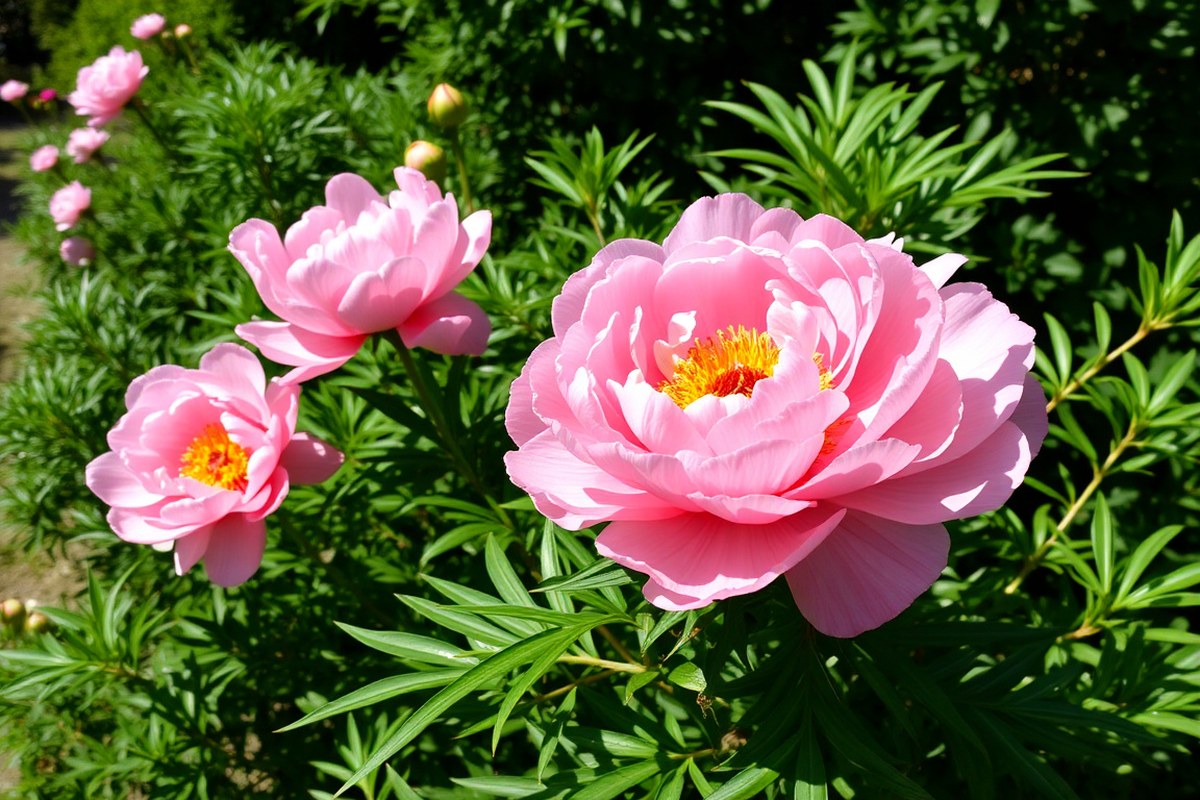
The size of a peony plant depends on its type and variety. Most mature peonies grow 3 to 4 feet wide. Herbaceous peonies usually reach 24 to 36 inches tall and spread similarly wide.
Tree peonies grow larger, often reaching 5 feet tall and wide. It’s best to leave 3 to 4 feet of space between plants. This space helps avoid crowding and lets plants grow well.
Peonies grow steadily and can live over 100 years if healthy. Their roots expand underground, so giving enough room prevents crowding. Planning for their mature size at planting helps them thrive.
Crowded peonies may bloom less and have poor air flow. Good spacing lowers the chance of diseases like powdery mildew. Choosing the right spot ensures healthy growth and lots of flowers.
Key Takeaways
- Expect most peonies to spread 3 to 4 feet in width.
- Herbaceous peonies grow around 2 to 3 feet tall on average.
- Tree peonies can reach up to 5 feet tall and wide.
- Leave 3 to 4 feet between plants to prevent crowding.
- A mature peony’s spread usually matches its height.
- Provide good air circulation for healthier plants and bigger blooms.
How Big Do Peony Plants Get by Type and Variety
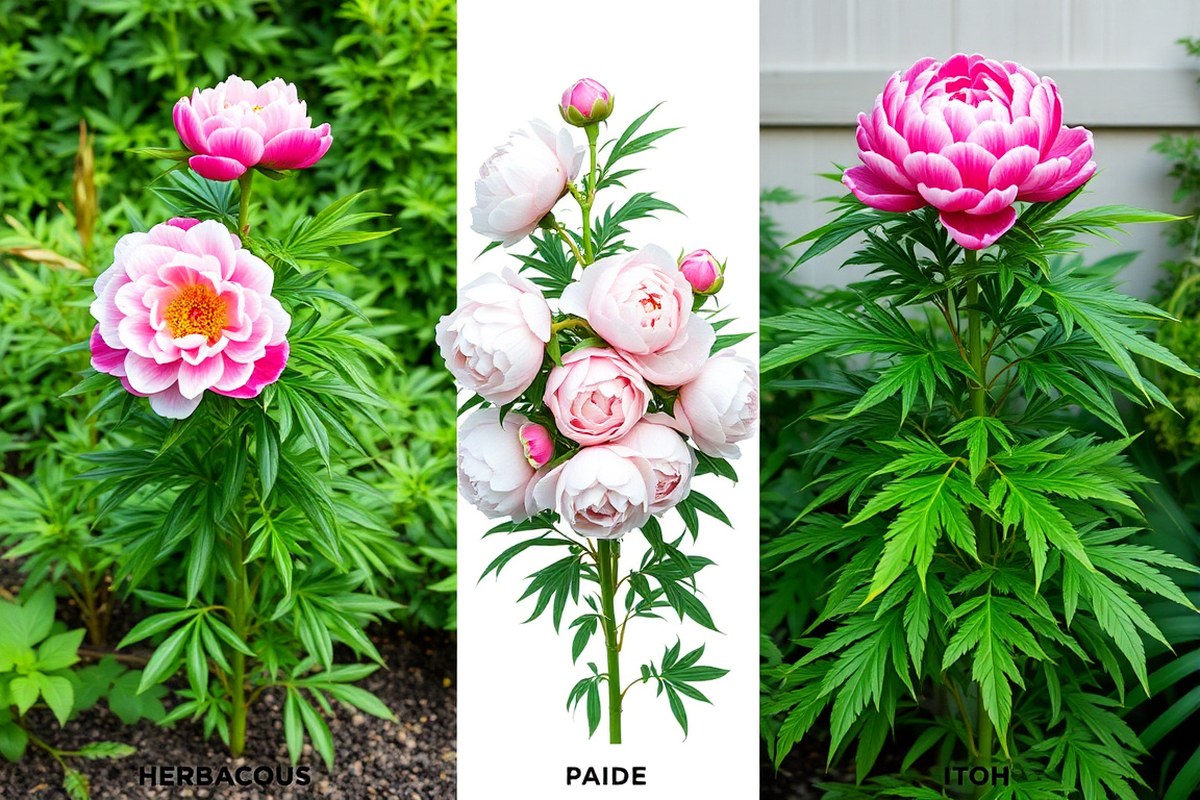
Peony plants vary in height and spread depending on their type. Herbaceous peonies usually grow 2 to 4 feet tall. They spread about 3 to 4 feet wide.
Tree peonies get bigger, growing 3 to 7 feet tall. They also spread 3 to 7 feet wide.
Intersectional, or Itoh peonies, are hybrids of herbaceous and tree types. They usually grow 2 to 4 feet tall and spread 3 to 4 feet wide.
Woodland peonies grow smaller, only 1 to 2 feet tall. Hybrid/lactiflora peonies are also smaller.
| Peony Type | Mature Height (feet) | Mature Width (feet) |
|---|---|---|
| Herbaceous | 2 to 4 | 3 to 4 |
| Tree Peony | 3 to 7 | 3 to 7 |
| Itoh (Intersectional) | 2 to 4 | 3 to 4 |
| Woodland | 1 to 2 | 1 to 2 |
| Hybrid / Lactiflora | 2 to 3 | 2.5 to 3 |
These size ranges matter when you pick a spot in your garden. Wider and taller types like tree peonies need more room and sturdy support like bamboo stakes.
Smaller peonies suit tight spaces. They still need 2 to 3 feet of room.
Common garden varieties usually form dense, rounded bushes with dome-like shapes. Itoh peonies grow broad and sturdy, with strong stems. Knowing these details helps you avoid crowding your plants and supports healthy growth and blooming.
What Factors Affect the Final Size of a Peony Plant
Sunlight is essential for peony growth because it fuels photosynthesis. Your peony should get at least six hours of direct sunlight daily. In shadier spots, plants often grow smaller and flower less.
Soil quality affects root health and nutrient use. Peonies prefer well-draining soil with a pH around 6.5 to 7.0.
When your soil is heavy clay or very sandy, add compost. This improves both texture and fertility.
Poor drainage can cause root rot, which stunts growth. Your garden soil stays soggy after rain.
Plant peonies in raised beds. This prevents waterlogging and helps roots stay healthy.
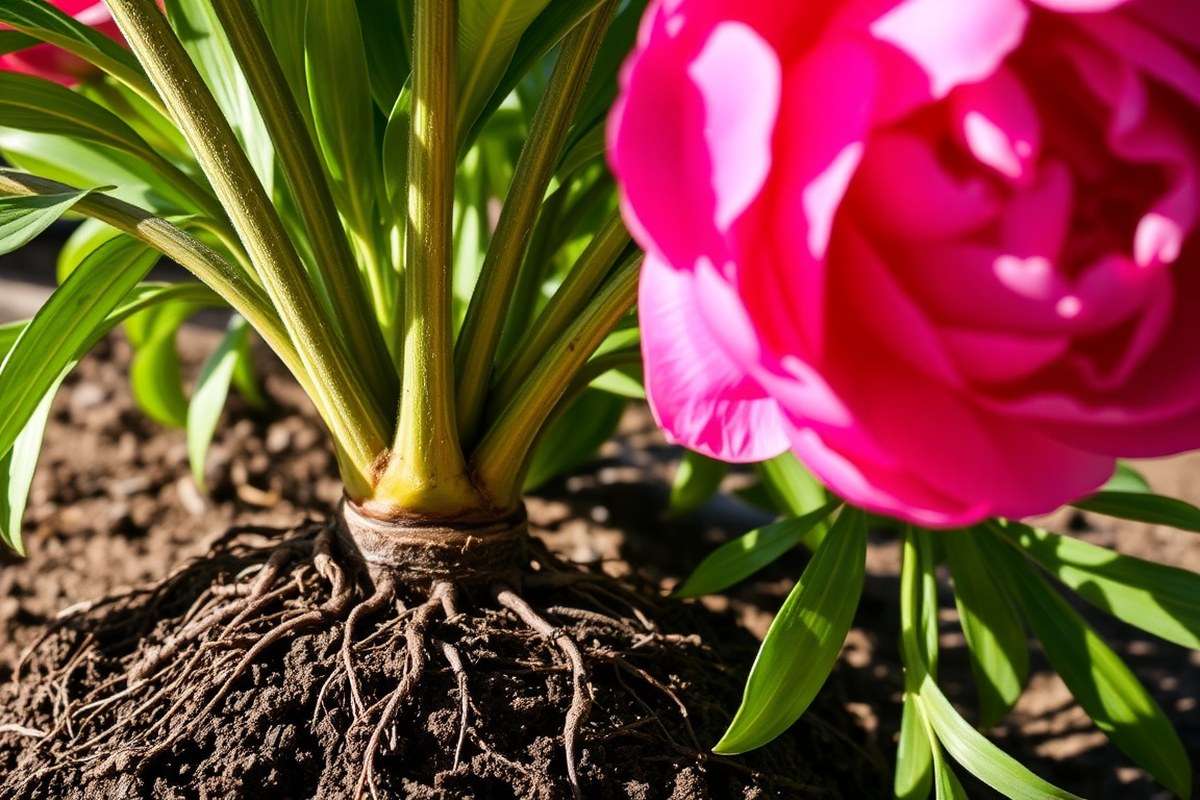
Planting depth is critical. You should place the peony eyes 1 to 2 inches below the soil surface. Planting deeper than 2 inches delays or blocks blooming and slows growth.
Climate zone influences mature size by affecting the growing season length. Peonies perform best in USDA zones 3 through 8.
Milder climates may produce larger plants but watch for winter dormancy requirements. Hot, humid areas might limit size and flower count.
Plant peonies 3 to 4 feet apart. This gives good air circulation. It also provides enough space for roots.
This spacing avoids crowding and reduces disease risk. Crowded plants often become leggy and small.
Before planting, build a small cone of amended soil in the hole. Set the bare root peony on top, letting roots hang down the sides.
Cover the crown with soil so the eyes remain just below the surface. Water thoroughly after planting to settle soil around roots.
Planting peony eyes deeper than 2 inches can stunt growth and prevent blooms.
How Peony Plant Size Changes Through Its Life Cycle
Peony plants grow slowly over several years. They reach mature size around 3 to 5 years. This steady growth helps the plant get stronger each year.
The first year shows minimal growth. By year three, they start to fill out. Peonies continue adding woody structure even after they start flowering.
Initial Growth Phase (Years 1-2)
During the first year, peonies establish their root system with limited visible growth. You might see only small shoots and a few leaves above ground. This slow start is normal because the plant focuses on building roots.
By year two, the foliage grows more rapidly, and the peony spreads noticeably wider. The roots strengthen, setting up a strong base for future blooms and height gains. Early care, like planting eyes no more than two inches deep, helps ensure good growth.
Mid-Life Expansion (Years 3-7)
At this stage, peonies generally reach their mature height, often 2 to 4 feet tall. The spread also fills in, reaching up to 3 to 4 feet across for many varieties. You’ll notice more and larger blooms each spring.
Although height growth slows compared to years one and two, the woody stem structure thickens. This change makes the plant sturdier and helps it hold up heavy flowers. The plant size visible above ground reflects the developed underground system.
Full Maturity Size (7+ Years)
After about seven years, peonies achieve full maturity with a stable height and spread. The bush spreads wide as it grows tall. For example, a 4-foot-tall peony often spreads 4 feet wide.
This balance keeps the plant full and healthy. You should leave at least 3 feet clearance around each plant.
Even beyond maturity, woody peonies add more biomass internally, strengthening their framework. They keep flowering fully but won’t grow significantly taller or wider. Maintaining their space and pruning any suckers helps keep the plant healthy.
Use this step-by-step timeline to track and encourage your peony’s growth:
- Plant the root with eyes no more than 2 inches deep.
- Water regularly during the first year to support root establishment.
- Allow foliage to grow fully in years 1 and 2 without pruning.
- Provide full sun, at least 6 to 8 hours daily, for optimal growth.
- Check spacing to ensure about 3 feet around the plant as it grows.
- By year 3, start watching for woody stem development and thicker foliage.
- Remove any dead or crowded stems after year 5 to improve airflow.
- Maintain a clear planting area to prevent root compaction and growth issues.
How to Plan Peony Spacing Based on Mature Size
Plant peonies with enough space to fit their mature spread without crowding. Proper spacing helps your peony grow healthy roots and keeps good airflow around its foliage. This reduces disease risks like mold and mildew on leaves and stems.
Spacing needs change by peony type and variety. For example, tree peonies grow large and need more room.
Compact types like Itoh peonies can grow closer together. Planning spacing to fit the plant size from the start avoids moving roots later.
- Woodland or compact Itoh peonies: space about 2 feet apart
- Herbaceous peonies in mid-border plantings: space 3 feet apart
- Tree peonies for specimen or backdrop use: space 5 to 7 feet apart
Use at least 3 feet between herbaceous peonies in your garden. This encourages airflow around the plant and helps foliage dry faster after rain. Tree peonies need 5 or more feet to avoid shade competition and root crowding.
Giving each peony about one square yard of space matches its typical mature size well. Check your plant’s tag or supplier notes to find its expected spread. Giving plants enough room helps flowers open fully.
Common Mistakes Gardeners Make About Peony Size
Many gardeners plant peonies too close together, causing unexpected overcrowding. Peonies need 80 to 100 centimeters of space between plants. This spacing helps avoid fierce competition for water and nutrients.
It gives each plant enough room to grow well. Overcrowded plants struggle to get what they need, leading to smaller blooms and stressed growth.
Planting depth is another common mistake. Herbaceous peonies show fewer blooms if the eyes sit more than 2 inches beneath the soil.
Planting too deep often leads to lots of leaves but few flowers. Shallow planting encourages better bloom production.
Peonies also suffer if they don’t get enough airflow. Crowded plants hold moisture around their stems, encouraging fungal diseases and weak growth. Enough space improves air circulation and keeps plants healthier.
- Plant peony eyes no more than 2 inches deep to encourage blooms
- Space peonies 80 to 100 centimeters apart to reduce root competition
- Stake or use peony hoops to prevent floppy stems on larger varieties
- Avoid planting close to other moisture-loving plants to limit root battles
- Check soil drainage and sunlight to help peonies reach their full size
Failing to give peonies enough room or planting them too deeply often causes disappointment. Crowded roots mean less water and nutrient uptake.
Flowers may become small or sparse. Clear spacing rules and careful planting depth help you grow stronger plants and bigger blooms.
Planting peony eyes too deep often causes fewer flowers. So keep them shallow but covered.
Controlling or Encouraging Peony Size in Small Gardens
Pruning can limit a peony’s spread and height. But it won’t shrink the plant drastically. Cut back dead foliage in late fall or early spring to keep the space tidy.
You can trim side shoots during the growing season. This stops the plant from spreading too wide. It does not harm the plant’s health.
Growing peonies in containers helps control their size effectively. Use a pot at least one quart for young plants to avoid stunting growth too much. Container peonies usually grow smaller because root space is limited.
Be sure to provide good drainage for your plant. Water it regularly. This is especially important if no rain falls for over two weeks.
Selecting the right cultivars also makes a difference for small gardens. Dwarf or compact varieties grow about 2 to 3 feet tall. They spread roughly the same width.
These types work well in smaller areas. Intersectional (Itoh) peonies usually grow to mid-size.
They stay manageable without losing big blooms. This makes them a good choice for home gardens.
Understanding Peony Flower Size Relative to Plant Growth
Larger peony plants don’t always mean bigger flowers. Flower size depends more on the cultivar than on plant height or width. Environmental factors like soil quality and sunlight also shape bloom dimensions along with overall plant growth.
Flower Size Range in Herbaceous Peonies
Herbaceous peonies grow to about 3 feet tall. Their flowers measure 4 to 8 inches wide. There’s plenty of variation, especially between singles and doubles.
These plants spread equally wide as they grow tall. So their blooms often match this scale.
Flower size depends on genetics in herbaceous types. Blooms can be simple or double. Good soil and proper watering help maximize flower diameter while supporting a sturdy plant.
Bloom Dimensions in Tree Peonies
Tree peonies usually grow larger in height and width, often exceeding 4 feet tall. Their flowers tend to be bigger, with some reaching 8 to 12 inches across. This notable flower size happens because these peonies focus energy on fewer, bigger blooms.
Tree peonies need more fertilizer and care. Rich soil and steady feeding help.
This makes their flower heads fuller. Their blooms last about 7 to 10 days but impress with sheer size and drama.
Itoh Peony Flower Size Characteristics
Itoh peonies, or intersectional hybrids, blend traits from herbaceous and tree types. Their plant height ranges from 2 to 4 feet.
Their flower diameter often matches tree peonies at 10 to 12 inches. Long-lasting blooms make them desirable in many gardens.
Hybrids grow best in well-drained soil. Moderate fertilizing supports their growth.
It also helps produce large flowers. They offer the best balance of size and flower showtime.
Peony bloom sizes by cultivar often overlap but usually fall within these ranges:
| Cultivar Type | Typical Plant Height (ft) | Flower Diameter (inches) | Bloom Duration (days) |
|---|---|---|---|
| Herbaceous | 3 | 4 to 8 | 7 to 10 |
| Tree | 4+ | 8 to 12 | 7 to 10 |
| Itoh Intersectional | 2 to 4 | 10 to 12 | Up to several weeks |
The table helps you match plant size and flower expectations by category. Choosing the right cultivar for your space ensures flowers won’t get hidden or plants overcrowded.
Measuring and Preparing for Your Peony’s Mature Size
To accommodate a peony’s full-grown size, measure its mature spread in feet. Use the expected width and height of the variety to plan enough garden space. Prepare soil and clear space at least two weeks before planting for best root growth.
Measuring Current Plant Dimensions
Start by measuring the width and height of your peony’s current growth. Use a tape measure to get the plant’s widest points from edge to edge.
You need to measure the root ball size of a new plant. Use inches to get the right size.
Note the distance between the stems to estimate how tightly the plant grows now. Keep records of this measurement to compare with mature size later. This helps adjust the garden layout if you plan multiple plants.
Estimating Mature Width and Height
Check the plant tag or seed source for mature width and height values. Remember, mature spread means the plant’s full width at its peak.
It’s not the size of the planting hole. Expect widths from 2 to 4 feet or more depending on the variety.
Allow extra space between plants equal to at least half their mature width. This prevents overcrowding and helps air flow to reduce leaf blotch. Plan for heights usually between 2 and 3 feet tall unless you pick a specialty variety.
- Find your peony’s mature size on the plant label or online.
- Mark that width outward from the center point for each plant location.
- Space plants apart so edges won’t touch by at least 6 to 12 inches.
- Check if neighboring plants affect the peony’s space or sunlight.
- Adjust layout to fit walking paths or garden features around peonies.
Never crowd peonies too close; poor air flow causes leaf diseases.
Preparing Soil and Space for Planting
Clear the planting area two weeks before you put in your peony. Remove mulch and weeds to expose bare soil. Loosen soil about 12 inches deep for better root expansion.
Mix in compost to improve soil texture and fertility. Peonies like well-drained soil with some organic matter. Avoid adding too much nitrogen fertilizer to keep plants balanced.
Check soil pH; peonies prefer neutral to slightly acidic soil, about 6.5 to 7.0. Adjust with lime or sulfur as needed before planting day. Give roots space to spread freely from the start.
Step-by-Step Action Plan for Managing Peony Plant Size
Follow these steps to help your peony grow right without crowding your garden. Proper planning ensures healthy plants and beautiful blooms.
- Before planting: Choose a peony variety that fits your garden space. Check mature plant size on the label or description.
- Planting day: Space peonies about 3 feet apart for average types. Adjust spacing if you have bigger or smaller peonies. Keep enough room for their growth. Proper spacing avoids crowding.
- Week 1 after planting: Water thoroughly and mulch to keep the soil moist. Watch for any signs of drooping leaves.
- Month 1: Monitor growth and prune any shoots that crowd the space. Your peony should have room to spread at this stage.
- Spring each year: Measure current plant spread to adjust spacing for new plants. Make notes to plan your garden layout better.
- Every growing season: Apply balanced fertilizer based on soil test recommendations. Healthy feeding supports proper plant size and bloom quality.
- Late summer: Cut back dead stems as plants prepare for dormancy. This step keeps plants tidy and can control size.
- Ongoing: Divide crowded peonies every 5 to 7 years to refresh growth and manage size. Dividing helps maintain plant health and bloom size.
Frequently Asked Questions
How Deep Should I Plant a Peony Root for Best Growth?
Plant the peony root about 2 inches below the soil surface. Planting it deeper can limit blooms even if the plant grows well.
Can Peonies Survive with Less Space Than Recommended?
Peonies can survive in tighter spaces but bloom less well. Crowded roots often reduce flower size and count.
What Age Is Best to Plant a Peony for Quick Growth?
A 3-4 year old bare root peony is ideal for fast growth. This age usually produces the strongest, healthiest plants.
How Fast Do Peonies Grow to Their Mature Size?
Peonies reach mature size in about 3 to 5 years. Growth speed depends on care, soil, and the cultivar.
Do Tree Peonies Need More Space Than Herbaceous Types?
Yes, tree peonies spread 4 to 10 feet wide. Herbaceous types usually max out at 3 to 4 feet across.
Can Peonies Bloom Well in Containers?
They can bloom in large containers but often stay smaller. A roomy pot and good soil help encourage blooms.
Wrapping Up
Most peony plants reach about 2 to 4 feet wide and tall. Knowing this helps you space plants without overcrowding. Start by picking the right variety for your garden’s size.