How Often Should You Water a Money Plant: A Complete Guide with Proven Tips
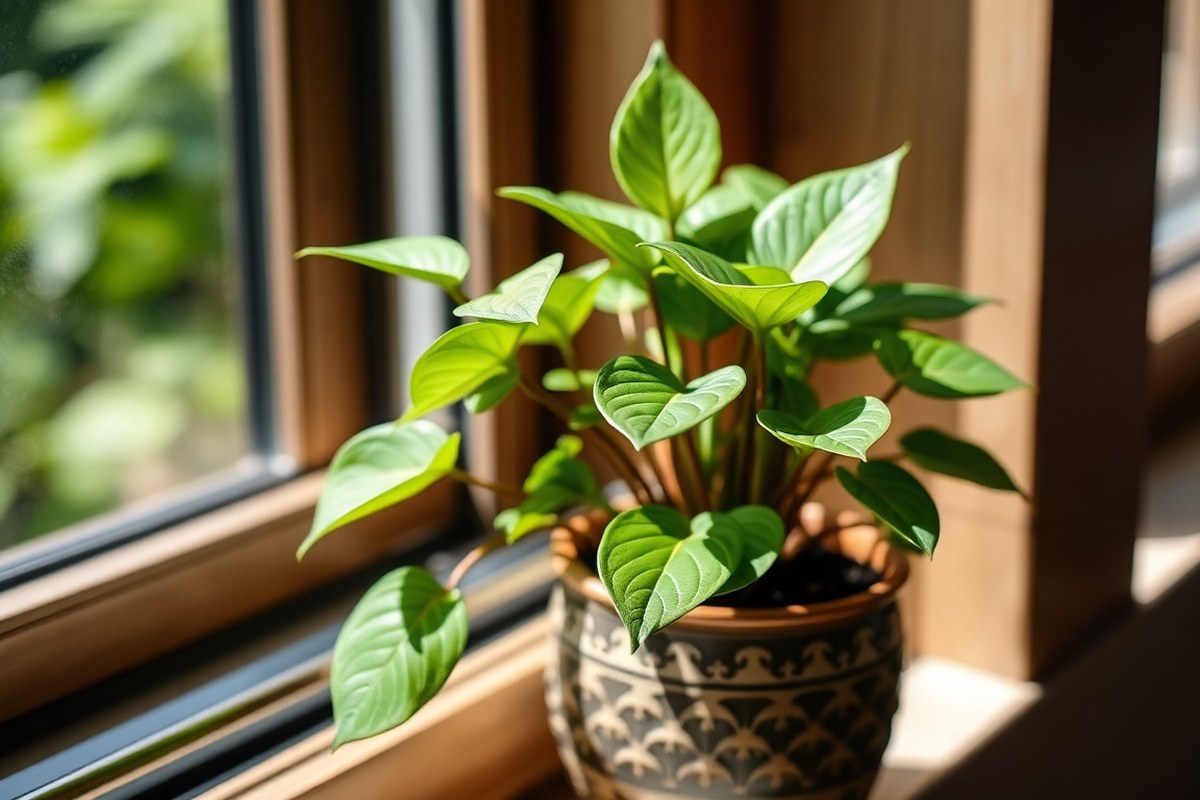
How often should you water a money plant? Water your money plant when the soil is about 50-75% dry.
This means not watering every day but checking soil moisture first to avoid overwatering. You want to let the top 2 to 4 inches of soil dry before watering again.
Checking soil moisture with your finger or a wooden stick works best. Push your finger about two inches in.
When it feels dry, give your plant a good drink. It slows down watering mistakes and keeps your plant happy.
Money plants need more water in spring and summer because they grow faster. Still, keep drainage good to stop root rot.
Use pots with drainage holes. Let the plant soak up water for 30 minutes after watering.
Key Takeaways
- Water your money plant when the top 2 to 4 inches of soil feels dry.
- Use your finger or a wooden stick to check soil moisture before watering.
- Water more often in spring and summer due to increased growth.
- Ensure your pot has good drainage to prevent root rot.
- Allow the plant to absorb water for 30 minutes through drainage holes.
- Don’t water if the soil is still 50% or wetter to avoid overwatering.
How Often Should You Water a Money Plant?
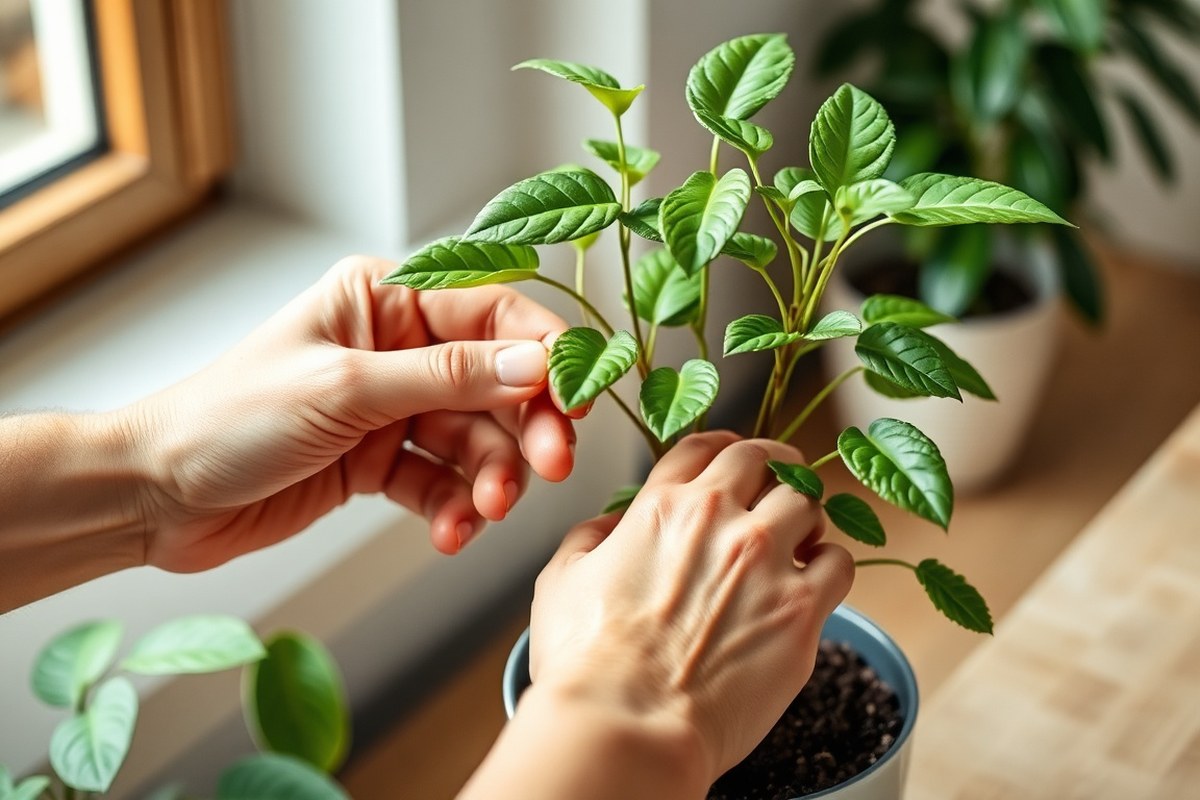
Water your money plant when the soil is about 50 to 75 percent dry. The top 1 to 2 inches of soil should feel dry first. Only then, water your money plant again.
This helps avoid overwatering. Checking the soil dryness first helps avoid overwatering, which can damage roots.
You might water your money plant every 5 to 7 days. This happens during its active growing season. Keep an eye on the soil moisture.
When new leaves appear or the plant is growing visibly, stick to this schedule. In dormant phases, cut back watering to once every 10 to 14 days.
This usually happens in late fall or winter. The plant’s growth slows down then.
Check soil moisture with your finger or a moisture meter. Do this often to know when to water. It helps keep your plant healthy.
Only water when the top couple of inches feel dry. Use soil moisture, not the calendar, to decide when to water.
This adapts to the light, pot size, and humidity. It keeps your money plant happy.
How to Check Soil Moisture Before Watering
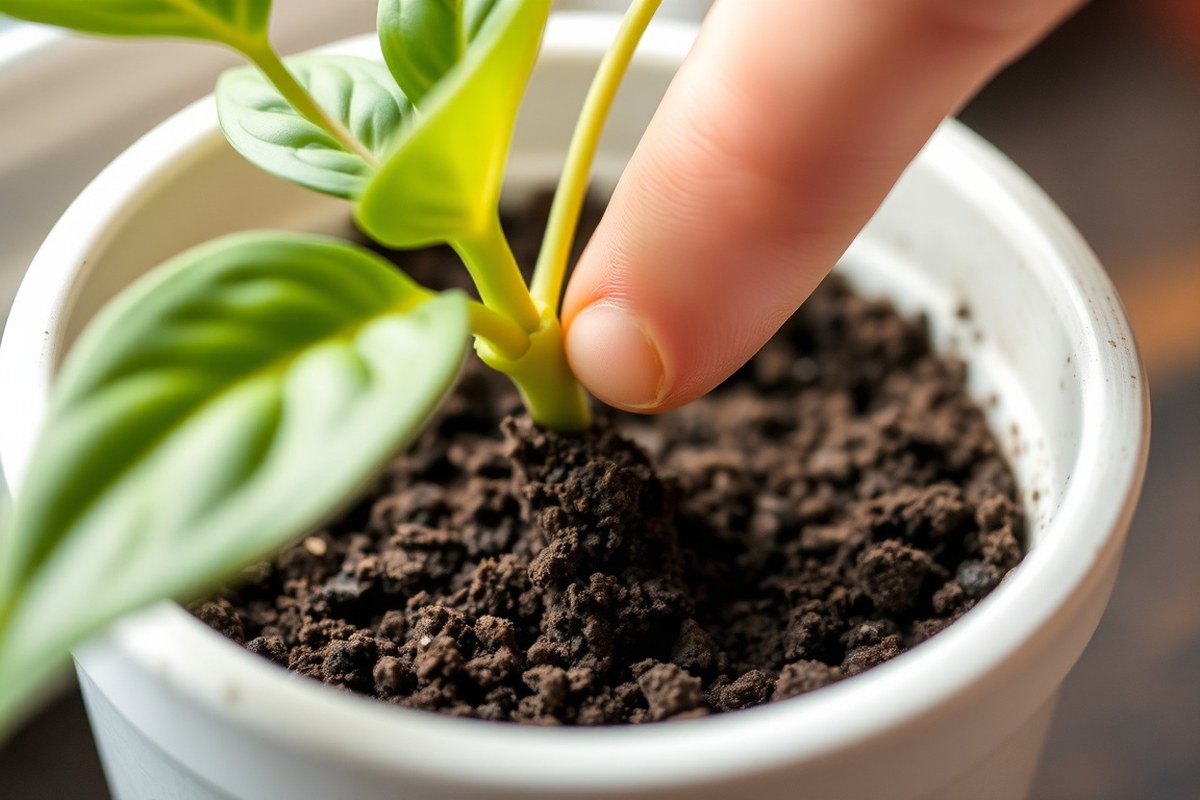
Check soil moisture before watering a money plant to avoid overwatering. Use simple tools to check soil moisture. Try the finger test or a wooden chopstick.
You can also use a moisture meter for more accuracy. These methods let you see if the soil is dry enough to water.
Using the Finger Test Correctly
The finger test checks soil moisture easily. Push your finger down about 2 inches into the soil. If it feels dry there, your plant needs watering.
This test works best when you focus on the middle soil, not just the surface. Watering before the soil feels dry can cause root rot. Wait for soil that feels dry below the surface before you water.
- Clean your hands to avoid transferring germs to the soil.
- Insert your finger 1 to 2 inches deep into the soil near the pot’s edge.
- Feel if the soil is moist, damp, or dry below the surface.
- The soil feels dry at 2 inches deep. Water the plant well until water drains out the pot.
- The soil surface is moist or damp. Let it be for a few days before testing again.
A dry surface does not mean the entire soil is dry, so check deeper.
Testing with a Wooden Chopstick
A wooden chopstick gives a clearer moisture reading, especially in larger pots. Push it 2, 3 inches deep into the soil and pull it out.
The soil is dry and leaves on the finger. It’s time to water your plant thoroughly.
This method works best for thick soil or roots. Fingers might not reach moisture in dense soil.
Using a chopstick can check moisture deeper down. It’s an inexpensive and reusable tool for frequent checking without disturbing the plant.
- Choose a clean wooden chopstick or skewer about 6, 8 inches long.
- Insert it vertically into the soil to a depth of 2, 3 inches.
- Remove it slowly and check for dampness or stuck soil.
- The chopstick comes out dry with little soil stuck to it. This means the plant needs water now.
- The chopstick has moist soil clinging to it. The plant still has enough water in its soil.
Don’t test too close to the stem to avoid damaging roots.
Using Moisture Meters Effectively
Moisture meters offer a digital or analog reading of the soil’s moisture level. Insert the probe 2 inches deep near the root zone for an accurate measure. Ideal soil moisture for money plants is about 50, 75% dry.
These meters cost around $10 to $30 and help avoid guesswork. Still, they need calibration and regular cleaning for reliable readings. Use the meter as a backup tool along with touch tests.
- Purchase a moisture meter suited for indoor potted plants.
- Calibrate it if needed, following manufacturer instructions.
- Insert the probe gently about 2 inches into the soil near the roots.
- Read the moisture level display: look for a moderate dryness reading.
- The moisture meter reads dry or nearly dry soil. You should water the plant right away.
- Clean the probe after use to avoid false readings next time.
Use moisture meters alongside finger or chopstick tests for best results.
Factors That Affect Money Plant Watering Frequency
Light, temperature, and humidity all change how often your money plant needs water. Bright light dries soil faster, so you may need to water more often. Cooler rooms and low light slow soil drying, meaning less frequent watering.
Humidity also matters. When the air is dry, money plants lose moisture quicker.
You’ll want to water sooner in low humidity rooms. In moist or humid rooms, the soil stays wet longer, so hold off watering.
Pot size and material play a big role. Smaller pots hold less soil, which dries faster. Large pots keep soil moist longer and reduce how often you water.
Materials like terracotta absorb water, speeding up drying. Pots without drainage holes need less water to avoid root problems.
| Pot Size & Material | Drainage | Watering Interval |
|---|---|---|
| Small (6 in or less) | Multiple drainage holes | Water every 5-7 days |
| Medium (8-10 in) | Standard drainage | Water every 7-10 days |
| Large (12 in or more) | Few or no drainage holes | Water every 12-14 days |
| Terracotta pot | With drainage | Water slightly less often |
Seasonal shifts affect watering too. Your money plant drinks less in cooler months and dormancy.
Summer heat and longer daylight mean more watering. Check soil moisture more often in warmer periods to avoid drying out.
Changing light and temperature is normal indoors, so adjust water amounts carefully. Don’t just stick to a fixed watering schedule. Instead, watch your plant and pot to avoid overwatering or drying out.
Best Practices for Watering Your Money Plant
Water your money plant carefully to help it absorb moisture well. Avoid soaking the leaves or letting water pool around the roots. Use the right amount of water for healthy roots.
Water gently to avoid root rot. This keeps your money plant safe and strong.
Top Watering Technique
Pour water gently on the soil’s surface, avoiding wetting the leaves. Water until you see some drainage from the pot’s bottom. This helps flush excess salts and keeps the roots from sitting in soggy soil.
Here is how to water your money plant from the top properly.
- Check that the top inch of soil feels dry before watering.
- Use a watering can with a narrow spout to control flow.
- Slowly pour water around the soil base, not directly on stems or leaves.
- Stop watering when water starts draining out of the pot.
- Let the pot drain fully to avoid water pooling underneath your plant.
Water amount depends on pot size. But generally ½ to 1 cup works well for most indoor money plants.
Bottom Watering Method
Bottom watering lets the soil soak water from the drainage holes. It’s a great way to avoid overwatering or root rot. The soil pulls up water on its own.
This keeps roots hydrated properly. It also stops them from getting too wet.
Follow these steps to bottom water your money plant correctly.
- Fill a shallow tray with ½ inch of water.
- Place the pot in the tray so the drainage holes are submerged.
- Leave the pot to soak for 20 to 30 minutes.
- Remove the pot and let it drain thoroughly on a stand or towel.
- Discard any leftover water in the tray to prevent standing water.
Do this once a week or whenever the soil feels dry an inch below the surface.
Using Ice Cubes for Gradual Moisture
Placing ice cubes on the soil lets moisture release slowly. This prevents overwatering and gives roots time to absorb water. It’s an easy, low-risk method for weekly watering schedules.
Here’s an easy way to water money plants with ice cubes.
- Remove any debris from the soil surface near the base.
- Place two ice cubes (about 3 tablespoons of water) evenly on the soil.
- Let the ice melt completely, releasing water gradually into the pot.
- Check that the soil doesn’t stay soggy after melting.
- Repeat once a week or adjust based on your home’s humidity.
This method suits a 5-inch pot money plant well and eases your watering routine.
Recognizing and Fixing Overwatering and Underwatering
Drooping or wilting leaves and dark splotches on leaves can mean overwatering. Squishy, soft stems also suggest too much water in the soil. Underwatering shows dry, crispy leaf edges.
Leaves feel limp or soft. They stay dry to touch.
To fix overwatering, first stop watering for a week. Place the money plant where it gets bright, indirect light. Check if the soil is soggy.
Use a toothpick or skewer to poke holes. This helps air reach roots. Remove excess water in the saucer within 10 to 15 minutes to avoid stagnant water.
Repotting may be necessary if root rot appears. But only do this if the roots look dark and mushy.
Using room temperature water helps prevent shock when watering your money plant.
Recovering from underwatering means watering deeply and then checking soil moisture every few days. As the plant drinks up, the leaves should firm up and stop drooping.
Avoid small, frequent watering as it doesn’t reach roots well. Instead, soak the soil evenly and drain excess water.
- Check leaf firmness, soft leaves hint at underwatering
- Look for dark spots and squishy stems indicating too much water
- Water deeply after underwatering and reduce watering after overwatering
- Remove surplus water from saucers within 15 minutes
- Ensure good light but avoid harsh direct sunlight during recovery
- Consider repotting if roots turn black and mushy
- Use room temperature water to avoid stressing roots
Stopping watering and bright light usually fix overwatering fast. Underwatered plants take longer to bounce back and want steady moisture after the first heavy watering.
Watch leaves closely; firm and glossy leaves mean you got the watering right. Leaf drop and ongoing wilting show you need to adjust your care.
Adjusting Watering During Seasonal and Dormant Periods
Water your money plant less in winter and during dormancy. Its growth slows, so it needs less water. Reduce watering roughly by half compared to warmer months.
Water Needs in Active Growing Season
In spring and summer, your money plant grows actively. It uses more water because it loses moisture faster. Water it once every 7 to 10 days, checking soil moisture first.
The plant might need water more often if temperatures rise or the air is dry. You can expect to water every 5 to 7 days during hot, sunny periods. Use room-temperature water to avoid stressing the plant.
Watering Changes in Winter Months
As daylight shortens and temperatures drop, your money plant grows slower. Watering once every 2 to 3 weeks usually works well in winter. Let the top 1 to 2 inches of soil dry before watering again.
Overwatering in chilly months can cause root rot since the plant uses less water. Keep your plant away from cold drafts and heating vents, which can dry soil unevenly. Avoid watering with ice-cold water; room temperature is best to protect the roots.
Managing Dormancy and Water Reduction
Dormancy means the plant’s growth essentially pauses. During this time, it needs far less water to stay healthy. Cut back watering by at least 50% compared to the growing season.
You should check soil moisture deeply before watering in dormant months. Only water when the soil feels dry about 2 inches down. If your plant sits in a low-light spot, allow soil to dry even longer between waterings.
How to Water After Repotting or During Travel
After repotting your money plant, don’t water it immediately. The roots need time to settle in new soil without excess moisture causing rot. Wait about three to five days before giving it water to avoid stressing the plant.
When leaving your money plant for days or weeks, change watering plans. Water less often, about every 10 to 14 days. Soil keeps moisture longer when you’re away.
Check soil dampness with a moisture meter. The top may look dry. But the bottom might be wet, especially in bathrooms or humid areas.
Monitoring soil moisture closely after repotting or before going away is key. Let your money plant soak up water for 30 minutes.
Then pour out extra water before returning it to its spot. Overwatering during these times can quickly lead to root problems.
- Wait 3 to 5 days after repotting before watering to let roots adjust.
- Check the soil moisture with a meter instead of relying on surface dryness.
- Give your plant 6 to 8 ounces (177 to 237 ml) of water every 10 to 14 days while away.
- Let water soak for 30 minutes, then lift the pot to drain excess moisture.
- Prune any dead or damaged leaves if the plant looks weak or dehydrated.
- Use fresh, lightweight soil mix for repotting to support good drainage and airflow.
Creating a Consistent Watering Routine for Your Money Plant
Start by deciding when to check your money plant’s soil. Pick two fixed days per week to test moisture with your finger. This habit makes the watering routine regular and avoids guessing.
Note your soil check results in a small journal or phone app. Record the date, how dry the soil feels, and whether you watered. This simple tracking highlights patterns over weeks and months.
Adjust watering by watching the soil and your plant’s appearance. Water your money plant when the soil feels partly dry. Check soil dryness by feeling if it’s 50 to 75 percent dry.
This usually means watering every 7 to 10 days. Yellow or droopy leaves mean your watering schedule needs adjusting.
Make a checklist: 1) Check soil moisture by finger test. 2) Record soil dryness level. 3) Water if soil is 50-75% dry.
4) Observe plant health daily. 5) Adjust frequency based on growth or environment changes. Use the instructions here to stay consistent with care.
Use a calendar reminder for watering and soil checks during busy weeks. It costs no money but saves your plant from dry spells or overwatering. In winter, leave longer gaps; in summer, plant may need water sooner.
Keep in mind soil type: sandy soil dries faster, so test more often. Heavy, clay-like soil holds water longer; check less often.
Changing pots or repotting resets the routine. Start observations fresh and note any changes.
Do not water on a strict schedule alone. Always check soil moisture first to prevent root rot.
Step-by-Step Action Plan for Watering Your Money Plant
Follow these steps to keep your money plant healthy and water it just right. Check the results at each step to adjust as needed.
- Before you water: Stick your finger about 1 inch into the soil. Dry soil means your plant needs water.
- When watering: Use room temperature water and pour slowly until water drains from the pot’s holes.
- After watering: Remove extra water from the saucer within 10 minutes. Standing water can cause the roots to rot.
- Week 1: Check soil moisture every 3 to 5 days. Adjust watering if soil stays wet or dries too fast.
- After 2 weeks: Observe your plant’s leaves. Drooping leaves mean soil moisture or humidity might be off. Check both to spot under- or overwatering.
- Monthly: Adjust watering frequency with the seasons. Water less in winter and more in spring and summer.
- After repotting or travel: Water lightly at first and increase to normal after a week. Watch for water stress signs.
Frequently Asked Questions
How Often Should You Water a Money Plant?
Water your money plant when the soil is 50-75% dry. Check soil moisture regularly to avoid over- or underwatering.
What Happens If You Water a Money Plant Too Often?
Watering too often can cause root rot and browning leaf tips. Let the soil dry between waterings to keep roots healthy.
Can You Use Tap Water to Water a Money Plant?
Yes, tap water is fine if it is room temperature and free of chemicals. Let tap water sit overnight to reduce chlorine.
Should You Water a Money Plant Differently in Winter?
Water less often in winter because growth slows down and soil dries slower. Check soil moisture before watering to avoid overwatering.
How Much Water Does a Money Plant Need Each Time?
Typically, give about 6-8 ounces (177-237 ml) per watering. Water enough to moisten the soil but not to soak it completely.
Can Underwatering Cause Wrinkled Leaves on a Money Plant?
Yes, wrinkled or curled leaves often mean your plant needs more water. Also, check for soft leaves as an early sign of thirst.
Final Thoughts
Water your money plant when the top inch of soil feels dry. Use enough water to soak the soil but avoid leaving standing water. Keep learning your plant’s signs and adjust watering as needed for the best growth.