How Much Soil Do I Need for Pots: Complete Guide with Calculations & Tips
How much soil do I need for pots depends on the pot size and shape. A pot is usually filled to about 85 to 90 percent, not to the brim. This leaves room for watering and adding mulch on top later.
Measure your pot’s width and height before you buy soil. Knowing the volume helps you avoid buying too little or way too much. Buying about 10 to 15 percent extra soil is smart to cover settling and compaction.
Small indoor pots need less extra soil, around five to ten percent. Larger containers or raised beds may need up to 20 percent extra. This buffer keeps your plants happy and your soil levels right.
Key Takeaways
- Fill pots about 85, 90% full to leave space for watering and mulch.
- Measure pot diameter and height to calculate the needed soil volume.
- Buy 10, 15% extra soil to allow for settling and compaction.
- Small indoor pots usually need just 5, 10% extra soil supply.
- Larger patio pots often require 15, 20% more soil than calculated.
- Use pot shape and size to fine-tune soil volume exactly.
How to Calculate the Amount of Soil Needed for Pots
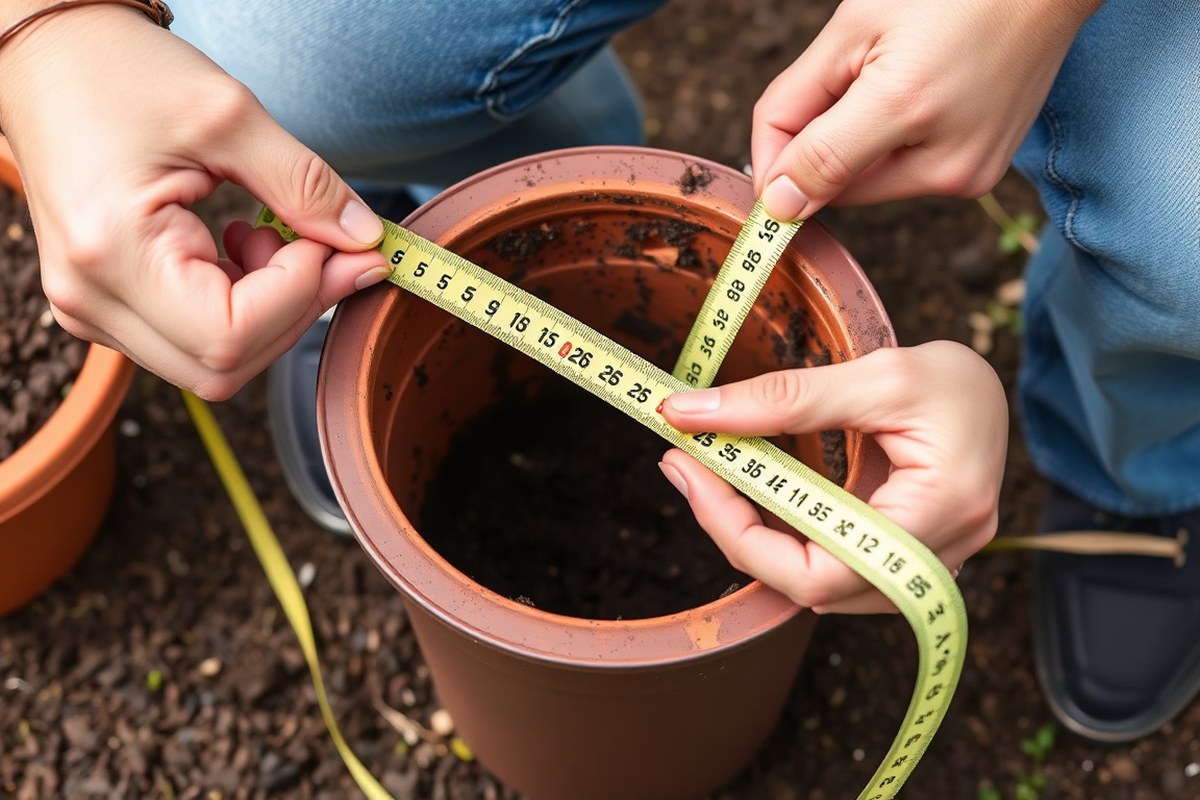
Measuring your pot’s inside dimensions is key to calculating soil volume. Use a tape measure to get the length, width, and depth for rectangular pots.
For round pots, measure the diameter and depth. When the pot narrows, record both the top and bottom widths.
Calculating soil volume depends on the pot’s shape. For round pots, use the cylinder volume formula: π × (radius)² × depth. Rectangular pots use length × width × depth.
Tapered pots need a conical frustum formula. This formula is more complex. Use it to avoid buying too much soil.
Filling the pot leaves space at the top for watering and airflow. Leave about 1 inch (8 to 10 percent of volume) empty.
This lets water soak in and prevents overflow. Also, soil settles after watering, so plan for that slightly lower fill.
- Measure inside dimensions with a tape: length, width, depth, and diameters for tapered pots.
- Choose the correct volume formula based on pot shape: cylinder, prism, or conical frustum.
- Calculate the volume using the measurements and formula; convert to cubic feet or quarts.
- Multiply the volume by how many pots you need to fill to get total soil volume.
- Adjust volume by filling only 90 to 92 percent to allow watering space and soil settling.
- Round up soil volume slightly to cover any measurement slips or pot shape irregularities.
For example, a round 12-inch diameter, 10-inch deep pot has a radius of 6 inches. Calculate its volume: 3.14 × 6² × 10 = 1,130.4 cubic inches. Divide by 1,728 (in³ per cubic foot) for about 0.65 cubic feet.
Filling to 90 percent means you need around 0.58 cubic feet of soil per pot. To find soil for three pots, multiply the soil amount by three.
Using the top rim diameter only can overstate volume by 15 to 25 percent. Measure inside dimensions carefully to avoid buying too much soil. Soil volume calculators ask for these exact measurements to give reliable results.
How Pot Shape Affects the Volume of Soil Required
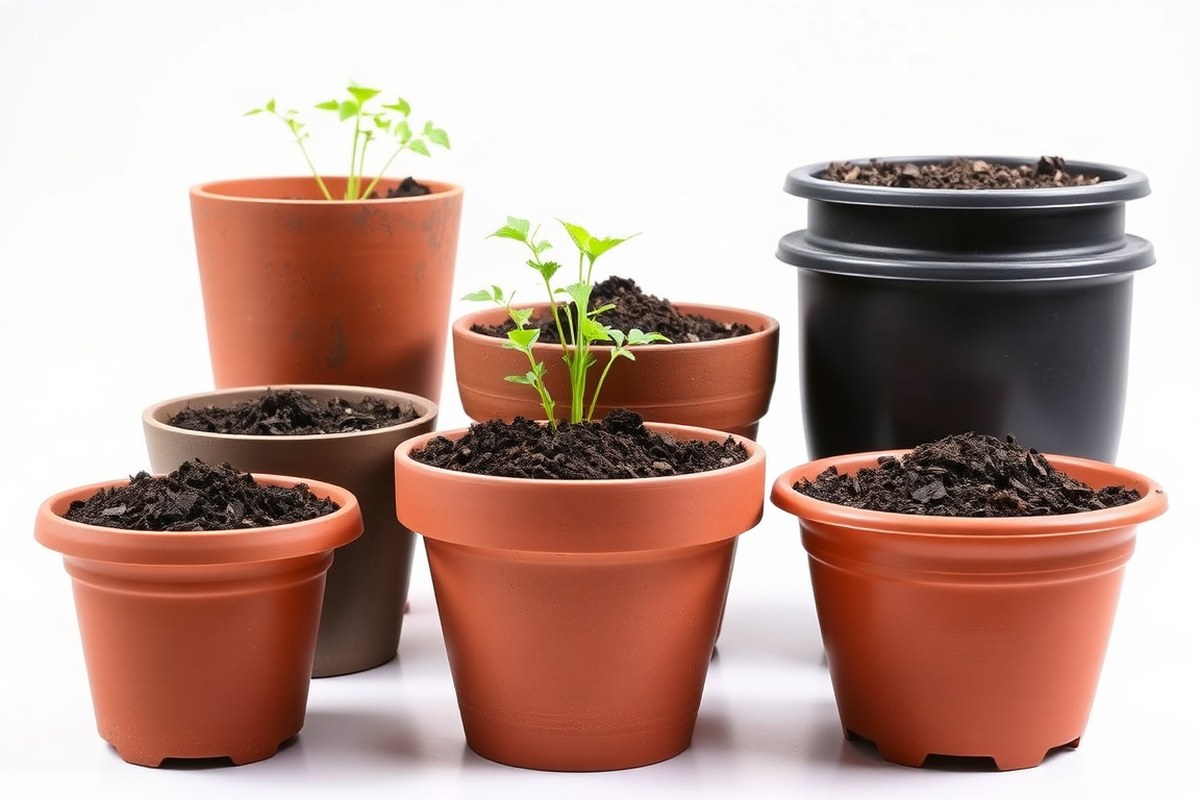
Tapered pots hold less soil than pots shaped like straight cylinders. This happens because the base diameter is smaller than the top diameter. Measuring only the top diameter can cause you to overbuy soil.
This mistake adds 15% to 30% more soil than needed. Always measure the pot’s full shape.
Round pots are usually cylindrical. So their volume uses the formula π × R² × depth. Square or rectangular pots need length and width, not just diameter.
Using one diameter for round and square pots causes errors. Square pots need different calculations than round ones. This affects how much soil you buy.
Oval and strawberry pots need less soil than round pots. They hold less soil even with the same top diameter. Plan to buy less soil for these shapes.
These shapes have smaller bottom areas and curves that reduce the total volume. Buy about 10% to 20% less soil for oval or strawberry pots.
These pots take less soil than round pots with the same diameter. Adjust your soil amount accordingly.
| Pot Shape | Top Diameter (in) | Depth (in) | Approx. Soil Volume | Notes |
|---|---|---|---|---|
| Round (Tapered) | 12 | 10 | 0.65 cu ft (about 20.7 qts) | Needs 15-30% less soil than cylinder |
| Round (Cylinder) | 12 | 10 | 0.75, 0.85 cu ft | When pots have no taper, expect to buy more soil. Straight sides hold more soil than tapered pots. Measure the pot’s shape to plan soil correctly. |
| Oval | 12 (top wide) | 10 | ~0.55 cu ft | About 10-20% less soil than round tapered |
| Square | 12 | 10 | ~0.80 cu ft | Length and width equal top diameter |
Measuring pots correctly means taking both top and bottom diameters into account. Also, measure the actual soil depth inside the pot. Don’t assume all 12-inch pots hold the same soil volume just because their tops match.
Always check if the pot is tapered before calculating soil volume using just the top diameter.
Use formulas or a soil volume calculator that matches your pot shape. For tapered pots, input the top and bottom diameters plus depth. This method prevents overbuying and saves you money on soil.
How Much Extra Soil Should You Buy to Account for Settling and Compaction?
You should buy about 10% to 15% more soil than your pot’s calculated volume. This extra soil covers natural settling, minor spills, and uneven shapes. Pots lose soil volume mainly after watering compresses the mix.
Typical Soil Settling Percentages by Container Size
Soil settles most right after the first watering. This happens because water pushes air out and compacts the mix.
Smaller pots tend to settle less, closer to 5% to 10%. Large pots sometimes settle up to 15% or more.
Taller containers show more compression since soil weight presses down harder. Wide, shallow pots settle less compared to deep, narrow ones. Knowing your pot’s shape helps predict how much soil volume will drop.
Recommended Safety Margins for Soil Purchase
Buy about 10% extra soil for small to medium pots. For bigger pots or irregular shapes, increase the safety margin to about 15%. This covers soil compression, small measurement errors, and spills during filling.
Leaving headspace of 1 to 2 inches below the pot rim lets water soak without spilling. You don’t need soil to fill right to the top rim.
Factoring headspace lowers your initial soil volume. So the extra soil covers filling up after settling.
- Calculate your pot volume first in quarts or liters
- Pick 10% extra for pots under 5 gallons
- Use 15% extra for pots larger than 5 gallons
- Leave 1-2 inches headspace to avoid overflow
- Account for uneven pot shapes adding soil needs
- Remember minor spillages when moving soil bags
Potting soil bags sometimes round up volume, so a small safety is built in. Still, adding your own extra cushion ensures you won’t run short.
Practical Tips to Manage Soil Compression over Time
After filling pots, check soil level about a week later. Add more soil if you see it has dropped. Keep soil topped off to maintain proper growing conditions for roots.
Avoid pressing soil down hard while filling. Lightly tamp for stability but don’t compact it. Compacted soil reduces air pockets roots need and leads to more settling.
Plan soil purchases in batches if you have many pots. Buying all at once with extra soil can save trips but may waste space if unused. Buying in stages lets you adjust volume and reduces leftover soil.
Common Container Types and Their Typical Soil Volumes
Different containers need very different amounts of soil. Knowing these amounts helps you buy the right soil volume without waste. It also saves you some trips to the garden store.
For example, a 5-gallon bucket holds about 25 quarts of soil. Hanging baskets around 10 inches wide take roughly 8 quarts.
Grow bags and raised planter boxes vary by size. But you can use typical gallon sizes as a rough guide.
| Container Type | Nominal Volume | Approx. Soil Volume | Usual Size (Diameter × Depth) |
|---|---|---|---|
| 5 Gallon Bucket | 5.0 gal | 25 qt (0.836 ft³) | 12″ × 11″ |
| 10″ Hanging Basket | , | 8 qt (0.267 ft³) | 10″ diameter |
| 7 Gallon Grow Bag | 7.0 gal | 28 qt (0.936 ft³) | 14″ × 12″ |
| 24″ Window Box | , | 50 qt (1.671 ft³) | 24″ length, 6″ depth |
| 12″ Patio Pot | , | 16 qt (0.535 ft³) | 12″ diameter |
For grow bags or raised boxes, measure dimensions and use a soil volume calculator. For raised beds, multiply length by width by depth in feet. For example, a 2′ by 4′ bed at 10″ deep holds about 0.67 cubic feet (or 171 dry quarts) of soil.
It’s good to fill pots to about an inch below the rim. Soil settles over time, so buy a bit more soil.
One or two extra quarts per pot can save you a later trip to add soil. Bags typically come in 8-quart units, so estimate total quarts needed and round up.
Differences Between Potting Soil, Potting Mix, and Garden Soil
Potting soil often has some real soil mixed in with organic materials. It may contain dirt, compost, or peat moss combined to offer nutrients and structure.
This makes potting soil heavier and denser. So it holds water better but drains slower than soilless mixes.
Potting mix, also called soilless mix, doesn’t include any actual garden soil. It usually consists of peat moss, coco coir, perlite, vermiculite, bark, and similar materials. These ingredients make potting mix lighter and more airy.
This helps roots breathe better. It also drains faster to stop waterlogging.
Garden soil is designed for outdoor planting and isn’t good for pots. It’s denser and can compact easily, causing poor drainage in containers. Water pools above a gravel layer when using garden soil in pots.
This can suffocate roots. It often causes root rot.
Using potting mix in containers balances moisture retention and drainage. The mix holds enough water for plants without letting it sit and cause damage. Plants like orchids and succulents need special potting mixes.
These mixes use coarser or faster-draining materials. They suit the plant’s specific needs.
Choosing the wrong soil can hurt plant health. Garden soil can cause drainage problems. Potting soil might retain too much moisture for some plants.
Potting mix is lighter and safer for container plants. It keeps roots oxygenated and avoids soggy soil. This helps plants grow well.
Top off pots with fresh potting mix if soil settles or drops below the pot rim. Reusing old soil without refreshing it risks nutrient loss and biological tiredness. Premium potting mixes usually cost more but give your plants a better chance to thrive.
Never use garden soil in pots. It compacts and harms root health by trapping water.
How to Use a Potting Soil Calculator for Accurate Estimation
Using a potting soil calculator saves you time and guesswork. It gets you a close soil amount estimate fast for different pots. These tools make sure you buy just enough soil for your containers.
Choosing the Right Calculator for Container Shape
Pick a calculator matching your pot’s shape to get valid results. Many calculators cover common shapes like round, square, or rectangular. For other shapes, some offer options for tapered or irregular pots.
Online garden sites often provide shape-specific calculators free of charge. Make sure the tool asks for the right dimensions, like diameter or side length. Avoid calculators meant only for garden beds if you’re working with pots.
Entering Accurate Pot Measurements
Gather your pot’s inside measurements before starting the calculator. Use a tape measure to record width, diameter, and height in inches or centimeters. Note the measurement units the calculator requires and convert if needed.
Measure the soil space, not the pot’s full height. The rim may stick up above the soil line. Only count the area where soil will go.
This method stops you from ordering too much soil. Round pots need diameter and height; square pots need side length and height.
Adjusting Calculator Outputs for Fill Level and Settling
Calculators usually assume filling pots to the rim and soil packed uniformly. You may want to leave some space for watering or plant growth.
So reduce fill levels slightly. For soil settling, add about 10% over the calculator’s output.
Adjust filling based on your plants’ needs: shallow fill for succulents, full fill for vegetables. Buy a bit more soil than the calculator shows to avoid multiple trips. One 1.5 cubic-foot bag fills roughly twelve 12-inch pots, so plan accordingly.
Follow these steps to get your soil estimate using a potting soil calculator:
- Find a reliable calculator online designed for container gardening.
- Select the container shape that most matches your pot.
- Measure the inside dimensions carefully with a tape measure.
- Enter these numbers into the calculator, converting units if needed.
- Choose your desired soil fill level or stick with the default full fill.
- Note the soil volume or weight the calculator suggests.
- Add 10% extra soil to cover settling and minor waste.
- Compare volumes to bag sizes available locally before buying.
Practical Tips to Avoid Buying Too Much or Too Little Soil
Buy a little extra soil to avoid running short mid-project. For small indoor pots, 5 to 10 percent more soil usually works well.
Larger pots may need more. But avoid buying more than one extra standard bag to limit waste.
Choosing soil bags that fit your required volume makes buying simpler. Most bags come in sizes like 1, 1.5, or 2 cubic feet. For instance, four pots of the same size use roughly one 2.5 cubic foot bag plus one 8-quart bag or two 1.5 cubic foot bags.
Keep leftover soil fresh by storing it properly. Use a clean plastic tub or garbage can with a lid. Store it in a dry place so it stays usable for your next planting.
- Always round soil volume to the nearest standard bag size to reduce waste
- Buy one bag extra for potential settling and compaction in the pot
- Store leftover soil indoors, away from moisture and pests
- Use smaller bags (8-quart) for filling a few small pots efficiently
- Consider bulk soil if you fill several large containers or raised beds
- Write down exact pot volumes and calculate before shopping to avoid trips
Getting soil volume close to what you need helps save money and time. Too little soil means stopping work mid-project and extra trips to the store. Too much soil creates extra storage problems.
It can dry out or spoil. Avoid buying more soil than you need.
Buying soil bags that match your pot volume helps prevent mismatch. This mismatch is often about 10 to 15 percent. It saves waste and extra trips to the store.
This small difference adds up if you buy many bags. Use the same units for pot size and soil volume.
Cubic feet or liters both work fine. This helps you pick the right bag easily.
How to Measure Pots Accurately for Precise Soil Volume Calculations
Measure the inside dimensions of your pots to get the right soil volume. Check the top diameter and the base diameter on tapered pots. Also measure the soil depth you want to fill.
Use a ruler or tape for accuracy. These measurements help calculate how much soil fits without guessing.
Measuring Inside Diameter and Base Diameter
Always measure inside the pot, not the outside. The pot wall thickness varies, so outside measurements give wrong soil volume. Use a tape measure or ruler to get precise numbers.
For round pots, measure straight across the top rim’s inside from one edge to the other. Measure the inside diameter at the pot’s narrow base too.
This helps get exact soil volume for tapered pots. This gives the two different widths for volume calculations in tapered pots.
Follow these steps to measure diameters correctly:
- Place the pot on a flat surface for stability.
- Use a tape measure inside the rim to find the top diameter.
- Record that number in inches or centimeters.
- Measure the base inside diameter in the same way for tapered pots. Accurate base size matters for soil calculation.
- Write down both numbers clearly for later calculations.
Measuring outside edges makes soil volume estimates too large. Stick to inside measurements only.
Determining Usable Soil Depth Accounting for Headspace
Don’t measure the pot’s full height if leaving space on top. Leave 1 to 2 inches empty to stop soil spills. This free space is called headspace.
Use a ruler or tape to measure from the pot bottom inside. Measure up to the soil level you plan to fill. This is your usable soil depth.
The soil depth may be less than the pot height you measured. This avoids filling all the way to the rim.
Follow these steps to measure depth:
- Decide how much headspace you want (usually 1, 2 inches).
- Place the ruler against the pot’s inside wall from bottom up.
- Mark where the soil level will stop to allow headspace.
- Note this usable soil depth for volume calculation.
Counting full pot height without subtracting headspace causes soil overbuying.
Tips to Avoid Common Measurement Errors
Don’t estimate pot sizes by guesswork or outside edges. Both can cause major mistakes. Use a tape measure for exact inside diameters and depths.
Tapered pots need both top and base diameter measured, not just one. Neglecting the base diameter can overestimate soil volume by up to 23 percent in tapered pots. Record all numbers legibly to prevent confusion.
Take notes on your measured pots for future soil buying. Containers vary, so keeping records helps avoid repeat errors. Measure more than once to confirm accuracy.
Rushing or eyeballing leads to buying too much or too little soil. Take your time measuring carefully.
Step-by-Step Action Plan for Buying the Right Soil Amount
Use this simple guide to calculate and buy the right soil volume for your pots. Follow the steps to avoid wasting soil or running out midway.
- Before you buy: Measure your pot’s dimensions accurately using a tape measure. Confirm if the pot is round, square, or another shape to calculate volume properly.
- Right after measuring: Calculate the soil volume using the formula for your pot’s shape. Use a potting soil calculator online if you prefer automatic help.
- Same day: Add 10% to 20% extra soil for settling and compaction to your total volume. This will prevent running short once the soil compresses.
- When buying: Check what type of soil you need. Match the soil to your plants’ needs and drainage. Buying the correct type helps your plants thrive.
- Right after shopping: Fill your pots slowly and check how much soil you actually use. This helps confirm your volume estimate was accurate.
- Within a week of potting: Monitor soil settling and top off soil if needed. Keep your soil level right below the pot’s rim for best moisture control.
- After 2 weeks: Check plant health and soil level. Plants look weak or soil seems low? Add more soil or amend as needed.
Frequently Asked Questions
How Many 40 Lb Bags of Soil Do I Need?
A 40 lb bag typically holds about 0.45 cubic feet of soil. Measure your pot’s volume in cubic feet and divide by 0.45 to estimate. Getting one extra bag can help cover settling or mistakes.
How Many Bags of Potting Soil Do I Need for a 5 Gallon Bucket?
A 5 gallon bucket needs about 0.67 cubic feet of soil. Since a 40 lb bag holds around 0.45 cubic feet, you’ll need roughly 1.5 bags to fill one bucket. Round up to avoid coming up short.
How Much Does Soil Weight Vary Between Bag Sizes?
Soil weight changes with moisture content and bag size but is usually listed on the package. A 40 lb bag is common.
But smaller bags weigh less and have less volume. Check each bag’s label for exact details.
Can I Reuse Soil from Old Pots Instead of Buying New?
You can reuse soil but it may be depleted and compacted. Refresh it with compost or new potting mix to improve aeration and nutrients. Avoid using old soil that held diseased plants to prevent spread.
Does Soil Volume Change After Watering or Settling?
Yes, soil settles and compacts after watering and over time. Expect around 5-10% volume loss, so buy a bit extra to compensate. Avoid overpacking pots to keep soil aerated and roots healthy.
How Do Pot Shape and Style Affect Soil Needs?
Pot shape changes soil volume needed due to tapering or curves. For example, square pots hold more soil than round pots of the same width. Use a potting soil calculator to get precise volume depending on pot style.
Wrapping Up
Knowing your pot’s size and soil type helps you buy just the right amount. Start by measuring your pots carefully in inches or centimeters.
Grab the soil volume you calculated. Your plants will thank you with healthy growth.