What Caterpillars Are Poisonous: Top Species, Signs & Safety Tips
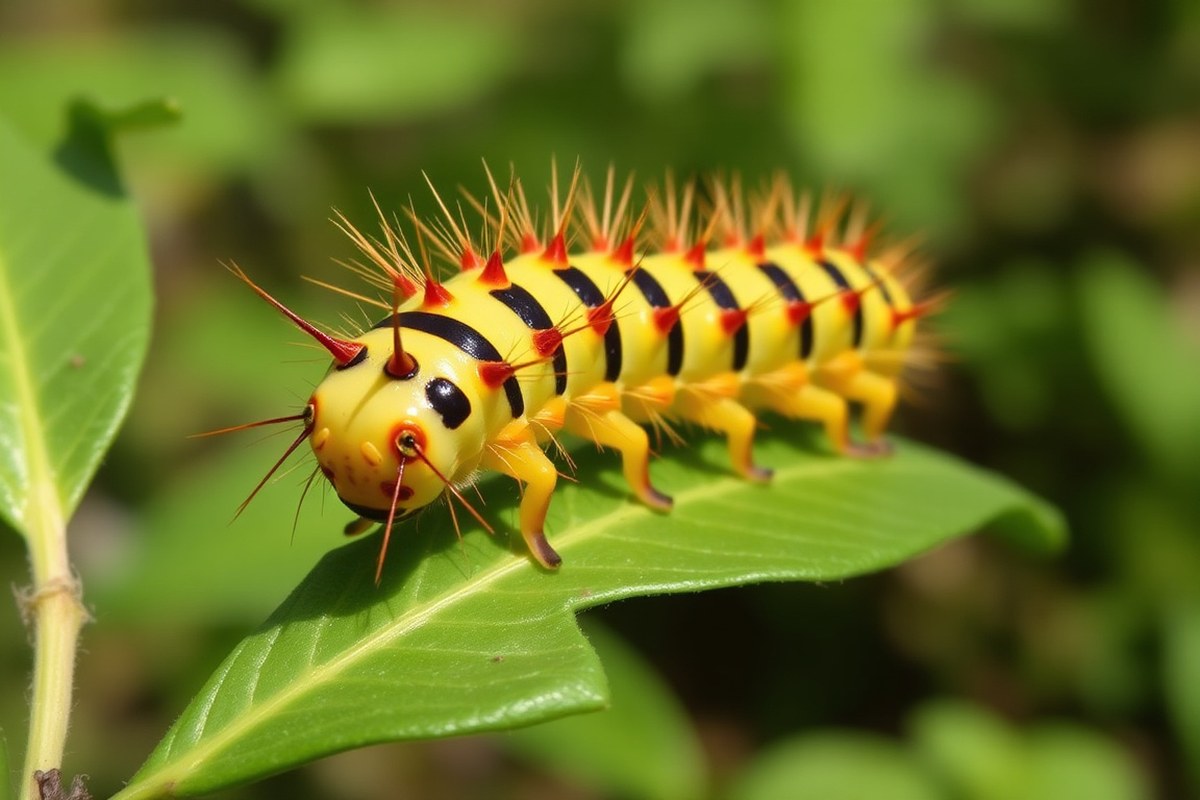
What caterpillars are poisonous is a common question for anyone who spends time outdoors. Several types have venomous spines or hairs that cause pain or allergic reactions. Avoid touching unknown caterpillars, since some stings can hurt badly or cause swelling.
Poisonous caterpillars usually have bright colors or spiky hairs as warnings. Their venom works by injecting toxins into your skin when you brush against them. These toxins then trigger itching, redness, or even more severe symptoms in sensitive people.
When you see a hairy or brightly colored caterpillar, keep your distance. Remember that even small ones, about 2 inches long, can deliver a painful sting. Wash the area with soap and water immediately if you get stung.
Key Takeaways
- Bright colors or spiky hairs often indicate poisonous caterpillars.
- Avoid touching caterpillars you can’t positively identify.
- Venomous spines inject toxins that cause pain and swelling.
- Some caterpillars cause mild reactions; others trigger stronger allergies.
- If stung, wash skin with soap and water right away.
- Swelling and pain usually start easing within a few hours.
Which Caterpillars Are Poisonous and How Venom Works
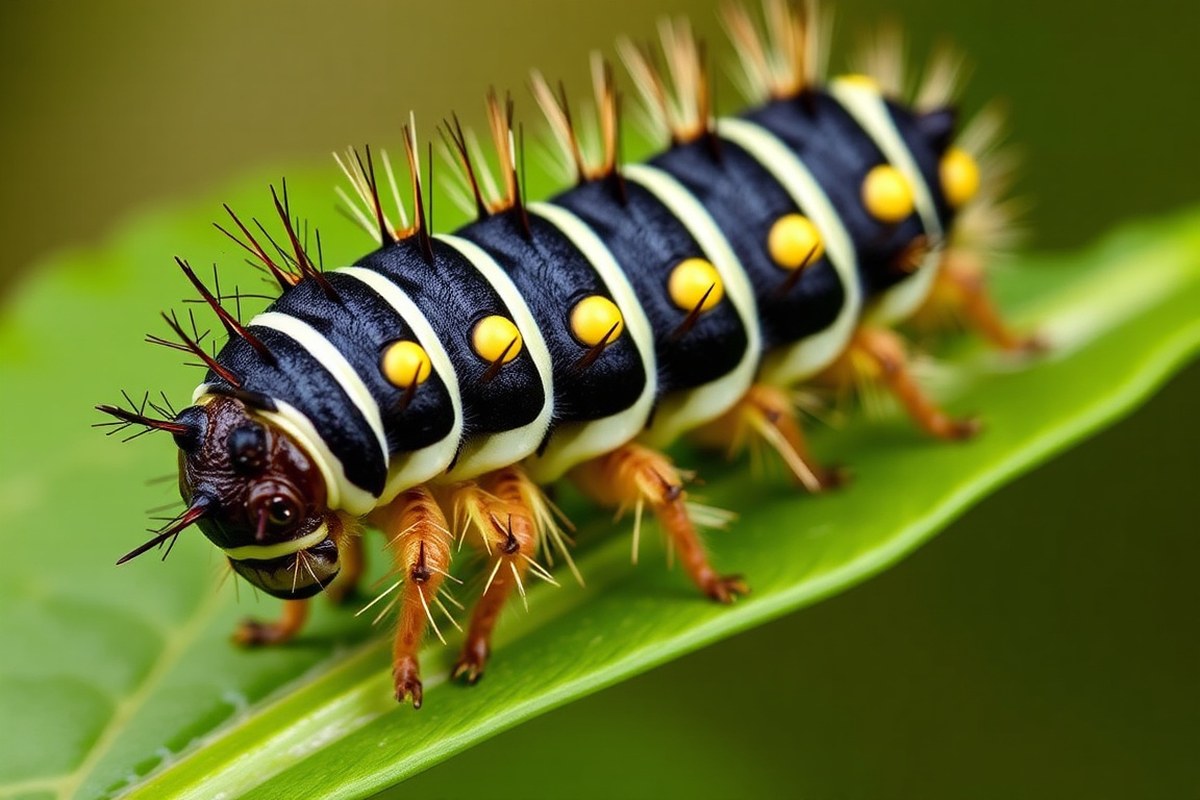
Poisonous caterpillars can harm you by touch, breath, or if eaten. They carry toxic substances in their skin or bristles that trigger reactions in humans. These toxins help caterpillars keep predators away.
That’s why some have bright colors or sharp spines. They use these features as a defense.
Venomous caterpillars differ because they inject venom through tiny hollow spines or barbs. These spines connect to venom glands that release toxins when the caterpillar is touched. The venom enters your skin and causes stinging, itching, or even pain like a bee sting.
Venom in caterpillars works by targeting specific cell receptors in your body. One example is a protein toxin that activates TRPV1. TRPV1 is the same receptor capsaicin in hot peppers triggers.
This toxin works like that. This triggers burning and inflammation, which discourages further contact with the caterpillar.
Not all poisonous caterpillars sting. But venomous ones usually have urticating setae, hollow barbed hairs connected to venom glands.
These spines can break off and stick in your skin. Some species’ barbs even become airborne and cause breathing problems if inhaled deeply.
Many poisonous caterpillars show warning colors or unusual shapes to warn you not to touch them. However, some harmless species look similar, so identifying them can sometimes be tricky.
Remember that size varies too. For example, buck moth caterpillars can grow up to 2.5 inches long.
Top 10 Most Poisonous Caterpillars with Identification Guide
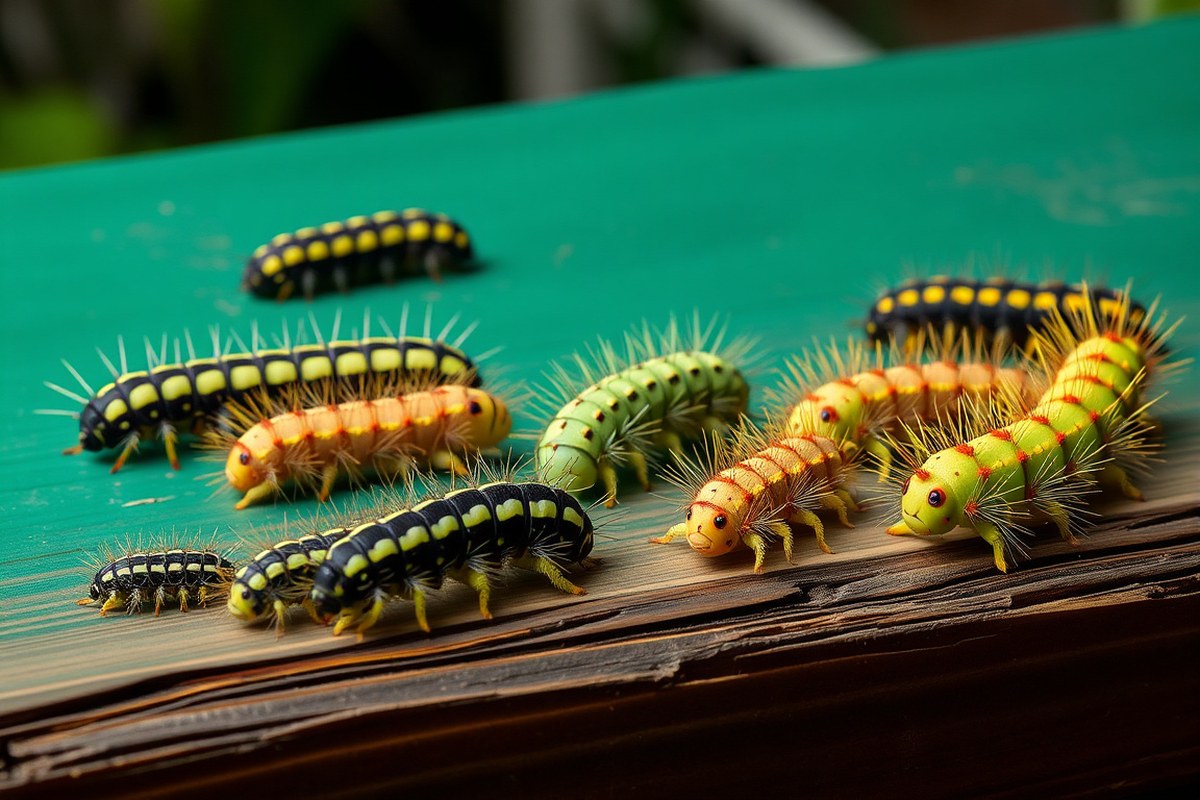
Many poisonous caterpillars show bright colors and sharp spines to warn you. These warning colors mean their sting can cause serious pain or allergic reactions. Many live in North and South America, especially South America with the most dangerous ones.
Below is a table listing the top 10 venomous caterpillars. It shows their size, appearance, where they live, and how bad their sting can be. Use this to spot dangerous species and avoid them when outdoors.
| Species | Region | Size (inches) | Appearance | Sting Severity |
|---|---|---|---|---|
| Puss Caterpillar | Eastern U.S. (NJ to FL, TX) | 1.5, 2 | Furry, slug-like, thick fur with venomous spines | Severe pain, possible swelling |
| Io Moth Caterpillar | Eastern North America | 2, 3 | Green body with bright orange and blue spines | Intense burning sensation |
| Automeris Moth Caterpillar | South America | 2, 3.5 | Bright green with sharp spines | Severe pain, rash |
| Giant Silkworm Moth Caterpillar | South America | 3, 4 | Yellow body, long venomous spines | Strong pain, blistering |
| Brown Hickory Tussock | Eastern North America | 1, 1.5 | White and brown fuzzy with stinging hairs | Mild to moderate sting |
These caterpillars usually hide on leaves, tree branches, and shrubs. Avoid touching furry or spiny caterpillars, especially if they have bright colors. Keep kids away from them, as curiosity can lead to painful stings.
Never touch caterpillars with bright colors or spines, even if they look soft or fuzzy.
Spotting caterpillars by size and look helps you stay safe outside. They range from just over an inch to four inches long.
Some, like the puss caterpillar, look fuzzy but have venom hidden under the fur. Others flash bright patterns that warn you not to get too close.
How to Identify Poisonous Caterpillars Safely
You can spot poisonous caterpillars by looking for bright colors, spines, or hairs. Not all hairy or spiny caterpillars are dangerous.
But most venomous ones have these features. Avoid touching any caterpillar that looks like this to stay safe.
Distinctive Colors and Markings to Watch For
Poisonous caterpillars often have bright colors like yellow, green, red, or orange. These colors serve as warnings to predators.
So pay close attention to any unusual, vivid patterns. However, there isn’t a strict color code that applies to all venomous species.
Look for bold stripes, spots, or bands along their bodies. The Io Moth caterpillar has bright lime-green skin. It shows red and white stripes.
These colors make it easy to spot. Bright and contrasting patterns usually mean the caterpillar should be left alone.
Recognizing Venomous Spines and Hairs
Venomous caterpillars don’t sting like bees but use tiny, hollow spines or urticating hairs instead. These hairs or spines break off in your skin. They release toxins that cause irritation.
Sometimes, they cause worse symptoms. Hairy or spiny doesn’t always mean dangerous. But most poisonous ones do have these features.
Watch for spines that look sharp and arranged in tufts or clusters. Caterpillars like the spiny oak slug have defensive spines that can hurt you. Fine hairs cover the body and hide venomous barbs.
The puss caterpillar has these barbs beneath hairs. That makes it dangerous.
Behavioral Clues and Habitats
Poisonous caterpillars often stay still and don’t bite or chase when disturbed. Their stinging happens only when you touch or brush against them by accident. They live on leaves, branches, or trunks of trees.
You often find them in gardens or on hiking trails. Watch out around shrubs.
Some venomous species stick to certain host plants. Knowing native species in your area helps avoid accidental contact. Vegetation like oak trees often hosts venomous caterpillars, so watch carefully there.
- Avoid reaching into dense leaf clusters without checking first
- Wear gloves when gardening or handling plants in wooded areas
- Keep children and pets away from unknown caterpillars
- Learn local venomous species to recognize them quickly
- Use binoculars to observe caterpillars from a distance while hiking
- Use guides or apps that show pictures of local poisonous caterpillars
These steps lower your chances of accidental stings while letting you enjoy nature safely. Pay attention where you put your hands or feet outdoors. Remember, it’s safer to look than to touch any unknown caterpillar.
What Happens After a Caterpillar Sting: Symptoms and Timing
When a poisonous caterpillar stings, the pain usually starts right away. The venomous spines break off in your skin. They cause sharp, intense pain.
This pain can last for several hours. Some people feel pain from their hand to shoulder.
This pain can last up to 12 hours. It can be quite intense.
Skin reactions often include redness, swelling, and itching where the sting occurred. Blisters or welts may also form, especially if you scratch the affected area. These symptoms typically appear quickly but can last a few days as the skin heals.
Allergic reactions vary widely depending on your sensitivity. Mild allergies cause itching and swelling. Severe allergies can lead to a life-threatening condition.
This condition is called anaphylaxis. Immediate medical help is important if you notice trouble breathing, dizziness, or widespread swelling after contact.
Other symptoms, like nausea, migraines, or respiratory distress, can appear in some cases. These may not happen right away and could be delayed hours after the initial sting. It’s important to watch for any unusual or worsening signs even after the first few hours.
Some caterpillar venoms can cause reactions beyond the skin, affecting your whole body. Serious cases are rare but can happen. They occur mostly in people with allergies or weak immunity.
Watch out if you fit these categories. Getting prompt treatment helps manage symptoms and prevent complications.
Pain from less severe stings usually fades within a day. But swelling and skin irritation might stick around longer.
Applying cold packs and taking antihistamines can reduce discomfort and inflammation. Avoid scratching to prevent infection and slow healing.
First Aid and Treatment for Poisonous Caterpillar Stings
The first thing you should do if a poisonous caterpillar stings is remove any spines from your skin. Do this carefully to avoid breaking them and pushing them deeper. Use tweezers if needed to pull out the spines gently.
Then clean the area well and cool it down to reduce pain and swelling. Watch for severe symptoms and get medical help if problems worsen or spread.
Removing Spines Safely
Spines may remain embedded in your skin even after you pull away. Leaving spines behind keeps venom in the wound and makes pain last longer. Use a piece of sticky tape like cellophane or duct tape to lift out spines carefully.
Press the tape on the affected spot and peel it off slowly. Repeat with fresh tape until no more spines come up. Avoid scratching or rubbing the area because that can push spines deeper or cause infection.
Cleaning and Soothing the Affected Area
After removing spines, clean the skin with soap and cool running water. Washing helps remove venom traces and lowers chances of infection. Avoid using hot water because it may increase irritation.
Put a cold compress or ice pack on the sting area. Wrap the ice pack in a cloth first. This helps reduce swelling and numb the pain quickly.
Keep the compress on for 10 to 15 minutes at a time with breaks in between. This simple step helps control pain and itching.
Medications and When to See a Doctor
Over-the-counter creams or oral antihistamines can ease itching and swelling. Pain relievers like ibuprofen or acetaminophen may help with soreness and inflammation. Follow package instructions and don’t exceed recommended doses.
Seek medical attention if you experience symptoms like chest pain, difficulty breathing, dizziness, or severe blistering. Also get help if redness and swelling spread or if pain worsens after 24 hours. Emergency care may be needed for allergic reactions or infections.
- Remove spines with sticky tape, not tweezers or fingers
- Wash the area thoroughly with soap and cool water
- Apply cold compresses in 10- to 15-minute intervals
- Use antihistamines or pain relievers as directed
- Monitor symptoms carefully for signs of infection or allergy
- Do not scratch or irritate the wound further
- Contact a doctor if severe symptoms appear
Never try to squeeze out caterpillar spines or rub the sting area hard. This can push venom deeper or cause infection.
The Most Dangerous Caterpillars Around the World and Regions
Poisonous caterpillars live in many parts of the world. But their types and dangers differ. For example, the deadliest ones like Lonomia obliqua are found mostly in South America.
These caterpillars cause serious harm or death in adults with their strong venom. Other poisonous species live in North America, Europe, Asia, and Australia. They tend to be less deadly than some of the worst kinds.
Their venom amounts change depending on age and season. Younger caterpillars often have weaker venom, growing stronger as they mature.
Most stinging caterpillars show peak activity in spring and fall when they actively feed and grow. That’s when people usually come in contact with them, especially during outdoor activities or gardening.
Poisonous caterpillars live mainly on trees and shrubs. They can be found on common plants like oaks, elms, and citrus trees. Sometimes, these caterpillars fall from trees onto people, causing accidental stings.
Knowing when and where to expect them helps you avoid painful encounters. The table below shows some deadly caterpillars and where they live. It also lists the seasons when they are most active.
| Caterpillar Species | Region | Typical Host Plants | Active Seasons | Venom Strength |
|---|---|---|---|---|
| Lonomia obliqua | South America | Various forest trees | Spring, Fall | Very strong |
| White Cedar Moth Caterpillar | North America | Cedar trees | Fall, Spring | Moderate |
| Stinging Oak Caterpillars | North America | Oaks, Elms | Spring, Early Summer | Moderate to strong |
| Australian Processionary Caterpillar | Australia | Native trees and shrubs | Spring, Summer | Strong |
| Asian Oak Caterpillar | Asia | Oaks and related trees | Spring, Summer | Moderate |
Regional differences matter because certain plants attract specific caterpillars. Their venom levels reflect their diets and local climates. Also, their population numbers can rise or fall a lot depending on food availability and parasites.
Seasonal timing points to when you should take care, especially in spring and fall. Outdoor workers and hikers need to watch for these times to reduce risks.
You can usually avoid these caterpillars by steering clear of their host trees during active seasons. Checking leaves before touching or removing them helps, especially in yards and parks. Knowing about these caterpillars’ busy months and habitats lets you enjoy nature safely without surprises.
Common Myths and Mistakes About Poisonous Caterpillars
Not all caterpillars with hairs can sting or cause harm. Some have soft hairs that don’t release venom or irritants. The hairs that sting have venom glands at their base.
They release toxins only if the hairs break the skin. Rubbing the hairs also triggers the venom to enter your body.
Some caterpillars are poisonous only if eaten. The toxins stay inside the caterpillar’s body tissues. They mainly threaten birds, pets, or children who swallow them.
Otherwise, they don’t pose much danger. Touching these caterpillars usually won’t cause a sting. But it can still lead to mild skin reactions for sensitive individuals.
Many people make mistakes when handling caterpillars, often thinking all hairy ones are harmful or safe. Careless picking or brushing against these insects can cause stings or allergic reactions like dermatitis. It’s best to avoid direct contact, especially with unfamiliar species.
- Don’t touch caterpillars with bare hands, even if they look harmless.
- Avoid rubbing eyes or skin after touching plants or fabrics near caterpillars.
- Teach kids not to grab or eat caterpillars to prevent poisoning.
- Use gloves or a stick to move caterpillars if needed in the garden.
- Stay informed about local poisonous caterpillar species to spot risks.
Some caterpillars build cocoons on outdoor furniture or buildings, creating hidden hazards. These spots can cause unexpected stings if people unknowingly brush against them. Staying aware of where these nests appear helps you avoid contact.
A venomous caterpillar sting usually causes redness and itching. These symptoms can last a few days to several weeks. The reaction typically stays on your skin only.
Serious reactions are less common. Taking care not to disturb these insects lowers the chance of painful encounters while outdoors.
Preventing Contact and Staying Safe Outdoors
To avoid caterpillar stings outdoors, wear protective clothes, watch plants closely, and keep kids supervised. Poisonous caterpillars often hide on leaves or tree trunks where you might not expect them. Taking these steps helps you enjoy nature without painful surprises.
Protective Gear and Clothing
Covering your skin lowers the chance of caterpillar stings. Long sleeves and pants create a barrier between you and any caterpillars on plants or brush. Wearing gloves is a smart move when gardening or doing yard work.
Choose light-colored clothes so you can spot any critters before contact. Closed-toe shoes help protect your feet during hikes or outdoor chores.
Insects often cling to boots or pants legs. So tuck pants inside boots if you can.
- Long-sleeve shirts and long pants
- Garden or work gloves
- Closed-toe shoes or boots
- Light-colored clothing for easy spotting
- Tuck pants into boots or socks
These items cost little but cut risk significantly. Wear them every time you go outside.
They are best in caterpillar-heavy areas. This helps you have safer fun and fewer doctor visits.
Inspecting Plants and Play Areas
Look carefully at plants before touching. Check leaves, branches, and tree trunks for hairy or bright-colored caterpillars. Poisonous caterpillars like puss or saddleback blend with leaves.
They show warning patterns if you look closely. These patterns help you spot danger early.
When gardening or hiking, scan plants at eye level and below. At home, inspect kids’ play areas regularly to catch caterpillars early. Removing any you find helps prevent stings and illness.
- Scan leaves and branches for hairy or brightly colored caterpillars
- Focus on known host plants like maples, hibiscus, and willow
- Check play areas before outdoor playtime
- Remove visible caterpillars safely with a stick or tool
- Educate older kids on what to watch for
Doing this takes just a few minutes but can stop many stings. Avoid picking up unknown caterpillars, even if they look harmless.
Never handle caterpillars with bare hands, even if they appear fuzzy or soft.
Guiding Children and Pets Safely
Keep a close eye on kids in caterpillar prone spots. Teach them to avoid touching caterpillars or any insects on plants. Explain that pretty or fuzzy bugs can sting and cause pain.
Pets also risk stirring up caterpillars or getting stung. Stop them from sniffing or rolling in bushes or on ground with many caterpillars. Clean pets quickly if you suspect contact to reduce irritation.
- Supervise children closely outdoors, especially near trees and bushes
- Teach kids to look but not touch caterpillars
- Keep pets on leash or away from heavy vegetation
- Check pets’ fur and paws after walks
- Have a first-aid plan ready for bites or stings
Knowing these steps keeps kids and pets safer and avoids painful medical visits. Step in fast if a child shows sting symptoms to help them calmly and quickly.
Step-by-Step Action Plan for Staying Safe Around Poisonous Caterpillars
Follow these clear steps to identify and avoid poisonous caterpillars. This plan helps you protect yourself and others today.
- Before Outdoor Activities: Learn how to spot poisonous caterpillars using pictures or apps. You’ll feel more confident and less likely to get stung.
- Day of Outdoor Activity: Wear long sleeves, pants, and gloves when handling plants. You avoided itching or rash, so your barrier did its job.
- During Hikes or Gardening: Avoid touching fuzzy or spiky caterpillars directly. No new skin irritation means you kept a safe distance.
- After Exposure: If stung, wash the area with soap and water immediately. You should notice less pain or swelling after rinsing.
- Within a Few Hours: Apply a cold pack to reduce itching and swelling. Feel your skin calming down within minutes.
- If Symptoms Get Worse: Take an antihistamine or apply hydrocortisone cream. Improvement signals you’re managing the reaction properly.
- Seek Medical Help: Go to urgent care if you have trouble breathing or severe swelling. Quick treatment can prevent serious harm.
Frequently Asked Questions
Can Touching a Dead Caterpillar Still Cause a Sting?
Yes, some poisonous caterpillars have venomous hairs that remain active after death. Always avoid touching them, dead or alive, to prevent stings.
Do All Brightly Colored Caterpillars Indicate Poison?
Not all bright colors mean a caterpillar is poisonous. Many caterpillars use bright colors to warn predators.
These colors serve as a protective signal. Use other ID tips, like shape and habitat, to be sure.
Can Caterpillar Poison Cause Severe Allergic Reactions?
Yes, some people can have serious allergic reactions to caterpillar stings. Develop difficulty breathing or swelling? Get medical help right away.
Are Poisonous Caterpillars More Active During Specific Seasons?
Poisonous caterpillars generally appear in spring and early summer when they feed and grow. Being extra cautious outdoors during these times helps avoid contact.
Can Pets Be Harmed by Poisonous Caterpillars?
Yes, pets can get injured or sick if they touch or eat poisonous caterpillars. Keep pets away from caterpillars and watch them closely outside.
Do Poisonous Caterpillars Lose Their Venom as They Grow?
No, venomous caterpillars keep their toxins throughout their larval stage. Their defense is important until they transform into moths or butterflies.
Before You Go
Poisonous caterpillars can cause painful skin reactions you want to avoid. Learning to recognize them and act fast is key. Start by checking your area for these caterpillars so you know what to watch for.