How Much Do Tomatoes Cost: A Complete Guide to Prices and Savings
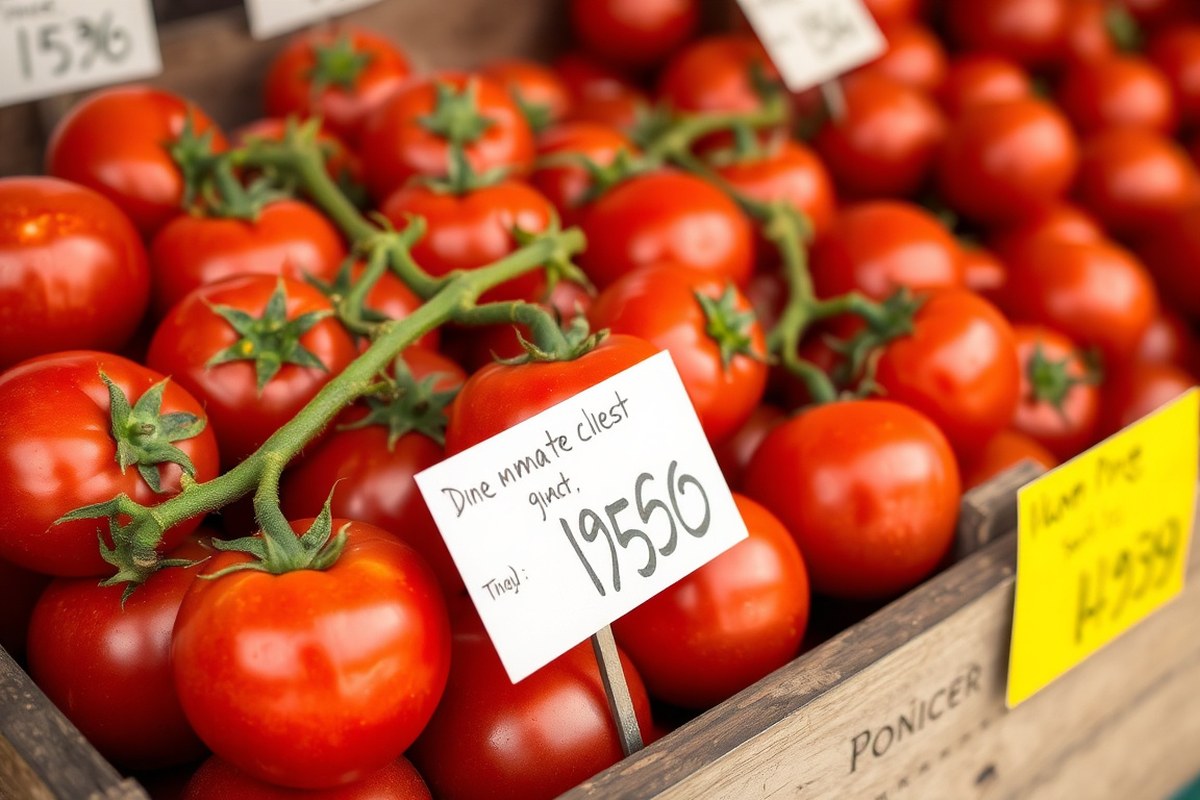
Fresh tomatoes usually cost between $1 and $4 per pound. Roma tomatoes are the cheapest option, often around $1 per pound. Heirloom tomatoes can go up to $5 per pound.
Prices depend on tomato type and packaging. Standard slicing tomatoes cost about $2.50 per pound. Organic and heirloom tomatoes generally cost more due to special growing methods.
You can save by watching for sales on organic and heirloom varieties. Local store prices change with the season and market. Bulk buyers pay less per pound, around $25 to $35 for 50 pounds.
Buying small amounts usually costs more per pound. Buying in bulk saves money if you can use or store tomatoes fast. Choose the quantity that matches your needs best.
Key Takeaways
- Roma tomatoes usually cost between $0.97 and $1.49 per pound.
- Standard slicing tomatoes average about $2.49 per pound at supermarkets.
- Organic vine tomatoes often cost around $3.50 per pound or more.
- Heirloom tomatoes usually sell for $4 to $5 per pound.
- Buying a 50-pound bushel saves money, costing about $25 to $35.
- Tomato prices often rise in winter and drop in summer.
Current Average Tomato Prices by Type and Packaging
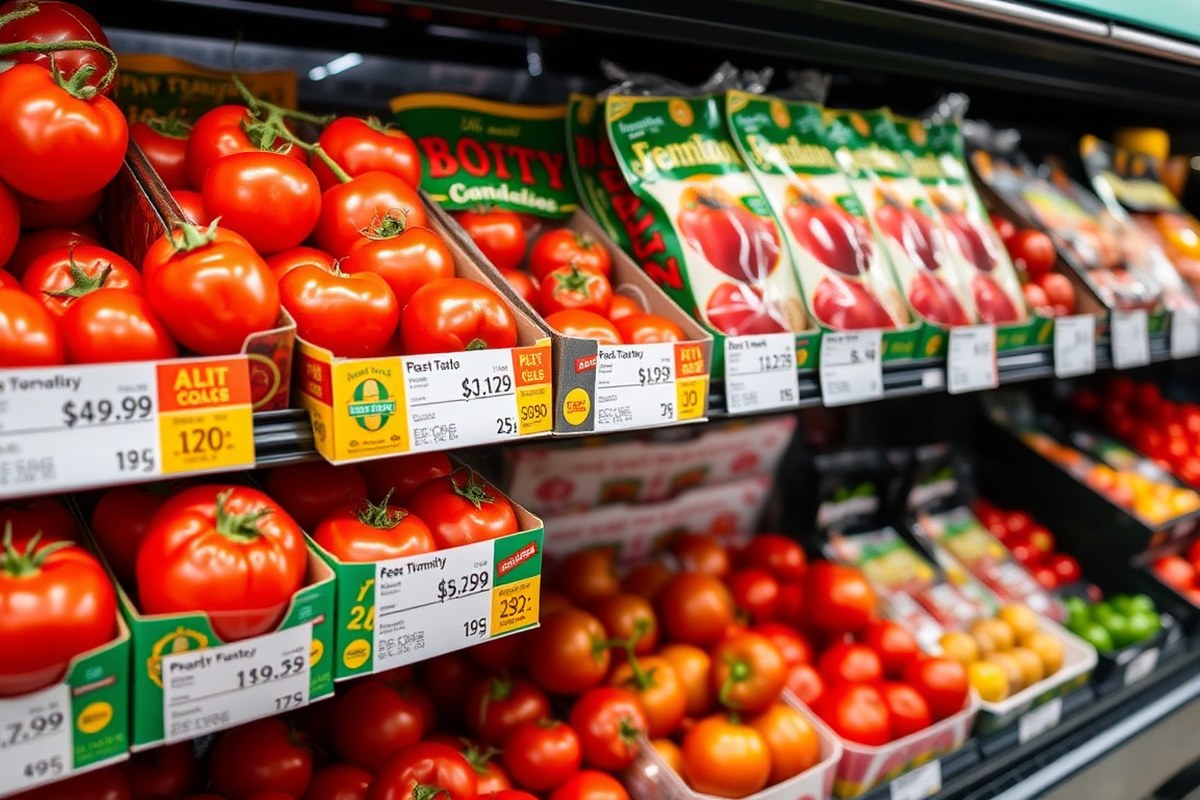
Fresh tomatoes usually cost between $1 and $4 per pound. Prices vary a lot based on the type and packaging. For example, Roma tomatoes sell for less than large slicing or heirloom varieties.
Small packaged tomatoes like cherry and grape types cost more per pound. They come ready to eat but are pricier because of packaging. Canned tomatoes offer a cheaper option per meal, typically close to $1.60 per 28 oz can.
| Tomato Type | Example Price | Equivalent Price per Pound |
|---|---|---|
| Roma | $0.97 – $1.49 per lb | $0.97 – $1.49 |
| Large slicing | $2.49 per lb | $2.49 |
| On-the-vine | $2.49 per lb | $2.49 |
| Organic on-the-vine | $3.49 per lb | $3.49 |
| Heirloom | $3.79 per lb | $3.79 |
| Grape (10 oz pack) | $2.99 | $4.78 |
| Cherry (10 oz pack) | $3.79 | $6.06 |
| Specialty cherry (12 oz pack) | $5.99 | $7.99 |
Prices for heirloom tomatoes often range from $4 to $7 per pound. They have a premium flavor but cost more to grow.
Cherry tomatoes sell for about $3 to $5 per pint. Grape tomatoes cost $4 to $5 per pint.
Canned whole tomatoes usually cost between $0.90 and $3 per 28-ounce can. They last longer and work well for sauces and cooking. Choosing fresh or packaged tomatoes depends on your budget and how you will use them.
How Seasonal and Regional Factors Influence Tomato Prices
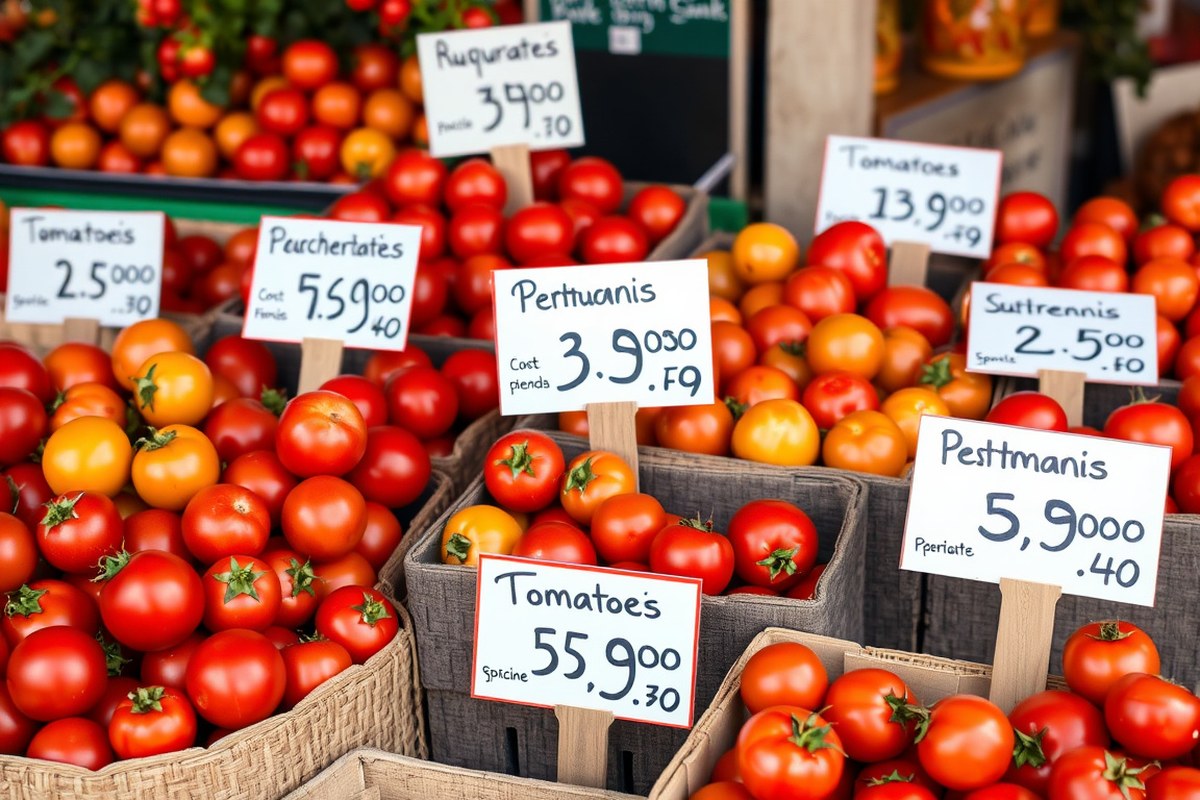
Tomato prices change a lot because of where you live and the time of year. Costs drop when local tomatoes are plentiful in summer. They rise in winter when stores rely on imports or greenhouse-grown tomatoes.
Seasonal Price Changes Throughout the Year
TOMATO prices are typically lowest during peak season from July to September. Local farms supply plenty, which lowers costs to about $1 per pound in supermarkets. Outside those months, prices rise to $3 or more.
Stores must import tomatoes or buy greenhouse ones. Importing raises the costs retailers face.
Protected agriculture, like greenhouses, helps keep prices steady year-round. This means you can find tomatoes most months, but they still cost more off-season. For example, prices climbed nearly 23% last year during the winter months.
Urban vs. Rural and Coastal vs. Inland Pricing
In cities, fresh tomatoes usually cost more than in rural areas. This is because shipping and demand are higher in urban centers. Prices along coasts can run 10% to 25% higher.
Transportation plays a big role in raising those costs. Storing tomatoes longer also adds to retail prices.
Rural markets often offer tomatoes closer to farm prices, sometimes 50% cheaper than in big cities. However, limited supply in those areas can make some varieties scarce seasonally, pushing prices up temporarily.
Imports and Tariffs Affecting Retail Prices
The U.S. Imports almost 70% of its fresh tomatoes, mostly from Mexico. These imports help keep tomatoes available year-round but can raise prices due to tariffs. A 17% tariff on Mexican tomatoes started in July, which increased retail prices in off-season months.
Tariffs plus transport costs mean imported tomatoes can cost 20% more than local produce. This makes tomato prices more sensitive to political and trade issues, especially outside harvest season.
How Local Supply and Demand Shape Costs
Local supply affects price more than most people realize. Bad weather in growing regions cuts tomato supply. That makes fresh tomatoes harder to find.
Prices tend to jump quickly during those times. Strong demand in urban stores can also push prices higher when local supply is tight.
Packaging and quality add another layer to costs. Farmers market tomatoes usually cost more than supermarket tomatoes.
They often taste better and feel fresher. You pay extra for that quality and freshness.
Look for in-season local tomatoes for the best price and flavor. Out-of-season ones usually cost more and lack freshness.
Understanding Wholesale vs Retail Tomato Pricing
Wholesale tomato prices at terminal markets range from $35 to $60 per carton. Prices vary based on tomato size and origin. Retail prices at supermarkets usually run $1 to $4 per pound.
A 25-pound carton at retail costs much more. This difference happens because retailers add their own costs and markups after buying tomatoes wholesale.
Typical Terminal Market Prices
Terminal market prices show what distributors pay per carton or box. These cartons often weigh around 25 pounds each. Prices vary by tomato type, size, and whether they come from local or imported sources.
The Atlanta terminal market shows vine ripe tomatoes sell for about $57 to $59 per carton. These prices reflect current trading. Mexican imports are generally a bit cheaper but fall within the same range.
| Market | Size | Origin | Price Range (per carton) |
|---|---|---|---|
| Atlanta | 4x4s | Domestic | $58.75 – $59.75 |
| Atlanta | 4x4s | Mexico | $58.00 – $59.00 |
| Atlanta | 5x5s | Domestic | $58.75 – $59.75 |
| Atlanta | 5x5s | Mexico | $57.00 – $59.00 |
These prices reflect carton weights and the current market demand before any retail markup. They give you a baseline for how distributors buy tomatoes.
Common Wholesale Packaging and Quantities
Wholesale tomatoes often arrive in cartons containing 20 to 25 pounds of fruit. These come in different pack sizes like 4x4s, 4x5s, 5x5s, or 5x6s. This “size” refers to the number of tomatoes per layer and layers per carton.
For example, 4×4 means 16 tomatoes per layer times the number of layers. These standard pack sizes help buyers estimate volume and cost quickly. Most wholesale sales happen in these carton units rather than single pounds or pieces.
Retail Markup and Pricing Factors
Retail prices typically include a markup of 30% to 100% or more over wholesale rates. This markup covers shipping, storage, store operations, and profit margin. For example, a 25-pound wholesale carton costing $58 works out to about $2.32 per pound.
At retail, you might see common slicing tomatoes priced at around $2.49 per pound. This means the store’s markup is around 7% or slightly higher in this case.
Specialty tomatoes sell for higher prices. Small grape or cherry tomatoes cost up to $7 or $8 per pound.
Price differences also reflect factors such as packaging size at retail, variety, organic certification, and season. Retail tomatoes come in smaller packages, like 1 or 2 pounds. These usually cost more per pound than wholesale cartons.
Major Factors Driving Tomato Prices Up or Down
Tomato prices depend heavily on labor and fuel costs. Workers handle planting, harvesting, packing, and loading tomatoes, requiring many labor hours. Rising wages or worker shortages make labor more expensive, pushing prices up.
Fuel costs affect tomato prices mainly through transportation. Most tomatoes travel by trucks that run on diesel fuel.
When diesel prices rise, so do shipping costs. These higher shipping costs get passed to you, the buyer.
Weather plays a big role in tomato prices by affecting crop yields. Bad weather like droughts, floods, or cold snaps can reduce yields and delay harvests.
Lower yields shrink supply, raising prices. Disease and pests can also cut yields.
Tariffs on imported tomatoes add to prices by increasing costs for sellers. These extra fees make imports less competitive. Tariffs can cut supply from countries like Mexico.
Mexico also deals with weather and disease problems. These factors combine to reduce tomato availability. This tightens the market and lifts prices in the US.
Energy prices influence tomato costs beyond fuel. Electricity powers greenhouses, packing facilities, and refrigeration. Greenhouse tomatoes usually produce higher yields but cost more to grow due to energy intensity.
When energy prices soar, tomato growers face higher operating costs. That can cause retail prices to increase.
- Labor costs rise with higher wages or fewer workers.
- Diesel price hikes increase shipping expenses for tomatoes.
- Bad weather lowers tomato yields and delays harvests.
- Tariffs add fees to imported tomatoes, reducing supply.
- Energy prices impact greenhouse growing and packing costs.
- Packaging and spoilage add extra costs to final tomato prices.
Prices often spike due to combined effects. For example, energy and fuel costs surged amid the Iran war, pushing tomato prices higher nationwide. Weather or disease outbreaks cause sudden supply shocks.
These shocks quickly push prices higher. Fresh tomatoes spoil fast, making this worse. Stores also add costs for packaging, refrigeration, and labor.
Tomato growers balance these cost drivers when planning production. Higher energy and labor costs may increase greenhouse growing. This helps supply last longer in some areas.
It extends fresh tomato availability by months. Yet, higher costs there limit just how low prices can go. You see this in fluctuating prices tied closely to changing weather, markets, and energy conditions.
How to Save Money When Buying Tomatoes
Buying tomatoes wisely can lower your grocery bill and still get fresh, tasty fruit. Bulk buying usually cuts cost per pound since stores offer discounts on larger amounts. Tomato prices also drop during peak harvest seasons, letting you stock up without paying extra.
You can save more by choosing common varieties over premium ones. Roma tomatoes, priced between $0.97 and $1.49 per pound, cost less than organic or heirloom types.
Organic vine tomatoes go for about $3.49 per pound. Heirlooms can hit $3.79, which adds up quickly if you buy a lot.
- Check local farmers’ markets or wholesale stores for bulk deals. These places sell tomatoes cheaper per pound if you buy 5 pounds. Buying more means you spend less for each pound. This deal is better for bigger shopping trips.
- Buy tomatoes in season, usually summer through early fall. Prices can be 30% to 50% lower then, and tomatoes taste better too.
- Choose Roma or field-grown tomatoes for daily use. They cost less and store longer than heirloom or organic types.
- Inspect tomatoes for firmness and ripeness. Avoid overly soft or bruised ones to extend shelf life.
- Store tomatoes at room temperature away from sunlight, then refrigerate only if very ripe. This slows spoilage without sacrificing flavor.
- Use ripe tomatoes quickly or preserve extra by cooking or freezing. This prevents waste and stretches your money further.
- Skip organic or heirloom tomatoes unless the flavor is worth the price to you. The premium can be about $1 more per pound compared to regular vine tomatoes.
Buying tomatoes when they’re in season saves you money. Buying more at once also cuts the price. You must store them right to keep them fresh.
Price Differences Between Organic, Heirloom, and Conventional Tomatoes
Organic tomatoes usually cost about $1.00 more per pound than conventional ones. For example, on-the-vine organic tomatoes run around $3.49 per pound.
Conventional prices for the same type sit closer to $2.49 per pound. The higher cost comes from organic farming’s rules, which avoid synthetic pesticides and fertilizers.
Heirloom tomatoes often carry an even bigger price tag than organic options. They can cost over $4.00 per pound in many stores.
This premium reflects their unique flavors and color varieties. Heirlooms are also more fragile and require careful handling, which adds to their cost at retail.
| Type | Price Range (per pound) | Key Characteristics |
|---|---|---|
| Conventional | $0.97 – $2.49 | Common varieties, grown with synthetic inputs |
| Organic | $3.49 | Grown without synthetic pesticides, fertilizers |
| Heirloom | Above $4.00 | Varied flavor and color, grown for taste and appearance |
Organic tomatoes cost more because certification requires extra labor and care. Farmers must manage weeds and pests naturally.
This raises their production costs and shipping risks. Organic tomatoes often reach maturity slower, too.
Heirloom tomatoes get their price from being specialty fruits. They are less uniform in size and shape.
These tomatoes aren’t bred for shelf life or transport durability. That means stores often mark them up to cover waste and damage.
Interpreting Market and USDA Tomato Price Reports
You can find reliable tomato price data from government sites like the USDA and BLS. These sources publish regular market reports that track prices by type, pack size, and region. Knowing how to read these reports helps you spot trends and understand price changes.
Sources of Tomato Price Data
The USDA Agricultural Marketing Service posts daily price reports. They cover terminal markets across the U.S. Weekly reports are also available for more trends.S. These reports list prices by tomato variety, pack size, and region. The Bureau of Labor Statistics tracks a tomato price index.
It shows if prices rise or fall over time. This helps track inflation or deflation in tomato costs.
National supermarket data also gives retail prices but varies by store and season. The USDA reports focus on wholesale terminal market prices, giving you a baseline before retail markup. Both sources show price trends but from different stages of the supply chain.
Understanding Terminal Market Quotes
Terminal market quotes show prices in major wholesale hubs, like Florida or California. Prices are often shown per pound or per pack. Notes usually include pack size or weight details.
This helps understand how much you pay for each tomato unit. The USDA may list conventional slicing tomatoes in 2-pound packs.
They show prices per pound but mark pack pricing with a ‡ symbol. This clarifies if price applies to the whole pack.
Quotes include terms like “85% U.S. One or Better,” which means the tomatoes meet specific quality grades. Sizes like 5×5 or 6×6 mean the tomato’s diameter in inches. This helps compare prices based on tomato size.
Knowing size is important for market price comparisons. Carton weights like 25-pound loose cartons show total product weight.
Prices given cover the full carton weight. This helps understand what the price actually buys.
Reading Seasonal Price Trends
Price charts track tomato prices daily or monthly to show seasonal changes. The BLS tomato price index can rise over a yearlong span. It may drop briefly from May to June due to supply shifts.
These drops show short-term changes in tomato availability. Observing these patterns helps you predict when prices might drop or spike.
Watch prices during key seasons like early summer closely. Supply tends to be higher, making prices potentially lower. These seasonal changes affect when tomatoes cost less.
Prices vary by region like Central Florida and West Florida. Differences come from harvest timing and tomato quality.
Location matters when checking tomato prices. Using USDA reports you can follow the “mid-season region” prices for a realistic market snapshot.
Typical Costs of Tomato Batches and Bulk Purchases
Buying tomatoes by the bushel can save you money, but it needs planning. A bushel usually weighs about 53 pounds. It costs between $25 and $40.
Price depends on tomato type and season. Most bulk sellers charge extra for delivery and add taxes, which can raise the final price.
| Purchase Type | Weight | Price Range | Delivery Fee | Tax Rate |
|---|---|---|---|---|
| Bushel of Roma Tomatoes | 53 lb | $25-$35 | $10-$20 (depending on distance) | 6%-8% (varies by state) |
| Bulk Cherry Tomatoes | 25 lb | $40-$60 | $10-$15 | 6%-8% |
| Bulk Grape Tomatoes | 20 lb | $45-$55 | $10-$15 | 6%-8% |
Delivery fees often depend on how far you live from the supplier. Some sellers waive delivery if you spend over a certain amount, usually around $100.
Tax rates differ by state. So it’s good to check your local sales tax before placing your order.
Adding delivery and tax can increase the purchase cost by 15% to 30%. For example, a $30 bushel has a $15 delivery fee. Add 7% tax and it costs about $48.
Add delivery and tax to your budget when buying in bulk. These fees increase the total cost.
Check delivery rules carefully; some farms require minimum orders for free drop-off.
Buying in bulk works well if you plan to use or preserve tomatoes quickly. Missing this timing leads to spoiled tomatoes.
You could waste money this way. Make sure your storage space keeps tomatoes at 55°F to 70°F to extend freshness after delivery.
Step-by-Step Action Plan for Smarter Tomato Buying
Follow this plan to spot good tomato deals and avoid overpaying. Small moves can save money and get fresher tomatoes.
- Before you shop: Check USDA or local market reports for current tomato prices. Knowing average costs helps you spot fair deals.
- Day of shopping: Compare prices between organic, heirloom, and conventional tomatoes. Pick what fits your budget and taste.
- At the store: Look at packaging sizes and units cost ($ per pound or per container). Smaller packs sometimes cost more per pound.
- Weekly planning: Buy tomatoes in season and from local sources. They typically cost less and taste better.
- After your first purchase: Notice how long tomatoes stay fresh at home. Use that to plan your next buy size.
- Once a month: Check wholesale prices if you buy in bulk. Bulk prices usually drop per pound but watch for spoilage risk.
- Every quarter: Review your spending on tomatoes and adjust your buying habits. Shift to deals or different types if needed.
Frequently Asked Questions
How Much Do Tomatoes Cost per Bushel?
A bushel of tomatoes weighs about 50 pounds and costs $25 to $35. Buying by bushel can save money if you use large quantities regularly or share with friends.
Why Do Cherry Tomatoes Cost More per Pound Than Regular Tomatoes?
Cherry tomatoes often cost around $4.75 to $8 per pound because they come in small packages and require more handling. Their sweetness and convenience add value for many buyers.
How Much Do Heirloom Tomatoes Usually Cost?
Heirloom tomatoes sell for about $4 to $5 per pound on average. They are pricier because of their unique flavors and lower yields compared to common varieties.
What Affects Tomato Prices Besides Season and Region?
Prices change with supply chain costs, weather events, and demand surges too. For instance, price spikes happen after bad weather reduces harvests.
Are Organic Tomatoes Worth the Higher Price?
Organic tomatoes cost more but tend to be healthier and grown without synthetic pesticides. Many shoppers find the extra cost worth it for better flavor and safety.
How Do Tomato Prices Vary by Packaging Type?
Loose tomatoes cost between $1 and $4 per pound. Small packages can cost almost double per pound. Packaging adds convenience but raises the price.
Before You Go
Tomato prices depend on type, season, and region, which shows in stores and markets. Watching prices and planning buys saves money and waste. Start tracking prices today to get fresher tomatoes at better costs tomorrow.