Are Tomatoes Perennials? A Complete Guide to Year-Round Growing and Care
Are tomatoes perennials or annuals? Technically, tomato plants are perennials. They can live for several years under the right conditions.
Most gardeners treat tomatoes as annual plants. They don’t survive cold winters outside in many areas. So, people often plant new ones each year.
Tomato plants are sensitive to frost and cold weather. In colder climates, they usually die after the first frost. To keep tomatoes alive all year, avoid freezing temperatures.
You can cover them or bring them inside. Growing them indoors helps when it’s too cold outside.
Starting with healthy plants and timing your gardening around your local climate helps. Watching for frost warnings and bringing plants indoors in colder months makes a big difference. This way, you can enjoy your tomato plants for more than just one growing season.
Key Takeaways
- Tomatoes are perennials but don’t survive freezing temperatures outside.
- Bring tomato plants indoors before the first frost to extend their life.
- Use grow lights and warmth to encourage indoor fruiting in winter.
- Choose early-ripening tomato varieties for easier year-round growing.
- Watch local frost dates to know when to move tomato plants inside.
- Protect tomatoes with mulch or covers if you try to overwinter outdoors.
Are Tomato Plants Perennials or Annuals?
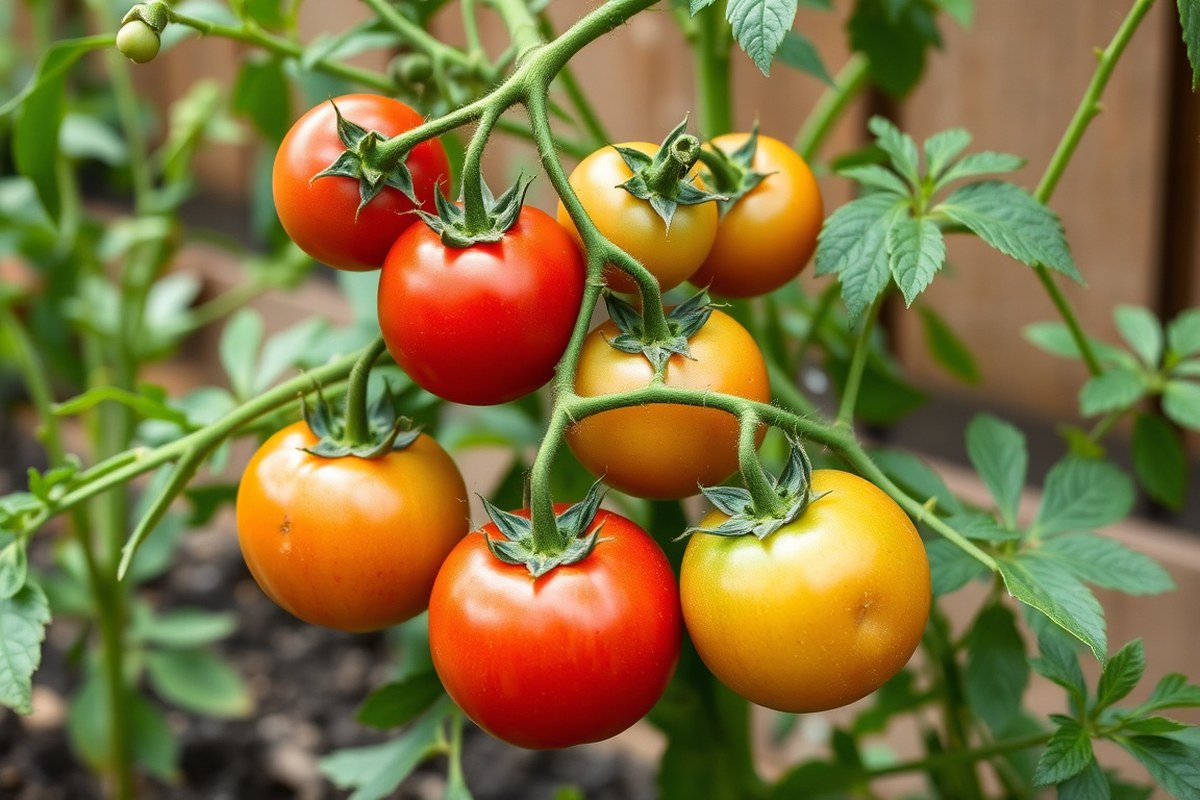
Tomato plants are botanically tender perennials from tropical South America. This means they can live and produce fruit for several years in warm, frost-free places. Their biology lets them keep growing and flowering in warm weather.
Night temperatures must stay above 50°F for this to happen. If it gets colder, growth will stop.
Despite this, tomatoes are usually treated as annuals in most gardens. They can’t survive freezing temperatures, which kill their stems and roots. Gardeners plant tomatoes after the last spring frost.
They pick the fruit before cold weather comes back. This works well in cooler places.
Many home gardeners aren’t set up to keep tomato plants alive indoors all winter. Tomato plants indoors need constant warmth and 16 to 18 hours of light daily. You also have to fertilize them every month.
This keeps them fruiting longer. Without these conditions, plants weaken, stop producing, or get diseases.
Because tomatoes grow vigorously until they reach maturity, they often get pruned or replaced yearly. This keeps plants healthy and yields high in short-season gardens. Growing them as annuals is simpler and saves trouble over trying to overwinter tender perennials.
In USDA zones 10 and up, tomato plants act more like real perennials. They can keep growing outside all year. The climate is warm enough for this.
They keep growing year-round and can produce fruit continuously. In these cases, gardeners may not need to replant every year, cutting costs and effort.
The tomato’s tender stem and sensitivity to cold explain why gardeners usually handle them as annuals. To grow tomatoes for many years, control indoor temperature and light. You might also try special overwintering methods.
Without this, plants won’t survive the cold. Otherwise, it’s easier to start fresh plants each season for the best harvest.
How Climate Affects Tomato Perennial Growth
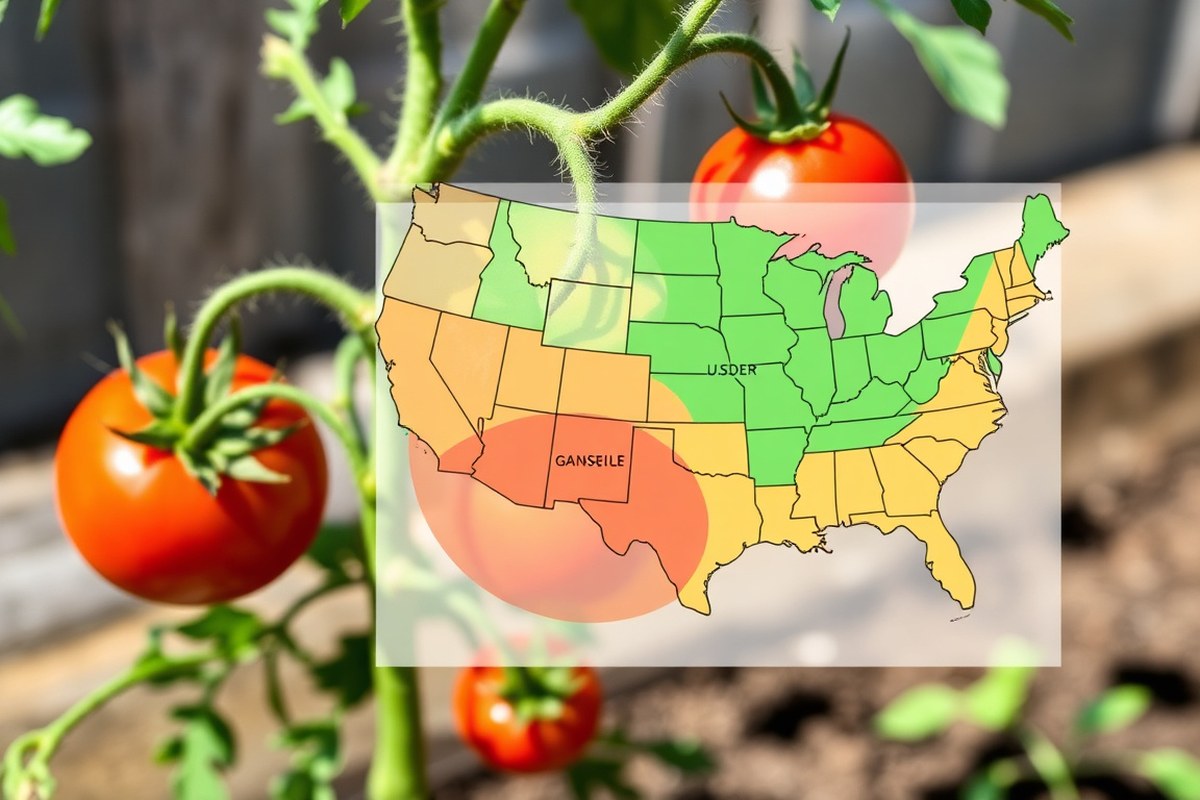
Tomatoes are tropical plants that prefer warm temperatures above 55°F. In USDA zones 7 and above, such as Southern California, tomatoes often survive the winter outdoors. Nights rarely drop below freezing there.
You can grow plants year-round. You can also plant new ones several times each year.
In colder USDA zones 6 and below, tomato plants usually don’t survive winter outside. Temperatures below 32°F damage the plants quickly.
Gardeners in these areas must either bring plants indoors or propagate cuttings before frost hits. Planting tomatoes later in the season also helps avoid early cold spells.
Tropical and subtropical zones allow tomatoes to act as true perennials. In Florida or parts of Hawaii, tomatoes keep growing outdoors all year.
They may slow down in cooler months but don’t die off. Covering plants with frost blankets during rare cold snaps reduces risk and extends the growing season.
Watch the low temperatures at night. Cover your tomatoes if it drops below 55°F. You can also move plants indoors to protect them.
Cold damage can look like blackened leaves or stems dying back. In frost-prone areas, even one night below freezing can kill tomato vines. Warm climates avoid these risks, letting tomatoes grow continuously without extra winter care.
Cooler zones need extra care. Overwinter your plants indoors to keep them alive. Start seedling cuttings early to help them survive past one year.
Differences Between Determinate and Indeterminate Tomato Varieties
Tomatoes come in two main types: determinate and indeterminate. Determinate tomatoes grow to a certain height and then stop. Indeterminate types keep growing and producing fruit all season long.
Determinate tomatoes are usually bushier with a set harvest time. Indeterminate plants can get tall and sprawling. They need support and regular pruning to keep them manageable.
| Trait | Determinate | Indeterminate |
|---|---|---|
| Growth Pattern | Stops at set height | Keeps growing throughout season |
| Plant Size | Compact, usually under 5 feet | Can reach 6-10 feet or taller |
| Fruit Production | Fruiting happens mostly over a few weeks | Fruits continuously over long season |
| Best Use for Perennial Care | Often better for overwintering indoors | Difficult to manage; better for pruning |
| Overwintering | Needs less pruning, easier to contain | Requires frequent trimming to limit growth |
Because indeterminate tomatoes grow nonstop, they can be tricky to overwinter. They get leggy and tangled without regular pruning.
Determinate types slow or stop their growth at a certain height. This makes them easier to bring inside and keep under control through winter.
For perennial growing, choosing dwarf, cherry, or well-pruned indeterminate tomatoes works best. These plants stay smaller and produce fruit year-round with some care.
However, if you want less maintenance during winter, determinate types tend to survive better indoors. They focus energy on fruit rather than nonstop leaf and stem growth.
In cool northern climates with shorter summers, determinate tomatoes ripen faster. This helps get a harvest before frost arrives. Indeterminate tomatoes suit warmer areas where you can prune and train plants outside longer.
Knowing your climate helps you pick the right tomato to overwinter. Space also matters for picking the best tomato. Both affect your tomato’s chances to survive winter.
How to Overwinter Tomato Plants Successfully
Keeping tomato plants alive over winter indoors or in protected spots takes effort. You can store tomato plants in a cool place. You can also keep them warm to encourage fruiting.
Another option is to grow new plants from cuttings. Each method fits different goals and spaces, so choose what works for you.
Cool Environment Overwintering
This method keeps the tomato plants dormant until spring. This method works best if you don’t want fruit in winter.
It helps keep the same plants alive for next year. A cool, shaded spot with temperatures between 50°F and 60°F helps tomatoes survive without much growth.
Keep the soil moist but not wet, and avoid direct sunlight. This slows their metabolism and reduces water needs.
Watch for signs of disease or drying out. Water lightly once every couple of weeks.
- Prune the tomato plants by removing all fruit and most leaves.
- Water well the day before bringing the plants indoors.
- Place pots in a cool, dark spot like a basement or unheated room.
- Check soil moisture every two weeks, watering just enough to keep it damp.
- Remove any dead leaves or stems to prevent mold.
- Keep temperatures steady between 50°F and 60°F.
- Let plants stay dormant until late winter or early spring.
Warm Environment Method for Fruiting Tomatoes
This way lets you try fruiting tomatoes indoors over winter. It requires more light and warmth, similar to summer conditions. Keep plants in a place with at least 16 hours of light.
Use artificial light if needed. Maintain temperatures between 65°F and 75°F.
Use grow lights and a timer to keep lighting consistent. Water when the top inch of soil feels dry.
Add a balanced fertilizer every 4 to 6 weeks. Hand-pollinate flowers by gently shaking or tapping blooms to mimic wind or bees.
- Bring your container tomatoes indoors before frost hits.
- Set plants near a south-facing window or install grow lights.
- Set grow lights on for 16 hours per day using a timer.
- Maintain indoor temperature between 65°F and 75°F day and night.
- Water plants when the top soil feels dry to the touch.
- Feed plants every 4 to 6 weeks with tomato fertilizer.
- Pollinate flowers manually by tapping or shaking stems once a week.
Using Cuttings for Perennial Propagation
Cuttings offer an easier indoor overwintering option. They take less space and can quickly grow into new plants.
Taking cuttings means fewer pots and less soil to manage. It also gives you a backup plan if plants die.
Take healthy stem cuttings about 4 to 6 inches long. Put them in water or moist potting mix at 65°F to 70°F for rooting.
Once roots grow, move cuttings to pots. Give them the same care as regular plants with light and water.
- Choose a healthy, non-flowering stem on the tomato plant.
- Cut a 4- to 6-inch section just below a leaf node with clean scissors.
- Remove lower leaves, leaving two or three at the top.
- Place the cutting in a jar of water or moist potting soil.
- Keep cuttings in a warm spot, about 65°F to 70°F, with indirect light.
- Change water or mist soil regularly to keep moist but not wet.
- After two to three weeks, move rooted cuttings to pots and continue indoor care.
Propagation Techniques for Year-Round Tomato Growing
You can extend tomato plants’ life by rooting cuttings and saving seeds. Taking cuttings lets you start new plants anytime without waiting for seed germination. Saving seeds from ripe tomatoes also gives you a way to grow new plants next season.
Taking Healthy Cuttings
Choose healthy tomato plants with no signs of disease. Use sterilized pruners to avoid spreading infection. Cut 4 to 6-inch suckers or stems just below a leaf node.
Pick cuttings with several leaf nodes for best chance of rooting. Remove the lower leaves, leaving only one or two at the top. This reduces moisture loss and encourages root growth.
Rooting Tomato Cuttings Indoors
Root tomato cuttings in a small jar of water or moist soil indoors. Place cuttings in bright, indirect light with temperatures around 65 to 75°F.
Roots appear within 7 to 14 days, depending on conditions. After roots about 2 inches long develop, transplant the cutting to a pot with potting soil.
- Fill a small container with clean water or moist potting mix.
- Insert the cutting so that at least one leaf node is submerged or buried.
- Place the container in indirect light at a warm room temperature.
- Change water every few days to prevent bacterial growth if rooting in water.
- Check for root growth after 1 week, gently tugging cuttings to feel resistance.
- Transplant rooted cuttings to soil once roots reach 2 inches long.
- Water the soil thoroughly. Keep new plants near light but no sun. Do this for a few days.
Don’t overwater rooted cuttings; wet soil can cause rot and kill the plant.
Saving and Planting Tomato Seeds
Use seeds from fully ripe tomatoes for best success. Scoop seeds and surrounding gel into a container, then ferment them for 2 to 4 days.
Fermentation removes the gelatinous coating that inhibits germination. Rinse seeds thoroughly and spread them to dry completely before storing.
You can plant these seeds indoors 6 to 8 weeks before the outdoor growing season. Keep soil moist and temperatures around 70 to 75°F for good germination.
Common Mistakes That Prevent Tomatoes from Surviving Winter
Tomato plants often die indoors because of poor light and overwatering. Most homes lack enough sunlight, causing weak, leggy plants. Overwatering leads to root rot and kills the plant slowly.
Put your tomatoes near a south-facing window. Use a grow light for 12 to 16 hours daily.
This will help fix the problem. Water only when the top inch of soil feels dry.
Many gardeners forget to prune tomato plants during winter. Without pruning, plants waste energy on unnecessary growth and flowers, leading to stress and poor health.
Prune by pinching off new shoots and any flower buds that appear. This redirects the plant’s resources toward survival, not fruiting.
- Too much water causes root rot. Water only when soil is dry to the touch.
- Poor lighting makes plants stretch; use a grow light or place near bright windows.
- Failing to prune forces plants to use energy on useless growth. Trim winter shoots and flowers.
- Keeping plants too warm encourages leaf diseases; keep temps around 55-70°F indoors.
- Ignoring airflow causes mold; use a small fan or open a window occasionally.
- Leaving leaves wet invites diseases; water the soil, not leaves, and avoid overcrowding.
- Expect less fruit the next year; heavy pruning and resting the plant helps recovery.
Indoor tomatoes like cooler air to slow down growth. Around 55 to 70 degrees Fahrenheit is best. Warmer rooms make them grow fast but weak.
Good airflow reduces diseases like powdery mildew. Use a small fan or crack a window to keep air moving gently.
Many people expect their overwintered tomato plants to fruit like before. This often doesn’t happen. Stress from low light, less pruning, and changes in temperature can delay or stop fruiting.
Giving your plant a rest and proper pruning helps it regain strength for next season. Don’t mind removing all flowers during winter to reduce stress.
Choosing Tomato Varieties Best for Perennial Growth
Choose tomato varieties that stay healthy in cooler indoor spots for overwintering. Smaller types like cherry and grape tomatoes usually do better inside.
These tomatoes are from the cherry variety S. Lycopersicum var. Cerasiforme, which has a history of lasting multiple seasons.
Determinate tomatoes grow to a fixed height, make one big fruit set, and stop producing. They might not fruit again after the first year. Indeterminate types keep growing taller and some reach over six feet.
They can produce fruit for more than one season indoors. Good care helps them last longer.
Picking between determinate and indeterminate depends on your space and patience. Determinate types take less room and give a big harvest quickly. Indeterminate types need more space to grow.
You can get fruit longer by trimming them often. Managing their growth helps keep them healthy.
Here’s a table comparing tomato varieties for perennial growing by general climate. Cherry and grape types are noted for indoor survival. Larger beefsteak types may need extra care and usually aren’t suitable for multi-year growing indoors.
| Variety Type | Typical Height | Overwinter Potential | Space Needed | Climate Suitability |
|---|---|---|---|---|
| Cherry Tomato (Indeterminate) | Over 6 feet | High indoors with care | 4 feet between plants | Warm and mild indoor climates |
| Grape Tomato (Indeterminate) | Over 6 feet | Good indoors with pruning | 4 feet between plants | Warm and mild indoor climates |
| Beefsteak Tomato (Indeterminate) | Over 6 feet | Low indoor survival, large size | 5-6 feet between rows | Warm climates, usually annual |
| Determinate Varieties | 3-4 feet | Low to moderate; usually single season | 3 feet between plants | Most climates with single season focus |
Cherry and grape tomatoes need about four feet between each plant. This space gives you room to prune plants. It also makes harvesting easier.
Indeterminate types require regular trimming to keep fruit production long. Beefsteak tomatoes take up extra space and struggle indoors during winter.
You’ll get the most from perennial tomatoes by choosing indeterminate cherry or grape types. Keep plants indoors where temperatures stay above 50°F. Give them enough space and support to get fruit for multiple years. Determinate kinds suit quick harvests but rarely live through another winter.
Transitioning Overwintered Tomatoes Back Outside
Start moving your indoor tomato plants outside two weeks before planting. Do this so they get used to outdoor conditions. This process helps them adjust safely.
Gradually expose them to outdoor conditions to avoid stress and improve their chances of thriving. This process, called hardening off, helps plants adjust to changes in light, temperature, and wind.
Timing the Outdoor Transition
Wait until nighttime temperatures stay above 50°F before beginning to move your tomato plants outside. Cold nights damage tender tomato leaves and stunt growth.
It usually means late April to early May for many US regions. But check your local frost dates to be sure.
Start the transition two weeks before the final outdoor planting day. The goal is to lengthen daily outdoor exposure slowly, building plant resilience. Don’t rush this step since sudden outdoor stress can shock your plants and slow their growth.
Hardening Off over Two Weeks
Place tomato plants outside in shade for 2 to 3 hours on day one. Keep the spot sheltered from wind and sun. This helps plants slowly adapt.
Bring them back inside to avoid temperature drops or strong winds overnight. Each day, increase outdoor time by 1 to 2 hours and gradually introduce more direct sunlight.
By the tenth to fourteenth day, your plants should spend a full day outside. Keep watch for wilting or leaf curl, which signals too much sun or wind. Move plants back indoors for a day if needed and resume hardening off more slowly.
- Choose a calm, sheltered outdoor spot with some morning shade.
- Set plants outside for 2 to 3 hours day one, then bring them in.
- Add 1 to 2 hours of outdoor time daily, increasing sunlight exposure.
- Monitor plants closely for signs of stress like drooping leaves.
- Keep plants indoors at night until temperatures remain above 50°F.
- Gradually reduce shade and increase sun exposure after about one week.
- Leave plants outside all day during the second week before transplanting.
- Plant tomatoes into the garden once they tolerate full outdoor conditions.
Don’t skip hardening off; it prevents shock and helps your plants grow strong.
Adjusting Watering and Sunlight Exposure
Check moisture daily during hardening off and adjust watering based on outdoor weather. Wind and sun can dry plants faster than indoor conditions. Water when the top inch of soil feels dry, but avoid waterlogging roots.
After transplanting, your tomato plants need full sun for at least 6 hours each day. Watch for leaf yellowing or burning as plants recover from transplant stress. These signs show your plants may need more shade.
Adjust their spot if needed. Slowly increase sun exposure as they grow stronger outdoors.
Step-by-Step Action Plan for Growing Perennial Tomatoes
Follow this plan to keep your tomato plants thriving year-round, even through winter. Each step helps you check if your plants are healthy and growing well.
- Early spring: Choose a tomato variety suited for perennial growth, like indeterminate types. Check if new stems grow within two weeks.
- Late summer: Start overwintering your plants indoors when night temperatures drop below 50°F. Look for healthy, green leaves before moving indoors.
- Fall: Repot your tomato plants into larger containers with fresh soil. Confirm sturdy roots by gentle tugging on the plant.
- Fall to winter: Put the plants where they get bright light. Make sure they get 10-12 hours of light every day. Keep them indoors during this time. Watch for new leaf growth as a sign of success.
- Late winter: Gradually reduce watering to prepare plants for outdoor transition. Soil should stay damp but not soggy.
- Early spring: Harden off the plants by placing them outside a few hours each day. Check leaves for any sunburn or stress signs.
- Spring: Transplant to your garden or larger pots once frost danger passes. Ensure new growth appears within a week.
- Summer: Keep caring for the plants as usual. Watch for flowers and fruit to appear. This shows your plants are doing well.
Frequently Asked Questions
Do Tomatoes Come Back Every Year?
Tomato plants are not true perennials in most climates. Tomato plants usually die after one growing season.
In warm areas, you can keep them alive longer indoors. You can also protect them from frost to extend their life.
How to Keep Tomato Plants over Winter?
To keep tomatoes over winter, bring them indoors or take cuttings in fall. Provide them with bright light and warmth, and water moderately to avoid root rot.
What Should Never Be Planted Near Tomatoes?
Avoid planting potatoes near tomatoes because they share similar diseases. Also, keep tomatoes away from fennel and corn to reduce pest issues.
Should I Pull the First Flowers Off My Tomato Plant?
Removing the first flowers can encourage stronger root and stem growth. This helps your plant develop better before fruiting begins, improving overall yield.
Can Tomato Plants Survive Frost with Protection?
Tomato plants are very sensitive to frost and usually die after exposure. You can protect tomato plants from light frost using cloths or by bringing them inside. Heavy freezes are often fatal despite these protections.
Does Pruning Improve Tomato Fruit Quality?
Pruning helps by removing suckers and excess growth. This focuses the plant’s energy on fewer fruits, making them bigger and tastier.
Before You Go
Tomatoes can live as perennials in warm climates or indoors with care. Start overwintering a sturdy plant now to enjoy fresh tomatoes longer. Watch your plant closely to catch any problems early and keep it growing strong.