How Big Do Holly Bushes Get? A Complete Guide to Size and Growth Management
Holly bushes vary widely in size, from 2 feet tall shrubs to 50-foot trees. Most garden varieties grow between 4 and 20 feet tall. Knowing your holly’s mature height helps you find the best planting spot.
Small hollies like Japanese holly or dwarf yaupon stay under 4 feet. They suit small beds or low hedges in tight spaces. Medium hollies such as Blue holly grow 6 to 10 feet, fitting larger garden borders.
Large hollies like American holly reach 15 to 30 feet and need ample space. These make strong focal points or privacy screens. Hollies grow slowly, often taking 20 to 25 years to mature.
Choosing the right type and caring well helps your holly thrive. Planning space carefully keeps the bush healthy and fitting your garden.
Key Takeaways
- Dwarf hollies like ‘Helleri’ stay 2 to 4 feet tall and wide.
- Medium hollies such as Blue Holly reach 6 to 10 feet in height.
- Large hollies, like American holly, grow between 15 and 30 feet tall.
- Most hollies take 20 to 25 years to reach their full mature size.
- Choose hollies based on your garden space to avoid overcrowding.
- Plant at least one male hollies near females for berry production.
How Big Do Holly Bushes Usually Grow?
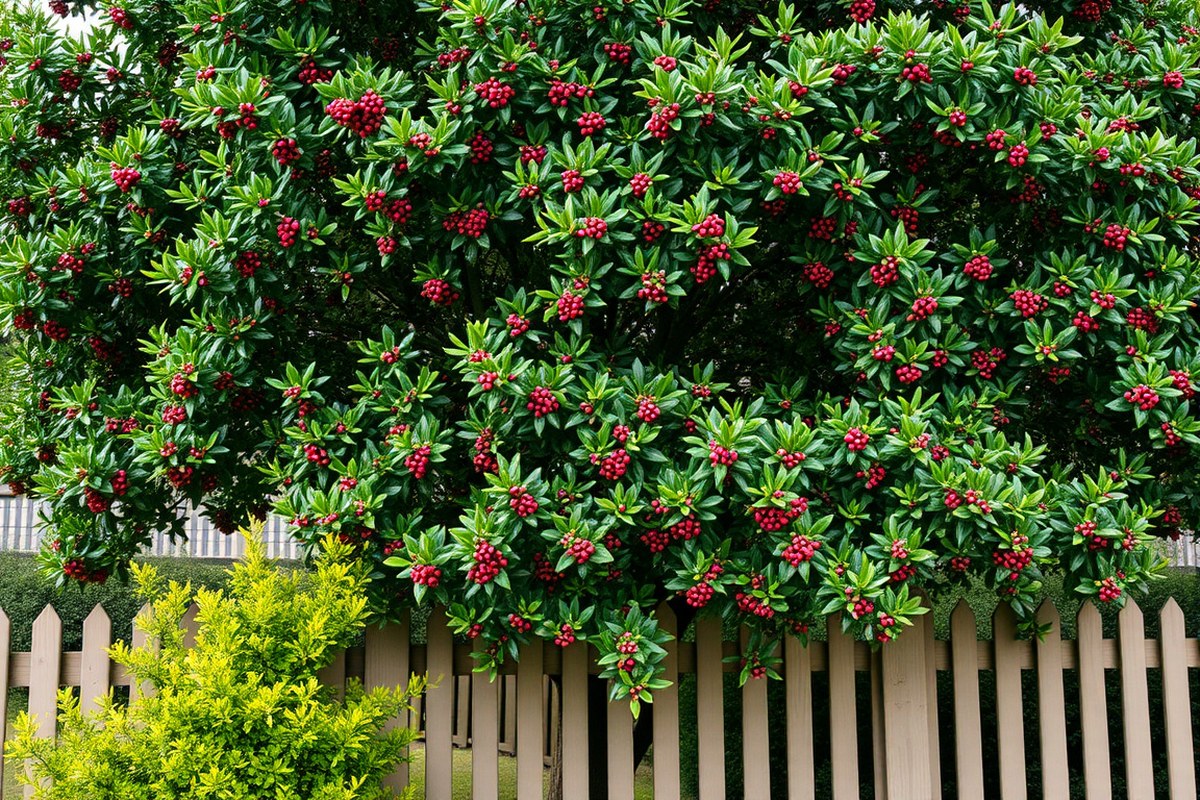
Holly bushes range widely in size depending on their type and species. Dwarf varieties usually stay between 2 and 4 feet tall. They also spread about the same width.
These sizes fit well in small gardens or containers. Tree-like hollies can grow very tall.
Some reach up to 50 feet. They also develop wide, broad spreads over time.
Understanding the typical mature size helps you pick the right holly for your space. Most garden hollies fall between 4 and 20 feet tall. Larger species, like American holly, take decades to grow.
They reach 30 to 50 feet tall once mature. This slow growth requires patience. Smaller bushes reach their mature size much faster, generally within 10 to 15 years.
| Holly Species / Variety | Mature Height & Width | Best USDA Zones |
|---|---|---|
| Dwarf Varieties (e.g., “Soft Touch”) | 2, 3 ft tall & wide | 5, 9 |
| Blue Holly (Ilex glabra) | 6, 8 ft tall | 4, 9 |
| Oakleaf Holly (Ilex collina) | 14 ft tall, 8 ft wide | 5, 9 |
| English Holly (Ilex aquifolium) | 15, 20 ft tall, 12 ft wide | 6, 9 |
| Meserve Hybrid Hollies (“Blue” series) | 15, 20 ft tall, 12 ft wide | 4, 8 |
| Japanese Holly (Ilex crenata) | 15, 20 ft tall, 12 ft wide (unpruned) | 5, 9 |
| American Holly (Ilex opaca) | 30, 50 ft tall, 20, 30 ft wide | 5, 9 |
Dwarf hollies fit well in small beds or containers. Mid-sized types like Blue Holly suit borders and medium hedges. Huge varieties like American holly work for privacy screens or large landscape statements.
Choosing the right holly size depends on your garden space and growth goals. Smaller bushes grow faster but remain compact. Large hollies need more time and space but can provide shade and a strong garden feature.
Growth Timeline: How Long Until Full Size?
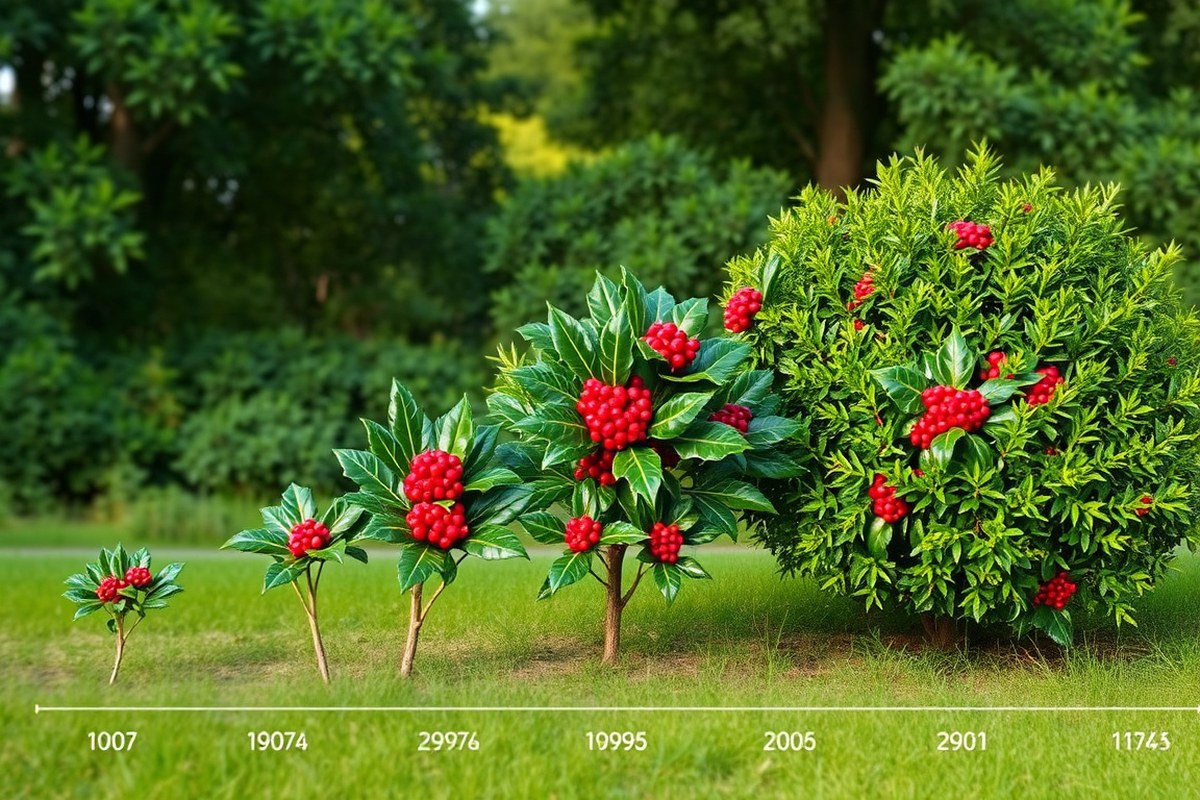
Holly bushes grow fastest during their early years, adding about 12 to 24 inches annually. As they mature, this rate slows to around 6 to 12 inches each year. This slowdown happens because the plant focuses more energy on strengthening branches and developing thicker foliage.
Most hollies take 20 to 25 years to reach full height. Their height ranges from 6 to 20 feet. It depends on the species.
For example, English holly usually grows 2 to 6 meters tall over this time. You need patience to watch hollies grow.
Their growth is slow to moderate. Changes happen gradually over time.
Holly growth has three phases. First, rapid growth in the early years. Then moderate growth in middle age and slow growth near full size.
Regular pruning after fruiting helps manage size but does not speed up overall growth. Expect a gradual size change that lets you plan gardening space over decades.
Don’t expect quick results. Holly bushes need years of care before reaching their final height.
Choosing the Right Holly Variety for Your Garden Space
Pick hollies by matching their mature size to your garden space. Consider the climate zone and what you need the plant for. This helps you avoid overcrowding or planting a bush too small for privacy.
Small and Dwarf Varieties
Choose dwarf hollies like Japanese ‘Helleri’ or yaupon ‘Nana’ for small yards or patio containers. These hollies usually grow 2 to 4 feet tall and wide. They fit well in tight borders or near foundations.
Compact inkberries like ‘Gem Box’ also work well where space is tight. They offer dense foliage without growing too large or demanding much pruning.
Medium-Sized Hollies for Borders and Hedges
Medium hollies, such as some Meserve hybrids, can reach 4 to 20 feet tall. They spread 6 to 15 feet wide. These plants work well on property edges or for privacy in suburban yards.
This group includes the “Blue” series, good for zones 5 to 9. They adapt to many garden types and tolerate some shearing to control size.
Large and Tree-Sized Hollies
American holly (Ilex opaca) and English holly get much taller, between 15 and 40 feet. Use these for big yards where privacy or shade is a priority.
These large types take decades to fully grow and need space to spread out. Planting them in cramped spots will cause stress and crowding issues.
Here’s a quick guide to holly sizes, kinds, and USDA zones. It should help you choose the right holly for your space.
| Variety | Mature Height | Mature Width | USDA Zones | Use |
|---|---|---|---|---|
| Japanese Holly ‘Helleri’ | 2, 4 ft | 2, 4 ft | 5, 9 | Small gardens, containers |
| Yaupon Holly ‘Nana’ | 2, 4 ft | 2, 4 ft | 7, 9 | Foundation planting, low hedges |
| Inkberry ‘Gem Box’ | 3, 4 ft | 3, 4 ft | 5, 9 | Compact hedges, borders |
| Meserve Hybrid Blue Series | 4, 20 ft | 6, 15 ft | 5, 9 | Medium hedges, privacy screens |
| American Holly (Ilex opaca) | 15, 40 ft | 15, 30 ft | 5, 9 | Large hedges, privacy, shade |
| English Holly | 15, 40 ft | 15, 30 ft | 6, 9 | Large shrubs, screening |
Use this chart as a decision tool. Measure your space and know your zone first.
For smaller gardens, choose dwarf or compact hollies. They help keep your space tidy and manageable.
For larger properties, the medium and tall hollies provide privacy without constant trimming. Avoid planting large hollies in small spots. They need room to grow well and stay healthy.
Key Factors That Affect Holly Bush Size
Sunlight plays a big role in how holly bushes grow. English holly does well in partial shade to full sun. You want to plant where it gets at least four hours of sunlight a day.
Too little light slows growth and makes the leaves less vibrant. Too much harsh sun can stress the plant unless it’s a sun-loving variety.
Soil needs to be well-drained and slightly acidic, with a pH between 5.0 and 6.5. Acidic soil helps the holly absorb nutrients better, which keeps leaves deep green and healthy.
The soil should feel loose, not compacted, so roots can spread out easily. Adding compost or leaf mold boosts organic matter and releases nutrients slowly over time.
Watering throughout the growing season keeps holly bushes happy. The soil should stay evenly moist but never soggy. Don’t let the soil dry out completely.
This can slow growth. It may also cause leaves to drop. On the other hand, sitting water can lead to root rot.
Water deeply once or twice a week. Increase watering in hot, dry weather. This helps keep the plant healthy.
Controlling Holly Bush Size with Pruning
Pruning is the key way to control holly bush size and shape. You adjust height by cutting vertical shoots and control width by trimming sides carefully. Timing and how much you prune are important so the plant stays healthy and attractive.
Annual Pruning Schedule
The best time to prune young holly shoots is early spring before buds open. Cutting back about 30% of new growth then helps the plant branch out evenly.
After berries fade in late winter or early spring, trim the sides. Cut the top to keep the bush neat and steady.
Do not remove more than one-third of foliage in one season. Overpruning stresses the plant and slows growth. Regular yearly pruning sets a manageable size without shock.
- Early spring: cut up to 30% of new shoots before buds open
- Late winter or early spring: prune overgrown branches before growth restarts
- Post-berry fade: trim hedge sides and top to maintain shape
- Avoid pruning in fall to prevent frost damage on new shoots
- Remove dead wood anytime as needed for airflow and health
Trim lightly every year to avoid stressing your holly bush.
Techniques for Reducing Height
To restrict height, cut the leading vertical stems back by half in late summer. This pushes energy into side branches, making the bush denser rather than taller.
Severe height reduction or renovation pruning cuts up to 50% of old stems. These stems are near the ground.
Severe pruning happens best in late winter or early spring while the holly is dormant. Use loppers or pole pruners for thick stems and cutting high shoots.
Snip off only a few tall shoots at a time. This is safer than cutting too much at once.
Shaping Hollies for Hedges and Screens
For hedges, trim the bottom wider than the top to let light reach all branches. Hedge shears work well for trimming flat, even surfaces after berries drop.
Make cuts gentle and remove no more than 30% of side growth. This helps keep fruiting wood for next season.
Hand pruners are great for detailed shaping and removing small twigs. Keep your blades sharp to avoid crushing stems. A tidy, even holly hedge not only looks neat but encourages healthy berry production.
Managing Holly Size Through Root System Care
Root pruning can limit holly bush growth, but it requires care. Trim roots carefully in early spring before growth starts.
Cut about one-third of the root ball evenly around the plant. This slows growth without causing shock.
Root cutting works because it reduces the bush’s ability to take up water and nutrients. This naturally slows top growth while keeping the plant healthy. Avoid cutting too deep or too many roots.
This stresses the bush. It can cause poor leaf color or dieback.
Planting holly in containers naturally restricts root space, which limits size. Use a container sized slightly larger than the root ball to prevent excessive growth. Pick pots with good drainage to avoid root rot and check soil moisture often.
Container planting makes watering and feeding easier since you control the soil condition. Feed the shrub monthly with balanced fertilizer in spring and summer.
This keeps it strong but controlled. Repot every 2 to 3 years, trimming back thick roots on the sides gently.
For ground planting, prepare the soil to encourage a healthy but controlled root spread. Add organic matter to loosen heavy clay or sand to improve drainage. Mulch with a 2-inch layer of bark.
This holds moisture and keeps soil temperature steady. It helps roots settle well.
To keep holly shrubs smaller in the ground, use root barriers. These can be plastic or metal sheets placed vertically around the root zone. Barriers guide roots downward instead of outward, which slows the bush’s spread and limits size naturally.
Root system care is key during your holly’s first three years. The shrub gains height slowly as roots establish. Avoid heavy root disturbance during this time to allow strong growth later.
When trimming roots or restricting them in pots, watch for signs of stress. Wilting, leaf drop, or slow growth means the plant needs more water.
Or it may have too many roots cut. Healthy holly bushes have shiny green leaves and firm stems.
Pollination and Berries: Does Size Matter?
Holly bushes need both male and female plants nearby for pollination. Male hollies do not produce berries but are essential for fertilizing females. Plants need to be within about 50 feet for pollination.
This helps berries grow well. Staying close improves berry production.
Male vs Female Plant Roles
Male holly plants produce flowers that release pollen but never bear berries. Female hollies carry the flowers that turn into berries once pollinated.
You’ll notice males are often berry-free. So spotting a berry-less bush doesn’t mean it’s unhealthy.
Having a male nearby lets the female plants produce vibrant red berries in late autumn. Female hollies bloom but need a male to set fruit.
Without males, no berries appear. This can be disappointing in winter.
Recommended Spacing for Pollination
Keep male and female hollies close for good berry growth. About 40 to 50 feet apart works best. This distance helps pollination.
This distance allows bees and other pollinators to move pollen easily between plants. Place males strategically but not too close to avoid shading females and reducing berry yield.
In smaller gardens, a single male holly can pollinate several females clustered around it. You may need only one male for every five to ten females. Planting them in full sun makes berry colors more vibrant and promotes denser foliage.
Species with Best Berry Yield
English holly and American holly species tend to produce the most reliable berries. English hollies often have larger, bright red berries that last through winter. American holly also fruits well but generally produces smaller berries.
Species such as Meserve hybrids fruit well in colder zones like Zone 4. English holly excels in warmer zones like Zone 6 and above.
Larger bushes usually have more flowers and berries. But too much pruning late in the season can reduce berry production.
Common Size Management Mistakes and Fixes
Many gardeners let holly bushes get leggy or too big because they ignore early shaping. Avoid letting your holly grow uncontrolled. That makes pruning a tough fix later on and stunts berry production.
When hollies look thin or stretched, it’s often from too much shade or poor pruning timing. These problems let the plant waste energy on long, weak branches.
To fix this, prune back overgrown stems in late winter. Cut just above a leaf node to encourage new growth close to the bush.
Cutting hollies back hard takes time for them to recover. Don’t cut more than one-third of the plant at once. Small, regular trims every year work better.
When your holly is very large, prune it over several seasons. This helps avoid stressing the plant too much at once.
- Check if your holly gets enough sun; less sun causes legginess.
- Prune during late winter for best shape and health.
- Trim only up to one-third each visit to prevent stress.
- Consider planting inkberry holly for tight spaces, it stays dense and low.
- Use sharp, clean tools to avoid damaging branches.
- Unsure about big pruning or removal? Hiring a professional can help.
Sometimes hollies outgrow their spots because the wrong variety was picked or site conditions changed. Trying to control size with pruning alone can stress the plant. Choose a holly that naturally fits your space.
It saves you work. This way, the plant stays manageable and healthy.
Heavy pruning can weaken hollies; give them time to bounce back before more cuts.
Professionals know when to thin older branches or remove a bush entirely if it’s beyond saving. A holly taller than two stories or very overgrown needs an arborist.
They know how to handle it safely. Expect costs from $150 to $400 for large pruning or removal, depending on your area.
Step-by-Step Action Plan to Manage Your Holly Bush Size
Here’s a clear plan to help you grow and control your holly bush size. Follow these steps to enjoy healthy bushes that fit your space.
- Before Planting: Choose a holly variety suited to your garden’s space. Pick a smaller type if space is tight.
- Week 1: Plant in well-drained soil with partial to full sun. Check soil moisture the next day to confirm it’s moist but not waterlogged.
- First Month: Water regularly, about 1 inch per week, and mulch to keep roots cool. Observe leaves for signs of wilting or dryness.
- Month 3: Begin light pruning to shape your bush. Look for healthy, green growth after pruning to ensure no stress.
- After 6 Months: Fertilize with a balanced fertilizer. Watch for new shoots and leaf growth over the following weeks.
- Year 1: Monitor root growth by checking soil health annually. Improve with organic matter if roots seem shallow or compacted.
- Ongoing: Prune annually in late winter or early spring to control size. Healthy holly bush growth means it’s not growing too wild.
- Yearly Check: Assess berry production to ensure good pollination. More berries typically mean your holly is thriving.
Frequently Asked Questions
What’s the Tallest a Holly Bush Can Get?
Holly bushes can grow up to 50 feet tall. Most garden types grow between 4 and 20 feet. Taller sizes depend on the species and growing conditions in your area.
Can Holly Bushes Grow Wider Than They Grow Tall?
Yes, some holly bushes spread wider than their height, especially when unpruned. They can cover a broad area, acting as ground cover or a hedge in your garden.
Do Holly Bushes Grow Faster in Certain Climates?
Holly bushes tend to grow faster in mild, humid climates with well-drained soil. Cold or very dry climates slow down their growth considerably.
How Much Space Should I Give a Holly Bush When Planting?
Give your holly at least 4 to 6 feet of space for mid-sized types. This room lets the bush grow without crowding or needing too much pruning.
Will Fertilizing Affect My Holly Bush’s Size?
Fertilizing with balanced nutrients can help your holly grow healthier and larger. Don’t over-fertilize, as this might cause excessive leaf growth without strengthening the plant.
Do Urban Conditions Limit How Big Holly Bushes Can Get?
Yes, urban conditions like limited soil, pollution, and confined space often restrict holly size. Proper care can help, but they usually grow smaller than in open gardens.
Key Points to Remember
Holly bushes can fit many garden sizes when you manage their growth carefully. Start by picking the right variety and stick to regular care. Choose a pruning day this month to keep your holly healthy and looking great.