What’s Growing in My Yard: A Complete Guide to Identify Plants & Mushrooms Safely
What’s growing in my yard often puzzles many homeowners, especially when new plants or mushrooms appear. The best way to find out what’s growing is to watch closely. Use tools you trust to help identify plants.
This approach works well in gardening and backyard plant ID. Look closely at size, shape, color, and where it’s growing to start.
Yard mushrooms and plants sometimes look harmless but can be toxic or invasive. You should never eat any fungi you find unless you are 100 percent sure it’s safe. Learning the basics about common species helps protect you and your family.
Start by snapping clear pictures and noting details like leaf shape or mushroom cap size. This makes research or app use easier and more accurate. Keep your pets and kids away from unknown growth until you know it’s safe.
Key Takeaways
- Never eat mushrooms unless you can positively identify them as safe.
- Check mushroom caps’ size and color carefully before identifying them.
- Keep kids and pets away from unknown plants and mushrooms.
- Use plant ID apps by taking clear, detailed pictures for best results.
- Watch for rapid mushroom growth, some can grow several inches per hour.
- Note unique features like bean pods or lobed leaves for easier ID.
How to Identify Common Plants and Mushrooms in Your Yard
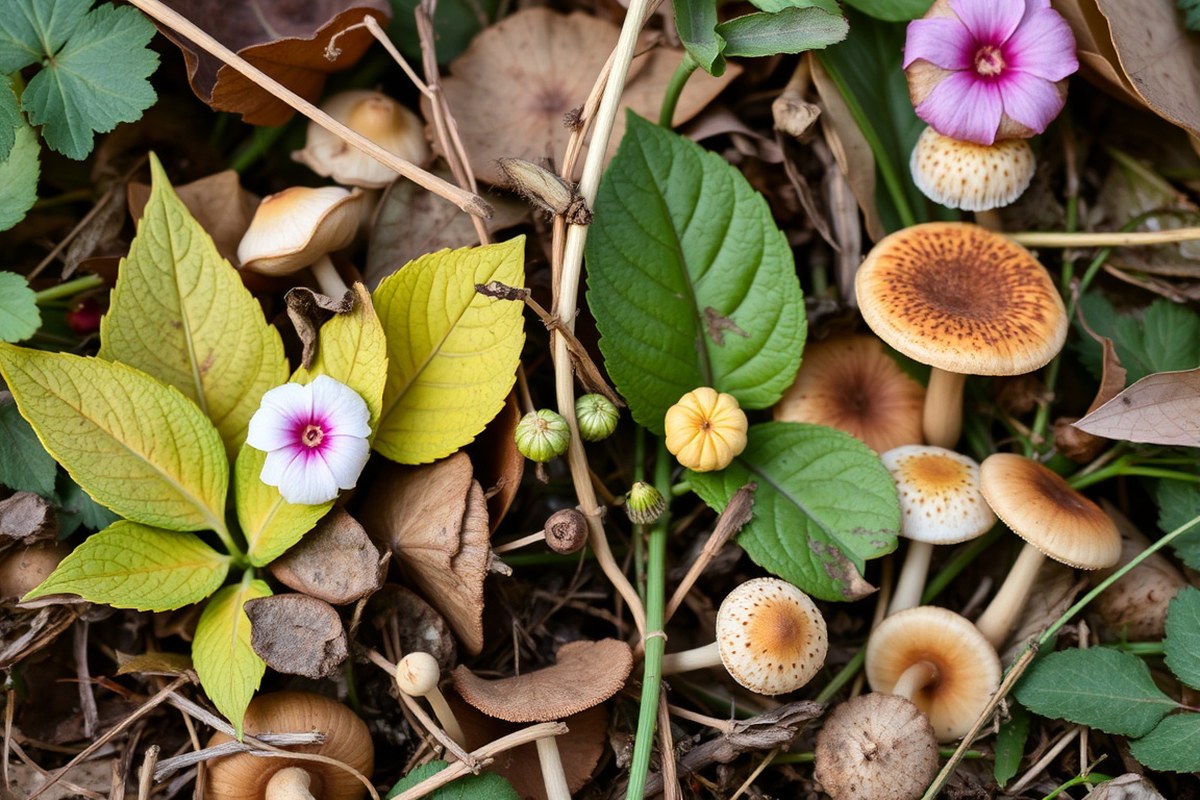
Typical plants in yards include dandelions, clover, chickweed, plantain, and crabgrass. Mushrooms like fairy rings often appear after warm, wet spring weather. Common inky caps and lawn mower mushrooms also show up then.
These mushrooms like moist conditions to grow. These plants and fungi grow in lawns and disturbed soil spots.
You’ll also find them along walkways and in areas with fallen leaves. Compost piles are another common place for growth.
Leaves offer a lot of clues for plant ID. Check their shape, size, and edge type like toothed or smooth. Note if leaves grow opposite each other or alternate on a stem.
For example, clover has three rounded leaflets, while dandelion leaves are jagged and toothed. The leaf veins on plantain are parallel, which is a quick giveaway.
Stems and growth habits help too. Look for stem shapes or colors that seem unusual. Clover has creeping stems.
Some winter broadleaf weeds have four-sided, purple-green stems. Crabgrass grows low and spreads fast in bare spots.
Chickweed forms dense mats that cover soil. These features help narrow down common yard species without confusion.
Flowers and cap shapes provide more hints. Dandelions have bright yellow flowers made of many small florets. Chickweed’s flowers are tiny and white.
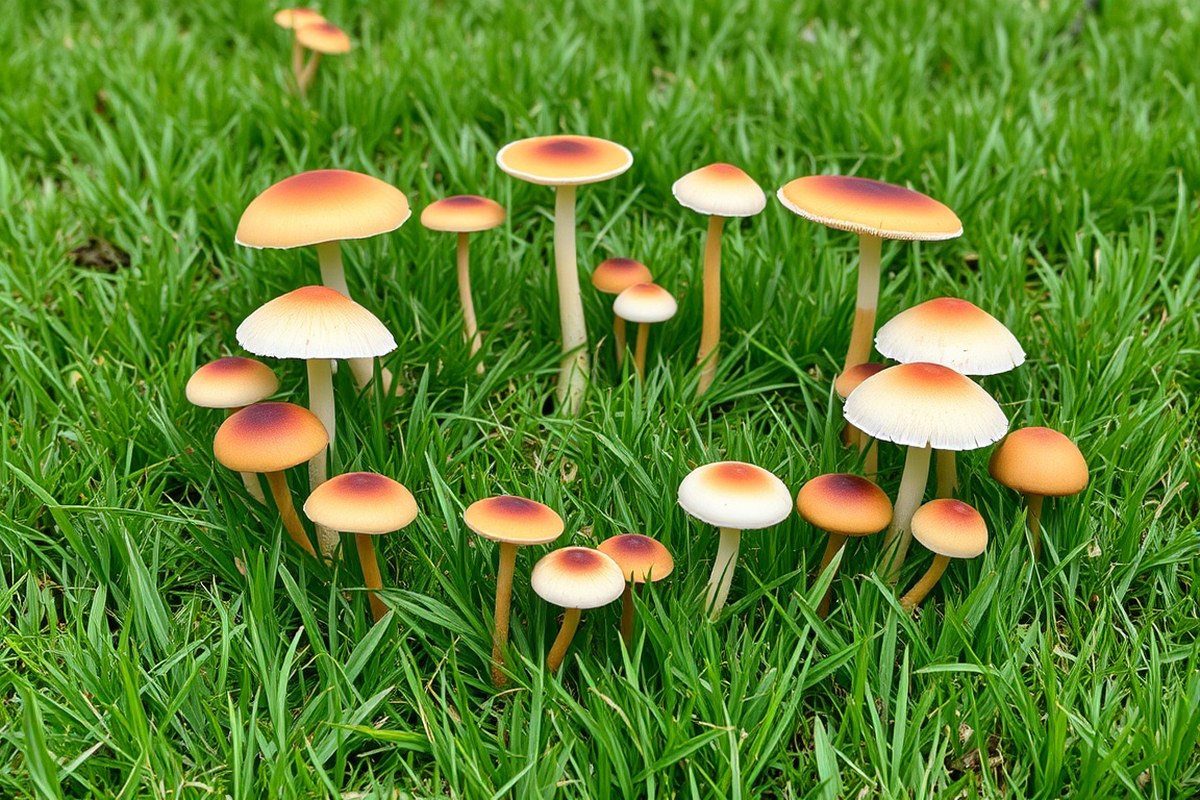
Fairy ring mushrooms have small tan caps and thin stems. They often grow in circles or rings across lawns. These rings can be easy to spot.
Inky caps grow in clusters. Their caps are bell-shaped and can dissolve with age. The caps turn into ink-like black liquid as they age.
Use this checklist for ID: note leaf type and arrangement. Check stem features too. Also observe any flowers or mushroom cap shapes.
Take pictures and compare them with reliable references or mushroom ID apps when possible. Don’t dig or pick mushrooms you don’t know.
Many look alike but differ in toxicity. It’s safer to avoid unknown mushrooms entirely.
Knowing these physical traits helps you distinguish common yard species accurately. It saves time and avoids mixing up beneficial plants with weeds or harmful fungi. This way, your garden looks better and stays safer for you and your family.
Recognizing Common Yard Mushrooms and Their Features
Mushrooms appear in many yards. But the most frequent ones include morels, puffballs, and lawyer’s wig. Morels have a unique appearance.
Their caps look like large elongated walnuts on white stems. Their size ranges between 1.5 and 6 inches across. They grow in spring, often near dying trees or recently disturbed soil.
Puffballs are common too. Their size varies greatly. Giant puffballs can be the size of a soccer ball.
But smaller ones usually grow up to 2 inches across. Puffballs have round, smooth caps and no gills.
They grow quickly after rain. You often find them in moist lawns or grassy spots.
Lawyer’s wig mushrooms look different. They have cylindrical white caps covered with shaggy scales. They grow 3 to 5 inches tall.
These mushrooms appear in dense clusters. Look for them on decaying wood or tree roots. You will notice their distinctive rough, wispy texture, unlike smooth or slimy caps.
Cap size helps identify mushrooms quickly. Morels measure between 1.Puffballs usually measure up to 2 inches tall. Lawyer’s wig mushrooms grow 3 to 5 inches high.
Some other types can be 5 to 6 inches tall. Morels grow alone or scattered in soil.
Puffballs form clusters low in lawns. Lawyer’s wig mushrooms pop up on wood or roots.
Pay attention to where mushrooms grow in your yard. Wet areas, decaying wood, or places with disturbed soil support different species.
For example, puffballs thrive in moist, grassy spots, while lawyer’s wig prefers dead wood. Morels pop up near tree roots or after soil disruption.
Don’t touch mushrooms unless you’re sure what they are. Some may irritate skin or be poisonous.
Identifying mushrooms without disturbing them means observing the whole mushroom and environment. Look at cap shape, size, texture, stalk length, and growth location.
Compare features to common yard species. This approach helps avoid mistakes and protects your yard’s balance.
These mushrooms often appear quickly after rain or watering. That’s because moist, warm conditions trigger mushroom growth. Keeping your yard dry in problem areas can help limit unwanted mushrooms.
These mushrooms grow fast. You might see them suddenly. One day they’re gone, the next day they’re here.
Is It Safe? How to Tell If Yard Mushrooms or Plants Are Edible or Toxic
Never eat a mushroom or plant from your yard without being certain it’s safe. Many edible mushrooms closely resemble toxic ones. Even a tiny mistake can cause serious illness.
Some toxic mushrooms share similar colors or shapes with edible types. Avoid tasting, smelling, or touching unknown mushrooms. Instead, look at features like cap shape, gill structure, stem details, and where the mushroom grows.
Use this quick safety checklist before eating any backyard plant. Be 100% sure of the plant or mushroom identification. Double-check to avoid mistakes.
Check multiple traits, not just one. Avoid anything unfamiliar or with a strong smell or milky liquid.
When you find poisonous plants like poison ivy or nightshade, do not touch or eat them. When in doubt, contact a local extension service or professional mycologist for help.
Getting expert identification may cost $20 to $100, depending on the service. You can also submit photos to local universities or garden clubs for free advice. Identifying plants properly helps you avoid poisoning.
It also protects your kids and pets. They can be curious but vulnerable.
Watch for warning signs on mushrooms. White gills, a ring on the stem, or bulbous base often signal toxic types.
Plants with thick sap, brightly colored berries, or hairy leaves may also be unsafe. Avoid any plant or mushroom growing near treated lawn areas or roadsides due to chemical exposure.
Keep photos or notes of the plants and mushrooms you find. Record their location and growing conditions.
This helps you spot changes or new arrivals. Watching growth patterns over weeks can reveal which plants or fungi pose risks or provide benefits.
Why Are Mushrooms Growing in My Yard Suddenly?
Mushrooms suddenly appear in your yard because the right conditions for fungal growth exist underground. They mostly come from fungal networks called mycelium that live in the soil. These fungi feed on dead material like leaves and wood.
They break it down and return nutrients to the soil. This helps keep your yard healthy.
Moisture plays a big role in mushroom growth. Rain or watering makes the soil damp. The moist soil causes fungi to grow mushrooms.
These mushrooms are their fruiting bodies. A soil moisture meter shows how much water your yard holds. This helps you know if the soil is wet enough.
Mushrooms need this moisture to grow. Usually, a reading above 20% moisture indicates good fungal activity.
Organic matter in your soil encourages fungal growth, too. A lot of decomposed leaves or mulch means more food for fungi.
This process improves soil health by making nutrients more available to grass and plants. Good soil also has active biological activity, which mushrooms signal.
Soil quality affects why mushrooms show up. Compacted or poorly draining soil can limit grass growth and trap moisture near the surface.
Fungi take advantage of this dead or slow-growing grass area. Adding compost or well-rotted manure helps loosen soil, improve drainage, and support beneficial microbes.
Too much watering or shade keeps your yard moist, inviting more mushrooms. Reducing water or increasing sunlight can slow mushroom emergence but won’t remove their underground mycelium. Mowing or picking mushrooms only removes the visible part and does not change yard conditions.
Roots also compete with fungi for nutrients in the soil. Roots may struggle if pH is wrong or nutrients are hard to get. This can cause mushrooms to grow more.
Checking your soil can help prevent this. Testing soil pH and adding organic fertilizers helps balance nutrients and improves grass health. This reduces spots where mushrooms thrive.
Using Plant Identification Apps Effectively for Yard Species
Plant identification apps like PlantSnap and iNaturalist can quickly name plants and mushrooms in your yard. Use apps that offer a large database to improve recognition accuracy. These apps work best with clear photos.
Show key features of the plant. Photos should focus on the plant or mushroom you want identified.
Take at least three photos for mushrooms. One from above showing the cap. Another showing the gills or pores below.
Also, include a stem and habitat photo. For plants, take a close-up of one leaf. Then get a photo of the whole plant.
This helps with better identification. Clear, well-lit pictures help the app’s AI make better guesses.
After uploading your images, the app will suggest possible matches. Don’t rely solely on this automatic ID. Check the details carefully against trusted online resources or local garden guides.
The app might get the plant ID wrong. Take extra photos if results don’t match. Then try scanning again with new pictures.
Plant ID apps often confuse similar-looking species or miss local varieties. To avoid mistakes, cross-check results with a regional field guide or local garden center advice. Knowing the plant name helps you decide what to do.
It could be a harmless weed or a native species. This guides your yard care choices.
Some apps cost nothing to use. Others charge a few dollars. The price depends on features and scan limits.
Most free apps give enough ID help. But paid versions add detailed information or offline use.
Ensure your smartphone’s camera lens is clean. Use steady hands or a tripod for sharp photos.
Don’t handle or eat the plant after app ID. The app might misidentify something toxic. Always be cautious with unknown plants or mushrooms.
Always seek expert confirmation before using wild mushrooms or unfamiliar plants in cooking. Apps are a great first step but not replacement for professional advice.
Take several clear photos of different plant parts. This gets better app results. Always check with local experts before eating anything.
Identifying Native, Invasive, and Ornamental Plants in Your Yard
Native plants belong naturally to your region and support local ecosystems. Invasive species spread quickly and crowd out native plants. Ornamental plants are grown for looks and may not belong naturally outdoors.
Key Features of Native Plants
Native plants evolved in your region and fit into local habitats. They usually require less water and maintenance once established. You’ll find native trees, shrubs, and flowers adapted to your climate and soil.
Identifying native species helps you protect local wildlife and biodiversity. Look for plants that match your area’s traditional landscapes. INaturalist and regional guides often confirm if a plant is native.
Common Invasive Species to Watch For
Invasive plants grow fast and spread without natural predators. They can take over your yard and harm native plants you want to keep. In the Northeast, Norway maple, tree of heaven, and princess tree fit this list.
These invasives often look like native shrubs but grow aggressively. Early removal stops them from overrunning your garden. Check the tree’s leaf shape, bark, and seed pods to spot invasives.
Popular Ornamental Yard Plants
Ornamental plants include flowers and small trees chosen for beauty, not origin. They may be hybrids or cultivars grown in gardens and landscapes. These plants often have showy flowers or unique leaf colors.
Ornamental trees, like flowering crabapples or dogwoods, are typically smaller than native forest trees. If a tree looks new to your area or is neatly pruned, it’s likely ornamental. These plants add style but may need extra care.
Use this table to compare the main types of plants you see in your yard:
| Plant Type | Origin | Growth Pattern | Maintenance | Example Species |
|---|---|---|---|---|
| Native | Your region | Slow to moderate | Low (once established) | Oak, Purple Coneflower |
| Invasive | Other regions or continents | Fast, aggressive | High (removal needed) | Norway Maple, Tree of Heaven |
| Ornamental | Often foreign or cultivated | Varies: slow to fast | Medium to high (pruning, watering) | Flowering Dogwood, Hibiscus |
Knowing these features helps you decide which plants to keep, control, or plant. Identifying species may take time but pays off by improving your yard’s health. You can also help native plants thrive by limiting invasives and choosing right ornamentals.
Seasonal Growth Patterns and What to Expect Throughout the Year
Plants and mushrooms in your yard follow clear seasonal patterns. Knowing when things grow or die back helps you plan and identify them. Different species react to temperature, light, and moisture changes through the year.
Early Spring Indicators
Soft, herbaceous plants start to poke through the soil as temperatures rise. These plants die back to the ground in winter but return with spring warmth. It’s also when bulbs like daffodils and tulips bloom, signaling a fresh cycle.
Woody plants like oaks and maples wake up later. Their branches stay bare at first but soon swell with buds. These trees grow 50 to 80 feet tall when mature and take longer to leaf out.
Early spring is also a quiet time for mushrooms. You might see a few species that like cool, moist soil.
But most yard mushrooms appear later. This early growth signals the start of the growing season ahead.
Mid-Summer Growth Peaks
Plants reach their peak now, making the yard lush and full. Mid-summer bloomers handle strong sun and high humidity well. They can thrive where spring bulbs would quickly wither under the heat.
Annual weeds pop up fast during this time. They grow quickly, flower, seed, then die all in one season. You’ll notice these plants spreading in bare spots or garden edges.
Mushrooms like meadow mushrooms often appear late summer to early fall. If you have fallen logs or stumps, check for turkey tail or honey mushrooms. The latter grow in dense clusters at tree bases and can indicate decay.
Late Autumn Changes
As temperatures drop, many plants stop growing and prepare for winter. Herbaceous plants die back to the ground, leaving bare patches. Woody plants lose their leaves, creating a more open yard appearance.
Mushrooms may still pop up if the soil stays moist. This is the time to notice turkey tail mushrooms on hardwood stumps. Their appearance signals rotting wood and a natural decay process.
Invasive grasses also become noticeable now as they hold a different shade and texture. These grasses can disrupt your lawn’s smooth look by growing in thick clumps. Identifying them helps decide if they require control.
Below is a quick reference for typical yard growth by season. This can guide your observations and planning.
| Season | Plant Growth | Mushroom Activity | Notes |
|---|---|---|---|
| Early Spring | Herbaceous plants emerge; woody buds swell | Few species appear; mostly cool and moist lovers | Start observation to track growth stages |
| Mid-Summer | Peak growth; annuals bloom rapidly; mid-summer bloomers thrive | Meadow mushrooms grow late summer to early fall | Watch for invasive grasses disrupting lawn texture |
| Late Autumn | Herbaceous plants die back; woody plants lose leaves | Turkey tail and honey mushrooms on stumps; still moist | Prepare yard for winter; consider lawn management |
Tracking these patterns helps with timing your garden care. It also makes it easier to identify plants and mushrooms as you notice seasonal changes. Look closely at growth location and conditions to refine your yard knowledge.
Practical Steps to Manage and Control Unwanted Yard Growth
Identifying Targets for Removal
Start by checking if the plant or mushroom is harmful or unwanted. Pulling out weeds is best when you catch them early, before they spread. Dangerous mushrooms should never be eaten and need removal to keep kids and pets safe.
Look closely at leaf shape, stem, and growth pattern to identify weeds or risky mushrooms. Confirming species helps you decide if removal or protection is smart. Knowing the plant’s role in your yard prevents removing helpful native flowers by mistake.
Safe Hand-Pulling and Disposal Techniques
Pull weeds by their roots to stop regrowth. For mushrooms, wear gloves and use a plastic bag to remove them gently. You can reduce mushroom return by clearing leaf litter and excess mulch where spores develop.
Here’s how to remove unwanted plants and mushrooms safely:
- Wear gloves to avoid skin irritation or contact with toxins.
- Use a hand tool or pull gently near the base to remove roots.
- Put weeds and mushrooms in a sealed bag to stop spores or seeds from spreading.
- Dispose of the bag in household trash, not compost, to avoid spreading spores.
- Wash hands and tools thoroughly after removing plants or fungi.
- Keep the area clear of organic debris where fungi like to grow.
- Repeat removal every few days if mushrooms return quickly.
Never eat wild mushrooms just because you touched them safely; ingestion is risky.
Using Soil Amendments and Mulching
Amend soil to improve nutrient balance and structure for your desired plants. Testing soil pH helps you know if you need lime or sulfur. These additions improve soil to help your grass and plants grow better.
Knowing the pH guides your soil care choices. Mulch blocks weed growth and keeps soil moist for plants you want.
Apply a 2- to 3-inch layer of organic mulch, like wood chips, around plants. Mulching can smother young weeds but avoid piling mulch against plant stems to prevent rot. Correcting soil conditions stops weeds and mushrooms from returning often.
When to Use Chemical Controls
Chemicals work best for stubborn weeds that don’t yield to hand-pulling or mulching. Targeted herbicides limit damage to your plants but always follow label directions carefully. Applying herbicide on windy or rainy days risks spreading or washing away the chemicals.
Use herbicides only if you identify the weed properly and your goal is removal. Do not spray broad-spectrum chemicals near mushrooms you want to keep or beneficial plants. For mushrooms, fungicides are rarely necessary because improving yard conditions usually stops them.
When to Call a Professional
Contact a local landscaper or extension service if you can’t identify the plants or mushrooms. Professionals can check for invasive species or dangerous fungi needing expert removal. Hire experts for large infestations or when chemicals need safe handling.
Also call a professional if mushrooms keep growing despite your efforts. They can diagnose soil or drainage problems that encourage fungal growth. Getting advice reduces risk and saves time managing tough yard issues.
Easy Steps to Identify and Manage Yard Plants and Mushrooms
Use this quick-start plan to spot unknown plants or mushrooms and decide what to do.
- Day 1: Take clear photos of the unknown plant or mushroom. Check if features match common species in your area using a plant ID app.
- Day 2: Look for key features like leaf shape, color, and mushroom cap details. Record these notes to compare later.
- Week 1: Research whether the plant or mushroom is native, invasive, or toxic. Use reliable sources or your local extension service website.
- Week 2: Decide if the plant or mushroom needs removal or care. Toxic mushrooms should be handled carefully and removed.
- After 2 weeks: Start controlling unwanted growth by pruning or removing plants. Keep checking for new growth weekly.
- Monthly: Repeat identification steps during seasonal changes. This helps catch new growth early and prevent problems.
- Ongoing: Use plant identification apps as a supplement. Cross-check app results with trusted guides or expert advice.
Frequently Asked Questions
How Can I Tell If a Plant in My Yard Is a Weed?
Look for plants spreading quickly and crowding others. Weeds often have tough stems and small flowers.
Spotting them early helps you control them. This stops them from taking over your yard.
What Should I Do If I Find a Poison Ivy Plant in My Yard?
Avoid touching it and wear gloves to remove it safely. You can use a weed killer made for poison ivy.
Be careful to protect plants around it. Keep them safe during the removal process.
Why Do Some Plants in My Yard Wilt Even with Watering?
Wilting can be due to root damage or diseases. Check soil moisture and look for pests or signs of fungus that affect root health.
Can Deer or Other Animals Affect What’s Growing in My Yard?
Yes, they often eat young plants and flowers. Using barriers or repellents can help protect your garden from wildlife damage.
How Can I Encourage Native Plants to Grow in My Yard?
Plant native seeds or seedlings suited to your region’s climate. They need less water and support local wildlife, making your yard more eco-friendly.
Is It Normal to Find Wildflowers Growing Randomly in My Lawn?
Yes, wildflowers often appear if conditions suit them. They add color and attract pollinators. But can be managed if you want a uniform lawn.
Wrapping Up
Knowing what’s growing in your yard helps you stay safe and keep your space healthy. Start by taking pictures and checking with a plant ID app. That first step will put you on the right track.