How Do Farmers Keep Deer Away: 8 Proven Methods That Really Work
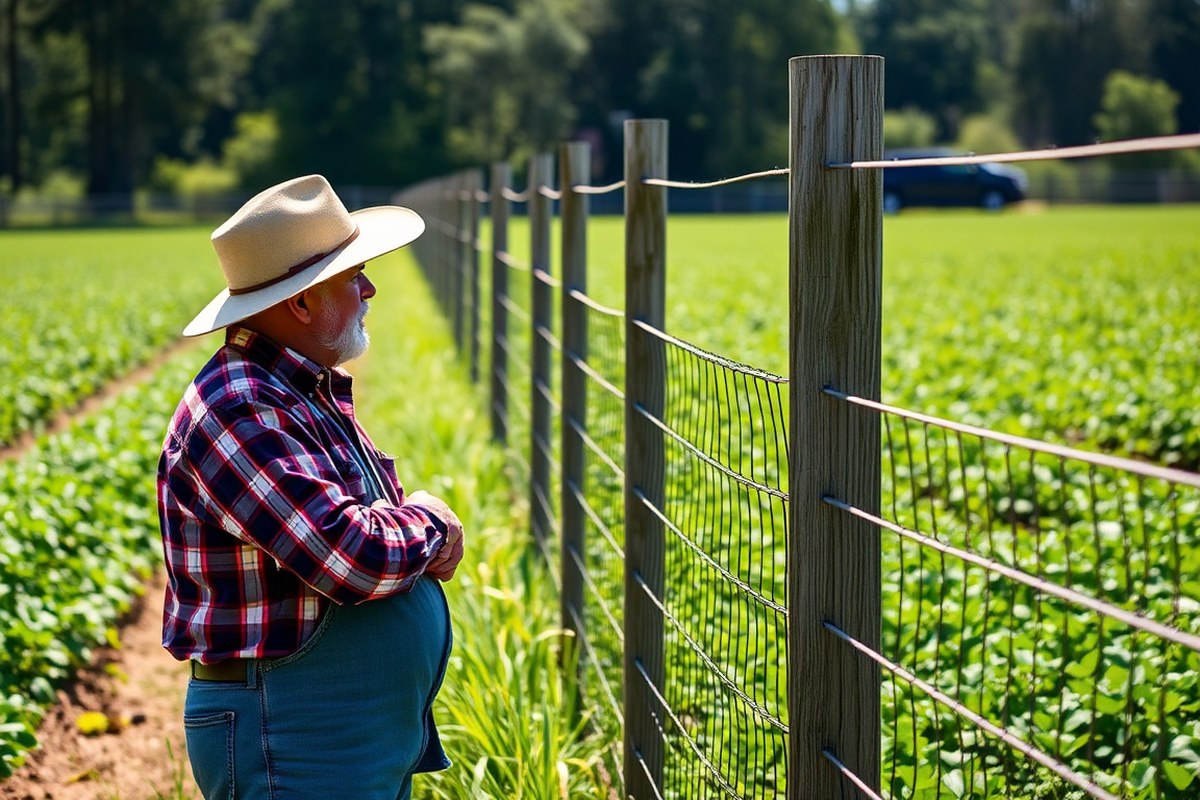
How do farmers keep deer away from their crops? One of the best ways is to put up a strong, tall fence around fields.
Deer are great jumpers. So fences need to be at least 8 feet high to block their access.
Electric fences create a nearly 100 percent effective barrier against deer. They are great for large farms that need strong protection. These fences deliver a small shock that trains deer to stay away over time.
Double fences spaced 4 to 5 feet apart work well for smaller areas. They also help if you have a tight budget. This spacing can discourage deer from jumping.
Start by choosing a fence type that fits your land size and budget. Remember to check and maintain fences regularly. Even the best fence won’t work if there are gaps or damage deer can slip through.
Key Takeaways
- Build fences at least 8 feet tall to prevent deer jumps.
- Electric fencing is the most reliable method for large farms.
- Double fences spaced 4-5 feet apart can confuse deer and reduce jumping.
- Inspect fences often to fix holes or sagging sections.
- Consider angling fences outward 45 degrees to improve deer deterrence.
- Wood, wire, and mesh fences all work but vary in cost and durability.
1. How Farmers Use Fencing to Block Deer Access
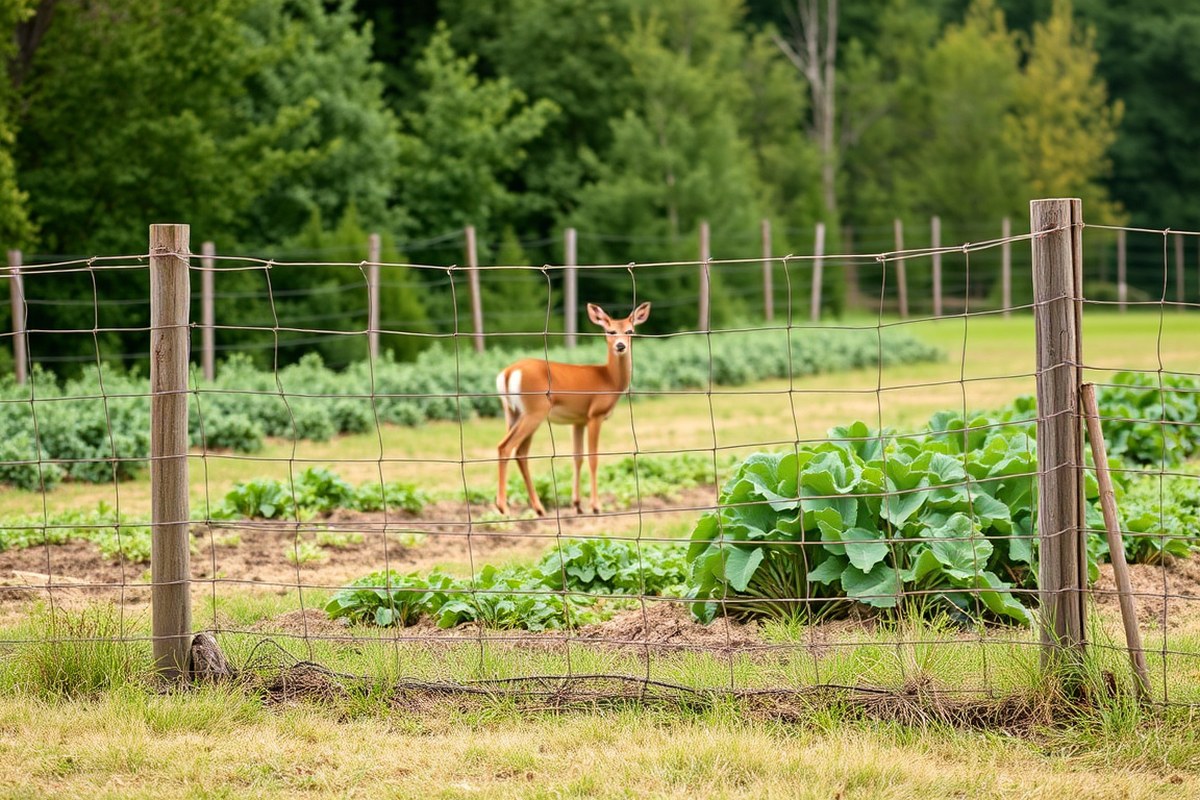
Deer fences need to be tall enough to stop them from jumping. The best height is at least 8 feet because deer can easily clear shorter barriers. A solid fence or wire mesh fence blocks deer well at this height.
It stops deer from getting inside your crops or plants. This physical barrier is effective and reliable. Building a fence this tall needs strong materials and deep posts.
The posts keep the fence steady against wind and deer pressure. Without sturdy posts, the fence might fall or lean.
Electric fences give a more secure way to keep deer away. They deliver a mild shock that trains deer to avoid the area. This method works without harming the animals.
Electric fences are usually 3 to 4 feet tall. They need several electrified wires, spaced a few inches apart. This spacing helps ensure deer get the shock.
This option costs more upfront and requires power. So it fits most large farms but not always residential areas.
| Fence Type | Typical Height | Key Features | Best Use |
|---|---|---|---|
| Solid or Wire Mesh Fence | 8 feet or taller | Physical barrier, tall enough to block jumpers | Long-term crop protection, durable |
| Electric Fence | 3 to 4 feet | Delivers shock, multiple wires, teaches avoidance | Large farms, open fields, needs power source |
| Double Fence Setup | Two fences 4 to 5 feet apart | One fence angles outward at 45 degrees | Extra defense in high deer pressure areas |
Installing deer fencing starts with staking out a clear perimeter. Use pressure-treated wooden posts or heavy metal t-posts buried at least 2 feet deep.
Stretch the fencing material tightly to prevent sagging. Check posts for leaning regularly and tighten loose areas to keep the fence effective.
Installing an outward-angled fence adds extra difficulty for deer trying to jump. Putting two fences 4 to 5 feet apart creates a double barrier. Deer see this and usually hesitate to jump or cross.
This method adds an extra layer of protection. This method requires more materials but can help in areas with larger populations.
Maintenance includes repairing any holes immediately and trimming plants that touch the fence. Vegetation touching an electric fence may short it out.
Regular checks prevent deer from finding weak spots. A well-built fence offers the most reliable defense you can get for your crops and garden.
2. Using Natural Plants to Deter Deer from Crops
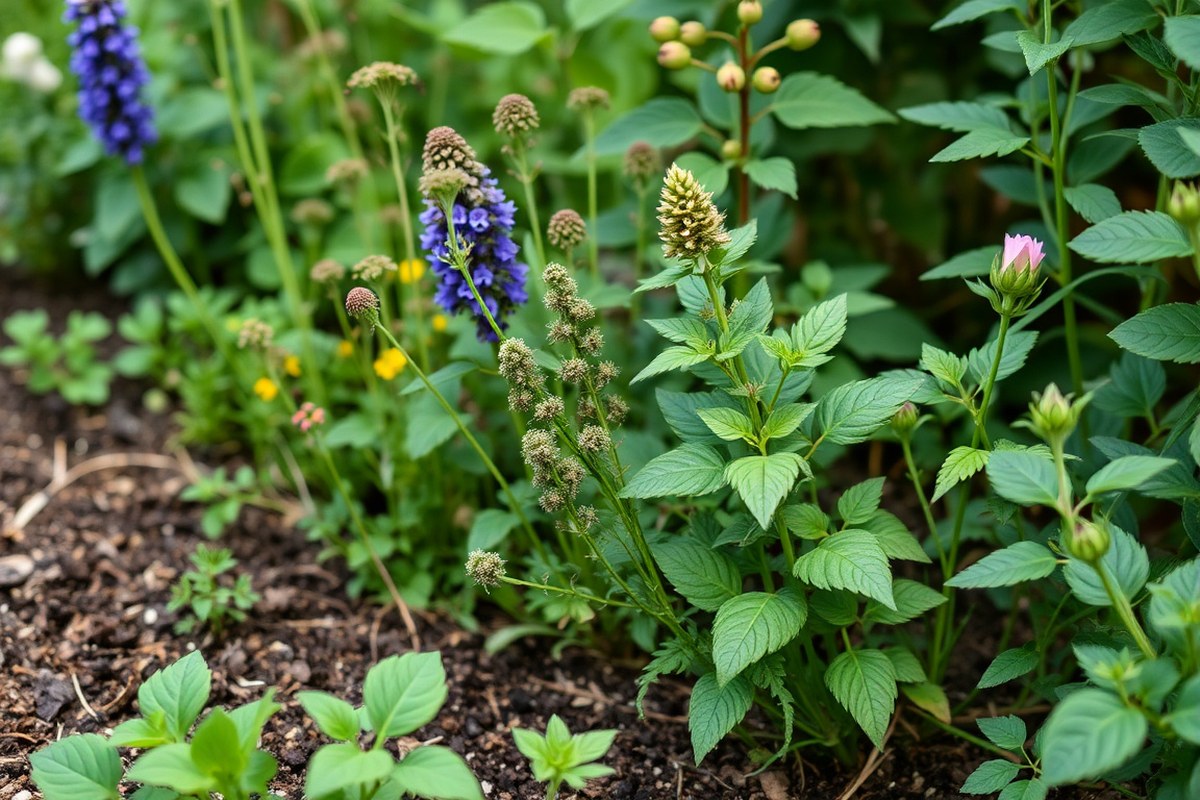
Farmers keep deer away by planting certain plants that deer avoid. Using natural plants to deter deer protects crops without chemicals or constant maintenance. You can create barriers with these plants or mix them into your fields to reduce damage.
Top Deer-Resistant Plants to Grow
There are many plants that deer dislike because of their taste or smell. Thorny bushes and strong-smelling herbs work well, such as lavender, rosemary, and garlic. Other options include marigolds, daffodils, and ornamental grasses that deer find unappealing.
Planting crops that deer avoid gives your garden a natural shield. Some examples are:
- Lavender, aromatic and tough for deer to eat
- Rosemary, a woody herb with a strong scent
- Garlic, pungent smell that repels deer
- Marigolds, bitter taste and smell
- Daffodils, toxic to deer, discourages browsing
- Ornamental grasses, noise and texture deter feeding
- Boxwood, dense, thorny shrubs that block access
Including such plants reduces the chance deer will enter your farm or garden. They add variety while protecting your main crops.
How Aromatic Herbs Help Deter Deer
Aromatic herbs give off strong smells that deer don’t like. They confuse deer’s senses and mask the scent of your crops. Herbs like oregano, thyme, and sage placed near vulnerable plants add a deterrent veil.
You can plant these herbs around your entire garden border. This method forms a natural smelling fence without extra work. Many farmers plant garlic bulbs along edges for a strong, long-lasting smell.
Plant herbs around crops early in the season for best protection.
Some herbs also have a tough, leathery leaf deer avoid chewing. Combining aroma with texture improves results.
Best Planting Arrangements for Maximum Effect
Place deer-resistant plants in a wide strip around your crops. A border at least 3 feet wide helps keep deer away. Plant thorny shrubs in the outer row to block entry points.
Interplant aromatic herbs next to vulnerable vegetables or fruit trees. Mixing deterrent plants within your rows adds layers of protection. You can even include garlic or marigolds between crop rows to disrupt feeding.
Cluster tall, dense plants where deer tend to approach most. Avoid single rows that deer can simply step over. Thick plantings create physical and sensory barriers.
Seasonal Considerations for Plant Deterrents
Plant effectiveness varies by season because deer feeding habits change. In winter, food is scarce, so deer may ignore deterrent plants and feed anyway. During spring and summer, fresh aromatic plants have stronger scents and work better.
Perennials like lavender stay effective through summer but lose scent in cold months. Plant garlic each fall to have strong scent in early spring. Seasonal planting of marigolds and rosemary supports continuous protection.
Keep your deterrent plants healthy and trimmed. Dead or dry herbs lose their power to repel deer.
3. Assessing Commercial and Homemade Deer Repellents
Deer repellents, both commercial and homemade, can help protect your crops. They work by making plants smell or taste unpleasant to deer. Reapplying after rain or every few weeks keeps repellents effective.
Popular Commercial Repellent Types
Commercial repellents come in sprays, granules, and concentrate forms. Products like Deer Out Concentrate make plants taste bad to deer. They use predator scents or bitter stuff to do this.
This helps keep deer away from your plants. Pollinator-safe options, such as Bobbex, avoid harsh chemicals like capsaicin.
These repellents ask for regular reapplication, especially after heavy rain or dew. Changing repellents every few weeks confuses deer.
It stops them from getting used to a single scent. This trick works well to protect your crops.
- Spray-on repellents with predator urine scents
- Bitter-tasting gels and concentrates
- Granules spread around crops to mask smell
- Pollinator-friendly formulas safe for flowering plants
- Concentrates diluted with water for easier application
Most commercial repellents cost between $15 and $30 per gallon. The key is using them consistently, especially in rainy or damp weather.
Effective Homemade Repellent Recipes
You can make your own deer repellent with simple household items. A popular recipe uses hot sauce, dish soap, and water. This mixture irritates deer’s taste buds, making your plants less appealing.
One mix uses 2 tablespoons of hot sauce with 1 tablespoon of dish soap. Add this to 1 gallon of water. Stir well before spraying plants.
Spray this on affected plants every 7 to 10 days or after rain. Another option mixes 4 crushed garlic cloves with 1 gallon of water.
- 2 tbsp hot sauce + 1 tbsp dish soap + 1 gallon water
- 4 garlic cloves crushed + 1 gallon water
- 10 drops peppermint oil + 1 cup water (for fresh scent)
- Blend rotten eggs with water (use with caution)
- Wash off plants before harvest if using strong-smelling mixes
Always wear old clothes when spraying homemade repellents. The smell can linger and irritate skin or eyes.
Application Frequency and Conditions
Deer repellents lose their strength after a rain or heavy dew. You need to reapply soon after these events to keep your crops safe. Check your plants every week during deer season.
Repellents work best when applied early, before deer discover your plants. Night and dawn are peak feeding times for deer. Set a schedule to spray every 7 to 14 days in dry weather.
- Reapply after every heavy rain or dew
- Spray every 7 to 14 days when dry
- Apply in early morning or late afternoon
- Check plants weekly to spot renewed browsing
- Rotate repellents every few weeks to avoid deer habituation
Ignoring these steps can let deer get used to smells, reducing repellent effect. Consistency matters most for long-term success.
Safety Considerations for Repellent Use
Most commercial sprays are safe for crops and the environment if used as directed. Pollinator-friendly options protect bees and other insects essential for your farm. Avoid harsh chemicals that can harm beneficial insects or soil health.
Homemade repellents with hot sauce or garlic don’t harm plants or soil. They only keep deer from eating your plants. They are safe to use often.
Still, avoid spraying edible parts too close to harvest. Wear gloves and eye protection when mixing or applying strong-smelling sprays.
- Choose pollinator-safe repellents when possible
- Wear gloves and old clothes during application
- Avoid sprays on edible plant parts near harvest
- Store repellents in cool, shaded areas away from pets
- Follow label instructions on commercial products carefully
These repellents offer a humane and eco-friendly way to manage deer. Using them responsibly protects your crops and the surrounding wildlife.
4. How Scare Devices Help Keep Deer at Bay
Scare devices like noise makers startle deer to keep them away. Motion-activated sprinklers and visual deterrents make your farm less inviting. These tools help protect your crops by surprising deer.
Different devices work better in different spots. So combining types can increase your chances of success. Using these tools properly can protect your crops without harming deer.
Types of Scare Devices for Deer
Deer scare devices come in several forms that target the animals’ senses. You’ll find noise makers, ultrasonic devices that emit high-frequency sounds, motion-activated lights, sprinklers, and visual deterrents. Each type plays a role in keeping deer alert and uneasy around your garden or fields.
You can choose from:
- Ultrasonic noise devices that humans can’t hear but bother deer
- Noise-making machines like sirens, horns, or radios playing loud music
- Motion-activated sprinklers that spray water when deer approach
- Motion-activated lights that flash or turn on suddenly
- Visual deterrents such as hanging shiny CDs or draped netting
- Using objects with predator scents, like dog fur, near crops
Choosing devices depends on your farm’s size, layout, and deer pressure. Using different scare devices nearby works better.
Deer quickly get used to a single type. Mix multiple tactics to keep deer cautious.
Effectiveness of Ultrasonic and Noise Makers
Ultrasonic devices emit sounds that deer find unpleasant but humans cannot hear. Their success varies, as deer can grow used to constant noise if it doesn’t change. Rotating or moving ultrasonic units can help keep deer guessing.
Noise makers like sirens and radios create real, loud disturbances. These methods can scare deer effectively, especially when combined with motion sensors. However, they may annoy nearby neighbors or livestock, so place them carefully.
Keep in mind:
- Deer may ignore continuous static noise over time
- Change locations of noise devices regularly
- Use motion sensors to activate noise makers only when needed
- Adjust volume to avoid disturbing yourself or neighbors excessively
Noise devices work best as part of a system that includes visual and physical deterrents.
Using Motion-Activated Sprinklers Properly
Motion-activated sprinklers spray water on deer, startling them and keeping them off your land. Position sprinklers where deer are likely to enter or feed, like garden edges or paths. Testing and adjusting the sensor range helps avoid false triggers from small animals or wind.
To get the most out of sprinklers:
- Place sprinklers about 6 to 10 feet from plants you want to protect
- Set sensitivity to detect deer at a distance of 15 to 25 feet
- Use multiple sprinklers if you have a large area or many entry points
- Turn sprinklers on at night and during dawn and dusk when deer are active
- Check batteries or power sources regularly for consistent operation
Sprinklers are effective without annoying people or pets. But they need a reliable water supply and may require winter storage in cold areas.
Visual Deterrents That Discourage Deer
Visual deterrents work by confusing or frightening deer through sudden movement or unusual sights. Hanging reflective objects like old CDs on shrubs creates flashes of light that deer dislike. Draping netting over prized plants can block deer access while making the plants less visible.
Other visual options include fake predator eyes or silhouettes placed near crops. Move or change visual deterrents every few weeks. This stops deer from getting used to them.
Regular changes keep the scare devices effective. These devices don’t need electricity or water.
That makes them cheaper to add to your defense. Low cost helps you use more scare tactics.
5. Employing Guard Animals to Deter Deer
Dogs, donkeys, and llamas are common guard animals to keep deer away. Dogs alert you and chase deer.
Donkeys and llamas actively scare or intimidate them. Each animal works best in different farm layouts and herd sizes.
Dogs need training and attention daily. They work well where people are often present and can spot deer quickly.
Donkeys are territorial and growl or chase animals entering their space. They suit fenced pastures but might not patrol a very large orchard effectively.
Llamas give off strong scent and show aggressive behavior toward predators like deer. They fit well in mixed pastures or orchards.
Llamas require less daily interaction but still need secure shelter and food. Their presence alone tends to reduce deer visits significantly.
- Dogs need regular feeding, training, and shelter
- Donkeys require secure fencing, fresh water, and vet care
- Llamas need shelter from cold and good-quality hay
- Each animal benefits from early socialization with livestock
- Guard animals work best combined with fencing or repellents
Guard animals can cut deer damage by 60 to 80 percent if managed well. They deter deer because these wild animals avoid encounters with unfamiliar or threatening animals. Their natural behaviors add a live defense layer beyond fences or sprays.
The cost varies depending on the animal you choose. Dogs may cost $200 to $500 for training. Donkeys range from $500 to $1,500 each.
Llamas cost about $1,000 to $3,000 to buy. Ongoing care involves feed, medical care, and fencing upkeep. Expect to spend some hours weekly for feeding and monitoring.
Don’t rely solely on guard animals, combine them with other methods to control deer reliably.
6. Combining Methods for Integrated Deer Management
Combining fencing, repellents, plants, and guard animals makes deer control stronger and longer lasting. Deer learn to ignore single deterrents after a while. Using many methods at once keeps deer guessing and helps protect your crops better.
Your farm size and the crops you grow affect which methods to mix. Small gardens might rely more on plants and repellents.
Large farms benefit from sturdy fencing plus guard animals. An integrated approach suits varying needs and budgets.
To build a plan, first find your problem areas. Notice what deer like to eat the most there. Use this info to keep them away.
Then pick methods that work well together without doubling effort. Cost, maintenance, and ease of use also matter. Rotate repellents and scare devices to avoid deer getting used to them.
Follow these steps to combine strategies and protect your farm effectively:
- Assess Deer Pressure and Crop Risk. Check which areas deer visit most and which crops they prefer. Prioritize these spots for stronger control.
- Set Up Physical Barriers. Install fencing around high-value fields or the entire farm, depending on size. A 8-foot high fence costs around $2 to $5 per foot but blocks most deer.
- Choose Repellents and Rotate Them. Use commercial or homemade sprays, applying every 2 to 3 weeks. Switch products monthly to keep deer from getting used to smells or tastes.
- Plant Deer-Resistant Varieties Near Vulnerable Crops. Surround prized plants with species deer hate. That lowers overall interest in your garden or field.
- Deploy Guard Animals Where Possible. Dogs or llamas can patrol medium to large farms. They raise the risk for deer coming close.
- Use Scare Devices Sparingly. Motion-activated lights, sounds, or sprinklers work best when you don’t rely on them every day. Rotate their location monthly.
- Check and Maintain Your Setup Regularly. Fix broken fences, reapply repellents, and watch guard animals. Deer find ways in through gaps or weak spots.
This mix cuts down deer damage better than just one method. You also lessen the chance deer get stuck on a routine and ignore your protections.
Combining tools fits various situations: a small garden may skip guard animals. A farm growing deer-favored crops should use strong fencing and more tactics.
7. Monitoring, Adapting, and Avoiding Common Mistakes
Check for deer signs like tracks, droppings, and damaged plants often. These clues show if deer are coming into your fields or gardens. Inspect your deterrents every two weeks to catch problems early and adjust as needed.
Deer can get used to fixed deterrents, so move them around regularly. Change locations or swap methods every month to maintain their effectiveness. For example, shift scare devices or switch the spots where sprays are applied.
Common mistakes include using repellent sprays incorrectly or relying on just one method. Failing to reapply repellents after rain can make them useless. Also, not repairing holes in fences lets deer slip right through.
- Look for fresh deer tracks or droppings near crops.
- Scan plants for new chew marks or broken stems.
- Check fences for gaps or trampled spots weekly.
- Reapply repellents every 7 to 14 days or after rain.
- Move scare devices monthly to prevent deer habituation.
- Rotate crops annually to reduce deer feeding habits.
- Inspect guard animals for signs of fatigue or distraction.
Mixing different deer controls can keep deer guessing. Switching crops each season helps, too.
Deer grow used to feeding in one place. So rotating plants trips up their habits and lowers damage.
Balancing cost and benefit is key. Cheap fixes like human hair or soap bars may not always work long-term. Investing in solid fences and regular monitoring usually pays off by reducing crop loss significantly.
8. How Seasonal and Environmental Factors Affect Deer Control
Deer behavior changes a lot with the seasons. In fall, especially during the rut, deer are more active and less cautious.
This increases the chance they’ll damage crops. So start applying deterrents in late summer to stay ahead.
Winter usually lowers deer pressure since food is scarce and they move less. However, harsh winters can drive deer closer to farm fields searching for food. Check fences and refill repellents before snow arrives.
Do it again in early spring. Keep your defenses ready through the seasons.
Spring and summer mean new plant growth that deer often find tasty. They’ll browse more in gardens and fields during this time. Change up your deterrents often to keep deer away.
Try planting crops deer don’t like. Use natural deer-resistant plants too.
Environmental factors like nearby woods, water sources, and weather influence deer presence. Farms near forests or streams often face higher deer pressure year-round.
Deer tend to avoid open, windy areas, so clearing brush near fields can help. Wet weather, especially during droughts, can push deer to search harder for food on farmland.
To adapt through the year, plan a seasonal calendar. Start deterrents by August or September. Check all methods monthly and replace worn products or repair barriers.
Reduce reliance on a single strategy to keep deer from getting used to your tactics. Switching deterrents every few months works better.
Costs vary based on what you use and your land size. Repellents might range from $20 to $50 per application for small plots.
Fencing costs can be in the hundreds for bigger farms. Tracking deer activity helps you spend wisely and avoid unnecessary treatments.
Begin using deer deterrents by late summer at the latest. This helps prevent damage during the rut. Deer are more active then.
Step-by-Step Action Plan to Keep Deer Away from Your Crops
Follow these steps to protect your crops using proven deer control methods. Track results to adjust as needed.
- Before planting: Install tall, sturdy fencing around your field. Check the fence height reaches at least 8 feet to block deer.
- Week 1: Plant deer-resistant shrubs and herbs near vulnerable crops. Look for plants showing little to no deer damage after 7 days.
- Week 2: Apply commercial deer repellents on crops. Monitor crops weekly to see if deer nibbling decreases.
- Week 3: Set up scare devices like motion-activated lights or noise makers. Watch for deer avoidance in treated areas.
- Month 1: Introduce a guard animal, such as a dog trained to patrol your fields. Note any reduction in deer tracks and signs.
- After 6 weeks: Review your methods and combine those that work best together. Confirm by less crop loss and fewer deer sightings.
- Seasonal check: Adjust strategies as deer feeding habits change with seasons. Track changes in deer activity on your land monthly.
Frequently Asked Questions
What Crops Do Deer Avoid That Farmers Can Plant Nearby?
Deer tend to avoid plants with strong smells, such as allium and daffodil bulbs. Planting these near crops like tulips helps reduce deer damage.
They mask the scents that deer find attractive. This makes the area less appealing to deer.
Can Dogs Alone Stop Deer from Entering Farm Fields?
Dogs can help deter deer, especially if they patrol day and night. Their effectiveness varies depending on the situation.
They work best when combined with fencing or scare devices. Use multiple methods to get better results.
How Does Crop Rotation Help Reduce Deer Damage?
Changing crop types regularly can confuse deer and reduce damage. Rotating crops means deer find less of their preferred foods in one spot, lowering their visits.
Are Electronic Fences Better Than Regular Fences for Deer Control?
Electronic fences add a mild shock to keep deer away. They can be more effective when combined with sturdy physical fences but may require more maintenance.
Does Human Hair Actually Keep Deer Away from Gardens?
Scattering human hair around gardens can deter deer due to the unfamiliar human scent. It is a simple, low-cost method but works best when refreshed regularly.
What Time of Day Are Deer Most Active Around Crops?
Deer are usually most active at dawn and dusk when they feed. Knowing this helps farmers time their deterrents and patrols for better protection.
Wrapping Up
Deer can cause big crop damage if left unchecked. But you have solid options to stop them.
Start with one method, then add others for better results. Begin today by checking your fencing and planting some deer-resistant plants.