Do Cucumbers Need a Trellis? Benefits, Best Methods, and How to Grow
Do cucumbers need a trellis? Yes, they usually do for the best growth.
Vining cucumbers grow long and climb, so a trellis keeps them off the ground. This helps the plants spread out and stay healthy as they grow tall.
Most cucumber vines can grow 4 to 6 feet high. So support should match that height. A trellis about 5 feet tall works best for cucumbers.
It’s tall enough to support the vines fully. You can still reach and pick the cucumbers easily. Starting the trellis early, before vines get too long, makes training easier.
Using a trellis also improves air flow and keeps fruit clean from the soil. Keep an eye on the vines to tie or guide them as they climb. This simple step gives you healthier plants and better yields.
Key Takeaways
- Choose a trellis 5 feet tall to match most cucumber vine growth.
- Begin trellising once vines reach 6 to 12 inches long with tendrils.
- Space cucumber plants 12 to 24 inches apart to allow room for growth.
- Full sun exposure of 6 to 8 hours daily is essential for cucumbers.
- Use sturdy materials like metal or wooden stakes for long-lasting support.
- Guide vines regularly to prevent tangling and promote airflow.
Do Cucumbers Need a Trellis to Grow Best?

Cucumbers don’t always need a trellis, but vining types really benefit from one. These cucumbers naturally climb as they grow, so a trellis helps save garden space.
When you grow cucumbers vertically, you can plant vines closer. This often means more cucumbers in less garden space.
Bush cucumber types don’t need a trellis very much. Their vines grow only 18 to 30 inches long. Vining cucumbers can grow between 5 to 8 feet tall.
A trellis is a smart choice for them. Without a trellis, vining cucumbers spread on the ground. Fruits can then get dirty or misshapen.
A trellis also keeps cucumbers straighter and cleaner, improving how they look and taste. You can use fence posts, jute strings, or lattice panels to support the vines.
Your garden or container space may be small. Trellising helps keep plants healthy and easier to harvest.
It’s okay to skip a trellis for bush cucumbers or when growing in containers. These smaller plants manage fine without vertical support.
Some gardeners let vines grow in mulch or straw. This no-trellis way works well with enough space.
Starting the vines on a trellis early helps prevent damage. When young, cucumber stems are flexible and easier to train upward.
Use a trellis that’s 4 to 5 feet tall. It keeps vines off the ground and lowers disease risks.
How Tall Should a Cucumber Trellis Be and Why?
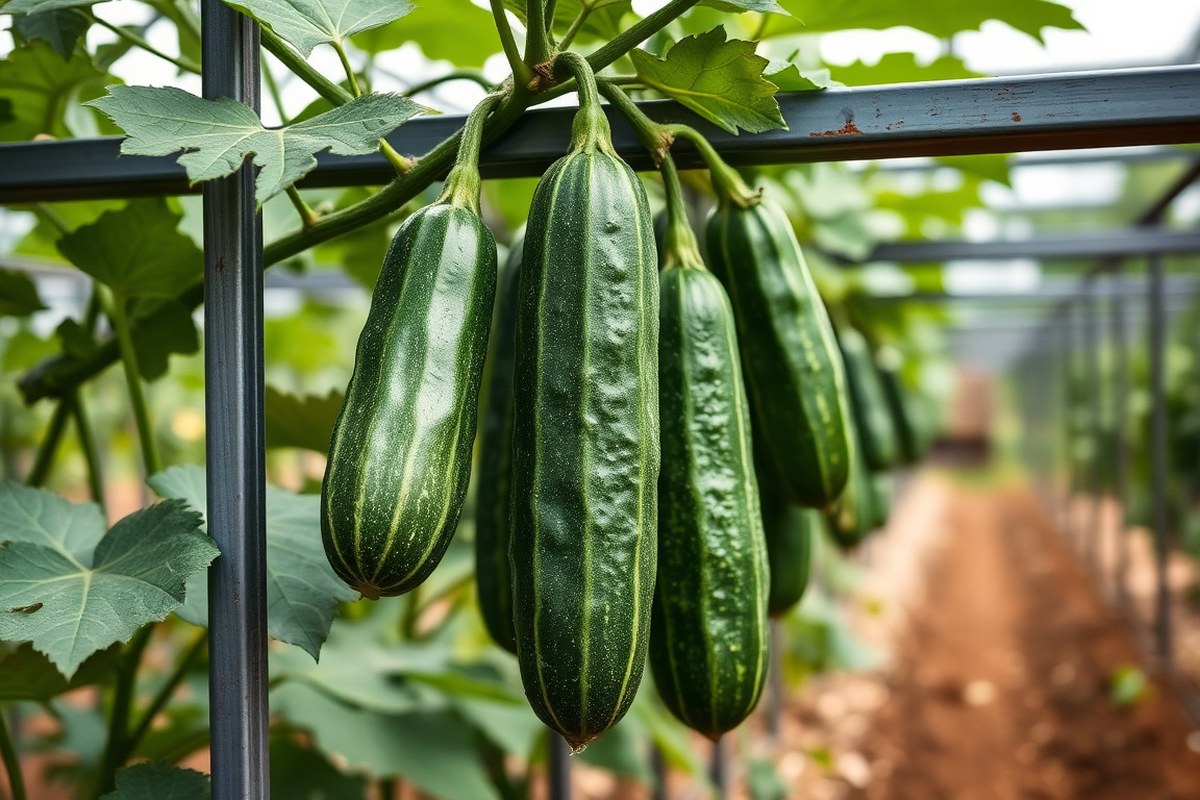
Cucumber trellises usually range from 3 to 6 feet tall. Most gardeners select a trellis about 5 feet high to give the vines room to climb. Long, thin cucumber types like trellises near 6 feet tall.
They also need a wide base for solid support. This helps the vines grow healthy and strong.
Vine length directly affects trellis height. Your cucumber variety grows long vines like slicing or burpless. A taller trellis helps catch their vertical growth well.
Bushier or smaller cucumber types need less height. So a 3 to 4-foot trellis works fine. Choosing the right height helps the plant spread out without crowding or straining.
A trellis that’s too short forces vines to sprawl on the ground. This reduces air flow and leads to disease or pest problems. Trellises taller than 6 feet make picking cucumbers hard.
They may also break the delicate vines easily. Keep your trellis shorter to avoid these problems. Use posts about 6 feet tall for your cucumber vines.
Train the vines so they don’t climb to the top. This keeps harvesting easier and safer. This balance helps you pick cucumbers easily while giving your plants enough space.
Choose trellis height based on your cucumber’s growth habit. Taller trellises suit long vines, shorter ones fit bush types.
Best Trellis Types and Materials for Growing Cucumbers
Choosing the right trellis for cucumbers depends on space, ease of harvesting, and durability. Vertical trellises save space but need regular training.
A-frames offer sturdy support but take more room. Bamboo teepees and tomato cages are simple tools for smaller gardens or patio containers.
Single Wire or String Trellis
A single wire or string trellis saves a lot of garden space. You run twine or wire vertically between posts or a fence. The tendrils grab easily, keeping cucumbers climbing straight up.
This setup costs $10 to $30 for materials like strong garden twine or wire. It takes a few minutes to install and needs you to guide vines regularly. Harvesting can be easier because fruits hang along a straight line and don’t hide in leaves.
A-Frame and Arch Trellises
A-frame trellises use wooden boards or poles to form a triangle shape. They stand steady and let air circulate well around the plants. This reduces disease risk and makes picking cucumbers easier.
An arch trellis is similar but curved, giving more sun exposure. These structures take more garden space around 3 to 4 feet wide.
Building an A-frame with 1″ x 2″ boards costs $15 to $50. The price depends on the wood quality you choose.
You need to prune regularly. Also, train the vines to spread out. The wide frame makes cucumber spreading neat but needs more room than a straight trellis.
DIY Bamboo Teepee and Tomato Cage Options
Bamboo teepees are simple to build using 4 or 5 poles tied at the top. This forms a vertical net-like shape that cucumbers climb well. They take minimal ground space and add a natural look in the garden or containers.
Heavy wire tomato cages can also support a single cucumber vine if sturdy. Avoid lightweight cages that can bend or collapse under fruit weight. Both choices cost between $10 and $30.
They work well in tight spaces. They’re great if you want an easy setup.
| Trellis Type | Advantages | Disadvantages |
|---|---|---|
| Vertical | Space-saving; improved sun and air | Needs vine training regularly |
| A-frame | Sturdy; better air circulation | Requires more space, pruning |
| Teepee | Simple; space-efficient; natural look | Limited size; stable only if secured |
| Wire Tomato Cage | Easy setup; supports single vine | Flimsier if lightweight |
Building or buying a durable cucumber trellis means picking solid, smooth materials. Avoid sharp surfaces that can damage tendrils.
Wood, bamboo, or coated metal make good choices. Fasten securely to avoid collapsing as cucumbers grow heavy.
Decide your trellis based on how much room you have and your comfort with training vines. Vertical and A-frame structures suit garden beds. Bamboo teepees and tomato cages fit balconies or small spaces well.
How to Train and Support Cucumber Vines on a Trellis
Cucumber vines need training to climb a trellis well. Start guiding them early, using gentle ties for support. This keeps vines neat and helps cucumbers grow healthy and straight.
Early Training: When and How to Start
Begin training cucumber vines as soon as seedlings have two to three sets of true leaves. At this stage, the vines are still flexible and easier to guide onto the trellis. Waiting too long can cause tangles and damage.
Plant cucumbers at the base of your trellis. Gently lift and place the young vines against the support structure to encourage upward growth. Starting early helps the vine use the trellis naturally, reducing future tying efforts.
Tying Techniques That Support Without Hurting
Cucumbers do produce tendrils that climb on their own. But tying helps prevent damage from wind or heavy fruit.
Use soft materials like garden twine, cloth strips, or specialized plant ties. Avoid thin wire or anything that might cut the vine.
Tie loosely around the vine and trellis to allow growth and movement. Knots should be easy to adjust or undo, which helps prevent pinching or bruising the plant. Checking ties every week prevents tight spots that harm the vine.
Correcting Vines That Fall Off or Resist
Sometimes vines slip off the trellis or refuse to climb. Take the loose vine and gently wrap it back around your support. You might need to tie it again gently to keep it in place.
When the vine resists, try guiding it from another angle. Support it using a vertical string to help.
Avoid forcing vines harshly, which can break stems or slow growth. Patience helps vines adjust naturally over a few days.
- Plant cucumber seedlings at the base of the trellis early in the season.
- When vines grow 6 to 8 inches, lift them gently. Place them along the trellis support carefully. Guide them onto the trellis to help them climb.
- Use soft ties or twine to secure vines to the trellis. Tie them loosely every 6 to 8 inches. This prevents damage and lets the vines grow freely.
- Wrap vines gently around vertical strings or trellis wires to encourage climbing.
- Check ties weekly and loosen or adjust any that become too tight or restrictive.
- Support heavy fruit by making sure vines are well secured and the trellis is sturdy.
- When vines fall off, carefully wrap and tie them again. Avoid breaking the stems while doing this.
- Continue regular training and tying as vines grow throughout the season.
Spacing, Sunlight, and Water Needs for Trellised Cucumbers
Plant your cucumber seeds or starts 5 to 6 inches apart at the trellis base. This spacing lets each plant grow properly without crowding. Space rows 3 to 4 feet apart to leave enough room for vines and air circulation.
Cucumbers need full sun, about 6 to 8 hours daily, even when grown on a trellis. The vertical setup improves sunlight exposure because vines get better light from all sides. Good light helps cucumbers develop faster and reduces disease risk.
Water cucumbers consistently, aiming to keep the soil evenly moist but not soaked. Trellised cucumbers dry out faster since air circulates more underneath. Use drip irrigation or soaker hoses to water at soil level and avoid wetting leaves.
- Plant seeds or starts 5-6 inches apart along the trellis base
- Space rows 3-4 feet apart for air and growth room
- Provide 6-8 hours of direct sunlight daily
- Water deeply 1-2 times per week, depending on weather
- Use drip irrigation or soaker hoses to wet soil only
- Check soil moisture regularly, especially during hot days
- Avoid overhead watering to prevent leaf diseases
Water at soil level, not on leaves, to prevent mildew and other diseases.
Starting indoors or using seedlings lets you space plants closer since they establish faster. Consistent watering supports healthy vine growth on the trellis. Watch for signs of wilting, dry leaves mean your cucumbers need more water right away.
How Trellising Improves Cucumber Health and Yield
A trellis helps cucumbers grow healthier by improving airflow around the vines. Good air circulation lowers humidity, which cuts the chance of fungal diseases like powdery mildew. Keeping leaves and fruit off the ground stops many pests.
Soil can carry bugs and diseases that harm plants. This keeps your cucumbers healthier and cleaner.
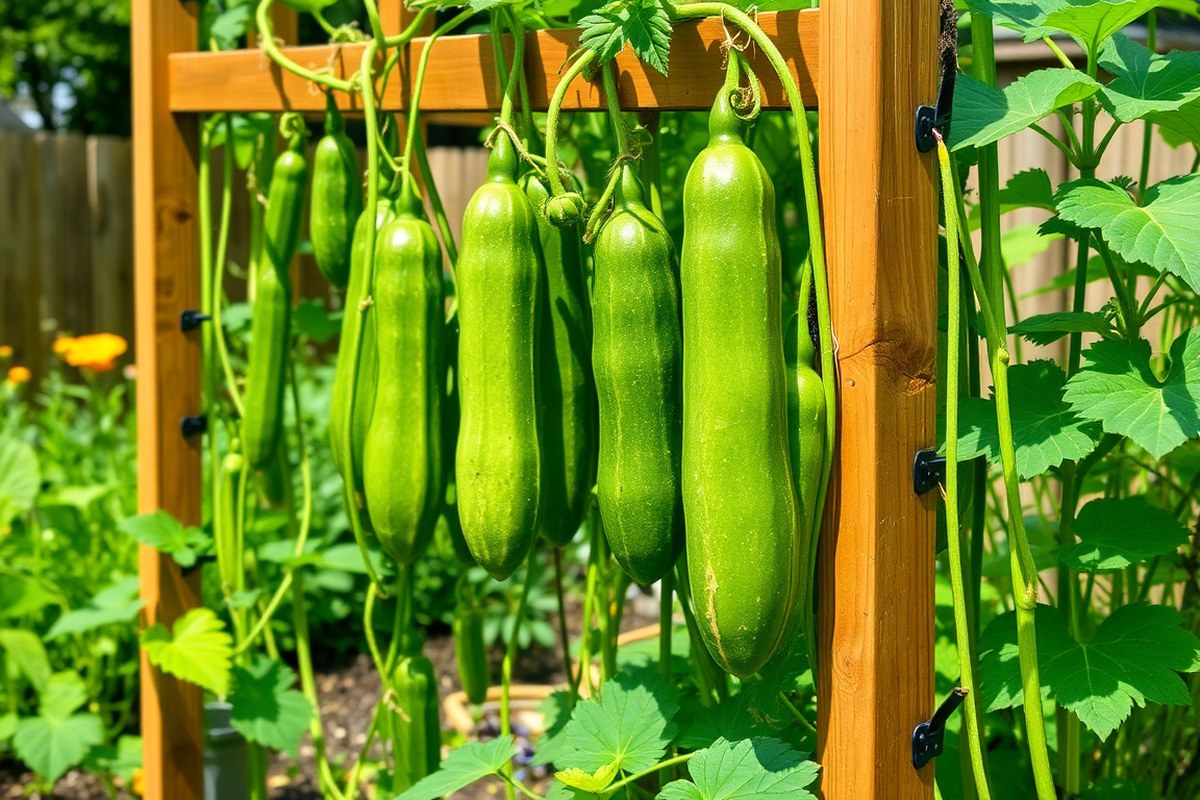
With cucumbers hanging on a trellis, fruits stay cleaner and straighter. Cucumbers on soil often get dirty or crooked. Ground contact makes them grow unevenly.
This can lead to misshaped fruit. Raised fruit gets more sunlight and room to grow.
This helps cucumbers stay straight. Better shape means better taste and looks.
Using a trellis can increase your cucumber yield by making the plants more efficient. Vertical growing doubles the yield per square foot compared to letting vines sprawl on the ground. You allow roots and vines more breathing room, which helps fruits grow bigger and healthier.
A trellis also simplifies harvesting. When cucumbers hang visibly, you can spot ripe fruits quickly without searching through dense foliage. This saves time and reduces damage to the plant while picking.
Place your trellis where it gets lots of sun. South or west-facing spots work best. This gives cucumbers the light they need.
Allow the vines to climb steadily and spread evenly. Some gardeners use vertical trellises or A-frames, which let you reach both sides with ease.
Installing a trellis can be simple and low-cost. Use wood, metal, or strong netting for trellises. These usually cost between $10 and $30.
They work well for small garden setups. Support needs to be strong because vines get heavy. Mature vines and fruit can weigh 10 to 15 pounds.
A sturdy trellis keeps everything supported. Secure the trellis firmly in the soil to prevent tipping.
Pruning and Maintaining Cucumbers on a Trellis for Best Results
Prune cucumber plants once they reach about 12 inches tall to manage growth. Trim side shoots and suckers below the main vine to focus energy on fruit development. Removing crowded, lower leaves also helps air flow and cuts down disease risk.
Keep your trellised cucumbers healthy with regular watering, feeding, and pest checks. Water at the base, giving about 1 inch per week.
So leaves stay dry and disease-free. Use a balanced fertilizer every two weeks to support quick vine and fruit growth.
- Trim lateral branches and suction growth weekly
- Remove yellow or damaged leaves promptly
- Thin dense vine areas to boost airflow
- Check vines for pests and diseased spots
- Water about 1 inch weekly at vine base
- Use a balanced fertilizer every 10, 14 days
Pruning keeps vines less crowded, letting sunlight reach fruits better. With more air circulating, leaves dry quicker, reducing fungal problems. This ongoing care produces bigger yields and healthier cucumbers on your trellis.
Common Cucumber Trellising Problems and How to Fix Them
Cucumber trellising isn’t always smooth. You might see vines falling off, trellises wobbling, or cucumbers growing weird shapes. Fixing these issues keeps your garden healthy and productive.
Vines Falling Off or Not Climbing
Cucumber vines can slip off if the trellis is too smooth. They also avoid climbing if not trained early.
Training the plants helps them stick better to the trellis. Cucumbers use tendrils to grab on and need something reliable to latch onto.
To fix this, use trellises made of mesh, netting, or wood with plenty of gaps. Tie the main vine loosely to the trellis as it grows.
Use soft garden ties or twine for this. Attach them every 6 to 12 inches.
- Start tying when vines reach 6 inches tall.
- Use soft ties to avoid cutting the stem.
- Check ties weekly and adjust for growth.
- Avoid smooth wire that vines can’t grip well.
- Train side shoots to follow the trellis frame.
Loose training helps the vines spread upward instead of sprawling on the ground. This stops fruit damage and pest problems.
Trellis Stability and Support Issues
A shaky trellis can collapse under wind or the weight of cucumbers. This stresses your plants and ruins growth. Secure your trellis by anchoring it firmly.
Drive strong stakes 12 to 18 inches into the soil at each corner or support point. Use durable materials like cedar or metal posts and connect them with crossbars for extra strength.
- Use strong garden stakes or metal poles sunk deeply.
- Drive stakes at least 1 foot into the ground.
- Fasten trellis frame with screws or zip ties.
- Anchor the bottom with rocks or bricks if needed.
- Add guy wires on tall trellises for wind resistance.
Check your trellis regularly as vines grow heavier. Reinforce or repair loose spots early to avoid collapse.
Secure your trellis firmly before planting to prevent damage during storms or heavy growth.
Uneven or Crooked Fruit Growth
Cucumbers growing bent or twisted often mean uneven support or poor sunlight exposure. Hanging fruit can curve if they don’t rest evenly while developing.
Hang cucumbers can bend because they pull downward on the vine. Provide extra support by cradling young fruits with soft netting or slings tied to the trellis.
- Gently tie large fruits to avoid bending.
- Position fruits to get sunlight evenly.
- Space vines to avoid overcrowding fruits.
- Prune side shoots to focus growth on strong fruits.
Balanced growth means straighter cucumbers and better yield. Watch fruits and adjust support every few days during growth.
Step-by-Step Action Plan for Trellising Cucumbers
Start trellising cucumbers right after planting to help vines grow properly. Follow these steps to get the best results and harvest.
- Before planting: Choose a sturdy trellis at least 5 to 6 feet tall. This height supports most cucumber varieties well.
- Planting day: Space cucumber seeds or seedlings 12 inches apart. Plant them at the base of the trellis. Check that soil is moist and well-drained.
- First 2 weeks: Train young vines gently onto the trellis using soft ties or clips. Make sure vines grow upward and wrinkle under minimal stress.
- Weeks 3 to 6: Prune side shoots below the first fruit cluster. This focuses energy on main vines and improves airflow.
- Every week after: Check ties and adjust as vines grow. Keep the trellis clear of dead leaves and watch for pest damage.
- During fruiting: Water cucumber plants deeply at soil level two or three times weekly. Avoid wetting leaves to prevent disease.
- End of season: Remove old plants and clean trellis. This helps lower pests and disease risk for next year.
Frequently Asked Questions
Do Cucumbers Grow Without a Trellis?
Yes, cucumbers can grow without a trellis but tend to spread and produce less fruit. Growing vertically improves air circulation, disease control, and yield.
Can You Reuse a Cucumber Trellis Every Year?
Yes, you can reuse a sturdy cucumber trellis for several seasons. Just clean it well to prevent disease spread to new plants.
Are All Cucumber Varieties Suited for Trellising?
No, vining cucumber varieties do best on trellises. Bush types grow well without support. Choose the right type for your space.
Can Trellising Cucumbers Save Garden Space?
Yes, trellising cucumbers uses vertical space, freeing ground area for other plants. This is great for small gardens or raised beds.
How Does Trellising Affect Cucumber Fruit Shape?
Trellising helps cucumbers grow straighter and more uniformly shaped. Fruits hanging down avoid ground blemishes and pests.
Does Trellising Reduce the Risk of Cucumber Pests?
Trellising improves airflow and keeps fruit off soil, which lowers some pest problems. Regular plant checks still help catch pests early.
Final Thoughts
Cucumbers grow better with a trellis because vines get more sunlight and air. This means healthier plants and more cucumbers. Grab your trellis today and start training your vines for the season.