How to Use Diatomaceous Earth in the Garden: 8 Essential Steps That Work
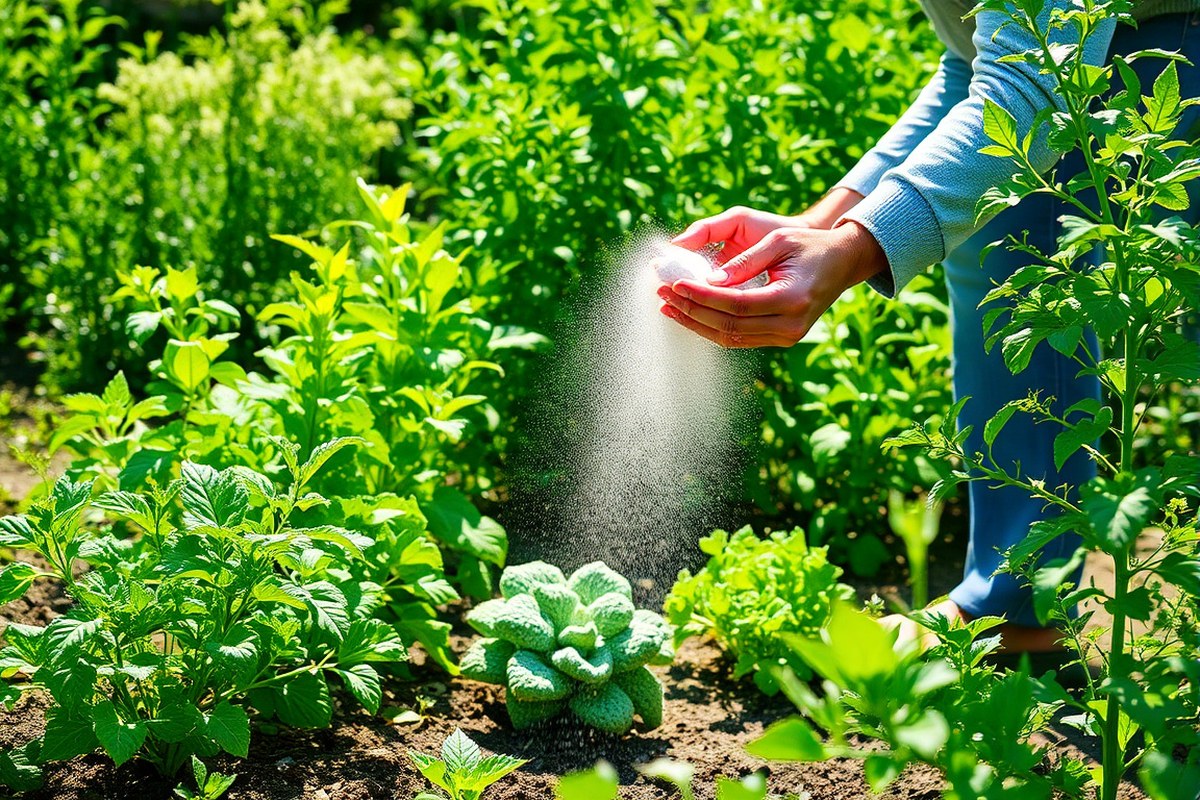
Using diatomaceous earth in the garden controls pests naturally and safely. Apply it as a dry dust or mix with water to spray. The powder cuts through insects’ outer layers and dries them out without chemicals.
Choose food-grade diatomaceous earth to keep your garden safe. Lightly dust plants, soil, or pest entry spots with a bulb duster. Avoid applying it before rain to keep it effective longer.
Reapply after heavy watering or rain to maintain pest control. Use it around plant bases to target crawling insects like ants and slugs. Wear a mask during application to avoid inhaling the dust.
You can spray it on leaf undersides by mixing it with water. Let the spray dry fully before watering to keep its power. This natural approach helps protect beneficial insects by reducing pesticide use.
Key Takeaways
- Use food-grade diatomaceous earth for safe, natural pest control.
- Apply dry DE with a bulb duster for even coverage on plants.
- Spray mixes need about 1 cup DE per half gallon of water.
- Dust 2, 3 inch bands around plant stems to block pest access.
- Apply DE when the garden is dry to improve effectiveness.
- Incorporate DE into top 2, 3 inches of soil to boost soil health.
1. How to Apply Diatomaceous Earth for Pest Control
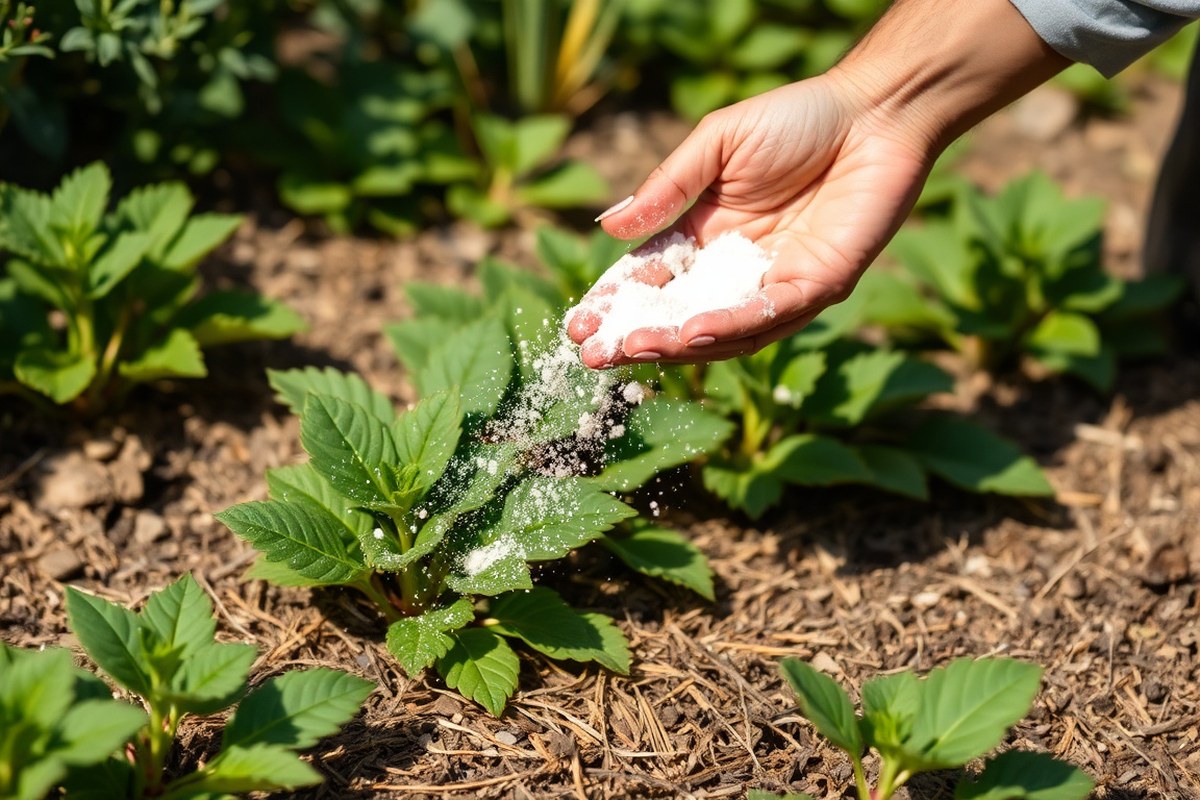
Diatomaceous earth (DE) is best applied dry to keep it sharp and effective. It works by damaging pests’ exoskeletons, which dries them out and deters them from crossing.
Wet conditions make DE clump and lose power. So apply it on dry days and reapply after any rain or heavy dew.
Spread DE around plant bases or garden edges to protect them. It makes a barrier against pests. Apply it lightly and evenly for best results.
It helps stop ants, slugs, aphids, and beetles from coming in. To get an even, thin layer, use a bulb duster if you have one. It fits well in small spaces and spreads the powder finely.
Don’t have a bulb duster? Use a clean wide brush or small shaker. These tools help spread DE evenly.
Sometimes you might need to loosen thick clumps of DE before applying. Wet DE only helps during application and must dry fully to work.
After spreading, wait a day before watering your plants to avoid washing it away. Reapply at least once a week or after rain, depending on how damp your garden stays.
- Check the weather forecast to pick a dry, calm day for application.
- Wear a dust mask to avoid inhaling fine DE particles during spread.
- Use a bulb duster or shaker to apply DE in a thin line. Put it right around your plants’ bases. Keep the layer light to avoid clumping.
- Focus on garden bed borders and entry points where pests tend to crawl in.
- For wet DE, mix a little with water in a spray bottle. Mist your plants lightly to coat them well. Avoid soaking to keep it effective.
- Allow wet DE to dry completely before watering or rainfall expected.
- Reapply DE after heavy rain or every 7 to 10 days. This keeps it working in damp weather. Check plants regularly to know when to add more.
2. Choosing and Preparing Diatomaceous Earth for Garden Use
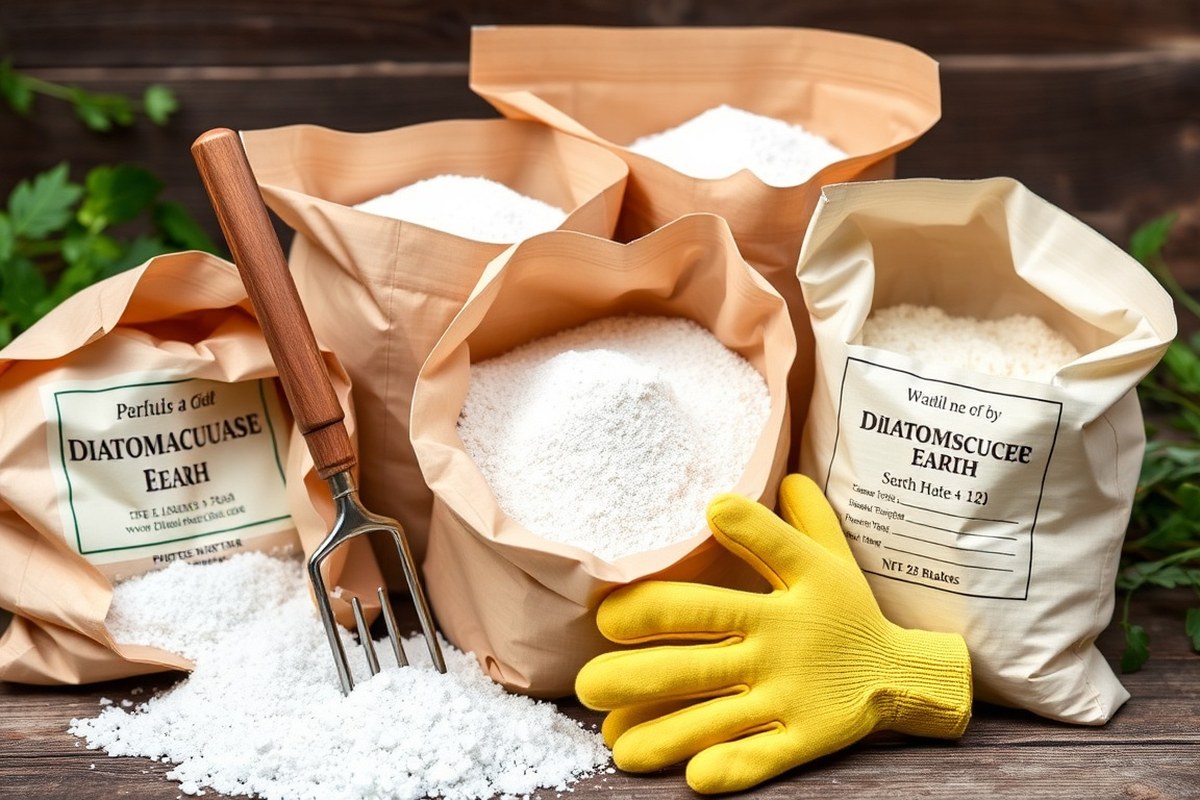
Choose only food-grade diatomaceous earth (DE) for your garden to protect plants and pets. Prepare the powder by loosening clumps and gather simple tools to spread it evenly. Store DE in a dry, sealed container to keep it effective and safe.
Food-Grade vs Filter-Grade DE
Food-grade DE is safe for plants, pets, and humans. It comes from fossilized algae and has low crystalline silica levels.
In contrast, filter-grade DE contains higher silica and is harmful if inhaled. So avoid it in the garden.
Food-grade DE costs about $10 to $20 per 5 pounds, depending on brand and purity. Check the packaging carefully for the “food grade” label before buying. Using pool-grade or industrial DE can damage plants and irritate skin and lungs.
Tools for Spreading DE Effectively
Dry DE powder spreads best with simple tools that let you apply it evenly and thinly. A hand duster or spice shaker works great for small patches. They give you good control over how much powder you spread.
This helps avoid waste and mess. For larger areas, use a dedicated garden spreader to cover soil or plant leaves without clumps.
Before spreading, break up lumps in the DE by stirring it or tapping the container gently. This avoids uneven coverage and wasted powder. Make sure the garden bed is dry; wet soil or plants reduce DE’s effectiveness.
- Hand duster or small spice shaker for precision
- Garden spreader for broad coverage
- Soft brush for spot application on leaves
- Protective mask and gloves for safety
- Dry container for mixing with water if making a spray
Spread DE in thin layers to avoid buildup, which waste product and look messy. You’ve done a good job when powder forms a light dusting.
It should cover plants or soil evenly. Avoid piles or clumps of powder.
Safety Precautions When Handling DE
Always wear a dust mask when working with DE to avoid inhaling fine particles. Even food-grade DE can irritate your nose and throat if airborne. Gloves protect your skin, especially if you have sensitive skin.
Keep DE dry and tightly sealed in a container to maintain potency. Store it in a cool, dry place away from children and pets. Label the container clearly to prevent confusion with other powders.
Keep DE in a cool, dry place to maintain its quality. Reseal the container after each use. This stops moisture and dust from ruining it.
3. Using Diatomaceous Earth to Improve Soil Health
Diatomaceous earth (DE) can improve your garden soil. Mix it in to boost structure, aeration, and moisture. It helps compacted or clay-heavy soil get looser.
This makes the soil drain better. Use DE carefully to avoid harming plants by sticking to recommended amounts and mixing it thoroughly.
Recommended Ratios for Soil Mixing
Use about 5% to 10% diatomaceous earth by volume when mixing it into soil. Add about 1 to 2 cups of DE per square foot.
Mix it into the top 6 inches of soil. Avoid adding too much, as high concentrations might dry out the soil excessively.
For potted plants, mix together one part DE with ten parts potting mix. This balance keeps the soil airy and moisture-retentive without stressing roots. Adjust slightly if your soil is very dense or sandy for best results.
Incorporation Techniques for Different Soil Types
Clay soils benefit most from DE because it loosens heavy particles and improves drainage. Mix DE deeply into the soil to break up clumps and reduce waterlogging. Avoid just surface application to get the most aeration improvement.
Sandy soils need DE mainly to boost moisture retention. Mix diatomaceous earth evenly through the soil.
But use smaller amounts to prevent it from becoming too powdery and losing water quickly. Spread it well during soil prep or pot refill.
Timing and Preparation Before Planting
Add DE when you prepare your garden beds or potting mix, before planting seeds or transplants. Mix DE in early before planting.
This helps soil microbes and roots grow better. Wet the soil lightly after mixing in DE to activate its properties without washing it away.
In existing beds, loosen the soil gently with a garden fork before adding DE. Then mix it in about 4 to 6 inches deep. This timing also helps prevent disturbing plants while improving soil for upcoming growth stages.
Follow these steps for the best soil improvement with diatomaceous earth:
- Measure your garden area first. Use this to figure out how much DE to add.
- Loosen the soil to a depth of 4 to 6 inches using a fork or tiller.
- Spread measured DE evenly over the loosened soil surface.
- Mix DE thoroughly into the soil to ensure even distribution.
- Water the soil gently to help settle and activate the DE particles.
- Plant seeds or transplants after soil preparation is complete.
- Monitor soil moisture and adjust watering as DE may affect drying time.
4. Target Pests and Safe Use Around Beneficial Insects
Diatomaceous earth works well against pests with soft bodies or thin exoskeletons. These include slugs, snails, flea beetles, earwigs, ants, and caterpillars. The fine abrasive powder abrades their outer layer, causing dehydration and death.
Because diatomaceous earth is non-selective, it can harm beneficial insects like bees and ladybugs. It also affects earthworms if applied heavily on soil. To protect them, apply diatomaceous earth carefully and avoid flowering plants during their active pollination period.
Applying it selectively where pests gather lowers risk to helpful bugs. Dust soil bands, mulch surfaces, or leaf undersides rather than the whole plant.
Refresh the powder after rain or irrigation as moisture reduces its effectiveness. This approach allows you to kill pests without wiping out beneficial insect populations.
| Pest | Where To Dust | Notes |
|---|---|---|
| Slugs & Snails | Soil bands around lettuce, strawberries, hostas | Refresh after irrigation or dew |
| Flea Beetles | Lower leaves and soil near stems | Best on young brassicas and eggplant starts |
| Earwigs | Mulch surface, bed edges, trap entrances | Pair with rolled cardboard traps at night |
| Ants | Trails, mound entries, foundation lines | Thin trail of dust; repeat after rain |
| Caterpillars | Leaf undersides on non-flowering crops | Spot-treat; avoid blooms |
To avoid harm to bees and ladybugs, apply diatomaceous earth early morning or late evening. Their activity levels are lower then. Avoid dusting flowers where pollinators forage, especially when plants bloom.
Earthworms live in soil and can be harmed if diatomaceous earth is over-applied in thick layers. Apply thin, targeted dustings on pest areas only.
This method balances effective pest control with preserving important helpers like bees, ladybugs, and earthworms. Careful timing and placement make a big difference in protecting your garden’s beneficial insects.
5. Safety Guidelines When Using Diatomaceous Earth
Personal Protective Equipment Recommendations
Wear gloves, a mask, and goggles before handling diatomaceous earth. This keeps you safe from breathing in fine dust and irritation. A dust mask with a good seal works better than a simple cloth mask.
Keep your sleeves rolled down to avoid skin contact. Apply DE gently to create less airborne dust. Use slow, sweeping motions when dusting soil or plant leaves.
Pet and Child Safety Precautions
Food-grade diatomaceous earth is safe for pets and children when used correctly. Avoid applying large amounts directly where pets play constantly or children spend time. This reduces the chance they’ll inhale dust or get it stuck in their eyes.
Apply a thin layer of flea treatment to pet bedding or carpets. Let it sit for a few hours. Then vacuum the area thoroughly to remove fleas and dust.
Do not let pets lick treated areas immediately. Watch small children closely during and after garden application.
Proper Storage and Cleanup
Keep diatomaceous earth in a cool, dry spot out of sunlight. Store it in a sealed container or tightly closed bag. Make sure to label the container clearly to protect pets and kids.
Clean up spills by sweeping carefully, avoiding dust clouds. Wash hands and tools thoroughly after use. Keep the garden area free of loose dust to prevent accidental inhalation.
- Always check the label to confirm the DE is food-grade for safety.
- Apply DE on dry days to avoid clumping and loss of effectiveness.
- Wear a NIOSH-approved dust mask to protect your lungs.
- Keep pets and kids out of the garden during and right after application.
- Keep DE away from eyes and mouth to avoid irritation.
- Store DE in a sealed, labeled container in a dry spot.
- Vacuum treated carpets and pet bedding a few hours after application.
Wear a dust mask every time you apply diatomaceous earth, even in open air. Tiny particles can irritate lungs if inhaled repeatedly.
6. Best Practices and Common Mistakes to Avoid
Applying too much diatomaceous earth (DE) is a common mistake. Thick layers can block air and moisture from reaching plants and soil. Use a thin, even dusting to avoid smothering plants or soil life.
Applying DE on wet surfaces causes clumping and weakens its effectiveness. DE works best when dry because moisture fills its tiny sharp edges.
DE that gets wet needs to dry fully before reapplying it. Wait especially after rain or heavy dew to make it effective again.
Ignoring beneficial insects like ladybugs or bees can disrupt your garden’s natural balance. Apply DE only where pests hide or feed, such as on soil or unwanted plants. Avoid dusting flowering blooms, especially during peak bloom times.
Over time, DE can wash away or lose its edge from rain, sprinklers, or wind. Reapply when you notice fewer pests or see the powder thinning. A quick test is to check for dry, visible dust on plants or soil surfaces.
- Check weather: apply on dry, still days for best results
- Light rain or dew: wait for drying then refresh the dust
- Heavy watering: focus reapplication on splash zones only
- Windy conditions: apply late afternoon or early evening
- Avoid dusting flowering plants to protect pollinators
- Store DE in a dry, cool place to keep it effective
- Mix DE with organic fertilizer for even application and soil benefits
To fix clumping, gently break the DE apart or remove the clumps and reapply dry powder. Stir wet tank mixes often to keep the powder evenly suspended. Use a hand shaker or duster that spreads DE in a fine, uniform layer.
You can tell DE needs reapplying when slug or insect damage grows. Also, check if the dry powder has disappeared visibly. Try mixing DE with fertilizer or change when you apply it if pests return.
Adjusting timing or method can help control pests better. Avoid applying during rain or high winds for longer DE effectiveness.
7. Comparing Dry Dusting, Wet Sprays, and Soil Mixing Methods
Diatomaceous earth works differently when dry, wet, or mixed in soil. Dry dusting kills pests by scratching their bodies and absorbing oils.
Wet sprays form a slurry that sticks better on leaves but lose sharpness once dry. Mixing DE into soil targets pests below the surface and may improve soil health too.
Each method fits certain needs. Use dry dusting to treat dry plants and create barriers around seedlings.
Wet spraying fits plants that tolerate moisture and where you need better coverage. Soil mixing suits dealing with soil pests like worms or improving soil quality over time.
| Method | How to Apply | Best Use | Effectiveness | Limitations |
|---|---|---|---|---|
| Dry Dusting | Sprinkle DE with a bulb duster on dry leaves and soil | Control crawling pests; barriers on seedlings | High when plants and soil stay dry | Water or dew reduces effect quickly |
| Wet Spray | Mix DE with water and spray immediately on plants | Cover large, dense foliage; stick to leaves better | Moderate; loses abrasiveness as it dries | Needs frequent reapplication after rainfall |
| Soil Mixing | Blend DE into topsoil or potting mix | Target soil pests; improve soil texture | Varies; ongoing research suggests help with some worms | Slow acting; less immediate pest control |
Applying dry DE requires dry weather and soil, so check forecasts first. Use a bulb duster to spread a thin, even layer without clumps. Avoid applying before rain or watering to keep it effective.
For wet spray, mix about 1 to 2 tablespoons of DE in 1 quart of water. Stir well and spray quickly before the mixture settles. Apply during dry conditions and reapply after rain to keep pest control active.
Soil mixing means adding about 1 cup of DE per square foot. Mix it into the top few inches of soil. This helps spread DE where plant roots grow.
You can do this when planting or during soil prep. Mixing spreads DE through the root zone to help pests.
It also improves soil structure slowly over time. Pest control effects start slower than when DE goes on the surface.
Choose dry dusting for visible pests on plants or barriers. Pick wet sprays if you need reach and coverage on leafy plants. Go with soil mixing to fight soil dwellers and help soil health gradually.
8. How Weather and Garden Conditions Affect Diatomaceous Earth Use
Diatomaceous earth loses its pest-control power when wet. Rain, irrigation, or heavy dew can wash away or clump the powder. You need to reapply it after rain or heavy watering.
This keeps a dry, crumbly barrier pests can’t cross. Check it often to maintain protection.
Early morning or late afternoon are the best times to apply diatomaceous earth. These periods often have lower humidity and avoid direct midday sun. The powder sticks better to leaves and soil and lasts longer without quick moisture exposure.
Wind blows the fine dust away, which cuts its effectiveness. Apply diatomaceous earth when winds are calm, preferably under 5 miles per hour. Applying a mulch layer over DE helps shield it from wind and rain.
This keeps it drier and working better. The mulch also keeps the DE active longer.
- Apply DE in calm, dry weather to reduce loss.
- Reapply after rain, heavy dew, or irrigation to keep it effective.
- Use mulch to protect DE from moisture and wind.
- For hot climates, apply early or late to avoid sun and heat.
- In dry climates, check often for dust displacement by wind.
- Sprinkle DE lightly on plants to avoid clumping from dew.
- Wear a mask if windy to avoid inhaling dust.
Temperature affects how long diatomaceous earth works outside. In very hot weather, DE dries out quickly. It can get brittle and break down faster.
This reduces how well it works. Cooler temperatures slow its breakdown but may increase dew formation, which requires extra monitoring. Add a light layer of DE weekly to keep its barrier strong.
Also reapply after extreme weather changes. This helps maintain pest protection over time.
Always reapply diatomaceous earth after rain or watering to maintain its pest control. Wet DE won’t work until it dries again.
Step-by-Step Action Plan for Using Diatomaceous Earth in Your Garden
Follow these steps to use diatomaceous earth effectively for pest control and soil health.
- Before planting: Test your soil’s pH and texture. This helps you know if DE will work well with your soil type.
- Planting day: Mix a thin layer of diatomaceous earth into the top 2 inches of soil. You’ll see improved soil texture and drainage over weeks.
- Week 1: Lightly dust DE around plant bases targeting crawling pests like aphids or ants. Check plants daily for fewer pest signs.
- Week 2: Reapply dry dust after watering or rain dries out. Proper DE coverage means pests start to drop off or move away.
- Week 3: If pests persist, try a wet DE spray in the early morning. Watch for a drop in pest activity by the next day.
- Regularly: Avoid spraying beneficial insects like bees and ladybugs directly. Keep DE away from flowering parts to protect pollinators.
- Monthly: Stir DE into soil to maintain soil health benefits and pest deterrence. Soil should look crumblier and less compact.
- After harvest: Remove leftover DE by light raking to prepare for the next planting cycle. This keeps soil balanced and ready for new plants.
Frequently Asked Questions
Can Diatomaceous Earth Harm Earthworms in My Garden?
It can harm earthworms if overused. Use it sparingly to protect beneficial soil life. Earthworms help keep your soil healthy and should be preserved.
How Often Should I Reapply Diatomaceous Earth After Rain?
Reapply after heavy rain washes it away. Dry conditions make it most effective, so check soil moisture weekly. Keeping it dry ensures pests stay controlled longer.
Can Diatomaceous Earth Help with Fungal Diseases in Plants?
No, diatomaceous earth does not control fungal diseases. It mainly targets insects by damaging their exoskeletons. For fungi, use appropriate fungicides or natural remedies instead.
Is Food-Grade Diatomaceous Earth Safe for Children and Pets in the Garden?
Yes, but avoid inhaling the dust. Use food-grade DE only, and common sense helps keep children and pets safe. Wearing a mask during application reduces respiratory risks.
Can I Use Diatomaceous Earth in My Compost Pile?
Yes, a small amount helps control pests in compost. It won’t harm the composting process or beneficial microbes. Just sprinkle lightly to keep bugs away.
Does Diatomaceous Earth Affect Soil pH Balance?
It has minimal effect on soil pH. DE is mostly silica and does not greatly change acidity or alkalinity. Regular soil tests help monitor pH shifts.
The Bottom Line
Diatomaceous earth can protect your garden naturally and improve your soil over time. Using it with care helps control pests without harming good insects. Try applying a light dust around your plants today and watch for fewer pests tomorrow.