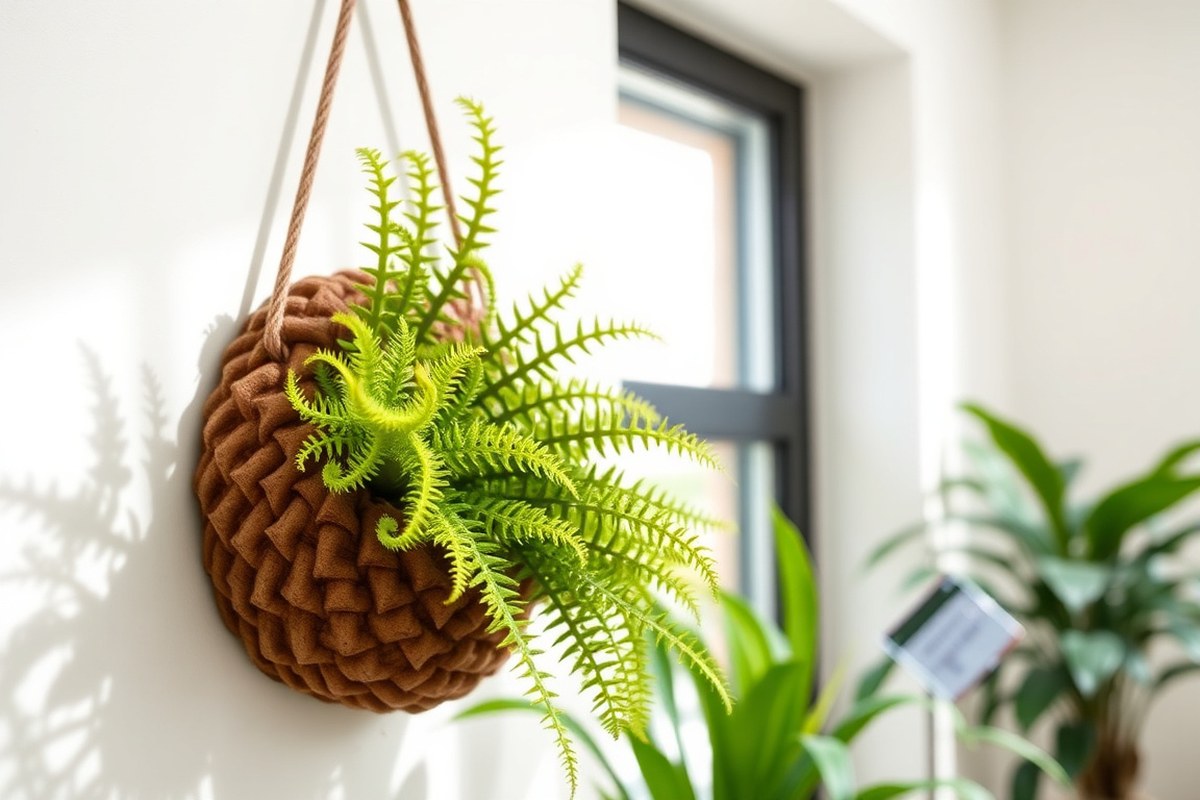
How to Care for Staghorn Fern with 8 Easy Steps for Thriving Plants
Knowing how to care for staghorn fern is about getting water and light right. Soak your fern facedown in water about every week during warm months. This helps the roots get fully wet without drowning the plant.
During cooler months, reduce soaking to every two or three weeks to avoid root rot. Let the fern drain well before hanging it back up to keep it healthy.
Humidity matters for staghorn ferns, as they like moist air but not soggy soil. You can mist the fronds regularly or place a humidifier nearby.
Keeping air humidity around 50-60% works well. If the air in your home is dry, grouping plants together can also raise the local humidity.
Light should be bright but indirect to keep your fern healthy. Avoid direct sunlight, which can scorch the leaves.
A north or east window is usually perfect. If natural light is limited, fluorescent lights can provide enough brightness for your fern to thrive.
Key Takeaways
- Soak staghorn ferns facedown in water for 5 to 20 minutes weekly.
- Maintain air humidity around 50-60% to keep fronds healthy.
- Never let temperature drop below 50°F or rise above 100°F.
- Keep staghorn ferns in bright, indirect light for best growth.
- Allow lower shield fronds to turn brown; it’s normal.
- Water mounted ferns weekly in warm months, 2-3 weeks in winter.
1. How to Water and Maintain Humidity for Staghorn Ferns
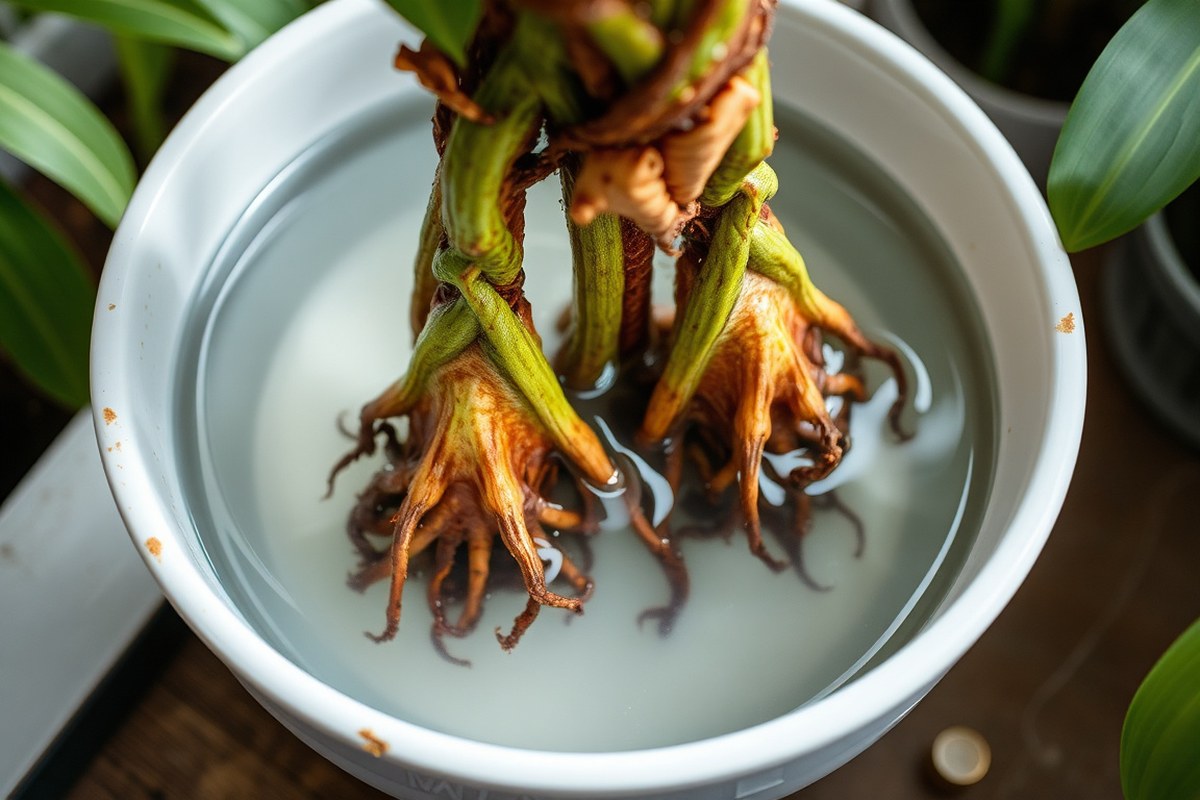
Staghorn ferns need regular watering and steady humidity to thrive. Mounted ferns usually require a thorough soak every 7 days. Potted ferns need soaking slightly less often, about every 10 days.
Soaking lets water reach the roots fully. For mounted plants, soak the whole mount in water for 15 minutes.
Potted ferns should have their root balls soaked until saturated, typically about 5 minutes. Avoid just misting, as it won’t provide enough moisture by itself.
Humidity is important because staghorn ferns come from tropical rainforests. Keep humidity near 60% or higher, especially during dry seasons.
You can increase it by grouping your fern with other plants or using a humidifier. Bathrooms with steady moisture often work well.
Watch your fern’s leaves and roots to tell if you’re watering right. Overwatered ferns have yellow or mushy leaves, and their roots may rot.
Underwatered plants show shriveled or brown leaves and dry root balls. Adjust soaking if these signs appear.
Follow these steps for the best watering and humidity care:
- Fill a sink or basin with room-temperature water. Make it deep enough to cover your fern’s roots or mount.
- Place your mounted fern facedown in the water. Let it soak for 15 minutes to wet the root ball fully.
- For potted ferns, submerge the pot or root ball for about 5 minutes until fully wet.
- Remove the fern and let excess water drain naturally to avoid waterlogging the roots.
- Check your home’s humidity. Use a gauge to keep it around 60% or higher for optimal health.
- Raise humidity by placing plants close together or using a room humidifier near the fern.
- Mist your fern lightly only between soakings, not as a replacement for soaking water.
- Inspect leaves weekly for signs of overwatering or underwatering and adjust watering frequency accordingly.
2. Ideal Lighting Conditions for Growing Healthy Staghorn Ferns
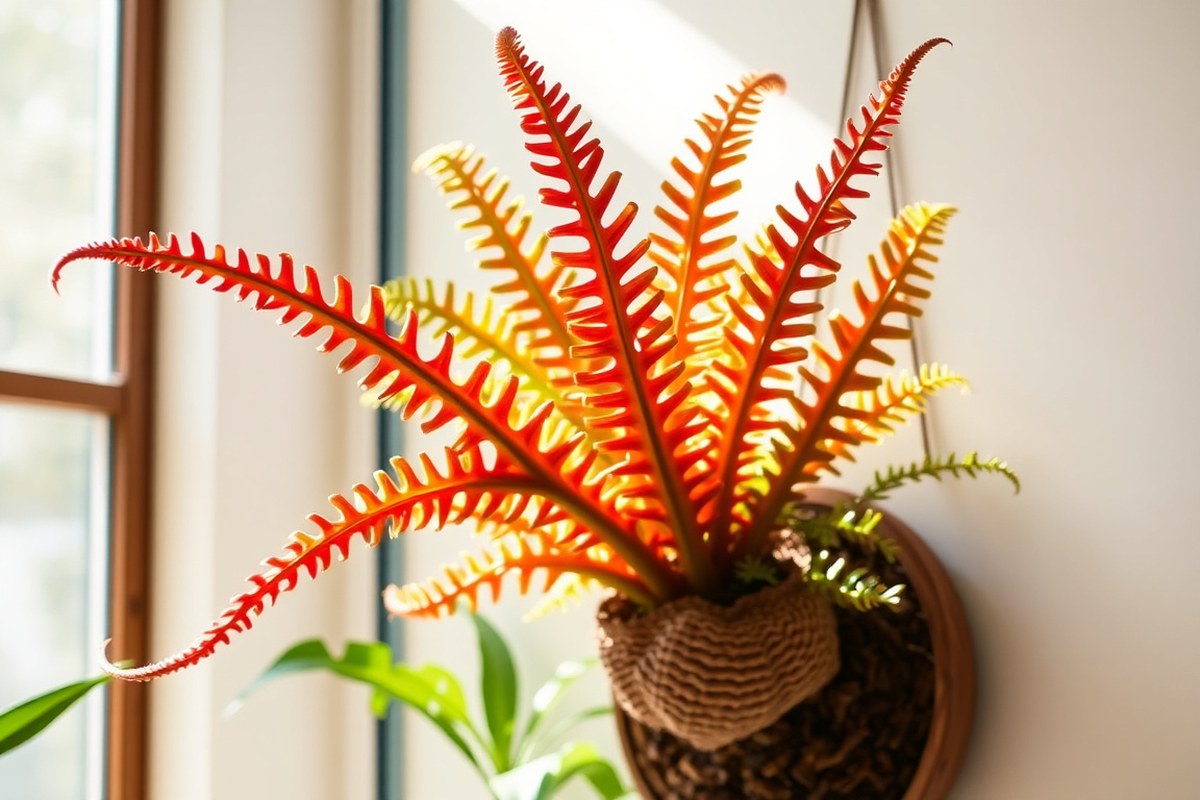
Staghorn ferns need about four to seven hours of bright, indirect light daily. They grow best when placed near east- or north-facing windows where sunlight is gentle and filtered. Direct sunlight, especially hot afternoon rays, can burn their fronds, turning them brown and crispy.
These ferns tolerate low light but grow slower and look less vibrant under dim conditions. Your space might lack natural light. Use a grow light with full-spectrum bulbs.
Keep it about 12 to 18 inches away from your fern. Keep the light on for 10 to 12 hours daily to mimic natural daylight.
Avoid placing your staghorn fern in direct sun, such as south- or west-facing windows without shade. The intense sun can damage the antler-shaped fronds. Damage shows as dry, scorched patches.
This can happen within a day or two. Indoors, spot them where they get bright but indirect light most of the day.
In warmer months, hang the fern near a shaded porch. You can also hang it under a tree outside. Both spots give bright, filtered sunlight and fresh air.
This setup promotes faster growth while protecting it from sun damage. Indoors, use sheer curtains to diffuse direct rays if windows face south or west.
Keep a close eye on your fern’s fronds. Brown tips often signal too much sun or not enough humidity.
Artificial light works well. But avoid fluorescent tubes without full-spectrum bulbs, they don’t meet the fern’s needs. Adjust your fern’s location seasonally as sunlight angles change.
Move it closer to windows in winter for extra light. Bright, indirect light keeps fronds lush and helps your fern thrive indoors.
3. How to Mount and Remount Your Staghorn Fern Successfully
Mounting a staghorn fern lets you display it naturally and keeps it healthy. You need a flat piece of wood, cork, or driftwood. Gather some moist sphagnum moss and secure ties too.
These help hold the fern in place well. Remount your fern every one to two years to freshen the moss and check root health.
Choosing the Right Mounting Surface
Wood boards, cork slabs, or driftwood are great mounting surfaces. They mimic the fern’s natural habitat and help the roots hold on firmly. Make sure the surface is clean and dry before use.
Choose wood large enough for the plant and roots. It should allow enough room for spreading.
Choose untreated wood with no chemical coatings. Cork bark slabs are lightweight and hold moisture well. Driftwood adds a rustic look but may need smoothing to avoid root damage.
Preparing the Fern and Moss for Mounting
Start by soaking the fern upside down in room temperature water for 15 to 20 minutes. This fully hydrates the roots and base. Put a handful of sphagnum moss in water to soak.
Let it become moist without turning soggy. This keeps moisture steady for the fern.
Trim any dead or damaged fronds carefully with clean scissors. Separate pups from the main plant in spring for easier mounting. Prepare your mounting surface by wiping off dust or dirt and letting it dry fully.
Securing Your Fern with Twine or Wire
Position the fern’s base on the prepared surface first. Spread the roots evenly over the board or bark. Place a small bundle of moist sphagnum moss around the roots to keep moisture.
Use strong fishing line, garden twine, or thin wire. Tie the fern gently but tight enough to hold. This stops the plant from moving.
Avoid tight knots that can damage the roots. Secure the plant with four or five ties spaced evenly for stability.
The fern should feel snug but not crushed. Adjust ties if needed during the first few days until the fern holds itself firmly. Twine is cheaper and easier for beginners, while wire lasts longer.
Caring for Your Fern Post-Mounting
Keep the mounted fern in bright, indirect light and maintain humidity around 60%. Mist the moss and fern fronds every few days to keep roots moist. Avoid soaking the moss too much, it should feel damp but not dripping.
Check the ties monthly and loosen if they start cutting into the base or roots. Remount the plant when moss breaks down or roots become crowded. This usually happens every 12 to 24 months.
- Place the fern upside down in water at room temperature. Let it sit for about 15 to 20 minutes. This rehydrates the leaves before mounting.
- Wet sphagnum moss until moist but not dripping.
- Clean and dry your mounting surface thoroughly.
- Position the fern’s base and spread roots across the surface.
- Place a small wreath of sphagnum moss around the root base.
- Tie the fern securely with fishing line, twine, or wire using several points.
- Hang or display the mounted fern in bright, indirect light.
- Mist the moss to keep moisture and adjust ties as needed over time.
4. Fertilizing Staghorn Ferns: When and How to Feed Them
Feed staghorn ferns every two to four weeks during spring and summer. Use a balanced liquid fertilizer, like a 20-20-20 NPK ratio, diluted to half strength. This keeps the plant growing without burning the fronds or roots.
In fall and winter, cut back to feeding once a month or stop completely. The fern’s growth slows down as temperatures drop below 50°F. So less fertilizer is needed. Overfeeding in the dormant season can cause stress or leaf damage.
Spray the diluted fertilizer lightly over the fronds and roots. Do this gently to avoid damage. Use this method for mounted staghorn ferns.
Avoid soaking the mounting board. Pour the fertilizer solution carefully into the potting mix.
Make sure it reaches the roots. Avoid flooding the pot when watering potted ferns.
Use balanced liquid fertilizer and dilute it to half strength. Fertilize every 2-4 weeks during the growing season.
Spray mounted plants and water potted ones monthly or less in dormancy. This prevents fertilizer burn and supports healthy growth from the crown and root area.
Homemade options like diluted banana peel tea can supply potassium but won’t replace regular feeding. Slow-release fertilizers aren’t ideal since staghorns absorb nutrients through both fronds and roots. Liquid feed gives better control and results.
Signs of overfertilizing include brown leaf tips, wilting, or a white crust on mounted surfaces. Underfed ferns may show slower growth or pale fronds. Adjust feeding to your plant’s reaction and season to keep it lush and strong.
5. Recognizing and Solving Common Problems and Pests
Pests on staghorn ferns are not very common but worth watching for. Scale insects are the most frequent problem. These pests look like small brown bumps stuck to the fronds and can weaken your plant.
Mealybugs, spider mites, and thrips sometimes appear too. They cause fine webbing, white cottony spots, or tiny stippling damage on the leaves. Catching these pests early keeps your fern healthy.
- Inspect the fern regularly, especially under fronds and around bases.
- Remove pests gently with a soft cloth dipped in soapy water.
- Use insecticidal soap or neem oil spray carefully to avoid harming leaf trichomes.
- Isolate infested plants so bugs don’t spread.
- Keep humidity higher to prevent spider mites, which thrive in dry air.
Spotting brown tips on your fern often means dry air or underwatering. Brown edges also appear when too much direct sun burns the fronds.
Brown fronds dying back naturally is normal into the plant’s life cycle. However, sudden browning with soggy base signals root rot from overwatering.
Root rot kills roots and often smells bad. Mounted ferns have few roots, so check the base’s firmness and smell.
If you find rot, remove affected fronds, stop watering for several days, and improve airflow. Let the plant dry out fully before watering again to stop fungi.
High humidity and fresh air circulation help stop fungal and bacterial problems before they start.
Nutrient problems happen when leaves turn pale or growth slows. Feed with diluted balanced fertilizer monthly during the growing season.
Avoid overfeeding as that can stress the fern and invite pests. Consistent care keeps staghorn ferns looking vibrant and growing steadily.
6. Propagation Methods: Dividing Pups and Growing from Spores
You can propagate staghorn ferns by dividing pups or growing them from spores. Dividing pups is easier and faster, usually taking a few weeks. Growing staghorn ferns from spores takes from 12 to 18 months.
This process is slower and harder for people new to plant care. Patience and attention to detail are important during this time.
Dividing and Planting Pups
Pups are tiny plants that develop close to the parent fern’s base. Let them grow until they are about 4 inches wide before separating. Carefully use a sharp, clean knife to cut the pup, protecting the main plant.
After separation, plant pups on their own in a well-draining organic medium. Keep humidity high and place pups in bright, indirect light to encourage growth. This method usually produces new plants in a few weeks.
- Look for pups around the base of the parent fern approximately 4 inches wide.
- Sterilize a sharp knife with rubbing alcohol to prevent infection.
- Cut the pup gently away from the parent plant, including some roots.
- Place the pup on a moist, well-draining soil or sphagnum moss mix.
- Keep the new plant in bright indirect light and 60, 80°F temperature.
- Maintain humidity around 70 percent by misting or placing near a humidifier.
- Water moderately, keeping the soil moist but not soggy.
- Fertilize lightly after a month with a general-purpose liquid fertilizer.
Preparing and Sowing Spores
Growing staghorn ferns from spores takes patience and about 12 to 18 months. First, collect mature spores from the underside of a fertile frond. The spores look like brown dust and are best harvested by tapping the frond over paper.
Next, sow spores on moist sphagnum moss or another sterile, well-draining medium. Keep the container covered and in indirect light to allow gametophytes to form. It can take several months before tiny fern plants, called sporophytes, appear.
Caring for Newly Propagated Ferns
New pups and spore-grown plants both need high humidity and indirect light. Avoid direct sunlight, which can stress young plants. Keep the soil evenly moist and maintain temperatures between 60 and 80 degrees Fahrenheit.
As the new ferns grow, gradually reduce humidity to normal levels. Fertilize sparingly with a diluted general-purpose feed once the plants show established growth. Watch for signs of overwatering or pests, especially during early stages.
7. Comparing Staghorn Fern Species for Size, Care Level, and Hardiness
Choosing the right staghorn fern depends on size, care needs, and temperature tolerance. The most common species for indoor growing include Platycerium bifurcatum and Platycerium superbum.
They differ in size and how much attention they need. They handle indoor conditions differently too.
Platycerium Bifurcatum Features
This species is the most popular staghorn fern for indoor gardeners. It typically grows up to 2 feet wide with forked antler-shaped fronds. It tolerates indoor light and humidity well.
That’s why it’s good for beginners. It fits typical home conditions.
Bifurcatum can handle temperatures down to about 55°F but thrives best between 60°F and 80°F. It needs moderate watering and benefits from bright indirect light. This fern also produces heart-shaped basal fronds, which help it attach well to mounting boards.
Platycerium Superbum Features
The superbum species is bigger and slower-growing than bifurcatum. Its antler-like fronds can reach lengths of 6 feet, making it suitable for bigger spaces. It requires higher humidity and bright but indirect light to thrive indoors.
Superbum prefers warmer conditions, ideally between 65°F and 85°F. It demands more careful watering. Overwatering can cause root rot. This species shows off impressive frond shapes but needs more experience to care for well inside.
Other Popular Staghorn Species Overview
Other staghorn fern types include Platycerium ridleyi, willinckii, veitchii, and grande. Ridleyi, native to Thailand, holds up in moderate indoor humidity with indirect light. Willinckii and veitchii have distinct leaf textures but need similar moderate care.
Some species have rounded fronds without forks. The elephant ear staghorn fern is one example.
These features make them unique. These ferns vary in size but generally prefer warm, humid spots and careful watering.
The table compares staghorn fern species by size and care level. It also shows light needs and temperature tolerance.
| Species | Typical Size | Difficulty | Light | Temperature Range (°F) | Humidity Needs |
|---|---|---|---|---|---|
| Platycerium bifurcatum | Up to 2 feet wide | Easy | Bright indirect | 55 – 80 | Moderate |
| Platycerium superbum | Up to 6 feet fronds | Moderate | Bright indirect | 65 – 85 | High |
| Platycerium ridleyi | Medium | Moderate | Indirect light | 60 – 80 | Moderate |
| Platycerium willinckii | Medium to large | Moderate | Indirect light | 60 – 80 | Moderate |
| Platycerium veitchii | Medium | Moderate | Indirect light | 60 – 80 | Moderate |
| Platycerium elephantotis | Medium | Moderate | Indirect light | 60 – 80 | Moderate |
To match the fern to your home, consider your space size. Also think about how much time you can spend on care. Bifurcatum fits smaller areas and lower effort.
Superbum suits big spaces but needs more humidity and warmth. Other species offer moderate care with slightly different looks and sizes.
8. Seasonal Care Adjustments for Year-Round Staghorn Health
Water your staghorn fern once a week in summer to match its growth needs. In winter, water your plant every 2 to 3 weeks. The plant grows slower in cold months.
So, it needs less water than usual. Check the top inch of the growing medium.
Water your plant when the soil feels dry. Check the soil regularly to know when.
Temperature matters a lot. Bring outdoor staghorns inside before night temps hit 50°F (10°C). They tolerate indoor household temperatures well, ideally between 60°F and 80°F. Avoid drafty windows or heating vents that dry out the leaves quickly.
Humidity should stay high year-round, about 60 to 80 percent. Use a humidifier, mist the fern regularly, or place it in a bright bathroom. These methods stop frond edges from browning or curling.
Feeding depends on the season. Fertilize twice yearly, usually in spring and late summer.
Use a balanced, soil-improving fertilizer placed near the plant’s base. Avoid feeding in winter to prevent salt buildup.
Moving your fern indoors or outdoors depends on seasonal shifts. Keep it outdoors through warm months in shaded spots.
Before anticipated cold snaps or shorter days, transfer it to a bright room or greenhouse. This swap protects your plant from chilling stress and low light.
Don’t wait for leaves to wilt before adjusting care. Changes should match the season’s rhythm.
Step-by-Step Action Plan for Staghorn Fern Care
Follow this plan to keep your staghorn fern healthy indoors or outdoors. Check each step to see your plant thrive.
- Day 1: Mount your fern on a board or basket with sphagnum moss. Leaf bases should touch the moss for support.
- Week 1: Water by soaking the entire mounting every 7-10 days. Ensure the moss feels damp, not soggy, after watering.
- Week 2: Place your fern in bright, indirect light. Leaves should stay bright green and firm.
- Week 4: Start feeding every month using a balanced diluted fertilizer. Look for new leaf growth as a sign of success.
- Month 2: Increase humidity by misting daily or using a humidifier. The fronds should stop curling or browning.
- Month 3: Check for pests like scale or mealybugs weekly. Remove pests with a gentle wipe or insecticidal soap as needed.
- Month 4: Divide pups gently if your fern feels crowded. New plants should root quickly in moss or soil.
Frequently Asked Questions
Can Staghorn Ferns Grow Outdoors Year-Round in Cold Climates?
No, staghorn ferns cannot survive cold winters outdoors. They need protection from frost and freezing temperatures to stay healthy.
How Often Should I Repot a Staghorn Fern Grown in a Pot?
Repot your staghorn fern every 2 to 3 years or when roots outgrow the container. Use well-draining soil to prevent root rot during repotting.
What Is the Best Way to Clean Dust Off Staghorn Fern Fronds?
Use a soft brush or gentle water spray to clean dust from fronds. Avoid harsh wiping, which can damage the delicate fronds and reduce photosynthesis.
Can Staghorn Ferns Thrive Under Artificial Grow Lights?
Yes, they can grow under full-spectrum artificial lights for 10 to 12 hours daily. Ensure lights are not too close to prevent leaf burning or drying out.
How Can I Tell If My Staghorn Fern Is Getting Too Much Fertilizer?
Watch for yellowing fronds or salt buildup on the soil or mount. Over-fertilizing stresses the plant, so stick to balanced feeds at half strength monthly.
Is It Normal for Staghorn Fern Root Tips to Turn Black?
Black root tips can mean overwatering or root rot. Check moisture levels and reduce watering if soil or mount stays soggy for long.
Wrapping Up
Staghorn ferns reward consistent care with unique, healthy growth. Start by mounting your plant correctly and keeping humidity steady. This care habit will keep your fern thriving for years.