How to Plant a Staghorn Fern: A Complete Guide with Proven Steps
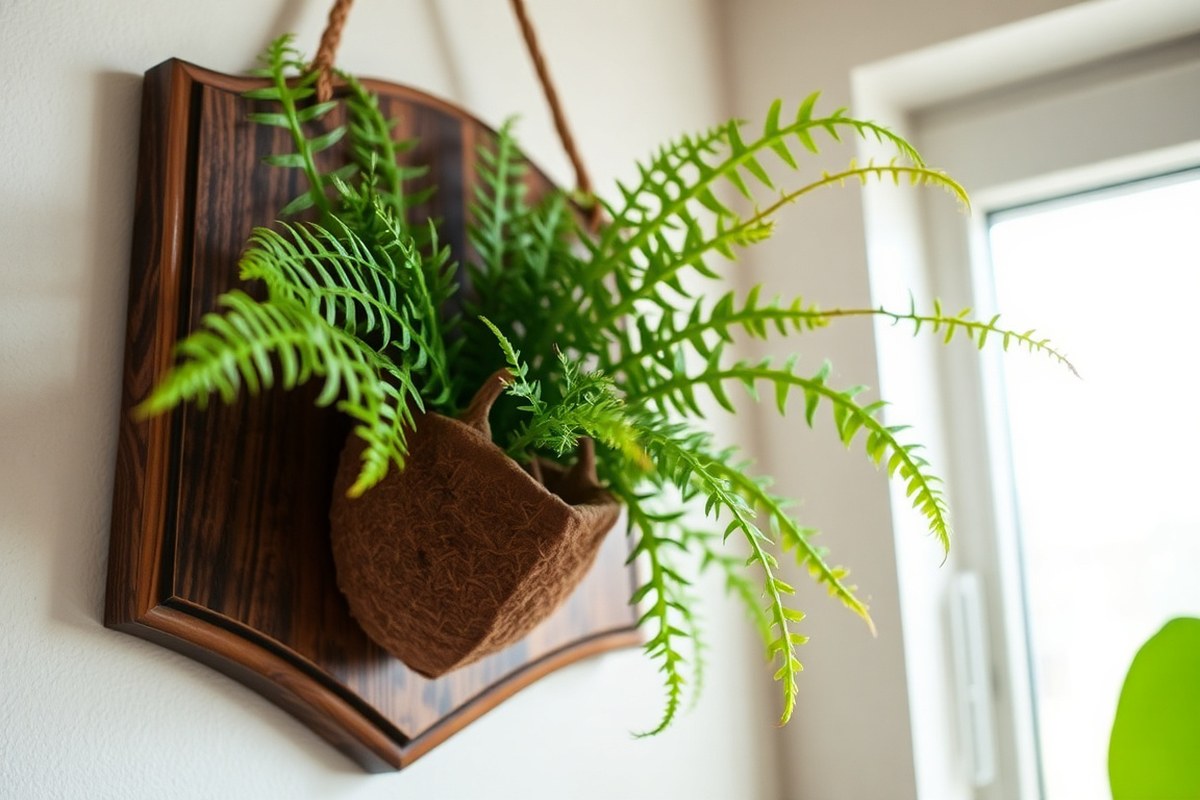
How to plant a staghorn fern starts with choosing the right method: mounting or potting. Mounting your fern on wood lets it grow like in nature.
Potting keeps it stable indoors while allowing easier watering. Both methods work well, but mounting is usually quicker and takes about 30 minutes.
First, soak your fern facedown in room temperature water for 15 to 20 minutes. This fully wets the roots and shields, making the fern easier to handle and less prone to damage. Avoid placing it in harsh sunlight or dry air right after planting to help it settle in.
Check the temperature where you place your staghorn fern carefully. It thrives between 60 and 80°F with high humidity levels. Adding a humidifier or misting the plant regularly keeps the environment moist and supports healthy growth indoors.
Key Takeaways
- Soak your staghorn fern facedown for 5 to 20 minutes before planting.
- Mounting mimics natural growth but potting is easier for beginners.
- Avoid direct sunlight and dry air after planting for best results.
- Place the fern in a spot with temperatures between 60 and 80°F.
- Maintain high humidity using a humidifier or regular misting.
- Water weekly when mounted, every 10 days if potted.
How to Plant and Mount a Staghorn Fern Step by Step

Planting a staghorn fern means mounting it, since it naturally grows on trees. Mounting helps the fern get air and moisture around its roots. The process takes about 30 minutes.
You need a few simple materials. You can find them at home or a garden store.
You need mounting wood like plywood, cork bark, or driftwood. Also get sphagnum moss. It keeps moisture near the roots.
Use fishing line, wire, or nylon straps to hold the fern and moss in place. A small staple gun or nails help secure the materials to the board. Soft gloves protect your hands from sharp wire ends.
Before you start, soak the staghorn fern facedown in water for 5 minutes. This makes the roots moist and flexible for mounting. Take time to arrange the fern carefully.
The flat shield fronds should touch the wood. Let the antler fronds hang down.
- Gather materials: mounting board, sphagnum moss, wire or fishing line, staples or nails, gloves, scissors.
- Soak your fern in water for 5 minutes until roots are wet and soft.
- Place a layer of moist sphagnum moss on your mounting board.
- Set the fern on the moss with shield fronds flat against the board.
- Wrap wire or fishing line around the moss and fern base to hold them tight.
- Secure the wire on the back of the board with staples, nails, or knots.
- Hang the board in a location with indirect light and air circulation.
- Soak the mounted fern in water for about 20 minutes once a week to hydrate it.
This method keeps your fern healthy and mimics its natural habitat. Make sure the moss stays moist but not soggy. Using the right materials prevents damaging the fern while it settles.
Check the fern after a week. Tighten the wires if it feels loose. Be careful not to harm the fronds.
Choosing Between Mounting and Potting Your Fern
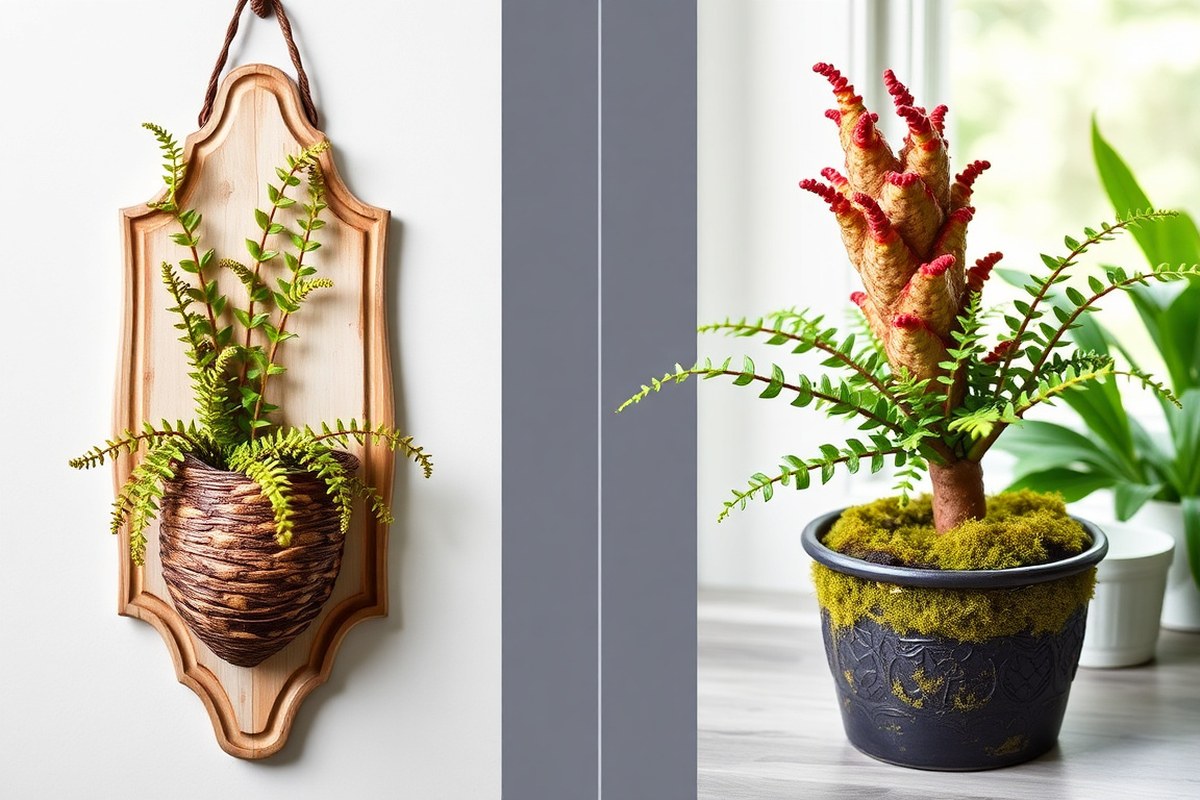
Mounting and potting are two common ways to grow staghorn ferns. Mounting means attaching the fern to a flat surface like a wooden plaque.
Potting involves planting it in a container with well-draining materials like orchid bark. Each method fits different needs and care routines.
Mounted ferns show off their unique shape very well. They also grow closer to their natural style on trees. They need regular soaking or misting and may dry out faster.
Potted ferns hold moisture longer and are easier to water using the soak method. However, their roots need good airflow to avoid rot.
| Feature | Mounting | Potting |
|---|---|---|
| Growth style | Natural, hanging on board or basket | Root-bound in bark or orchid mix |
| Water needs | Frequent soaking or misting | Soak pot in water for a few minutes |
| Care ease | Check moisture often, remount occasionally | Drainage important, less frequent watering |
| Lifespan support | Grows like wild fern on trees | Can stay healthy if bark is airy |
| Display | Decorative on walls, space saving | Good for shelves and tables |
| Cost and effort to start | Need plaque and moss, takes 1 hour | Pot and bark, 30 minutes setup |
| Best for beginners | More care and attention needed | Easier, forgiving and less dry out risk |
Beginners might choose potting if they prefer simple watering. It’s easier to check moisture in a pot.
Mounting fits those wanting a natural look and don’t mind a bit more care. Mounted ferns should sit in humid spots and be removed for watering.
Use a lightweight wooden plaque covered with moss to mount your fern. It helps keep moisture balanced and supports growth.
Mount your fern on a moveable board so you can soak it easily. For potted plants, use orchid bark to let air reach the roots. Both methods work well if you adjust watering and placement to your home conditions.
Ideal Environmental Conditions for Staghorn Fern Growth
Staghorn ferns grow best in temperatures between 50°F and 100°F. They handle drops close to 50°F. But cold temps below that can harm them. Temperatures above 100°F may cause heat stress. So avoid placing them near heaters or direct sun in hot climates.
Keep humidity above 40% to keep staghorn ferns healthy. These plants love a moist environment since they naturally grow on trees in humid forests. Misting the shield leaves once a week helps keep humidity up.
This is very useful if your home air feels dry. It keeps the fern healthy.
Bright, indirect light suits staghorn ferns indoors. They do well near east- or north-facing windows where light is gentle but steady. Avoid direct sun, which can scorch the fronds, turning them brown and dry.
Outdoors, staghorn ferns thrive in partial sun or dappled shade. Try mounting them on a tree or shaded wall where sunlight filters through leaves.
Too much direct sunlight can burn the fronds. Too little light can cause weak growth and small new fronds.
Common mistakes include exposing ferns to drafts or placing them in low light spots. Drafts from air conditioners or heaters can dry them out quickly, making fronds brittle. Without enough light, your fern’s growth slows and new fronds stay very small.
For indoor growers, using a humidity tray or room humidifier keeps moisture up during dry winters. Grouping plants can also boost humidity naturally. Keep your fern away from vents and air currents to prevent stress and uneven moisture loss.
Watering and Fertilizing Guidelines for Healthy Ferns
Water your staghorn fern once a week if it’s mounted and every ten days if potted. Use a soaking method to get the whole plant wet, including the roots and the fronds. Feed it with diluted liquid fertilizer every two to four weeks during growth months.
Watering Frequency and Methods
Mounted staghorn ferns dry out faster than potted ones. So they need water every 7 days.
Potted ferns hold moisture longer and only need watering every 10 days. Let the fern dry completely before watering again to avoid root rot.
Staghorn ferns absorb water through their roots and fronds. To water well, soak the entire base and the leaves. Regularly mist the fronds to keep humidity high, especially in dry indoor air.
- Mounted ferns: soak once every 7 days
- Potted ferns: soak once every 10 days
- Check soil moisture or mount dryness before watering
- Mist leaves 2-3 times a week for humidity
- Let the plant dry thoroughly between waterings
Adjust watering if the air is very dry or if your home is cooler. In winter, water less often because the fern grows slower. Watch for browning tips, that can mean underwatering or overwatering.
When and How to Fertilize
Feed your staghorn fern every 2 to 4 weeks during spring and summer. Use a balanced liquid fertilizer diluted to half the strength on the label. This helps the fern grow strong without burning its roots.
Apply fertilizer as part of your watering routine so it soaks evenly. Avoid fertilizing in fall and winter when the fern’s growth slows. Using too much fertilizer can harm the plant and cause leaf yellowing.
Safe Soaking Practices
Remove mounted ferns from their board or surface before soaking. Submerge them upside down in room temperature water. Let this soak last 15 to 20 minutes.
This saturates the roots and base thoroughly. This mimics their natural epiphyte environment.
Don’t want to remove the fern? Place a bowl or sink full of water underneath.
Then spray or dip the leaves for about 5 minutes. Let the fern drip dry before remounting or hanging it back up.
Using room temperature water avoids shock. Avoid soaking for longer than 20 minutes to prevent rot. Keep an eye on the plant’s condition after soaking and adjust your routine accordingly.
How to Propagate Staghorn Ferns by Dividing and Spores
Staghorn ferns can grow new plants by dividing pups or using spores. Dividing pups grows plants in weeks, while spores take 12 to 18 months. Both methods need care to avoid hurting the parent plant.
Dividing Fern Pups for Propagation
Look for young pups growing on the sides or between older plants. These pups can be carefully cut away and started separately. Use a sharp, sterilized knife to protect both plants.
Follow these steps to divide pups safely:
- Identify pups with several healthy fronds and roots attached.
- Use a clean, sharp knife to cut the pup from the parent plant.
- Keep some shield fronds attached to help the pup stay anchored.
- Prepare a new mount or pot with moist sphagnum moss for the pup.
- Attach the pup securely to the mount; wrap roots in moss.
- Water the new plant gently to settle the moss and roots.
- Place the pup in bright, indirect light and maintain humidity.
Give the parent plant time to recover before dividing another pup.
Sowing and Growing from Spores
Spore propagation is a longer, more involved process that can take over a year. The spores come from the brown patches under fertile fronds. You need to collect, sow, and care for spores carefully to grow new ferns.
Here is the basic method to start spores:
- Wait for brown, powdery spores to develop under fertile fronds.
- Cut fertile fronds and brush spores onto damp sphagnum moss in a container.
- Cover the container to keep humidity high and place it in indirect light.
- Keep the moss moist but not soaked during germination.
- Watch for tiny green gametophytes to appear in 2 to 3 months.
- After gametophytes mature, small sporophytes will grow in 6 to 12 months.
- Transplant young ferns to mounts or pots once strong enough.
Do not expose spores or gametophytes to direct sunlight or dry air.
Timing and Care During Propagation
Dividing pups usually produces new plants within weeks to a couple of months. Spores take much longer, often 12 to 18 months before plants are ready. Choose dividing pups for faster results and spores for growing from scratch.
Keep humidity high around new plants and avoid direct sun. Water gently to prevent stress or rot. Remove dead or damaged leaves carefully to support growth during this sensitive stage.
Avoiding Common Planting Mistakes and Troubleshooting
One common mistake is overwatering, which can lead to root rot and yellowing fronds. You’ll notice soft, brown patches or a foul smell coming from the root area. To fix this, stop watering immediately and let the plant dry out for a few days.
Remove any rotten parts carefully. Water about once a week. Let the mount dry out between waterings.
Underwatering shows up as drooping fronds and a very light mounting board or pot. The plant looks shriveled but the fronds remain green. When you spot this, soak the whole mount or pot.
Use lukewarm water. Soak for 15 to 20 minutes.
After that, allow excess water to drain. Increase regular watering, but don’t let water collect at the base.
Too little light causes pale or leggy fronds with thin, weak growth. Staghorn ferns like bright, indirect light. So place yours near a north- or east-facing window.
Use a grow light for about 12 hours a day. Keep it 12 to 18 inches away from the plant. Avoid direct sun longer than an hour, as it can burn the fronds.
Nutrient deficiencies might make the fronds turn yellow or develop brown tips. These ferns don’t need heavy feeding. Use a balanced, water-soluble fertilizer.
Dilute it to one-quarter strength. Feed once a month during spring and summer, skipping fall and winter.
Don’t apply fertilizer directly onto the fronds. Instead, water the mounting board or potting mix.
A common setup error is mounting the fern too tightly or using non-breathable materials. Tight packing blocks airflow and traps moisture, inviting rot.
Use sphagnum moss loosely and sturdy mesh or wood mounts. Check mounts often to ensure they dry between waterings.
Pests or diseases may show as tiny spots or sticky residue. Fuzzy patches on fronds are another sign. Mistakes in environment, too much humidity without airflow, or poor light, encourage these problems.
Isolate the plant first. Then wipe fronds gently with a damp cloth.
Or use insecticidal soap as directed. Improving air circulation and adjusting light helps prevent future outbreaks.
Handling younger plants requires extra patience. They need gentle watering and a stable position without direct drafts. Follow these tips and you’ll see new growth soon.
Fronds will be healthy and firm within weeks. Check your care routine again if the plant still struggles. Focus on light and watering habits.
When and How to Repot or Remount Your Staghorn Fern
Remount your staghorn fern every 2 to 3 years or when the base rots. Repot only if the plant grows too large for its pot or the material breaks down. Doing these tasks keeps your fern healthy and looking its best.
Signs You Need to Remount or Repot
Your fern may need remounting if its base looks mushy or smells bad. This shows the old mounting material broke down or held too much moisture. You’ll also see dry, shrivelled fronds or roots growing oddly outside the pot.
Repotting is needed when roots fill the pot or start circling tightly. A crowded root system causes poor growth and stress. Brown and withered fronds can point to root trouble.
Preparing and Executing Remounting
Remounting your fern is best done in spring, during the growing season. Choose a wooden board or plaque about 12 to 18 inches wide for mounting. Use sphagnum moss to cushion the roots and help hold moisture.
Follow these steps to remount safely without hurting your fern:
- Remove the fern gently from its old mount or pot.
- Shake off old moss or potting mix from the roots carefully.
- Trim any dead or damaged fronds and roots using clean scissors.
- Position fresh sphagnum moss on the wooden mount where roots will rest.
- Set the fern on the moss with roots spread out evenly.
- Secure the base with soft wire or fishing line, taking care not to damage roots.
- Spray the entire fern with water to settle moisture into moss and fronds.
- Place the mount in bright, indirect light to aid recovery and growth.
Aftercare for Renewed Growth
Keep humidity high around the remounted fern by misting it daily. Avoid soaking the base, which can cause rot again. Water only when the sphagnum moss feels dry to the touch.
Feed your fern monthly with a diluted balanced fertilizer during the growing season. Watch for new fronds as a sign your fern adjusted well. Move too much or expose to direct sun, which stresses the plant.
Dealing with Pests, Diseases, and Environmental Stress
Staghorn ferns can sometimes get pests like scale insects, mealybugs, spider mites, and thrips. These pests look like tiny bumps or white fuzz on the fronds. Check your plant often for sticky spots or yellow leaves.
Look for areas that look unhealthy. Catch problems early to help your plant stay strong.
To treat infestations, gently remove pests with tweezers to avoid hurting the plant’s delicate parts. Use a cotton swab dipped in rubbing alcohol. Wipe off mealybugs and scale insects carefully.
This helps keep pests under control. Don’t spray water hard on your staghorn fern. The spores under the leaves can get damaged.
Use gentle misting instead to protect them. In severe cases, use insecticidal soap and apply it to both sides of the fronds. But test a small area first to prevent damage.
Root rot happens when the fern stays wet too long. This is more common if the plant is mounted wrong. Keep your fern dry enough to avoid problems.
Healthy roots are firm and light-colored. See black, soft roots or a bad smell? Cut off the bad parts right away.
Let the plant dry before watering again. Reduce watering for a week and improve airflow around the fern to help it recover.
Environmental stress often comes from too much sun, low humidity, or improper watering. Staghorn ferns should get bright, indirect light but no harsh direct sun. Put your fern in a bathroom or kitchen with high humidity.
This cuts down how often you need to mist or water. It keeps the plant happy. Avoid overwatering, especially in winter when the plant’s growth slows down.
Keep your fern away from drafts or sudden temperature drops below 55°F. Too much heat or dry air causes brown, crispy edges on the fronds. Aim for steady, cool air circulation and moderate humidity around 60%. Using a humidifier or grouping plants together can raise humidity if your home feels dry.
Check your staghorn fern weekly for pests because early removal keeps infestations small and manageable.
Step-by-Step Action Plan for Your Staghorn Fern
Follow this plan to get your staghorn fern planted and growing well from day one.
- Before you start: Choose a spot with bright, indirect light and good airflow. Your fern will thrive here if leaves don’t scorch.
- Day 1: Mount or pot your fern with well-draining medium. It should sit firmly but not be squeezed tightly.
- Day 2: Water lightly to moisten the root area. Check that water drains out or the fern won’t rot.
- Week 1: Spray the fronds every few days or mist once a day. The fern needs humidity to stay healthy.
- Week 2: Begin fertilizing with a quarter-strength balanced fertilizer. Look for steady new growth as a sign it’s working.
- Week 4: Assess root and shield frond condition. Adjust watering if fronds look wilted or dry.
- After 1 month: Check for pests regularly and keep the fern’s environment stable. Catch issues early to avoid damage.
Frequently Asked Questions
How Long Should You Soak a Mounted Staghorn Fern Before Watering?
Soak the mounted staghorn fern facedown in water for about 20 minutes. This thoroughly hydrates the roots and helps the whole plant absorb moisture evenly.
Can Staghorn Ferns Grow Well in Low Light Indoors?
Staghorn ferns prefer bright, indirect light but can tolerate low light briefly. Not enough light slows growth and makes fronds look dull.
Bright, filtered light helps your fern grow better. It works best over the long term.
Why Do the Lower Shield Fronds on Staghorn Ferns Turn Brown?
It’s normal for the small lower shield fronds to turn brown and crispy over time. These fronds protect the root ball and help gather organic matter for feeding.
Can You Plant a Staghorn Fern Directly into Soil?
Staghorn ferns usually don’t thrive in regular soil as they are epiphytes. They grow best mounted on wood or in loose, well-draining media that mimic tree bark.
Is It Safe to Keep Staghorn Ferns Outside Year-Round in Warm Climates?
In warm places, they can stay outside if temperatures stay between 60°F and 80°F. Avoid direct sun and protect them during cold snaps or frost.
Do Staghorn Ferns Need Fertilizer, and How Often?
Yes, feed staghorn ferns with a balanced, diluted fertilizer monthly during spring and summer. Avoid overfeeding, which can burn roots and damage the fronds.
Wrapping Up
Getting your staghorn fern planted right makes future care easier. Start by picking the best spot and mounting or potting it properly. Watch the fern closely for the first month to keep it healthy and growing strong.