What Does Lime Do for Your Yard a Complete Guide with Practical Tips
What does lime do for your yard? It raises the soil’s pH, making it less acidic.
Most grasses do better in soil that is neutral or just a bit acidic. So lime helps create the right environment for growth.
Lime also adds calcium and sometimes magnesium, which are key nutrients for your lawn. These elements strengthen grass roots and improve overall plant health. Also, lime helps loosen compacted soil, letting roots breathe and absorb nutrients easier.
Be sure to test your soil’s pH before adding lime. Adding lime when it’s not needed can cause your soil to become too alkaline, which can stress your grass. Use a soil test kit or get a professional soil analysis for the best results.
Key Takeaways
- Test your soil pH to know if lime is necessary for your lawn.
- Apply 20, 40 pounds of lime per 1,000 square feet as a starting point.
- Choose lime with a high calcium carbonate equivalent (CCE) for best results.
- Pelletized lime works well for most lawns and is easy to spread.
- Spread lime evenly and avoid over-application to prevent lawn damage.
- Allow 3 to 6 months for lime to adjust soil pH fully.
What Does Lime Do for Your Yard and Soil Chemistry
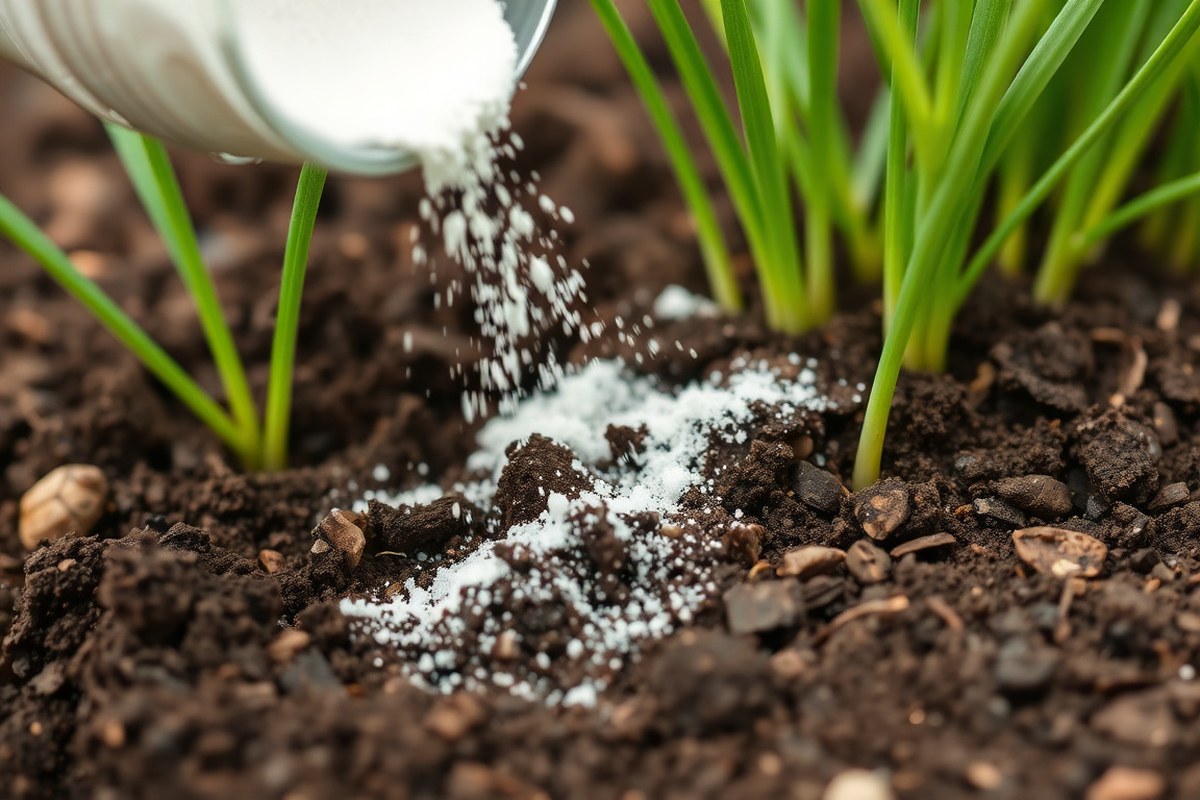
Adding lime to your lawn changes the soil chemistry by raising the pH level. It reduces acidity and makes the soil less acidic and more alkaline. This shift helps reduce toxic minerals that stop grass from growing well.
When soil is too acidic, essential nutrients become hard for grass roots to absorb. Lime neutralizes that acidity, unlocking nutrients like nitrogen, phosphorus, and potassium. This nutrient boost encourages thicker, greener grass with stronger roots.
Soil pH is important because it controls nutrient availability and overall soil health. Lawn grass grows best when soil pH sits between 6.5 and 7.0.
Soil pH below 6 means your soil is too acidic.0, the soil is too acidic, and your grass may look thin or pale. Soil pH above 7 means your soil leans alkaline.0, it’s too alkaline, which can lock out some nutrients too.
Liming helps with acidic soils only. It does not help if your lawn is neutral or alkaline.
Overliming can push soil pH too high, causing nutrient problems and poor grass health. That’s why testing soil pH before applying lime is a smart move.
Lime sometimes contains calcium and magnesium, both important for healthy grass growth. Calcium supports cell wall strength in roots and shoots. Magnesium is a key part of chlorophyll that your grass uses to turn sunlight into energy.
After applying lime, expect soil chemistry to slowly improve over several months. Nutrient availability rises as the soil moves toward neutral pH. Healthy, strong grass usually follows once nutrients become more accessible.
For example, if your soil pH is 5.5, adding lime can raise it closer to 6.5 within a season. Your grass then absorbs nutrients better and grows up to 30% more vigorously. Less acidity also reduces harmful metals, so your lawn faces fewer stresses.
Liming works slowly over time. You need to do it every few years. This helps if soil tests show acidity returning.
Lime costs less than $20 for 1,000 square feet. It is a cheap way to improve your lawn’s soil.
How to Know If Your Lawn Needs Lime: Soil Testing and Symptoms
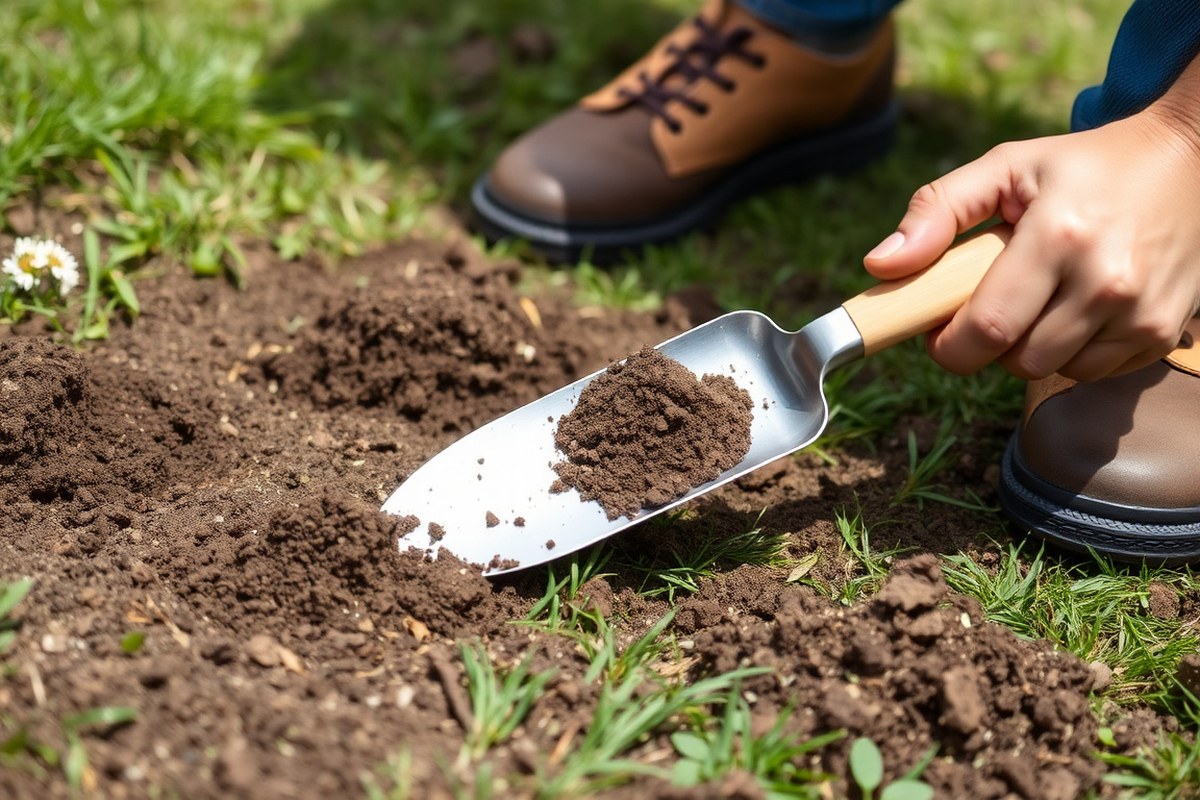
Your lawn needs lime if your soil is too acidic. The best way to know this is by testing your soil’s pH. Signs like patchy grass or yellow spots can also suggest acidity problems.
Steps to Collect Soil Samples Correctly
Taking soil samples the right way gives accurate pH results. Test several spots to get a good average of your lawn’s condition. Use a clean tool and collect soil about 4 to 6 inches deep.
- Remove surface debris like grass, leaves, or mulch before sampling.
- Use a soil probe, trowel, or garden spade to dig about 4 to 6 inches deep.
- Collect soil from 10 to 15 spots evenly spaced across your lawn area.
- Place all samples in a clean bucket and mix thoroughly.
- Put about a cup of mixed soil into a clean plastic bag. Use a soil test container if you have one. Seal the bag tightly to avoid spills.
- Label the bag with your name, address, and test location details.
- Send the soil to a local extension service or garden lab for professional testing.
Don’t collect soil when it is very wet or dry; moist soil tests better.
Reading Soil Test pH and Recommendations
Soil test reports give your soil’s pH value on a scale from 0 to 14. Values under 6.0 often mean your soil lacks lime. Most lawns grow best with a pH between 6.0 and 7.0.
Test results often give a lime recommendation in pounds per 1,000 square feet. For example, a pH of 5.5 may require 20 pounds of lime per 1,000 square feet. Follow those recommendations to avoid applying too much lime.
Soil texture affects lime needs. Sandy soils may need less lime than clay soils because they hold less acidity. Test your soil every three to five years to keep pH in a healthy range.
Visible Lawn Signs That Indicate Acidic Soil
Patchy grass, yellowing leaves, and slow growth are common signs the soil is too acidic. Brown or wilted grass blades also suggest your soil pH might be too low. These symptoms happen because acidic soil limits nutrient absorption.
Weeds often take over when lawn grass struggles in acidic soil. However, lime isn’t a weed killer, it just improves soil health over time. After you start liming, the grass should become greener and thicker within a season.
Types of Lime for Lawns and How to Choose the Best One
Your soil test guides which lime type suits your lawn best. Pick dolomitic lime if magnesium is low.
Otherwise, calcitic lime usually works. Pelletized lime fits most home lawns.
Pelletized Lime vs. Powdered Lime
Pelletized lime comes as small granules that spread easily and stay put. It’s less dusty, making application cleaner and faster. Powdered lime has finer particles but can blow away in wind and is messier to handle.
Both types neutralize soil acidity effectively. Pelletized lime costs a bit more but saves time and reduces mess. Powdered lime covers ground quicker, but you need protective gear to avoid inhaling dust.
Calcitic Lime vs. Dolomitic Lime Nutrient Content
Calcitic lime mainly adds calcium carbonate to the soil. It does not add magnesium.
Dolomitic lime has both calcium and 20 to 30% magnesium, helping lawns low on magnesium. Both are good for lowering soil acidity.
Dolomitic lime gradually replaces ordinary lime in many areas. Your lawn benefits more with dolomitic lime when magnesium is low. For soils with enough magnesium, calcitic lime is often enough.
Choosing Lime Based on Soil Magnesium and pH Levels
Use a $20 soil test to find your lawn’s pH and magnesium levels. Choose calcitic lime when soil pH is low but magnesium is fine.
Choose dolomitic lime when your soil has low magnesium levels. Soil test results usually recommend how much lime to apply.
Work lime into the top 4-6 inches of soil with a rototiller or garden fork. Spread it evenly and rake it in to help it mix well. Timing varies by grass type, with cool-season lawns getting lime in fall and warm-season in spring.
Here’s a simple comparison to help pick your lime:
| Type | Form | Calcium (%) | Magnesium (%) | Best Use | Application Tips |
|---|---|---|---|---|---|
| Pelletized Lime | Granules | Varies (calcitic or dolomitic) | Varies (calcitic or dolomitic) | Most home lawns, clean application | Spread evenly, less dust, easier handling |
| Powdered Lime | Fine powder | Varies (calcitic or dolomitic) | Varies (calcitic or dolomitic) | Large areas, quicker coverage | Wear mask, avoid windy days |
| Calcitic Lime | Powder or pellets | 30-50% | Low or none | Low pH, sufficient magnesium soils | Use if soil test shows magnesium adequate |
| Dolomitic Lime | Powder or pellets | 30-50% | 20-30% | Low pH, magnesium-deficient soils | Choose if magnesium is low per soil test |
Choosing the right lime saves money and helps your lawn grow better. Avoid guessing. Use your soil test, and treat your yard’s unique needs.
How Much Lime to Apply: Calculations Based on Soil Tests and CCE
Start by looking at your soil test’s lime recommendation per 1,000 square feet. For example, if it advises 40 pounds, you’ll use that as your baseline. Next, check the Calcium Carbonate Equivalent (CCE) on your lime label.
It tells you how strong the lime is. This compares it to pure calcium carbonate.
CCE matters because lime with a lower percentage isn’t as effective. For example, your lime has 90 percent CCE. The recommendation is 40 pounds.
Divide 40 by 0.9 to adjust.9. You get about 44.4 pounds of your lime to apply per 1,000 square feet. This adjustment ensures you get the right amount of active lime to adjust your soil pH.
Never put more than 50 pounds of lime on 1,000 square feet at once. Your soil test needs more lime. Spread the lime in two or more parts.
Do this over several months. For example, applying 75 pounds means spreading 37.5 pounds now and the rest later to avoid harming your grass.
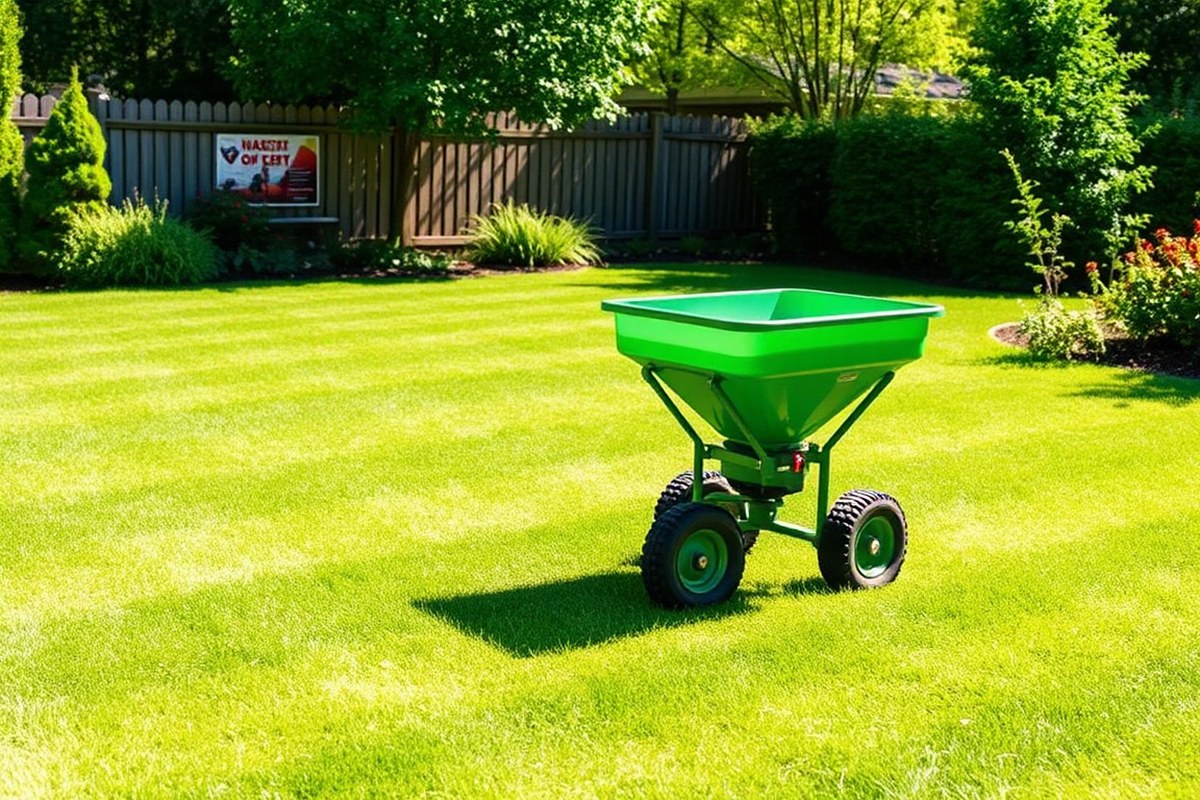
Use a broadcast spreader for even coverage across your lawn. One 40-pound bag usually covers about 1,000 square feet at normal application rates. For large areas, multiply pounds per 1,000 square feet by your lawn size.
Divide your lawn size by 1,000 first. This gives the total lime amount.
For small or odd-shaped yards, measure carefully with a tape. You can also count steps. This helps avoid applying too much or too little lime.
Applying too little won’t fix the pH. Too much can stress your grass and soil life. A well-measured lime application helps keep your lawn green and healthy over the years.
When and How to Apply Lime for Best Results in Your Yard
Lime works best when applied in the right season and after proper lawn prep. Fall is the ideal time to lime cool-season grass lawns. Avoid spreading lime during hot, dry spells because it needs moisture to activate.
Preparing the Lawn: Dethatch and Aerate
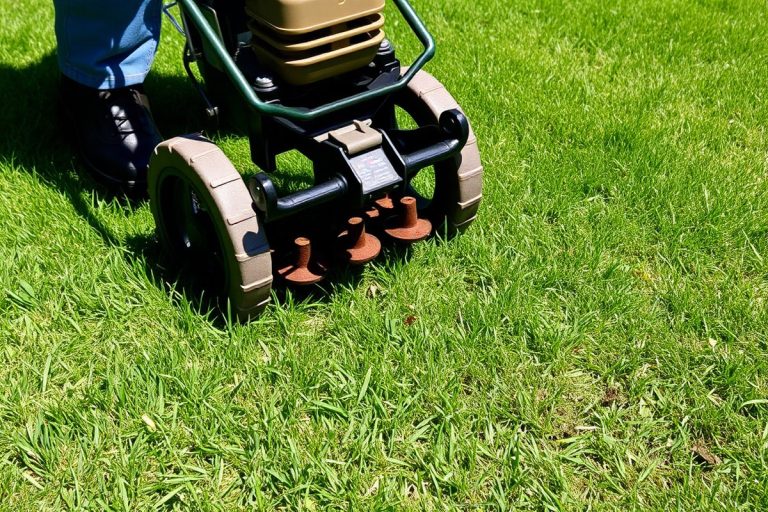
Before you apply lime, clear out dead grass and debris by dethatching. This helps lime reach the soil better. Aerate your lawn to create holes that improve lime absorption.
Dethatch and aerate warm-season grasses in late spring. For cool-season lawns, fall is the best time to do these tasks. This timing gives lime a chance to work into the soil gradually.
- Use a dethatcher or rake to remove thatch build-up across the lawn.
- Run a core aerator to punch small holes evenly across the yard.
- Clean up any debris left from dethatching and aerating.
- Wait a few days if possible, to let the lawn recover before liming.
Skipping dethatching or aerating lets lime sit on top, reducing its effect.
Application Techniques for Pelletized and Powdered Lime
Choose pelletized lime for a cleaner, easier spread if you own a broadcast spreader. Pelletized lime looks like fertilizer granules, so it spreads evenly without much mess.
Powdered lime works faster but creates dust, so wear gloves and a dust mask. Use a drop spreader for more control to avoid overapplication or uneven patches.
Apply lime in two passes if you need more than 50 pounds per 1,000 square feet. Overlapping slightly ensures good coverage without piling up lime in spots.
Watering Practices to Activate Lime
After spreading lime, water your lawn lightly to start the chemical reaction in the soil. Moisture moves lime into the soil where it can adjust pH effectively.
A gentle watering over the entire lawn with about 0.1 inch of water should do. Avoid heavy watering that could wash lime off the lawn or cause runoff.
Water right after spreading lime or soon after to prevent lime dust from blowing away. Regular watering in the following weeks helps lime work steadily into the soil.
How Long Does Lime Take to Work and When to Reapply
Lime usually takes about 3 to 6 months to change soil pH noticeably. You might see some change around four weeks after applying lime, but it dissolves slowly. That slow breakdown means it won’t fix soil acidity overnight.
Applying lime in the fall works best. Cooler weather slows plant growth. So lime has more time to break down and adjust soil before spring.
For warm-season grasses, apply lime in late spring or fall. This timing lets lime mix well into the soil. It helps improve soil condition effectively.
Check soil pH about six months after adding lime to see progress. A lawn spot started very acidic with pH below 5. It needs careful liming to restore balance.
Monitor pH levels after treatment.5, it might need two applications, one before and one after turning soil. Otherwise, most lawns only need lime once every 12 to 18 months.
Applying lime too often can raise soil pH too high. That can harm grass growth and make it hard for nutrients to be available. It also wastes money and time since lime breaks down slowly and stays active months.
Test your soil again in six months to decide if you need more lime. Some areas might need topping up while others stay balanced longer. Tracking pH regularly prevents over-liming and helps your lawn thrive.
Common Liming Mistakes and How to Avoid Them
Putting on too much lime can hurt your lawn more than help. Over-liming raises soil pH above 7.0, causing nutrient lockout that stops grass from getting iron and manganese.
Signs include yellowing leaves, poor growth, and weak patches. The grass may look sickly and struggle to recover from heat or drought.
Lime also needs the right timing to work well. Applying it during drought, heavy rain, or extreme heat cuts its effectiveness.
It won’t spread or mix into soil properly if the ground is too dry or soaked. This delays the pH adjustment and can waste your effort and money.
Lime can interfere with seeding or fertilizing if you don’t plan correctly. Putting lime and seed down together stops seed from making good contact with the soil.
Fertilizer may also react with lime in ways that reduce its benefits. Avoid applying lime just before or right after seeding or fertilizing.
- Spread lime evenly using a broadcast or drop spreader for full coverage
- Adjust your spreader settings so you apply 20 to 40 pounds of lime per 1,000 square feet.
- Avoid liming when soil is too wet, too dry, or during heat over 85°F
- Use pelletized lime for better control and quicker distribution
- Test soil pH before liming to avoid applying unneeded lime
- Space lime applications at least 6 months apart to prevent buildup
Uneven lime application leaves some spots too alkaline and others still acidic. You might get patchy growth or different grass colors across your yard.
Use a spreader and walk at a steady pace. This helps avoid heavy piles or missed areas that cause problems.
Dolomitic lime is the most common type for lawns, balancing calcium and magnesium. It’s often safer to start with a smaller amount, especially on new lawns.
Then test soil again in six months. Slow, steady changes will keep your lawn healthy without risk of damage.
When to Hire a Professional for Lime Application
Big lawns or severe soil problems call for professional lime application. Professionals have the tools to test soil pH accurately and measure lime needs without guessing. For yard sizes over 10,000 square feet, pros save time and ensure even lime spread.
Experts use detailed soil tests from agricultural labs or extensions. These tests show your yard’s pH and nutrients. This info guides proper lawn treatment.
They calculate the right lime amount based on those results, avoiding trial and error. Professionals suggest using 50 to 100 pounds of lime for every 1,000 square feet.
This amount helps with tough soil issues. Problems like poor drainage can improve.
Applying too much or too little lime can harm your lawn. Licensed services have tools to spread lime evenly and safely. They manage dust and heavy lifting better than you can.
This makes the job easier and cleaner. Lime dust can irritate eyes and lungs. So experts also take safety precautions with masks and gloves.
Before hiring, ask if the service includes soil testing or if you must provide results. Confirm they will light water your lawn post-application to help lime soak into the soil.
Expect them to explain the lime type, amount, and timing for your specific lawn conditions. Good pros also advise when to retest soil and avoid overliming.
Avoid guessing lime amounts; soil testing is key, especially on large or troubled lawns.
Professional help is wise if your soil test shows a pH below 5.5 or over 7.5, or if drainage causes soggy spots. These situations need careful lime use for balanced yard health. The price usually runs between $100 and $300 for standard lime service.
The cost depends on your lawn size and soil needs. Bigger or more complex yards cost more.
Professionals manage challenges like spreading lime on slopes or uneven ground, avoiding damage. They also address timing concerns.
Applying lime in cool weather ensures it breaks down properly before peak growing season. You get better results faster than doing random lime chores yourself.
Step-by-Step Action Plan for Liming Your Lawn
Use these steps to apply lime and improve your lawn’s health quickly and safely.
- Before you start: Test your soil to know the pH and lime needs. Use a soil test kit or send a sample to a lab.
- Day 1: Pick the right lime type from your soil test. Common options are dolomite or calcitic lime. Use the lime that matches your soil needs. Check the CCE label for effectiveness.
- Day 2: Calculate how much lime to spread using your soil’s pH, texture, and CCE. Apply lime evenly with a spreader to avoid patches.
- Within 1 week: Water your lawn lightly to help lime start reacting with the soil. Keep the soil moist but not soggy for best results.
- After 4 weeks: Check your lawn for improvements like healthier grass color and less moss. Repeat a soil test to track pH changes.
- Seasonally: Plan to reapply lime every 2 to 3 years or as your soil test shows. Apply in the fall or early spring for best uptake.
Frequently Asked Questions
Can I Apply Lime in Winter?
Lime is best applied in late fall or early spring. Soil microbes are more active then, helping lime work better.
Does Lime Affect Lawn Fertilizer Effectiveness?
Yes, lime can improve fertilizer uptake by balancing soil pH. Balanced pH helps grass absorb nutrients better.
Will Lime Kill Weeds in My Yard?
Lime does not kill weeds directly. It adjusts soil pH, which may improve grass health and compete with weeds.
Can I Use Lime on Flower Beds?
You can use lime if soil tests show acidity. Avoid applying too often to prevent nutrient imbalances.
How Often Should I Test My Soil for Lime Needs?
Testing every 2 to 3 years is a good rule. That helps keep soil pH in the ideal range for grass.
Is Lime Safe Around Pets and Kids?
Lime is generally safe once it settles into the soil. Avoid direct contact during application to prevent irritation.
The Bottom Line
Lime helps keep your soil pH balanced, making nutrients more available for healthy grass. Start by testing your soil to pick the right lime and amount. A simple soil test today can set your yard on the road to greener grass tomorrow.