Do Spider Plants Attract Spiders? What Actually Happens Indoors
Do spider plants attract spiders? The short answer is no. Spider plants do not draw spiders by scent, color, or nectar.
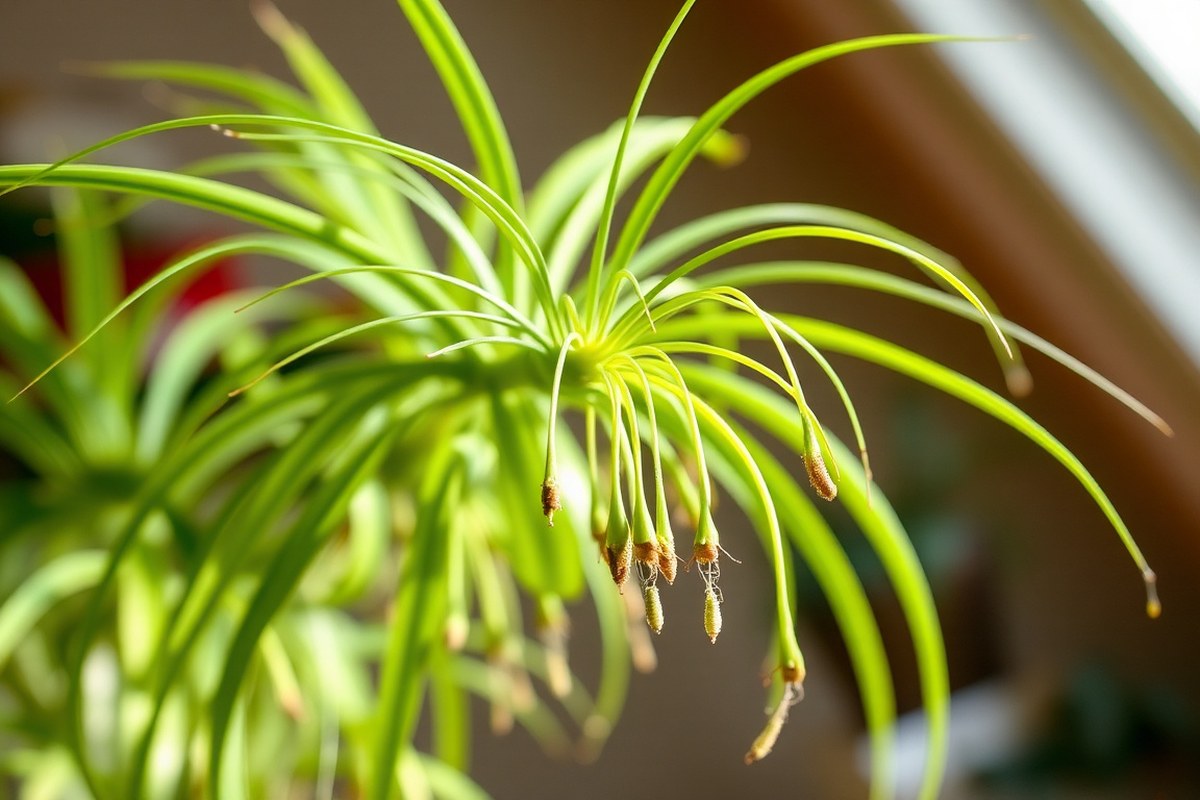
The name “spider plant” comes from their baby plants. These look like tiny spiders. It has no link to real spiders.
Spiders won’t crawl into your spider plant just because of its name or appearance. You might spot a web nearby.
But it’s usually because the indoor environment suits spiders, not the plant itself. Keep indoor humidity below 60% to make your home less inviting to spiders overall.
Spot spiders near your spider plants? Look for insects nearby. Also check for cluttered rooms.
Spiders come indoors by hitching rides or finding good hiding spots. They don’t build webs directly on the plants.
These spots offer more shelter than the plant does. Start by managing moisture and tidying areas around your plants.
Key Takeaways
- Spider plants do not attract spiders by smell or food.
- Keep indoor humidity below 60% to discourage spiders from staying.
- Spider plants get their name from their small spider-like offshoots.
- Spiders build webs where insects gather or where there is shelter.
- Check for insects nearby, as spiders follow their prey, not plants.
- Reduce clutter around plants to eliminate spider hiding spots.
Do Spider Plants Actually Attract Spiders?
Spider plants do not attract spiders through scent, color, or nectar. They don’t produce any smell or bright colors that lure spiders inside. Spider plants don’t have nectar to attract insects.
They lack traits used by other plants for this. They don’t rely on insect visits.
The name “spider plant” comes from its appearance, not from attracting spiders. The plant has long, thin leaves. Tiny plantlets hang from the main plant.
They look like spiders on webs. The plant’s unique look inspired its nickname.
It’s named Chlorophytum comosum. The name comes from this look, not spider attraction.
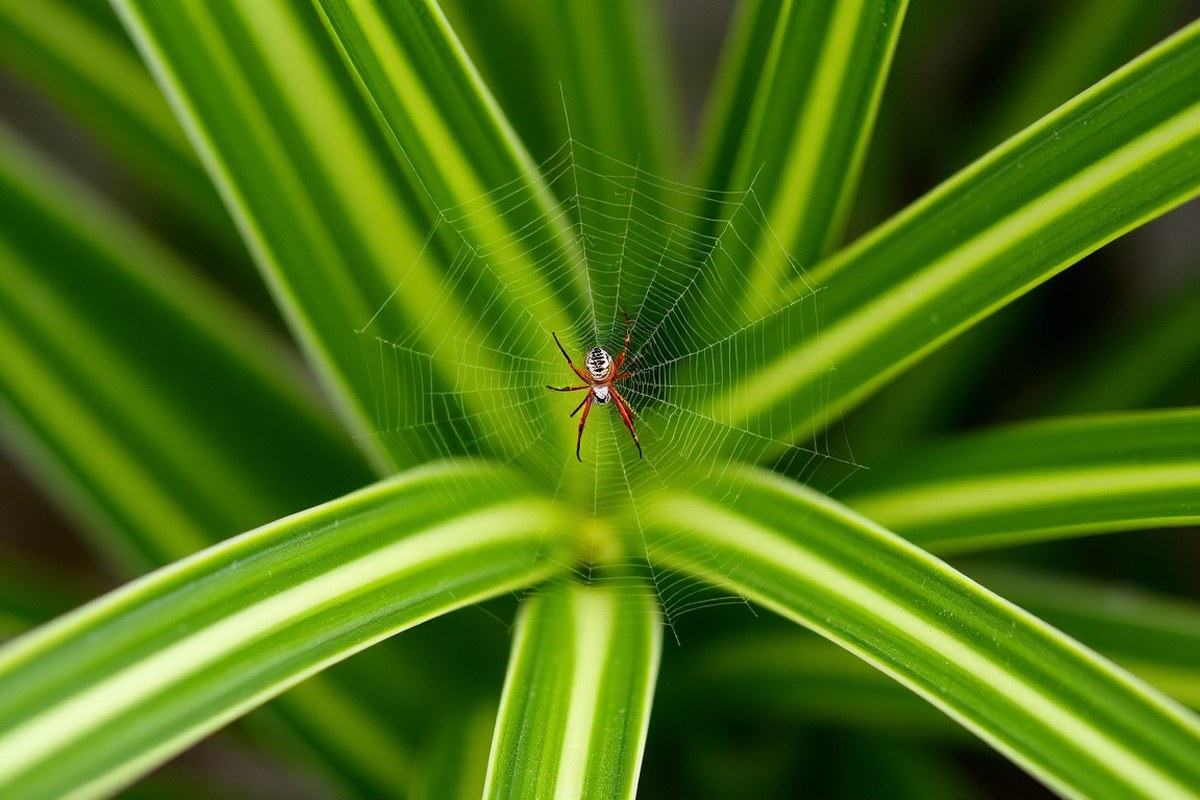
Spider webs near your plant usually come from wandering spiders. These spiders move in from nearby spots. The plant itself doesn’t cause webs.
Spiders don’t come because of the plant itself. They just happen to build webs on or near any surface that suits their needs. The plant doesn’t give off any signals that would make spiders choose it over others.
Why Spider Plants Are Often Mistaken to Draw Spiders
Origin of the Spider Plant Name
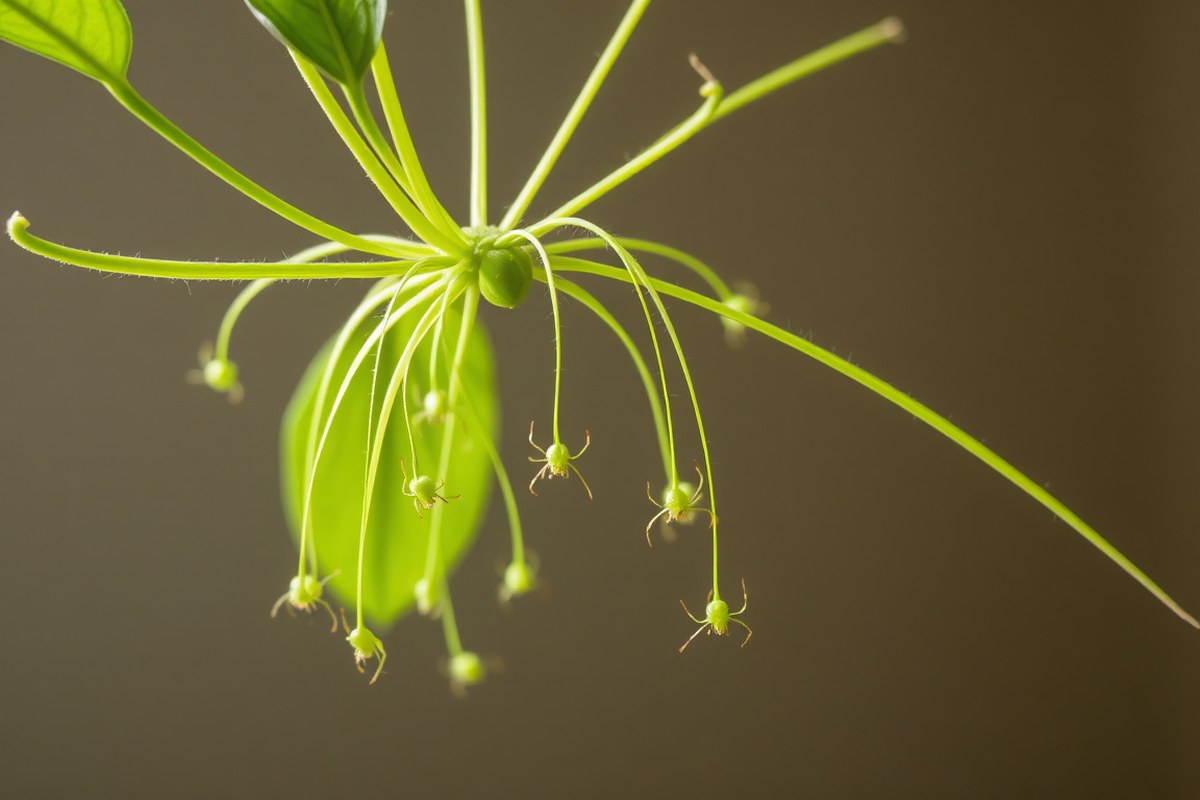
The spider plant is named for its small hanging plantlets. These look like tiny spiders sitting on webs. That gives the plant its common name.
These plantlets look like little spiders crawling off a mother plant. The name has nothing to do with real spiders living on the plant.
Visual Confusion from Dangling Plantlets
Those dangling baby plants can easily be mistaken for spider legs or webs. This look tricks many people into thinking real spiders live here.
It especially fools those who don’t know spider plants. The small plantlets look like spiders crawling on webs.
The plantlets grow on thin stems that dangle several inches. This gives the impression of movement, increasing the spider resemblance.
Common Myths About Attraction
Many think spider plants pull spiders indoors or attract them naturally. Spiders often hide in many types of houseplants when it’s right.
They don’t just choose spider plants to live in. Any plant with good shelter can attract spiders.
People often blame spider plants because the dangling plantlets look like spiders, which causes unnecessary worry.
Why Spiders Actually Appear on Plants
Spiders seek plants with moisture, shade, and somewhere to hide. Overwatered or bushy plants with little airflow provide good shelter for spiders. Any plant fitting this needs can attract spiders.
Not trimming or cleaning your plants invites spiders. Dust and hidden spots make plants cozy for spiders. Regular care helps keep spiders away from your plants.
How to Avoid Spider Confusion with Your Spider Plant
Keep your spider plant healthy by trimming old leaves and removing fallen plantlets. This stops buildup that might create cozy spots for spiders. Clean dust off leaves regularly and avoid overwatering.
Keeping good airflow around your plant also helps. This reduces humidity and discourages spiders from settling in.
Spider plants don’t attract spiders. But poor care can make any plant a hiding spot for them.
Conditions That Could Make Spider Plants Attractive to Spiders
Humidity plays a key role in spider presence near spider plants. Higher moisture levels make the environment more inviting for spiders and their prey. Keeping humidity around 40-60% helps limit spider activity, which is typical for most indoor spaces.
Pests on spider plants also attract spiders. Spiders follow their food. So if your plant has aphids, mites, or other small insects, spiders will likely move in.
Check your plants every week. Treat any pests right away. Use insecticidal soap or neem oil to stop spiders’ food.
The health of your spider plant affects how many hiding spots it offers. Dense, overgrown leaves create safe places for spiders to hide and build webs. Trimming excess growth and removing dead leaves improves airflow and reduces hiding spots.
- Treat pest insects early to reduce spider food sources
- Prune overcrowded growth to limit spider shelters
- Clear clutter around the plant to remove spider hiding spots
- Seal cracks or gaps near windows or walls to block spider entry
- Maintain moderate humidity, about 40-60%, to avoid excess moisture
Dust buildup and poor aeration can increase spider activity. So keeping the leaves clean and the plant well-ventilated helps.
Regular watering but avoiding soggy soil keeps your spider plant healthy and less attractive to pests. Healthy plants resist infestations that draw spiders.
Fix moisture and pest problems around your plants. Spiders pick these spots to live.
Removing these stops spider visits. Healthy care habits stop spiders from settling while still preserving your plant’s condition and growth.
How Spider Plants Compare to Other Plants in Attracting Spiders
Your home’s indoor or garden plants can influence how many spiders come around. Spiders don’t eat plants, but they hunt the bugs drawn to certain plants. Some plants give spiders places to hide, while others keep spiders away.
Knowing which plants attract spiders helps you choose garden spots. Put these plants near windows or outside where spiders are welcome.
| Plant Type | Spider Attraction Level | Reason | Indoor or Outdoor |
|---|---|---|---|
| Spider Plant (Chlorophytum comosum) | Low | Few hiding spots, limited insect attraction | Indoor (USDA zones 9-11 outdoor hardy) |
| Aromatic Plants (e.g., Lavender, Mint) | Very Low | Repel spiders by scent, unattractive to insects | Indoor and Outdoor |
| Thorny Plants (e.g., Roses, Holly) | High | Provide protection from predators, dense cover | Outdoor |
| Broad-Leaved Garden Plants (e.g., Hostas) | Medium | Offer dense foliage for hiding, attract insects | Outdoor |
| Indoor Tropical Plants (e.g., Ferns, Palms) | Medium | Can hold moisture, shelter bugs and spiders | Indoor |
Spider plants are fairly low on attracting spiders compared to thorny garden plants. Thorny plants give spiders a safe place away from birds.
They attract more spiders in outdoor spaces. Aromatic plants tend to keep spiders away because their smells repel bugs, which spiders eat.
Indoor plants, including spider plants, usually attract fewer spiders than outdoor plants. Outdoors, conditions like moisture and insect presence matter more.
To reduce spiders, use aromatic plants near doors and windows. Avoid thorny plants in your garden.
Do Spider Plants Provide Good Shelter for Spiders?
Spider plants do provide good shelter for spiders to build webs. Their tall stems offer solid structure for orb-weaving spiders to anchor sticky traps. The blooms attract flying insects like bees and flies, which draw spiders looking to catch prey.
Some spiders don’t build webs but use the plant’s dense leaves for cover. Wolf spiders and crab spiders like the shadowy spots between leaves to ambush insects.
The thick leaves provide safe spots from bigger predators indoors. They also protect your plants against bad weather inside your home.
Spider webs inside the leaves usually don’t harm your plant. These tiny structures are light and won’t choke leaves or stems. Spot tiny bugs and webs on your plant?
Spray water outdoors. This removes bugs without using any chemicals.
Over-watering your spider plant can cause root disease, which weakens foliage and shelter availability for spiders. Keep soil moist but not soggy to maintain healthy leaves that support any spider residents. Dry leaves or poor plant health might drive spiders away instead of attracting them.
Check plants regularly to avoid pest buildup. A quick water spray outdoors can keep leaves clean without harming your spider plant.
How to Care for Spider Plants to Reduce Spider Presence
Keeping spider plants healthy cuts down the chance of spiders hanging around. Dry soil, dusty leaves, and crowded clumps invite pests and webs. Managing moisture and cleaning carefully helps you avoid moisture-loving bugs that attract spiders.
Regular Pruning and Cleaning Tips
Trimming your spider plant gives more airflow and keeps it less inviting for spiders. Removing old leaves and baby plants prevents thick cover where spiders hide. Wiping leaves also clears dust and visible webs, making your plant less appealing.
Do these tasks on a schedule, like every two to three weeks for wiping leaves. Prune crowded sections as soon as you see them getting dense. Take off old plantlets when they get too big or hang low.
Managing Indoor Humidity Correctly
Spiders and many pests thrive in moist air. Keep room humidity below 60% around your spider plant. This level is dry enough to discourage bugs without stressing your plant.
Use a dehumidifier in kitchens or bathrooms where moisture is high. A simple indoor humidity meter costs about $15 and helps you track levels daily. Opening windows briefly can also reduce excess humidity.
Inspecting and Removing Pests Promptly
Spiders visit mainly because of the bugs on your plant. Check your spider plant weekly for pests like gnats or mites. Spotting them early prevents webs from forming and pests from multiplying.
Reposition plants if webs are blocking light or airflow. This keeps spiders’ “flight paths” to prey clear. Relocate any spiders you find instead of letting them nest freely.
Follow these steps to care for your spider plant and keep spiders away:
- Check the soil’s top inch weekly. Water only if dry.
- Wipe all leaves every two to three weeks to remove dust and webs.
- Prune crowded leaves to improve light and airflow as needed.
- Remove old or overgrown baby plantlets regularly.
- Inspect the plant weekly for pests and spider webs.
- Use a dehumidifier to maintain indoor humidity below 60% near your plants.
- Repot the plant every one to two years if roots are crowded.
- Relocate any spiders found instead of letting them settle on the plant.
Safe and Effective Ways to Manage Spiders on Spider Plants
Spiders can be safely removed from spider plants without chemicals. Using hands or tools avoids plant damage. Natural repellents work well, while insecticides are rarely needed inside the home.
Manual Removal and Relocation Methods
Removing spiders by hand or with simple tools keeps your plant safe. It also stops unnecessary chemical use. You can gently move spiders outside to avoid killing them.
Follow these steps to remove spiders safely from your spider plant:
- Wear gloves to protect your skin and stay calm.
- Use a soft brush or a folded paper to gently scoop the spider.
- Hold a jar or cup close to the spider to trap it safely.
- Slowly slide a stiff paper under the jar to cover the opening.
- Carefully carry the jar outside, keeping the paper secure.
- Release the spider near bushes or other sheltered spots away from your home.
- Check your spider plant after a day or two for new spiders and repeat if needed.
This method avoids harming your plant’s leaves or roots. It’s quick and costs nothing but takes patience. You may have to repeat the process if spiders return.
Natural Spider Repellents Suitable for Plants
Natural repellents can discourage spiders without hurting your spider plant. Essential oils like peppermint or eucalyptus diluted in water act as mild deterrents. Spray your plant lightly once a week for the best effect.
Another safe option is to keep the area around your spider plant clean. Remove dead leaves and dust frequently to reduce places where spiders hide. Spiders avoid bright, well-lit spaces, so placing your plant where sunlight reaches helps.
When to Consider Chemical Control
Using chemical sprays on spider plants can damage leaves and stresses the plant. Most spiders do not harm your plant or spread disease.
So insecticides are rarely needed indoors. Experts advise against using spider sprays on houseplants because of these risks.
Choose chemical control only if spiders pose a health risk or become too numerous. For example, if venomous species appear or the infestation disrupts your comfort. Consult a licensed pest professional before applying any pesticides to your indoor plants.
When Spiders on Spider Plants Can Be Beneficial
Spiders can help control harmful pests around your spider plants. They eat insects that might damage the plant or spread disease. This natural pest control reduces the need for sprays or chemicals near your indoor greenery.
Most spiders won’t harm your spider plants. They act like tiny guards. They catch flies, aphids, and bugs.
These pests might sneak onto the leaves. Tolerating a few spiders often means fewer bugs and healthier plants over time.
Some homeowners find it better to accept spiders on their spider plants. Removing spiders too often can let pests multiply quickly. Letting spiders live there keeps insect numbers down naturally and keeps your plant environment balanced.
Spiders look for places with enough insects to feed on. Your spider plant draws small bugs. Spiders may come to hunt nearby.
You can encourage helpful spiders by keeping the plant healthy but watching for pest build-up. Too many insects can attract more spiders than you want.
Providing clean leaves and moderate watering usually keeps pests low. This helps control spider visitors naturally without needing special traps or sprays. Spider numbers rise near your plant.
Check for pests and remove them yourself. This keeps any spider presence manageable and beneficial.
Don’t spray insecticides directly on your spider plant if you have spiders. It can kill helpful hunters and harm the plant.
Step-by-Step Action Plan to Keep Spiders Off Your Spider Plants
Follow these steps to reduce spider presence on your spider plants. Each step helps you see clear progress toward a spider-free plant.
- Day 1: Check your spider plant for webs or spider eggs. Remove any visible spiders or webs by hand or with a soft cloth.
- Day 2: Move the plant to a brighter, less humid spot. Spiders like dark, damp places, so this change makes it less attractive.
- Week 1: Water your plant properly, keeping soil moist but not soggy. Overwatering creates humidity that spiders prefer.
- Week 2: Use a diluted soap solution to wipe leaves. This removes dust and tiny insects. These insects can attract spiders. Repeat once a week if needed.
- After 2 weeks: Place sticky traps near your spider plant to catch wandering spiders. Check traps weekly and replace when full.
- Month 1: Inspect nearby areas for other pest sources like small insects or clutter. Removing these hides will cut your spider food supply.
- Month 2: Consider using a plant-safe insecticide if spiders persist. Follow label directions carefully and keep it away from pets or children.
Frequently Asked Questions
Can Spider Plants Carry Spider Mites?
Yes, spider plants can sometimes host spider mites. These tiny pests feed on plant sap, causing damage. Keeping the plant clean and monitoring regularly helps prevent infestations.
Do Spider Plants Attract Other Insects?
Spider plants rarely attract insects like flies or aphids. They don’t produce nectar or scents that lure bugs. Good air circulation and proper watering reduce pest risks.
Can Spiders Living on Spider Plants Harm the Plant?
Spiders on spider plants do not harm them. Spiders eat insects that could damage the plant. They can indirectly protect your spider plant from pests.
Why Do Some Spider Plants Have Webs on Them?
Webs on spider plants usually come from small spiders or mites. These creatures build webs to catch prey or protect themselves. Removing webs gently keeps plants clean without harm.
Is It Normal to Find Baby Spiders on Spider Plants?
Yes, baby spiders sometimes hatch near spider plants. Spiders use sheltered spots for egg sacs and nesting. This happens more outdoors or near open windows.
Can Spider Plants Survive Pet-Related Spider Problems?
Spider plants usually survive even if spiders live on them. Most spiders don’t damage the leaves or roots. You can remove spiders safely if you prefer not having them.
The Bottom Line
Spider plants don’t actually attract spiders, but certain conditions might invite them. You can keep spiders off by adjusting light, moisture, and cleanliness. Start by checking your plant for webs today and move it if needed.