When Do Hyacinths Flower: A Complete Guide to Bloom Timing and Care
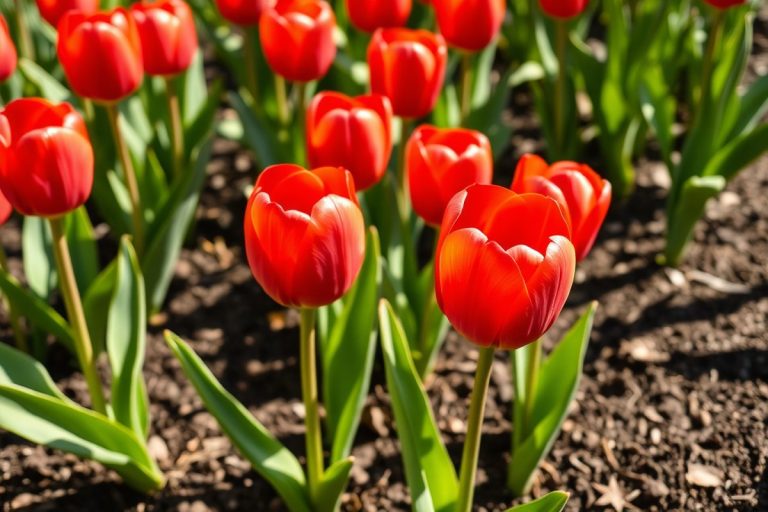
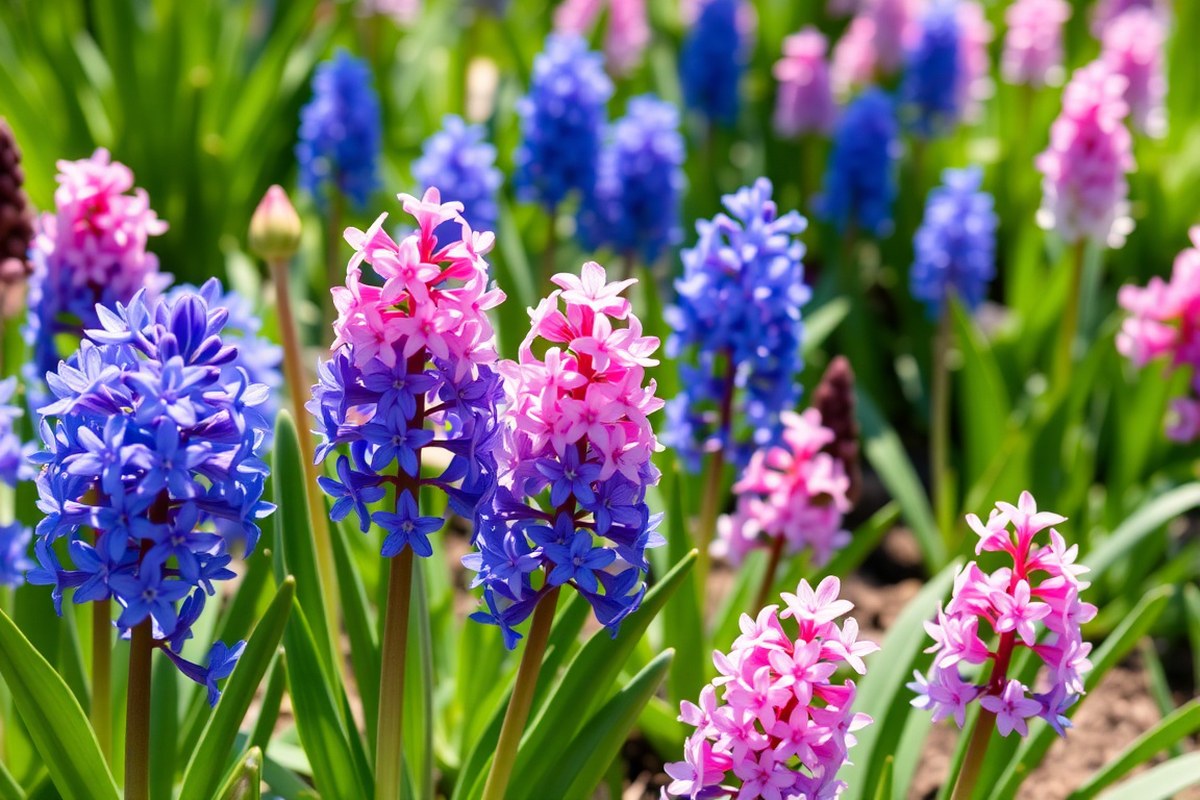
When do hyacinths flower? These bulbs usually bloom in early to mid-spring.
Plant them in fall about 4 inches deep. This timing lets them develop strong roots through winter and bloom as temperatures rise.
Hyacinths require a cold period of 10 to 12 weeks below 50°F to bloom well. Outdoor winters naturally give them this chilling. In areas with mild winters, refrigerate bulbs for 12 to 14 weeks before planting to mimic cold conditions.
Forcing hyacinths indoors lets you enjoy blooms earlier. Keep the bulbs in a cool, dark place for 10 to 12 weeks to simulate winter. Then, move pots to a bright room around 50°F to encourage flowering.
Once leaves appear, place the pots near a sunny window. Water moderately to avoid root rot. You can expect flowers about two to three weeks after bringing bulbs indoors.
Key Takeaways
- Plant hyacinth bulbs 4 inches deep in fall for spring blooms.
- Ensure bulbs experience 10, 12 weeks below 50°F to trigger flowering.
- Refrigerate bulbs in a paper bag away from fruit if winters are mild.
- Give forced indoor hyacinths plenty of light once leaves appear.
- Keep forced plants around 50°F to support bloom development.
- Space bulbs at least 3 inches apart to support stem stability.
When Do Hyacinths Typically Bloom Outdoors and Indoors?
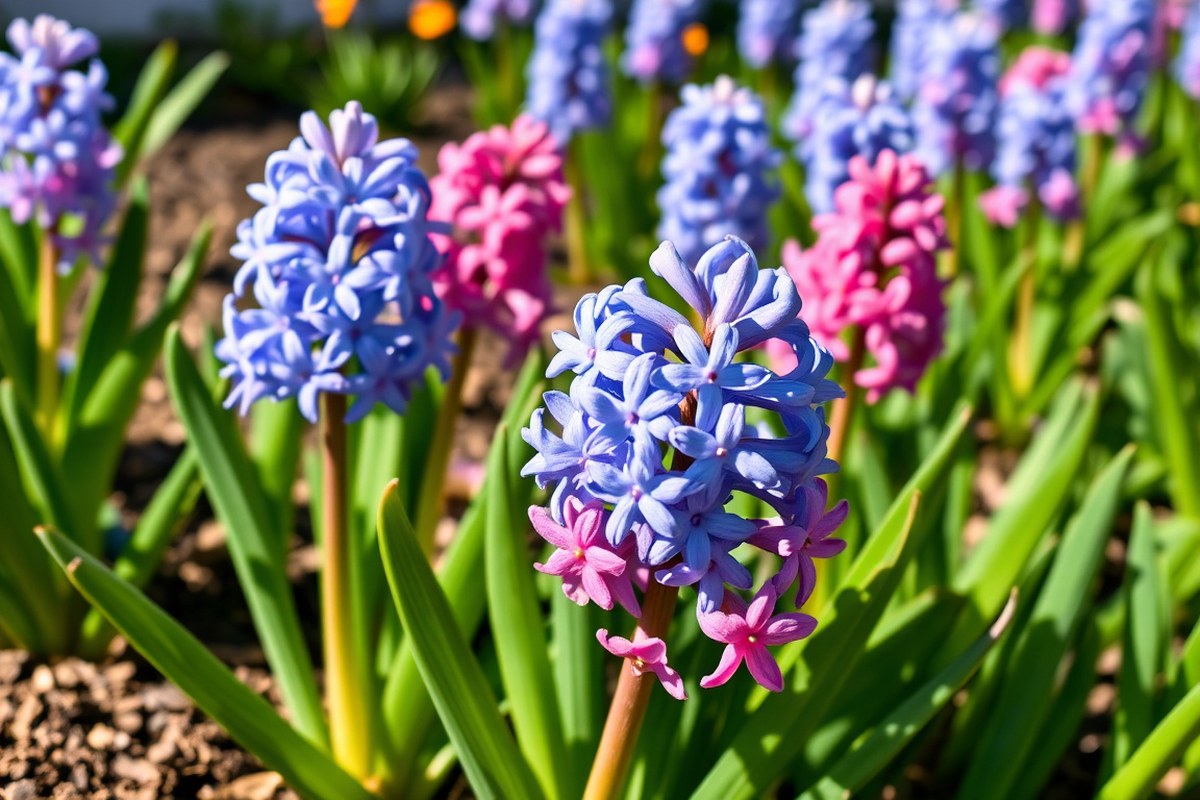
Hyacinths planted outdoors typically bloom in early to mid-spring. Plant bulbs 4 inches deep in fall, from September to December. The exact time depends on your soil’s cooling.
Check local temperatures before planting. They usually take about 4 to 5 months to bloom after planting.
When you force hyacinths indoors, blooming happens much earlier. Starting from early autumn through midwinter, you can chill and force bulbs indoors.
This lets them bloom between late December and early spring. This indoor blooming lets you enjoy hyacinths around the holidays, especially Christmas.
Outdoor blooms last a similar length of time as indoor ones. Once open, hyacinth flowers show color and fragrance for about two to three weeks. Water bulbs properly and place them in a sunny spot.
These steps help flowers last longer. Keeping them healthy makes the blooms fresh.
Forced indoor bulbs need a chilling period of about 10 to 12 weeks before planting indoors. Starting this chill cycle in early fall gives enough time for roots and shoots to develop. Growing them indoors under these conditions means you’ll see flowers much sooner than outdoor bulbs.
Outdoor hyacinths can bloom again next year, though each year may bring fewer flowers. Forced indoor hyacinths usually don’t bloom again unless you plant them outside after flowering. Your best bet for repeated blooms is letting forced bulbs rest outdoors after indoor use.
Bloom times vary by climate zones. Colder zones often see flowers in late April or early May.
Warmer areas might have blooms as soon as March. Mild winters may require chilling bulbs in your fridge to help them bloom outdoors.
How Climate Zones Affect Hyacinth Bloom Times
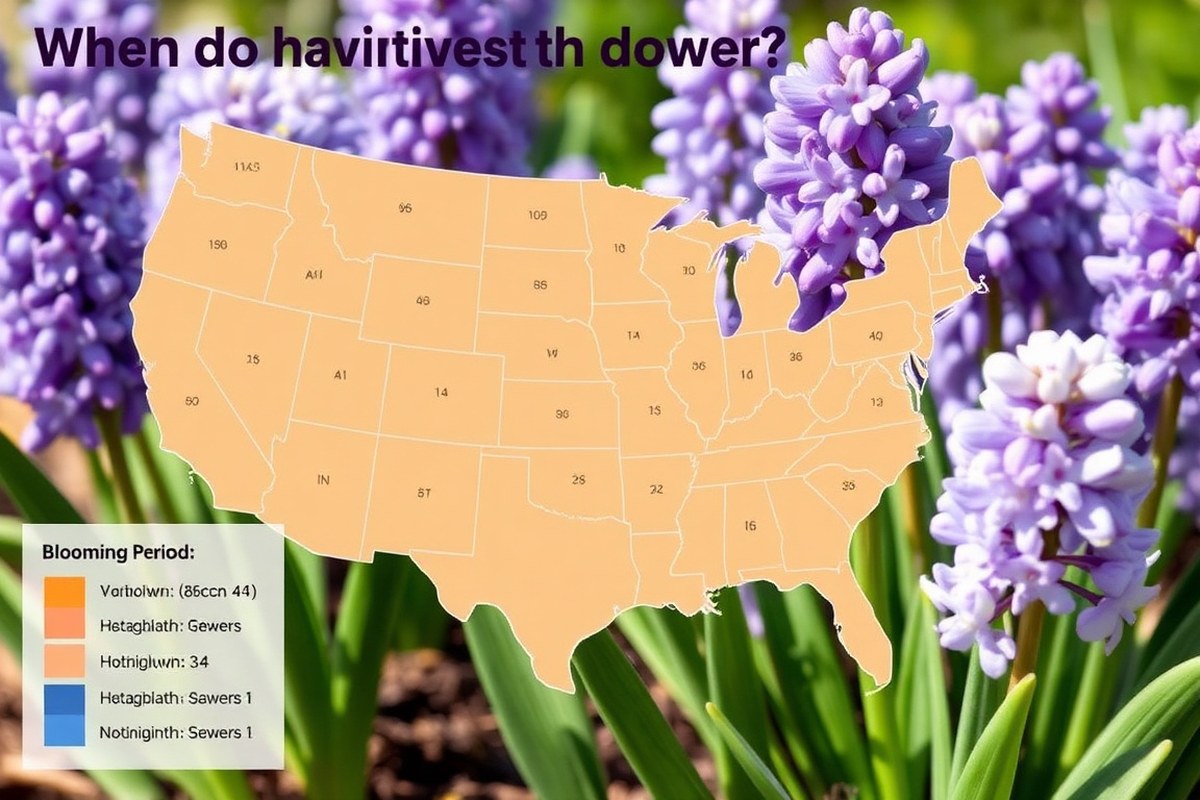
Hyacinth bloom times depend heavily on your USDA hardiness zone. These zones reflect the average winter low temperatures each region experiences.
Hyacinths need cold weather to bloom well. So colder zones generally see earlier flowering in spring.
Warmer zones like 8b to 10 often have winters too mild for natural hyacinth blooms. In these areas, the bulbs may not get enough cold chilling to start flowering on time. You might see delayed or weak blooms unless you chill the bulbs indoors first.
Planting time is usually fall, around 4 inches deep. This timing lets bulbs experience winter cold outdoors if your zone is cool enough.
Bulbs planted in zones 4 through 8 flower between March and April. The exact time shifts based on the temperature.
| USDA Zone | Winter Climate | Approximate Bloom Time | Notes |
|---|---|---|---|
| 4 – 6 | Cold, often below 20°F | Early March to mid-April | Good natural chilling; strong bloom |
| 7 – 8 | Mild winters around 25, 35°F | Mid-March to late April | Bloom may be slightly delayed |
| 8b – 10 | Very mild, above 35°F | Late March to May or none | Often insufficient chilling; may fail |
For mild winter areas, bringing bulbs indoors for cold treatment can help. Keep bulbs in a fridge at 35, 48°F for 10, 14 weeks before planting.
This chilling triggers flower development. Without it, hyacinths might produce leaves but no flowers.
Many gardeners use this chilling method to force blooms inside during winter too. That way, you get flowers even if your outdoor climate isn’t cold enough. Regularly check soil moisture and bulb health when forcing indoors to prevent rot or weak stems.
Cold exposure sets the timing: bulbs need at least 10 weeks below 50°F for best blooms.
Choosing and Planting Hyacinth Bulbs for Optimal Bloom
Planting your hyacinth bulbs right helps healthy blooms grow. You need to get the time, depth, and spacing correct. Pick firm and healthy bulbs for planting.
Put bulbs 4 to 6 inches deep. Space them about 5 to 6 inches apart. Use loose soil that drains water well.
Plant bulbs in fall, from September to November. Make sure soil is below 50°F.
Selecting Healthy Bulbs
Choose bulbs that are firm, plump, and free from mold or soft spots. Smaller bulbs might produce weaker blooms or may not flower at all. Use gloves when handling bulbs to avoid skin irritation and to keep the bulbs healthy.
Store bulbs in a cool, dry place until planting. Avoid bulbs that feel shriveled or have visible damage. Picking good bulbs improves your chances of strong, vibrant flowers.
Planting Depth and Spacing Guidelines
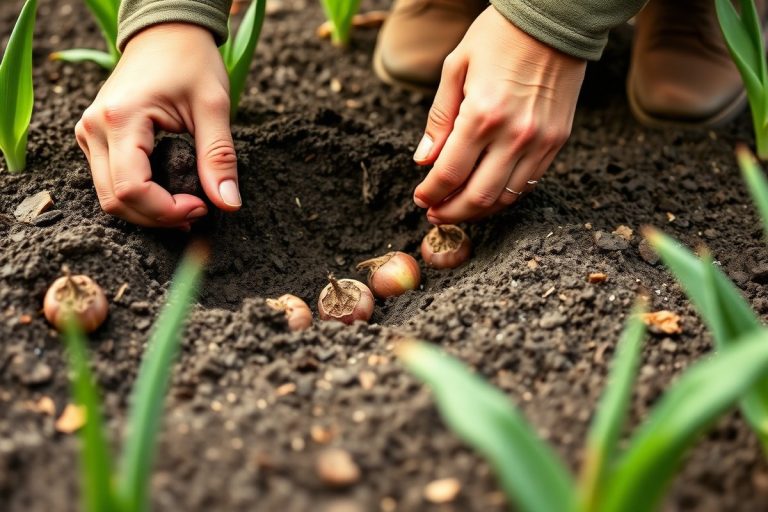
Plant hyacinth bulbs 4 to 6 inches deep. Place bulbs with the pointed side facing up.
This depth protects bulbs from frost while encouraging solid root development. Plant bulbs about 5 to 6 inches apart to give each room to grow healthy roots.
Group 3 to 5 bulbs in one hole spaced evenly 4 to 6 inches apart. Deeper bulbs may bloom 1 to 2 weeks later. Space bulbs for good airflow, which helps prevent fungal problems and bulb rot.
Ideal Soil and Light Conditions
Use loose, well-drained soil enriched with organic matter like compost. Good drainage is key to preventing bulbs from sitting in water, which causes rot.
Choose a spot with at least four hours of sun. This helps hyacinths bloom well.
Adding compost after flowering replenishes soil nutrients. For containers, use pots at least 6 inches deep.
Fill them with soil that drains well. Avoid clay soils or heavy garden beds without amending them first.
Timing Your Planting by Zone
Plant bulbs in fall from September to November, after soil temperatures drop below 50°F. This timing allows bulbs to develop roots during cooler months. Order bulbs early for the best selection and fresh stock.
In colder zones, plant in early fall. In mild climates, wait until late October or early November.
Plant bulbs in pots in October. Keep pots in the dark at 43°F to 46°F for 8 to 10 weeks before moving to light.
Follow these steps to get started with planting hyacinth bulbs:
- Check bulbs for firmness and remove any damaged ones.
- Prepare soil by loosening and mixing in compost.
- Dig holes 4 to 6 inches deep and space them 5 to 6 inches apart.
- Place bulbs pointed side up at the bottom of each hole.
- Cover the bulbs with soil and gently firm the surface.
- Water the planting area thoroughly to settle the soil.
- Mark the spots to avoid disturbing bulbs later.
- Keep the soil moist but not soggy during root development.
How Cold Exposure and Chilling Affect Flowering Time
Hyacinths need a cold treatment lasting 10 to 12 weeks to break dormancy. Temperatures between 40 and 45 degrees Fahrenheit give the best growth. This chilling period helps roots and shoots develop well.
Cooler or warmer temperatures won’t work as well. Bulbs need this cold phase to bloom on time.
Without it, they may not flower at all. This phase triggers proper blooming.
You can mimic outdoor winter chill by placing bulbs in a fridge set to 40-45 degrees. Avoid storing them near fruit, which releases ethylene gas and can harm the bulbs. Store bulbs in a dark spot to keep them dormant.
Keep them there for at least 10 weeks. Then you can pot or plant them outside.
Plant hyacinths 6 to 8 weeks before the first hard frost. This timing lets them get natural cold before winter. It helps bulbs bloom well in spring.
This timing lets roots establish before temperatures drop. Warm areas may not get enough natural chill for blooms.
Use a fridge to chill bulbs before growing indoors. This method works well for forcing flowers early.
Watch for signs that flowering will be successful: healthy, firm bulbs with strong root growth. Bulbs that stay soft or shrivel during chilling often won’t bloom well. Too little cold or warm temps slows bud growth.
Flower buds may stop or flowers become weak. Proper chill is key for good blooms.
Providing the right chilling is a simple but important step for neat, fragrant hyacinth blooms. Cold sets the timer for flower spikes inside or outside. It tells bulbs when to start growing flowers.
This step is critical for blooms. Skipping this or doing it improperly leads to unpredictable or delayed blooms.
Forcing Hyacinths Indoors for Early and Controlled Bloom
Forcing hyacinths indoors means chilling the bulbs first, then moving them to warmth and light. This process tricks the bulb to bloom earlier than usual. You can enjoy blooms inside in as little as 6 weeks after chilling.
Preparing Bulbs for Forcing
Start by picking healthy, firm hyacinth bulbs without soft spots or signs of disease. Use bulbs labeled for forcing if possible; they’re bred to perform well indoors. Use pots with good drainage to avoid rotting.
Before potting, soak the bulbs in water for a few hours. Fill pots with well-draining soil. Plant bulbs with neck slightly above soil.
- Choose firm, healthy hyacinth bulbs suitable for forcing.
- Soak bulbs in water for 3 to 4 hours to kickstart growth.
- Fill pots with well-draining potting mix good for bulbs.
- Plant bulbs with pointed end up, neck just above soil.
- Water soil lightly to settle it around the bulbs.
- Place pots in a cool dark place for chilling.
Use pots with drainage holes and avoid overwatering to prevent root rot.
Chilling and Dormancy Requirements
Chilling is key to mimic winter and trigger flowering. Keep potted bulbs at 40 to 45°F (4 to 7°C) for 12 to 14 weeks. A refrigerator works well, but keep bulbs away from fruit to avoid ethylene damage.
After chilling, place pots in a cool, dark spot. Keep at about 50°F (10°C).
Leave them there for 1 to 2 weeks. This phase helps build strong flower stems before you bring them to light.
Forcing Care: Light, Temperature, and Water
Move bulbs to indirect sunlight. Keep room temperature around 65 to 70°F (18 to 21°C).
Hyacinths take 2 to 3 weeks to bloom after this. Provide about 8 hours of light daily if possible.
Water sparingly to keep soil moist, not soggy. Too much water can cause bulb rot, especially in pots without drainage. A light watering during dry spells helps blooms last longer.
Keep soil moist but never waterlogged to avoid fungus and rot issues.
Staggering Bloom Times and Extending Flowering Season
You can extend hyacinth flowering by planting early, mid, and late bloom varieties. Each type blooms at different times, creating weeks of color. Staggering your planting lets flowers follow each other smoothly in your garden.
Early Blooming Cultivars
Early hyacinths start blooming about 1 or 2 weeks before the others. Popular early types include ‘Blue Jacket’ and ‘Pink Pearl’. These thrive with at least six hours of sunlight to show their best colors.
Plant early cultivars first, ideally in full sun or part shade. This scheduling helps your garden wake up with some bright blooms before most spring flowers.
Mid-Season Varieties
Mid-season hyacinths bloom during early to mid-spring, timing with daffodils. They usually bloom after early types finish, keeping the display going. These types respond well to the usual planting times in fall.
Keep mid-season bulbs 3 to 4 inches apart for good air flow and healthy growth. Clusters planted near garden edges add a strong splash of color.
Late Blooming Types
Late bloomers flower a week or two after mid-season types. Choosing late varieties can keep your garden lively well into spring. Their spike-shaped flowers look great mixed in with other late bloom perennials.
Plant these toward the end of your planting window. So they don’t bloom at once with earlier types. Proper soil temperature below 60°F (15°C) is best for letting them settle.
Planting Schedule for Continuous Bloom
Plan your garden by planting early types first, then mid-season, and late bloomers last. In Zones 4-5, start planting late September through early October. For Zones 6-7, plant from October through early November, watching soil temperatures.
Space bulbs about 3 to 4 inches apart. Group similar bloom times together for a strong wave of flowers. Keep in mind to remove flower stems after blooming.
Let the leaves dry naturally. This helps bulbs rest well for next year.
| Hyacinth Bloom Time | Variety Examples | Recommended Planting Time (Soil Temp) | Spacing | Sunlight |
|---|---|---|---|---|
| Early | Blue Jacket, Pink Pearl | Zones 4-5: Late Sept-Early Oct Zones 6-7: Oct-Early Nov, below 60°F |
3-4 inches | Full sun to partial shade |
| Mid-Season | Standard Hyacinths | Zones 4-5: Late Sept-Early Oct Zones 6-7: Oct-Early Nov |
3-4 inches | Full sun to partial shade |
| Late | Late Blooming Varieties | Zones 4-5: Early Oct-Early Nov, below 60°F Zones 6-7: Nov |
3-4 inches | Full sun to partial shade |
Grouping bulbs by bloom time and following these tips creates a steady color display. You avoid crowding, which can cause weaker stalks or pest issues. Hyacinths planted this way often bloom longer over several spring weeks.
Common Blooming Problems and How to Fix Them
Hyacinths sometimes fail to flower because of poor soil drainage or too much shade. They need well-drained soil and full sun for the best blooms. Without these, bulbs can rot or produce weak flowers.
Warm temperatures above 65 degrees cause blooms to fade quickly. Rapid heat shortens the flowering period, making the flowers look tired early. Providing some afternoon shade in hot climates helps extend bloom life.
To boost flowering next year, care for the bulbs after bloom is key. Leaving the bulbs in the ground allows them to store food for future blooms. Feeding the garden with a balanced fertilizer encourages stronger spikes next spring.
- Plant bulbs in full sun with well-drained, loose soil
- Water bulbs deeply but avoid waterlogging
- Use a balanced fertilizer after flowering to feed bulbs
- Let foliage die back naturally before removing it
- Protect bulbs from overly warm spring temperatures
- Thin crowded bulbs every few years to prevent weakness
- Consider moving harder-to-flower bulbs to better sites
Repeatedly forcing hyacinths indoors can weaken bulbs, reducing flower quality later. Moving containers to a cool sheltered spot outdoors after bloom lets bulbs rest properly. Hyacinths bloom less after about five years.
They may need fresh bulbs. New bulbs help flowers grow strong again.
Care After Blooming to Ensure Next Year’s Flowers
Cut the flower stalk off at its base once the blooms fade. This stops the plant from wasting energy on seed production. Leave the leaves alone until they turn yellow and die back naturally.
Keeping the leaves helps recharge the bulb for next year’s flowers. It usually takes about six weeks for the leaves to yellow completely. You can cut them back once they’re dry and brown.
Feeding your hyacinths after blooming strengthens them for next spring. Use a balanced bulb fertilizer or compost tea right after the flowers drop. This gives the bulbs nutrients to store through the winter.
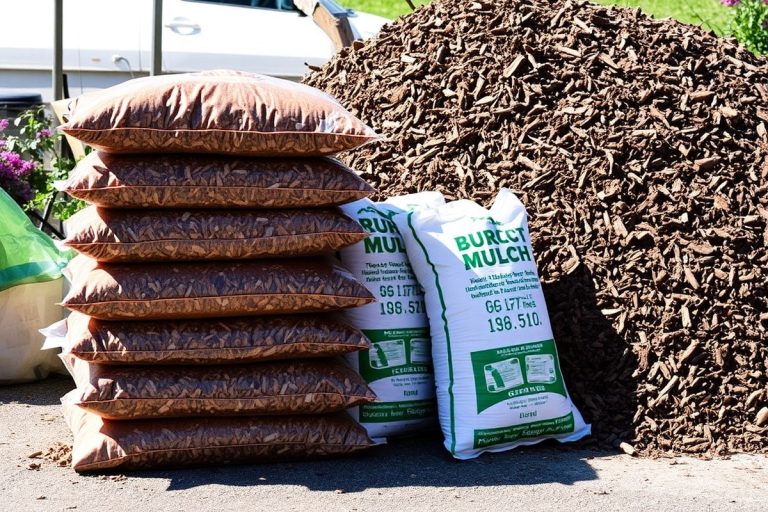
Mulching around the bulbs protects them during cold months. When the soil cools but before freezing, add shredded bark. Use a 2 to 3-inch layer.
This layer helps protect your bulbs through cold weather. This layer shields bulbs from frost and keeps soil moisture steady.
Hyacinth bulbs often do well left in the ground if the soil drains well. Well-drained soil prevents bulbs from rotting, making yearly lifting unnecessary. However, some gardeners lift and replant bulbs to keep blooms strong.
Leaving bulbs in the soil means thinner stems later. They also produce fewer flowers over time.
This is normal since the first bloom tends to be the most vibrant. You can still get nice flowers for several seasons with proper care.
Don’t remove leaves too soon. Wait about six weeks after flowering ends. This time helps bulbs collect energy for next year.
Step-by-Step Action Plan for Timed Hyacinth Blooming
Follow these steps to get your hyacinths blooming when you want, either inside or outside. Each step tells you what to do and how to check if it worked.
- Before planting: Choose bulbs from reliable sources with firm and plump bulbs. Check the firmness by gently squeezing them; soft spots mean poor quality.
- Fall planting (outdoors): Plant bulbs 6-8 inches deep in well-drained soil. Look for a steady root growth after a few weeks, which signals good establishment.
- Late autumn: Provide cold exposure if you’re forcing bulbs indoors. Keep bulbs at 35-48°F for 12-14 weeks; bulbs feel firm and show root beginning.
- Two weeks before forcing indoors: Bring bulbs into a warmer spot (60-70°F) with indirect light. Check for green shoots starting to appear.
- During bloom: Place pots in bright but indirect light and water moderately. Wilting leaves or dry soil means adjust watering now.
- After blooming: Cut flower stalks but keep leaves for about six weeks. Watch for healthy leaf color and growth to help next year’s bloom.
- Late spring: For outdoor hyacinths, let leaves die back naturally before removing. Resist cutting early; the bulb gathers energy for next year.
- Late summer: Store bulbs in a cool, dry place if not planting right away. Bulbs should remain firm and free of mold during storage.
Frequently Asked Questions
How Long Do Hyacinth Blooms Usually Last?
Hyacinth blooms last about two weeks. Proper care like avoiding direct hot sun helps extend their flowering time.
Can You Grow Hyacinths from Seeds Rather Than Bulbs?
Growing hyacinths from seeds is possible but takes several years for blooms. Bulbs are quicker and more common for flowering.
What Soil Type Is Best for Planting Hyacinths?
Well-drained soil that’s rich in organic matter suits hyacinths best. Adding compost after flowering improves soil quality for next year.
How Often Should You Water Hyacinths During Their Growing Season?
Water hyacinths moderately, keeping soil moist but not soggy. Overwatering can cause bulb rot and reduce flowering.
Do Hyacinths Need Deadheading After Flowering?
Yes, cutting flower stems after bloom stops the plant from wasting energy. Let leaves dry naturally to feed the bulb.
Can Hyacinth Bulbs Be Left in the Ground Year-Round?
Yes, hyacinth bulbs can stay in the ground if winters are cold enough. Mulching helps protect them and supports spring blooms.
Wrapping Up
Hyacinths bloom best with the right timing and care, indoors or out. Start with quality bulbs and proper cold exposure for optimal results. Check your bulbs soon to plan their bloom season perfectly.