What Is Gardening? A Complete Guide with Proven Steps and Tips
What is gardening? Simply put, gardening is growing and caring for plants in a small, personal space.
It can include flowers, vegetables, or herbs, and it combines nature with hands-on work. Gardening needs sunlight, water, and patience to help plants grow strong and healthy.
Gardening means knowing what plants need, such as soil and sunlight. You then regularly give them those things. This helps your plants grow well.
Most plants want between six and eight hours of sunlight each day for best growth. You start by picking the right spot, suited for your chosen plants’ sunlight needs.
It’s best to start small and learn as you go to avoid feeling overwhelmed. Watch the soil moisture and be ready to adjust watering.
Gardening isn’t just planting. It’s daily care, like checking for pests or pruning old leaves.
Key Takeaways
- Choose plants that match your garden’s sunlight conditions.
- Start with easy-to-grow plants like herbs or lettuce.
- Water plants regularly but avoid overwatering to prevent root problems.
- Use good-quality soil with proper drainage for healthier roots.
- Prune plants to remove dead parts and encourage growth.
- Watch for pests early and manage them before they spread.
What Gardening Really Means and How It Works
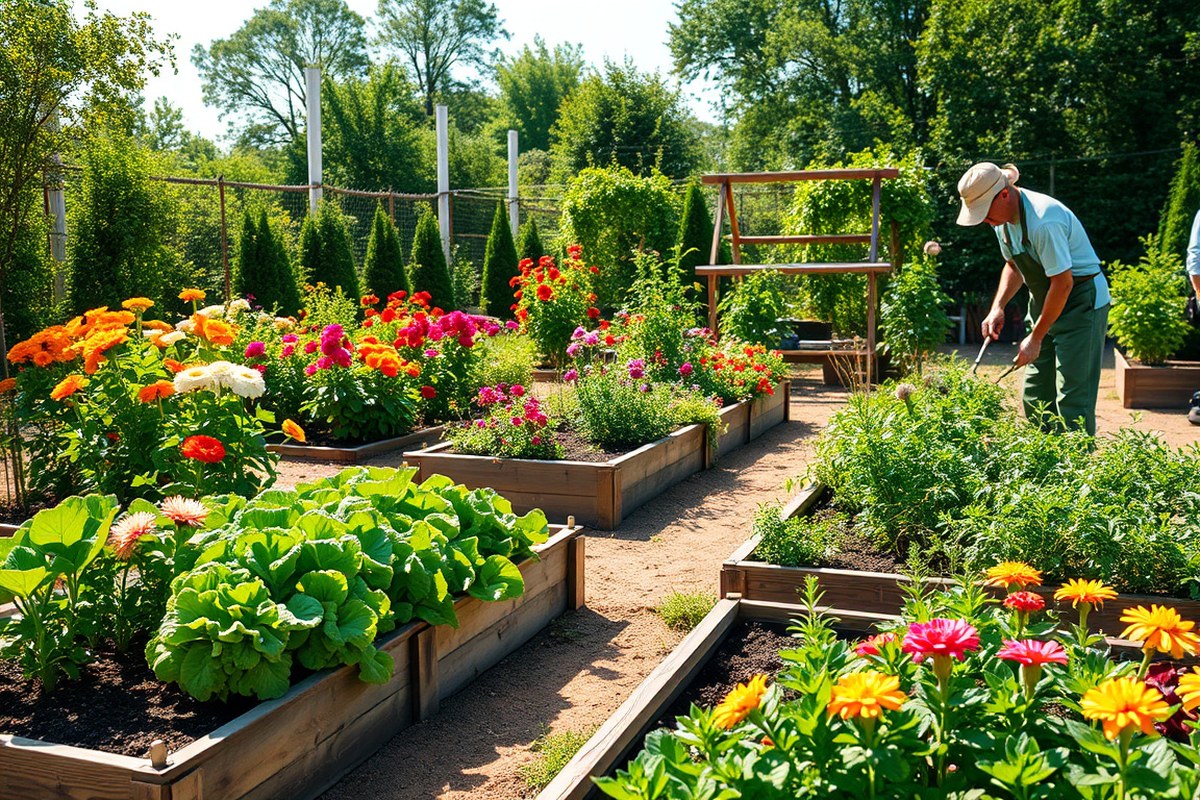
Gardening is growing and caring for plants in small, personal spaces. People do this for food, beauty, relaxation, or health benefits. It mixes both science and art to help plants thrive in soil, sunlight, and water conditions.
It differs from farming in size and purpose. Gardening usually takes place in backyards, balconies, or community plots. Farming happens on large fields.
Farming means growing main foods and materials like fiber or fuel. It uses machinery and common practices. The goal is to produce large amounts.
| Aspect | Gardening (Horticulture) | Farming (Agriculture) |
|---|---|---|
| Scale | Small, personal spaces | Large, commercial fields |
| Purpose | Beauty, health, decoration | Staple food, fiber, fuel |
| Techniques | Detailed care, pruning, grafting | Machinery, standard procedures |
| Land Use | Intensive, small plots | Extensive, open fields |
Basic biology affects gardening in several ways. Plants need the right sunlight, depending on their species and local climate.
Soil quality plays a big role. Fertile soil with good drainage helps roots grow strong and healthy.
Watering must match plant needs and weather changes. Overwatering or underwatering can harm plants quickly. Temperature is important for growing plants in your area.
Knowing your zone helps you choose plants that survive winter. These zones show the coldest temperatures plants can handle.
Gardening involves understanding and adjusting these factors regularly. You prune to shape plants and remove dead parts, improving health and appearance.
Each plant type might need different care. So learning about your chosen plants helps you get the best results.
Why Gardening Matters for Health and Environment
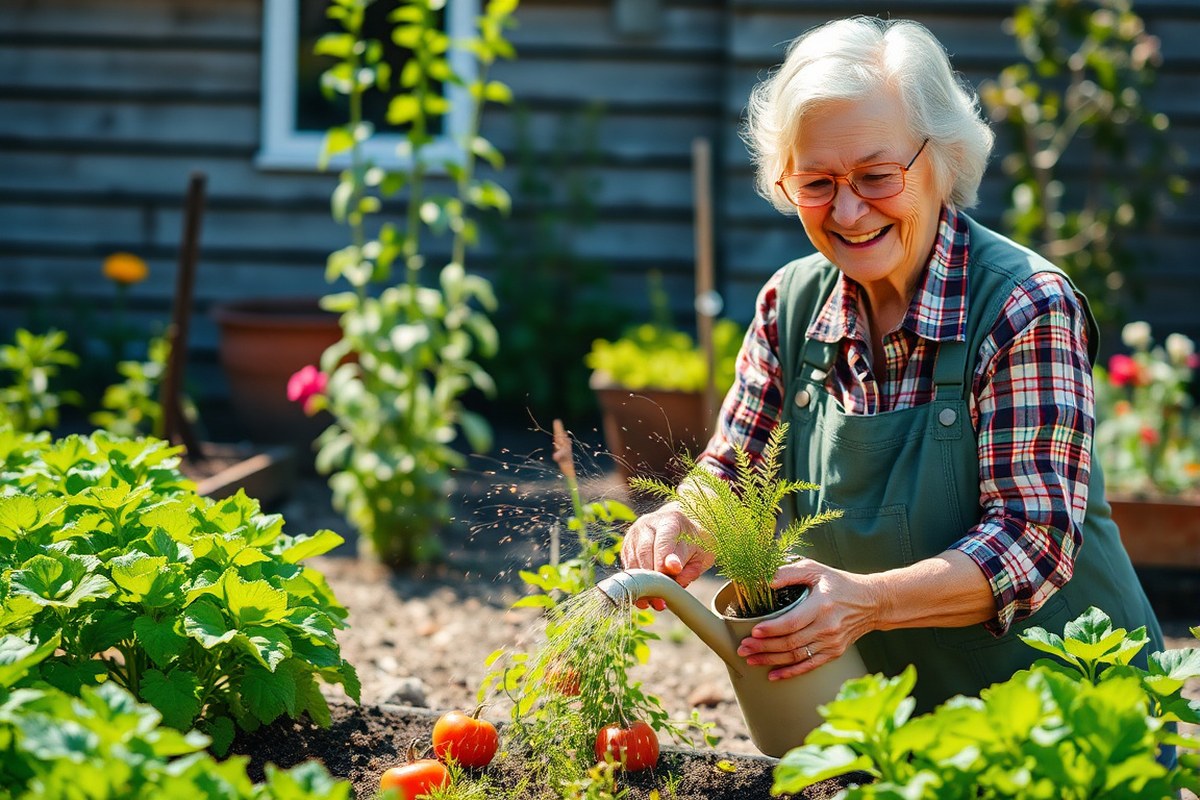
Gardening improves physical health by keeping you active and outside. Digging, planting, and weeding burn calories and build muscle strength. Even light gardening for 30 minutes can boost fitness and reduce stress.
It helps mental health by lowering anxiety and depression levels. Spending time in a garden lifts your mood and connects you to nature. Studies show people feel happier and more relaxed after gardening.
Gardens support biodiversity by providing habitats for pollinators like bees and butterflies, and birds. Native plants in your garden help local wildlife thrive. This adds to healthy ecosystems right at home.
Gardening reduces your carbon footprint by capturing carbon in plants and soil. Growing your own food cuts down on transport emissions and packaging waste. Using compost and mulch keeps soil healthy and lowers environmental impact.
Be careful to use tools safely and water plants early morning to keep them healthy.
Benefits include fresher produce, a sense of pride, and stronger community ties. You can start small with container gardening or herb pots if space is tight. Healthy gardens grow over time, so regular care and patience pay off.
Types of Gardens: Choosing What Fits Your Space and Goals
Gardening comes in many forms to fit your space and goals. You can grow flowers, vegetables, or herbs indoors, outside, or in shared spaces.
The main types of gardening are container, raised beds, and indoor setups. Community gardens and flower or vegetable plots are also common types.
Container Gardening Benefits and Limits
Container gardening fits small spaces like balconies or patios. You use pots or planters instead of planting in the ground. It’s easy to move plants to sunnier spots or protect them from bad weather.
You’ll water container plants more often since soil dries quickly. Containers also limit root growth, so you may need special soil and fertilizer. Plants face temperature swings faster, so watch for heat or cold damage.
| Advantages of Container Gardening | Disadvantages of Container Gardening |
|---|---|
| Suitable for limited spaces | Frequent watering needed |
| Easy to relocate | Limited root space |
| Fewer weeds | Special soil and fertilizer required |
| Decorative potential | Vulnerability to temperature extremes |
Container gardening works well if you have limited outdoor space or want to decorate with plants. Just plan for extra care and consider your plant’s root needs.
Raised Bed and Traditional Garden Differences
Raised bed gardens use framed boxes filled with soil above ground level. They improve drainage and soil quality, which helps plants grow better. Raised beds also reduce bending, making gardening easier on your back.
Traditional gardens plant directly in the ground but need good soil and proper weed control. They require more space and sometimes more effort to maintain soil health.
Raised beds cost more up front due to materials and soil. But they save time on weeding. They work especially well for vegetable gardens, where soil control is key.
Community and Indoor Garden Features
Community gardens provide shared plots in urban or suburban areas. They bring neighbors together and offer larger, better-equipped spaces to grow food or flowers. These gardens are perfect if you lack private land but want fresh produce.
Indoor gardens bring plants inside your home to improve air quality and brighten spaces. You can grow herbs or small vegetables on windowsills or with grow lights. Indoor setups need less space but demand consistent light and humidity control.
Community and indoor gardens both offer flexible options for city dwellers. Indoor gardening requires attention to light and watering. Community gardens need some coordination with others.
Essential Tools and Materials Every Gardener Needs
Start with gloves to keep hands clean and prevent cuts. Look for durable, water-resistant gloves that fit snugly but allow movement. Prices can range from $5 to $20 depending on material and brand.
Pruning shears trim live or dead branches neatly. Choose bypass shears for live plants to avoid crushing stems. Budget about $15 to $30 for a decent pair that stays sharp longer.
- Garden fork: Use its square tines to turn soil and improve aeration.
- Hand trowel: Good for digging small holes, transplanting, and weeding.
- Loppers: Help cut thicker branches, reduce strain with lightweight handles.
- Soil: Pick rich, well-draining soil with organic matter for most plants.
- Fertilizer: Select balanced, slow-release formulas suited to your plant types.
- Safety gear: Wear sturdy shoes and a hat to protect from sun and injury.
Garden forks usually cost $20 to $40, sturdy models last for years. Hand trowels range from $10 to $25; stainless steel heads resist rust best. Loppers might run $25 to $50, but lighter models ease hand fatigue during use.
Picking the right soil means checking texture and drainage. Avoid soil that stays soggy or feels dusty dry.
Fertilizers often specify N-P-K ratios on labels. Aim for balanced nutrients unless your plants need specific boosts.
Safety gear increases comfort and helps prevent aches or cuts. Thick-soled shoes shield feet from sharp tools and uneven ground. A wide-brim hat keeps sun off your face, helping you work longer without overheating.
How to Start Gardening: A Beginner’s Step-by-Step Plan
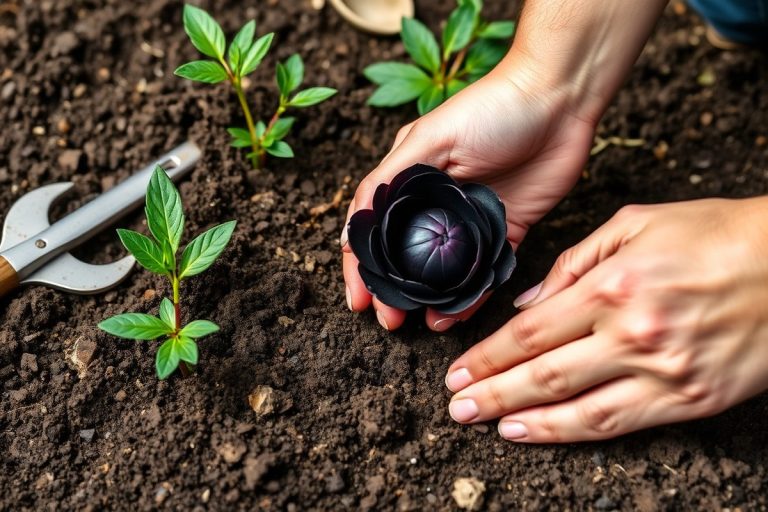
Start gardening by choosing a good spot with enough sun and preparing the soil. Pick easy plants like lettuce or marigolds to build confidence. Follow simple watering and care routines to help seeds grow and thrive.
Picking the Right Spot and Soil Preparation
Find a place that gets at least 6 hours of sunlight daily. Most vegetables and flowers need this for healthy growth. Avoid low spots where water sits or places shaded by trees.
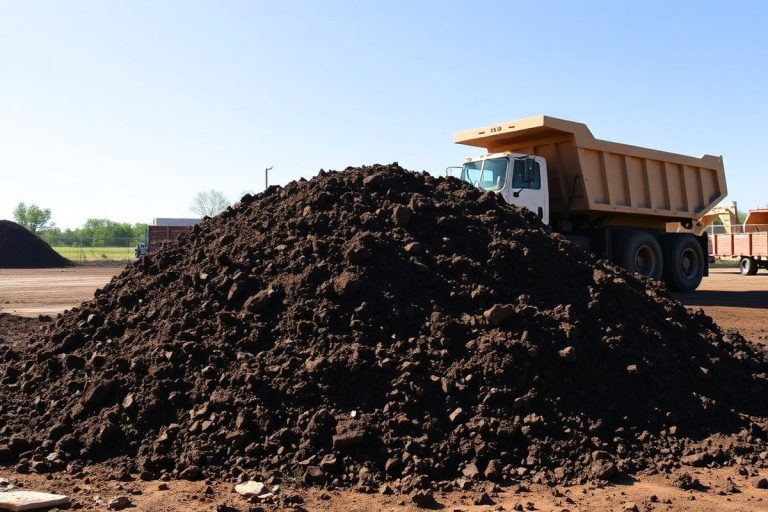
Test your soil with a kit from a garden center to check pH and nutrients. Good soil drains well and feels crumbly, not hard or sticky. Add compost or store-bought soil to improve poor soil.
Check soil moisture by digging a few inches deep. It should feel damp, not soggy.
Prepare your planting site about a week before planting. Clear weeds and loosen soil to help roots grow easily.
Selecting Beginner-Friendly Plants
Start with plants that grow fast and need little care to stay motivated. Try marigolds, lettuce, basil, zinnias, or radishes. Each has simple needs and shows quick progress.
Buy seeds or small plants from a local nursery for better chances of success. Follow packet instructions for when to plant outdoors or start indoors first.
For example, radishes sprout in about 3 weeks. Lettuce takes 30 to 45 days to harvest.
Track planting dates so you know when to expect growth or harvesting. Most beginner plants bloom or mature within 4 to 8 weeks.
Watering and Maintaining Your Garden
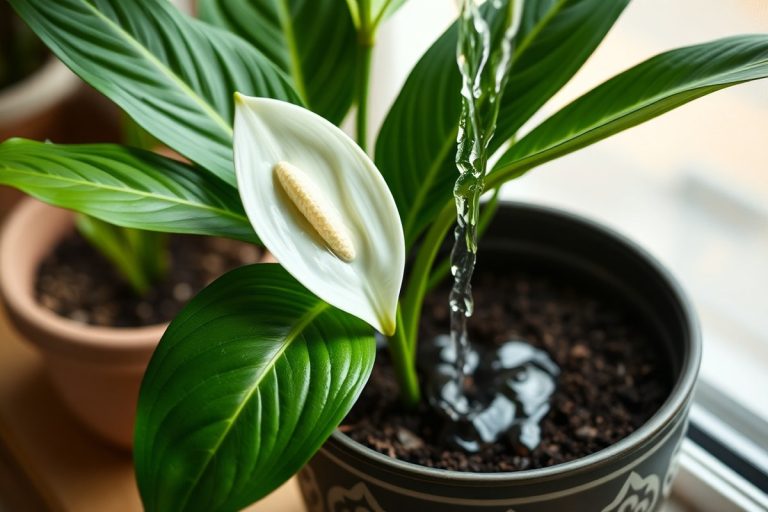
Water plants early in the morning or late afternoon to reduce evaporation. Aim for about 1 inch of water per week, adjusting for weather. Overwatering causes root rot, while underwatering makes plants wilt.
Remove weeds regularly to prevent competition for nutrients and water. Use mulch like straw or wood chips to keep soil moist and stop weeds. Prune dead leaves to encourage new growth and keep plants healthy.
Watch for pests and disease signs like spots or holes on leaves. Handpick bugs or use natural remedies when needed. Healthy plants grow stronger and produce better harvests.
- Choose a sunny spot that gets 6+ hours of direct light daily.
- Test soil and amend with compost if needed for good drainage.
- Pick beginner-friendly plants like lettuce and marigolds.
- Plant seeds or seedlings following package instructions.
- Water about 1 inch per week, preferably in the morning.
- Remove weeds and add mulch to keep soil moist.
- Check for pests and prune plants for healthy growth.
- Harvest when plants mature, usually between 4 to 8 weeks.
Dealing with Common Gardening Challenges and Mistakes
Many new gardeners face problems with pests, poor soil, watering mistakes, and lack of sunlight. These issues can stunt plant growth or cause crops to fail. Fixing them early helps you enjoy a healthy and productive garden.
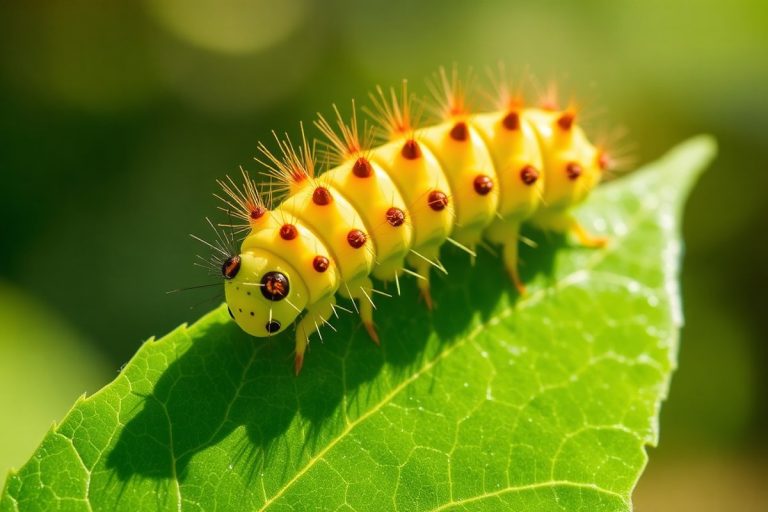
Pests like aphids, slugs, and caterpillars can quickly harm your plants. To avoid chemical sprays, try natural pest control methods.
Introduce ladybugs or use neem oil spray every seven to ten days to reduce insect damage. Also, handpick larger pests and clear away dead plant material where bugs hide.
Poor soil is a common roadblock. Soil needs good drainage and plenty of nutrients for plants to grow. Improve the soil by mixing in 2 to 3 inches of compost yearly.
Compost costs about $20 to $30 per cubic yard. You can also make your own using kitchen scraps and yard waste. Both save money and reduce waste.
- Check your garden spot receives 6 to 8 hours of sunlight daily for most plants.
- Water deeply but less often; aim for 1 inch of water weekly.
- Use mulch to retain soil moisture and prevent weeds.
- Remove dead or damaged branches regularly to stop disease spread.
- Choose plants suited for your local climate and soil type.
Watering errors cause root problems. Overwatering leads to soggy soil and root rot, while underwatering stresses plants.
Check soil by feeling it, if it’s dry 2 inches below the surface, water deeply. Early morning watering reduces evaporation and avoids leaf diseases.
Lack of sunlight means plants won’t bloom or grow well. Pick a spot with at least 4 to 6 hours of sun for partial shade plants.
Full sun plants need 6 to 8 hours. Watch how shadows move during the day to avoid shaded areas from fences or trees.
Learning from mistakes takes time and practice. Rotate crops every season to reduce pests. Plant herbs like basil or marigold to repel pests nearby.
Adjust soil amendments based on how plants look and grow. This hands-on care keeps your garden healthy and thriving.
Adapting Gardening to Small Spaces and Limited Time
Gardening works well even if you have a small balcony, porch, or busy schedule. Container gardening fits small spaces perfectly. You plant flowers, herbs, or veggies in pots.
These pots can move to catch sunlight. You can also shelter them from wind.
Vertical gardening saves floor space. You use wall-mounted racks, hanging pots, or trellises to grow up instead of out. This setup helps especially with herbs, strawberries, or small greens.
Indoor plants are another good option. They brighten your home and survive with less sunlight if you pick the right varieties.
Keeping your garden low-maintenance means choosing the right containers and soil. Pots with drainage holes prevent soggy roots. Use quality potting mix with nutrients and water slowly once or twice a week.
Group pots for easy watering. Daily check your plants for dry soil or pests. Clean tools after use to avoid spreading diseases.
- Use lightweight pots for easy moving and cleaning
- Choose plants like basil, lettuce, or succulents for quick growth
- Install wall pockets or shoe organizers for vertical planting
- Pick indoor plants that tolerate low light, like snake plants
- Water in the morning to reduce mold and evaporation
- Feed plants monthly with liquid fertilizer for steady growth
- Protect plants from cold drafts or hot radiators inside
Plants grow best where they get enough light, usually 4 to 6 hours daily. Avoid overwatering, which can cause root rot. Good results show bright green leaves and steady new growth.
Yellow leaves or droopy stems mean dehydration or too much sun. Keep up with watering and light.
You can enjoy fresh herbs or flowers all year. This works even in very small spaces.
Sustainable and Modern Gardening Trends to Follow
Sustainable and modern gardening blends practical care with respect for nature. You can grow food, save water, and help wildlife with smart choices. Using technology also makes chores easier and boosts your results.
Eco-Friendly Practices for Beginners
Start with composting your kitchen scraps and garden wastes. It saves money on soil enhancers and feeds your plants naturally. Collect fallen leaves and vegetable peels for one week or two.
Also gather used coffee grounds during that time. Mix all the materials in a bin or pile.
Save water by using drip irrigation or soaker hoses. They deliver water directly to roots without waste. Mulching with bark or straw around plants keeps soil moist and cool for days.
Choose native plants for your local area. Native plants need less water, resist pests better, and provide shelter for local wildlife. Many local nurseries label these, making them easy to find.
Smart Gardening Tools and Automation
Smart garden sensors measure soil moisture, temperature, and light. You can check your phone to see if plants need water. These devices cost $20 to $100 and save one to two hours of guesswork weekly.
Automated watering systems connect to timers or apps. Set them to water early mornings or evenings to reduce evaporation. You can also adjust the schedule seasonally, cutting water waste.
Garden robots now handle mowing or weeding small spaces. They work best on flat lawns or raised beds, saving labor but costing $500 or more. Think about garden size and terrain before investing.
Attracting Pollinators and Growing Food
Include pollinator-friendly plants like milkweed, lavender, and sunflowers to invite bees and butterflies. Pollinators help your fruit and vegetable plants produce more and better yield. Plant in clumps for easier spotting and landing.
Edible landscapes mix food plants with flowers, giving beauty and fresh food together. You might plant lettuce and marigolds side by side or tomatoes near basil. This approach reduces space and cuts trips to the store.
You can start small by dedicating one flower bed to support native pollinators and fruiting plants. Be patient as these gardens take months to attract and support a healthy pollinator population.
| Trend | Benefit | Example |
|---|---|---|
| Composting | Feeds soil naturally, reduces waste | Bin for kitchen scraps and yard waste |
| Water-saving irrigation | Reduces water use by up to 50% | Drip lines, soaker hoses, mulching |
| Native plants | Supports wildlife, needs less care | Local wildflowers, shrubs, grasses |
| Smart sensors | Prevent overwatering, save time | Soil moisture and temperature monitors |
| Edible landscapes | Mixes food and beauty, saves space | Lettuce with flowers, herbs among veggies |
| Pollinator gardens | Improves fruit set, biodiversity | Milkweed, sunflowers, bee balm |
These sustainable trends help protect the environment and make your garden healthier. They reduce outside inputs like chemicals and save resources. Adopting them depends on your space, budget, and goals.
Tip: Avoid plastic pots when possible to reduce waste and slow chemical leaching into soil.
Step-by-Step Action Plan to Begin Your Garden
Start your garden with simple steps and small goals. Follow this plan to see steady progress in your new space.
- Before you start: Choose the right type of garden for your space. Pick one that fits your sunlight and size limits to avoid frustration later.
- Day 1: Gather essential tools like gloves, a trowel, and watering can. Having these ready helps you work comfortably and efficiently.
- Week 1: Prepare your soil by removing weeds and adding compost. Healthy soil grows stronger plants and reduces pests.
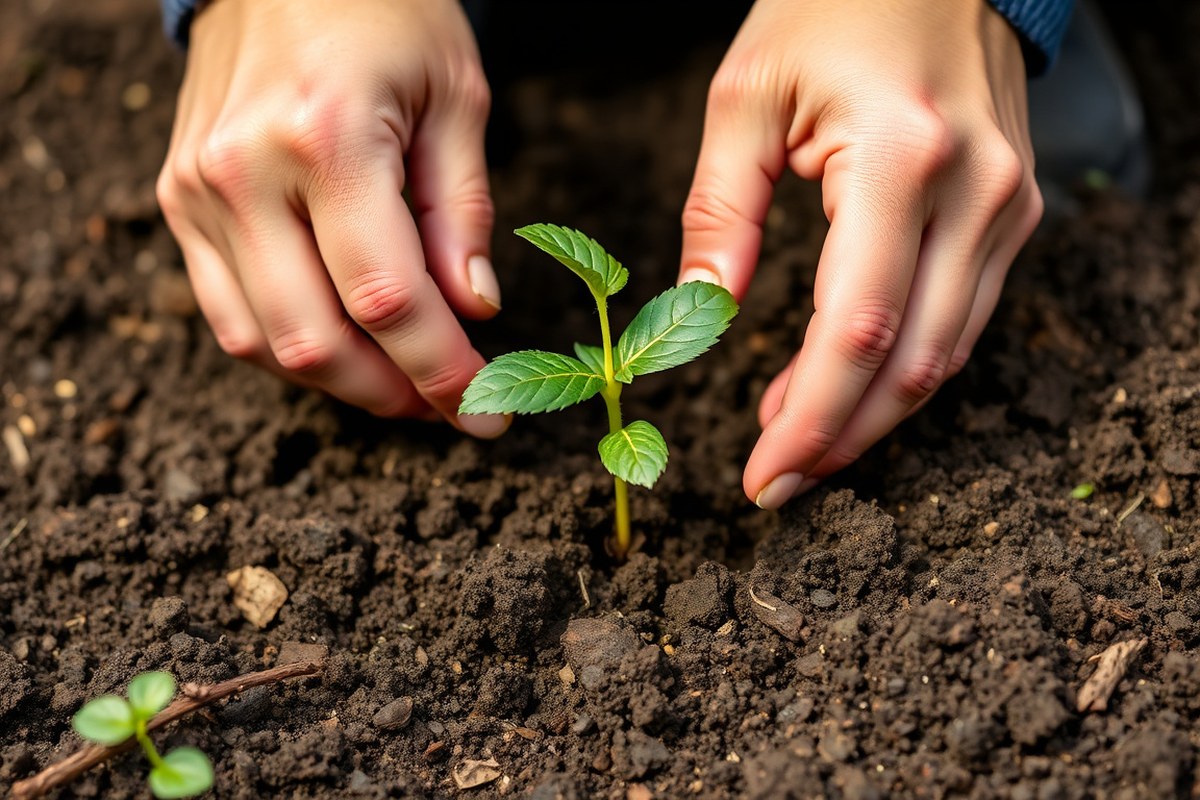
- Week 2: Plant seeds or seedlings according to instructions. Look for sprouting within one to two weeks to know they took root.
- Week 3: Water your plants consistently but avoid overwatering. Leaves should stay bright green and firm without soggy soil.
- Week 4: Check plants for pests or diseases. Catching problems early stops damage and keeps your garden healthy.
- After 1 month: Start adding mulch around plants. Mulch holds moisture and lowers weeds, making care easier.
- After 6 weeks: Enjoy your growing plants and start harvesting if ready. Regular attention brings the best results.
Frequently Asked Questions
What Is Gardening in Simple Terms?
Gardening means growing and caring for plants like fruits, vegetables, and flowers. You manage a small, personal space to make plants healthy and attractive.
How Does Gardening Differ from Farming?
Gardening focuses on small spaces and personal use, unlike farming’s large fields. Gardening uses detailed care like pruning while farming uses machines and routines.
Why Do People Garden at Home?
People garden for food, beauty, health, and enjoyment. It also helps relieve stress and connects you to nature.
What Basic Tools Do Beginners Need for Gardening?
A trowel, gloves, water can, and pruning shears are essential. They help you prepare soil, plant, water, and trim plants easily.
How Can Gardening Improve Physical Health?
Gardening includes activities like digging, walking, and lifting that strengthen bones and muscles. It’s a good low-impact workout you can do daily.
What Causes Common Gardening Problems?
Problems often come from too much or too little water, poor soil, or pests. Checking plant needs regularly can prevent most issues.
Final Thoughts
Gardening is a hands-on way to connect with nature and improve your space. Pick one small spot to try it out this week. Watch your first plant grow and learn from each step.