How to Get Rid of White Mildew on Plants: 8 Proven Methods That Work
How to get rid of white mildew on plants starts with acting fast. Use antifungal sprays that work right away to stop it spreading.
Treat the plant every 10 to 14 days for the best results. Consistency helps prevent mildew from returning after the first treatment.
Start by removing heavily infected leaves to lower mildew pressure. Throw these leaves away, not in compost, to avoid spreading spores.
Then spray a baking soda solution or a commercial fungicide evenly on leaves. Applying the spray in the morning or late afternoon is best to avoid leaf burn.
White mildew thrives in warm, humid conditions, so keep plants spaced and well-ventilated. Good airflow slows mildew growth and helps sprays dry quickly.
You can also water plants at the base to keep leaves dry and reduce mildew risk. Repeat treatments every 10 to 14 days until mildew is gone for good.
Key Takeaways
- Remove infected leaves before applying any antifungal treatment.
- Spray antifungal solutions every 10 to 14 days until clear.
- Apply treatments during cooler morning or evening hours only.
- Spaces plants to improve airflow and reduce humidity around leaves.
- Use baking soda treatments indoors every two weeks during humid weather.
- Avoid spraying fungicides when temperatures exceed 90 degrees Fahrenheit.
1. How to Get Rid of White Mildew on Plants Quickly and Safely
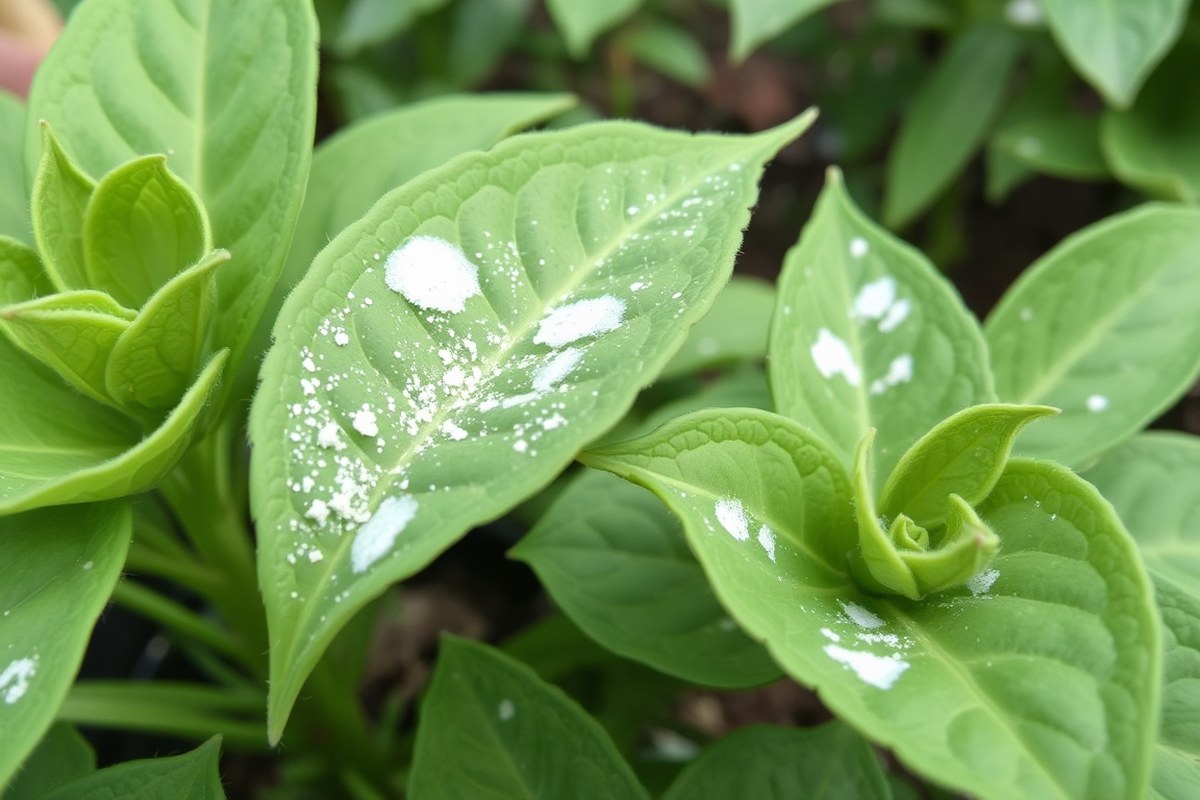
Powdery mildew looks like a white, powdery dust on your plants. It usually starts on leaf undersides, then spreads to stems and buds. Acting fast stops the fungus from hurting your plants and spreading.
Start by trimming off parts with visible mildew. Use sharp clippers to avoid tearing.
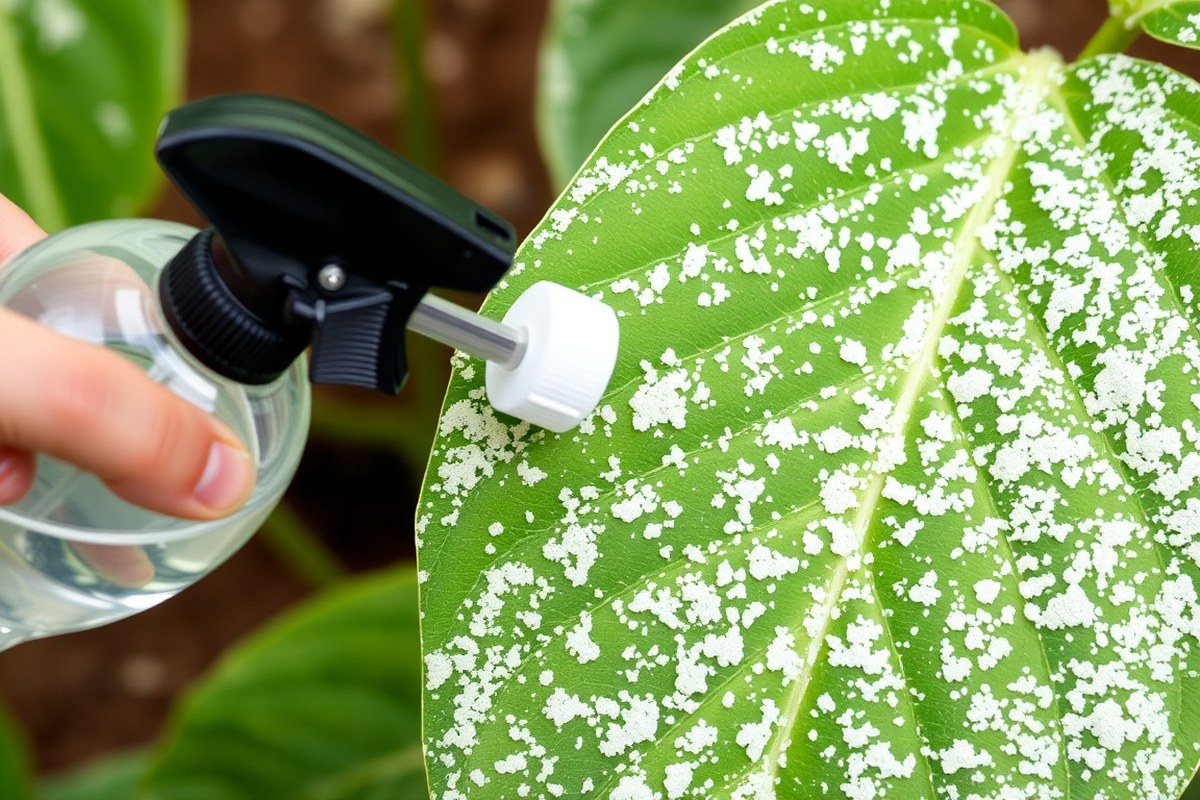
Then treat your plants using a safe, effective spray like potassium bicarbonate. This chemical kills powdery mildew quickly without harming the plant.
- Cut away leaves or stems with white mildew spots using sterilized clippers.
- Mix 1 tablespoon of potassium bicarbonate with 1 gallon of water.
- Add 1 teaspoon of liquid soap to help spray stick to leaves.
- Spray the solution on all leaf surfaces, including undersides, once a week.
- Apply the spray during morning sun to boost its effectiveness.
- Avoid spraying when temperatures exceed 85°F to prevent leaf damage.
- Repeat treatment for 2 to 3 weeks or until mildew disappears.
- After treatment, improve air flow around plants to reduce mildew return.
Using potassium bicarbonate makes your spray fast and safe. It works within hours to stop mildew growth. Spraying in the morning sun helps it dry quickly and kill the fungus better.
Don’t spray during hot afternoons because leaves can burn. Keep your spray schedule weekly until you see clear leaves. You’ll notice leaves turning bright green and mildew fading as you treat.
2. What Causes White Mildew on Plants and How It Spreads
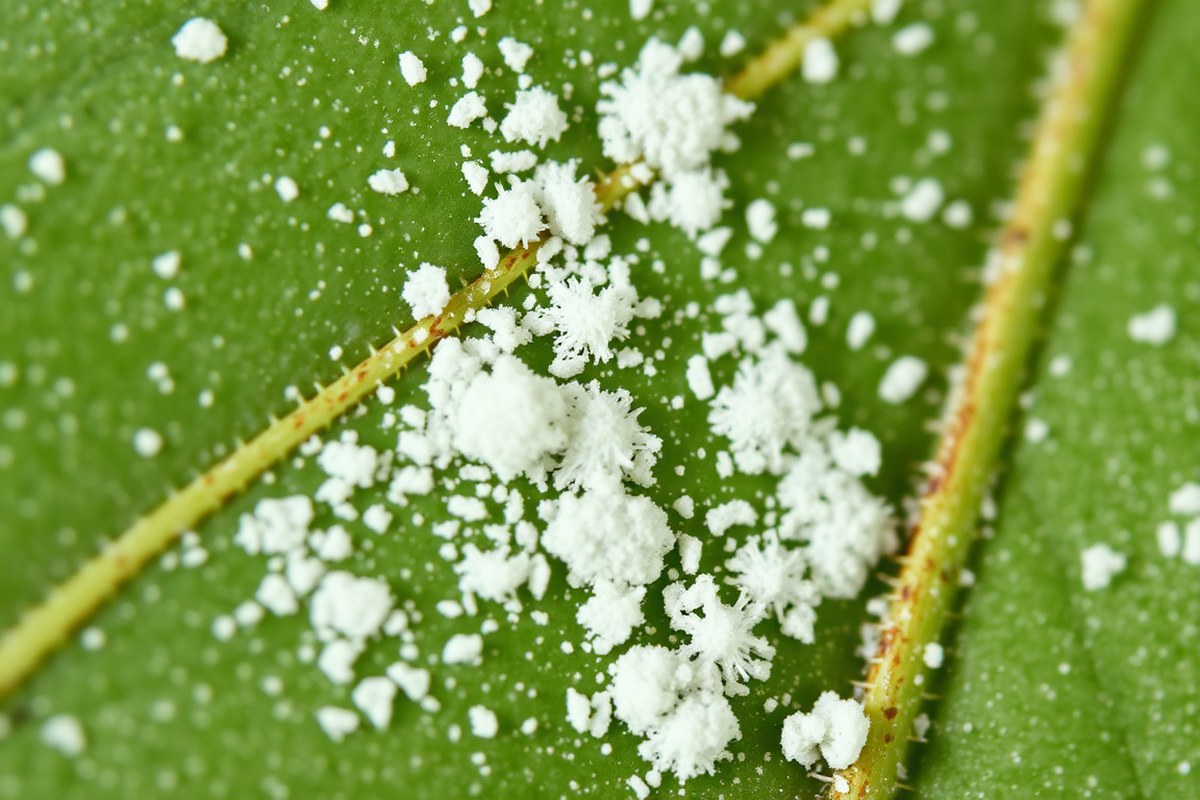
Powdery mildew is a fungal disease. It looks like white, powdery spots. These spots grow on leaves and stems.
It grows best in warm, dry weather. But it needs high humidity or dampness on leaf surfaces to spread well. Poor air circulation and not enough sunlight create perfect conditions for this mildew to take hold.
The mildew spores spread mainly through wind and rain splash. They travel from plant to plant, landing on leaves and stems to start new infections. Spores from infected plants can spread indoors.
This happens more when airflow is poor. Crowding plants close together also helps spores spread.
Different powdery mildew fungi target specific plant groups. So the mildew on one plant may not infect another family. Too much fertilizer can make mildew worse.
The fungus likes young, soft plant growth. Feeding plants extra helps the mildew thrive. Watering leaves from above also keeps them damp and encourages the mildew to grow faster.
Never water plants from above when dealing with powdery mildew. Wet leaves make the problem worse.
3. Plants Most Susceptible to Powdery Mildew Infection
Powdery mildew is a fungal disease that targets specific plant types. Each type of mildew fungus infects certain species. So the mildew on your garden lilacs won’t spread to vegetables or herbs.
This fungus grows best in cool, humid evenings. It appears mostly in spring and fall. Plants close together in shady spots get it most.
Some plants are well known for their vulnerability to powdery mildew. Mildew spores stick easily to soft tissues or dense leaves. These plants get mildew frequently.
It spreads fast on such surfaces. Some plants resist mildew with tougher leaves or more air flow.
Many garden and indoor plants catch it fast. It spreads easily in tight spaces.
- Cucurbits like zucchini, cucumbers, and squash are classic powdery mildew targets.
- Fruit trees such as apples, grapes, and peaches often show mildew early.
- Herbs including basil, oregano, and thyme can get infected, especially indoors.
- Flowering plants like lilacs, peonies, and phlox are often hit hard by mildew.
- Houseplants such as spider plants and African violets may develop mildew indoors.
Plant location affects how much mildew develops. Plants in shady, crowded spots trap humidity and slow leaf drying. Both indoor and outdoor plants in tight spaces need good air flow and occasional thinning.
Sunlight and warmth usually limit mildew growth. So placing plants in brighter spots helps reduce risk.
Varieties bred for mildew resistance usually have thicker leaf coatings or leaf shapes that dry quickly. These resist mildew spores better than delicate leaf types.
When buying new plants, look for mildew-resistant labels or ask garden centers about resistant cultivars. This step helps keep mildew problems smaller and easier to manage over time.
4. Natural Remedies: Baking Soda, Milk, and Vinegar Compared
Baking soda, milk, and vinegar all treat white mildew on plants, but they work differently. Baking soda is best used preventatively and some early treatment.
Milk helps mostly prevent mildew on certain plants. Vinegar can be risky and is less common for mildew control.
Baking Soda Treatment
Baking soda alone isn’t a strong mildew killer but works well in a mix. It needs liquid soap and water combined to act like a fungicide. This mix stops mildew on leaves.
Spray it every two weeks. Works best in warm, humid indoor areas.
Mix 3 tablespoons of light horticultural oil and baking soda into 1 gallon of water. Apply the spray on every leaf surface to prevent mildew from spreading. Repeat this treatment every one to two weeks for 3 to 4 weeks to notice better results.
Some leaves may burn if the mixture is too strong or applied in hot sun. Avoid this by spraying early morning or late evening. It’s a low-cost option since baking soda is cheap and usually on hand.
Milk-Based Fungicide
Milk spray works well as prevention. It’s great for pumpkins and mildew-prone plants. Use it often to keep mildew away.
Use a very weak solution of one part fat-free milk to nine parts water. Spray your plants lightly, covering leaves and stems before mildew appears.
This spray helps reduce mildew after it appears. It’s most effective when used early or near infected plants. It won’t remove heavy mildew infestations.
Spray weekly for 3 to 4 weeks, then reduce if no new mildew appears. Milk is easy to find and safe on most plants at the right strength.
Stronger milk or too frequent sprays might leave residues or attract pests, so keep it diluted. Spray in cool hours to avoid leaf damage, similar to baking soda treatments.
Vinegar Spray Use and Cautions
Vinegar can kill mildew fungi but carries more risk for plant injury. Its acetic acid can burn leaves, especially at higher concentrations. Use very dilute vinegar if you try it and spot-test on a few leaves first.
Vinegar treatments aren’t typical for powdery mildew because other options work better with less risk. Apply this spray early morning or late afternoon only. Use no more than once per week.
Limit treatment to a short time period. Avoid if plants are fragile or in hot sunlight.
Here’s a quick comparison of the homemade options:
| Treatment | Recipe | Frequency | Best Use | Risks |
|---|---|---|---|---|
| Baking Soda Mix | 3 tbsp oil + 3 tbsp baking soda/gallon water | Every 1-2 weeks for 3-4 weeks | Prevention and early mildew control | Leaf burn if strong or sprayed in sun |
| Milk Spray | 1 part fat-free milk to 9 parts water | Weekly for 3-4 weeks; then reduce | Prevention and mild mildew | Residues, possible pest attraction if too strong |
| Vinegar Spray | Dilute vinegar (test concentration) | Max once a week, short term | Occasional mildew kill on tough plants | High risk of leaf burn |
Pick baking soda or milk for regular mildew care. Baking soda works better on indoor plants with humidity and warmth.
Milk fits well for squash and pumpkins outdoors. Use vinegar only if the other two fail and you test carefully first.
5. How to Prune and Sanitize Plants to Control Powdery Mildew
Identifying Affected Areas to Prune
Check all leaves, stems, and buds for powdery mildew’s white or gray spots. The spots form a white fuzz that looks like dust on the surface. Focus on areas with the densest growth of mildew since they spread spores fast.
Remove leaves that show yellowing, crisp edges, or premature dropping. Those leaves have lost photosynthesis ability and will weaken your plant. Pruning early stops mildew spreading to healthy parts of the plant.
Safe Pruning Techniques
Prune as soon as you notice the first mildew signs. The best time is during dry weather or indoors when humidity is low. Cut about 1 to 2 inches below the visible infected spots to remove the fungus completely.
Use sharp scissors or pruning shears to avoid tearing the plant. Cut at a slight angle to help wounds heal and reduce new infection risk. Thin crowded areas for better airflow and sunlight, which inhibits mildew growth.
- Put on gloves to protect your hands from spores.
- Use clean, sharp pruning tools before starting.
- Identify leaves and stems with visible mildew or damage.
- Cut infected parts at least 1 to 2 inches below spots.
- Thin crowded branches to improve airflow.
- Place cuttings immediately into a sealable trash bag.
- Dispose of cuttings by trashing or burning if allowed.
- Wash tools with soap and bleach solution after finishing.
Post-Pruning Cleanup and Tool Sanitation
Never compost or leave infected leaves on the ground near plants. Spores can survive and cause new infections next season. Seal infected trimmings in bags and throw them in the trash for safe disposal.
Clean pruning tools after every use to avoid spreading mildew to other plants. Use warm soapy water first, then wipe with a diluted bleach solution of 10%. Dry tools thoroughly before storing to prevent rust.
Use fresh disposable gloves for each pruning session to avoid cross-contamination.
6. When and How to Use Fungicides for Severe Powdery Mildew
Use fungicides only when powdery mildew covers many leaves or spreads fast. Fungicides slow mildew growth but won’t cure plants already infected. For mild cases, try natural options like milk or neem oil first.
Choose a fungicide labeled safe for your plant type. Neem oil sprays work well on houseplants and garden flowers.
Products like Lost Coast Plant Therapy melt spores on contact and wash mildew away. Always follow the label instructions for amounts and dilution to avoid harming plants.
Apply fungicide evenly over all affected and nearby leaves. Spray during cool parts of the day to prevent burn and increase absorption. Reapply every 7 to 14 days.
Rain or watering may wash it off. Fungicides also lose power over time.
Wear gloves and a mask while spraying to avoid skin irritation or inhaling chemicals. Keep children and pets away until the plant surfaces dry. Do not spray in windy weather to limit drift onto other plants or people.
Fungicides usually cost $10 to $20 for a small bottle, enough for multiple applications. You’ll see mildew slow down within a week, with fewer new white patches appearing. New mildew?
Check your watering and airflow. These issues make it worse.
7. Preventing White Mildew: Environmental and Cultural Practices
Too much moisture on leaves invites white mildew to grow fast. Water plants only at the base to keep leaves dry. Using a watering can or drip irrigation works well for this.
Plants packed closely together trap humid air, which helps mildew thrive. Give each plant enough room, and avoid crowding near walls or fences. A fan can boost airflow indoors to lower humidity and keep mildew away.
Sunlight stops mildew spores from settling and spreading. Most mildew-prone plants need at least six hours of direct sun daily. Place shade-loving plants where they get filtered light but still enough air movement.
- Water only at the plant’s base, avoid overhead watering
- Space plants at least 12 to 18 inches apart for good air flow
- Keep plants away from walls or fences by 1 to 2 feet
- Use a fan indoors to improve air circulation if airflow is poor
- Ensure mildew-susceptible plants get at least six hours of sunlight daily
- Provide well-draining soil to avoid excess moisture buildup
- Reduce humidity by watering early in the day to dry out soil by evening
Good drainage stops water from pooling, which lowers mildew risk. Avoid overfeeding plants since excess nutrients can weaken leaves, making mildew more likely. Water early in the day so leaves and soil dry before cooler night times.
8. Adjusting Indoor and Outdoor Plant Care to Minimize Mildew Risk
Managing mildew on plants means controlling humidity, light, and airflow. Indoor plants need lower humidity and better light to stay mildew-free. Outdoors, spacing and ventilation reduce damp spots where mildew grows.
Indoor Humidity and Light Management
Indoor mildew grows in warm, damp spots with poor light and airflow. Keep humidity below 50% using a dehumidifier or by opening windows when possible. Place plants near bright windows, but avoid direct hot sun that can scorch leaves.
Water plants at soil level, not overhead. This keeps leaves dry and cuts mildew risk. Use a fan to boost air circulation, especially in rooms with many plants close together.
Outdoor Ventilation and Spacing Tips
Space outdoor plants far enough apart to improve airflow between them. Crowded plants trap moisture and create high humidity, perfect for mildew. Thin dense foliage and stake tall plants upright to stop mildew from settling on leaves.
Mildew thrives when nights are humid and days are cooler with low light. Prune unhealthy leaves and branches to let sunlight reach the plant’s core. Water early in the day to let plants dry before nightfall, reducing overnight moisture.
Seasonal Adjustments for Mildew Control
Change care routines as temperatures and humidity shift through the year. In spring and fall, open windows and use fans to lower inside humidity.
Summer heat may kill some spores. But still keep leaves dry to stop mildew from returning.
In winter, indoor humidity rises with heating systems. Use humidifiers sparingly and avoid overcrowding plants. Move sensitive plants to sunnier spots or use grow lights to cut mildew chances.
Keep leaves dry by watering early and at soil level to reduce mildew buildup.
Step-by-Step Action Plan to Control White Mildew Now
You can take quick steps to stop white mildew from spreading on your plants. Follow this plan carefully and watch for improvement.
- Day 1: Remove all visible mildew by pruning affected leaves. Check if the white dust disappears from the plant.
- Day 2: Clean your pruning tools with alcohol or bleach solution. This prevents spreading mildew to other plants.
- Day 3: Apply a natural spray like diluted baking soda or milk to the plant leaves. Notice if the white patches stop growing.
- Week 1: Adjust watering to mornings and avoid overhead spraying. Look for drier leaf surfaces to slow mildew.
- Week 2: Improve air circulation by spacing your plants farther apart. Watch for less humidity and fewer mildew spots.
- After 2 weeks: Inspect your plants for new mildew growth. Repeat treatments if new patches appear.
- Month 1: Use a fungicide if mildew persists despite natural remedies. Follow label instructions strictly for safety.
Frequently Asked Questions
Is Vinegar or Baking Soda Better for Powdery Mildew?
Vinegar is better at killing powdery mildew than baking soda. Baking soda works best as a preventative when mixed with dish soap and water.
Can a Plant Recover from Powdery Mildew?
Yes, a plant can recover from powdery mildew with proper care. Removing infected parts and treating the plant early helps it heal.
Is Dawn Dish Soap Good for Powdery Mildew?
Dawn dish soap helps remove powdery mildew when mixed with baking soda and water. Use a mild, non-detergent soap for best results.
How Can I Remove White Mold from My Plants?
Remove infected leaves first and then spray plants with an antifungal mix. A baking soda, soap, and water spray is safe and effective.
Will Powdery Mildew Kill My Plant?
Powdery mildew usually won’t kill healthy plants but weakens them. Treat it quickly to keep your plants strong and prevent spread.
Can Powdery Mildew Spread to All Plants in My Garden?
Powdery mildew spreads mostly to susceptible plant types nearby. Remove infected parts quickly to limit spread.
Wrapping Up
White mildew grows fast, but you can stop it with steady care and cleaning. Start pruning and spray natural treatments right away. Keep a close eye on your plants to catch mildew early next time.