What Nutrients Do Plants Need: A Complete Guide with Nutrient Functions & Deficiency Signs
What nutrients do plants need to grow healthy and strong? Plants require 17 essential nutrients, including carbon, nitrogen, and potassium.
These nutrients support processes such as building cells, developing roots, and powering photosynthesis. They come from air, water, and soil to keep plants thriving.
Plants absorb most nutrients through their roots in the soil. Each nutrient has a unique role: nitrogen helps build leaves, phosphorus supports roots and flowers, and potassium strengthens the plant’s overall health.
Some nutrients, like nitrogen, are needed in large amounts. Micronutrients like iron or zinc are needed in small doses but remain essential.
Understanding which nutrients your plants are missing can prevent poor growth and weak plants. Conducting a soil test shows current nutrient levels and guides fertilizer choices. Avoid over-fertilizing because too much of one nutrient can block others and damage your plants’ health.
Key Takeaways
- Plants need 17 essential nutrients, including three primary macronutrients.
- Primary macronutrients like nitrogen are required in large amounts.
- Secondary nutrients are needed less but still essential for growth.
- Soil testing helps identify which nutrients your plants lack.
- Use fertilizers with balanced nutrient ratios based on soil tests.
- Too much fertilizer can harm plants and soil health.
What Are the 17 Essential Plant Nutrients and Their Roles
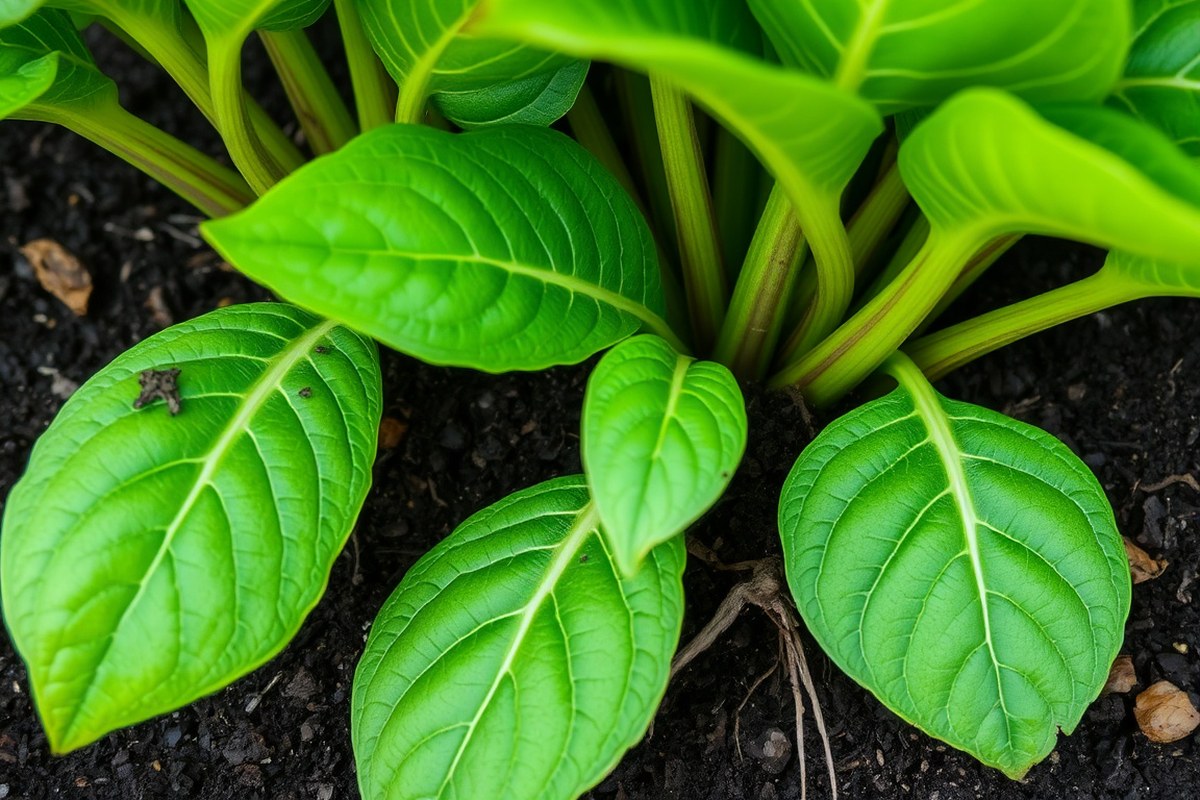
Plants need 17 essential nutrients to grow well. These nutrients come in different amounts and serve various roles.
The three structural nutrients come from air and water. They form the building blocks of plant cells.
Besides the structural nutrients, plants need macronutrients and micronutrients from the soil. The macronutrients are divided into primary and secondary types, depending on how much the plant requires. Primary macronutrients are usually required in larger amounts.
| Nutrient | Primary Source | Primary Purpose(s) |
|---|---|---|
| Carbon (C) | CO2 (carbon dioxide) in air | Plant growth & functioning |
| Oxygen (O) | CO2 (carbon dioxide) in air | Plant growth & functioning |
| Hydrogen (H) | H2O (water) in soil | Plant growth & functioning |
| Nitrogen (N) | Soil | Leaf growth, protein synthesis |
| Phosphorus (P) | Soil | Energy transfer and root development |
| Potassium (K) | Soil | Water regulation & enzyme activation |
Secondary macronutrients include calcium, magnesium, and sulfur. Plants need these in smaller amounts than the primary macronutrients but more than micronutrients. Micronutrients like iron, boron, and zinc help with chemical reactions inside plants.
Phosphorus plays a special role in energy transfer within the plant. It helps with photosynthesis and nutrient uptake.
Deficiencies in any essential nutrient slow growth and cause visible problems. Plants depend on a balanced supply of all 17 nutrients for healthy development.
How Plants Absorb Nutrients and What Affects Uptake
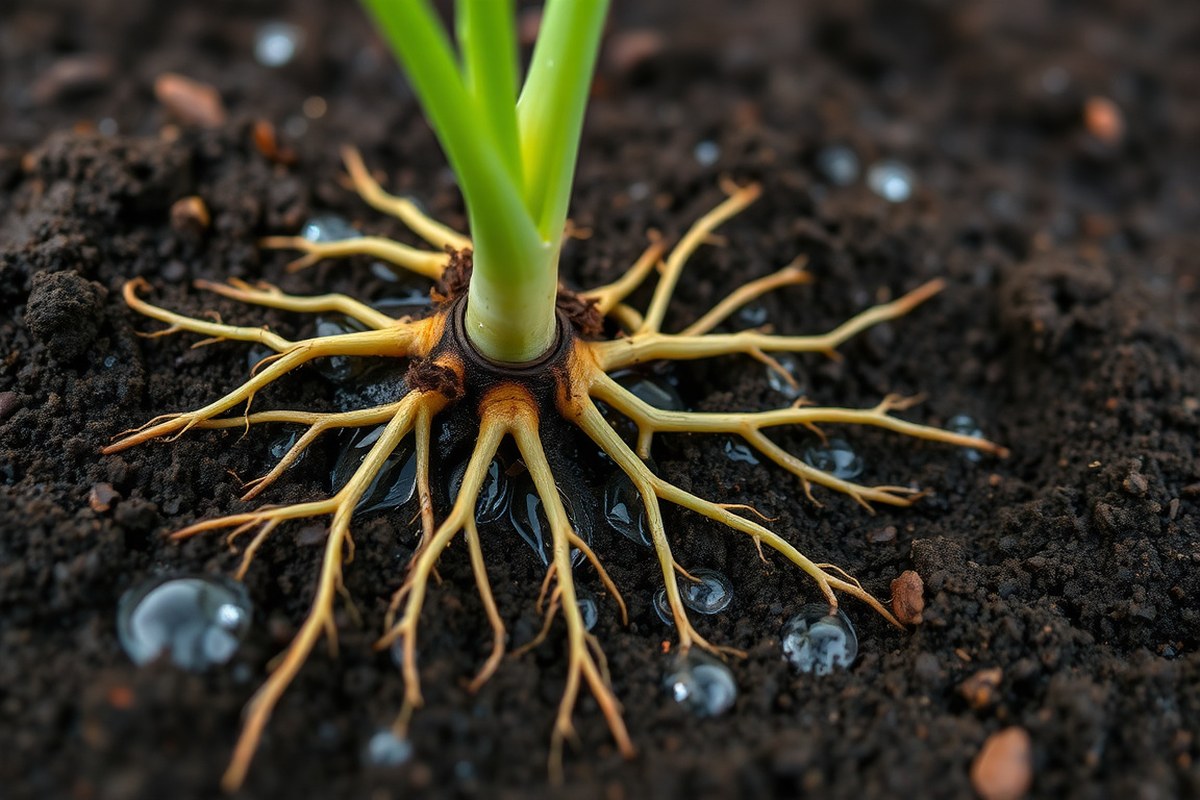
Plants take in nutrients mainly through their roots. Roots absorb water and dissolved minerals from the soil. These nutrients travel up through the stem in sap.
They reach leaves and stems. There, they help growth.
Several factors influence how well roots absorb nutrients. Soil pH is one key element. Soil too acidic or alkaline keeps some nutrients from plants.
Soil moisture also matters because roots need water to dissolve nutrients for absorption. Temperature affects root activity; cool soils slow absorption, while moderate warmth speeds it up.
Soil microbes also play a big role. Bacteria and fungi break down organic matter, releasing nutrients into forms plants can use.
Mycorrhizal fungi form partnerships with roots, helping plants take up phosphorus and other minerals. Using organic matter like compost encourages these helpful microbes.
Plants get some nutrients from air and water too. They absorb carbon dioxide (CO2) from air during photosynthesis.
They also take in oxygen (O2) for respiration. Water supplies hydrogen and oxygen by splitting molecules, fueling energy production inside plant cells.
Handle roots gently to avoid damaging tiny root hairs that absorb water and nutrients.
Too much or too little rainfall can wash away nutrients or limit water in soil. Nutrient lockout happens when roots don’t absorb minerals right.
It often occurs due to pH imbalances or bad soil. Testing soil pH and moisture regularly lets you adjust care to avoid this.
Improving soil with organic matter supports microbes, creating a better nutrient cycle. Adding biofertilizers with nitrogen-fixing bacteria boosts nutrient availability naturally. Check soil conditions every season.
Do this especially after heavy rain or drought. This helps plants absorb nutrients well.
Signs and Symptoms of Common Nutrient Deficiencies
Plants show nutrient deficiencies through clear changes in leaf color, size, and shape. Deficiency in nutrients like nitrogen or phosphorus usually appears first on older leaves. Knowing what to look for helps you catch problems early and fix them.
Symptoms of Nitrogen and Phosphorus Deficiency
Nitrogen deficiency causes leaves to turn pale green or yellow. Older leaves show these symptoms first because nitrogen moves within the plant to new growth. Plants lacking nitrogen often grow slowly and may have weaker stems.
Phosphorus deficiency shows as dark green or purplish leaves, especially on older foliage. Stunted root and shoot growth are common signs. Plants may also flower and fruit poorly when phosphorus is low.
Recognizing Micronutrient Deficiencies Like Iron and Zinc
Iron deficiency causes yellowing between leaf veins, known as interveinal chlorosis. New leaves turn yellow first because iron can’t move from older leaves. Zinc deficiency shows as small leaves and shortened internodes, causing a bushy appearance.
Calcium deficiency affects young leaves and growing points since calcium doesn’t move in the plant. Look for distorted leaves or blackened root tips. Manganese deficiency also causes interveinal chlorosis but on older leaves.
Corrective Actions and Preventive Tips
Test your soil to identify nutrient shortages before problems begin. Use fertilizers that match the specific nutrient your plants lack. Make changes carefully to avoid over-fertilizing, which can harm plants or lock up other nutrients.
- Apply nitrogen fertilizers like urea or ammonium nitrate for yellow leaves.
- Add bone meal or rock phosphate to correct phosphorus deficiency.
- Use chelated iron or foliar sprays to fix iron chlorosis quickly.
- Supply calcium through lime applications or gypsum for root health.
- Use micronutrient mixes or specific amendments when deficiencies appear.
- Avoid uneven watering which can limit nutrient uptake.
- Follow package directions to avoid burning roots or causing imbalances.
Watch plant changes weekly after treatment. Improvement can take 1 to 3 weeks. Continue regular soil checks and avoid skipping balanced feeding to keep plants healthy.
How Much of Each Nutrient Do Plants Actually Need
Plants need different amounts of nutrients each year, depending on their type and growth stage. Nitrogen (N) is a main nutrient plants need most. Vegetables often need 50 to 150 pounds per acre yearly.
Phosphorus (P) and potassium (K) also matter but less than nitrogen. They need 20 to 60 pounds of phosphorus and 40 to 100 pounds of potassium yearly per acre. These ranges vary based on soil quality, plant species, and climate.
Fertilizer labels show nutrient percentages as a series of three numbers, like 10-10-10. These numbers represent the percentages by weight of nitrogen, phosphorus (as P2O5), and potassium (as K2O). For instance, a 10-10-10 fertilizer contains 10% nitrogen, 10% phosphorus pentoxide, and 10% potassium oxide.
To find actual nitrogen from fertilizer, multiply weight by percentage as a decimal. This shows how much nitrogen you apply. A 50-pound bag of 10-10-10 has 5 pounds of nitrogen (50 x 0.10 = 5).
Over-fertilizing can be harmful and expensive. Too much nitrogen can cause plants to grow lots of leaves but fewer fruits or flowers. Excess fertilizers can also damage roots or cause nutrient imbalances in the soil.
Use soil tests to target nutrient levels and avoid guessing. If soil tests show enough phosphorus, skip phosphorus fertilizers. This stops buildup and avoids wasting money.
Start by calculating your nutrient needs per crop and per area. Suppose you want to apply 1 pound of nitrogen per 100 square feet. Your fertilizer is 10-10-10.
You would need 10 pounds of fertilizer because 10% of that equals 1 pound of nitrogen. Spread the fertilizer evenly and water it in.
Change amounts for different crops or slow-release fertilizers. These supply nutrients slowly and help prevent overfeeding plants.
Leafy greens often need more nitrogen early on. Gardeners apply about 1 to 2 pounds per 100 square feet. Fruit-bearing plants like tomatoes need balanced nutrient levels, typically 0.5 to 1 pound each of nitrogen, phosphorus, and potassium per 100 square feet annually.
Over-application risks root burn and weak growth. So apply in smaller doses across the growing season rather than all at once.
Choosing the Right Fertilizer for Your Plants’ Nutrient Needs
Choosing the right fertilizer means reading the N-P-K numbers and matching them with your plant’s needs. Organic and synthetic fertilizers both work but differ in how quickly nutrients become available. Change fertilizer type and amount depending on your plant’s location.
Containers and ground need different care. Adjustments help plants grow well in both cases.
Understanding N-P-K and Fertilizer Labels
N-P-K stands for nitrogen (N), phosphorus (P), and potassium (K). These numbers tell you the percentage by weight of each nutrient in the fertilizer. For example, a 10-10-10 fertilizer has 10% nitrogen, 10% phosphorus, and 10% potassium.
Labels often list nutrient amounts as three numbers, like 6-6-6 or 20-10-10. These ratios help you give the right nutrient balance. Use them based on your soil test results.
Also, consider what your plants need most. Nitrogen promotes leaf growth, phosphorus helps roots and flowers, and potassium supports overall health.
Liquid fertilizers release nutrients fast. Granular or controlled-release fertilizers feed plants slowly over time.
They work well for container plants that need steady care. This is great for long-term feeding.
| Fertilizer Type | N-P-K Ratio Example | Release Speed | Typical Use |
|---|---|---|---|
| General-purpose | 10-10-10 | Moderate | Vegetable beds, flower gardens |
| High nitrogen | 20-10-10 | Fast | Lawn, leafy plants |
| High phosphorus | 5-15-10 | Moderate | Roots, bulbs, early bloomers |
| Controlled-release | 14-14-14 | Slow | Container plants, long-term |
| Liquid feed | Balanced mix | Very fast | First aid, quick nutrient boost |
Use the label as a map to what your plants get. Follow the directions to avoid overfeeding or nutrient burnout.
Comparing Organic and Synthetic Fertilizers
Plants absorb nutrients the same way from both organic and synthetic fertilizers. What differs is how fast nutrients become available. Synthetic fertilizers usually act quicker.
Organic fertilizers come from natural sources like compost or manure. They take longer to break down but improve soil health by adding organic matter. Synthetic fertilizers provide a precise nutrient mix but can harm soil life if overused.
For many home gardeners, combining both types can balance quick feeding and long-term soil work.
Use synthetic fertilizer sparingly in dry soil to reduce nitrogen loss to the air.
Special Nutrient Needs by Plant Type
Plants vary in nutrient demand. Leafy greens need more nitrogen to build lush leaves.
Root crops require more phosphorus for strong root development. Flowering plants often want extra potassium to support blooms.
Container plants need steady nutrient supply since they have limited soil volume. Controlled-release fertilizers or liquid feeds every few weeks help avoid deficiencies. In-ground plants often rely on soil nutrients plus occasional fertilizing based on tests.
Some plants avoid high phosphorus; for example, blueberries prefer acidic, low-phosphorus soil. Always adjust fertilizer choice based on plant type and soil test results.
The Role of Macronutrients in Plant Growth and Photosynthesis
Nitrogen, phosphorus, and potassium are key macronutrients that plants need in large amounts. Nitrogen mainly supports leafy growth and helps plants make chlorophyll, which is important for photosynthesis. Without enough nitrogen, plants develop poor leaves and weak stems.
Phosphorus plays a critical role in energy transfer inside plants. It helps form ATP, the energy molecule plants produce during photosynthesis.
This energy fuels root growth, flower formation, and fruit development. So phosphorus supports both plant structure and reproduction.
Potassium improves a plant’s overall health and function. It regulates water flow and nutrient movement in cells, helping plants stay strong and resist disease. Potassium also aids in photosynthesis by controlling the opening of stomata, where plants exchange gases.
Balanced use of these nutrients shows in how well plants grow and produce. For example, a tomato plant with enough nitrogen grows tall and leafy.
Having enough phosphorus helps plants bloom and set fruit well. Potassium keeps those fruits healthy and the plant resilient.
Container plants need fertilizer with a balanced NPK ratio. This is often 10-10-10. Soil nutrients get used up fast in containers, so adding fertilizer helps.
Lawns might need formulas higher in nitrogen, such as 32-0-4, to boost green growth. Check fertilizer labels to match your plants’ growth stage and type.
Apply nitrogen mainly during active growth to support strong leaves quickly. Phosphorus should be available early to build roots and flowers.
Potassium keeps working throughout the season to maintain plant health. Avoid overapplying any one nutrient, which can cause deficiencies or harms.
Micronutrients as Biochemical Catalysts and Their Plant Functions
Micronutrients like iron, zinc, manganese, and molybdenum work as enzyme cofactors in plants. These trace elements help activate enzymes that drive key biochemical pathways. Without even small amounts of them, plants can’t efficiently produce energy or build important molecules.
Iron supports enzymes involved in photosynthesis and nitrogen fixation. It helps plants make chlorophyll, which gives leaves their green color and powers energy creation.
Zinc aids enzymes that control growth and hormone production. Both nutrients act like spark plugs for processes that keep plants healthy and growing strong.
Manganese is another catalyst in enzymes that handle nutrient metabolism and protection from stress. Molybdenum plays a role in enzymes for nitrogen conversion, helping plants use nitrogen from soil better. Even tiny shortages of these micronutrients cause noticeable problems like poor growth or yellowing leaves.
To make sure plants get enough micronutrients, test soil pH and nutrient levels. Acidic soils can block uptake of iron and manganese.
So you might add lime to raise the pH toward 6.5. In alkaline soils, sulfur helps lower pH, improving availability of these trace elements.
Applying foliar sprays or soil amendments containing iron, zinc, or manganese can fix deficiencies quickly. Use recommended doses found on product labels, usually a few ounces per 100 square feet. Watch for dark green leaves.
Steady growth means enzymes have cofactors. These cofactors help enzymes do their jobs.
Improving Nutrient Availability Through Soil Testing and Management
Soil testing shows exactly what nutrients your soil has and needs. It helps you avoid adding too much fertilizer or missing important nutrients. Adjusting soil pH and using microbes can boost nutrient availability and keep plants healthier over time.
Collecting and Submitting a Soil Sample
Collecting a good soil sample is key to accurate test results. Take samples from several spots about 6 inches deep, then mix them well. Avoid spots affected by compost or fertilizer for unbiased results.
- Use a clean trowel or soil probe.
- Dig 6 inches deep at 5 to 10 points in your garden.
- Put each handful of soil into a clean bucket.
- Mix the collected soil thoroughly to make one sample.
- Remove any roots, rocks, or debris from the mix.
- Place about 1 cup of mixed soil into a labeled sample bag.
- Fill out any required forms from the testing lab.
- Submit the sample to your local extension office or mail to a lab.
Don’t sample right after fertilizer or lime application; wait at least two weeks.
Interpreting Standard Soil Test Results
Soil test reports list nutrient levels, pH, and organic matter content. A pH between 6.0 and 7.0 suits most garden plants for nutrient uptake. Results below or above this range can lock up nutrients, making them unavailable to your plants.
Look for key nutrients like nitrogen, phosphorus, and potassium values. The report often suggests how much lime or sulfur to add to adjust soil pH. Use these recommendations to balance nutrient levels rather than guessing and wasting resources.
Low phosphorus often shows as slow, stunted growth, so high priority is fixing it.
Using Amendments and Microbes to Boost Nutrients
Soil amendments like lime raise soil pH, while sulfur lowers it. Adjusting pH can unlock locked nutrients and improve overall plant health. Gypsum helps in clay soils by improving soil structure without changing pH.
Adding beneficial microbes supports nutrient cycling and uptake. Products like Holganix Bio 800 + add many types of microbes. These microbes help plants get more nutrients.
They also boost plant growth and health. Cover crops also build up microbial populations and add organic matter when turned into the soil.
Use organic fertilizers like compost or worm castings for slow nutrient release and better soil structure.
Step-by-Step Action Plan for Meeting Your Plants’ Nutrient Needs
Follow these steps to ensure your plants get the nutrients they need for healthy growth. Check progress by watching plant health and soil quality.
- Before planting: Test your soil to identify nutrient levels. Use results to pick a fertilizer that matches your plants’ needs.
- Week 1: Apply the chosen fertilizer evenly following package instructions. Look for even soil absorption and no fertilizer burn on leaves.
- Week 3: Check plants for early signs of nutrient deficiencies, like yellowing leaves or stunted growth. Adjust soil pH if needed.
- Week 4: Add micronutrient supplements if your soil test shows low iron. Do the same for zinc or other missing elements. Check soil needs before adding any supplements.
- Month 2: Monitor plant growth and new leaf color. Healthy green and growth indicate good nutrient uptake.
- Months 3 and 4: Re-test soil to confirm nutrient levels remain balanced. Reapply fertilizer or compost accordingly.
- Ongoing: Mulch your garden beds to retain moisture and protect nutrients from washing away.
Frequently Asked Questions
What Role Do Secondary Nutrients Play in Plant Health?
Secondary nutrients like calcium, magnesium, and sulfur help plants grow strong and resist disease. They are needed in smaller amounts than the big three but more than trace minerals. These nutrients support cell structure and enzyme function.
Can Plants Use Nutrients from the Air Besides Soil Uptake?
Yes, plants absorb carbon dioxide and oxygen directly from the air through their leaves. These gases are key for photosynthesis and respiration. However, most other nutrients must come from the soil or fertilizers.
Why Do Plants Need More Nitrogen Compared to Other Nutrients?
Plants need more nitrogen because it supports leaf growth and chlorophyll production. Nitrogen is a big part of protein and enzymes in plants. Too little nitrogen results in yellowing leaves and slow growth.
Are There Nutrients Beyond the 17 Essential Ones That Plants Require?
Besides the 17 essentials, plants sometimes need sodium, chlorine, cobalt, nickel, and silicon. These help with specific metabolic functions or stress tolerance. Their role varies by plant type and soil conditions.
How Can Nutrient Balance Prevent Pests Naturally on Plants?
Providing all essential nutrients keeps plants healthy and less attractive to pests. Balanced nutrition strengthens plant defenses without chemicals. This approach promotes natural pest resistance through plant vigor.
What Should You Know About Nutrients as Chemical Elements for Plants?
Nutrients are chemical elements that plants use to complete growth stages. They act as building blocks and catalysts in plant processes. Supplying the right elements at the right time is key for healthy plants.
Final Thoughts
Plants need a balance of nutrients for strong growth, not just one or two elements. You can keep your plants healthy by watching for deficiency signs and feeding them right. Start by testing your soil now to give your garden just what it needs.