How Long Do Petunias Last: A Complete Guide to Bloom Duration and Care
How long do petunias last depends on how you care for them. Typically, they live 4 to 6 months during one growing season. With good care, petunias bloom continuously throughout this period, giving you lots of color.
However, if you treat them like tender perennials, they can last 2 to 3 years. This means protecting them from frost and trimming dead flowers to encourage new growth. Overwintering petunias indoors in pots also helps them survive colder months.
Petunias thrive best with plenty of sun and proper watering. Keep them in an area with at least 6 hours of direct sunlight daily. Water regularly and avoid letting the soil dry out completely to extend their bloom time.
Frost and cold temperatures shorten petunias’ lifespan quickly. Living in an area with winter frost means you must replant yearly. In frost-free zones, petunias can bloom for years with the right care.
Key Takeaways
- Petunias need a full day of sun, about 6 to 8 hours.
- Water petunias consistently, keeping soil moist but not soggy.
- Fertilize every 10 to 14 days using a diluted solution (¼ to ½ strength).
- Start petunia seeds indoors 8 to 10 weeks before the last frost date.
- Keep daytime temperatures between 65-75°F and night temperatures above 55°F.
- Protect petunias from frost to prevent them from dying early.
How Long Do Petunias Typically Last and Bloom?
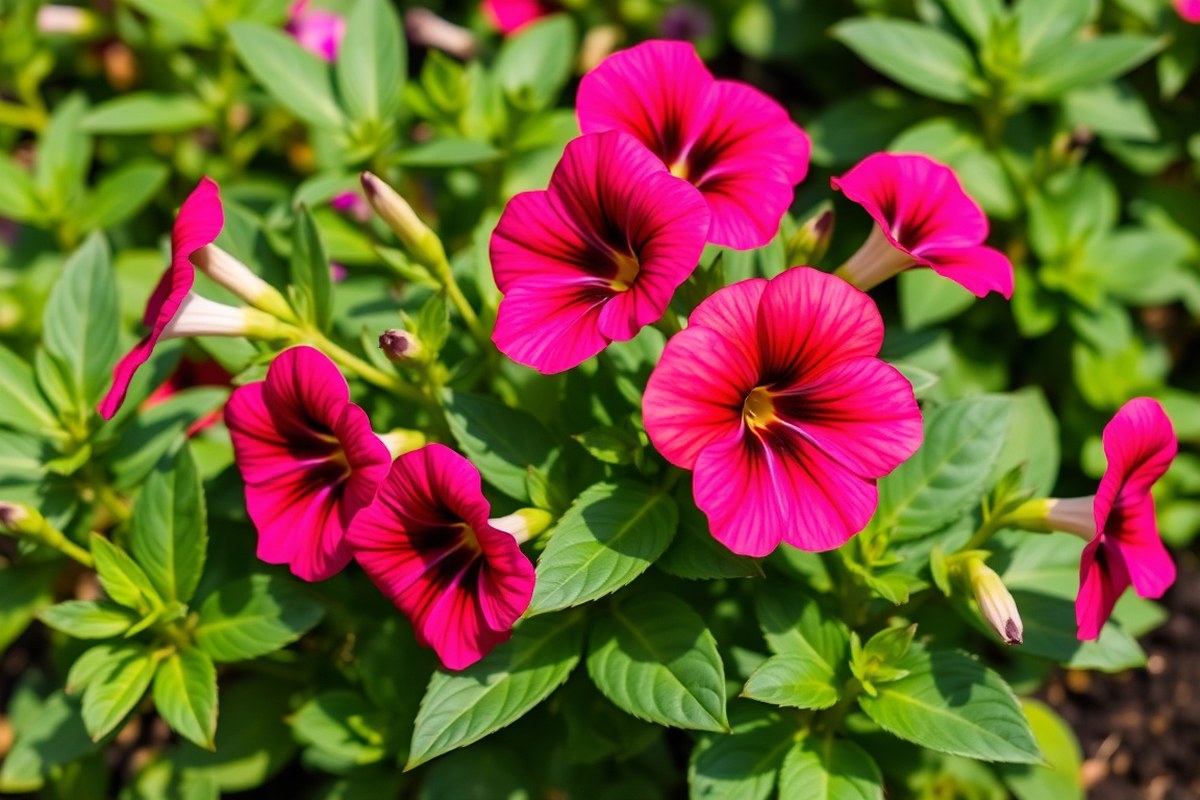
Petunias typically live for one growing season when planted outdoors. They bloom nonstop for about three to four months. This happens from spring until the first fall frost.
Cold areas have shorter growing seasons, sometimes just 12 weeks. That limits how long their flowers last.
Most gardeners treat petunias as annuals because they usually die after one season. These annual petunias produce seeds and then fade away.
In warmer spots or indoors, petunias can live two to three years. You must give them proper care.
To grow petunias as perennials, avoid frost and keep soil moist. Moving them indoors in cold weather helps too. When treated this way, the plants may bloom intermittently over several seasons.
Most people grow petunias as annuals. This needs less work and gives fresh plants yearly.
Which Petunia Types Last the Longest?
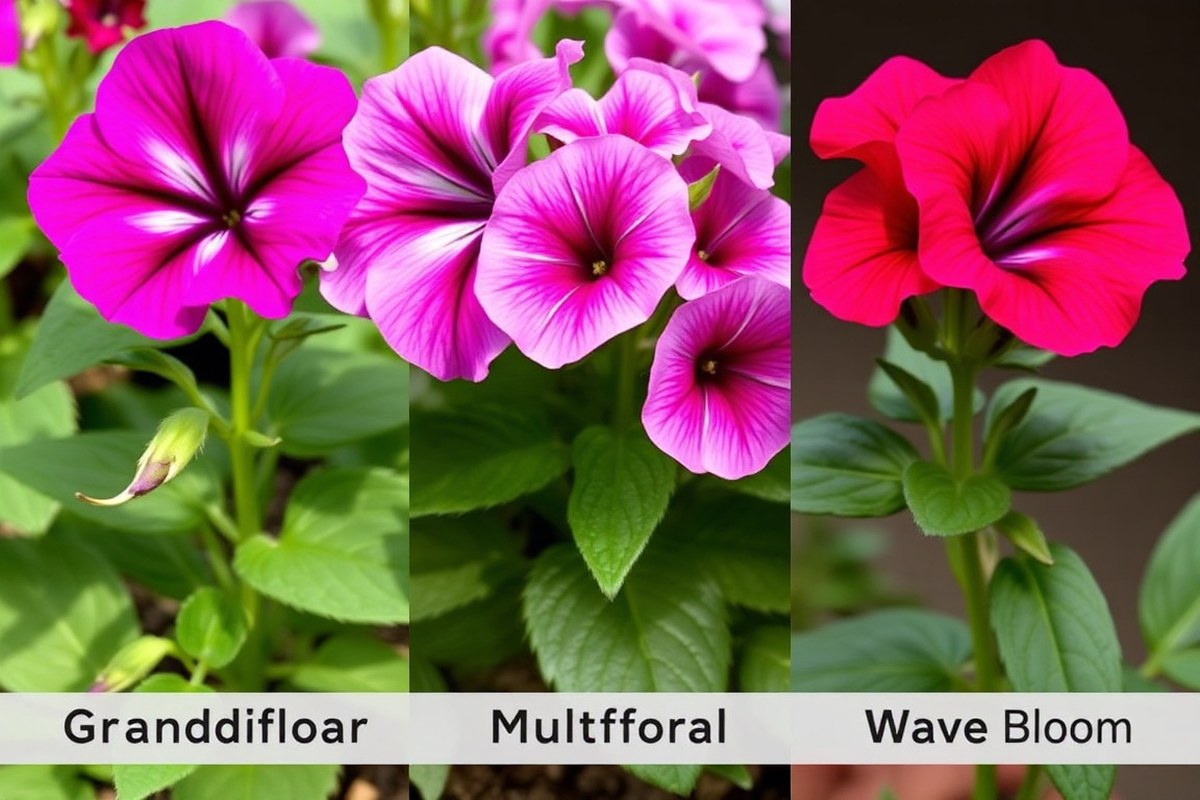
Petunias come in several types, each with different growth habits and flower sizes. Grandiflora petunias produce large, showy flowers but need more deadheading to keep blooming. Multiflora types have smaller blooms but flower more freely and last longer with less care.
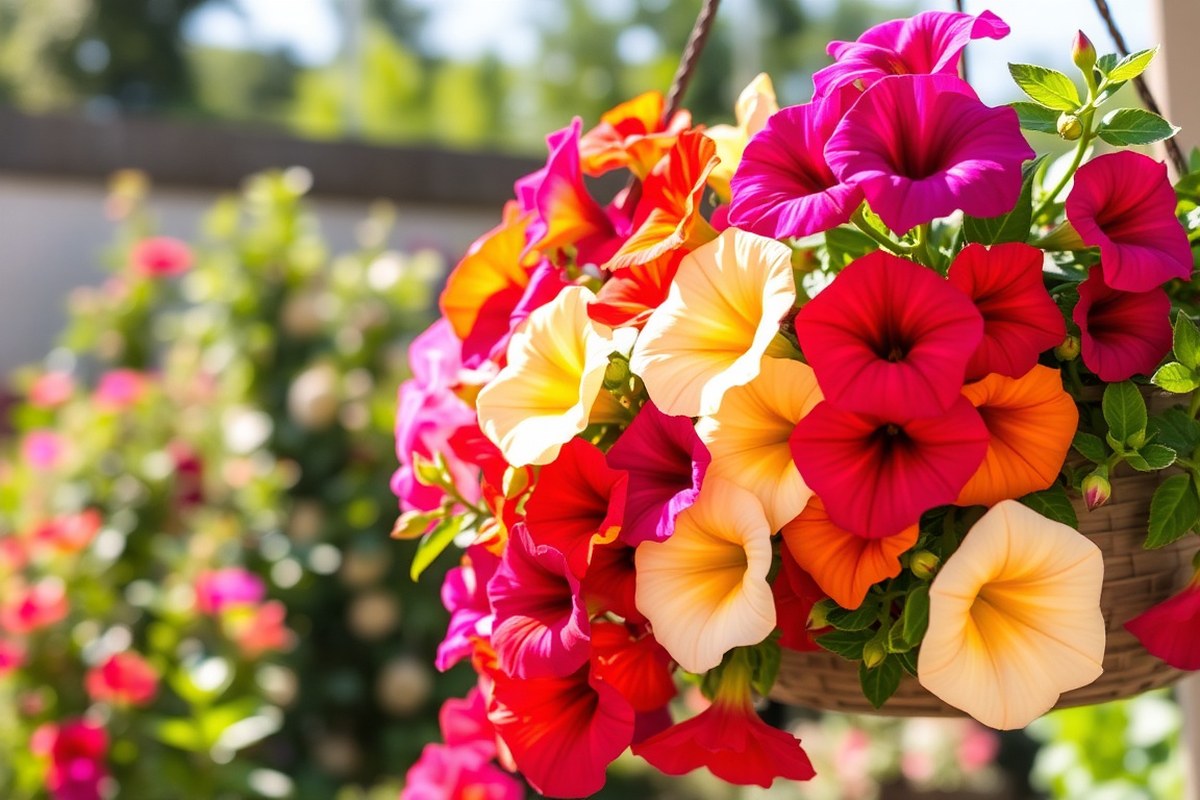
Milliflora petunias have tiny flowers and a compact growth habit. Spreading petunias, like the Wave type, grow close to the ground. They trail nicely, which suits hanging baskets well.
They also look great on container edges. Their trailing habit also helps cover ground in landscapes.
| Petunia Type | Flower Size | Growth Habit | Bloom Longevity | Best Use |
|---|---|---|---|---|
| Grandiflora | Large (2-3 inches) | Mounded, 12-18 inches tall | Moderate, needs deadheading | Garden beds, large containers |
| Multiflora | Small to medium (1-2 inches) | Mounded, 6-12 inches tall | Long, low maintenance | Containers, borders |
| Milliflora | Very small (under 1 inch) | Compact, bushy | Moderate, steady bloom | Small pots, mixed plantings |
| Spreading (Wave) | Medium (1-2 inches) | Trailing, up to 4 feet wide | Long, continuous bloom | Hanging baskets, ground cover |
Spreading petunias generally bloom longer and best in containers or hanging baskets. Their trailing habit lets flowers cover more space, and they need less deadheading. Grandiflora types give a big show but can slow bloom without regular care.
Size matters because larger flowers often mean a shorter bloom time and more maintenance. Vigorous petunias, such as Wave types, grow fast when fertilized. They last longer if they get full sun too.
Keep them fed and sunny for best results. Repot containers as plants fill out to avoid root crowding, which shortens blooming.
Petunias need six or more hours of full sun each day. Less sunlight can make them leggy. They may also drop many blooms without enough sun.
How Sunlight and Temperature Affect Petunia Lifespan
Petunias need at least 6 hours of direct sunlight daily. They grow best in temperatures between 60°F and 75°F. Too much heat or cold can reduce their bloom time and weaken the plant.
Ideal Sunlight Requirements
Petunias require daily sunlight to fuel their blooms. They do best with 6 to 8 hours of direct sun each day. Less sunlight makes stems stretch and leaves sparse, a condition called “legginess.”
Petunias in shade may grow taller but won’t flower as well. More sunlight results in fuller plants with abundant flowers. Try placing them where they get morning sun and some afternoon shade if it’s very hot.
Best Temperature Range for Growth
The perfect daytime temperature for petunias is between 65°F and 75°F. Nighttime temperatures should stay above 55°F. Below this, growth can slow and flowers may drop.
Temperatures above 80°F make petunias stressed and less likely to bloom well. In hot climates, some afternoon shade helps keep them healthier through summer. Cooler temperatures slow growth but keep plants compact and colorful.
Effects of Heat and Cold Stress
Excessive heat can cause petunias to wilt and stop blooming early. Very high temperatures dry out soil fast and stress the plants. Watering alone won’t fix this without some shade in hot afternoons.
Cold nights below 50°F stress petunias and may cause early leaf drop. Frost will kill most petunias, as they aren’t frost-tolerant. Keeping plants away from cold drafts and using covers can protect them during cool nights.
Watering Practices That Extend Petunia Blooming
Petunias need steady watering to keep blooming longer. Water them when the top inch of soil feels dry. Overwatering can drown roots, while underwatering causes wilting and poor flower growth.
Check how often to water based on temperature and pot size. Small pots dry out faster, especially in warm weather. Larger pots hold moisture longer and need less frequent watering.
| Temperature | Small Pot (6, 8 inches) | Large Pot (10+ inches) |
|---|---|---|
| Below 60°F (16°C) | Every 4, 5 days | Every 6, 7 days |
| 60, 75°F (16, 24°C) | Every 2, 3 days | Every 4 days |
| Above 75°F (24°C) | Every day | Every 2 days |
Signs of underwatering include droopy or crispy leaves and flowers closing early. Overwatered petunias show yellowing leaves, soggy soil, or mold on the surface. Both lead to fewer blooms and shorter flower life.
- Soil moist but not soggy feels best for petunias
- Water early morning or late afternoon helps minimize evaporation
- Use a finger test for dryness instead of fixed schedules
- Adjust watering for wind, sun intensity, and rainfall
- Potted petunias need more frequent watering than garden beds
Consistent watering supports healthy buds and steady blooming. Spot drooping or discolored leaves early to adjust watering quickly. Keeping soil evenly moist encourages longer flower life and prevents stress.
Fertilizing and Deadheading to Keep Petunias Blooming Longer
Petunias need weekly feeding with a fertilizer high in phosphorus to keep blooming. Use a balanced fertilizer with a 10-30-20 formula. It helps promote blooming instead of just leaf growth.
Dilute the fertilizer to half strength before use. Apply it once a week for steady feeding. This prevents burning the roots.
Deadheading means pinching off spent blooms. This stops the plant from using energy to make seeds. Removing old flowers regularly encourages fresh buds and keeps your petunias lively and colorful.
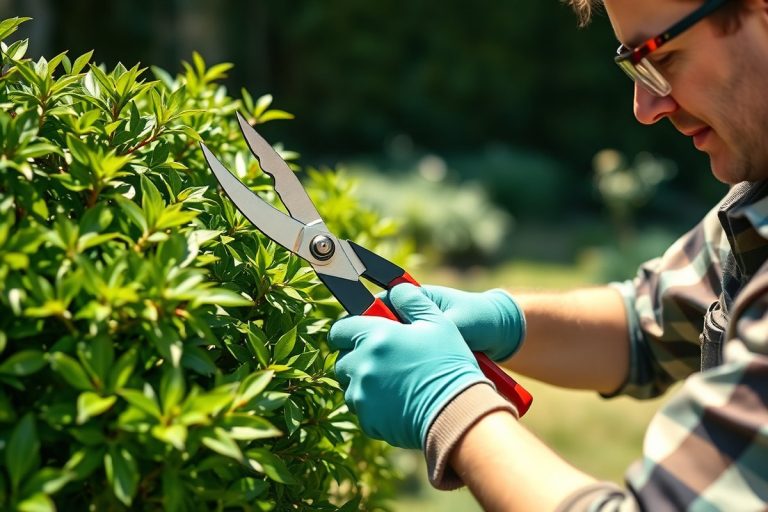
When petunias look leggy or too full, trimming back by one-third helps. Cut right above a leaf node or branch joint. Trimming encourages fresh growth and more blooms, especially if you fertilize right after cutting.
Follow these steps to feed, deadhead, and prune your petunias for longer blooming:
- Choose a high-phosphorus fertilizer (like 10-30-20) and dilute it to half strength.
- Apply the fertilizer once each week, directly to the soil around the roots.
- Check your petunias every 7 days. Pinch off spent blooms with fingers or scissors to encourage more flowers.
- Remove the entire flower head, including the base, to prevent seed development.
- Once a month or when it gets leggy, trim back your petunias by about one-third.
- Make cuts just above a strong leaf node to encourage new shoots and branches.
- After trimming, fertilize right away to help the plant recover and bloom anew.
Deadhead weekly to keep petunias blooming, but some modern hybrids may not need it.
Protecting Petunias from Frost and Cold Weather
Petunias cannot survive freezing temperatures, so you must protect them when frost threatens. Cover them or move containers indoors before cold hits. Timing protection around your local frost dates is key for good results.
Frost Sensitivity of Petunias
Petunias die if temperatures drop to freezing or below. They may survive a light frost briefly but won’t recover from hard freezes.
These plants evolved in warmer climates. So cold exposure damages their leaves and stems quickly.
Temperatures below 40°F already stress petunias and can slow growth. You should expect damage once frost is forecast, especially in areas outside zones 9 to 11. Without protection, expect petunias to stop blooming or die.
Covering and Outdoor Protection Strategies
To keep petunias outside during chilly nights, cover them when frost is expected. Use frost cloths, old bed sheets, or burlap tied loosely over plants. Remove covers during sunny days to prevent overheating and allow airflow.
Mulch around your petunias’ base to moderate soil temperature and protect roots from sudden cold snaps. Containers can be moved to sheltered spots like a porch or garage during cold spells. This moves plants away from cold ground and minimizes frost risk.
- Check local frost date forecasts weekly in spring and fall
- Cover plants loosely with frost cloth or breathable fabric at night
- Remove covers by mid-morning for sun and airflow
- Apply 2 inches of mulch around garden plants to insulate soil
- Move container petunias indoors or to a protected area below 40°F
- Avoid wetting leaves before cold nights to reduce frost damage
Start protections about two weeks before the first expected frost date. Repeat this at fall’s end to extend blooming. Outdoor cover methods work best if frost is brief and temperatures only dip slightly.
Indoors Overwintering Techniques
Petunias are normally annuals but can overwinter indoors to extend their life. Bring container petunias inside before the first hard frost hits your area. Place them in a sunny window or under grow lights with 6+ hours of light daily.
Maintain indoor temperatures near 60-70°F to keep petunias healthy through winter. Water plants when the soil feels dry but avoid overwatering. Cut back stems lightly to promote new growth before spring planting.
- Bring pots indoors 1-2 weeks before frost for hardening off
- Choose a bright, cool spot with at least 6 hours of light daily
- Water sparingly, letting soil dry between watering
- Trim leggy growth in late fall to encourage bushiness
- Plan to move plants outdoors again after danger of frost passes
Overwintering petunias indoors takes some effort but can add weeks or months to their life. Watch for pests like aphids indoors and treat early. Avoid cold drafts and sudden temperature changes to keep them healthy.
Common Pests, Diseases, and Issues That Shorten Petunia Lifespan
Common pests that attack petunias include aphids, spider mites, and caterpillars. Aphids cluster on new growth and cause sticky residue and distorted leaves. Spider mites leave tiny webs and yellow speckles on leaves, making them dry out fast.
Caterpillars chew holes in leaves and petals, ruining the plant’s appearance. You can manage these pests using insecticidal soap sprayed once a week until pests vanish. For heavier infestations, neem oil works as a natural treatment.
Avoid spraying petunias in direct sun. This will help prevent leaf burn.
Fungal diseases like powdery mildew and botrytis blight often affect petunias. Powdery mildew looks like a white powder covering leaf surfaces. Botrytis blight causes gray fuzzy mold on petals and leaves.
These diseases spread faster in humid, crowded conditions with poor air circulation. To prevent pests, space petunias properly. Water only at the base in the morning.
This lets the leaves dry quickly. Removing affected leaves immediately stops spread and improves plant health.
Wilting and leggy growth usually mean your petunias need a change in care. Wilting might result from underwatering, overwatering, or root rot caused by poor drainage. Legs get long when plants lack sunlight or nutrients.
Trim back long stems by about one-third regularly to encourage bushier growth and fresh flowers. Don’t remove more than 20% of the plant at once to avoid stressing it. Boost feeding with a balanced fertilizer every two weeks to support healthy blooms and leaves.
How to Grow Petunias from Seed and What Affects Bloom Timing
Start petunia seeds indoors 10 to 12 weeks before the last frost date. They need about 10 to 12 weeks from seed to first bloom. Growing conditions like light, temperature, and moisture affect how fast they bloom.
Timing Seed Starting
Start your petunia seeds indoors 8 weeks before the last frost. That usually means late winter or early spring. This timing lets seedlings develop enough to bloom soon after transplanting.
Starting too early can cause leggy seedlings that struggle outdoors. Starting too late shortens bloom time before frost. Knowing your local frost date helps you plan seed sowing right.
Seedling Care and Environment
Petunia seeds germinate best with soil temperatures around 70°F. Use a seed-starting mix kept moist but not soggy. Bright light is important once seedlings emerge to prevent them from growing tall and weak.
Keep seedlings under fluorescent lights or near a sunny window for 14 to 16 hours daily. Maintain indoor temperatures between 65°F and 75°F. Proper airflow and gentle watering help keep plants healthy.
Typical Growth to Bloom Timeline
It typically takes 10 to 12 weeks from planting seed to the first petunia bloom. After germination, seedlings develop leaves and stems for 6 to 8 weeks. Once transplanted outdoors, flowering begins about 2 to 4 weeks later.
The bloom period lasts until the first hard frost kills the plants. Warmer conditions speed growth, while cooler temperatures can delay blooms by weeks. Proper care shortens the waiting time for flowers.
Here is a clear step-by-step way to start petunias from seed and grow them to bloom:
- Select seed-starting trays and fill with moist seed-starting mix.
- Sow petunia seeds thinly on the surface, barely covering them.
- Maintain soil temperature around 70°F with heat mats if needed.
- Provide bright light 14 to 16 hours each day after germination.
- Keep soil moist but avoid overwatering to prevent damping-off disease.
- Thin seedlings to strongest plants once true leaves appear.
- About one week before last frost, harden off seedlings outdoors gradually.
- Transplant them into garden or containers after frost danger passes.
Never let seed-starting soil dry out completely or the seeds will fail to sprout.
Step-by-Step Action Plan for Longer-Lasting Petunias
Follow these steps to enjoy petunias that bloom beautifully for weeks. Each step helps you check that your petunias stay healthy and vibrant.
- Before planting: Choose petunia varieties known for long blooms, like Wave or Supertunia types. Healthy starts mean longer blooms.
- Week 1: Plant petunias in full sunlight, at least 6 hours daily. Watch for strong new growth as a good sign.
- Weeks 2-3: Water deeply but only when the soil feels dry a few inches down. Leaves should look fresh, not wilting or drooping.
- After 3 weeks: Fertilize with a balanced, water-soluble fertilizer every two weeks. Expect more vibrant flowers within a week of feeding.
- Weekly: Deadhead spent blooms to encourage new flowers. Check that buds keep forming and old flowers drop off cleanly.
- If cold weather threatens: Cover or move petunias indoors when temperatures dip below 40°F. Leaves should stay green without frost damage.
- Monitor ongoing: Check regularly for pests like aphids or diseases. Early removal stops damage and helps blooms last longer.
- After seed planting: Keep seedlings warm and moist until they sprout, then move them to sunlight. Seedlings showing several true leaves are ready to transplant.
Frequently Asked Questions
How Long Do Petunias Last in Containers?
Petunias in containers typically last 4 to 6 months with proper care. Make sure to water them regularly and give them enough light for best results.
Can Petunias Survive Indoors for a Long Time?
Petunias can survive indoors for several months if placed in bright, direct sunlight. Keep the temperature between 65-75°F and water consistently to prevent wilting.
How Fast Do Petunias Bloom After Planting?
Petunias start blooming 8 to 10 weeks after planting seeds. Transplanted seedlings bloom in 1 to 2 weeks. Adequate light and warmth speed this process.
Does Pruning Petunias Affect How Long They Last?
Pruning petunias helps promote new growth and longer blooming periods. Trim dead or leggy stems every few weeks to keep plants healthy and full.
Can Petunias Last Through Winter in Mild Climates?
Petunias can survive 2-3 years in mild climates if protected from frost. Cover them or bring them indoors when temperatures drop near freezing.
Do Different Soil Types Affect Petunia Lifespan?
Well-drained, fertile soil helps petunias live and bloom longer. Soil that stays soggy or drains poorly can shorten their life and cause root problems.
Wrapping Up
Petunias typically bloom from spring to fall when cared for properly. Giving them full sun, regular water, and routine deadheading really pays off. Start by picking a long-blooming variety and watch your garden brighten for months.