How Fast Do Lilacs Grow: Complete Growth Guide with Expert Tips
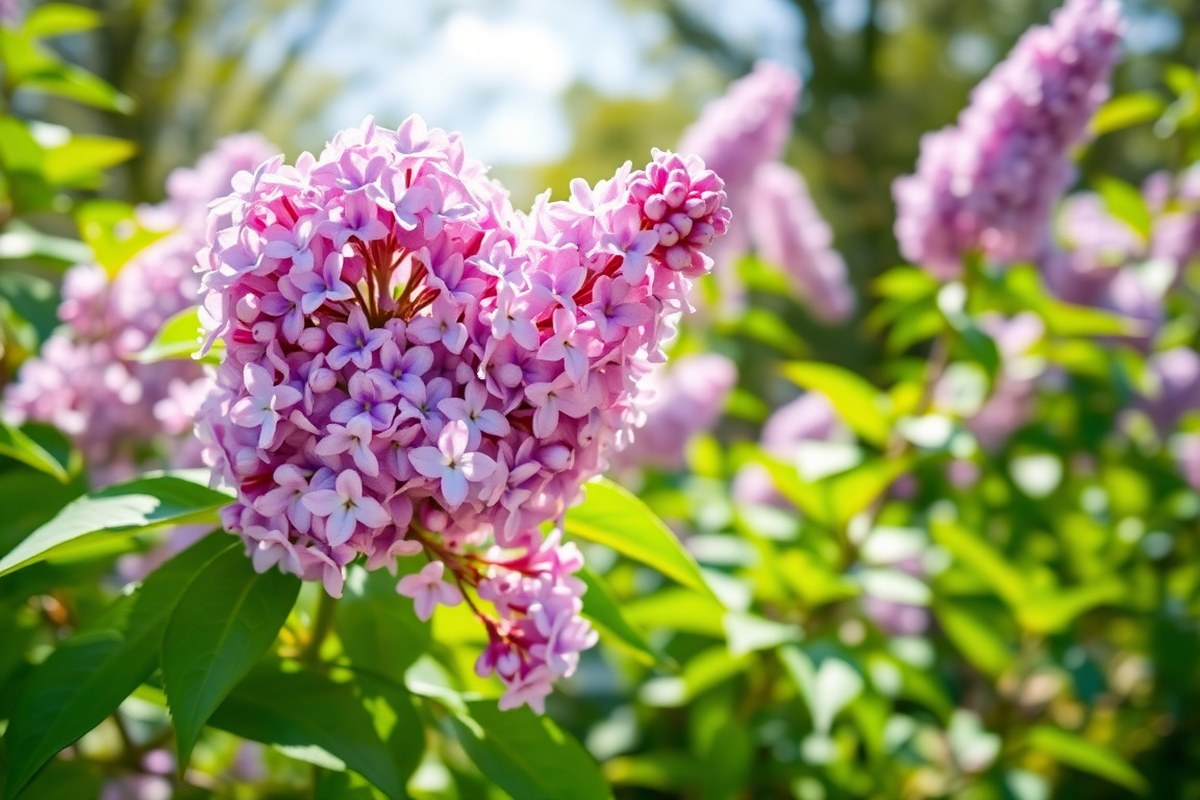
How fast do lilacs grow? Lilacs usually add about 12 to 24 inches each year once they’re established.
The common lilac grows a bit slower, between 12 and 18 inches annually. But it can still reach 15 feet tall over time.
In the first year, lilacs grow 6 to 12 inches. They take time settling into their new spot. Growth is slow at first but normal.
After that, with good care, they’ll grow about 1 to 2 feet every year. Giving them plenty of space helps their branches spread and keeps the plant healthy.
Growth speed depends on the lilac type and growing conditions. Watch out for crowded spots that block sunlight or slow air flow. Proper pruning and fertilizing can also boost their growth for better blooms later on.
Key Takeaways
- Common lilacs grow between 12 and 18 inches annually.
- Most lilacs add 1 to 2 feet of growth each year after the first.
- Expect only 6 to 12 inches of growth in the first year.
- Space moderate-growth lilacs 6, 8 feet apart for best development.
- Fast-growing lilacs need 10, 12 feet of space to avoid crowding.
- Proper pruning encourages stronger growth and fuller blooms.
How Fast Do Lilacs Grow Each Year?
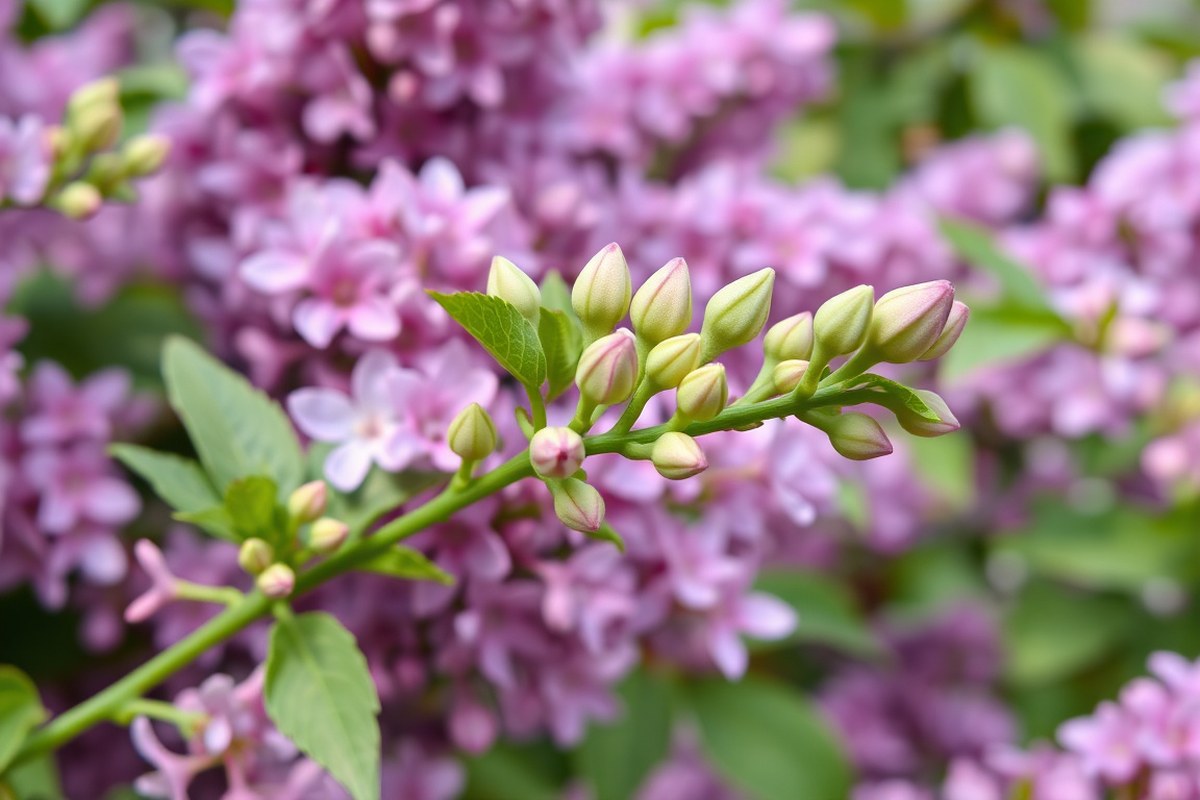
Lilacs grow about 12 to 24 inches per year once established. Common lilacs typically add 12 to 18 inches annually. Tree lilacs grow slower than other types.
They can reach 20 to 30 feet tall. These trees take longer to show full growth.
During their first year, lilacs usually grow 6 to 12 inches. This slower start lets them build strong roots before rapid shooting. By years three to five, you’ll see them grow about 1 to 2 feet each year.
Most lilacs reach their full size between 8 to 15 feet tall. Common varieties take around 8 to 12 years to mature. Smaller or dwarf types often fill out faster, around 4 to 6 years.
For tree lilacs, it can take 12 to 15 years or more to reach full height. Their mature size is larger, so it naturally takes longer. This means you may need patience if you choose these taller types.
In early growth stages, lilacs first focus on root and stem development. The second to fifth year usually sees steady height and spread gains. After that, growth slows as the plant fills out and blooms well.
Expect a moderate growth pace to continue until maturity. Watch growth after five years. Slow growth may mean poor soil or low sun.
Check these conditions to help your lilac. Healthy lilacs grow faster and bloom more heavily over time.
Lilac Variety Differences That Affect Growth Speed
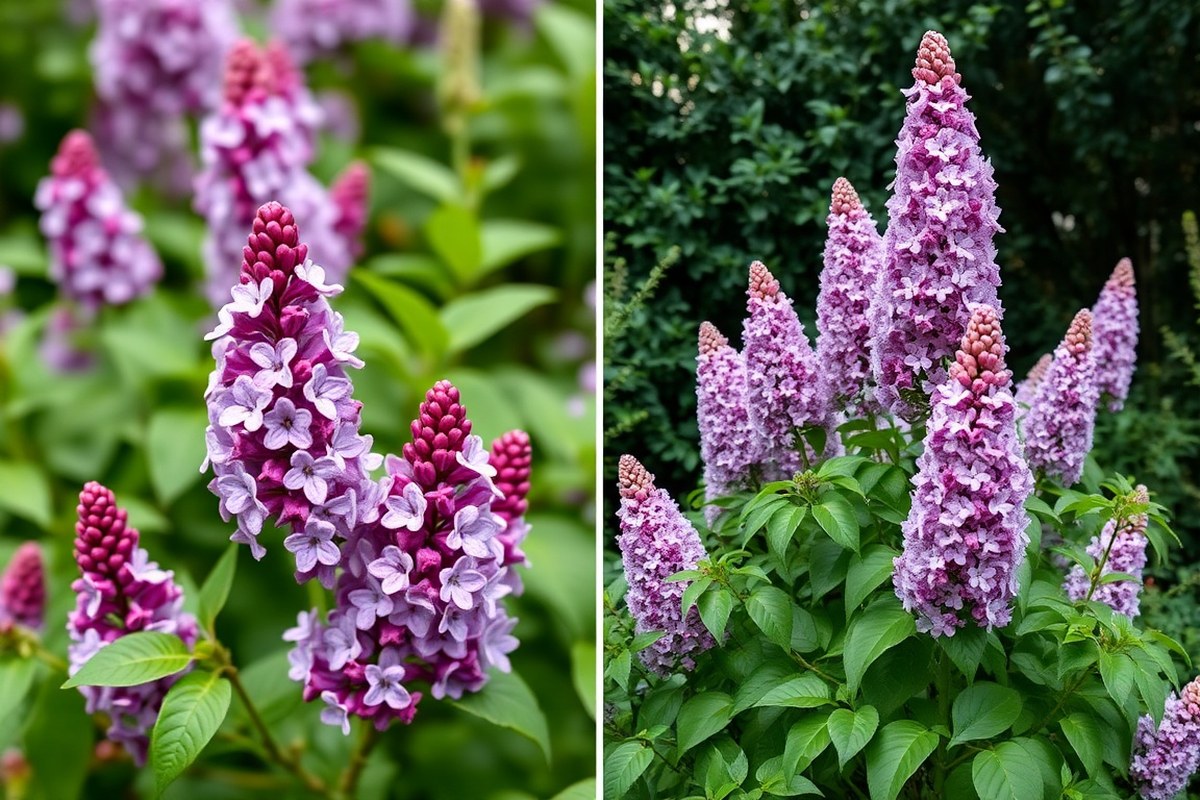
Lilac growth depends heavily on the variety you choose. Common lilacs, like Syringa vulgaris, typically grow faster than dwarfs and hybrids.
Dwarf lilacs grow slower and stay smaller, making them perfect for small gardens or containers. Some lilacs reach only 2 to 3 feet tall.
Common lilacs can grow up to 15 feet. They are much taller than the smaller types.
Tree lilacs, like Japanese lilac (Syringa reticulata), grow slowly. They can become quite tall. They act more like small trees.
Hybrids often grow between dwarf and common lilac sizes. They balance size and bloom time. This offers more variety for your garden.
| Variety / Type | Mature Size (Height × Spread) | Use |
|---|---|---|
| Common lilac (Syringa vulgaris) | 8, 15 ft × ~6, 12 ft | Classic hedge or focal shrub |
| Japanese tree lilac (Syringa reticulata) | 20, 30 ft × 15, 25 ft | Small specimen tree |
| Dwarf varieties (e.g., ‘Palibin’, ‘Miss Kim’) | 2, 6 ft tall | Small gardens, containers, front-of-border planting |
| Hybrid long-bloom types (e.g., Bloomerang) | 4, 8 ft tall | Compact shrubs with longer bloom period |
The fastest growing types among these are common lilacs. They can put on 12 to 18 inches of growth each year.
Dwarf varieties grow slower, often less than a foot annually. But their size makes up for their speed.
Tree lilacs take more time to fill out. They grow larger and taller than common lilacs. Their height can double that of common types.
Hybrids such as Miss Kim grow faster than dwarfs. They stay shorter than common or tree lilacs. This size suits smaller spaces.
Space lilacs according to their mature size to avoid crowding and promote healthy growth.
Environmental Factors Influencing Lilac Growth
Lilacs grow best when they get full sun and well-drained soil. They need regular watering at first but not soggy roots. Climate zones also shape how fast they develop and stay healthy.
Sunlight and Temperature Requirements
Lilacs need at least six hours of direct sun each day to grow well. Full sun boosts both height and flower production. Partial shade slows growth and delays blooms, while deep shade causes thin, leggy stems.
Ideal temperatures range from cool springs to warm summers. Lilacs prefer a winter chill to set buds properly. Temperatures too hot or too mild can reduce flower quality and growth speed.
Soil Conditions and Moisture Management
Lilacs grow best in loamy soil that drains well and has a pH from 6.0 to 7.0. Soil that’s very acidic or alkaline makes it hard for lilacs to absorb nutrients. Hard or clay soil blocks root growth and limits the plant’s size.
Watering matters mainly in the first growing season. Keep soil moist but not soaked during establishment. Overwatering can rot roots and stunt plants, while underwatering stresses growth.
- Ensure soil drains within 24 hours after watering.
- Check soil moisture every 10 to 14 days; water as needed.
- Avoid heavy clay or compacted soil to prevent root stress.
- Mulch around plants to keep soil moist and cool.
- Test soil pH and adjust it with lime or sulfur if needed.
Regular pruning after flowering helps maintain health but does not affect watering or soil needs directly. Healthy soil and moisture encourage strong root and shoot growth.
Climate Zone Impact on Growth Rates
Lilacs grow best in USDA zones 3 through 7. These zones provide enough cold winter days for bud set. Growth slows outside these zones due to unsuitable temperatures.
Areas with hot, humid summers or mild winters may see poor flowering and weaker growth. Gardeners in warmer zones might need shade or extra watering. Cold zones below 3 can damage lilac branches and limit growth.
Pruning Practices and Their Effect on Lilac Growth
Pruning lilacs right after they bloom keeps them healthy and encourages more flowers the following year. Prune carefully to avoid cutting new growth and stunting the bush. Proper pruning controls size and shapes the plant for better airflow and light.
Ideal Pruning Timing After Flowering
Cutting lilacs right after the flowers fade is best. The blooms form on old wood, so pruning too late removes future buds. Give the plant 2 to 3 weeks post-bloom before you start cutting.
This timing lets the lilac use its energy to form flower buds for next season. Avoid pruning in fall or winter since the plant won’t produce flowers from new growth then. Stick to late spring or early summer.
Correct Pruning Cuts to Encourage Growth
Use sharp, clean shears for neat cuts. Cut branches back about a third to half their length, starting with dead or weak wood. Thinning crowded branches improves air circulation and sunlight.
Leave healthy shoots intact to avoid stressing the lilac. Make cuts just above a leaf node angled away from the center. This helps prevent rot and directs new growth outward.
Avoid heavy pruning that removes more than half the bush. That can delay blooming for a year or two. Steady yearly pruning is easier on your lilac and keeps growth steady.
Pruning Dwarf Versus Large Lilac Varieties
Dwarf lilacs grow smaller and dense, so prune lightly to maintain shape. Focus on removing spent flowers and thinning branches every year after bloom. Avoid cutting too low on stems for dwarf types.
Larger lilac varieties need more aggressive pruning to control height and spread. You can reduce tall branches by a third each year.
But do it in stages over 2 to 3 years. That prevents shock and unwanted growth spurts.
For both types, clean pruning tools limit disease risk. Wear gloves and remove cuttings to prevent pests and fungal infections. Follow these steps to prune lilacs properly:
- Wait until flowers fully fade and petals drop off.
- Remove old flower clusters by cutting just below them.
- Cut out dead or weak branches at their base.
- Thin crowded areas by removing entire branches to improve airflow.
- Trim remaining healthy branches by one-third to half their length.
- Make all cuts at a slight angle above a leaf node facing outward.
- Dispose of pruned material to keep the area clean and pest-free.
- Repeat each year to keep lilacs healthy and blooming.
How Fertilizing Can Accelerate Lilac Growth
Lilacs grow best with a balanced fertilizer designed for woody plants. A 10-10-10 granular fertilizer works well because it provides equal parts nitrogen, phosphorus, and potassium. Apply this fertilizer twice a year.
Do it once in early spring. Apply again in the fall. This gives your lilac nutrients for healthy shoots and strong roots.
Use about 1/2 pound of fertilizer per 25 square feet of planting area. Spread fertilizer evenly around the shrub base. Stay a few inches from the main stems.
This prevents burn. Water the soil thoroughly after applying fertilizer.
This helps nutrients soak in deeply. Roots get the nutrients where they need it most.
Over-fertilizing lilacs can cause excessive leaf growth at the expense of flowers. Too much nitrogen especially leads to lush green leaves but fewer blooms. Follow the recommended fertilizing amounts carefully.
Stop fertilizing after mid-summer. Avoid pushing new growth that won’t harden before winter.
Always follow the label instructions on your fertilizer package to avoid damaging your lilac.
Some gardeners use a 5-10-10 fertilizer to encourage blooming rather than leaf growth. Lower nitrogen and higher phosphorus supports flower development. Your soil may already be rich.
You can skip spring fertilizer. Feed only in fall to boost root growth before winter.
For container-grown lilacs, fertilize more often because nutrients wash out faster. Use a slow-release fertilizer every three months during the growing season. Keep soil moist to help roots absorb nutrients.
Young and potted plants need extra feeding. Moist soil helps them grow quickly.
Common Growth Problems and How to Fix Them
Pests like lilac borers and aphids can slow your plant’s growth. Lilac borers make wilted branches and small holes in stems. Aphids cluster on new leaves, causing curls and sticky spots.
Catch them early by inspecting your lilac monthly in spring and summer. Spray with insecticidal soap or neem oil. You can also prune and remove infested branches to stop borers.
Lilacs face diseases such as powdery mildew and bacterial blight that stunt growth. Powdery mildew leaves a white dusty coating on leaves. Bacterial blight causes black, dying shoots, especially in wet weather.
Improve air flow around your lilac by spacing plants well and pruning crowded branches. Trim affected leaves or stems right away and avoid watering overhead. These steps cut disease spread and keep growth strong.
- Check for bored holes or sawdust-like frass on stems for borers.
- Look for curled, sticky leaves when spotting aphids.
- Spot powdery mildew by a white, powdery leaf coating.
- Identify bacterial blight by blackened, dead shoots.
- Water lilacs in the morning directly at the soil line.
- Apply balanced fertilizer in early spring to avoid nutrient shortages.
- Move lilacs to full sun spots to boost growth speed.
Too much watering causes yellow spots and wilting on lilac leaves. Overwatering makes roots soggy and stops oxygen uptake. Water deeply once a week during dry times and let soil dry out between sessions.
Check soil by sticking your finger 2 inches in. If damp, wait before watering again.
Yellow or pale leaves can also signal a lack of nutrients. Use fertilizer with balanced nitrogen, phosphorus, and potassium in early spring.
Don’t overdo it; excess fertilizer can burn roots and slow growth. Watch for steady green leaves and steady new shoots as signs your lilac is healthy again.
Propagation Methods and Initial Growth Rates
Lilacs can be grown from cuttings or seedlings, but their growth speed differs. Cuttings usually root in about 3 to 6 weeks and start growing slowly at first. Seedlings grow slower than mature plants at first.
They may catch up after a couple of years. Proper care helps them grow better.
Propagation from Cuttings Timeline
Cuttings give you a clone of the parent lilac, preserving its traits. It takes about 3 to 6 weeks for cuttings to develop roots under good conditions. Follow these steps to root lilac cuttings successfully:
- Pick a healthy stem that is semi-hardwood. It should be 4 to 6 inches long. Do this in late spring or early summer.
- Cut just below a leaf node, removing lower leaves to expose a few inches of stem.
- Dip the cut end in rooting hormone powder to encourage root development.
- Put the cutting in a pot with well-draining soil. Use a mix of peat and perlite in equal parts. This helps the cutting get water but not drown.
- Water the cutting lightly and cover with a plastic bag or dome to maintain humidity.
- Place the pot in indirect light, keeping soil moist but not soggy.
- Check for roots by gently tugging after 3 weeks, leaving it longer if needed.
- Transplant to a larger container or garden bed once roots are about 2 inches long.
Good rooting shows white, fibrous roots. Poor results come from overwatering or low humidity, causing the cutting to rot.
Growing Lilacs from Seedlings
Seedlings grow from seeds and take more time to establish than cuttings. The first one or two years, cuttings grow roots and stems slowly.
This is before they reach normal growth speeds. Patience helps here.
Seedlings grow slower in early years than mature plants. They spend energy building strong roots first.
This is why their early growth is slow. Expect less than a foot of top growth annually until the third or fourth year.
Growing from seed offers genetic diversity, but results vary widely. Some seedlings never grow as fast or tall as their parents. So patience matters a lot.
Caring for Young Lilac Plants
Young lilacs need well-drained soil to prevent root rot. Avoid heavy clay soils or waterlogged spots, which stunt growth.
Keep the soil moist but not wet, watering about once a week during dry spells. Mulch around the base to retain moisture and suppress weeds. But keep mulch 2 inches away from the stem.
Provide plenty of indirect sunlight for seedlings or cuttings while they establish. Avoid harsh full sun on cuttings until roots develop to prevent drying out.
Choosing the Right Lilac and Placement for Growth Success
Choose a lilac variety that fits your garden size and climate zone. With over 1,000 varieties, growth speed and mature size differ a lot.
Old-fashioned lilacs often grow faster and cover more space. So give them room to spread.
Planting lilacs too close leads to stunted growth from competition. Keep at least 5 to 15 feet between bushes, depending on the variety’s mature width. Larger types need more space to grow healthy and strong.
| Lilac Variety Type | Mature Width (ft) | Recommended Planting Distance (ft) | Growth Notes |
|---|---|---|---|
| Old-fashioned (Common Lilac) | 10, 15 | 12, 15 | Fast growth, spreads quickly |
| Dwarf Lilacs | 3, 5 | 5, 7 | Slower growth, fits small gardens |
| Reblooming Varieties | 6, 10 | 8, 12 | Moderate growth, blooms twice per season |
| Tree Lilacs | 10, 15 | 12, 15 | Grows tall, well suited for open spaces |
Place lilacs in locations with full sun for best growth. They tolerate some shade, but flowers suffer and growth slows. Choose spots with at least six hours of direct sunlight a day and well-drained soil.
Good soil drainage prevents root rot and helps lilacs thrive. Avoid low spots where water pools. Planting in raised beds is an option if your garden has heavy, poorly drained soil.
Plant lilacs in full sun and space them well to avoid slow growth and poor flowering.
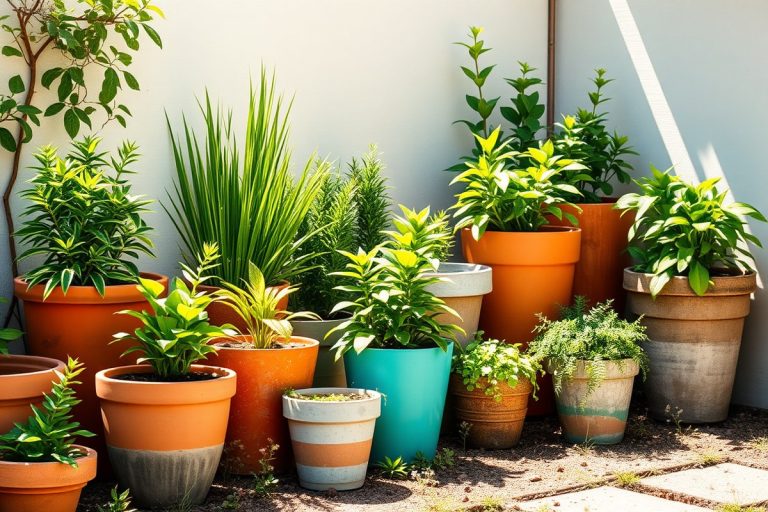
Plan your planting area carefully. Give old-fashioned or tree lilacs room to expand without crowding fences or paths. Smaller or dwarf lilacs work well near patios or smaller yards where space limits planting distances.
Remember, wrong placement means slower growth and fewer blooms. Correct spacing and sunny sites set your lilacs up for healthy, faster growth from the start.
Step-by-Step Action Plan to Speed Up Your Lilac’s Growth
Follow these steps to help your lilac grow faster and stay healthy. You’ll see progress within weeks.
- Before Planting: Choose a lilac variety suited for your climate. Healthy starts grow faster.
- Day 1: Plant in full sun with well-drained soil. Check for firm soil and no puddles.
- Week 1: Water deeply but don’t overwater. Soil should feel moist, not soggy.
- Month 1: Apply a balanced fertilizer. Watch for new leaves and stronger stems.
- After 6 Weeks: Prune dead branches carefully to encourage new growth. New shoots should appear soon.
- Month 3: Mulch around the base to keep moisture steady. Leaves remain healthy and green.
- Every Spring: Repeat light pruning to shape the bush. Your lilac will bloom fuller next year.
Frequently Asked Questions
How Long Does It Take for a Lilac to Start Blooming After Planting?
Lilacs usually bloom 2 to 3 years after planting. Providing good soil and sunlight speeds flowering.
Can Lilacs Survive in Partial Shade or Do They Need Full Sun?
Lilacs grow best in full sun but tolerate partial shade. Shade can reduce flowering and slow growth.
Do Lilacs Require Special Soil Conditions to Grow Well?
Lilacs prefer well-drained, slightly alkaline soil. Heavy clay or acidic soil may stunt growth and blooms.
How Does Winter Temperature Affect Lilac Growth?
Cold winters help lilacs develop flower buds for spring. Milder winters may lead to fewer blooms.
Is It Normal for Lilacs to Lose Leaves During Summer?
Lilacs usually keep leaves through summer unless stressed. Leaf loss may mean drought, pests, or disease.
Can Lilacs Be Grown Successfully in Containers?
Yes, lilacs grow in large containers with good drainage. Container plants need more frequent watering and feeding.
Wrapping Up
Lilacs grow steadily when you pick the right spot and care for them well. Start by planting in good soil and sunny places.
Watch for new growth after feeding and pruning. Your lilac will reward you with lovely blooms.